
Reviewed · KUNG FU SHOWS
Beijing:Learn Calligraphy & Enjoy Kung Fu Tea Ceremony
Slow down with a brush or teapot. This two-hour Beijing experience gives you a hands-on look at Chinese culture in a traditional tea setting, with a choice between a Kung Fu Tea Ceremony and a Chinese calligraphy class. I like the English-speaking instruction, which removes the need to follow a translator, and I like that the calligraphy option gives you artwork to take home. The main consideration is that you must choose one option, so you will not receive a full tea course and a full calligraphy lesson in the same booking.
The setting matters here. You are not simply watching a demonstration before being sent on your way. You handle tea utensils, taste different teas, or practice with brush, ink, paper, and inkstone. The available feedback is especially strong on the tea selection, clear teaching, and welcoming atmosphere. Charlotte is named as a warm host who answered questions carefully in a room filled with teapots, cups, and tea.
In This Review
- Key Points Before You Book
- Choosing Between Tea and Calligraphy
- Entering a Traditional Tea Space in Beijing
- What You Learn in the Kung Fu Tea Ceremony
- Why the Tea Utensils Matter
- Practicing Chinese Calligraphy With a Brush
- How the Two Hours Are Likely to Feel
- The English Instruction Is a Real Advantage
- Is the $48 Price Good Value?
- Who Will Enjoy This Beijing Experience
- Planning Your Visit
- Should You Book It?
- FAQ
- How long does the experience last?
- What choices are available?
- Is the instruction available in English?
- What does the Kung Fu Tea Ceremony include?
- What does the calligraphy class include?
- Do I need previous tea or calligraphy experience?
- Is transportation included?
- Can children take part?
- Is the activity wheelchair accessible?
- Can I cancel my booking?
Key Points Before You Book
- Two different cultural classes: Choose the Kung Fu Tea Ceremony or the Chinese calligraphy experience, not both in one two-hour session.
- English-speaking teachers: A certified tea instructor leads the tea option, while a professional Chinese teacher guides the calligraphy class.
- Traditional tea setting: The tea option covers six major tea types, storage, classification, utensils, and brewing methods.
- A personal keepsake: The calligraphy class includes a scroll that you create yourself and take home.
- Tea and snacks included: Both choices include traditional Chinese tea and local snacks, along with the materials needed for the class.
- Easy for beginners: No previous experience is required, and the activity is suitable for solo visitors, couples, families, and small groups.
Choosing Between Tea and Calligraphy
The first decision is simple but important. You book either the Chinese Kung Fu Tea Ceremony or the Chinese Calligraphy Experience Class. Both last about two hours and take place in a traditional cultural space, but they offer very different ways to spend your time.
I would choose the tea class if you enjoy tasting, conversation, objects, and small details. You learn how tea is classified, stored, purchased, brewed, and enjoyed in China. The lesson also introduces the six major types of Chinese tea and the tools used to prepare them, from a simple gaiwan to more elaborate Yixing teapots.
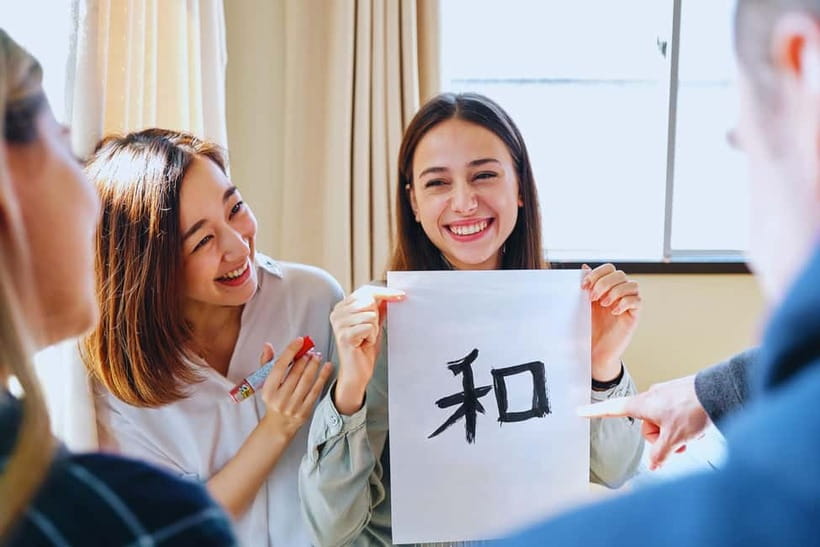
I would choose calligraphy if you want a quieter activity and a physical souvenir. You learn how the brush, ink, paper, and inkstone work together, then practice writing Chinese characters with guidance from an English-speaking teacher. The finished scroll is your own piece, not a shop-bought decoration.
The two options share tea, snacks, instruction, and a traditional setting. The difference is the kind of attention you give. Tea asks you to watch the process and taste carefully. Calligraphy asks you to slow your hand, control the brush, and accept that your first character may look more like a startled insect than a work of art.
More Tea Ceremonies in Beijing
- Traditional Chinese Tea Ceremony Experience
★ 4.7 · 74 reviews - Beijing Culture: Tea Ceremony, Heritage Instrument & Calligraphy
★ 5.0 · 57 reviews - Chinese Tea ceremony in Beijing Hutong courtyard
★ 4.7 · 26 reviews
Entering a Traditional Tea Space in Beijing
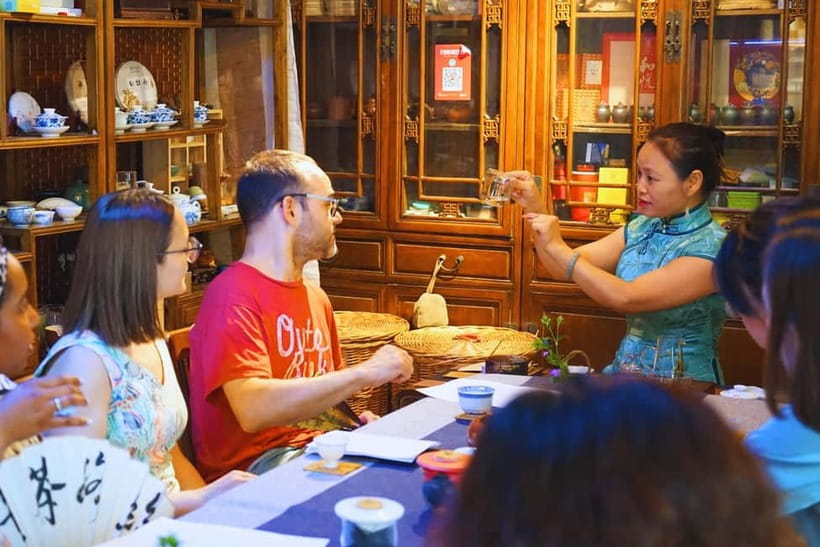
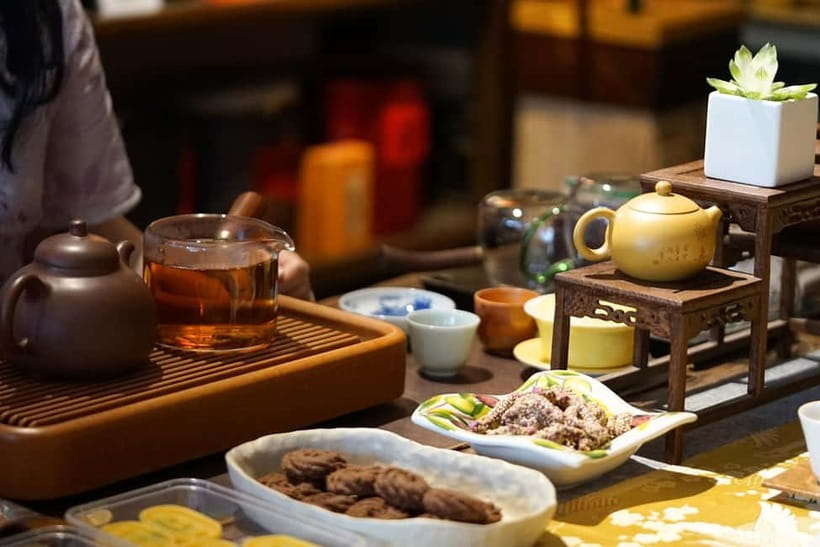
The setting is one of the most appealing parts of the experience. The tea room is described as a space filled with teapots, cups, and tea, giving the lesson a proper sense of place rather than the feel of a standard classroom.
That visual detail helps. Tea culture is not only about what is in the cup. It also involves the shape of the pot, the size of the cup, the order of the steps, and the way leaves are handled. Seeing these objects close at hand makes the subject easier to understand.
Charlotte received especially warm praise for welcoming visitors into this tea-filled room and creating a friendly atmosphere. I would keep that in mind if you feel unsure about asking questions. The teaching style appears to encourage curiosity, which is useful because tea customs can seem mysterious when you first encounter them.
The exact meeting point can vary according to the option you book. Check the location carefully before setting out, and allow enough time to arrive since transportation and hotel transfers are not included.
What You Learn in the Kung Fu Tea Ceremony
The tea option is not just a tasting session. It introduces the practical system behind Chinese tea, including the six major categories, storage, classification, and brewing methods.
You will work with tea leaves and traditional utensils during the two-hour course. The instructor explains how different tools are used, including the gaiwan and Yixing teapot. These names may be unfamiliar, but seeing the objects used in context makes the differences easier to remember.
The lesson also looks at how tea is consumed and purchased across Chinese society. That broader point is valuable because it moves the experience beyond taste. You gain a better sense of tea as an everyday product, a social custom, and a careful craft.
The available feedback gives strong emphasis to the number of teas tasted and the amount of useful information provided by the teacher. That combination is a good sign for anyone who wants more than one quick sample. You should expect to taste several interesting teas while learning how brewing choices affect the result.
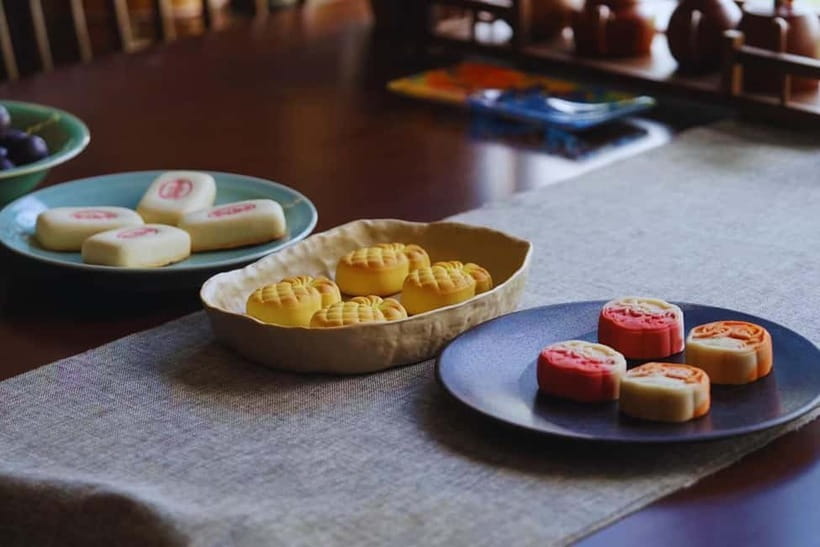
Traditional snacks are included, too. They add a small food element to the class and give you something to enjoy while the tea is prepared. This is not a meal, so you should not book it as a replacement for lunch or dinner.
Why the Tea Utensils Matter
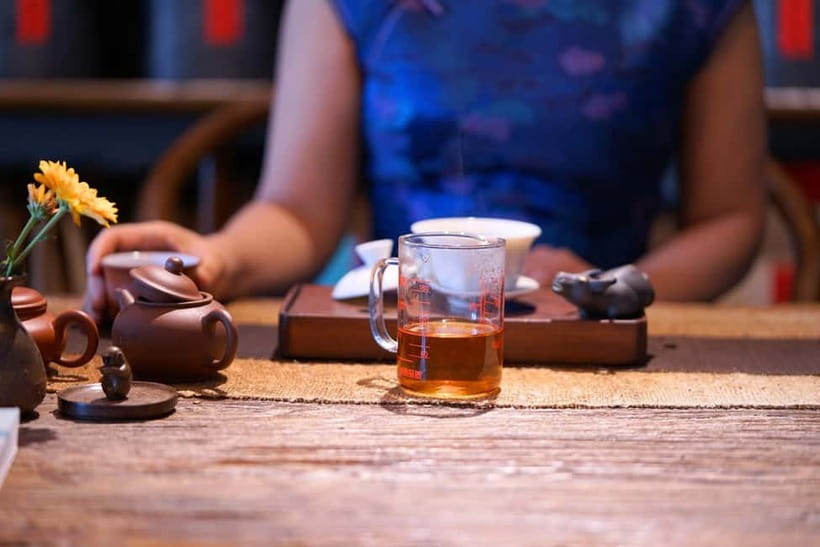
Tea equipment can look decorative from a distance, but the class treats it as part of the lesson. A gaiwan is a simple lidded bowl used for brewing and drinking tea, while a Yixing teapot has its own place in Chinese tea practice.
You do not need prior knowledge to follow this section. The value comes from learning why several tools exist and how they affect the act of preparing tea. Instead of seeing a row of attractive cups and pots, you begin to understand their purpose.
This is also where an English-speaking instructor makes a real difference. Tea terminology can be difficult when you are relying on a translation, especially when the lesson involves brewing steps and cultural customs. Direct explanations let you ask follow-up questions without breaking the flow.
Keep your expectations sensible. This is a two-hour introduction, not professional training in tea service. You will gain a useful foundation and some practical familiarity, but the class cannot cover every regional style or tea tradition in China.
More kung fu shows in Beijing:
- Chinese Kung Fu Experience Class in Beijing
★ 5.0 · 11 reviews - Chinese Kung Fu Experience Class in Beijing
★ 4.8 · 6 reviews - Tai Chi or Kung Fu plus Chinese Calligraphy Learning Class
★ 5.0 · 3 reviews - Private Tour: Beijing Cuisine Dinner and Chinese Kung Fu Show
★ 4.0 · 2 reviews
Practicing Chinese Calligraphy With a Brush
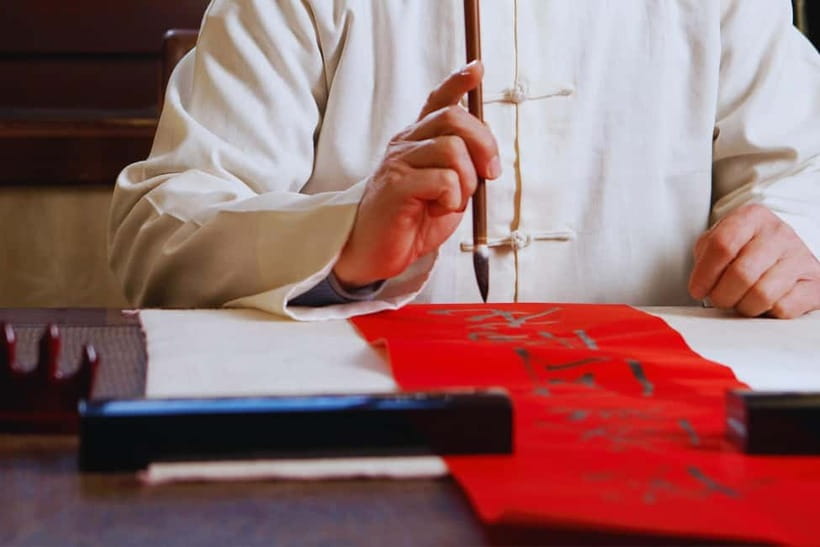
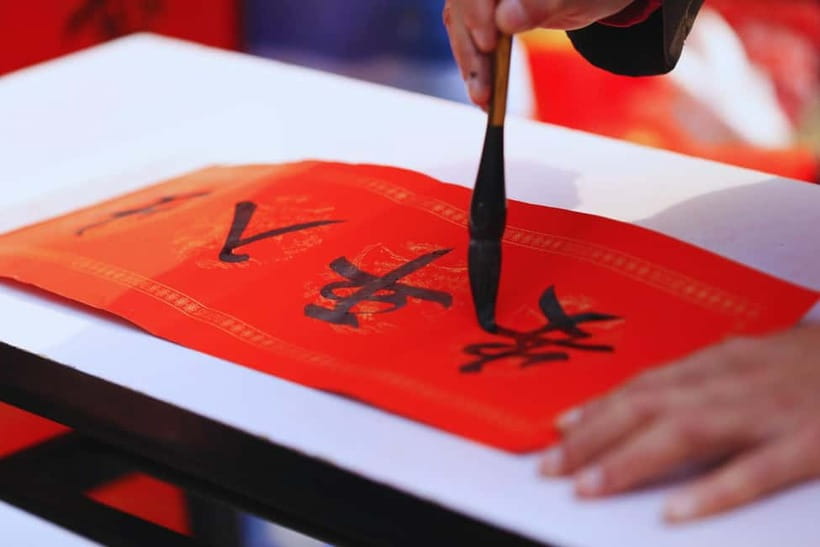
The calligraphy option begins with the basic tools: brush, ink, paper, and inkstone. The teacher explains how these materials are used and places the activity within Chinese history and culture.
You then practice writing Chinese characters under professional guidance. The appeal is partly artistic, but the activity also requires patience and control. The brush does not behave like a ballpoint pen, and the result depends on pressure, direction, and the order of each stroke.
You do not need to know Chinese. The teacher speaks excellent English and guides beginners through the process. That makes this a practical choice for you if you want cultural context without needing language skills first.
The class includes a calligraphy scroll that you create and take home. This is a stronger souvenir than a generic item from a store because it records your own participation. It may not be perfect, but that is part of its charm. You leave with something that shows you tried a traditional skill rather than simply purchased one.
Tea and local snacks are included in the calligraphy session as well. This gives the class a relaxed rhythm and connects the brushwork with another part of Chinese daily culture.
How the Two Hours Are Likely to Feel
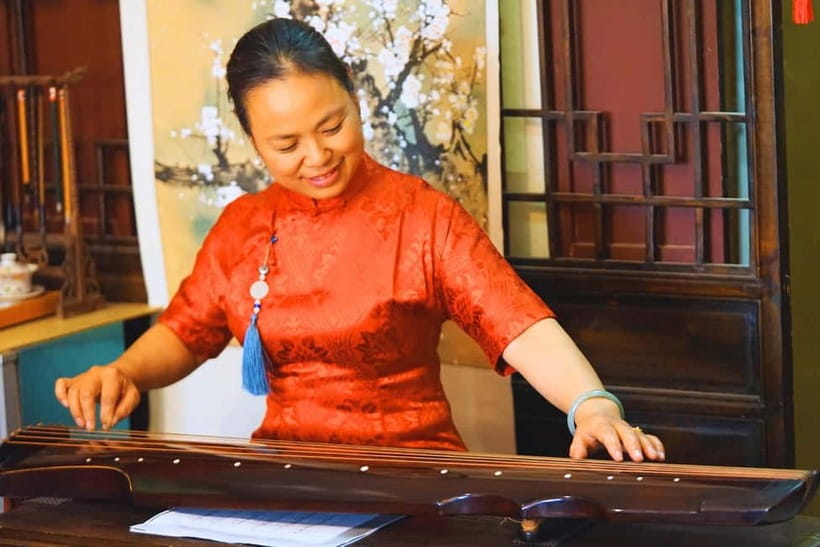
The activity is compact enough to fit into a busy Beijing schedule. Two hours gives you time to receive an introduction, watch demonstrations, practice, ask questions, and enjoy tea or snacks without taking up an entire day.
The tea class may feel more conversational because tasting naturally creates opportunities to compare impressions and ask about flavor, storage, and brewing. The calligraphy class may feel more focused because you spend time repeating strokes and characters.
The pace should suit beginners, but you still need to take part. This is not a performance where you sit back and photograph the instructor. You will handle the tools, taste tea, practice techniques, or create a scroll.
Comfortable clothing is recommended. No special equipment is needed, and all tea leaves, ingredients, and calligraphy materials used during the session are supplied.
The activity is wheelchair accessible, and smoking is not allowed. Children under five cannot take part. Families with older children should consider whether the child will enjoy a calm, skill-based class rather than a fast-moving sightseeing stop.
The English Instruction Is a Real Advantage
The biggest practical benefit is direct teaching in English. The tea instructor is certified, and the calligraphy teacher is described as a renowned Chinese teacher with excellent English.
That matters more here than it would on a simple city tour. You are learning processes, names, and cultural meanings. If the instructions are unclear, you can easily miss why a certain utensil is used or how a brush stroke should be formed.
The available feedback points to clear explanations and patient answers to questions. Charlotte is specifically praised for welcoming visitors and responding to their curiosity. Another strong point is the teacher’s ability to explain while offering a broad tasting of teas.
Still, teaching styles can vary, and the experience is offered in both English and Chinese. Confirm the language you want when you book, particularly if you are reserving for a mixed-language group.
Is the $48 Price Good Value?
At $48 per person, this is not the cheapest way to drink tea or practice writing a few Chinese characters. The value comes from the instruction, setting, materials, tastings, snacks, and the chance to ask questions in English.
For the tea option, your fee includes the two-hour course, tea leaves and ingredients, traditional tea, snacks, and professional instruction. For calligraphy, it includes guided practice, tea, snacks, all necessary materials, and the scroll you create.
I think the price makes the most sense if you value context and participation. Buying tea in a shop would cost less, and you could find calligraphy supplies at a lower price. Those alternatives would not give you the same guided introduction or help you understand how the objects and customs fit together.
The small number of available ratings is worth noting. Both are five-star ratings, with praise focused on the welcoming room, variety of tea, and quality of teaching. That is encouraging, but it is not a large enough sample to promise that every session will feel identical.
Transportation, hotel transfers, personal expenses, tips, lunch, and dinner are not included. Add those costs when planning your day.
Who Will Enjoy This Beijing Experience
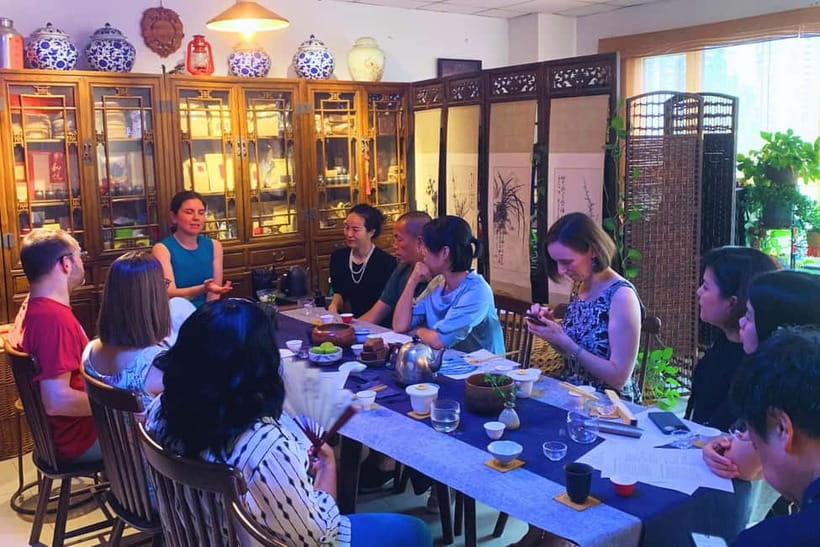
I would recommend the tea class to you if you enjoy food and drink traditions, want to learn how Chinese tea is prepared, or prefer an experience built around conversation and tasting.
The calligraphy class suits you if you want a creative activity, a souvenir with personal meaning, or a slower break from Beijing’s busy sightseeing schedule. It is also a good choice for someone interested in Chinese characters but unsure where to begin.
Solo visitors should find it easy to take part because the instructor provides the structure. Couples and small groups can compare tea impressions or practice together. Families with children over five can consider it, provided the child is comfortable with a calm lesson.
This may not suit you if you want a broad tour of Beijing, a large number of historical sights, or a full-day cultural program. The focus is narrow by design. You spend two hours learning one subject rather than collecting a long list of attractions.
Planning Your Visit
The meeting point depends on the option you select, so read the booking details closely. Since no hotel transfer is included, plan your route independently and leave time to find the correct tea space.
The activity offers free cancellation up to 24 hours before the start time, and you can reserve now and pay later. Starting times vary, so check availability for the day you want.
I would place this experience between major sightseeing stops rather than at the end of a rushed day. Two hours is manageable, but you will get more from it if you are not watching the clock.
Wear comfortable clothes and arrive ready to participate. You will not need to bring tea, snacks, brushes, ink, paper, or an inkstone. The class supplies those items.
Should You Book It?
Book this experience if you want a personal connection to Chinese culture rather than another quick photograph. The tea class offers a useful introduction to tea types, brewing, and utensils, while the calligraphy option gives you a handmade scroll and a basic understanding of Chinese brushwork.
I would choose the tea ceremony for tasting and cultural explanation, especially if you are curious about how tea is bought, stored, and served. I would choose calligraphy for a quieter creative session and a souvenir that you made yourself.
The main limitation is the short format and single-option choice. You will not cover every part of Chinese culture in two hours, and you should not expect a full meal or transportation. But for $48, with an English-speaking teacher, tea, snacks, materials, and hands-on practice, it offers solid value for a focused Beijing cultural activity.
FAQ
How long does the experience last?
The experience lasts two hours. The calligraphy option is described as one to two hours of guided instruction and hands-on practice.
What choices are available?
You can choose between a Chinese Kung Fu Tea Ceremony Experience Class and a Chinese Calligraphy Experience Class with tea and snacks.
Is the instruction available in English?
Yes. The instructors provide teaching in English and Chinese. The tea class is led by a certified English-speaking tea instructor, and the calligraphy class is led by a Chinese teacher who speaks excellent English.
What does the Kung Fu Tea Ceremony include?
It includes a two-hour tea course, traditional Chinese tea, snacks, tea leaves and ingredients used during the class, and instruction about tea types, storage, classification, brewing, and utensils.
What does the calligraphy class include?
It includes guided instruction, hands-on practice with brush, ink, paper, and inkstone, traditional Chinese tea, local snacks, and a calligraphy scroll that you create and take home.
Do I need previous tea or calligraphy experience?
No. The experience is suitable for beginners, and no prior knowledge or experience is required.
Is transportation included?
No. Transportation and hotel transfers are not included. The meeting point may vary depending on which option you book.
Can children take part?
Children under five are not permitted to participate. The experience is otherwise described as suitable for families, with no further age restrictions provided.
Is the activity wheelchair accessible?
Yes. The activity is listed as wheelchair accessible.
Can I cancel my booking?
You can cancel up to 24 hours in advance for a full refund. The activity also allows you to reserve now and pay later.
More Calligraphy Workshops in Beijing
- Beijing Calligraphy Class
★ 4.9 · 112 reviews - Chinese Calligraphy Class for Small Group
★ 5.0 · 104 reviews - Beijing Historic City Guided Walking Tour + Calligraphy Creation
★ 5.0 · 59 reviews - Beijing Wangfujing Calligraphy Class by Forbidden City
★ 5.0 · 58 reviews
Just added in Beijing
- Private Transfer to Mutianyu Great Wall with professional driver★ 5.0 · 19 reviews
- One day tour to downtown Tianjin from Beijing by high speed train★ 5.0 · 3 reviews
- ZANBUS: Trip to the Jinshanling Great Wall Departing at 7:30 AM★ 5.0 · 5 reviews
- camp on the Great Wall overnight with sunrise and sunset on the wall★ 5.0 · 11 reviews
- Yuxiandu Chinese Royal Cuisine Museum with Show and Royal Banquet★ 5.0 · 4 reviews
- Wild Great Wall Hikes★ 5.0 · 10 reviews
- BusDa:Ancient Great Wall &Badaling Great Wall Full-day Bus Tour★ 4.5 · 6 reviews
- Wild Great Wall Huanghuacheng Half Day Tour★ 5.0 · 15 reviews
Kung Fu Shows, compared.
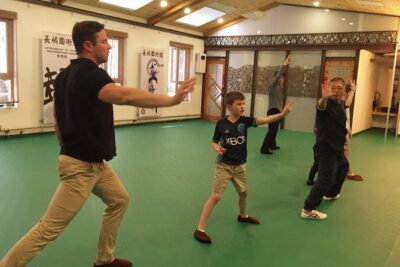
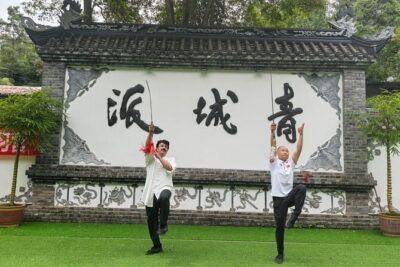
Chengdu Kung Fu Panda Tour Tai Chi, Martial Arts and Panda Base
Read our review →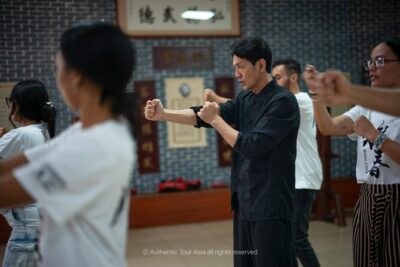
Day Tour learning Kung Fu and Lion Dance in Bruce Lee’s Hometown
Read our review →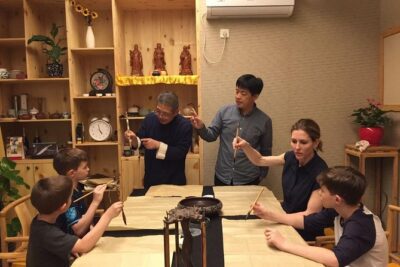
Tai Chi or Kung Fu plus Chinese Calligraphy Learning Class
Read our review →
Private Tour: Beijing Cuisine Dinner and Chinese Kung Fu Show
Read our review →Where else this tour turns up