
Reviewed · HUTONG TOURS
Chinese Tea ceremony in Beijing Hutong courtyard
Tea makes Beijing feel personal. This one-hour ceremony takes you into a traditional hutong courtyard just beyond the Forbidden City, where tea is prepared slowly and explained in clear English. I like the setting near major sights and the chance to speak with a local family whose roots in the courtyard go back generations. The main drawback is the extra 100 RMB per person listed in the cost details, which you should confirm before booking.
I also like the small group limit of four people. You can choose among green, black, wulong, and Pu’Er teas, then learn how brewing time, water temperature, seasons, and local customs affect the cup. At $31 per person, it offers good value for a short cultural stop, though a family of four may find the total price steep for only one hour.
In This Review
- Key points at a glance
- A quiet courtyard near Beijing’s imperial center
- Choosing between green, black, wulong, and Pu’Er tea
- What happens during the one-hour ceremony
- The hosts are a major part of the experience
- Why the small group limit improves the visit
- Is $31 a fair price for one hour?
- How to fit it into a Forbidden City day
- Who will enjoy this most
- Booking details worth checking
- My verdict: a thoughtful stop for tea and conversation
- FAQ
- Where is the Chinese tea ceremony held?
- How long does the experience last?
- How much does the experience cost?
- Which teas can I choose?
- Is food included?
- Is the activity offered in English?
- How many people can join?
- Is hotel pickup included?
- Can I cancel for a full refund?
Key points at a glance
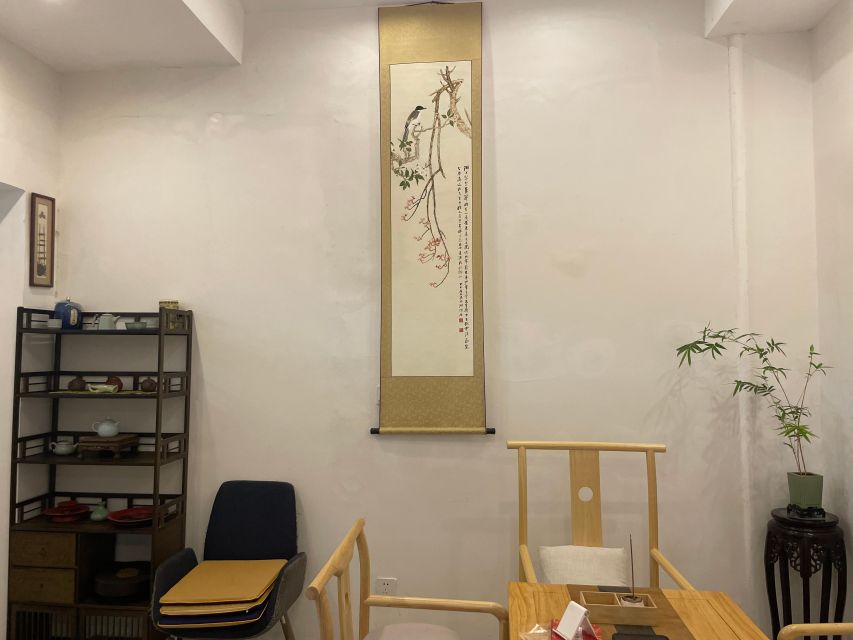
- A hutong courtyard beside the Forbidden City: The tea workshop is described as about 150 meters from the Forbidden City’s east gate, with another direction note placing it 800 meters west of the exit gate.
- Four main tea styles to choose from: You can select green, black, wulong, or Pu’Er tea.
- A lesson you can use at home: You learn that good tea takes more than boiling water and a three-minute wait.
- Local conversation matters here: The hosts share stories about Beijing life, hutong customs, and tea culture.
- A calm one-hour break: Complimentary snacks accompany the tea, giving you a quiet pause between major sightseeing stops.
- Very small groups: With no more than four participants, the setting feels personal rather than staged for a crowd.
A quiet courtyard near Beijing’s imperial center
The location gives this experience its strongest advantage. The tea workshop sits in the central Beijing area, close to the Forbidden City and several historic places, including the Pudusi inheritance and the Imperial Ancestral Temple.
That means you can fit the ceremony into a day of sightseeing without crossing the city. A morning visit could follow a tour of the Forbidden City. An afternoon booking could give your feet a break before you continue toward more central sights.
The directions need a little care. The experience is described as 150 meters from the east gate of the Forbidden City, while the included information also says 800 meters west of the exit gate. Those points may refer to different gates or meeting directions, so I would confirm the exact entrance and pickup arrangement before setting out.
The courtyard setting also changes the mood. You are not simply sitting in a modern shop with rows of merchandise. You are entering a residential hutong environment, where narrow lanes and shared courtyards offer a glimpse of ordinary Beijing life close to the city’s grandest monuments.
That contrast is the point. The Forbidden City represents imperial power and formal ceremony. The hutong shows a more personal side of Beijing, shaped by neighbors, family homes, and daily routines.
More Tea Ceremonies in Beijing
- Traditional Chinese Tea Ceremony Experience
★ 4.7 · 74 reviews - Beijing Culture: Tea Ceremony, Heritage Instrument & Calligraphy
★ 5.0 · 57 reviews - Private Beijing Markets Tour with Tea Tasting at Hongqiao Pearl Market
★ 5.0 · 18 reviews
Choosing between green, black, wulong, and Pu’Er tea
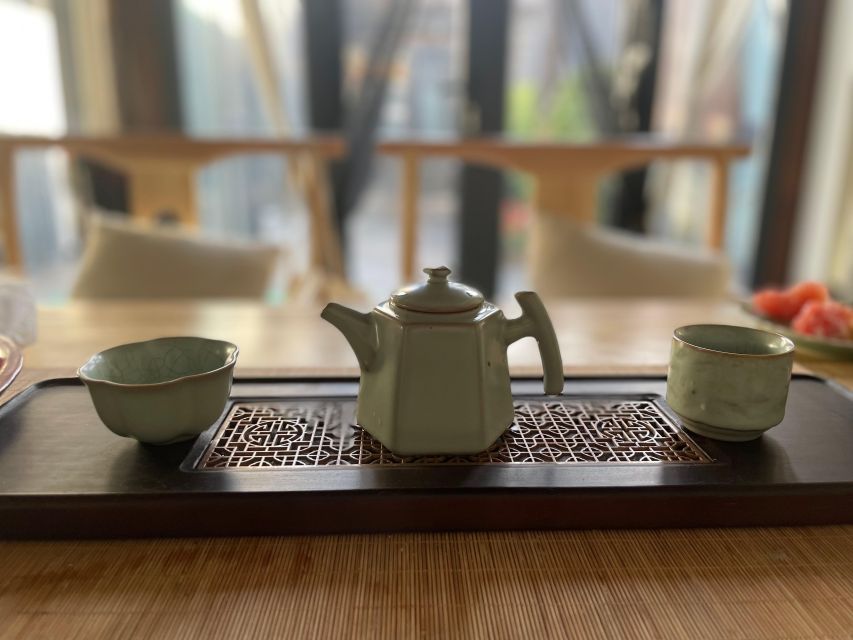
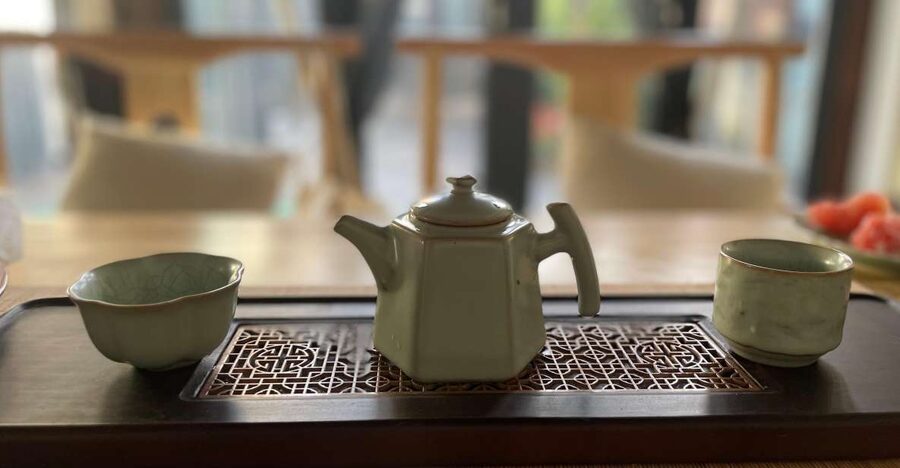
The ceremony includes one pot of Chinese tea, with several styles available. Your choices include green tea, black tea, wulong tea, and Pu’Er tea.
The exact tea served can depend on your selection and the host’s recommendation. The most useful part is not simply tasting several varieties. It is learning how Chinese tea is classified and why different teas suit different moments.
Green tea is generally lighter and fresher in character. Black tea offers a fuller, darker cup. Wulong tea sits between the two in broad style, while Pu’Er is known for its deeper, more earthy character. The experience gives you a chance to compare rather than rely on a shop label or a quick tasting counter.
You may also learn how tea connects with the seasons and the body. One session covered which teas are suited to different times of year and how traditional Chinese ideas describe their effects. That gives the tasting more context, especially if you normally choose tea only by color or caffeine level.
You do not need to arrive as a tea expert. One particularly useful lesson is that good tea preparation is not as simple as pouring boiling water over leaves and waiting three minutes. Water temperature, timing, and the way the leaves are handled all affect the result.
For anyone who buys loose tea at home, this practical advice may be worth more than the ceremony itself. You can take away a skill that costs nothing to use later, provided you remember the steps.
What happens during the one-hour ceremony
The pace is compact but not rushed. The experience lasts one hour, so you should expect a focused introduction rather than a full-day study of Chinese tea.
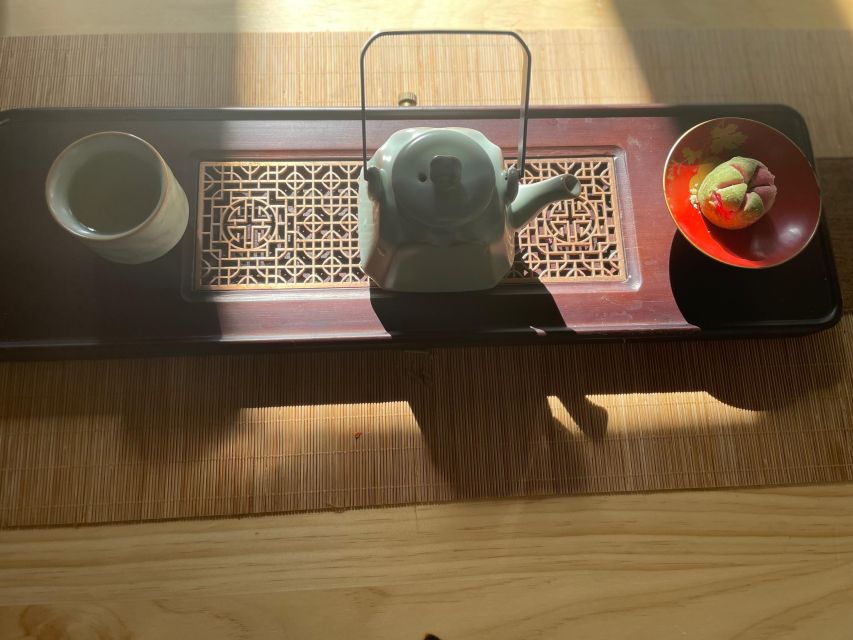
The host begins by explaining the tea and the basic customs around it. You then choose a type, watch the tea being prepared, and taste it with complimentary snacks. The presentation includes guidance on how to hold the teacup with grace and how tea is traditionally served.
That detail matters because the ceremony is not only about flavor. The gestures show respect, attention, and hospitality. Even a small movement, such as how you receive or hold a cup, becomes part of the social exchange.
You may also get to prepare or pour the tea yourself. The teaching style appears practical rather than overly formal, with clear explanations in English and room for questions.
The snacks are a welcome part of the hour. They give you something to nibble between cups and help show how tea is paired with small foods. The available information does not specify the exact snacks, so do not book this expecting a full meal.
Some sessions have included a short walk afterward through a nearby hutong, just steps from the Forbidden City. That can help you place the courtyard in its wider setting, but the main advertised activity is the tea ceremony itself. If the walk is important to you, confirm whether it is included with your scheduled time.
The hosts are a major part of the experience
The tea is important, but the human contact may be the part you remember longest. The local host’s family has lived in the hutong courtyard for generations, giving the conversation a personal link to the neighborhood.
You can ask about Beijing life, the hutongs, local customs, and the history of tea. The discussion is not limited to a memorized speech. It can develop into a friendly cultural exchange, which is especially valuable if you want more than a quick photo and a souvenir packet.
Limeng is one host praised for her warm manner and clear English. Other sessions have included two friendly hosts who were happy to talk about tea, Beijing, food, and local life. The English instruction is one of the practical strengths of the experience.
That conversation also makes the activity suitable for people who are not devoted tea drinkers. Some participants have arrived with little interest in tea and still enjoyed the taste, the hosts, and the discussion about Beijing traditions.
If you are shy about asking questions, prepare one or two before you go. You might ask how tea is served at home, how hutong residents use shared spaces, or which tea the host prefers in a certain season. Small questions often lead to the best exchanges.
More Hutong Walks in Beijing:
- Beijing Hutong Walking Food and Beer Tour at Hidden Restaurants
★ 5.0 · 1,132 reviews - Temple Heaven, Summer Palace, Lama Temple, Hutong Bus Tour
★ 4.7 · 319 reviews - Temple of Heaven, Summer Palace, Lama Temple, Hutong Tours
★ 5.0 · 311 reviews - Beijing Private Hutong Food Walking Tour
★ 5.0 · 299 reviews
Why the small group limit improves the visit
The experience is limited to four participants. That is a useful number for a courtyard ceremony because everyone should have a chance to see the preparation, taste the tea, and speak with the hosts.
A larger group would make the setting feel more like a demonstration. With four people, you can ask about brewing details without holding up a busload of people. The host can also notice whether you prefer a lighter or stronger cup and adjust the conversation to your interests.
The small size does not guarantee a private booking. You may share the hour with other participants unless your reservation says otherwise. Still, four people is small enough to keep the mood intimate.
This format suits couples, solo visitors, and small families. A family of four fills the stated group limit, but the total cost deserves attention. At the listed price of $31 per person, the activity costs about $124 for four people before any possible extra charge. One family found the experience worthwhile but considered it expensive.
Is $31 a fair price for one hour?
At $31 per person, you are paying for more than a pot of tea. The price covers the courtyard setting, English instruction, a cultural explanation, complimentary snacks, and direct conversation with local hosts.
That is fair if you value access and context. A simple tea purchase would cost less, but it would not explain how to brew the leaves, why different teas suit different seasons, or how the ceremony fits into Chinese social customs.
The price is less attractive if you only want to sample tea quickly. You receive one pot rather than an unlimited tasting, and the activity lasts only one hour. You should also clarify the line stating that 100 RMB per person will be charged. The information does not explain exactly what this fee covers, so confirm whether it is an additional activity cost, a local charge, or a wording error.
For a solo visitor, couple, or tea-curious pair, the cost can make sense because the conversation is part of the product. For a family, especially one with children who may not care about tea, the value is more debatable.
How to fit it into a Forbidden City day
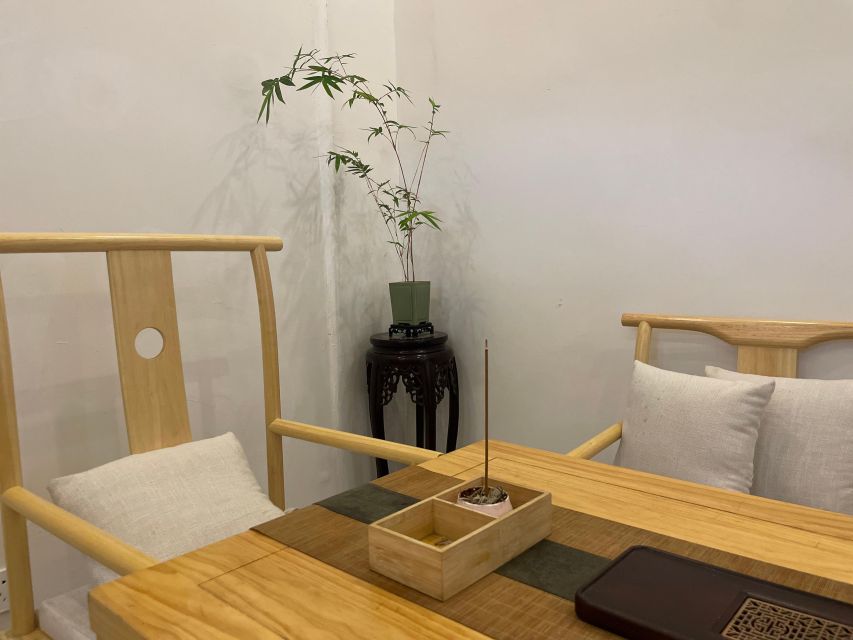
The central location makes planning easy, but timing still matters. The Forbidden City is a large visit, and you may appreciate the tea ceremony more after a few hours of walking rather than before a busy sightseeing schedule.
You could arrange the ceremony before visiting the imperial complex, using it as a gentle introduction to Beijing culture. That works well if you want to start the day with a local encounter rather than going directly to major monuments.
You could also schedule it after the Forbidden City. This is likely the better choice if you expect to feel tired, since the courtyard offers a seated break with tea and snacks. The nearby historic sites give you options before or after the appointment.
Pickup is included, with instructions to wait in your hotel lobby 10 minutes before the scheduled pickup time. Because the workshop is in a central hutong area and the gate directions vary in the information provided, give yourself breathing room and check the exact meeting details.
The activity is wheelchair accessible. That is useful, although hutong lanes and historic surroundings can still have uneven surfaces. Ask the provider for the precise route if mobility access is a major concern.
Who will enjoy this most
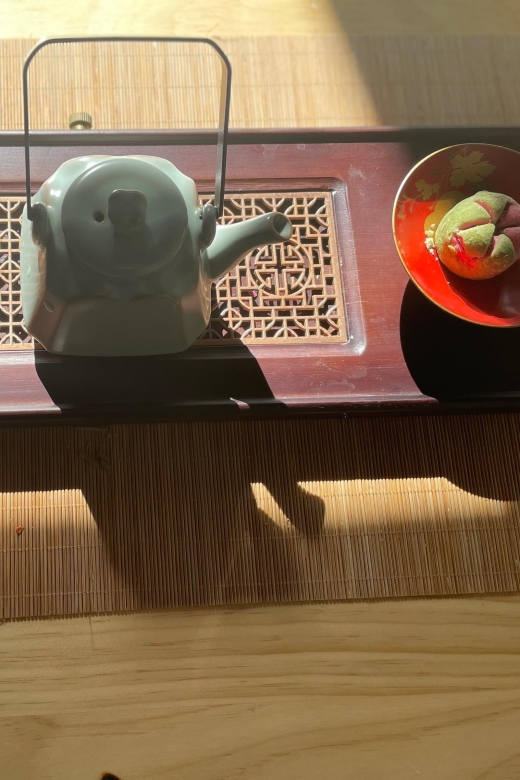
I would recommend the ceremony to you if you want a short cultural activity that brings you close to local life. It is particularly well suited to:
- Tea drinkers who want to improve their brewing skills.
- First-time visitors seeking a personal introduction to Chinese customs.
- Couples and solo visitors who enjoy conversation.
- People staying near the Forbidden City.
- Families with older children who can appreciate a calm, hands-on activity.
- Visitors who prefer small groups over large guided tours.
You may want to skip it if your schedule is packed with major sights and you do not enjoy seated cultural presentations. The hour is not designed for constant movement or dramatic scenery. Its rewards are quiet: flavor, conversation, small gestures, and a better sense of how tea fits into Chinese life.
It is also not the best pick if you expect a long tasting session with many pots. The published format provides one pot, with different tea types available to choose from. Ask about the current tasting arrangement if sampling several teas is your main goal.
Booking details worth checking
The activity is offered in English and lasts one hour. Starting times vary, so you need to check availability for your date.
Free cancellation is available up to 24 hours before the scheduled time for a full refund. You can also reserve now and pay later, which helps if your Beijing plans are still changing.
The experience provider is Bayi Teahouse. The group limit is four participants, and hotel pickup is included. Wait in your hotel lobby 10 minutes before pickup.
Before paying, I would confirm three points: the precise courtyard location, the meaning of the additional 100 RMB per person charge, and whether a short hutong walk is part of your specific booking. These questions are especially useful because the location notes give two different distances from Forbidden City gates, and one account describes a teahouse near the Summer Palace rather than the central hutong venue.
My verdict: a thoughtful stop for tea and conversation
I like this experience because it connects three parts of Beijing in one small package: imperial landmarks, residential hutongs, and everyday tea culture. You get a practical lesson, a local setting, snacks, and time to speak with hosts rather than simply watching a performance.
The strongest feature is the personal welcome. Limeng and the other hosts are praised for friendly conversation and clear English, and that makes the hour work even for people who are not serious tea fans.
I would book it if you are spending time near the Forbidden City and want a slower, more human counterpoint to palace halls and grand monuments. I would be more cautious with a family of four or with anyone focused only on value per cup. At $31 each, plus the unclear 100 RMB charge, the price requires a quick confirmation.
For the right visitor, this is a memorable hour: not a grand show, but a chance to sit in a Beijing courtyard, learn how tea should be made, and hear about local life from people who know the neighborhood firsthand.
FAQ
Where is the Chinese tea ceremony held?
The workshop is in a Beijing hutong courtyard near the Forbidden City. The location is described as 150 meters from the east gate, while another direction note places it 800 meters west of the Forbidden City exit gate.
How long does the experience last?
The tea ceremony lasts one hour.
How much does the experience cost?
The listed price is $31 per person. The information also says that 100 RMB per person will be charged, but it does not explain this fee, so confirm it before booking.
Which teas can I choose?
The available choices include black tea, green tea, wulong tea, and Pu’Er tea.
Is food included?
Complimentary snacks are served with the tea. A full meal is not included.
Is the activity offered in English?
Yes. The instructor and host communication are in English.
How many people can join?
The activity is limited to four participants.
Is hotel pickup included?
Yes. Pickup is included, and you should wait in your hotel lobby 10 minutes before the scheduled pickup time.
Can I cancel for a full refund?
Yes. You can cancel up to 24 hours in advance for a full refund.
Just added in Beijing
- Private Transfer to Mutianyu Great Wall with professional driver★ 5.0 · 19 reviews
- One day tour to downtown Tianjin from Beijing by high speed train★ 5.0 · 3 reviews
- ZANBUS: Trip to the Jinshanling Great Wall Departing at 7:30 AM★ 5.0 · 5 reviews
- camp on the Great Wall overnight with sunrise and sunset on the wall★ 5.0 · 11 reviews
- Yuxiandu Chinese Royal Cuisine Museum with Show and Royal Banquet★ 5.0 · 4 reviews
- Wild Great Wall Hikes★ 5.0 · 10 reviews
- BusDa:Ancient Great Wall &Badaling Great Wall Full-day Bus Tour★ 4.5 · 6 reviews
- Wild Great Wall Huanghuacheng Half Day Tour★ 5.0 · 15 reviews
Hutong Tours, compared.
Beijing Hutong Walking Food and Beer Tour at Hidden Restaurants
Read our review →
Temple Heaven, Summer Palace, Lama Temple, Hutong Bus Tour
Read our review →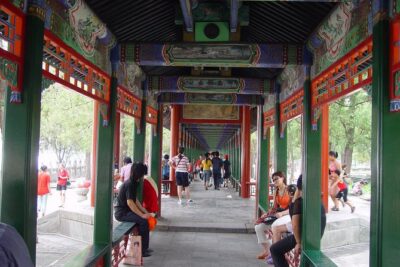
Temple of Heaven, Summer Palace, Lama Temple, Hutong Tours
Read our review →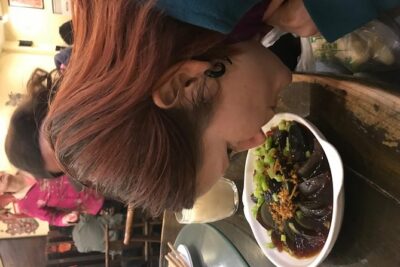
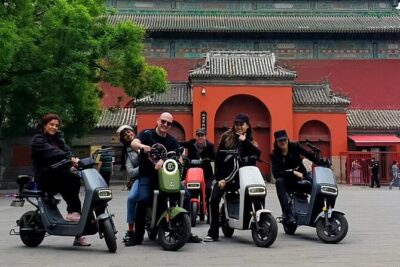
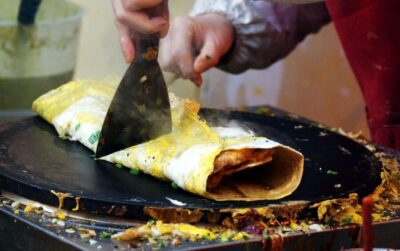

Beijing City Walk: Explore Hutongs Life and Old Beijing
Read our review →Where else this tour turns up