
Reviewed · HUTONG TOURS
2-Day Beijing Must-See Tour:4 UNESCO Sites+Tian’anmen&Hutong
Beijing does not believe in small introductions. This private two-day tour packs the city’s imperial heart, Tiananmen Square, a traditional hutong, the Great Wall, and the Summer Palace into a tightly planned visit. I like the private car and guide, which remove much of the stress of moving across a huge city. I also like that entrance tickets are included, with no need to work out admissions on the spot.
The main tradeoff is pace. You will see an impressive amount, but Day 2 in particular asks for a long day of walking, driving, and sightseeing. Tiananmen Square can also be closed for political events, or security lines can stretch beyond two hours, so some flexibility is needed.
In This Review
- Key points to know before booking
- Why two days works for Beijing’s biggest sights
- Day 1: Tiananmen Square and the imperial center
- Hutongs, Yinding Bridge, and ordinary Beijing
- Temple of Heaven and the logic of imperial ritual
- Day 2: Choosing between Mutianyu and Badaling
- Olympic Park makes a quick modern counterpoint
- Summer Palace: a slower final chapter
- Guides, drivers, and the private service
- What $278 includes, and what it does not
- Who should choose this two-day Beijing visit?
- Should you book it?
- FAQ
- Is this a private tour?
- Can I be picked up at Beijing airport?
- Which Great Wall section can I visit?
- Are Great Wall cable cars included?
- Is lunch included?
- What should I bring?
- Can I cancel the tour?
Key points to know before booking
- Four UNESCO sites in two days: The Forbidden City, Temple of Heaven, Great Wall, and Summer Palace form the core of the experience.
- A truly private visit: Your guide and air-conditioned vehicle are reserved for your group, with pickup from a downtown hotel or airport.
- Two Great Wall choices: Mutianyu offers mountain views and fewer crowds, while Badaling is the best-known and most accessible section.
- Tickets are included: You still pay separately for lunch and any Great Wall cable car, chairlift, or toboggan ride.
- Personal guiding matters: Lucy received especially warm praise for her care and photo tips, while Sherry, Jack, and driver TianWei were also singled out for their service.
- Passport details are needed: Full names, nationalities, and passport numbers are required when booking attraction tickets.
Why two days works for Beijing’s biggest sights
At $278 per person, this is not a budget sightseeing bus. It is a private service built around saving time and reducing decisions. You get a dedicated English or Chinese-speaking guide, a private air-conditioned vehicle, bottled water, and entrance tickets. For a first visit, that package can be worth the price because Beijing’s key sights are spread far apart and several require advance ticket arrangements.
I would not choose this tour if you want long, unhurried afternoons in one neighborhood. I would choose it if you have only two days, want the famous sights, and prefer someone else to manage the route and admissions.
The private format is useful for families, solo visitors, and small groups with different walking speeds. You can share special interests and request changes. The operator also adjusts airport pickup plans around your arrival and departure times, which makes this practical for a short Beijing stopover.
More Hutong Walks in Beijing:
- Beijing Hutong Walking Food and Beer Tour at Hidden Restaurants
★ 5.0 · 1,132 reviews - Temple Heaven, Summer Palace, Lama Temple, Hutong Bus Tour
★ 4.7 · 319 reviews - Temple of Heaven, Summer Palace, Lama Temple, Hutong Tours
★ 5.0 · 311 reviews
Day 1: Tiananmen Square and the imperial center
The first meeting takes place at your downtown hotel lobby or, with the right flight details, at the airport arrival hall. An assigned driver waits with a sign showing your name. That small detail matters after a flight, when Beijing’s scale and airport traffic can make a simple transfer feel less simple.
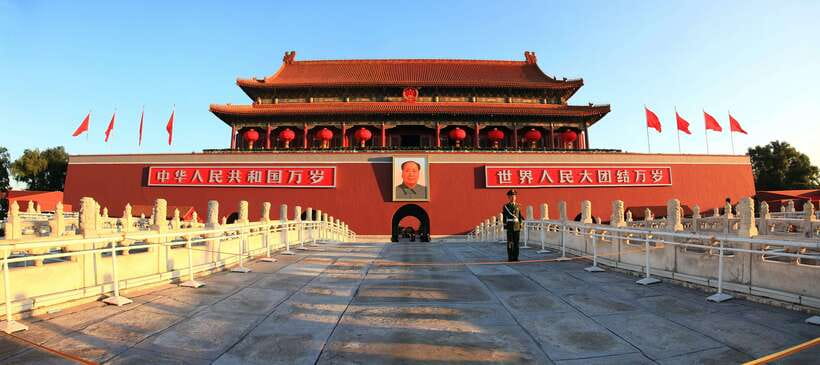
Tiananmen Square is the natural opening. It is one of Beijing’s best-known public spaces and a key part of the city’s modern political identity. The visit is subject to security controls and official events. If the square is closed, or if the security queue passes two hours in a busy period, the guide may explain its history during a drive past it instead.
That policy is worth understanding before you book. Tiananmen is free to enter, so skipping it does not produce a refund. The benefit is that you do not lose half a day waiting in line for a place that may not be accessible on your date.
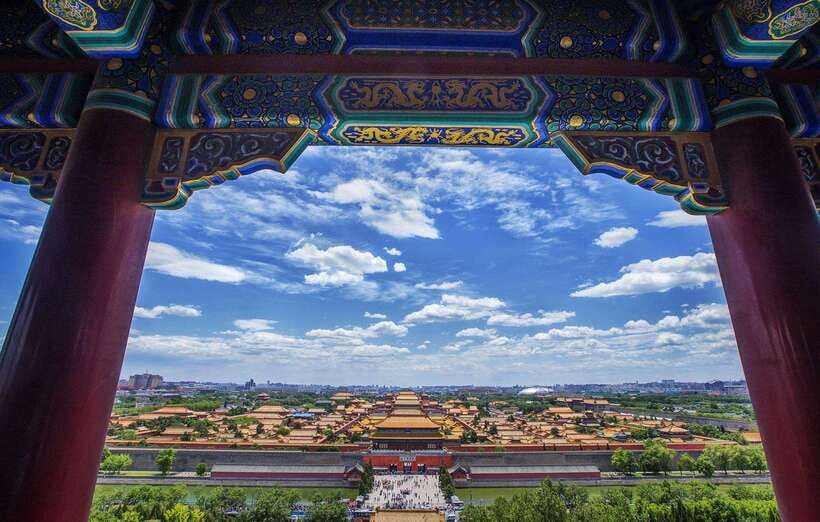
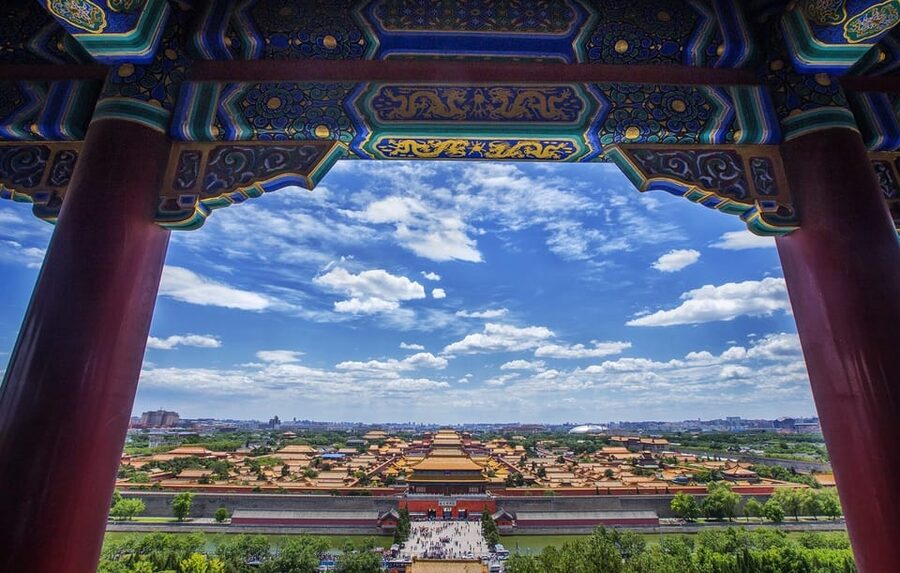
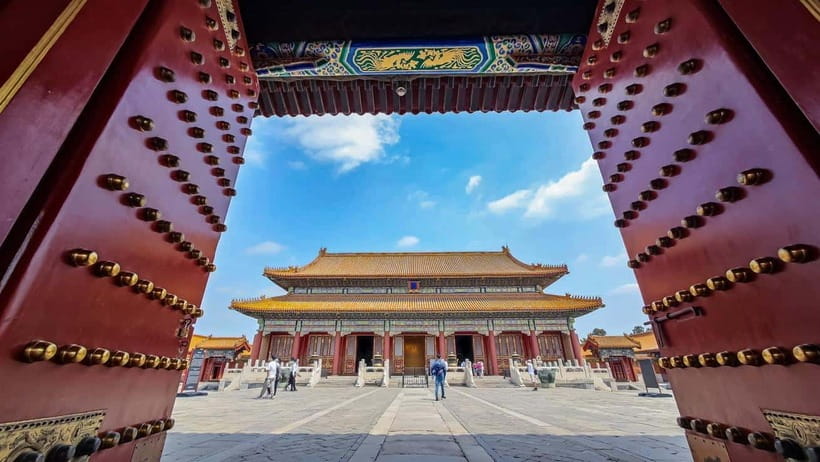
From the square, you move into the Forbidden City, the day’s major historical stop. This former imperial palace is the place where the tour’s focus on the Ming and Qing dynasties comes into sharp view. Your guide leads you through the outer courtyard and its main ceremonial halls, including the Hall of Supreme Harmony, Hall of Central Harmony, and Hall of Complete Harmony.
These grand buildings were designed for ceremony and power. The scale can be hard to grasp when you are walking through it alone, so a guide adds real value here. You will also see the inner quarters, where the imperial family lived away from the formal court. The contrast between public ritual and private royal life gives the palace more meaning than a long procession of red walls and tiled roofs.
I would allow yourself time to look up and around. The Forbidden City is not only about individual halls. Its broad courtyards, gates, painted details, and carefully ordered layout show how architecture was used to express rank and authority. A good guide can turn those details into a story instead of leaving you with a stack of names.
The palace is also where the schedule may feel tight. The complex is large, and the route includes substantial walking. If you want extra time for photographs or quiet viewing, tell your guide early. The private format makes that request more realistic than it would be on a fixed group outing.
Hutongs, Yinding Bridge, and ordinary Beijing
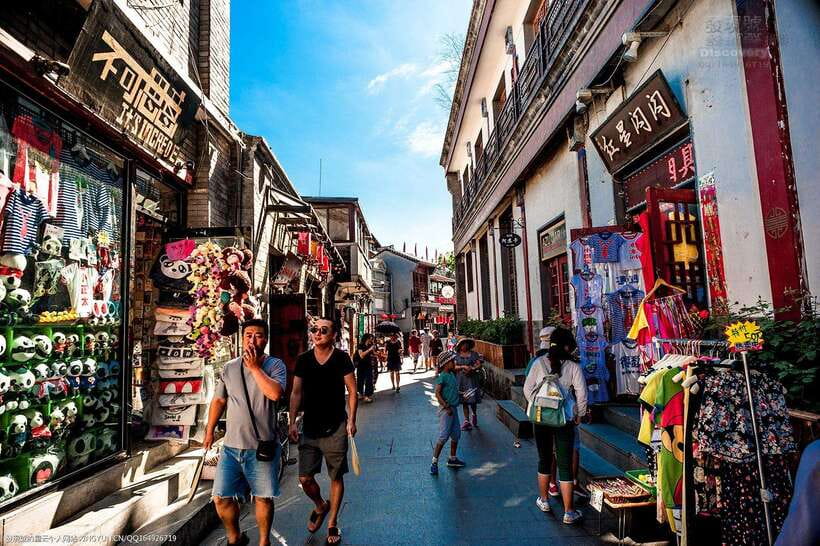
After the palace, the mood changes. The tour moves into an authentic hutong area, with narrow lanes and traditional courtyard homes. This is a welcome shift from imperial scale to everyday life.
You pass Yinding Bridge and see an older form of Beijing that survives among the modern city. The value here is not a list of monuments. It is the chance to notice how homes, lanes, and local routines fit together. You get a more human sense of the city after spending the morning among emperors.
The hutong walk should suit you if you enjoy smaller details: doorways, courtyard walls, changing streetscapes, and the feel of a neighborhood. It may be less satisfying if you expect a long, open-ended walk with many stops. The overall day has several major sites to cover, so this is a taste of old Beijing rather than an extended neighborhood study.
Temple of Heaven and the logic of imperial ritual
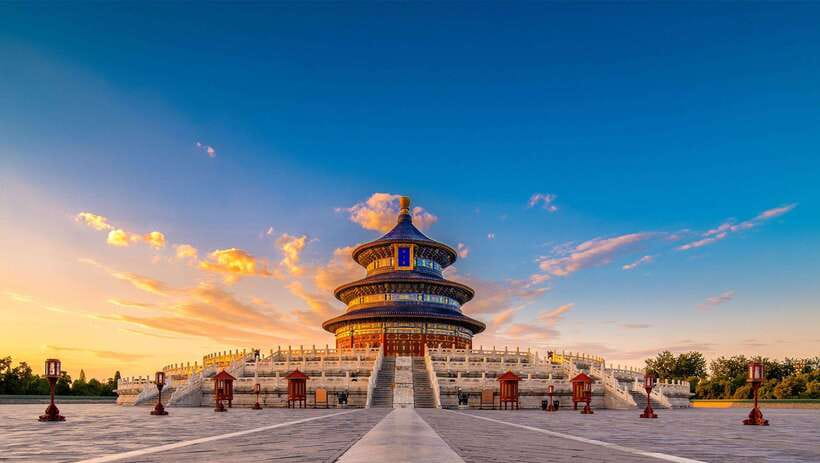
The final major stop on Day 1 is the Temple of Heaven, another UNESCO-listed site. The complex was used for imperial sacrifices, and its buildings show how the emperor’s role was tied to heaven, agriculture, and the wellbeing of the state.
The main sights include the Hall of Prayer for Good Harvests, the Imperial Vault of Heaven, and the Circular Mound Altar. These are not random scenic structures. Their forms and arrangement relate to ancient ritual ideas, and the guide explains the symbolism behind them.
I especially like the way this stop rounds out the day. The Forbidden City shows the palace as a center of government and royal life. The Temple of Heaven shows the emperor acting as a link between the human world and the heavens. Taken together, the two sites give you a clearer picture of how imperial Beijing worked.
Lunch is not included. That keeps the tour flexible, and your guide can recommend a place based on your preferences. Still, remember to budget both time and money for the meal. A packed day can feel much better when you do not rush through lunch.
The first day ends with a hotel drop-off. That is useful because you can rest before the early start and physical demands of the Great Wall.
A few more to weigh up in Beijing
- From Beijing: Mutianyu Great Wall Tours with Options
★ 4.9 · 9,216 reviews - Beijing: Forbidden City Tour(Group/Private)-Tickets Included
★ 4.8 · 7,974 reviews - Beijing: T-Square & Forbidden City Group or Private Tour
★ 4.8 · 4,446 reviews - All-Inclusive Tour: Tiananmen Square, Forbidden City, Great Wall
★ 5.0 · 2,873 reviews
Day 2: Choosing between Mutianyu and Badaling
Day 2 begins with another hotel pickup and heads north to the Great Wall. You choose between Mutianyu and Badaling, and this choice affects the character of the morning.
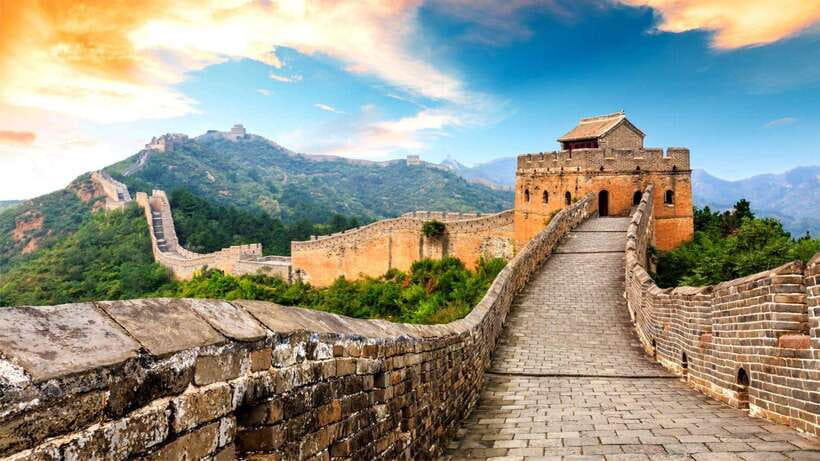
Mutianyu is presented as the quieter option, with attractive mountain views and fewer crowds. If your priority is scenery, photographs, and a calmer walk, I would lean toward Mutianyu. The setting gives the wall room to appear as a long chain of stone fortifications running across the hills.
Badaling is the most famous and accessible choice. It makes sense if you want the classic, widely recognized section or need a route that is easier to manage. The tour allows free time at the wall, so you can walk, take photographs, or pause for the views while your guide provides background on the fortifications.
The Great Wall is physically demanding in places. Even with private transport, you still need to walk and climb. Wear shoes with good support, carry water, and be honest about your preferred pace. The guide can help you make better use of your time, but no vehicle can remove the steps.
Cable car and chairlift access are available, along with a toboggan slide. These are not included in the $278 price, so treat them as optional extra costs. They may help you save energy for the wall itself, especially if your two-day visit includes older relatives or children. Ask your guide about the available access at your chosen section on the day.
One of the strongest parts of the guiding service is the personal care described in the feedback. Lucy was praised for noticing what a solo visitor needed, offering shortcuts, and knowing good photo spots. That kind of attention is more useful here than a memorized speech. The wall is a place where pacing, weather, and energy can shape the experience.
Olympic Park makes a quick modern counterpoint
On the way toward the Summer Palace, the vehicle stops at Olympic Park for photographs. You can capture the Bird’s Nest and Water Cube, two instantly recognizable symbols of modern Beijing.
This is a photo stop, not a full Olympic venue visit. That distinction helps set expectations. It gives the day a change of rhythm after the old fortifications and before the imperial garden, but you should not expect a lengthy exploration of the park.
I like this brief contrast. In two days, you move from dynastic courtyards to a traditional lane, from ancient ritual to a modern sports complex. Beijing becomes more than a collection of old palaces.
Summer Palace: a slower final chapter
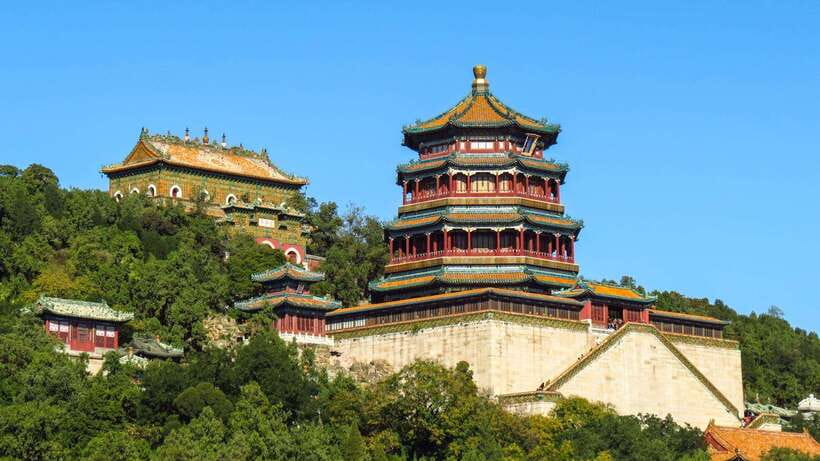
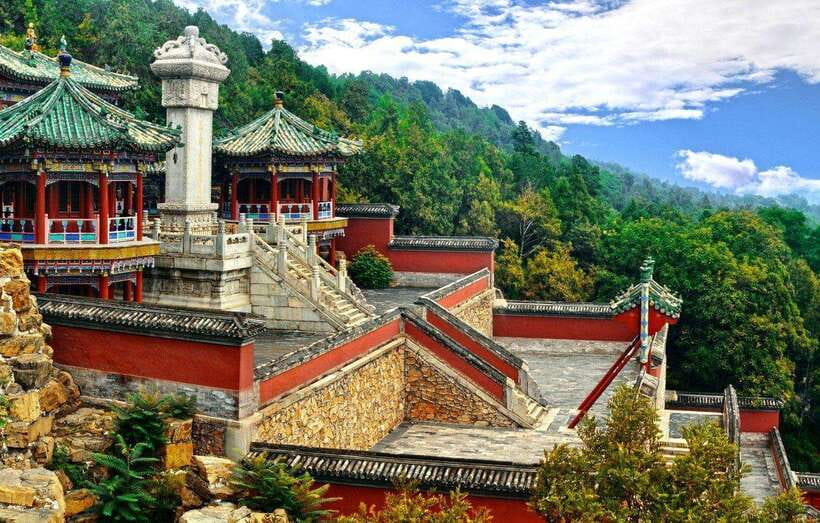
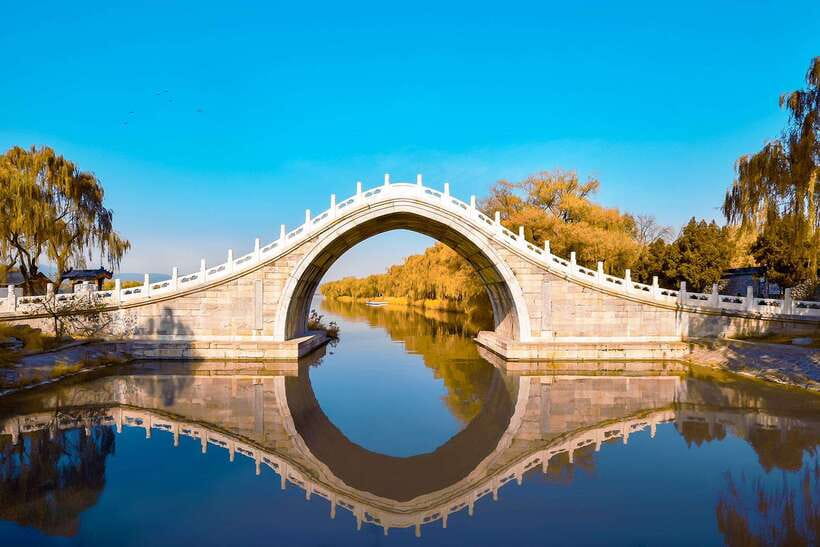
The Summer Palace is the last major site and one of the most scenic. It is a UNESCO-listed imperial garden built around Kunming Lake and Longevity Hill. After the hard surfaces and formal courtyards of the Forbidden City, the water, paths, pavilions, and hillside create a softer ending.
The route includes the Hall of Happiness and Longevity, the Long Corridor, Marble Boat, Longevity Hill, and views over Kunming Lake. The Long Corridor is especially memorable because its covered walkway extends for a remarkable distance and is decorated with painted scenes.
Your guide explains Empress Dowager Cixi’s connection to the palace and how the garden functioned as a royal retreat. That context helps explain why the site feels different from the Forbidden City. It was still part of court life, but its purpose included rest, display, and pleasure as well as ceremony.
The Summer Palace can be tiring after the Great Wall. You may want to slow down here, but the schedule still has a hotel return ahead. Tell your guide if you need a gentler route or more time at a particular spot. The private group structure is one of the tour’s practical strengths.
Lunch again is separate, with recommendations available. A downtown hotel drop-off follows the visit.
Guides, drivers, and the private service
The guide can make or break a compact historical tour. The feedback here is unusually consistent about the human side of the service. Lucy was praised for warmth, care, storytelling, and help with photographs. Sherry was described as punctual, prepared, flexible, and professional. Jack received praise for his clear English, attention, and pleasant manner.
Driver TianWei was also thanked for handling Beijing traffic safely, though his style was described as sporty and quick. If you prefer a slower driving style, say so directly. The private vehicle gives you a better chance to communicate that preference than a large coach would.
English and Chinese guiding are available. The service is private rather than shared, so you are not waiting for a large group at each gate. That is a real benefit in a city where traffic and entry checks can consume time.
The tour is listed as wheelchair accessible, but the Great Wall includes uneven surfaces and steps. If accessibility is important for your group, discuss your needs when booking and confirm which parts of the selected wall section are suitable.
What $278 includes, and what it does not
The price includes:
- A private air-conditioned vehicle
- A private English or Chinese-speaking guide
- Entrance tickets
- Bottled water
- Pickup and drop-off from a downtown hotel, with airport pickup possible when flight details are supplied
You pay separately for lunch, accommodation, and Great Wall cable car, chairlift, or toboggan costs. These exclusions are normal for a private sightseeing service, but they can affect the final budget.
For me, the price makes the most sense if you value time and personal attention. Four major UNESCO sites plus Tiananmen, a hutong, Olympic Park, and the Great Wall would be difficult to arrange smoothly in only two days without help. The value is less convincing if you already have transport, tickets, and a strong plan in place.
Bring your passport. The ticket booking process requires each person’s passport number, full name, and nationality. Infants aged three and under travel free but do not receive a separate seat.
Free cancellation is available up to 24 hours before the start time, and you can reserve now and pay later. No refund is provided if you miss the tour on the scheduled day for personal reasons, so keep that rule in mind before confirming.
Who should choose this two-day Beijing visit?
I would recommend it most strongly to first-time visitors with limited time, solo visitors who want support, families, and anyone who prefers history explained on site rather than read from a guidebook. The airport pickup option also makes it useful for a short stopover.
It suits people who want the famous sights without giving up all personal choice. You can select Mutianyu or Badaling, request changes, ask for food suggestions, and set your preferred pace within the limits of a busy schedule.
I would be cautious about booking it if you dislike early starts, long drives, or full sightseeing days. The Great Wall and Summer Palace on the same day demand energy. You should also accept that Tiananmen access can change for reasons outside the operator’s control.
Should you book it?
Book this tour if your goal is to see Beijing’s essential sights in two well-supported days. The strongest reasons are the private transport, included admissions, flexible Great Wall choice, and consistently praised guides such as Lucy, Sherry, and Jack.
Skip it if your ideal Beijing visit means lingering for hours in one palace, eating your way through neighborhoods, or setting your own schedule at every turn. For everyone else, $278 buys a practical introduction to imperial Beijing, old residential lanes, the Great Wall, and the city’s modern face, with much of the planning work taken off your shoulders.
FAQ
Is this a private tour?
Yes. The tour uses a private group, private air-conditioned vehicle, and dedicated guide.
Can I be picked up at Beijing airport?
Yes. Airport pickup is available. You need to provide your arrival and departure flight numbers and times so the schedule can be adjusted.
Which Great Wall section can I visit?
You can choose Mutianyu or Badaling. Mutianyu is described as less crowded with scenic mountain views, while Badaling is the most famous and accessible option.
Are Great Wall cable cars included?
No. Cable car, chairlift, and toboggan costs are paid separately. They are available as optional ways to reach or leave parts of the wall.
Is lunch included?
No. Lunch is not included on either day, but your guide can recommend local dining options based on your preferences.
What should I bring?
Bring your passport. Passport number, full name, and nationality are required for ticket booking.
Can I cancel the tour?
You can cancel up to 24 hours in advance for a full refund. No refund is provided if you are unable to join on the scheduled day for personal reasons.
Just added in Beijing
- Xian: Must see Eternal Love or Camel Bell Legend show Ticket★ 5.0 · 3 reviews
- Twilight Glow at Badaling Great Wall Evening Bus Tour+Ticket★ 4.9 · 11 reviews
- Beijing: 2-Day private Tour with Great wall& Forbidden city★ 5.0 · 5 reviews
- Tianjin Shore Excursion: Mutianyu Great Wall Trip with English Speaking Driver★ 5.0 · 5 reviews
- Tianjin Private Walking Tour Guided by a Lady Worked in Europe★ 4.5 · 3 reviews
- Private Transfer between Tianjin Port and Beijing Hotels★ 5.0 · 2 reviews
- Tianjin Private Day Trip to Forbidden City and Mutianyu Great Wall by Bullet Train★ 5.0 · 5 reviews
- Shore Excursion: 2-Day Private Beijing Sightseeing Tour from Tianjin Cruise Port★ 5.0 · 6 reviews
Hutong Tours, compared.
Beijing Hutong Walking Food and Beer Tour at Hidden Restaurants
Read our review →
Temple Heaven, Summer Palace, Lama Temple, Hutong Bus Tour
Read our review →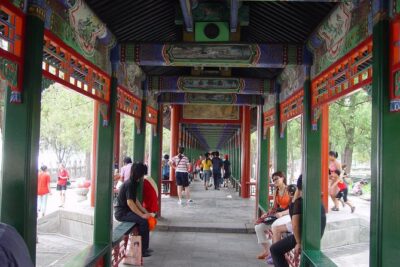
Temple of Heaven, Summer Palace, Lama Temple, Hutong Tours
Read our review →

Beijing City Walk: Explore Hutongs Life and Old Beijing
Read our review →Where else this tour turns up