
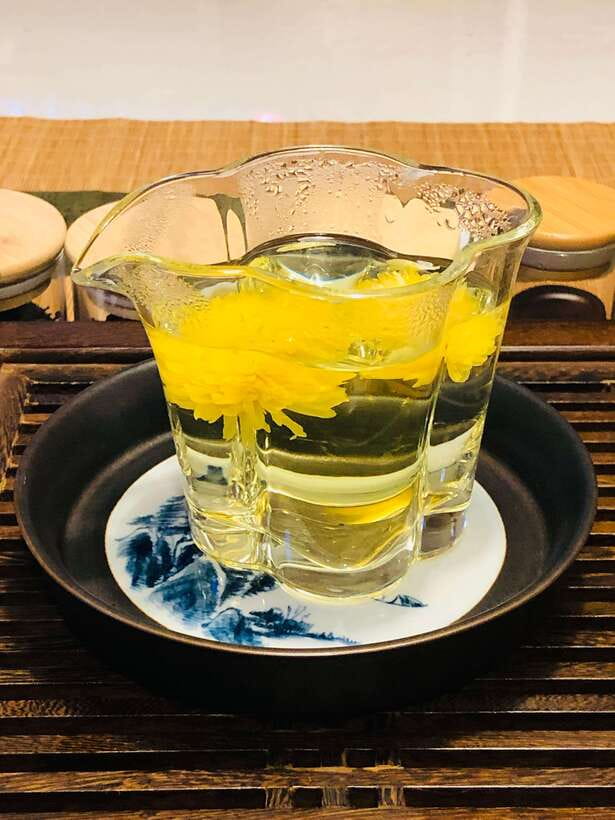
Reviewed · TEA CEREMONY EXPERIENCES
Traditional Chinese Tea Ceremony Experience
Tea tells a story in every cup. This Beijing ceremony gives you a calm, hands-on way to understand Chinese tea culture, from warming the pot to judging the right steeping time. I especially like the chance to taste five different teas and the clear English explanations from hosts such as Richard and Feye. I also like the low $9 price, which makes this an easy cultural stop between larger Beijing sights.
The main drawback is that this is not a full guided tour of Beijing. You receive no transportation and no tour guide beyond the tea host or greeter, and the meeting point can change with the option you book. The experience may last 30 minutes or as long as three hours, so you need to check the exact version before paying.
In This Review
- Key points at a glance
- Why a tea ceremony belongs on a Beijing itinerary
- Meeting the tea master and settling in
- The ceremony: warming the pot and waking the leaves
- Tasting five types of Chinese tea
- What the five mini cups really offer
- The tea house setting and optional purchases
- How long should you allow?
- Is $9 a fair price?
- Who will enjoy this most?
- Practical tips for a smoother visit
- Should you book the Beijing tea ceremony?
- FAQ
- How much does the traditional Chinese tea ceremony cost?
- How long does the tea ceremony last?
- How many teas are included?
- Is transportation included?
- Is a tour guide included?
- What language is available?
- Can children join the ceremony?
- Can I cancel the booking?
Key points at a glance
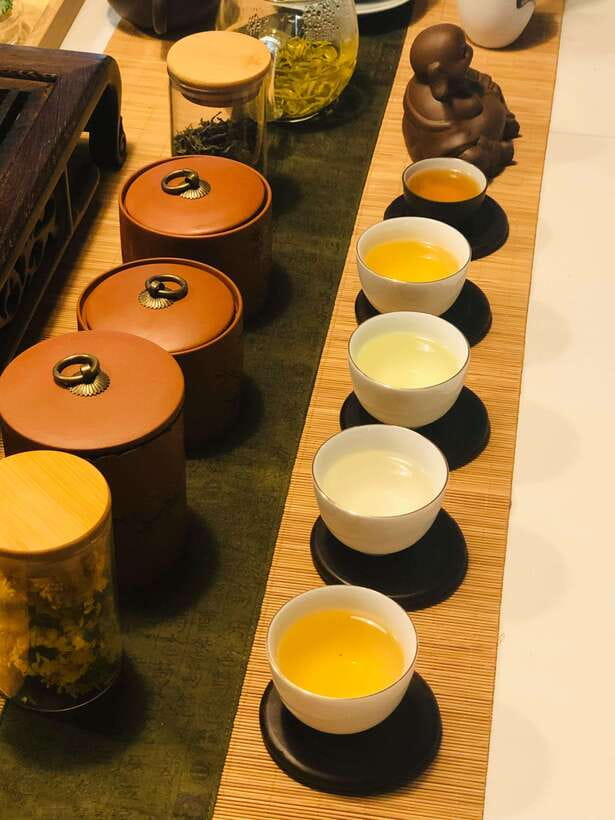
- Five mini cups included: Expect a guided tasting that can include Oolong, Pu-erh, green, jasmine, and flower tea.
- A lesson in technique: You learn why water temperature, steeping time, and the order of each step matter.
- English-speaking hosts: Richard, Feye, and other tea masters have been praised for clear explanations and friendly help.
- A quiet cultural pause: The ceremony centers on respect, harmony, attention, and conversation rather than rushing through a drink.
- Good value at $9: For a short introduction to Chinese tea, the price is hard to beat, though tea purchases cost extra.
- Not a transport service: You make your own way to the meeting point, which may vary by booking option.
Why a tea ceremony belongs on a Beijing itinerary
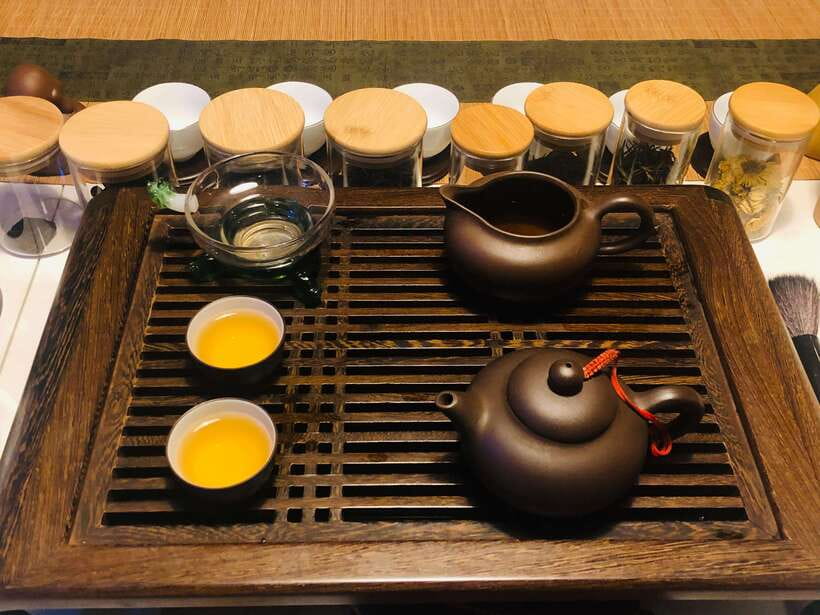
Beijing can fill your days with palaces, old streets, towers, and long walks. A tea ceremony gives you a different way to experience the city. Instead of looking at an object behind glass or hurrying through a famous site, you sit down and pay attention to small details.
China is the birthplace of tea, and tea remains tied to social life, hospitality, and daily routine. This ceremony presents tea as more than a beverage. The host explains the ritual behind brewing and shows how each movement has a purpose.
I like this approach because it gives cultural context without asking you to read a long lecture. You smell the leaves, watch the water enter the pot, see the tea change color, and then taste the result. The lesson reaches you through your senses.
It is also a useful activity after a major sight such as the Forbidden City. One visitor booked it as an afternoon activity after visiting the palace and found that the experience was worth the modest cost. That timing makes sense. After several hours of crowds and grand imperial rooms, a seated tea tasting offers a gentler change of pace.
More Tea Ceremonies in Beijing
- Beijing Culture: Tea Ceremony, Heritage Instrument & Calligraphy
★ 5.0 · 57 reviews - Chinese Tea ceremony in Beijing Hutong courtyard
★ 4.7 · 26 reviews - Private Beijing Markets Tour with Tea Tasting at Hongqiao Pearl Market
★ 5.0 · 18 reviews
Meeting the tea master and settling in
A tea master or English-speaking host greets you when you arrive. The exact meeting point depends on the option you choose, so check your booking details carefully and leave a WhatsApp number when you reserve. That contact detail matters because the host may need to help you find the right spot.
The host or greeter is not the same as a city guide. No transportation is included, and no general sightseeing tour is promised. You need to handle your own route to the meeting point. Some visitors received help getting to and from the ceremony, including directions from a subway station, but you should not treat that as included transportation.
The English support is one of the strongest parts of the experience. Richard has been praised for being patient, helpful, and fluent in English. Feye has also been described as friendly, funny, and able to explain Chinese tea clearly in English. Other bookings may use a different tea master, including Kostya, who has hosted in Russian.
That variety means the exact style may change from one session to another. The shared feature is a host who guides the ceremony and explains the tea. If you need a particular language, confirm it before booking, since English is the stated language and Russian has been available for at least one session.
The ceremony: warming the pot and waking the leaves
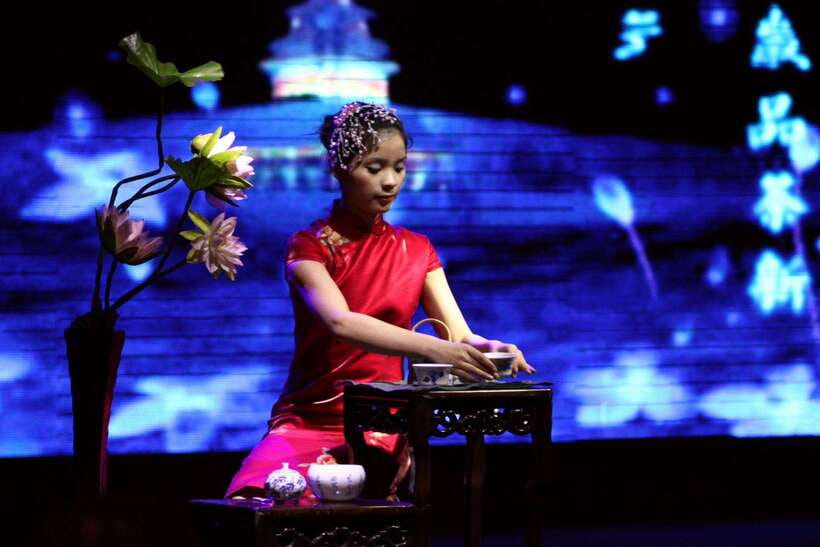
The ceremony begins with preparation rather than immediate drinking. The tea master warms the teapot and cups, handles the leaves with care, and prepares the water at a suitable temperature.
This may sound fussy if you normally drop a tea bag into a mug. That contrast is exactly what makes the lesson useful. Different teas need different treatment. Water that works well for one type may be too hot for another, and steeping too long can change the taste.
You get to smell the dry leaves before tasting them. This small step helps you notice the difference between tea varieties before water brings out their character. The ceremony also gives you a chance to watch the pouring method and understand why the host does not simply fill one large cup.
Every stage is performed with intention. The ritual reflects respect, harmony, and mindfulness, but you do not need to master the etiquette before arriving. The tea master demonstrates the process, and you follow along at a comfortable pace.
Tasting five types of Chinese tea
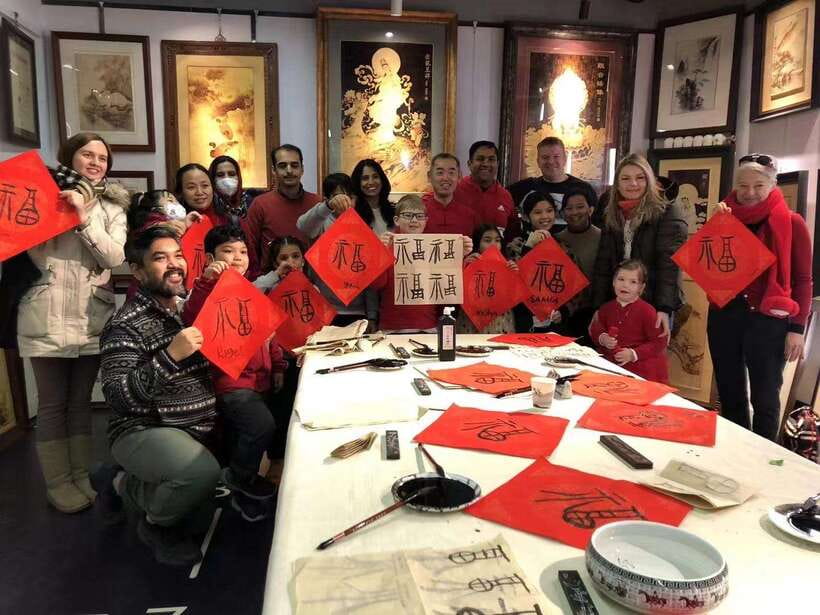
The included tasting consists of five mini cups of tea. The selection can include Oolong, Pu-erh, green tea, jasmine tea, and flower tea. The exact selection may vary, but the point is comparison.
The small cups are a smart format. You can sample several teas without becoming overloaded, and you can focus on the differences from one pour to the next. You might notice changes in aroma, color, strength, and finish.
Green tea gives you a useful starting point because its character can feel lighter and fresher. Jasmine tea brings fragrance, while flower tea adds a more visual and aromatic part to the tasting. Oolong and Pu-erh show how broad Chinese tea can be, with a different feel from lighter teas.
The host explains how temperature and time affect each cup. You are not simply told what to like. You are shown how the brewing choices shape what you taste. That is the most practical lesson to take home.
Several people have chosen to buy tea after the tasting, helped by the tea expert. This is optional and not part of the $9 price. You can enjoy the ceremony without buying anything, but the tasting gives you a better basis for choosing tea if you want a gift or a supply for home.
A completely different sort of day out:
- From Beijing: Mutianyu Great Wall Tours with Options
★ 4.9 · 9,216 reviews - Beijing: Forbidden City Tour(Group/Private)-Tickets Included
★ 4.8 · 7,974 reviews - Beijing: T-Square & Forbidden City Group or Private Tour
★ 4.8 · 4,446 reviews - All-Inclusive Tour: Tiananmen Square, Forbidden City, Great Wall
★ 5.0 · 2,873 reviews
What the five mini cups really offer
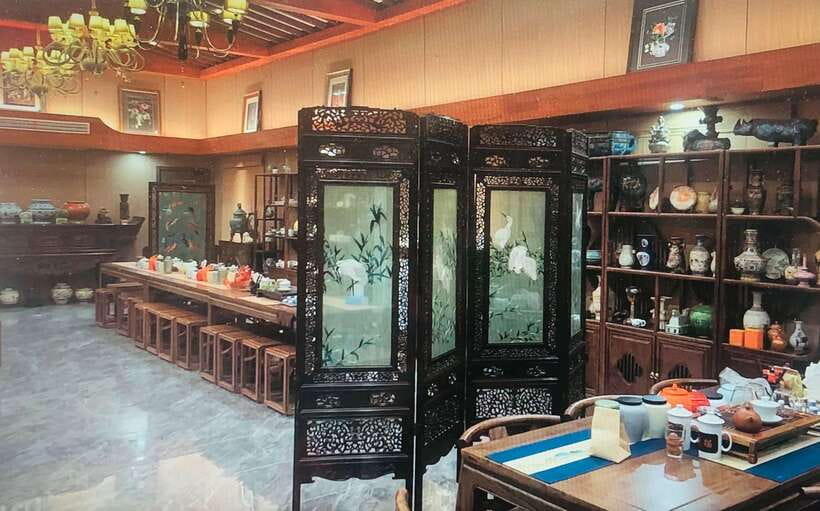
The tasting is short, but it can change the way you order or prepare tea later. You learn to pause before adding sugar or rushing through the cup. You also gain a few questions to ask when buying tea: What type is it? How hot should the water be? How long should it steep? Can the leaves be brewed again?
The ceremony also shows why tea can be a social activity. The host pours, explains, and talks with you. You share the same table and compare impressions. That human element is important. The tea is the focus, but the conversation gives the ritual its warmth.
For adults, this is a pleasant introduction to a serious part of Chinese culture. For children, it can be a fun sensory lesson, especially when they can smell the leaves and watch the color change. The stated minimum age is seven, and one family with children aged 10 and 13 had a very positive time.
Still, younger children may find the slower pace difficult. This is not an activity built around running, games, or constant movement. If your child is curious about food, smells, and hands-on demonstrations, it should work better than if they need a fast-moving attraction.
The tea house setting and optional purchases
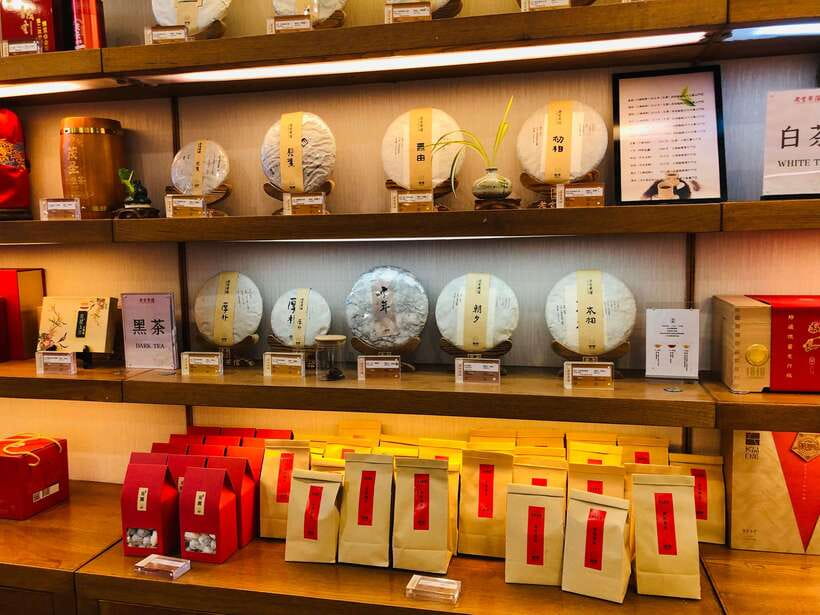
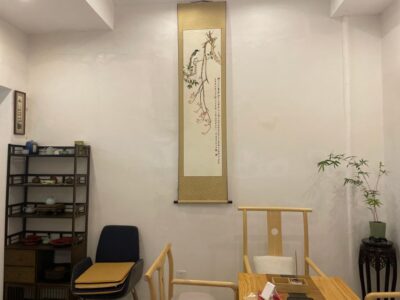
The ceremony takes place in a traditional tea house setting, according to the experience details and individual descriptions. That setting helps the ritual feel connected to Chinese tea culture rather than like a quick tasting counter.
Some sessions have included photographs taken by the guide, and some people received a small welcome gift or souvenir. These touches have been appreciated, but they should be treated as extras rather than guaranteed inclusions.
After the ceremony, you may browse and buy tea at your own expense. The shop can also offer Chinese porcelain and higher-priced teas. This is the point where you should keep your budget in mind. The $9 activity is excellent value, but the final cost can rise if you feel pressured to buy.
My advice is simple: taste first, ask questions, and buy only what you genuinely want. You can choose a small amount to take home for family or friends, or leave with the lesson and no shopping bag. The purchase is optional.
How long should you allow?
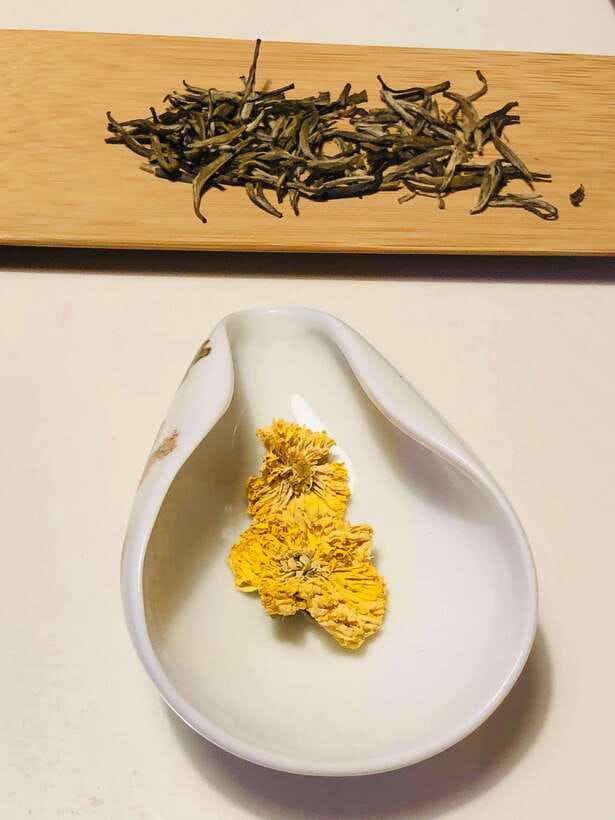
The published duration ranges from 30 minutes to three hours. That is a wide spread, so you must check the starting time and exact duration for the option you select.
A 30-minute version works well as a short cultural break between sights. A longer version gives you more time for explanation, conversation, and perhaps related activities if those are included in your chosen option. Do not build a tight schedule around the maximum length unless your booking clearly confirms it.
The activity can suit a morning, afternoon, or another available start time. Availability controls the schedule, so check before planning it around a palace ticket or restaurant reservation.
You also need to allow time to reach the meeting point on your own. Since no transportation is included and the point may vary, a little extra time is sensible. If you are late, the host may be accommodating. One session still welcomed a late arrival, but that kindness is not a guarantee that every group can wait.
Is $9 a fair price?
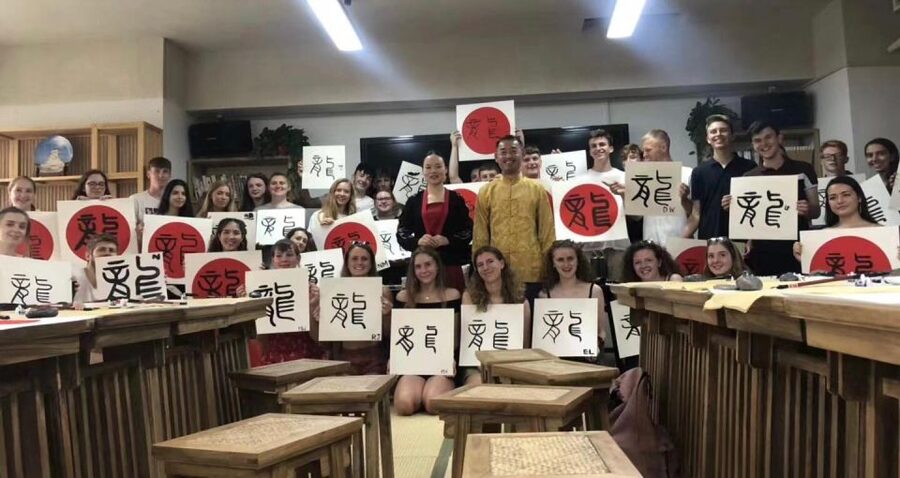
At $9 per person, this is one of the easier Beijing activities to justify. You receive the ceremony and five mini cups of tea, along with an introduction to brewing, tea types, and etiquette.
The value is strongest if you want cultural context rather than a large meal or a long guided tour. You are paying for the host’s instruction and the chance to taste several teas in a traditional setting. That is a modest fee for a focused experience.
The price does not include transportation, shopping, or other costs not listed. It also does not cover a general city guide. If you want someone to lead you around Beijing all day, this is the wrong product. If you want a short, affordable cultural activity, the price works very well.
Some people purchase tea afterward, and that can be worthwhile if you find a variety you like. Just remember that the optional shopping is separate from the activity fee.
Who will enjoy this most?
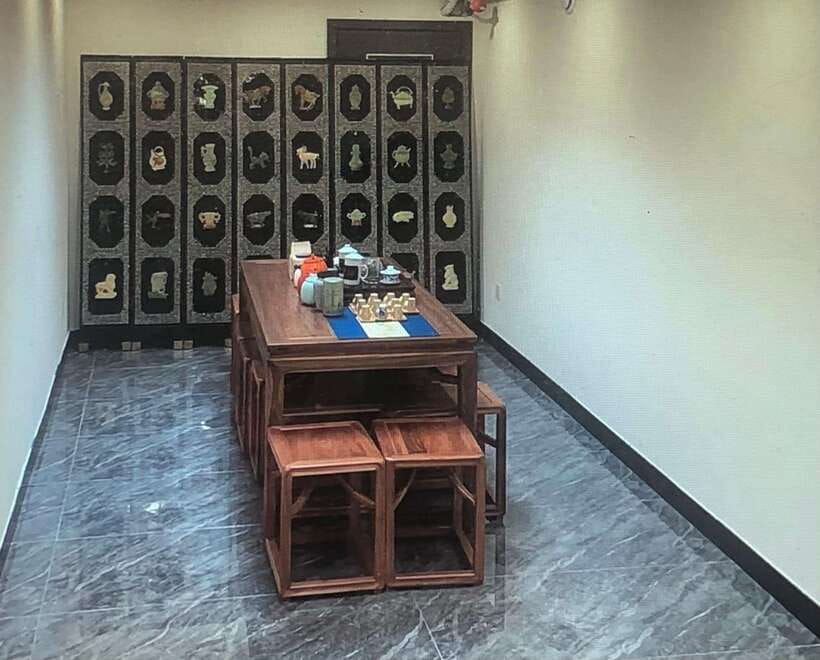
I would recommend this to first-time visitors who want something beyond the standard Beijing sights. It is also a good pick for couples, families with children over seven, and anyone who enjoys food and drink experiences.
It suits you especially well if you like asking questions and noticing small differences. You do not need prior tea knowledge. The host demonstrates the methods and explains the reasons behind them.
It may not suit you if you dislike seated tastings, have very little time, or expect transport and sightseeing to be included. Pregnant women and children under seven are listed as unsuitable for this activity.
The ceremony can also work for solo visitors. The host provides the structure, so you do not need to arrange a large group to make it worthwhile. For families, the tasting offers a shared activity that does not depend on language-heavy museum displays.
Practical tips for a smoother visit
Check the meeting point and duration before you leave your hotel. These details can change depending on the option you book.
Leave your WhatsApp number during booking. The English-speaking host may use it to help with meeting arrangements.
Arrive with an open mind about tea strength and flavor. The tasting is designed to compare types and brewing methods, not to serve one familiar cup of black tea.
Bring room in your schedule for optional shopping, but set your own spending limit before you arrive. You can buy tea or porcelain, but neither is required.
If you want photos, ask the host. Some sessions have included pictures, though this is not listed as a guaranteed inclusion.
Cancellation is flexible: you can cancel up to 24 hours in advance for a full refund, and you can reserve now and pay later. That is helpful when your Beijing plans depend on weather, palace tickets, or changing sightseeing days.
Should you book the Beijing tea ceremony?
Yes, if you want a low-cost cultural activity with real instruction rather than a simple cup of tea. The five-cup tasting, careful brewing demonstration, and friendly English-speaking hosts give you a useful introduction to one of China’s central social traditions.
Book it with realistic expectations. You arrange your own transportation, the meeting point varies, and tea purchases cost extra. If you accept those limits, the $9 price offers excellent value and a welcome pause from Beijing’s major sights.
I would place it after a busy morning at the Forbidden City or on a day when you want a slower activity. It is especially appealing for families with older children and for anyone who wants to take home more than a souvenir. You leave with a better sense of how Chinese tea is prepared, served, and shared.
FAQ
How much does the traditional Chinese tea ceremony cost?
The listed price is $9 per person. Optional tea or porcelain purchases are not included.
How long does the tea ceremony last?
The duration ranges from 30 minutes to three hours, depending on the option booked. Check availability for the exact start time and length.
How many teas are included?
The activity includes five mini cups of tea. Possible varieties include Oolong, Pu-erh, green tea, jasmine tea, and flower tea.
Is transportation included?
No. Transportation is not included, and you must make your own way to the meeting point.
Is a tour guide included?
No general tour guide is included. An English-speaking host or greeter and a tea master lead the ceremony.
What language is available?
English is listed as the available language. One experience has also been hosted in Russian.
Can children join the ceremony?
Children under seven are not suitable for the activity. Children aged seven and older may join, and an experience with children aged 10 and 13 was described positively.
Can I cancel the booking?
Yes. You can cancel up to 24 hours in advance for a full refund. You can also reserve now and pay later.
Just added in Beijing
- Private Transfer to Mutianyu Great Wall with professional driver★ 5.0 · 19 reviews
- One day tour to downtown Tianjin from Beijing by high speed train★ 5.0 · 3 reviews
- ZANBUS: Trip to the Jinshanling Great Wall Departing at 7:30 AM★ 5.0 · 5 reviews
- camp on the Great Wall overnight with sunrise and sunset on the wall★ 5.0 · 11 reviews
- Yuxiandu Chinese Royal Cuisine Museum with Show and Royal Banquet★ 5.0 · 4 reviews
- Wild Great Wall Hikes★ 5.0 · 10 reviews
- BusDa:Ancient Great Wall &Badaling Great Wall Full-day Bus Tour★ 4.5 · 6 reviews
- Wild Great Wall Huanghuacheng Half Day Tour★ 5.0 · 15 reviews
Tea Ceremony Experiences, compared.
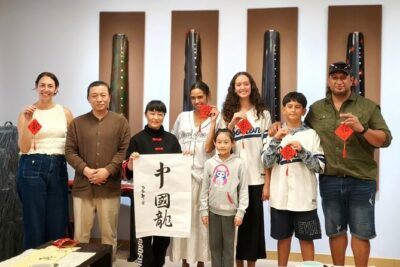
Beijing Culture: Tea Ceremony, Heritage Instrument & Calligraphy
Read our review →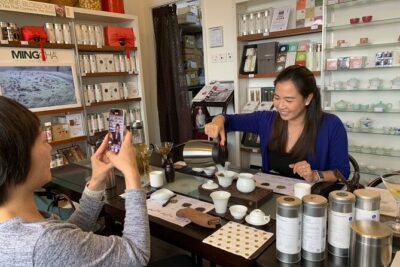
Chinese Tea ceremony in Beijing Hutong courtyard
Read our review →
Half-Day Hangzhou Yunxi Bamboo Forest and Tea Plantation Experience
Read our review →
Leshan Buddha + Panda Base or Old Tea House Private Day Tour
Read our review →
Private Beijing Markets Tour with Tea Tasting at Hongqiao Pearl Market
Read our review →
3-Hour Shanghai Yu Garden &Old Town Private Tour with Tea Tasting
Read our review →Where else this tour turns up