
Reviewed · KUNG FU SHOWS
Shanghai:Wing Chun Kung Fu in Shanghai’s Beautiful Park
A park becomes your kung fu studio. This one-hour Wing Chun class pairs skilled instruction with the calm setting of a Shanghai park, giving you a practical way to try Chinese martial arts without committing to a full-day activity. I like the mix of physical training and traditional exercises, especially the individual posture corrections and the closing Qigong work. The main trade-off is time: one hour is enough for an introduction, not a full martial arts course.
I also like the clear meeting point near the Kamogawa Cafe and the option to learn in English or Chinese. The strongest praise has focused on the master’s expertise and the attention given to each student. At $100 per person, this is not a cheap casual lesson, so the value depends on how much you want personal instruction rather than a quick tourist demonstration.
In This Review
- Key points to know before booking
- What makes this Shanghai Wing Chun class different
- Meeting at Guangyuan Road
- The first minutes: warming up in the park
- Watching the master demonstrate Wing Chun
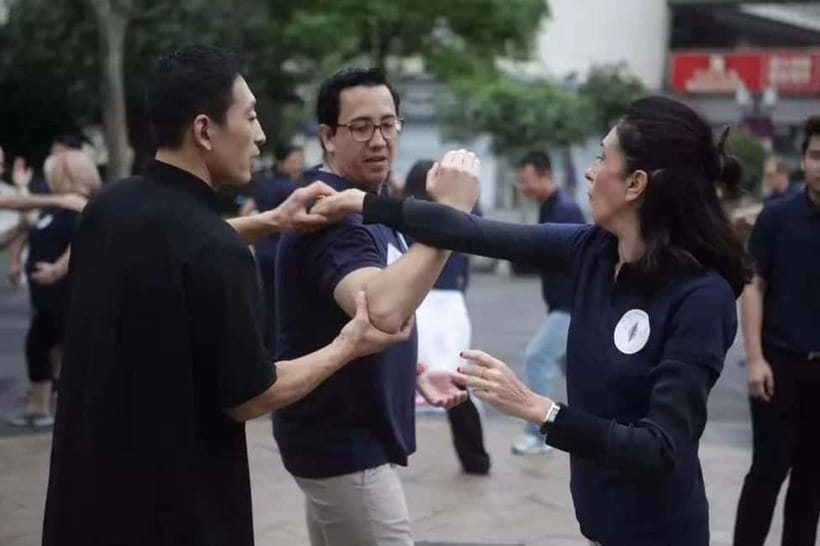
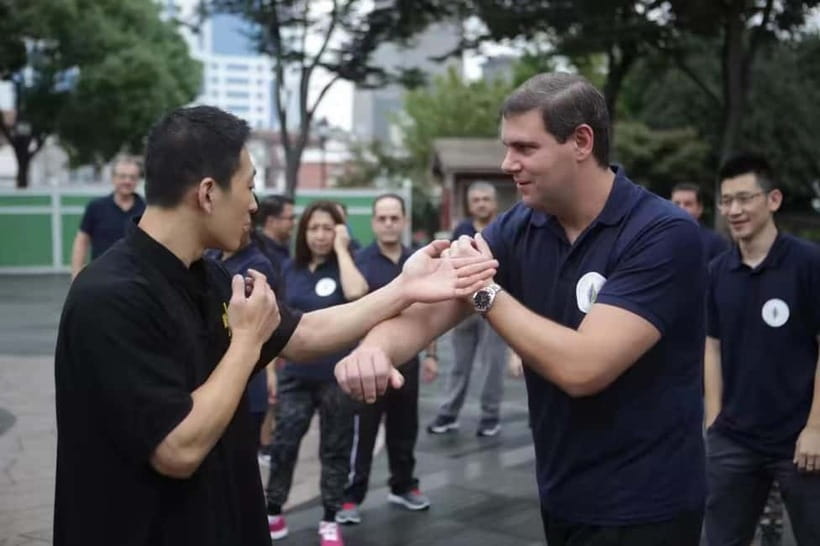
- Personal corrections and hands-on practice
- Power training and practical applications
- Zhan Zhuang and Qigong add a quieter side
- Stretching brings the hour to a close
- Is $100 per person good value?
- Who should book this experience?
- My verdict on Wing Chun in Shanghai’s park
- FAQ
- Where does the Wing Chun class meet?
- How long does the experience last?
- How much does the experience cost?
- What languages does the instructor speak?
- Is the activity held indoors or outdoors?
- Is the park venue included in the price?
- What should I wear?
- Does the class include personal instruction?
- What martial arts exercises are included?
- Is the activity wheelchair accessible?
- Can I cancel the booking?
- Do I have to pay when I book?
Key points to know before booking
- Wing Chun in a real Shanghai park: You train outdoors rather than inside a studio, with the park serving as a peaceful practice space.
- Personal corrections matter: The instructor watches your form and gives individual guidance on posture, movement, and technique.
- The lesson covers more than punches: Expect warm-ups, demonstrations, power exercises, defensive applications, Zhan Zhuang, Qigong, and stretching.
- A short but active introduction: The one-hour format suits first-timers who want a focused taste of Wing Chun.
- English and Chinese instruction: You can take the class with an English-speaking or Chinese-speaking instructor.
- Simple meeting point: Meet at No. 153 Guangyuan Road, near the Guangyuan Road and Tianping Road crossing, beside Kamogawa Cafe.
What makes this Shanghai Wing Chun class different
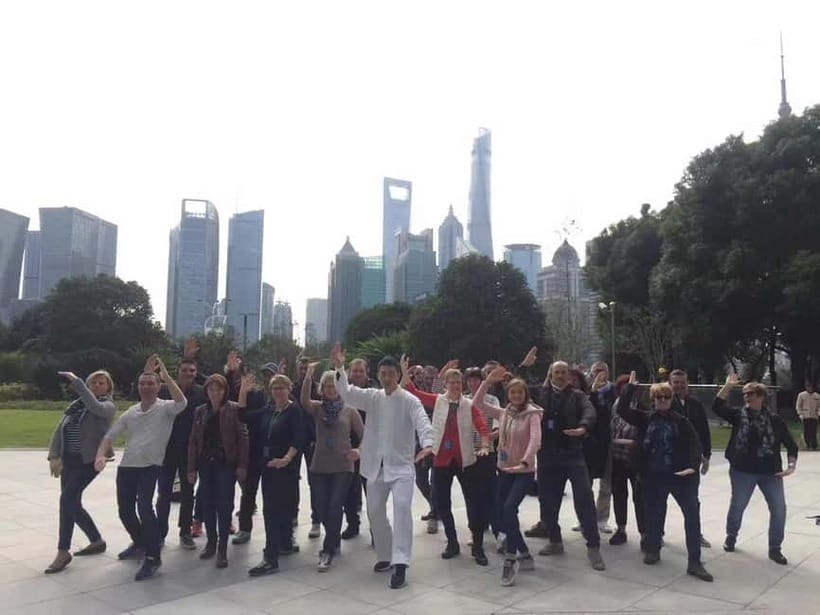
Shanghai offers plenty of indoor attractions, but this experience takes a quieter route. You meet at a city park and use the open setting as your training room. That change of scene matters. Martial arts can feel formal or intimidating in a dedicated school, while a park setting gives the lesson a more relaxed rhythm.
You are not simply watching a master perform a few impressive moves. The class is built around doing the work yourself. You warm up, watch a demonstration, listen to an explanation, then repeat the techniques while the instructor checks your form.
That structure gives the experience real value for a beginner. Wing Chun movements can look compact and simple at first. The challenge is in the details: your stance, balance, hand position, timing, and ability to respond without making large, wasteful movements.
The class also includes traditional Chinese practices that broaden the lesson beyond self-defense. Zhan Zhuang, or standing meditation, focuses on stillness and posture. Qigong exercises add controlled movement and attention to breathing and energy flow. You get a brief look at both the physical and internal sides of Chinese martial arts.
More kung fu shows in Shanghai:
- Chinese Kung Fu Experience Class in Beijing
★ 5.0 · 11 reviews - Chengdu Kung Fu Panda Tour Tai Chi, Martial Arts and Panda Base
★ 5.0 · 8 reviews - Day Tour learning Kung Fu and Lion Dance in Bruce Lee’s Hometown
★ 5.0 · 7 reviews
Meeting at Guangyuan Road
The meeting point is No. 153 Guangyuan Road, near the crossing with Tianping Road and next to Kamogawa Cafe. That cafe is the useful landmark, so note its name before leaving for the class. A clear meeting point is especially helpful in Shanghai, where a short address can still place you among busy streets and several nearby entrances.
The activity takes place in the park, and use of the park is included. You do not need to arrange a separate venue or find a martial arts school on your own. The outdoor location also means you should dress for movement and bring comfortable shoes.
The class is wheelchair accessible. Still, the activity involves standing, stances, striking motions, power exercises, and stretching, so you should consider your own mobility and comfort when deciding if the physical program suits you.
The duration is one hour. Starting times vary, so check availability for the date you want. The short length makes this easy to fit around sightseeing, but it also means the instructor must keep the lesson moving.
The first minutes: warming up in the park
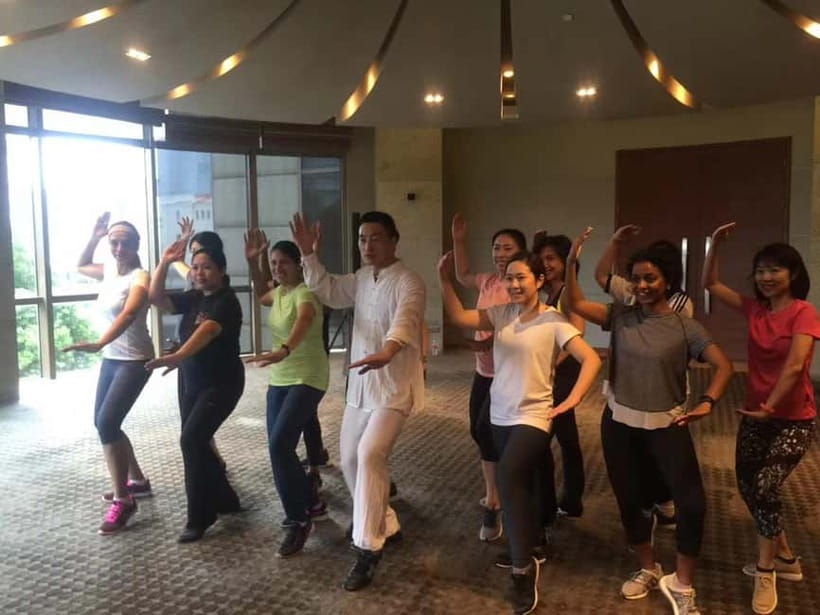
The class begins with a warm-up to get your blood flowing and prepare your muscles. This is not filler. Wing Chun asks you to use your legs, hips, shoulders, arms, and core in ways that may feel unfamiliar if you usually spend your holiday walking and taking photographs.
A proper warm-up also helps you settle into the class. You can loosen up, pay attention to the instructor, and get used to moving in the outdoor space. If you arrive stiff from a long flight or a morning of sightseeing, this first stage should help you feel more ready for the technical work.
Wear clothes that allow easy movement. Comfortable shoes are listed as essential, and that advice is worth taking seriously. You will need a stable base for the low stances and power exercises.
Do not expect a gentle sightseeing stop. The class is short, but it is active. You may leave feeling pleasantly worked rather than simply entertained.
Watching the master demonstrate Wing Chun
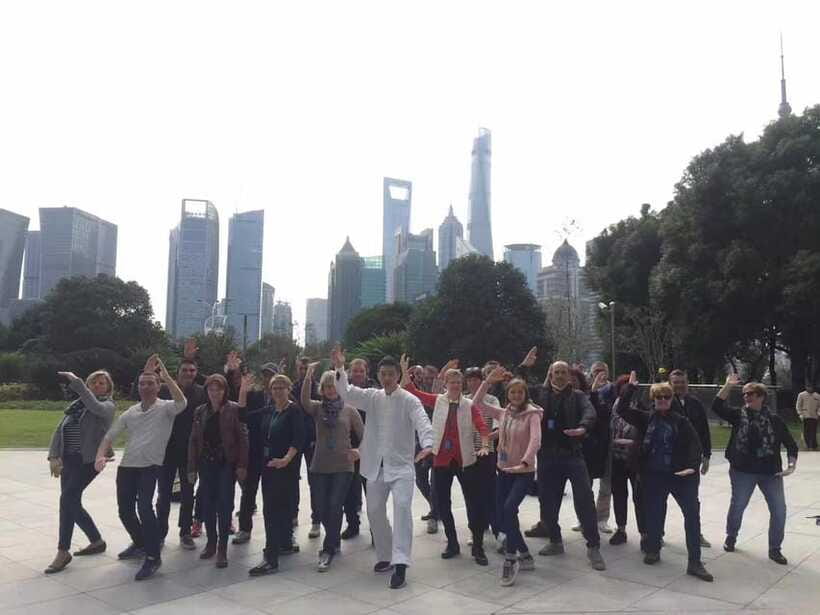
After the warm-up, the instructor demonstrates Wing Chun techniques. This gives you a visual guide before you try the movements yourself. The demonstration focuses on Wing Chun’s practical style, including compact strikes, quick responses, and low stances.
Wing Chun is often associated with efficient movement rather than wide, dramatic gestures. That makes it an interesting choice for a first martial arts lesson. The actions are close to the body and designed around speed, control, and direct responses.
The instructor then explains each movement in detail. This is where the class becomes more useful than a performance. You are shown not only what the technique looks like, but also how to position your body and how the movement is meant to work.
The pace may feel demanding for a complete beginner because the lesson has a lot to cover. You should not worry about mastering everything in one hour. Treat the class as a carefully guided introduction, and focus on understanding the basic principles rather than copying every motion perfectly.
A few more to weigh up in Shanghai
- Authentic Local Food Tour in Central Shanghai
★ 5.0 · 1,382 reviews - Zhujiajiao Water Town and Shanghai City Private Day Tour
★ 5.0 · 1,016 reviews - Private Shanghai Full Day City Tour with Old and New Highlights
★ 5.0 · 995 reviews - Shanghai: Hop-on Hop-off Bus Ticket and Optional Attractions
★ 3.4 · 692 reviews
Personal corrections and hands-on practice
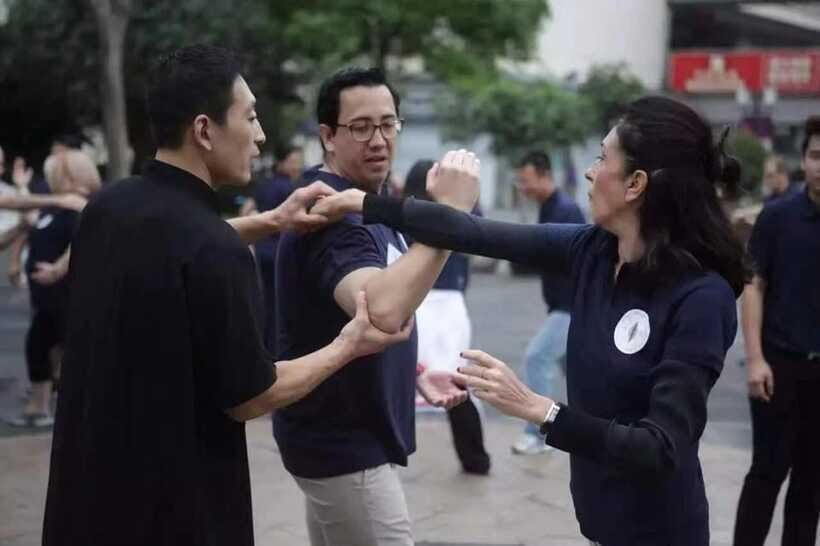
You then practice the movements yourself while the instructor watches and makes corrections. This is the part I consider most important. A martial arts technique can look right while feeling completely wrong in your own body, and small errors in stance or hand position can change the movement.
The individual guidance is also the feature that earned the most specific praise. One verified booking described the master’s attention to the student and expertise in martial arts. That is a useful detail for anyone deciding between a lesson and a larger demonstration. You are paying for instruction, not just a show.
Expect the instructor to focus on posture, compact strikes, and quick responses. You may be asked to lower your stance, adjust your balance, or change the angle of a movement. These corrections can feel minor, but they are what turn a basic imitation into a more accurate practice.
The experience does not state a fixed group size, so you should not assume a private lesson. Still, the program specifically includes personalized guidance. If one-to-one attention is your top priority, confirm the arrangements when booking.
Power training and practical applications
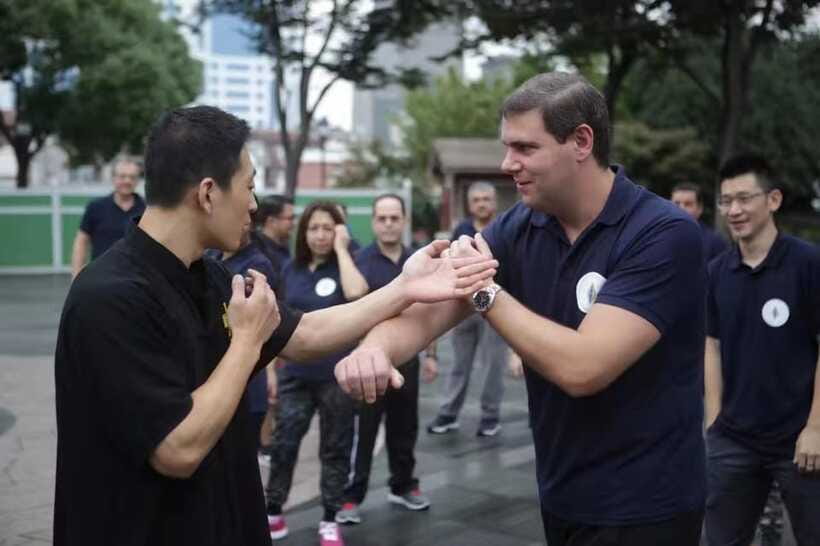
Once you have practiced the basic techniques, the class moves into power training. The goal is to develop striking power and speed. This gives you a more energetic section after the slower work on posture and technique.
The instructor also demonstrates defensive and offensive applications. These examples show how Wing Chun movements can be used in practical situations rather than treated as isolated exercises. You then practice the applications yourself.
This part can help you understand why the earlier corrections matter. A low stance, compact strike, or quick hand response is not just a shape to memorize. Each action has a purpose in a defensive sequence.
You should keep your expectations sensible. A one-hour session cannot turn you into a trained fighter, and this experience does not promise that. What it can do is show you how Wing Chun connects technique with self-defense and give you a controlled first step into the art.
The practical focus may appeal to adults who want more than a cultural photo opportunity. At the same time, anyone looking for a purely relaxing park activity may find the power training more physical than expected.
Zhan Zhuang and Qigong add a quieter side
The lesson then shifts from striking and defensive movement to Zhan Zhuang, or standing meditation. This practice asks you to hold a stable posture and pay attention to your body. It can seem simple, but standing correctly requires concentration.
Zhan Zhuang provides a useful contrast to the faster parts of the class. You get a chance to slow down and notice balance, alignment, and breathing. It also introduces the idea that Chinese martial arts training is not only about force or speed.
Qigong exercises continue this focus on controlled movement and energy flow. The session does not give you a long traditional medicine course, but it does show how internal exercises fit alongside physical technique.
I like this inclusion because it gives the class cultural depth without turning it into a lecture. You experience the practices through movement. If you arrive expecting only punches and blocks, this quieter section may be a pleasant surprise.
Some beginners may find the transition from power training to standing meditation unusual. Give it time. The change is part of the lesson’s balance and may help you finish feeling calmer than you expected.
Stretching brings the hour to a close
The final stage is a thorough stretching routine. After low stances, striking drills, and power exercises, this cool-down is practical. It helps your muscles relax and gives the class a clear finish.
You may appreciate the stretching most if you have other plans after the lesson. A short martial arts session can still leave your legs and shoulders feeling worked, especially if you are not used to the stances. The cool-down aims to leave you relaxed and refreshed rather than abruptly stopping after the last exercise.
Because the activity lasts only one hour, every section is fairly concentrated. You receive a beginning, middle, and end: preparation, instruction, practice, applications, internal exercises, and recovery. That is a lot for the allotted time, but it also means the class does not spend the whole hour on one repetitive drill.
Is $100 per person good value?
The price is $100 per person. That places this experience above the cost of a casual group activity, so the value rests on the instruction and personal attention.
I would see it as a reasonable choice for someone who specifically wants an introduction to Wing Chun with a skilled master. You receive a complete session rather than a short staged demonstration. The package includes the instructor, park venue, warm-up, demonstrations, explanations, posture corrections, power training, defensive applications, Zhan Zhuang, Qigong, and stretching.
The strongest reason to pay the price is the correction work. If the instructor is able to give you meaningful individual guidance during the session, you are getting something difficult to gain from watching videos or attending a large public demonstration.
The price may feel high if you mainly want a quick cultural activity or a photograph in a martial arts pose. The experience does not include a photographer, so you should not expect professional pictures as part of the booking. If you want photos, arrange your own camera or ask your companion to take them, while keeping your attention on the lesson.
A verified booking from Australia described the experience simply as great, while another from Cyprus praised the master’s attention and martial arts expertise. The available rating is 5 out of 5 from two verified bookings. That is encouraging, especially regarding instruction, but it is still a small sample. I would treat it as positive evidence, not a guarantee that every student will find the pace or physical work ideal.
Who should book this experience?
This class is best for you if you want a hands-on cultural activity and are willing to take part physically. It suits first-timers because the instructor demonstrates and explains the movements before you practice them.
It is also a good fit if you are curious about the connection between martial arts and traditional Chinese exercises. The inclusion of standing meditation and Qigong gives you more than a basic self-defense lesson.
You may enjoy it if you value direct feedback. The lesson’s main strength is the teacher’s attention to individual form, so arrive ready to listen, repeat, and accept corrections.
The class may be less suitable if you want a long training session, advanced combat instruction, or a purely passive activity. One hour gives you an introduction, not a full curriculum. You should also wear clothes and shoes that let you move comfortably.
Instruction is available in English and Chinese. Cancellation is flexible up to 24 hours before the activity for a full refund, and you can reserve now and pay later. Those terms are useful if your Shanghai plans are still shifting.
My verdict on Wing Chun in Shanghai’s park
I would recommend this experience to anyone who wants a focused, active introduction to Chinese martial arts in an unusual setting. The park location keeps the atmosphere open and approachable, while the lesson itself has enough structure to feel purposeful.
The best part is the instructor’s attention to technique. You are not left to copy a sequence without help. Warm-ups, demonstrations, corrections, applications, Qigong, and stretching create a well-rounded hour.
Book it if $100 fits your budget and you care about learning directly from a master. Skip it if you only want a cheap sightseeing stop or expect to become proficient in Wing Chun in one session. For the right audience, this is a memorable way to spend one hour in Shanghai, with your body moving and your attention fully in the present.
FAQ
Where does the Wing Chun class meet?
Meet at No. 153 Guangyuan Road, near the crossing of Guangyuan Road and Tianping Road, next to Kamogawa Cafe.
How long does the experience last?
The class lasts one hour.
How much does the experience cost?
The price is $100 per person.
What languages does the instructor speak?
Instruction is available in English and Chinese.
Is the activity held indoors or outdoors?
The entire activity takes place in a park.
Is the park venue included in the price?
Yes. Free use of the park venue is included.
What should I wear?
Bring comfortable clothes and comfortable shoes suitable for movement.
Does the class include personal instruction?
Yes. The session includes posture correction and personalized guidance from the instructor.
What martial arts exercises are included?
The class includes warm-ups, Wing Chun demonstrations, technique explanations, power training, defensive applications, Zhan Zhuang standing meditation, Qigong, and stretching.
Is the activity wheelchair accessible?
Yes, the activity is listed as wheelchair accessible.
Can I cancel the booking?
Yes. You can cancel up to 24 hours in advance for a full refund.
Do I have to pay when I book?
No. Reserve now and pay later, so you can keep your plans flexible.
Just added in Shanghai
- Suzhou Private Guided Day Trip from Shanghai by Bullet Train★ 5.0 · 46 reviews
- Suzhou and Zhujiajiao Private Guided Day Trip from Shanghai★ 5.0 · 27 reviews
- Shanghai: Zhujiajiao Water Town with Calligraphy Experience★ 5.0 · 17 reviews
- Shanghai:Old Town, Yu Garden, Zhujiajiao Water Town Bus Tour★ 4.7 · 16 reviews
- Shanghai: Yu/Yuyuan Garden Entry Ticket–E ticket★ 4.4 · 24 reviews
- Shanghai: Yuyuan, City God Temple Old City Tour-Tip Based★ 5.0 · 10 reviews
- Shanghai: Zhujiajiao Water Town Private Tour with Boat Ride★ 5.0 · 2 reviews
- Shanghai: Zhujiajiao Water Town Private Tour with Boat Ride★ 5.0 · 2 reviews
Kung Fu Shows, compared.
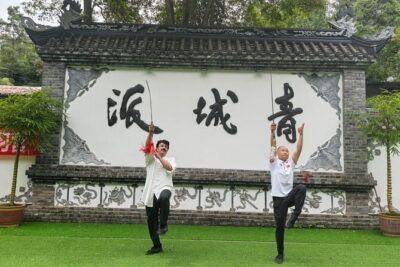
Chengdu Kung Fu Panda Tour Tai Chi, Martial Arts and Panda Base
Read our review →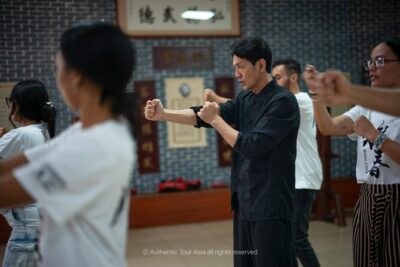
Day Tour learning Kung Fu and Lion Dance in Bruce Lee’s Hometown
Read our review →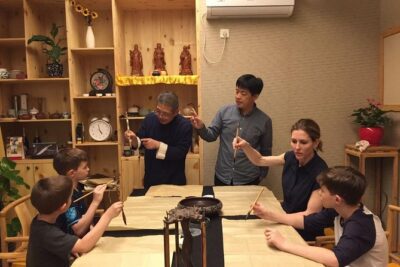
Tai Chi or Kung Fu plus Chinese Calligraphy Learning Class
Read our review →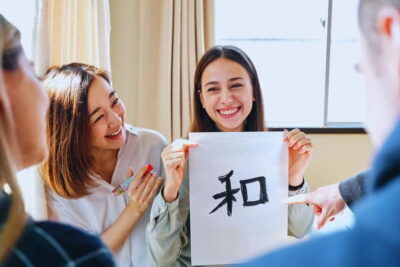
Beijing:Learn Calligraphy & Enjoy Kung Fu Tea Ceremony
Read our review →
Private Tour: Beijing Cuisine Dinner and Chinese Kung Fu Show
Read our review →Where else this tour turns up