
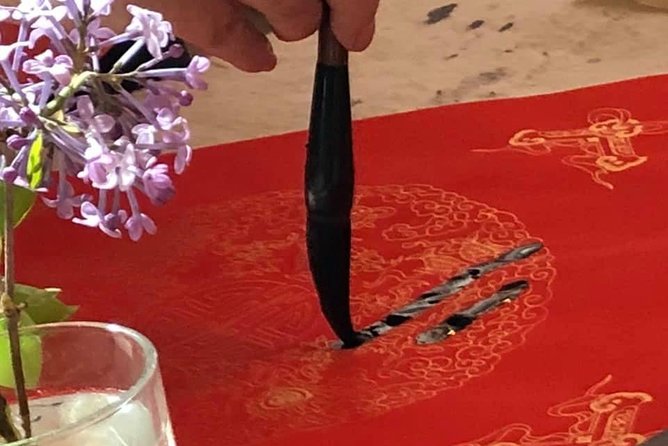
Reviewed · CALLIGRAPHY WORKSHOPS
Chinese Calligraphy Class for Small Group
Slow down and let the ink speak. This Beijing class turns a simple writing lesson into a calm cultural activity, with brush technique, Chinese philosophy, and a finished piece to take home. I especially like the small-group format and the chance to create a personal souvenir, not just buy one. The main consideration is time: 30 minutes may feel rushed, while the one-hour or longer options give you room to practice.
The class costs about $20 per person, with group discounts available, and offers morning, afternoon, and evening times. Instructor Richard receives the most praise for patience, warmth, and clear teaching, though some participants have used the names David or Robert Lee for their teacher. Confirm your exact meeting instructions carefully, since the Hilton Beijing Wangfujing lobby is given as the meeting point, while additional directions describe the class venue nearby in an arts center.
In This Review
- Key points to know before booking
- Why this one-hour Beijing class is worth your time
- Meeting near Hilton Beijing Wangfujing
- Step one: a standing exercise for calm
- Step two: posture, brush control, and basic strokes
- Step three: practice before the final artwork
- Creating a take-home Chinese calligraphy souvenir
- What the teaching style is really like
- Is this suitable for children and beginners?
- Group size, timing, and practical value
- Strengths and limitations at a glance
- Who should book this Beijing calligraphy class?
- Should you book it?
- FAQ
- How long does the Chinese calligraphy class last?
- How much does the class cost?
- Where does the class meet?
- Are calligraphy supplies included?
- Can children participate?
- Can I cancel for a full refund?
Key points to know before booking
- Brush, ink, and practice supplies are provided, so you do not need to bring art equipment.
- Choose from 30 minutes to two hours, with one hour a sensible starting point for most people.
- Richard is especially patient with beginners, children, and families who need extra guidance.
- The class includes a calm standing exercise, linking calligraphy with the Chinese idea of yin-yang and inner balance.
- You can create a final character or phrase on a larger piece, then take it home as a personal Beijing memento.
- The venue directions deserve attention, especially if you are navigating from Wangfujing or arriving by taxi.
Why this one-hour Beijing class is worth your time
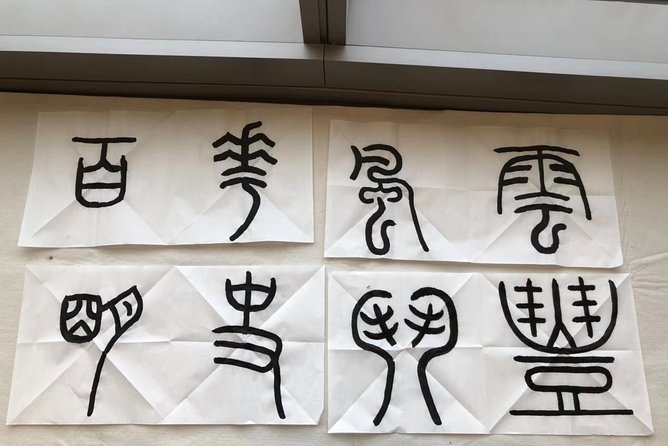
Beijing offers no shortage of palaces, temples, museums, and grand public squares. After a day of sightseeing, a calligraphy lesson gives you something different: an hour of quiet concentration, with your hands doing the work.
At $20 per person, the class is priced more like an easy cultural add-on than a major tour. Supplies are included, instruction is personal, and you leave with a piece of your own work. That makes the cost reasonable, especially for couples, families, or small groups looking for an activity that feels more personal than shopping for a souvenir.
The key is to select enough time. A 30-minute class can introduce the basics, but it may not leave much space for repeated practice and a final artwork. One participant began with 30 minutes and extended the session because the class was enjoyable. Another specifically advised choosing the one-hour option instead of the shortest format.
If you have the time, the 1.5-hour or two-hour versions give you more freedom to work slowly. You can learn the motions, make mistakes, try again, and produce something you are happier to display at home.
More Workshops in Beijing
- Beijing Calligraphy Class
★ 4.9 · 112 reviews - Beijing: Dumpling Making Workshop with Meal and Tea
★ 4.7 · 69 reviews - Online Cooking Class Beijing Dumplings and Cuisine by Sunflowerli Renowned Chef
★ 5.0 · 65 reviews
Meeting near Hilton Beijing Wangfujing
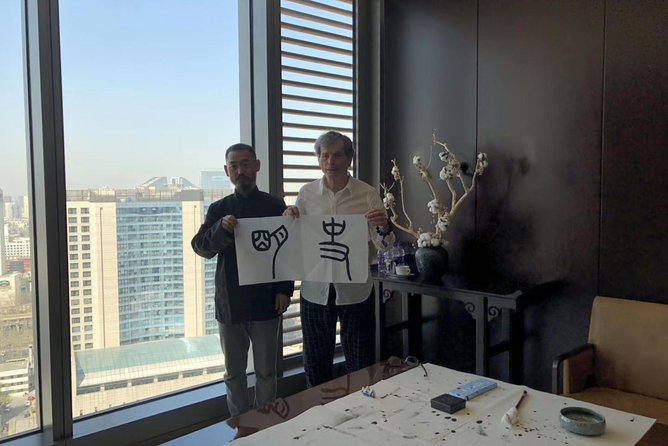
The stated meeting point is the lobby of the Hilton Beijing Wangfujing, at Wangfujing East Street 8 in Dongcheng District. This is a practical area for a class because it is near public transportation and close to one of Beijing’s best-known shopping and sightseeing districts.
You are expected to meet the art teacher there, then finish back at the meeting point. Morning, afternoon, and evening classes are offered, which makes it easier to fit the activity around the Forbidden City, shopping on Wangfujing Street, or a meal in the area.
Pay close attention to the confirmation message. One especially useful detail is that the class venue may not be obvious from the map pin. Directions describe an arts center with an entrance shared by a mixed martial arts club, with restaurants on either side. The pin may bring you to the correct road without taking you to the exact doorway.
If you are unsure, allow a few extra minutes. Richard has met people outside or helped them from the street when they had trouble finding the entrance. That kind of assistance matters in Beijing, where a large building complex can have several entrances and map directions do not always tell the whole story.
Step one: a standing exercise for calm
The lesson begins with a short standing exercise. This is not a warm-up in the usual fitness sense. It is intended to help you settle down, slow your breathing, and let go of the hurried feeling that often comes with a full sightseeing day.
The instructor connects this exercise to yin-yang ideas and the search for inner peace. You do not need prior knowledge of Chinese philosophy to follow along. The value is practical: calligraphy requires patience, and a rushed hand usually produces a rushed line.
This opening also gives the class a cultural frame. You are not simply copying Chinese characters from a page. You are being introduced to the idea that the movement of the body, the pressure of the brush, and the space around each stroke all matter.
That said, this part may appeal more to some people than others. If you want a fast, technical art lesson, the standing exercise could feel longer than necessary. If you enjoy a quiet introduction and want to understand the tradition behind the writing, it adds meaning to the activity.
Step two: posture, brush control, and basic strokes
Next, the teacher shows you how to hold the brush and sit or stand correctly for practice. For a beginner, this is where the lesson becomes useful. Chinese calligraphy brushes respond to pressure and angle in ways that are not familiar if you usually write with a pencil or pen.
You learn the basic strokes and the correct posture before attempting a finished character. This matters because the goal is not merely to produce a recognizable symbol. Calligraphy depends on the shape, balance, and rhythm of each stroke.
The instructors are praised for giving patient, personal help. Richard in particular is described as attentive and encouraging, including with families and children. That makes the class suitable for people who might feel nervous about making art in front of someone else.
You will probably make uneven lines at first. That is part of the point. The teacher can correct your hand position and show you how much pressure to use, which is hard to learn from a museum display or an online video.
More calligraphy workshops in Beijing:
- Beijing Historic City Guided Walking Tour + Calligraphy Creation
★ 5.0 · 59 reviews - Beijing Wangfujing Calligraphy Class by Forbidden City
★ 5.0 · 58 reviews - Beijing Culture: Tea Ceremony, Heritage Instrument & Calligraphy
★ 5.0 · 57 reviews - Beijing Wangfujing Calligraphy Class Nearby Forbidden City
★ 5.0 · 56 reviews
Step three: practice before the final artwork
The practice section is where the class earns its value. You do not go straight from a short explanation to a precious final sheet. Instead, you work through repeated attempts using the provided supplies.
Some sessions include practice challenges, giving you a clear goal instead of simply filling paper with random strokes. This helps families and first-time students stay engaged. Children can treat the exercise as a puzzle, while adults can focus on the careful balance of the character.
Tea may also be served during the lesson. Several descriptions highlight hot, delicious tea and relaxed conversation, adding a hospitable touch to the class. It helps the session feel less like a formal workshop and more like time spent with a friendly local teacher.
The cultural conversation is an important part of the experience. Richard has explained Chinese philosophy, the meaning of happiness, and elements of Chinese culture while teaching the writing. You may leave knowing only a few characters, but you gain a better sense of why calligraphy carries such importance in Chinese life.
The pace depends on your chosen class length. In 30 minutes, expect a quick introduction and limited practice. With an hour, you have enough time to learn, repeat, and prepare a final piece. At 1.5 or two hours, you can work at a more relaxed pace and spend longer with the teacher.
Creating a take-home Chinese calligraphy souvenir
The final artwork is the part many people remember most. After practicing on ordinary materials, you may paint a selected character, such as happiness, on a larger red hanging ornament or canvas-style piece.
This is a better souvenir than a factory-made trinket because you made it yourself. It may not be perfectly balanced, and that is fine. The uneven parts show that it came from your own hand during a specific hour in Beijing.
Families have taken home pieces for children’s rooms and bedrooms. Couples have created matching works featuring happiness. If you are visiting Beijing with children, this gives them something tangible to keep from the trip, and it may hold their attention more successfully than another monument tour.
The final piece is also a good reason to avoid booking the shortest session if your schedule allows. You need time to practice before committing ink to the finished paper. A longer class does not guarantee a perfect result, but it gives you more chances to improve.
What the teaching style is really like
The strongest feature here is the instructor’s manner. Richard is repeatedly described as friendly, patient, funny, attentive, and professional. Those qualities matter more than formal artistic skill in a beginner class.
You are likely to receive encouragement rather than correction delivered in a stern way. That is useful when your first strokes look nothing like the example. The class is meant to be enjoyable, and the teacher’s willingness to take pictures can add to the memory of the activity.
The instructor may also take extra time to help with directions or accommodate a delayed arrival. One couple arrived late after a delayed bus from the Great Wall and received a longer lesson once they got there. You should not assume that extra time is guaranteed, but the example suggests that communication and flexibility are part of the service.
Names in the available information vary, with Richard, David, and Robert Lee mentioned. If having a particular teacher matters to you, confirm that when booking. The consistent point is the attentive, personable instruction rather than a fixed teacher guarantee.
Is this suitable for children and beginners?
Yes, the class is well suited to beginners. Most people can participate, and children must be accompanied by an adult. The small-group setting allows the teacher to offer more help than you would get at a large demonstration.
Children may enjoy the brush and ink because the tools feel new and unusual. They can also take home a piece of their own work. Still, very young children may find the careful repetition and quiet posture difficult, so an adult should be ready to help them stay focused.
Families should consider booking at least one hour. A short session may end just as children begin to understand the brush. More time allows for breaks in concentration and repeated attempts without making the activity feel like a race.
Couples and solo visitors can benefit too. The lesson provides an easy shared activity, and the calm setting offers a break from Beijing’s busy streets. You do not need to be artistic. You only need enough patience to follow the teacher and try again.
Group size, timing, and practical value
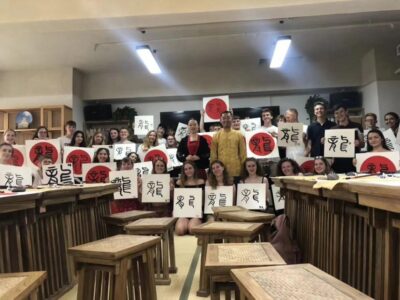
The class allows a maximum of 15 participants. That is still a group experience, but it is small enough to offer more individual attention than a large cultural demonstration.
The phrase small group should not be taken to mean a private lesson. If you want one-to-one teaching, ask about the exact group arrangement before booking. The available details promise personal instruction, but they do not guarantee that every session will have only a few people.
Mobile tickets make the booking simple, and confirmation is provided at the time of booking. The activity is near public transportation, which helps if you are building it into a day around Wangfujing.
Free cancellation is available up to 24 hours before the start time for a full refund. Changes or cancellations made inside that window are not accepted for a refund, so keep the local Beijing time in mind when making plans.
Strengths and limitations at a glance
I would choose this class for its combination of instruction and cultural context. You learn how to handle the brush, hear about Chinese ideas connected with the art, drink tea in some sessions, and take home a finished piece.
The strongest points are:
- Friendly, patient instruction for first-time students
- A personal souvenir rather than a purchased item
- Flexible class times throughout the day
- Options from 30 minutes to two hours
- A calm activity near Wangfujing
- Good suitability for families and small groups
The limitations are easy to manage but worth knowing. The shortest session may not provide enough practice. The exact venue can be tricky to locate, so you should read the meeting instructions carefully and keep your phone available.
Also, this is an introduction, not a full professional course. In an hour, you can learn basic posture, brush handling, and a few strokes. You will not master Chinese calligraphy in one sitting, but you can gain a genuine first taste of the art.
Who should book this Beijing calligraphy class?
I would recommend it to families, couples, and anyone who wants a quieter cultural activity between major sights. It is especially good for people who value hands-on experiences and want a souvenir with a personal story.
It also suits visitors who are curious about Chinese philosophy. The lesson links writing with balance, patience, and inner calm, giving the activity more depth than a simple craft session.
You may want to skip it if you dislike slow, careful practice or prefer a fast-paced tour. The class asks you to pay attention to posture, pressure, and repeated strokes. That is precisely what makes it worthwhile, but it will not suit every mood.
Should you book it?
Book it if you want a friendly, affordable introduction to Chinese culture that fits easily into a Beijing itinerary. Choose the one-hour option at minimum, and consider 1.5 hours if you want time to practice properly and create a more finished souvenir.
Before setting out, confirm the meeting directions and look for the exact building entrance near the arts center. With that small bit of preparation, this class offers good value for $20 and a welcome change of pace from Beijing’s grand sights.
FAQ
How long does the Chinese calligraphy class last?
You can choose a 30-minute, 45-minute, one-hour, 1.5-hour, or two-hour class. The activity is generally described as lasting about one hour, so select your preferred length when booking.
How much does the class cost?
The listed price is $20 per person. Group discounts are available.
Where does the class meet?
The stated meeting point is the lobby of Hilton Beijing Wangfujing at Wangfujing East Street 8 in Beijing’s Dongcheng District. The activity ends back at the meeting point.
Are calligraphy supplies included?
Yes. Calligraphy supplies are provided for use during the class.
Can children participate?
Yes. Children can take part, but they must be accompanied by an adult.
Can I cancel for a full refund?
Yes. You can cancel at least 24 hours before the experience start time for a full refund. Cancellations or changes made less than 24 hours before the start time are not accepted for a refund.
Just added in Beijing
- Private Transfer to Mutianyu Great Wall with professional driver★ 5.0 · 19 reviews
- One day tour to downtown Tianjin from Beijing by high speed train★ 5.0 · 3 reviews
- ZANBUS: Trip to the Jinshanling Great Wall Departing at 7:30 AM★ 5.0 · 5 reviews
- camp on the Great Wall overnight with sunrise and sunset on the wall★ 5.0 · 11 reviews
- Yuxiandu Chinese Royal Cuisine Museum with Show and Royal Banquet★ 5.0 · 4 reviews
- Wild Great Wall Hikes★ 5.0 · 10 reviews
- BusDa:Ancient Great Wall &Badaling Great Wall Full-day Bus Tour★ 4.5 · 6 reviews
- Wild Great Wall Huanghuacheng Half Day Tour★ 5.0 · 15 reviews
Calligraphy Workshops, compared.
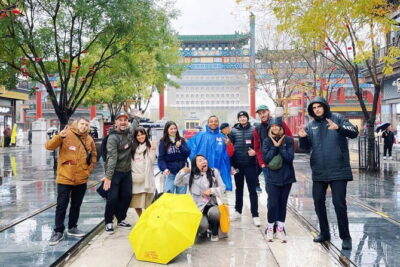
Beijing Historic City Guided Walking Tour + Calligraphy Creation
Read our review →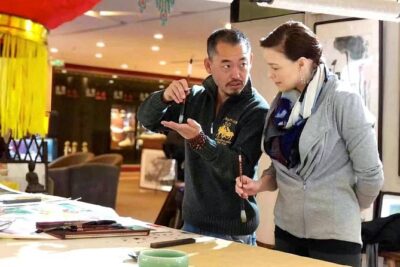
Beijing Wangfujing Calligraphy Class by Forbidden City
Read our review →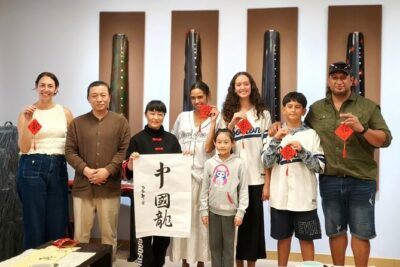
Beijing Culture: Tea Ceremony, Heritage Instrument & Calligraphy
Read our review →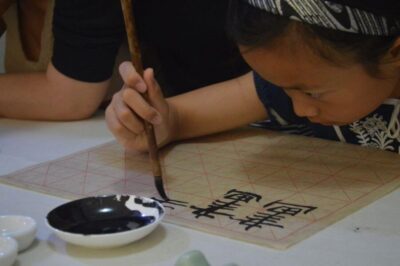
Beijing Wangfujing Calligraphy Class Nearby Forbidden City
Read our review →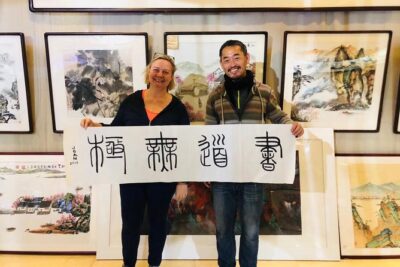
Discover Old Beijing: Hutong Walking Tour & Calligraphy
Read our review →
Zhujiajiao Water Town with Calligraphy Experience
Read our review →Where else this tour turns up