
Reviewed · TEA CEREMONY EXPERIENCES
Tea Tasting & Brewing Experience
Tea has a story in every sip. This 90-minute session in Wan Chai offers a focused look at tea culture, from the six main categories to the small brewing choices that change a cup’s taste. I especially like the hands-on gaiwan brewing, and I like that the session includes several premium teas with snacks rather than a single basic sample.
The group is limited to six people, which should give you room to ask questions and work directly with the tea. The main consideration is the price, $55.11 per person. That is fair for a private-feeling lesson with several tastings, but it may feel high if you only want a quick drink and a few facts.
In This Review
- Key points to know before booking
- What the 90-minute session actually offers
- Learning to taste tea instead of simply drinking it
- Six categories and the role of tea processing
- Brewing with a gaiwan
- A small group with room for questions
- Why the Wan Chai location works well
- Is $55.11 a fair price?
- Who will enjoy this tea class most?
- What to know about timing and cancellation
- How to make the most of the experience
- My verdict: should you book it?
- FAQ
- How long does the Tea Tasting and Brewing Experience last?
- Where does the experience begin?
- Where does the experience end?
- How many people can join the experience?
- Is the meeting point near public transportation?
- What will I learn during the session?
- Will I brew tea myself?
- What is included with the tea tasting?
- Can I cancel for a refund?
Key points to know before booking
- Six tea categories: Learn what separates the main types of tea and how processing affects flavor.
- Your own gaiwan brew: You do more than watch. You practice brewing and adjust the elements that shape the final cup.
- Professional tasting skills: Learn how tea tasters assess aroma, flavor, and other qualities.
- Seasonal premium teas: The selection changes with the season and comes with complimentary snacks.
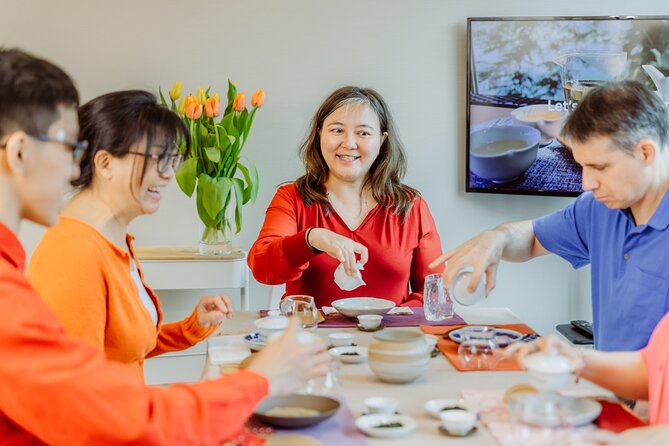
- Small group of six: The limited size should make the lesson more personal and easier to follow.
- Central Wan Chai meeting point: Begin and finish at 382 Lockhart Road, near public transportation.
What the 90-minute session actually offers
This is best understood as a compact class, not a casual tea stop. You spend about an hour and a half learning how tea is made, how it smells and tastes, and how to brew it with more control.
The experience begins with an introduction to tea facts and myths. That is a useful starting point because tea is surrounded by strong opinions. Some people focus on color, some on origin, and some on preparation. A good guide helps separate useful information from habit and hearsay.
From there, the session moves into the six categories of tea. You learn what makes each category different, including the role of processing. The supplied details do not specify exactly which teas will be served, so you should expect the selection to vary rather than arrive with a fixed tasting menu.
That changing selection is part of the appeal. Seasonal tea can show how broad the drink can be, and it gives you a reason to pay attention to aroma and texture rather than simply choosing a favorite color or strength.
More Food Tours in Hong Kong
- Hong Kong’s Tin Hau Hidden Eats Food Tour with 7+ Local Tastings
★ 5.0 · 352 reviews - Small-Group Hong Kong Island Food Tour
★ 5.0 · 343 reviews - Hong Kong Food Tour: Central and Sheung Wan Districts
★ 5.0 · 333 reviews
Learning to taste tea instead of simply drinking it
Most people drink tea without naming what they notice. This session gives you a simple way to slow down and identify aromas and flavors as you sip.
You will be encouraged to compare teas and think about what makes them different. The point is not to turn you into a professional overnight. It is to give you a vocabulary and a method, so you can explain why one tea appeals to you more than another.
The professional tasting section adds useful context. You learn what tea tasters look for when they evaluate tea, including the way aroma and flavor work together. This is especially valuable if you buy tea in Hong Kong and want to make a more informed choice instead of relying on packaging or price.
I like that the session treats tasting as both sensory and practical. You are not only told that a tea has a certain character. You are given a chance to smell and taste it, then think about the reasons behind that impression.
The complimentary snacks also have a purpose beyond hospitality. A small bite can change how a tea tastes, and pairing food with the samples gives you another point of comparison. The exact snacks are not specified, so do not book this expecting a full meal.
Six categories and the role of tea processing

The lesson on the six tea categories is likely the most useful part for anyone who wants a broader understanding of tea. The categories are not simply six flavors. They reflect differences in how the leaves are handled and processed.
That matters because processing can influence color, aroma, body, and finish. Two teas can come from the same broad plant family yet taste quite different because of what happens after the leaves are picked.
You will not just receive a list to memorize. The tasting gives you a chance to connect the explanation with what is in your cup. That makes the information easier to remember, especially when the guide invites you to compare samples.
This section should suit curious beginners particularly well. You do not need to arrive with technical tea knowledge. At the same time, the chance to examine several styles and brewing methods gives experienced tea drinkers something to think about.
The session also covers facts and myths. That helps keep the class grounded. Tea culture can be full of ceremony and tradition, but the practical question is always the same: what actually improves the cup?
Brewing with a gaiwan
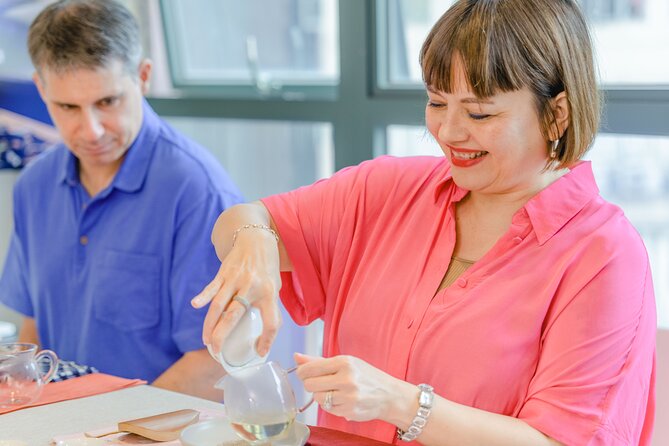
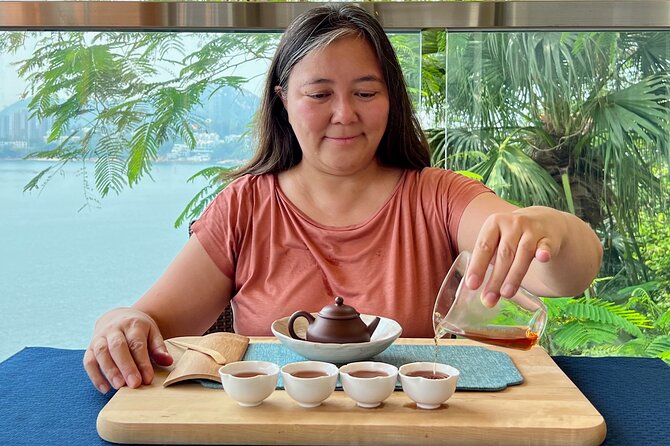
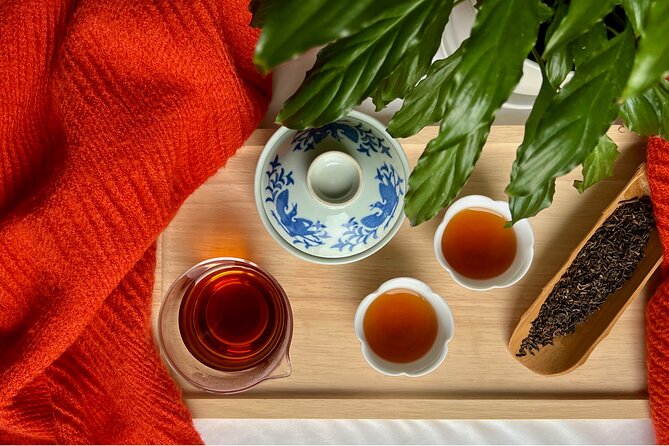
The hands-on gaiwan portion is the heart of the experience. A gaiwan is a traditional lidded bowl used to brew and pour tea. Here, you get to use one yourself rather than watch the guide demonstrate from a distance.
You work with the main elements that affect brewing. The supplied information does not list each adjustment in detail, so the exact method may vary with the teas served. Still, the goal is clear: understand how preparation changes the final drink.
That is a valuable lesson because many disappointing cups are not caused by poor tea alone. Brewing choices matter. A small change in timing or handling can bring out a different balance of aroma and flavor.
The practical format also makes this more memorable than a lecture. You can see the leaves change, smell the brew, and taste the result of your own choices. If your first cup is not perfect, that is part of the lesson, not a failure.
For a first-time gaiwan user, the process may seem fussy at first. You are handling a small vessel and learning a different rhythm from dropping a teabag into a mug. The guide’s job is to make the method feel manageable rather than precious.
More Tea Ceremonies in Hong Kong:
- Tea Tasting and Pairing Concept Workshop
★ 5.0 · 57 reviews - Traditional Chinese Tea Ceremony Experience
★ 4.7 · 74 reviews - Beijing Culture: Tea Ceremony, Heritage Instrument & Calligraphy
★ 5.0 · 57 reviews - Biking Real Shanghai& Tea Tasting Experience
★ 4.5 · 45 reviews
A small group with room for questions
The maximum group size is six people. That is one of the strongest features of the booking.
A group this small should make it easier to hear the guide, follow the tasting, and ask about a tea that catches your attention. It also means the brewing practice should feel more personal than it would in a large demonstration.
The experience is led by a professional tea taster. Cecilia is praised for being friendly, passionate, and clear, and that combination matters in a subject that could easily become too technical. The strongest feedback points to a session that stays fun while still teaching a lot.
You should also expect the time to pass quickly. The format includes explanation, tasting, comparison, and brewing practice, so this is not 90 minutes of sitting through a talk. The hands-on portion helps keep the pace active.
The tradeoff is that the session may not suit someone seeking solitude. A six-person class is small, but it is still a shared experience. If you want a completely private lesson, confirm the arrangement before booking because the stated maximum does not promise an exclusive group.
Why the Wan Chai location works well
The meeting point is 382 Lockhart Road in Wan Chai. The experience ends at the same place, which keeps the logistics simple.
The location is near public transportation, so you do not need to arrange a separate transfer as part of the activity. You should still allow enough time to find the exact address, since the available details do not identify a specific station exit or landmark.
Starting and ending in Wan Chai also makes this easy to fit into a day of exploring Hong Kong. You can schedule it before or after other plans without losing time to a long out-of-town journey. Just remember that the full activity lasts about 90 minutes, and the tasting itself is not something you will want to rush.
A mobile ticket adds convenience. Keep the booking confirmation ready on your phone when you arrive.
Is $55.11 a fair price?
At $55.11 per person, this is not a bargain tea break. You are paying for instruction, several tastings, premium seasonal tea, snacks, and the chance to brew with a gaiwan in a group capped at six.
I think the value is strongest if you want to understand tea better. The class gives you skills you can use later, especially the ability to compare aromas, notice processing differences, and adjust your brewing.
The price is less attractive if your goal is simply to drink an excellent cup in a pleasant setting. Hong Kong offers many places to enjoy tea without paying for a formal lesson. This experience earns its price through the teaching and the small-group format.
It also makes sense as a rainy-day cultural activity only if it runs as scheduled. The cancellation terms say the activity requires good weather, so poor conditions can lead to a new date or a full refund. The reason for that condition is not explained, so check the booking details close to the date.
The activity also requires a minimum number of participants. If that minimum is not met, you can receive a different date or experience, or a full refund. That is a reasonable safeguard, but it means your plans should leave a little flexibility.
Who will enjoy this tea class most?
I would recommend it to several kinds of visitors:
- Tea beginners who want a clear introduction without committing to a long course.
- Tea lovers who already enjoy drinking tea and want better brewing skills.
- Food-focused visitors who like learning through aroma, flavor, and small pairings.
- Couples and friends looking for a quieter cultural activity in central Hong Kong.
- Gift seekers who want an experience rather than another object to pack home.
It may be less suitable for someone who dislikes tasting unfamiliar drinks or prefers a fast-moving sightseeing tour. The point is to slow down and pay attention.
The activity also suits people who enjoy asking questions. With only six places, you should have a better chance to speak with the guide than in a large class, though the available information does not promise a private session.
What to know about timing and cancellation
The average booking is made 11 days ahead. That suggests you should reserve before your Hong Kong plans become too fixed, especially if you want a particular date.
You can cancel for a full refund up to 24 hours before the local start time. Changes made less than 24 hours before the start are not accepted, and cancellations inside that window are not refunded.
Confirmation arrives at the time of booking. Since the activity uses a mobile ticket, you can keep the details on your phone rather than print them.
The meeting point and ending point are the same: 382 Lockhart Road, Wan Chai. Public transportation is nearby, and the maximum group size is six.
How to make the most of the experience
Arrive ready to taste rather than simply listen. Pay attention to the first aroma before sipping, then notice how the flavor changes as the tea cools.
Ask the guide to explain what changed when your brew tasted different from the previous sample. That is where the gaiwan practice becomes useful. You are not just learning a ritual. You are learning how choices affect taste.
Take mental notes about the teas you prefer. Since the seasonal selection may change, remembering the category and the character you liked can help when you shop later.
Do not worry about having the right vocabulary at the beginning. The session is designed to help you describe tea more clearly. A plain description of what you smell or taste is more useful than trying to sound like an expert.
Cecilia’s friendly teaching style is a plus here. Tea can become intimidating when every aroma has a formal name, but a warm guide can keep the class welcoming and practical.
My verdict: should you book it?
Book this experience if you want more than a cup of tea. The small group, practical gaiwan brewing, six-category lesson, professional tasting guidance, seasonal samples, and snacks give the 90 minutes real substance.
I particularly like the balance between explanation and action. You learn the ideas, then test them with your own hands and palate. The main drawback is the $55.11 price, which only makes sense if you value the lesson as much as the tea.
For a tea lover or a curious first-timer in Hong Kong, I think it is a strong choice. For a quick refreshment or a budget activity, choose a simpler tea stop instead.
FAQ
How long does the Tea Tasting and Brewing Experience last?
The experience lasts approximately 1 hour and 30 minutes.
Where does the experience begin?
It begins at 382 Lockhart Road in Wan Chai, Hong Kong.
Where does the experience end?
The activity ends back at the meeting point at 382 Lockhart Road.
How many people can join the experience?
The activity has a maximum of six participants.
Is the meeting point near public transportation?
Yes. The meeting point is near public transportation.
What will I learn during the session?
You will learn about tea facts and myths, the six tea categories, tea aromas and flavors, professional tasting methods, and the main elements involved in brewing a good cup.
Will I brew tea myself?
Yes. You will have hands-on experience brewing tea with a gaiwan.
What is included with the tea tasting?
You will taste a seasonal selection of premium teas and receive complimentary snacks.
Can I cancel for a refund?
Yes. You can cancel at least 24 hours before the local start time for a full refund. Cancellations or changes made less than 24 hours before the start are not accepted for a refund.
Just added in Hong Kong
- Walking Tour in Hong Kong – Local Experience (New & Best)★ 4.5 · 33 reviews
- Full Day Private Trip in Hong Kong( impeccable local )walk tour★ 5.0 · 11 reviews
- Hong Kong Guided Dinner + Laser Show Lounge Entry (2023) | 200+ booked★ 3.5 · 7 reviews
- VIP Private Hong Kong City Sightseeing Tour★ 5.0 · 2 reviews
- Victoria Peak Tram and Sky Terrace 428 Admission Hong Kong★ 4.5 · 33 reviews
- TurboJet Ferry E-Ticket from Hong Kong to Macau★ 4.5 · 10 reviews
- Group Vegetarian Food & Cultural Tour★ 5.0 · 16 reviews
- Hong Kong Victoria Harbour Sightseeing Cruise Tickets★ 4.5 · 8 reviews
Tea Ceremony Experiences, compared.
Beijing Culture: Tea Ceremony, Heritage Instrument & Calligraphy
Read our review →
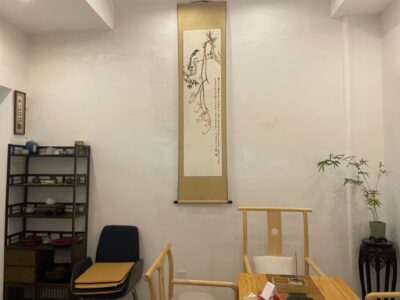
Chinese Tea ceremony in Beijing Hutong courtyard
Read our review →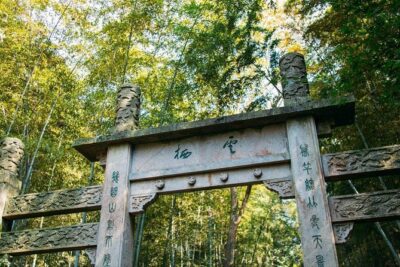
Half-Day Hangzhou Yunxi Bamboo Forest and Tea Plantation Experience
Read our review →
Leshan Buddha + Panda Base or Old Tea House Private Day Tour
Read our review →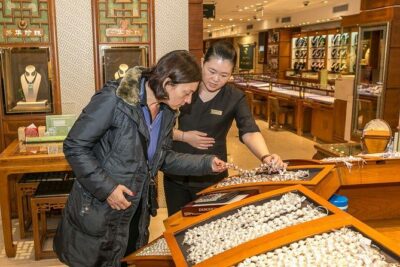
Private Beijing Markets Tour with Tea Tasting at Hongqiao Pearl Market
Read our review →Where else this tour turns up