
Reviewed · FOOD & DRINK
Hong Kong’s Tin Hau Hidden Eats Food Tour with 7+ Local Tastings
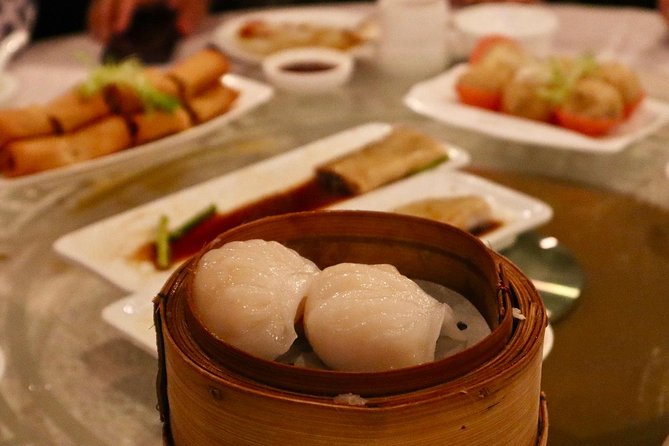
Come hungry, leave happily stuffed. This three-hour Tin Hau food walk gives you a smart introduction to Hong Kong through dishes you might not find alone, from beef brisket noodles and roast goose to dim sum and local sweets. I especially like the small group of no more than 12 and the way food is mixed with temples, markets, and neighborhood history. The main drawback is clear: you walk quite a bit, and the wet market may feel confronting if you prefer not to see how meat reaches the table.
The food is the star, but the guide makes the experience work. Guides such as Sandy, Sonya, Katie, Bessy, Roger, and Michael have been praised for their local knowledge, clear English, friendly manner, and willingness to answer questions. I also like the practical timing advice: if you take the morning departure, skip breakfast or eat very lightly.
In This Review
- The best parts of the Tin Hau food walk
- Why Tin Hau is a smart place to eat
- Tin Hau Temple gives the walk its starting point
- Victoria Park adds space and local perspective
- Lin Fa Kung Temple and the Tai Hang connection
- The city’s schools and library are part of the story
- The wet market is honest, useful, and not for everyone
- Beef brisket noodles are a strong first taste
- Roast goose shows Hong Kong at its richest
- Dim sum and baked treats keep the meal moving
- The secret dish adds a little uncertainty
- How the three hours feel
- Is $107 a fair price?
- Who will enjoy this tour most?
- Booking, weather, and cancellation details
- Should you book the Tin Hau food tour?
- FAQ
- Where does the Tin Hau food tour start?
- Where does the tour end?
- How long does the tour last?
- How many people can join the tour?
- What food is included?
- Are drinks included?
- Is hotel pickup included?
- Can dietary requirements be accommodated?
- What happens if the tour is canceled because of bad weather?
The best parts of the Tin Hau food walk
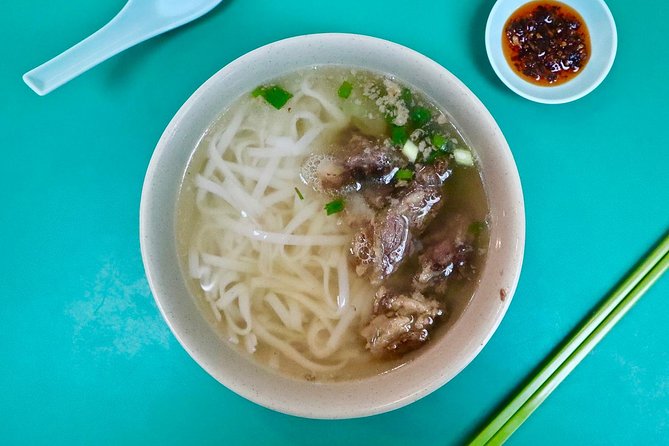
- Seven or more tastings: Expect beef brisket soup with rice noodles, roast goose with rice and plum sauce, dim sum, fruit, sweets, Chinese tea, water, and a secret dish.
- Tin Hau beyond the usual sightseeing route: The walk links food stops with Tin Hau Temple, Lin Fa Kung Temple, Victoria Park, and other local landmarks.
- A maximum of 12 people: The smaller group makes it easier to hear the guide and ask about unfamiliar dishes.
- A useful first-day orientation: You get food recommendations, neighborhood context, and help ordering in places where Cantonese may otherwise be a barrier.
- A real market visit: The wet market adds a direct look at local shopping, though it is not polished or designed for comfort.
- A filling three hours: At $107 per person, the price is high for a short walk, but the number of tastings and personal guidance improve the value.
Why Tin Hau is a smart place to eat
Tin Hau sits on the north side of Hong Kong Island, near Causeway Bay and Victoria Park. It is more than a name on the MTR map. The area takes its name from Tin Hau Temple, a declared monument dedicated to the sea goddess traditionally associated with fishermen and coastal communities.
That setting gives the tour a useful balance. You are not simply moving from one restaurant to another. You are walking through a working district where temples, schools, parks, shops, markets, and family restaurants occupy the same few streets.
I like this kind of food tour because it removes some of the guesswork. Hong Kong restaurants can be fast, crowded, and heavily dependent on Cantonese menus. With a local guide beside you, you can try dishes with some idea of what they are, why they matter, and how they fit into everyday Hong Kong eating.
The guide also becomes a practical source of advice for the rest of your stay. Several guides have offered restaurant suggestions and general tips for first-time visitors. That can save you from spending a meal on trial and error.
More Food Tours in Hong Kong
- Small-Group Hong Kong Island Food Tour
★ 5.0 · 343 reviews - Hong Kong Food Tour: Central and Sheung Wan Districts
★ 5.0 · 333 reviews - Hong Kong Street Food Tour with Locals – Dim Sum, Wonton & more
★ 5.0 · 226 reviews
Tin Hau Temple gives the walk its starting point
The temple associated with Tin Hau is one of the important cultural stops on the route. It has also given its name to the MTR station and the surrounding area, making it a natural place to begin.
You can expect the guide to explain why the temple matters rather than treating it as a quick photo stop. This is especially useful if you are new to Hong Kong religious architecture and local customs. The temple offers a moment of quiet before the food begins, although the tour is still a walking experience rather than a formal temple visit.
Because the exact route can change, the time spent at each sight may vary. The provider notes that the itinerary depends on weather, location availability, and other local conditions. Think of the landmarks as part of the neighborhood story, not as guaranteed long visits.
Victoria Park adds space and local perspective
Victoria Park is a large public park between Causeway Bay and Tin Hau MTR stations. After the close streets and compact food shops, the open space gives the route a different rhythm.
The park is named after Queen Victoria, and its location helps explain the geography of the area. It is also a useful reference point for you as you learn how Tin Hau connects with Causeway Bay.
This is not a sightseeing tour focused on grand views or long museum visits. The park stop works because it adds context between tastings. You get a clearer sense of how the neighborhood is laid out, and you have a chance to keep up with the group before the next dish.
Lin Fa Kung Temple and the Tai Hang connection
Lin Fa Kung Temple sits at the end of Lin Fa Kung Street in Tai Hang, in the southeastern part of Causeway Bay. It is another cultural marker that shows how much history is packed into a fairly small section of Hong Kong Island.
The temple is a tourist attraction as well as a local place of worship. Your guide can help explain the connection between the temple, the street name, and the wider Tai Hang area.
This stop is valuable for anyone who wants more than a list of foods. Hong Kong’s food traditions make more sense when you see the streets and communities where they developed. The drawback is that temple visits require respectful behavior, and the walking route may be less comfortable in poor weather.
A completely different sort of day out:
- Lantau Island Day Trip – Big Buddha & Tai O
★ 4.5 · 1,328 reviews - Big Bus Hong Kong Open Top Hop-On Hop-Off Sightseeing Tour
★ 4.0 · 1,077 reviews - Hong Kong Day Tour: City Landmarks & Highlights
★ 4.5 · 798 reviews - Hong Kong International Airport Plaza Premium Lounge Access
★ 3.5 · 787 reviews
The city’s schools and library are part of the story
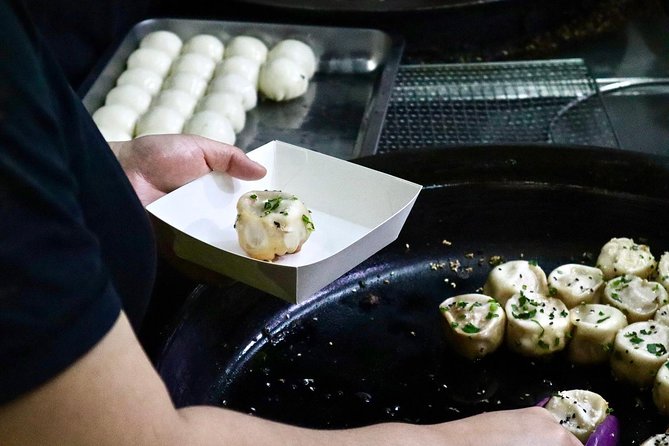
The route also passes Queen’s College, the first public secondary school founded in Hong Kong by the British colonial government. It received its present name in 1894 and is now located in Causeway Bay.
You may not spend a long time at the school, but it gives the guide a chance to discuss education and the city’s colonial-era development. It is a useful reminder that Hong Kong’s story is not only about temples and food. Public institutions helped shape the city you see today.
Another stop is the Hong Kong Central Library, the largest library in the city. Its collection accounts for about one fifth of the Hong Kong Public Libraries System, with 2.3 million items out of a total of 12.1 million.
These landmarks are not the reason to book the tour, but they make the walk more rewarding. They also help break up the eating, which you will appreciate once the dishes begin arriving.
The wet market is honest, useful, and not for everyone
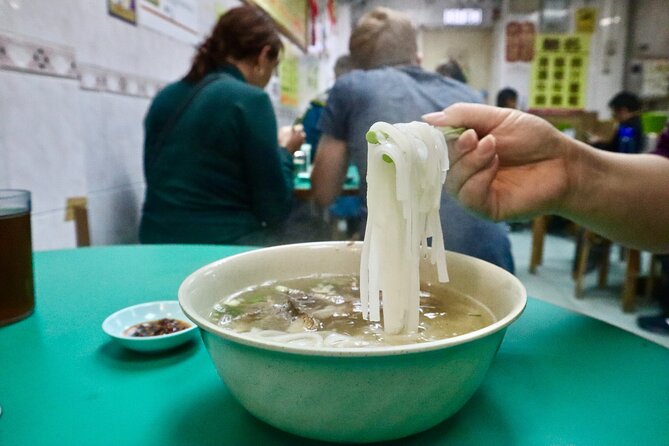
The local wet market is one of the most revealing parts of the route. You can see fresh produce and meat being sold for daily cooking, rather than viewing food only after it has been prepared and plated.
I consider this an important part of the experience. It gives you a more complete picture of Hong Kong’s food culture and shows the connection between ingredients, vendors, and restaurants.
Still, you should know what you are signing up for. The market may be crowded, wet, strongly scented, and visually direct. One participant specifically found the meat side uncomfortable, despite enjoying the rest of the tour. If you are sensitive to animal products or prefer a spotless, carefully staged food experience, this stop may be the hardest part.
The guide can provide context, but the market is still a working place, not a tourist attraction built for comfort. Wear shoes with good grip and keep your belongings close.
Beef brisket noodles are a strong first taste
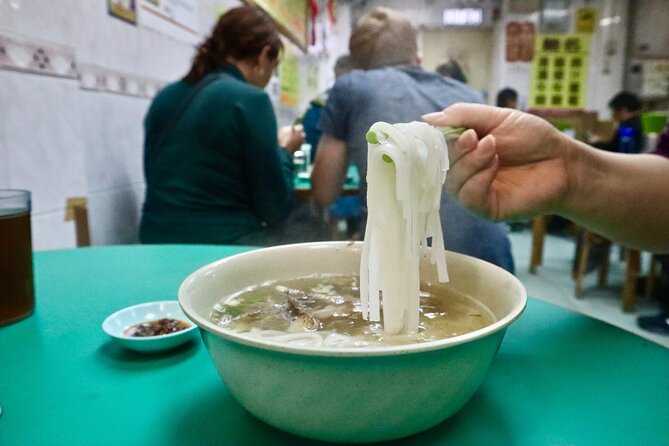
One of the main tastings is beef brisket soup with rice noodles. Some groups have visited a well-known brisket restaurant, including Sister Wah, which has been praised for its Michelin recognition.
The dish gives you a classic Hong Kong combination: tender beef, a savory broth, and noodles that make a practical, filling meal. It also sets the tone for the tour. This is not a parade of tiny decorative samples. You receive enough food that you should arrive hungry.
The guide can help you understand the ingredients and ordering customs, which is particularly useful if you do not read Chinese. Expect the menu to change if a particular restaurant is unavailable.
Roast goose shows Hong Kong at its richest
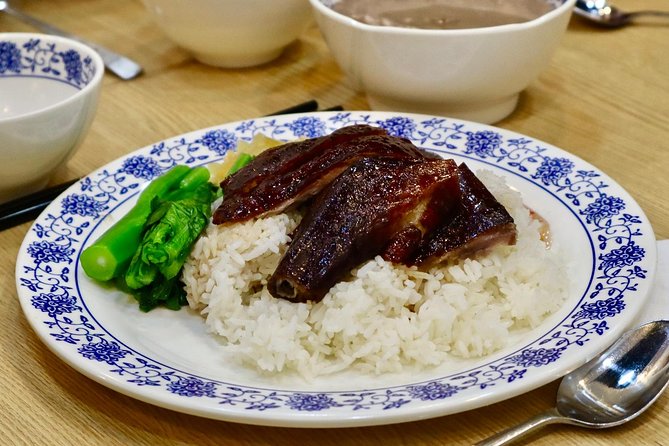
Roast goose with rice and plum sauce is another major stop. Ki’s Roasted Goose has been used on the route, and one group even met Mr. Ki himself.
The dish is heavier than the noodles, so pacing matters. Crisp skin, roast meat, rice, and sweet plum sauce make this a memorable combination, but it is not a light tasting. If you are taking the morning tour, this is another reason not to eat breakfast first.
This stop also shows why a local guide can add value. You are not merely handed a plate. You can learn how the dish is served and why it is such a familiar part of Cantonese food culture.
Dim sum and baked treats keep the meal moving
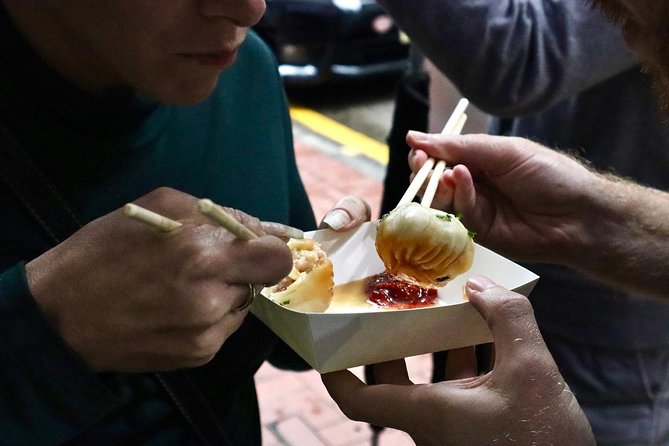
Fresh-baked dim sum is included, with some groups visiting Empire. The exact selection can change, but you should expect small steamed or baked items that add variety after the noodles and goose.
The tour may also include a pineapple bun, milk tea, or Hong Kong-style French toast among the sweets and afternoon-style tastings. Pineapple buns received especially strong praise, with one person calling them a new favorite dessert.
The French toast may be less universally appealing. One tasting was described as a sandwich with butter, and the dessert did not impress everyone. That is a fair warning: local sweets can be unfamiliar, and not every course will become your next favorite.
Fresh seasonal fruit helps reset your palate. Chinese tea and water are included, which is practical given the amount of food and walking.
The secret dish adds a little uncertainty
A secret dish is part of the package. The surprise can be fun, especially if you enjoy trying food without knowing every detail in advance.
It also means you cannot plan the full menu around strict preferences. Dietary needs should be communicated before the tour so the operator can make the best arrangements. The menu and stops may change because of weather, availability, or other circumstances, so do not treat the named foods as an absolute guarantee.
For adventurous eaters, the secret course adds interest. For cautious eaters, it is one more reason to contact the provider before booking.
How the three hours feel
Three hours is enough time to eat several substantial dishes and see the main neighborhood sights without turning the experience into an all-day commitment. The pace has been described as quick but not rushed, with time to eat and ask questions.
You should expect a fair amount of walking. Comfortable shoes are not a minor suggestion here. The route links restaurants, temples, streets, a park, a market, a school, and a library, so there may be stops where you stand rather than sit.
The small group helps. A maximum of 12 people is intimate enough for the guide to manage questions and keep everyone together, while still offering the social feel of a group outing. If you want a private, slow meal with no schedule, this is not that experience.
Is $107 a fair price?
At $107 per person, this is not a cheap way to grab lunch. You are paying for more than the food itself: a local guide, language help, cultural explanation, several restaurant visits, and a route that would take effort to assemble on your own.
The included food is substantial. Beef brisket noodles, roast goose with rice, dim sum, fruit, sweets, tea, water, and a secret dish can add up quickly, especially in Hong Kong restaurants with strong reputations.
The value is best for first-time visitors who want a reliable introduction. You may return to restaurants such as the brisket or roast goose stops during the rest of your visit, which improves the practical value. If you already know Hong Kong food well and are comfortable ordering anywhere, the price may feel harder to justify.
Group discounts may be available. Hotel pickup and drop-off are not included, so you must reach the meeting point near Tin Hau and Causeway Bay yourself. The tour ends back at the meeting point.
Who will enjoy this tour most?
I would recommend it to first-time visitors, curious eaters, and anyone who wants a useful orientation early in a Hong Kong stay. It is also a good fit if you do not speak Cantonese and feel unsure about entering small local restaurants alone.
The experience suits people who enjoy walking and do not need every stop to be polished. It is less suitable for anyone with serious mobility limits, highly restrictive dietary needs that cannot be discussed in advance, or a strong dislike of markets selling meat.
The minimum drinking age is 18, although the listed drinks are Chinese tea and water. Most people can participate, but comfortable footwear and a reasonable appetite matter more than dressy clothes or sightseeing gear.
Booking, weather, and cancellation details
Confirmation is sent within 48 hours of booking, subject to availability. The tour is near public transportation, and group discounts may be offered.
You can cancel up to 24 hours before the start time for a full refund. Cancellations or changes within 24 hours are not accepted for a refund. If poor weather cancels the tour, you will be offered another date or a full refund. The same applies if the minimum number of participants is not reached.
Because the route includes outdoor walking and a market, check the forecast and contact the provider before the tour about allergies or dietary requirements.
Should you book the Tin Hau food tour?
Yes, if you want a generous first taste of Hong Kong and prefer local guidance over restaurant guesswork. The 4.9 rating, 99 percent recommendation rate, and repeated praise for guides such as Sandy, Bessy, Katie, Sonya, Roger, and Michael support the tour’s strongest qualities: good food, warm guiding, and useful cultural detail.
Book it early in your stay, and arrive hungry. Skip breakfast for a morning departure, wear comfortable shoes, and be ready for the wet market as well as the roast goose. At $107, the tour costs more than an ordinary meal, but for a small group, seven or more tastings, and a practical introduction to Tin Hau, it offers solid value for the right kind of eater.
FAQ
Where does the Tin Hau food tour start?
The tour starts near Tin Hau and Causeway Bay in Hong Kong. The precise meeting point should be confirmed with the booking information.
Where does the tour end?
The experience ends back at the meeting point.
How long does the tour last?
The tour lasts approximately three hours.
How many people can join the tour?
The group has a maximum of 12 participants.
What food is included?
Included tastings are beef brisket soup with rice noodles, roasted goose with rice and plum sauce, fresh seasonal fruit, local sweets, fresh-baked dim sum, and a secret dish.
Are drinks included?
Yes. Chinese tea and water are included.
Is hotel pickup included?
No. Hotel pickup and drop-off are not included.
Can dietary requirements be accommodated?
You should contact the provider in advance with any dietary requirements so the best arrangements can be made. The menu is subject to change.
What happens if the tour is canceled because of bad weather?
You will be offered a different date or a full refund if poor weather causes the tour to be canceled.
Just added in Hong Kong
- Lantau Island: Priority Cable Car, Tai O & Direct Transfer★ 4.0 · 11 reviews
- Hong Kong: Lantau Private Coach, Tai O & Big Buddha Tour★ 4.8 · 8 reviews
- Hong Kong: Ngong Ping Private Cable Car Skip-the-Line Ticket★ 4.6 · 7 reviews
- From Hong Kong: Macau Day Tour with R/T Ferry, Lunch, Pickup★ 4.6 · 39 reviews
- Hong Kong Market Walking Tour & Chinese Cooking Class★ 5.0 · 24 reviews
- 4-Hour Private Hong Kong Layover Tour★ 5.0 · 39 reviews
- 6-Hour Private Hong Kong Layover Tour★ 5.0 · 18 reviews
- Private custom layover tour of Hong Kong – 7 hours★ 5.0 · 17 reviews
Food & Drink, compared.
Authentic Local Food Tour in Central Shanghai
Read our review →
Beijing Hutong Walking Food and Beer Tour at Hidden Restaurants
Read our review →
Hong Kong Food Tour: Central and Sheung Wan Districts
Read our review →
Hidden Gems Guided Food Tour with Beer and Tastings
Read our review →Where else this tour turns up