
Reviewed · FOOD & DRINK
Hong Kong Street Food Tour with Locals – Dim Sum, Wonton & more
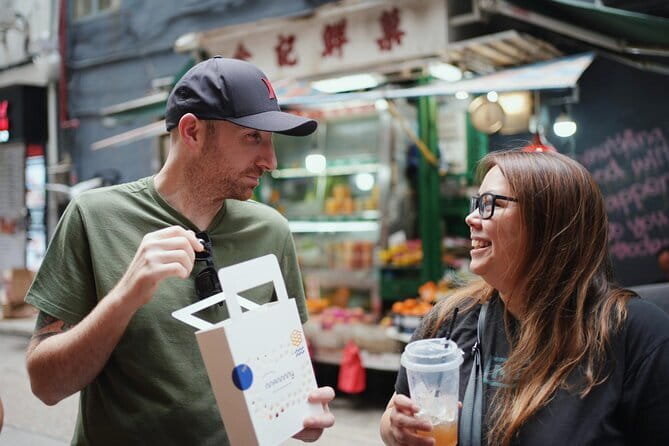
Come hungry, leave better oriented. This three-hour walking tour turns Hong Kong Central and Sheung Wan into a tasting route, with dim sum, char siu, egg tarts, wonton noodles, milk tea, herbal tea and egg waffles along the way. I like the mix of classic Cantonese food and local history, and I like that a guide handles the ordering, translation and navigation.
The food is generous for the price, and the guides often add plenty of personality. Past departures have featured guides including Summer, Michael, Jasmine, Stephen, Wind, Alice, Andy and Isaac, with especially strong praise for their storytelling and friendly manner. The main caution is simple: this is not a vegetarian or halal-friendly tour, and much of the food involves seafood or pork.
In This Review
- Five things to know before you book
- Meeting your guide near Grand Millennium Plaza
- Har gow and the dried seafood trade on Wing Lok Street
- Sheung Wan Market and the cha chaan teng break
- Bonham Strand West and Hong Kong’s trading past
- Char siu near Possession Point
- Egg tarts and herbal tea on Queen’s Road West
- Wonton noodles near Queen’s Road Central
- Aged pu-erh and tea rituals at Gilman’s Bazaar
- Central Market and the egg waffle finish
- What the $52.51 price really buys you
- Who will enjoy this food walk most?
- Practical tips for a better afternoon
- Should you book the Hong Kong food tour?
- FAQ
- How long does the Hong Kong street food tour last?
- What time and where does the tour start?
- Where does the tour finish?
- Is food included in the tour price?
- Is the tour suitable for vegetarians or halal diners?
- What happens if bad weather cancels the tour?
Five things to know before you book
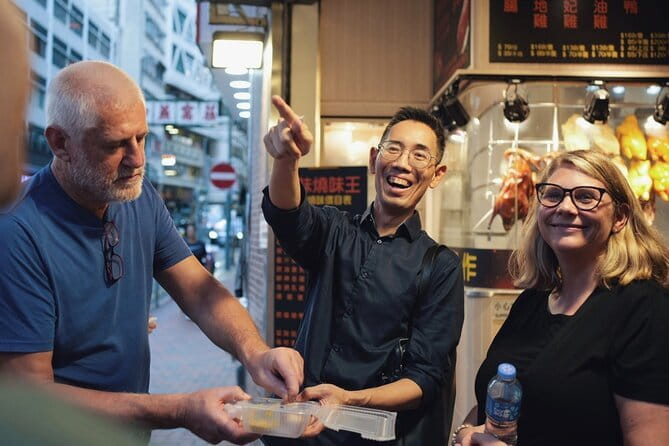
- Expect a full three hours of eating: There are around ten stops, with tastings ranging from har gow and wonton noodles to egg tarts and egg waffles.
- The route covers Central and Sheung Wan: You walk through markets, old streets, tea shops, cooked-food centers and former trading districts.
- Food comes with context: Your guide explains how colonial rule, migration, trade restrictions and Cantonese traditions shaped what appears on the plate.
- Bring water and wear comfortable shoes: A moderate amount of walking is involved, and water is not listed among the included items.
- The group can reach 20 people: That is still manageable, but the experience may feel less personal when it fills.
- Book early in your Hong Kong stay if possible: The food and neighborhood advice can help you choose what to eat for the rest of your visit.
Meeting your guide near Grand Millennium Plaza
The tour begins at 3:00 pm in the Grand Millennium Plaza Garden, by Grand Millennium Plaza on Queen’s Road Central. The start is in a useful part of town, close to public transportation, and one person using the tour during a nine-hour Hong Kong layover found the airport train and a short taxi ride practical for reaching the meeting point.
I would allow extra time to get there. Central and Sheung Wan are easy to reach, but Hong Kong’s streets, elevated walkways and large commercial buildings can make a first visit confusing. The meeting point is not a hotel pickup, so you must make your own way there.
The guide usually gathers the group before leading you into the surrounding streets. The people who enjoyed this tour most appreciated the easy pace, frequent stops and friendly introductions. Isaac, for example, made the group introduce themselves, which helped turn a standard group outing into a more social afternoon.
The walking is not described as strenuous, but you should still wear shoes suited to pavement and stairs. You will be moving through commercial streets and market areas, often stopping near food shops rather than sitting down for a long meal.
More Food Tours in Hong Kong
- Hong Kong’s Tin Hau Hidden Eats Food Tour with 7+ Local Tastings
★ 5.0 · 352 reviews - Small-Group Hong Kong Island Food Tour
★ 5.0 · 343 reviews - Hong Kong Food Tour: Central and Sheung Wan Districts
★ 5.0 · 333 reviews
Har gow and the dried seafood trade on Wing Lok Street
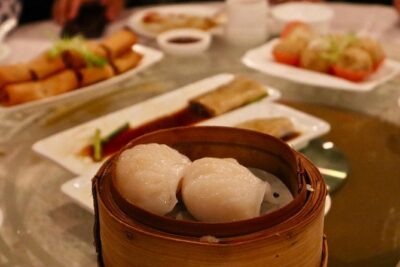
The first tasting is har gow, shrimp dumplings steamed in bamboo baskets. This is a smart opening dish: small, familiar enough for most first-time visitors, and a clear introduction to Cantonese dim sum.
Your guide connects dim sum with the old Silk Road, where portable foods helped sustain merchants and travelers, then brings the story forward to modern Hong Kong, where dim sum can be a quick snack between MTR journeys. That link between old food customs and present-day city life is one of the tour’s strengths.
The next stop stays on Wing Lok Street but changes the mood. Instead of a ready-to-eat snack, you explore the dried seafood market and hear about shark fin, bird’s nest and cordyceps. These products became symbols of prosperity and status, as well as important parts of Cantonese food culture.
This is also where the tour’s limits become clear. Seafood is not a side note here. It is one of the main threads running through the afternoon, so I would not book this route if you avoid fish, shellfish or marine ingredients.
Sheung Wan Market and the cha chaan teng break
At Sheung Wan Market and Cooked Food Centre, the tour shifts toward Hong Kong’s postwar café culture. You try silky milk tea and crispy peanut butter French toast, a fine example of how Hong Kong adapted Western ingredients into something distinctly local.
Cha chaan teng food is useful for understanding the city. These cafés reflect a practical, mixed culinary culture shaped by Cantonese cooking, British influence and the need for affordable meals. The French toast is sweet, crisp and filling. The milk tea provides a smoother, less sugary counterpoint.
This stop also raises a practical point about pacing. The tour includes plenty of bread, pastry, noodles and other filling foods. One departure felt that the tastings arrived in an odd order, with desserts appearing before some savory dishes. I would not expect a carefully sequenced meal. Think of it as a moving sample of Hong Kong food rather than a formal tasting menu.
Bonham Strand West and Hong Kong’s trading past
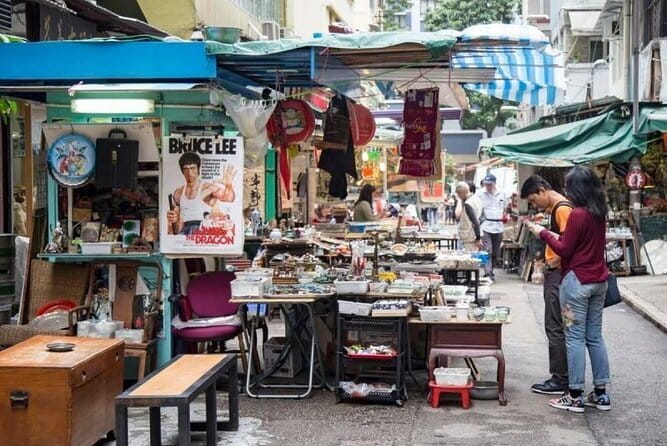
Bonham Strand West gives the guide room to explain how outside events affected Hong Kong’s economy. The tour discusses the 1953 Korean War trade embargo on China and how it damaged the city’s trading position.
The point is not just economic history for its own sake. The story explains how merchants had to adapt when old routes and markets weakened, helping Hong Kong move toward finance and international business. The guide also uses colorful language about merchants turning pirate instincts into legitimate banking, which gives the history an entertaining edge.
I particularly like this kind of stop because it prevents the food from feeling disconnected from the streets around you. Hong Kong’s dishes are tied to migration, trade, scarcity, colonial rule and business. You get a better sense of the city when those subjects are discussed alongside lunch.
A completely different sort of day out:
- Lantau Island Day Trip – Big Buddha & Tai O
★ 4.5 · 1,328 reviews - Big Bus Hong Kong Open Top Hop-On Hop-Off Sightseeing Tour
★ 4.0 · 1,077 reviews - Hong Kong Day Tour: City Landmarks & Highlights
★ 4.5 · 798 reviews - Hong Kong International Airport Plaza Premium Lounge Access
★ 3.5 · 787 reviews
Char siu near Possession Point
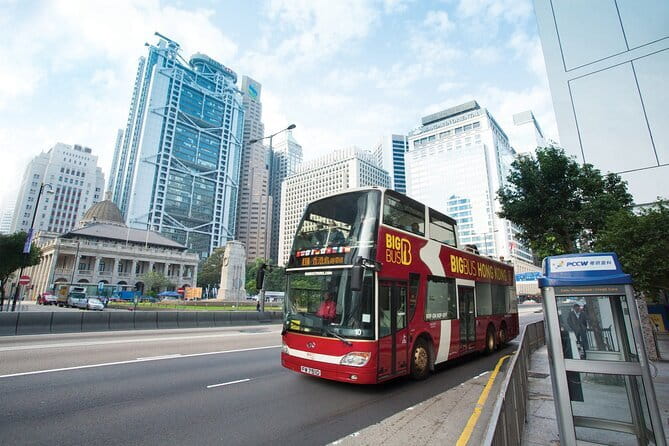
On Queen’s Road West, you see the craft behind Cantonese barbecue and taste char siu. The tour focuses on the glossy, crackling exterior and the methods used by barbecue cooks to produce it.
Char siu is one of the more approachable tastings on the route, especially for people who are uncertain about unfamiliar food. It is also a good chance to ask your guide how Cantonese barbecue differs from roasted meat elsewhere in China.
The nearby Possession Point adds another historical layer. The route connects the food to the period when British forces claimed Hong Kong in 1842 and to the local cooking traditions that continued around that change.
Do not expect a cooking class or a long visit inside a restaurant. The emphasis is on seeing the neighborhood, tasting a prepared sample and hearing the story behind it. That format keeps the route moving, but it may feel brief if you want detailed instruction from the cooks.
Egg tarts and herbal tea on Queen’s Road West
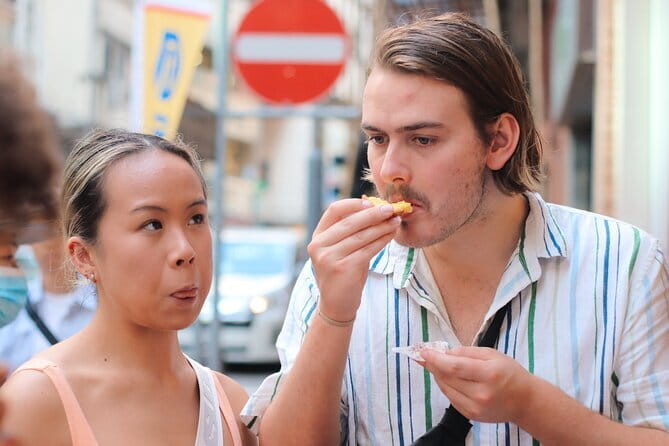
The egg tart is the sweet stop with the clearest local identity. Your guide explains how Cantonese bakers developed a lard-based pastry in the 1920s, creating a version distinct from Portuguese custard tarts.
The tart is easy to enjoy, but the historical comparison makes it more interesting. Hong Kong’s food culture often borrows, changes and localizes outside ideas rather than copying them exactly. The result is familiar in outline but different in texture and use.
You then try a traditional herbal drink, including Five Flowers tea. These brews are linked to Traditional Chinese Medicine and the idea of balancing the body in Hong Kong’s climate. The tea can be an acquired taste, especially after several sweet and rich foods, but it gives the tour a useful look at everyday health traditions.
This is one of the stops where your guide’s personality matters. Wind and Jasmine were praised for being lively and clear, while Alice was described as enthusiastic and helpful. Guides vary, but the tour clearly depends on them to explain flavors that may not be self-explanatory.
Wonton noodles near Queen’s Road Central
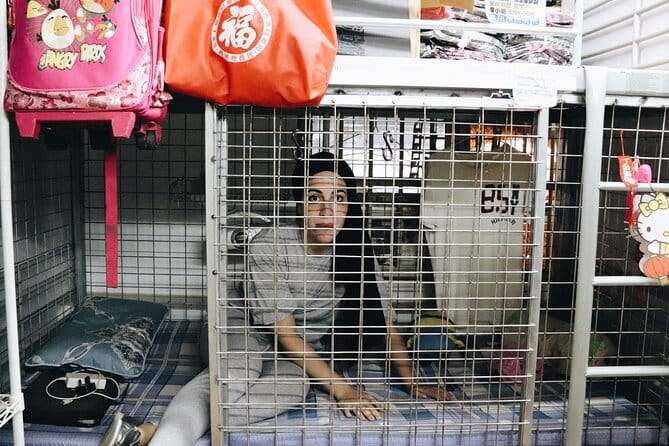
The wonton noodle stop is one of the afternoon’s main savory meals. You get shrimp-filled dumplings in an amber monkfish broth, served with noodles.
The guide links wonton noodles to earlier dumpling traditions and to the reinvention of Cantonese food by refugee cooks. That story helps explain why the dish feels both old and modern: the dumpling form has long roots, while the Hong Kong version reflects movement, adaptation and local taste.
For many people, this is the point where the tour begins to feel like a full meal rather than a series of samples. If you eat a large lunch beforehand, you may struggle to appreciate the later stops. Several guides advise arriving hungry, and I agree. You do not need to skip food all day, but a light meal makes sense.
The route can be particularly useful for anyone nervous about ordering alone. Your guide translates, explains ingredients and helps you understand what you are eating. That removes much of the guesswork from busy local food counters.
Aged pu-erh and tea rituals at Gilman’s Bazaar
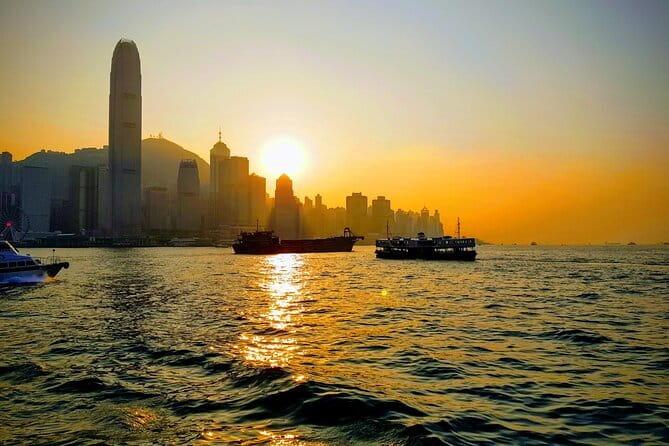
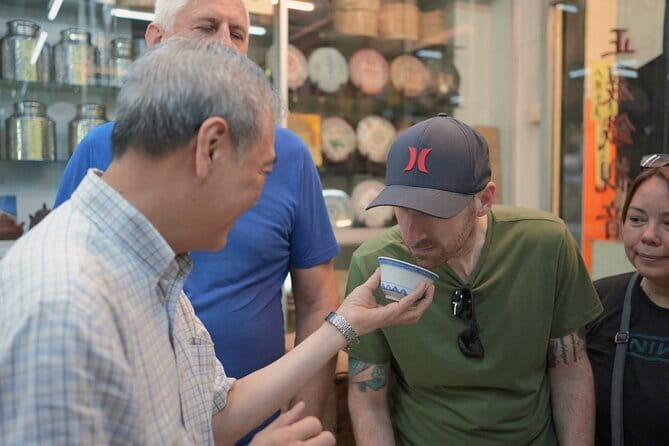
At a Chinese tea house near Gilman’s Bazaar, you handle aged pu-erh tea cakes and learn about brewing in unglazed clay pots. Some cakes can be valued at around HK$80,000, so this is more than a quick cup of tea.
The guide explains how repeated infusions reveal layers of flavor over time. The tea ritual adds a slower pause after the street food stops and shows a different side of Cantonese food culture.
This stop will appeal to you if you enjoy tea, ingredients and traditional preparation. If you prefer a tour built only around eating, it may feel less exciting than the dumplings or barbecue pork. Still, it gives the afternoon a useful change of pace.
Central Market and the egg waffle finish
The tour ends at Central Market with Hong Kong’s egg waffle. This snack developed from 1950s ingenuity, using leftover lard and cracked eggs to create a crisp, rounded lattice with a softer center.
It is a cheerful ending and a good contrast to the egg tart. The egg waffle is more playful in texture, with crisp shell-like bubbles and a creamy middle. The stop also brings you back to the practical creativity that runs through Hong Kong cooking: make something good from what is available, then refine it until people seek it out.
The official endpoint is Central Market, at 93 Queen’s Road Central, between Queen’s Road and Cochrane Street. It is a convenient place to continue sightseeing or find your way onward by public transportation.
What the $52.51 price really buys you
At $52.51 per person, the value depends on how much of the included food you eat. The advertised tastings cover a broad spread of dishes and drinks, and several departures included enough food that people finished full. If you paid separately for similar samples, drinks and guidance, the cost could add up quickly in Central Hong Kong.
I see the bigger value in the access and translation. You are not simply handed a list of restaurants. A local guide leads you through the streets, chooses the food stops, explains unfamiliar dishes and ties them to the city’s past. That is especially useful during a first visit.
The experience is less valuable if you already know Central and Sheung Wan well, speak Cantonese, or mainly want a seated restaurant meal. You also need to budget for your own transportation to the meeting point and any drinks or food outside the included tastings.
Water is not listed as an inclusion, and one person specifically found the lack of provided water disappointing during three hours of walking and eating. Bring a bottle. Hong Kong’s weather can make a small amount of walking feel much harder than it looks on paper.
Who will enjoy this food walk most?
I would recommend the tour to first-time Hong Kong visitors who want a quick introduction to local food without spending hours researching restaurants. It also suits curious eaters who enjoy historical context and do not mind trying dishes in small portions.
The tour works well for a layover if your timing is comfortable. It lasts about three hours, starts at 3:00 pm and finishes at Central Market, but you still need to allow time for airport transport, immigration and possible delays.
You should think twice if you are vegetarian, need halal food, avoid pork or seafood, or have strict dietary restrictions. The tour provider says vegetarian food is not suitable and halal food will not be provided. One guide helped a person with tree nut and peanut allergies, but you should raise any allergy before booking and confirm what can be accommodated.
The group maximum is 20 people. That is not a private tour, and a full group can make street-side tastings less intimate. On the other hand, the social format can be enjoyable, particularly if you are traveling alone or want to meet people over shared dishes.
Practical tips for a better afternoon
- Eat only a light meal beforehand. The tastings include noodles, dumplings, barbecue pork, pastries, tea and sweet snacks.
- Bring water, since it is not included.
- Wear comfortable walking shoes and prepare for a moderate amount of walking.
- Tell the guide about allergies before food is served.
- Bring a little room in your schedule after the tour. The final stop is at Central Market, not back at the starting point.
- Book near the beginning of your stay if you want food advice for later meals.
- Keep your expectations flexible. The tasting order may move from savory to sweet and back again.
- Check the weather forecast. The tour can be canceled in poor weather, with a new date or full refund offered.
The cancellation terms are forgiving if your plans change early: cancel at least 24 hours before the 3:00 pm start for a full refund. Changes or cancellations inside that window are not accepted for a refund.
Should you book the Hong Kong food tour?
I would book it if you want a filling, social introduction to Hong Kong’s food and city story. The strongest parts are the number of tastings, the guide’s translation help, the easy walking pace and the link between dishes and local history.
I would skip it if you need vegetarian or halal food, dislike seafood and pork, or want a polished restaurant crawl with a fixed meal order. For everyone else, $52.51 is a fair price for three hours of food, neighborhood orientation and stories you would be unlikely to assemble on your own. Arrive hungry, bring water and try to schedule it early in your visit.
FAQ
How long does the Hong Kong street food tour last?
The tour lasts approximately three hours.
What time and where does the tour start?
It starts at 3:00 pm at the Grand Millennium Plaza Garden, by Grand Millennium Plaza on Queen’s Road Central in Sheung Wan.
Where does the tour finish?
The tour ends at Central Market, 93 Queen’s Road Central, between Queen’s Road and Cochrane Street.
Is food included in the tour price?
Yes. A professional local guide and street food tastings are included. Hotel pickup and drop-off are not included.
Is the tour suitable for vegetarians or halal diners?
No. The tour is listed as unsuitable for vegetarians, and halal food will not be provided.
What happens if bad weather cancels the tour?
If poor weather causes a cancellation, you can choose an alternative date or receive a full refund.
Just added in Hong Kong
- Lantau Island: Priority Cable Car, Tai O & Direct Transfer★ 4.0 · 11 reviews
- Hong Kong: Lantau Private Coach, Tai O & Big Buddha Tour★ 4.8 · 8 reviews
- Hong Kong: Ngong Ping Private Cable Car Skip-the-Line Ticket★ 4.6 · 7 reviews
- From Hong Kong: Macau Day Tour with R/T Ferry, Lunch, Pickup★ 4.6 · 39 reviews
- Hong Kong Market Walking Tour & Chinese Cooking Class★ 5.0 · 24 reviews
- Private custom layover tour of Hong Kong – 7 hours★ 5.0 · 17 reviews
- A Perfect Hong Kong Layover – 5h private tour★ 5.0 · 10 reviews
- 4-Hour Private Hong Kong Layover Tour★ 5.0 · 39 reviews
Food & Drink, compared.
Authentic Local Food Tour in Central Shanghai
Read our review →
Beijing Hutong Walking Food and Beer Tour at Hidden Restaurants
Read our review →
Hong Kong’s Tin Hau Hidden Eats Food Tour with 7+ Local Tastings
Read our review →
Hong Kong Food Tour: Central and Sheung Wan Districts
Read our review →Where else this tour turns up