
Reviewed · CALLIGRAPHY WORKSHOPS
Beijing liulichang : Learn Calligraphy orCarving from Master
Make your own mark in old Beijing. This two to two-and-a-half-hour workshop brings you into Liulichang’s old lanes, then into a traditional studio where you create calligraphy, paint a silk fan, or carve a Chinese name seal. I especially like the choice of three art forms and the chance to leave with something you made yourself, not another shop-bought souvenir. The small-group setting also gives you time with the artisan instead of a quick demonstration.
The main consideration is that transportation is not included, and the meeting point can take a little care to find in the busy city. You also need to choose one main workshop, so this is not a full survey course in Chinese art. Still, the patient instruction, English and Chinese support, and calm studio setting make this a strong pick for creative visitors.
In This Review
- Key points at a glance
- Why Liulichang is the right place to make art
- Entering the traditional studio
- Calligraphy: slow down with ink and brush
- Fan painting: a useful work of art
- Seal carving: the most unusual souvenir
- The value of working with a master
- What the two to two-and-a-half hours feel like
- Small groups, language help, and comfort
- Is $75 a fair price?
- Who will enjoy this most?
- Practical details before you reserve
- Should you book the Liulichang workshop?
- FAQ
- How long does the Liulichang art workshop last?
- What art forms can I choose from?
- Is previous artistic experience required?
- What is included in the $75 price?
- Where is the meeting point?
- Is the activity offered in English?
- Can children join the workshop?
Key points at a glance
- Begin at Liulichang East Street: Meet at the small square entrance, then walk briefly through the old cultural district before entering the studio.
- Choose your craft: Practice calligraphy, paint a silk round fan, or carve your own Chinese name seal.
- Work with a master artisan: You receive direct guidance and practice materials before handling the final piece.
- Take home a personal souvenir: Your finished work is made during the session and carries your own hand and choices.
- Expect patient support: The experience is offered in English and Chinese, with small-group and private options.
- Allow two to two-and-a-half hours: The pace leaves room for instruction, practice, making, and cultural explanation.
Why Liulichang is the right place to make art
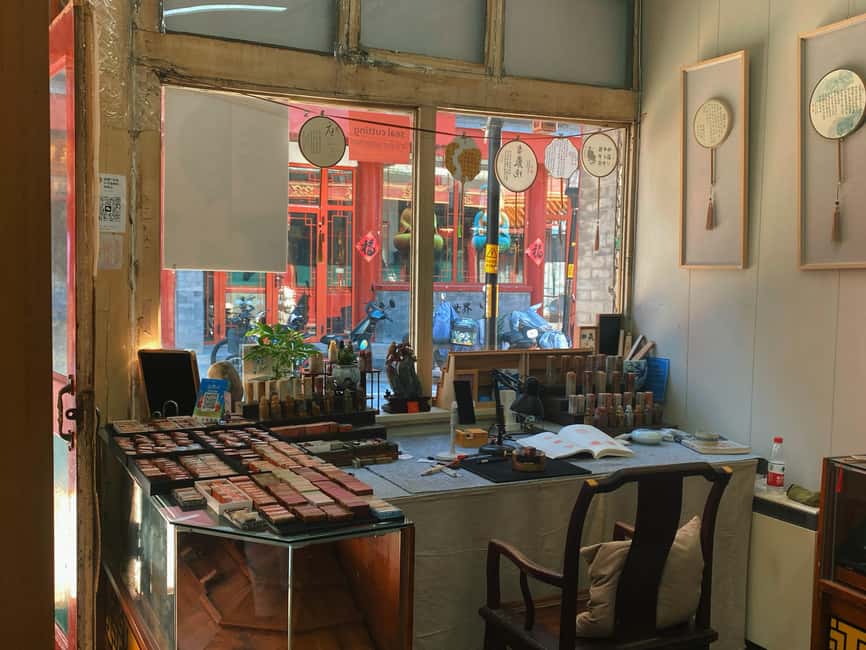
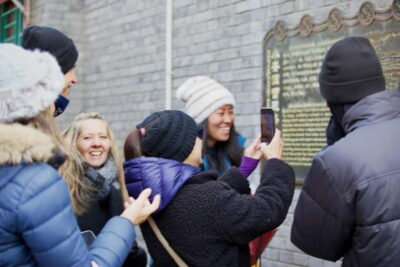
Liulichang East Street is not a random classroom location. It is one of Beijing’s traditional cultural districts, known for its old lanes, art shops, calligraphy supplies, antiques, and links to the city’s literary life. You first gather at the small square entrance, where a guide holding a Sino-Voyages sign meets you.
That short walk matters. It gives you a sense of place before you sit down with a brush, fan, or carving tool. I prefer this kind of start to being dropped straight into a studio, because the setting helps explain why these art forms still matter in Beijing.
The first walk is brief, not a major sightseeing tour. You should think of it as an introduction rather than a full visit to Liulichang. The real time is reserved for making something with your hands.
More calligraphy workshops in Beijing:
- Beijing Calligraphy Class
★ 4.9 · 112 reviews - Chinese Calligraphy Class for Small Group
★ 5.0 · 104 reviews - Beijing Historic City Guided Walking Tour + Calligraphy Creation
★ 5.0 · 59 reviews
Entering the traditional studio
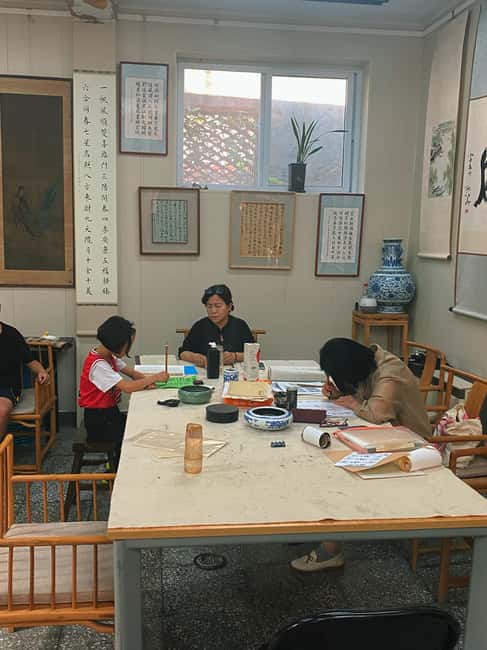
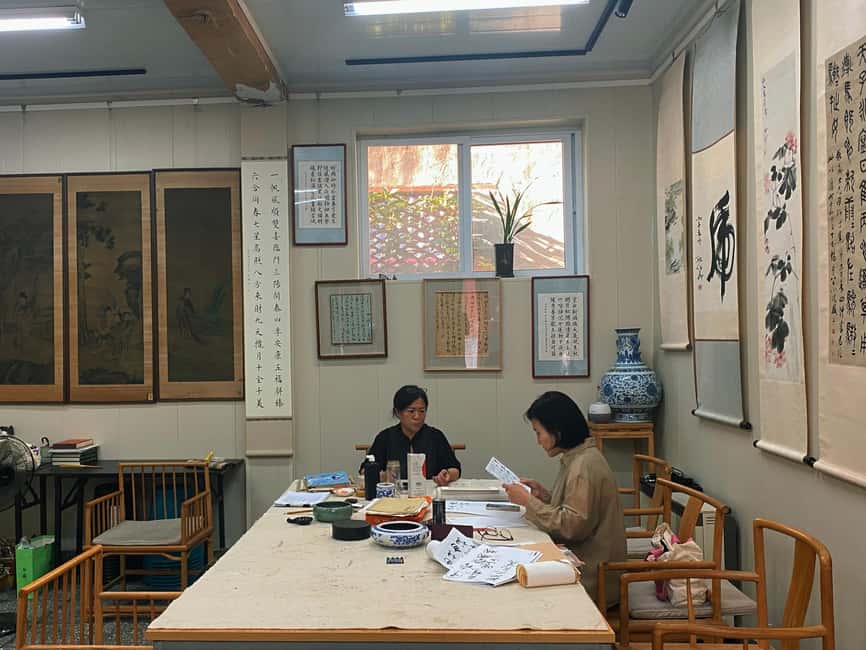
After the introduction to Liulichang, you head into a quiet workshop. The change in mood is part of the appeal. Outside, Beijing can feel noisy and hurried. Inside, the focus shifts to paper, ink, silk, stone, tools, and the careful movements of the artisan.
The experience is designed for participation. You are not simply watching a master perform a polished demonstration. You choose a form, learn the basic method, practice, and then make your own piece.
That distinction is important. Chinese calligraphy, fan painting, and seal carving can look simple when an expert does them. The session gives you a better sense of the control and patience behind the finished work. You will not become a master in one afternoon, but you can understand the process and produce a meaningful keepsake.
The instruction is available in English and Chinese. Small groups or private sessions are available, which should make it easier to ask questions and receive corrections. Children under five are not accepted, and no previous experience is needed. Curiosity is the main requirement.
Calligraphy: slow down with ink and brush
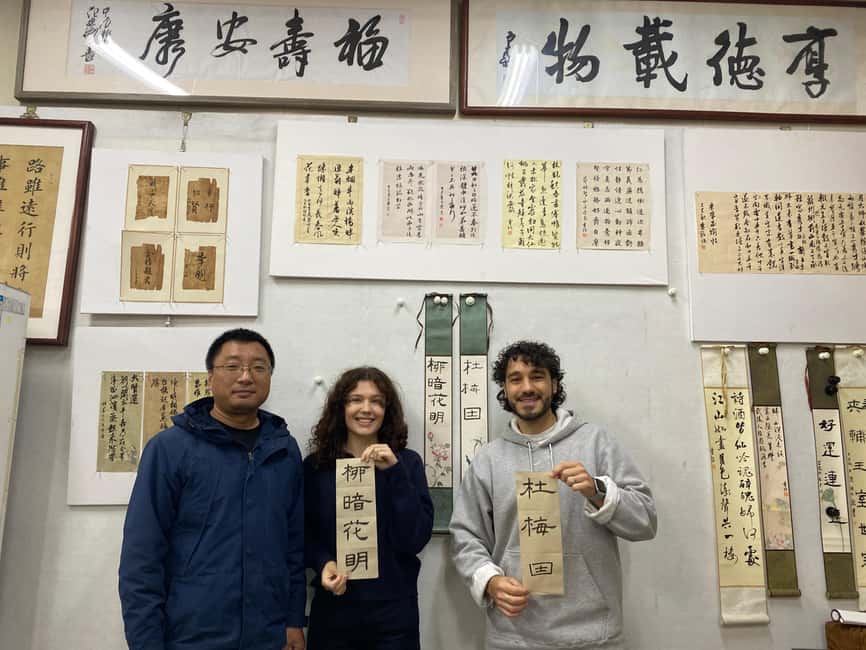
The calligraphy option is the gentlest introduction to Chinese art. You learn how to hold and guide a brush, control the ink, and build Chinese characters from deliberate strokes. The activity may focus on a meaningful Chinese proverb or your own name.
I like this choice for visitors who want a quiet, reflective activity. Calligraphy asks you to slow down. You cannot rush a stroke and expect it to look right, so the class gives you a practical feel for the patience built into the art.
You write on rice paper, creating a keepsake that is light and easy to pack. The finished work also carries a personal meaning if you choose your name or a phrase that matters to you.
The limitation is that beginners may find the first attempts uneven. That is normal. The value is not perfect museum-quality writing. It is learning how each stroke is formed and seeing how much expression can come from a few black marks.
Calligraphy also connects with the other activities. One participant who chose seal carving had the chance to practice calligraphy first, using it to prepare the characters that would later appear on the stone. If you are unsure about the carving option, this extra writing practice can help you understand what your seal will represent.
Fan painting: a useful work of art
Fan painting offers a more colorful and visual route. You paint on a delicate silk round fan, choosing a classic image such as bamboo or orchids. The finished piece is both decorative and functional.
I would choose the fan if you enjoy painting more than writing or carving. It gives you room to work with shape and image, while the round fan provides a distinctly Chinese format. Bamboo and orchids are not random designs, either. They are established subjects in Chinese art and offer a way to work with familiar artistic symbols.
The silk surface may feel less forgiving than ordinary paper. You will need to listen carefully to the artisan’s instructions and accept that the finished image may look more personal than polished. That is part of the charm, but perfectionists should keep their expectations in check.
The fan is also a practical souvenir. It is more substantial than a sheet of paper but still easier to carry than a large artwork. If you want something that reminds you of the class at home, this is a good middle choice.
A few more to weigh up in Beijing
- From Beijing: Mutianyu Great Wall Tours with Options
★ 4.9 · 9,216 reviews - Beijing: Forbidden City Tour(Group/Private)-Tickets Included
★ 4.8 · 7,974 reviews - Beijing: T-Square & Forbidden City Group or Private Tour
★ 4.8 · 4,446 reviews - All-Inclusive Tour: Tiananmen Square, Forbidden City, Great Wall
★ 5.0 · 2,873 reviews
Seal carving: the most unusual souvenir
Seal carving is the most distinctive option. You make a Chinese name chop, a traditional stamp used as a personal signature. The small carved stone becomes a compact object with a direct connection to your name and identity.
This option requires more patience than the calligraphy class. You first learn the characters and practice on other stones before carving the final piece. That practice stage is a real benefit. It lets you test the tools, understand the pressure needed, and make mistakes before working on the stone you will take home.
One participant who chose seal making appreciated having a master artisan nearby, along with three interpreters who helped with communication. The same session also included time to practice calligraphy, which helped prepare the characters for the seal. That combination gives the activity more substance than simply pressing a ready-made stamp into ink.
You should choose seal carving if you like hands-on work and do not mind a slower process. The tools and small characters demand concentration. The reward is a souvenir that feels especially personal, since it carries your own Chinese name and your own carved marks.
The value of working with a master
The artisan guidance is the central reason to book this instead of trying to copy a craft from a book or online video. You receive help with the materials, the basic methods, and the cultural meaning behind each form.
The instruction is also encouraging rather than intimidating. One participant described the master as excellent and valued the chance to practice extensively before beginning the final carving. Another praised the instructor for being helpful and supportive. That matters because beginners need corrections without feeling rushed.
Bruce Gao is named as one of the people associated with the experience. A French couple specifically appreciated the patience and encouragement they received from Bruce and his friend. A German participant also thanked Bruce Gao for the company and for helping make the cultural experience memorable.
You should still remember that this is a short workshop, not formal professional training. The master can show you the right approach, but the session cannot cover every detail of a centuries-old tradition. Its strength is the personal introduction and the chance to make a first piece under supervision.
What the two to two-and-a-half hours feel like
The timing is long enough to feel substantial without taking over your day. You begin at Liulichang East Street, meet the guide, and take the short cultural walk. Then you settle into the studio and choose your activity.
The middle portion is devoted to explanation and practice. You learn what the materials are, how the art form developed, and what your chosen design or characters mean. The exact balance between talking and making will depend on your group and your chosen craft.
The final portion is where you complete your keepsake. Calligraphy produces writing on rice paper, fan painting produces a silk round fan, and seal carving produces a personal name chop. You leave with the physical result of the class, along with a clearer idea of how much skill sits behind traditional Chinese artwork.
Two hours can pass quickly when you are learning a new technique. If you want a long historical lecture or a broad tour of Beijing’s art traditions, this will feel focused. If you want to make one thing well enough to remember the process, the timing works nicely.
Small groups, language help, and comfort
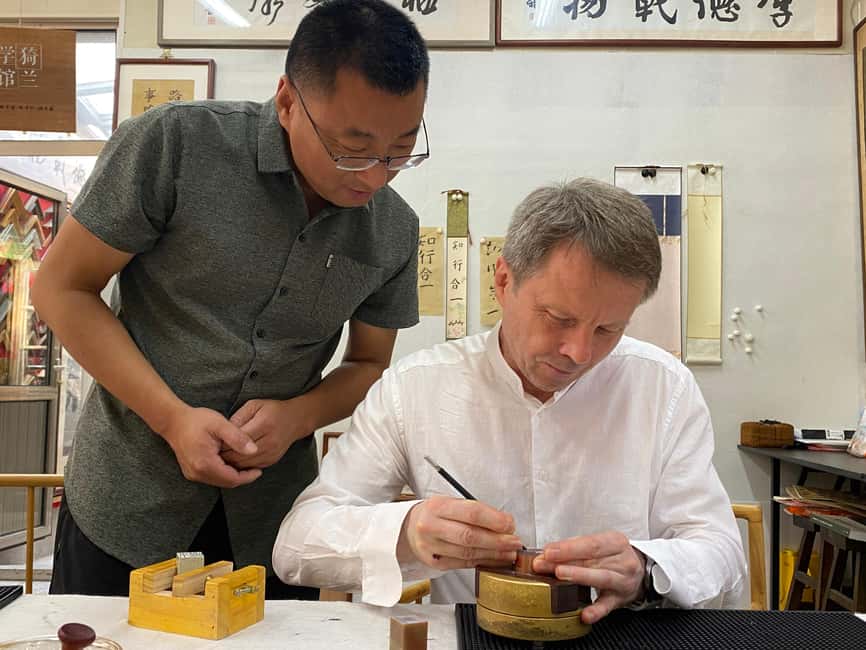
The small-group format is one of the better features here. Craft instruction works best when the teacher can watch your hand position, brush pressure, or carving technique. A large class would make that difficult.
Private sessions are also available. I would consider that option for couples, families with older children, or anyone who wants more time to ask questions. The activity is wheelchair accessible, which makes the quiet studio format easier to consider for visitors with mobility needs.
The listed teaching languages are English and Chinese. Communication support can vary by session, but the experience is set up for international visitors. The account of the seal-carving session, with a master and three interpreters helping with communication, suggests that language assistance can be quite hands-on when needed.
The age limit is simple: children under five are not suitable for the activity. Older children may enjoy the creative work, but the materials and tools require attention. For very young children, the quiet pace and fine movements may be frustrating.
Is $75 a fair price?
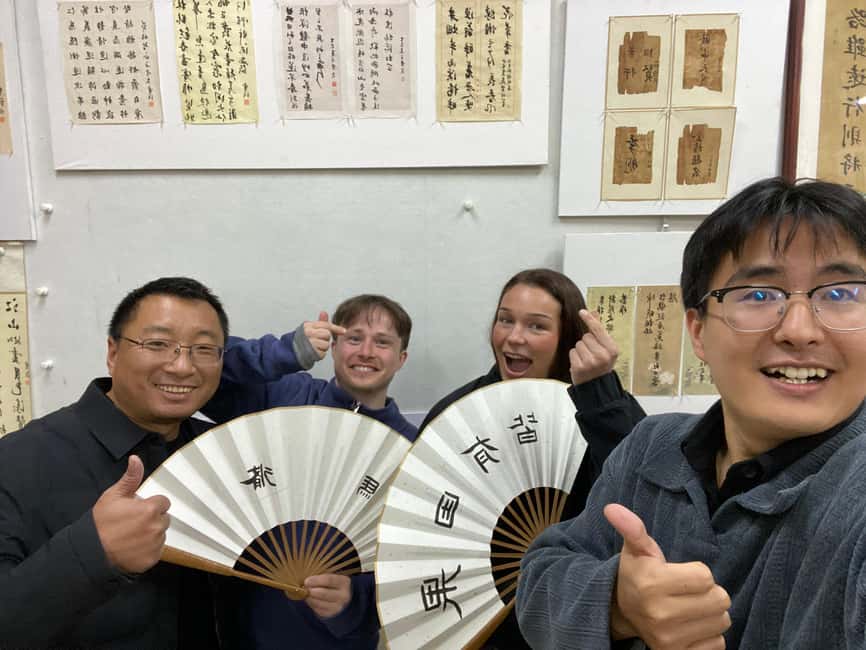
At $75 per person, this is not the cheapest cultural activity in Beijing. You are paying more than the cost of buying a souvenir in Liulichang, but the comparison is not quite fair.
The price includes one complete workshop, all high-quality materials, expert instruction, cultural explanation, and the finished artwork. It also includes the short Liulichang introduction and the benefit of a small group. For a visitor who values personal teaching and a handmade object, that makes the cost reasonable.
The strongest value comes from the seal-carving option. A ready-made stamp may cost less, but it will not carry the experience of choosing your characters, practicing on spare stones, and carving under a master’s watch. Calligraphy and fan painting also gain value from the instruction, especially if you have never handled a Chinese brush or painted on silk.
The price may feel high if you mainly want a quick photo opportunity or a basic souvenir. You should book it for the activity itself, not just the object. The object is valuable because you made it.
Transportation is not included, so plan your own route to the Liulichang East Street meeting point. Look for the guide holding the Sino-Voyages sign at the small square entrance. Arrive with enough time to locate that point without cutting into the workshop.
Who will enjoy this most?
I would recommend the experience to you if you want a break from major Beijing sights and prefer an activity that lets you participate. It works particularly well for visitors who enjoy art, history, crafts, or thoughtful souvenirs.
It is also a good fit for couples and small groups. You can compare your brushwork, fan designs, or carved seals without turning the session into a large production. The private option may suit anyone marking a birthday, anniversary, or special trip.
The workshop is less suitable if you dislike careful handwork or want a fast-paced sightseeing stop. Seal carving, in particular, rewards patience. Calligraphy requires concentration, and fan painting asks you to accept the limits of working on silk.
I also would not book it if your schedule allows no flexibility. The class lasts up to two and a half hours, and the creative process deserves your attention. Rushing out halfway through would undercut the reason to come.
Practical details before you reserve
You can cancel up to 24 hours before the activity for a full refund. The reserve-now, pay-later option also helps if your Beijing schedule is still moving around.
Starting times vary, so check availability before planning other visits. Transportation is not provided, and you should use the stated meeting point rather than heading directly to a studio you have not been shown.
Wear something that allows you to work comfortably and pay attention to the tools and materials. No prior skill is expected. A willingness to try, make imperfect marks, and listen to the artisan will serve you better than artistic confidence.
The overall rating is five out of five from five verified bookings, with praise focused on patient instruction, supportive teaching, the master’s supervision, and the chance to step away from Beijing’s biggest tourist areas. Those are the qualities I would weigh most heavily when deciding.
Should you book the Liulichang workshop?
Book it if you want to make one personal object and understand the tradition behind it. Seal carving offers the most unusual keepsake, while calligraphy is the calmest choice and fan painting is the most visual.
At $75, the class is worth it for hands-on guidance, quality materials, and the chance to work with a master in Liulichang. It is not a bargain sightseeing add-on, and the short street introduction will not replace a full district tour. But for a focused cultural experience away from the usual crowds, it gives you something better than another photograph: a small piece of Beijing made by your own hand.
FAQ
How long does the Liulichang art workshop last?
The experience lasts approximately two to two-and-a-half hours, including the brief Liulichang walk and the studio workshop.
What art forms can I choose from?
You can choose one of three activities: Chinese calligraphy, painting a silk round fan, or carving a Chinese name seal.
Is previous artistic experience required?
No. The activity is designed for beginners, and no prior experience is needed.
What is included in the $75 price?
The price includes one selected workshop, all high-quality materials, guidance from an expert artisan, cultural explanations, and the handmade artwork you create.
Where is the meeting point?
Meet at the small square entrance of Liulichang East Street. The guide will hold a Sino-Voyages sign, lead a short introduction to the district, and then take you to the studio.
Is the activity offered in English?
Yes. Instruction is available in English and Chinese.
Can children join the workshop?
Children under five are not suitable for this activity. Private and small-group sessions are available.
Just added in Beijing
- Private Transfer to Mutianyu Great Wall with professional driver★ 5.0 · 19 reviews
- One day tour to downtown Tianjin from Beijing by high speed train★ 5.0 · 3 reviews
- ZANBUS: Trip to the Jinshanling Great Wall Departing at 7:30 AM★ 5.0 · 5 reviews
- camp on the Great Wall overnight with sunrise and sunset on the wall★ 5.0 · 11 reviews
- Yuxiandu Chinese Royal Cuisine Museum with Show and Royal Banquet★ 5.0 · 4 reviews
- Wild Great Wall Hikes★ 5.0 · 10 reviews
- BusDa:Ancient Great Wall &Badaling Great Wall Full-day Bus Tour★ 4.5 · 6 reviews
- Private Wild Great Wall Hiking tour at Simatai (Challenging)★ 5.0 · 16 reviews
Calligraphy Workshops, compared.
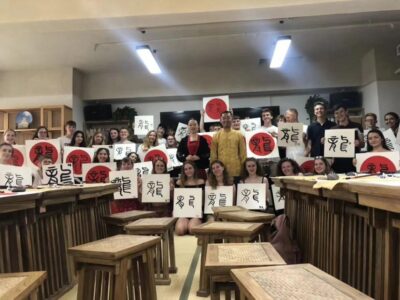
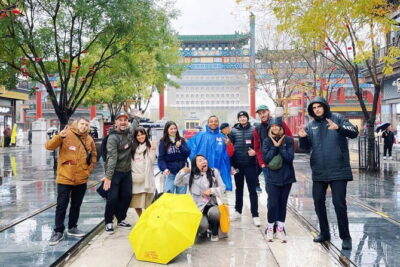
Beijing Historic City Guided Walking Tour + Calligraphy Creation
Read our review →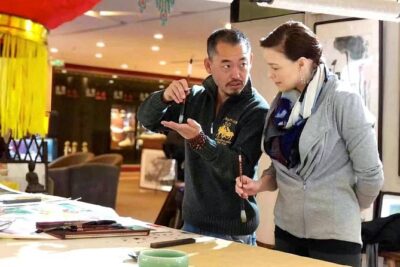
Beijing Wangfujing Calligraphy Class by Forbidden City
Read our review →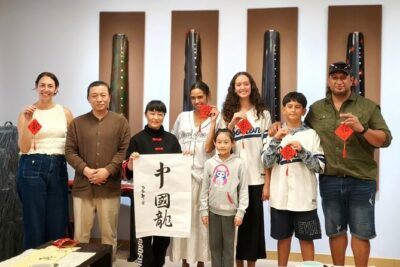
Beijing Culture: Tea Ceremony, Heritage Instrument & Calligraphy
Read our review →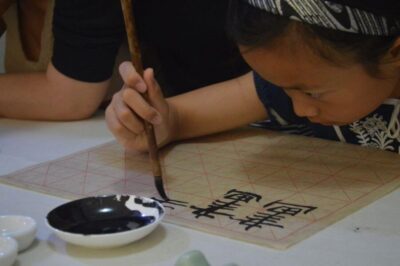
Beijing Wangfujing Calligraphy Class Nearby Forbidden City
Read our review →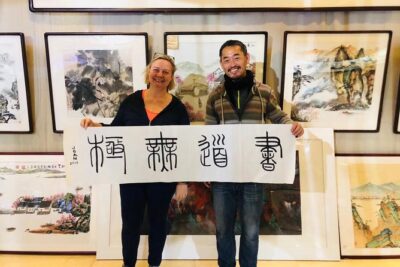
Discover Old Beijing: Hutong Walking Tour & Calligraphy
Read our review →Where else this tour turns up