
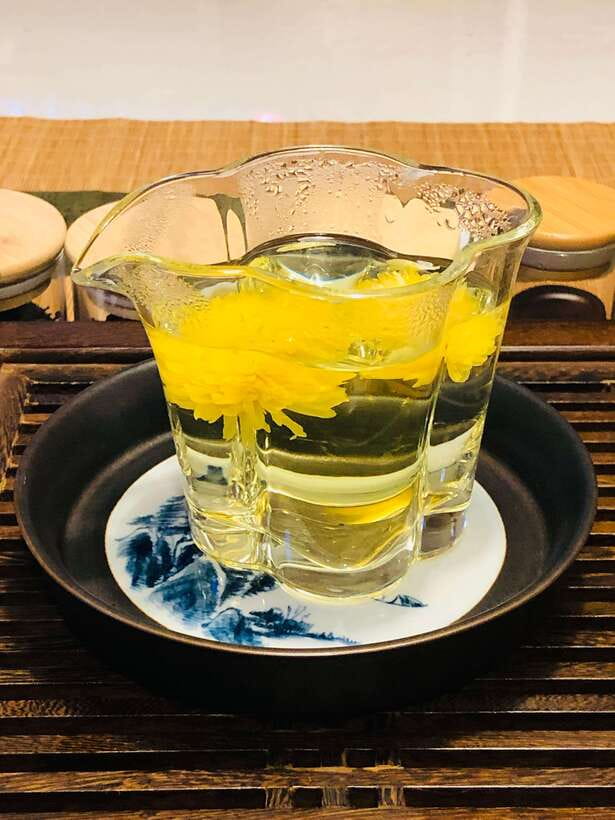
Reviewed · TEA CEREMONY EXPERIENCES
Traditional Chinese Tea Ceremony Experience
Slow down over a small cup. This 30-minute Beijing tea ceremony offers a simple, affordable way to experience Chinese tea culture, with five mini cups, careful brewing, and a friendly tea master. I like the low price and the chance to taste several tea styles in one sitting. I also like that the experience suits both adults and children.
The main consideration is its short length. You get an introduction rather than a full lesson in Chinese tea, and there is no tour guide included. The meeting details also refer to both Jian Nei Da Jie and the Chang An Grand Theater area, so I would check the exact arrival instructions before setting out.
In This Review
- Key Details Before You Book
- Why This Short Tea Ceremony Is Worth Your Time
- Arriving Near Chang An Grand Theater
- What Happens During the 30-Minute Ceremony
- Five Tea Styles You May Taste
- The Value of the $9.90 Price
- A Good Choice for Families and First-Time Visitors
- The Role of the Tea Master
- Group Size, Timing, and Practical Comfort
- Cancellation and Booking Flexibility
- Should You Book This Beijing Tea Experience?
- FAQ
- Where does the tea ceremony take place?
- How long does the tea ceremony last?
- How much does the experience cost?
- How many teas are included?
- Is a tour guide included?
- Can I buy tea after the ceremony?
- What is the cancellation policy?
Key Details Before You Book
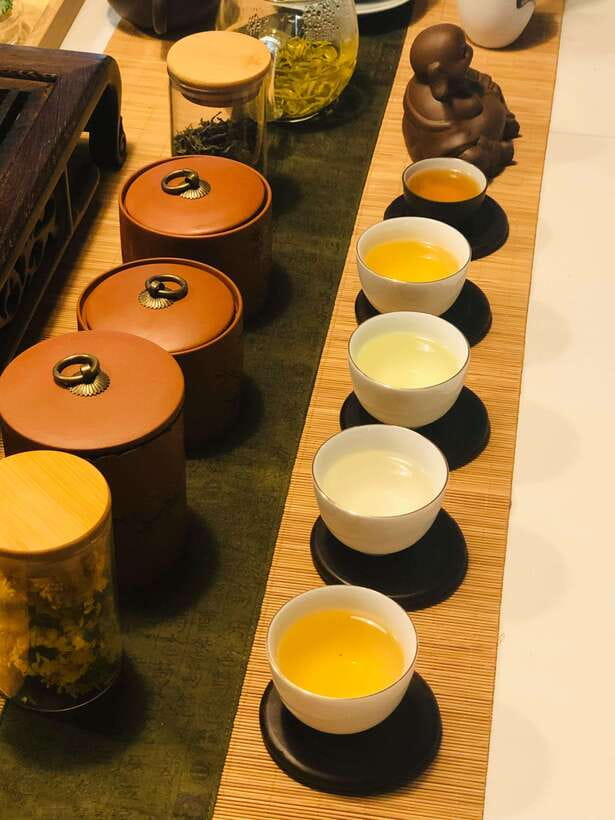
- Five mini cups are included: You taste a selection of Chinese teas without paying extra for the sampling itself.
- The ceremony lasts about 30 minutes: It fits easily into a morning or afternoon in central Beijing.
- The tea master demonstrates each step: Expect attention to warming the pot, pouring the tea, and appreciating its smell, appearance, and taste.
- The experience is capped at 15 people: This keeps the group smaller than a large sightseeing tour.
- The listed price is $9.90 per person: That is strong value if you want a brief cultural activity rather than a long formal class.
- Tea purchases are optional: You can buy tea afterward, but shopping is not included in the price.
Why This Short Tea Ceremony Is Worth Your Time
China is the birthplace of tea, and this experience gives you a direct introduction to one of the country’s everyday cultural traditions. You are not simply handed a cup and left to taste it. The tea master presents brewing as a careful sequence, where water, timing, pouring, and attention all matter.
I like this approach because tea ceremonies can easily become either too formal or too commercial. Here, the stated focus is on respect, harmony, mindfulness, and appreciation. Those ideas give the activity more meaning than a quick drink between sightseeing stops.
You should also keep your expectations in proportion. At roughly half an hour, the ceremony cannot cover every Chinese tea tradition or teach advanced brewing skills. Think of it as a welcoming introduction. It gives you enough background to notice differences between teas and to understand why the preparation matters.
The activity has received a top rating from seven published ratings, and one especially warm response praised Richard and the tea master for being friendly and well informed. That detail matters because the tone of a short cultural activity depends heavily on the people leading it. A relaxed welcome can make the ceremony feel personal rather than mechanical.
More Tea Ceremonies in Beijing
- Traditional Chinese Tea Ceremony Experience
★ 4.7 · 74 reviews - Beijing Culture: Tea Ceremony, Heritage Instrument & Calligraphy
★ 5.0 · 57 reviews - Chinese Tea ceremony in Beijing Hutong courtyard
★ 4.7 · 26 reviews
Arriving Near Chang An Grand Theater
The activity is based in Beijing, with the itinerary identifying Chang An Grand Theater as the stop. The listed starting location is Jiannei Avenue, also written as Jian Nei Da Jie, in Dongcheng District. Afterward, the tea master manager can walk you back to the meeting point or to Jianguomen Subway station.
Because two nearby location references appear in the directions, I would not rely on guesswork. Use the mobile ticket and booking confirmation, then verify the precise meeting point before you leave your hotel. This is especially useful in central Beijing, where a short street name can refer to a busy area with several entrances and large public buildings.
The area is near public transportation, which makes the experience practical to add to a day of sightseeing. You do not need to build an entire day around it. A 30-minute appointment works well before or after other plans, provided you allow enough time to reach the meeting point.
The end point is officially back at the meeting point, with the additional option of being walked to Jianguomen Subway station. That makes the activity easier to fit into a larger route through Beijing, though the listed information does not promise transportation beyond that walk.
What Happens During the 30-Minute Ceremony
A friendly tea master greets you when you arrive. The welcome appears to be one of the strongest parts of the experience, particularly for first-time visitors who may not know the etiquette or technique involved.
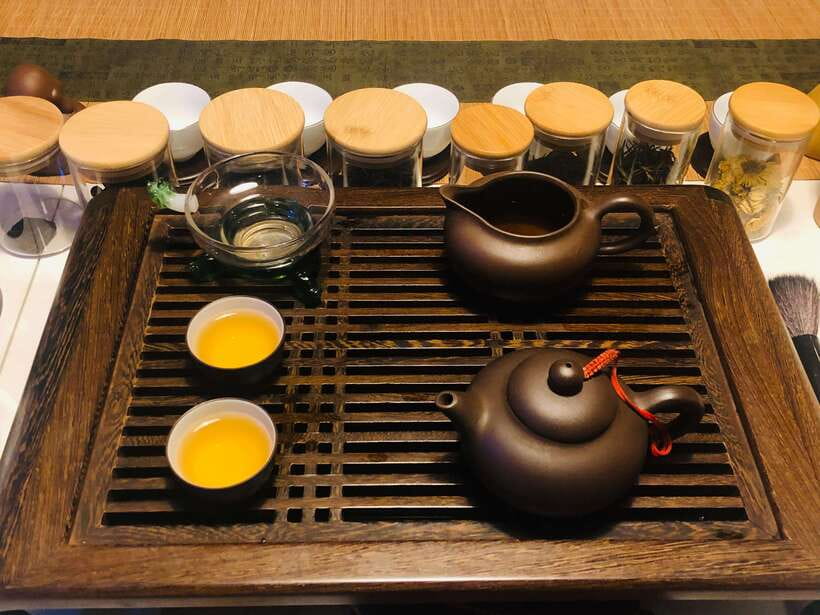
The ceremony centers on the preparation and appreciation of tea. The tea master demonstrates the process carefully, beginning with steps such as warming the teapot and continuing through the pouring of the tea. Each action is meant to be deliberate, giving you a chance to watch how the tea is handled rather than rushing straight to the tasting.
The experience engages more than your sense of taste. You may notice the color of the liquid, the aroma rising from the cup, and the way the flavor changes from one tea to the next. The supplied details do not specify the exact order of the teas, so you should expect a guided tasting rather than a fixed menu you can choose in advance.
Five mini cups of tea are included. That is enough to compare several styles without making the session too long or leaving you with large amounts of tea to drink. For children or anyone who does not drink much tea, the small portions should make the activity easier to manage.
The ceremony is presented as a heritage experience, not simply a tasting counter. You learn the proper way to enjoy tea, including the importance of patience and attention. I find that useful because it gives you a little context for tea rooms, tea shops, and tea served during the rest of your time in China.
Five Tea Styles You May Taste
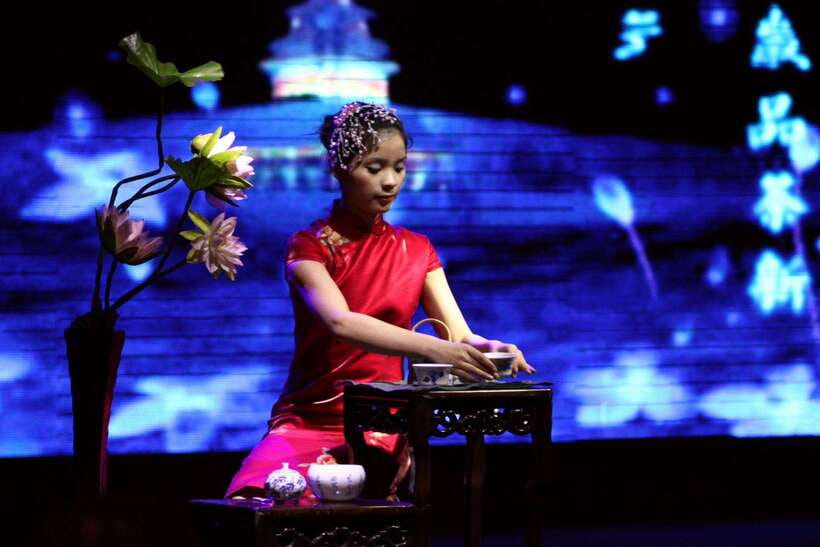
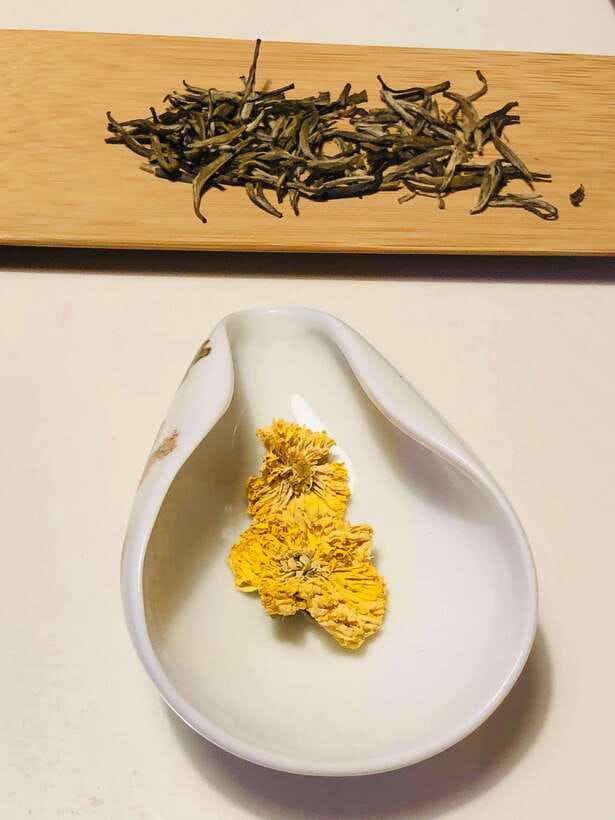
The experience may include oolong, Pu-erh, green tea, jasmine tea, and flower tea. The wording indicates examples rather than a guaranteed list for every session, so the exact selection can vary.
Each type offers a different way to notice tea:
- Green tea is commonly associated with a fresher, lighter profile.
- Oolong tea sits between green and fully oxidized black tea styles, offering a different level of body and aroma.
- Pu-erh is a distinctive Chinese tea style with a fuller character.
- Jasmine tea brings floral fragrance to the tea itself.
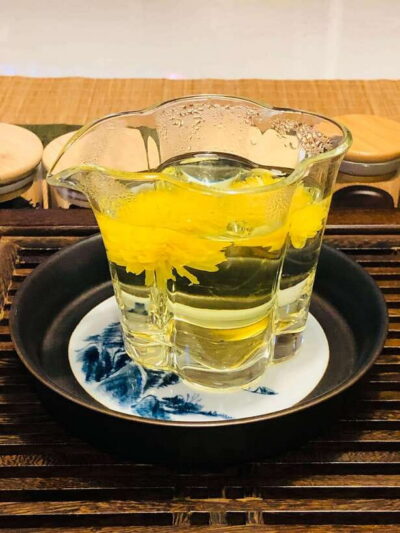
- Flower tea adds a visual element as well as aroma.
You do not need to arrive with a trained palate. The tea master guides the tasting, and the point is to pay attention rather than identify every note correctly. I would treat the five cups as a comparison exercise. Notice which tea seems light, fragrant, earthy, or floral, then ask questions if the format allows.
The tea names also make this activity useful for anyone considering a purchase. You can learn which styles appeal to you before spending money on a larger packet. Just remember that buying tea is optional and comes at your own expense.
A completely different sort of day out:
- From Beijing: Mutianyu Great Wall Tours with Options
★ 4.9 · 9,216 reviews - Beijing: Forbidden City Tour(Group/Private)-Tickets Included
★ 4.8 · 7,974 reviews - Beijing: T-Square & Forbidden City Group or Private Tour
★ 4.8 · 4,446 reviews - All-Inclusive Tour: Tiananmen Square, Forbidden City, Great Wall
★ 5.0 · 2,873 reviews
The Value of the $9.90 Price
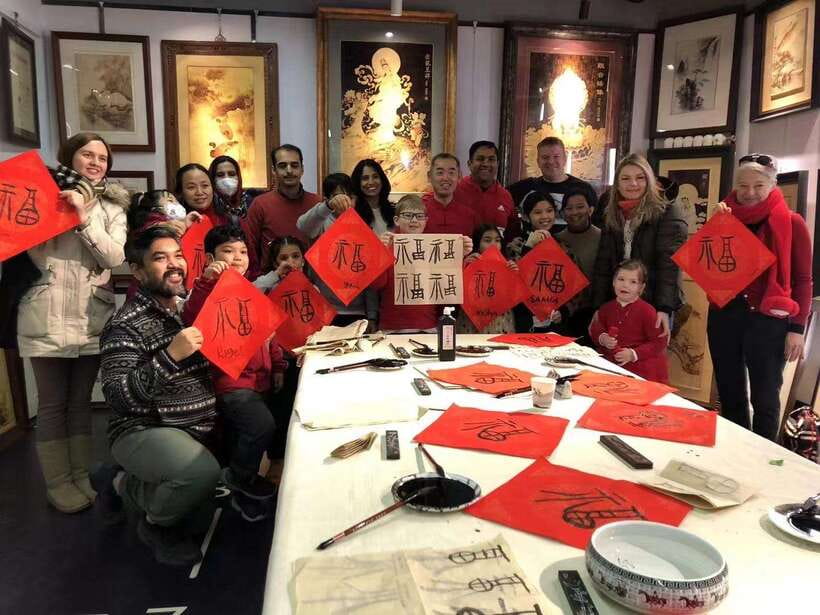
At $9.90 per person, this is one of the easier cultural activities to justify in a Beijing itinerary. The price includes the ceremony and five mini cups, so you are paying for a guided introduction rather than just a beverage.
The value is strongest if you want three things: a short activity, a taste of several teas, and an explanation of traditional preparation. You also get the convenience of a mobile ticket and a meeting point near public transportation.
The price is less compelling if you are looking for an extensive tea education. There is no tour guide included, and the session lasts only about 30 minutes. You should not expect a long lecture, a full tea workshop, or an all-day cultural program at this rate.
I also appreciate that shopping is not part of the required package. After the ceremony, you have the option to buy tea to take home and share with family or friends. You can make that choice after tasting, rather than being charged for products you did not request.
A small warning is sensible here. Any experience that ends with optional purchases requires you to keep your budget in mind. The supplied information does not state that buying tea is compulsory, so you can enjoy the ceremony and leave without adding shopping costs.
A Good Choice for Families and First-Time Visitors
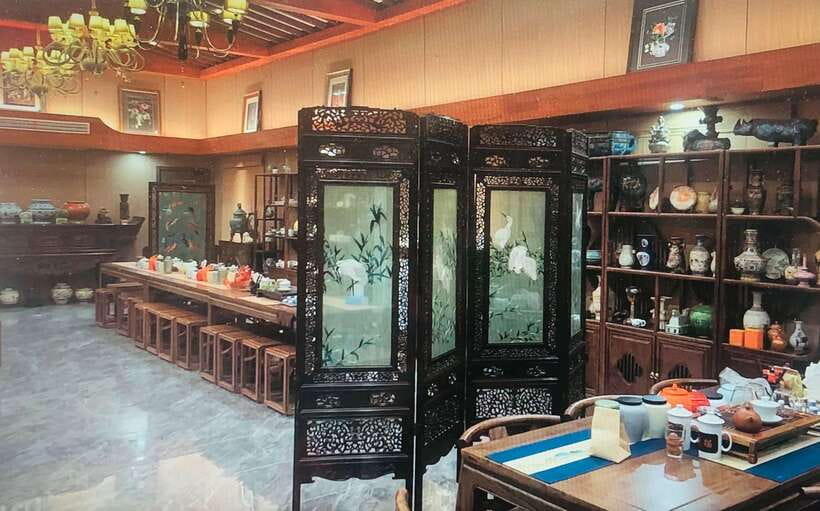
The activity is described as fun and interesting for adults and children. That makes sense for a short session with visual demonstrations and small tasting portions. Children may enjoy watching the careful pouring and smelling the different teas, while adults can focus on the cultural meaning and brewing technique.
I would especially suggest it for people visiting China for the first time. You get a compact introduction to a practice that connects daily life, hospitality, patience, and etiquette. It is also a good option for someone who wants a cultural activity but does not have the time or energy for a long class.
It may suit you if:
- You have a free half hour near the meeting point.
- You want to try more than one type of Chinese tea.
- You prefer a small-group experience, with a maximum of 15 people.
- You are traveling with children.
- You want a modestly priced cultural stop.
- You may want to buy tea only after trying it.
I would be more cautious if your main goal is advanced instruction. The supplied information does not promise hands-on brewing for every participant, a detailed lesson in tea production, or a long question-and-answer session. The emphasis is on watching, tasting, and gaining a first understanding.
The Role of the Tea Master
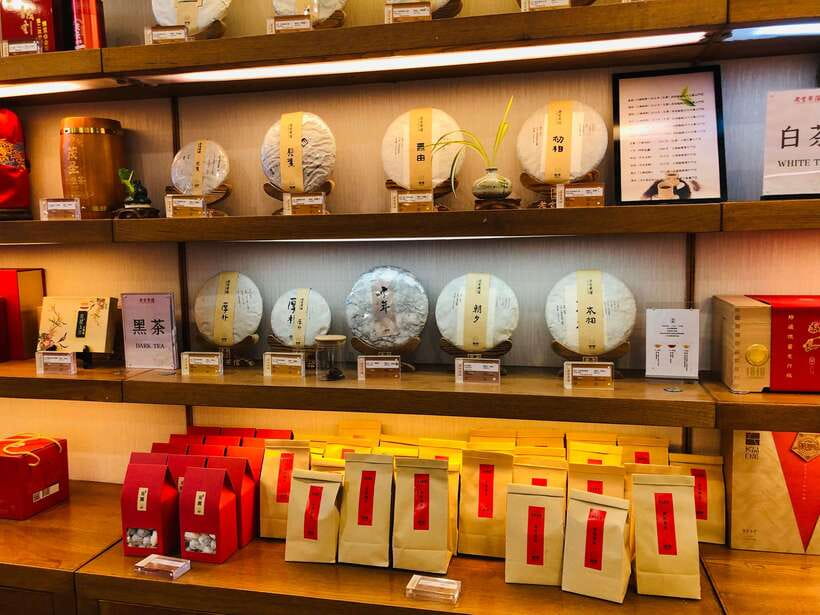
The tea master is central to the experience. Brewing techniques can look mysterious when you first see them, especially when the host warms the pot, handles the cups, and pours with measured movements. A clear demonstration helps you understand that these actions are not empty ceremony.
The description emphasizes precision and intention. That is important because the activity is about appreciation as much as flavor. The tea master helps you notice the process, from the first preparation to the final taste.
The named feedback identifies Richard and the tea master as especially warm and helpful. Richard appears to be connected with the welcome or management of the experience, while the tea master leads the tea portion. The information does not describe a separate sightseeing guide, so you should not expect a walking tour or broader Beijing commentary.
This distinction is useful. If you want a local guide to explain nearby landmarks, the city’s history, or the surrounding district, this is not designed for that. If you want someone to introduce you to tea in a friendly setting, it fits much better.
Group Size, Timing, and Practical Comfort
The maximum group size is 15 people. That is not a private lesson, but it is still more manageable than a large coach group. You should be able to see the demonstration, though the exact seating arrangement is not provided.
The 30-minute duration keeps the experience easy to schedule. I would allow additional time before the start to find the meeting point, since the directions reference both Jian Nei Da Jie and Chang An Grand Theater. The ceremony itself may be brief, but getting around central Beijing can take longer than expected.
Confirmation is provided when you book, and the ticket is mobile. Keep the confirmation available on your phone when you arrive. The activity is near public transportation, and the tea master manager may walk you back to the meeting point or Jianguomen Subway station afterward.
Most people can participate, according to the supplied activity details. No special physical requirements are listed. Still, the exact room setup and seating arrangements are not described, so anyone with specific access needs should confirm those details before booking.
The activity is booked, on average, 33 days in advance. That does not mean you must reserve it that early, but it suggests that planning ahead can be sensible, especially if you have only a narrow opening in your Beijing schedule.
Cancellation and Booking Flexibility
You can cancel for a full refund up to 24 hours before the local start time. Changes made less than 24 hours before the experience are not accepted, and cancellations inside that period are not refunded.
That policy is fairly easy to understand. If your Beijing plans are still shifting, book only when you are reasonably sure of the date. The mobile ticket and instant confirmation make the reservation convenient, but they do not remove the 24-hour cut-off.
Should You Book This Beijing Tea Experience?
I would book it if you want a friendly, inexpensive introduction to Chinese tea and can spare 30 minutes near Chang An Grand Theater or Jian Nei Da Jie. The strongest reasons are the five included tastings, the careful demonstration, the small maximum group size, and the chance to learn before deciding if you want to buy tea.
I would skip it if you want an in-depth tea course, a dedicated sightseeing guide, or a longer hands-on workshop. This is a compact cultural experience, not a major Beijing attraction.
For most first-time visitors, the $9.90 price makes the decision easy. Check the precise meeting point, arrive with the mobile ticket ready, and treat the optional shopping as exactly that, optional. If you enjoy the tasting, you can take the tea lesson home in a small but useful way: slow down, pay attention, and let the cup tell you something.
FAQ
Where does the tea ceremony take place?
The activity is in Beijing. The itinerary identifies Chang An Grand Theater, while the listed starting point is Jiannei Avenue, also called Jian Nei Da Jie, in Dongcheng District.
How long does the tea ceremony last?
The experience lasts approximately 30 minutes.
How much does the experience cost?
The listed price is $9.90 per person.
How many teas are included?
The tea ceremony includes five mini cups of tea. Possible tea styles include oolong, Pu-erh, green tea, jasmine tea, and flower tea.
Is a tour guide included?
No. A tour guide is not included. A tea master leads the ceremony and demonstrates the brewing techniques.
Can I buy tea after the ceremony?
Yes. You have the option to purchase tea after the ceremony, but shopping expenses are not included in the price.
What is the cancellation policy?
You can cancel at least 24 hours before the local start time for a full refund. Cancellations or changes made less than 24 hours before the start are not accepted, and the amount paid is not refunded.
Just added in Beijing
- Private Transfer to Mutianyu Great Wall with professional driver★ 5.0 · 19 reviews
- One day tour to downtown Tianjin from Beijing by high speed train★ 5.0 · 3 reviews
- ZANBUS: Trip to the Jinshanling Great Wall Departing at 7:30 AM★ 5.0 · 5 reviews
- camp on the Great Wall overnight with sunrise and sunset on the wall★ 5.0 · 11 reviews
- Yuxiandu Chinese Royal Cuisine Museum with Show and Royal Banquet★ 5.0 · 4 reviews
- Wild Great Wall Hikes★ 5.0 · 10 reviews
- BusDa:Ancient Great Wall &Badaling Great Wall Full-day Bus Tour★ 4.5 · 6 reviews
- Wild Great Wall Huanghuacheng Half Day Tour★ 5.0 · 15 reviews
Tea Ceremony Experiences, compared.
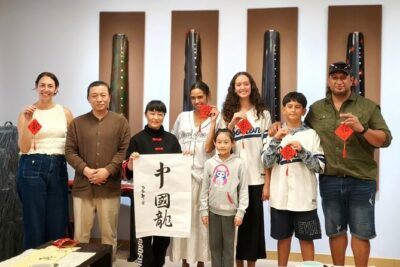
Beijing Culture: Tea Ceremony, Heritage Instrument & Calligraphy
Read our review →
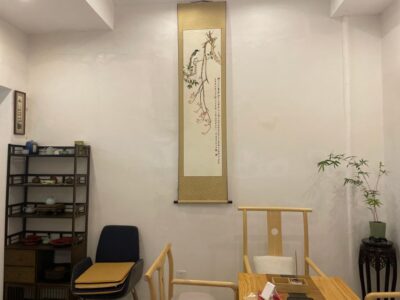
Chinese Tea ceremony in Beijing Hutong courtyard
Read our review →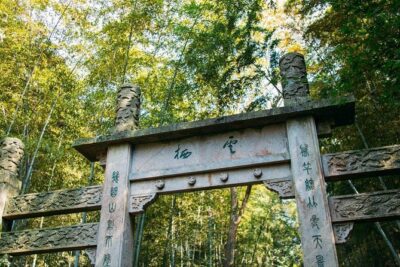
Half-Day Hangzhou Yunxi Bamboo Forest and Tea Plantation Experience
Read our review →
Leshan Buddha + Panda Base or Old Tea House Private Day Tour
Read our review →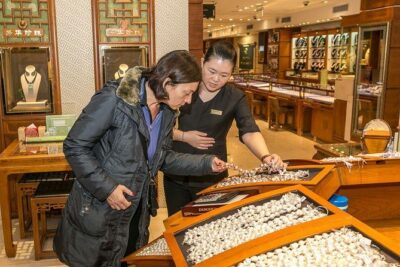
Private Beijing Markets Tour with Tea Tasting at Hongqiao Pearl Market
Read our review →Where else this tour turns up