Reviewed · COOKING CLASSES
Half-Day Private Hot-Pot Cooking Class with a Local Market Visit
Chengdu puts its hotpot culture on the table. This 4.5-hour private experience combines a spice-market visit, local snacks, Sichuan tea, and hands-on cooking. I especially like the chance to prepare both the fiery red pot and the mild white pot, since you can compare the two styles in one sitting.
I also like the personal format. Your guide stays with only your group, while a professional chef leads the cooking lesson. Lance, the guide named in the feedback, was praised for being engaging, helpful, and easy to talk with. The main consideration is the heat: Sichuan peppercorns and chili are central to the red pot, so guests who prefer mild food should make good use of the white broth.
In This Review
- Five useful things to know before booking
- Why Chengdu hotpot is more than a spicy meal
- Starting in Chengdu’s spice market
- A quiet tea break before the cooking starts
- Learning the red pot and white pot
- Sitting down to eat what you prepared
- Lance and the value of a private guide
- Is $90 per person good value?
- Who will enjoy this Chengdu food experience?
- Booking, timing, and cancellation advice
- FAQ
- How long does the hotpot cooking experience last?
- Is this a private activity?
- Does the experience include hotel pickup?
- Will I cook both spicy and non-spicy hotpot?
- Does the tour include a market visit?
- Are drinks included with the hotpot meal?
- What is the cancellation policy?
- Should you book this private hotpot class?
Five useful things to know before booking
- Two hotpots in one class: You prepare both the spicy red pot and the non-spicy white pot, rather than simply eating one finished dish.
- A real market stop comes first: The experience begins in a spice market, where you explore local ingredients and taste Sichuan snacks.
- Private attention throughout: Only your group participates, so you can ask questions and work at a comfortable pace.
- A chef teaches the practical skills: You learn to cut ingredients and arrange dishes with decoration before sitting down to eat.
- Tea and drinks are part of the rhythm: A break with Sichuan tea comes before cooking, and beer or other beverages accompany the meal.
- Plan ahead, but keep the booking flexible: The experience is often reserved about 10 days ahead, with free cancellation until 24 hours before the start time.
Why Chengdu hotpot is more than a spicy meal
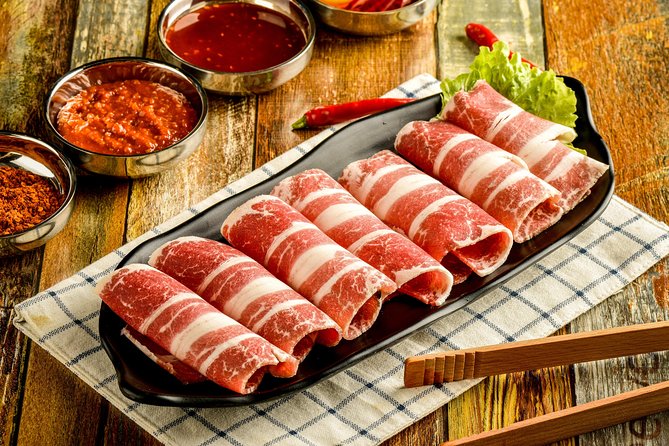
Sichuan hotpot has been served in China for at least 1,700 years. Its appeal is not just the burn. It is the way a table becomes a shared cooking space, with ingredients added to bubbling broth and eaten as they are ready.
This class focuses on the three basic formats. The red pot uses chili peppers and Sichuan peppercorns for its spicy flavor. The white pot uses a non-spicy broth. A double pot places both styles together, which is particularly useful if your group has mixed tastes.
I like this arrangement because it keeps the meal from becoming a test of endurance. You can try the red broth in small amounts, then return to the white pot when your mouth needs a rest. The class also gives you a clearer idea of how Sichuan food creates contrast, rather than treating every dish as simply hot.
Sichuan peppercorns add a distinct sensation that is different from chili heat. The experience description highlights both ingredients in the red pot, so you should expect a flavor that can feel sharp, fragrant, and numbing as well as spicy. If you are sensitive to heat, ask your guide for advice before you begin.
More Cooking Classes in Chengdu
- Half-Day Chengdu Cooking Class with a Local Market Visit
★ 5.0 · 465 reviews - Chengdu: Cooking Class with Fresh Market Half Day Experience
★ 5.0 · 42 reviews - Half-Day steamed Buns Cooking Class with a Local Market Visit
★ 5.0 · 26 reviews
Starting in Chengdu’s spice market
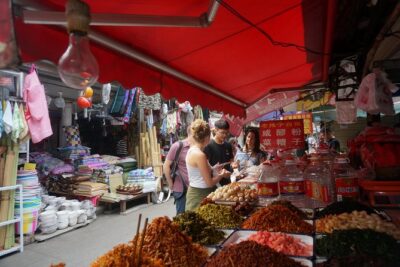
The outing begins with a guided visit to a local spice market. This is a valuable first stop because it gives you a look at the ingredients before you sit down at the cooking station.
You will explore the market with your guide and taste local snacks along the way. The market visit is not just a shopping detour. It helps connect the finished hotpot to the peppers, spices, and foods used in everyday Sichuan cooking.
I would pay close attention here and ask questions. The class is private, so you have a better chance to pause when something catches your eye instead of moving with a large group. Your guide can also help explain unfamiliar foods and flavors as you encounter them.
The market may feel less polished than a cooking studio, and that is part of its value. You are seeing food in a local setting before it is arranged for a lesson. On the other hand, market conditions can be less predictable than a classroom, and the experience depends partly on the pace of the visit and the day’s conditions.
The tour requires good weather. If poor weather causes a cancellation, you are offered another date or a full refund. That policy matters because the market visit is an outdoor or weather-sensitive part of the experience.
A quiet tea break before the cooking starts
After the market, you go to the cooking-class location. Before the lesson begins, you can take a break with Sichuan local tea.
This pause is useful. The market visit gives you sights, smells, and snacks, while the tea creates a natural change of pace before the more focused cooking session. I would use this time to ask about the two broths, the level of spice, and how the meal will be organized.
The tea also adds a local touch without turning the experience into a rushed sequence of demonstrations. The strongest comments about this outing praised the human side of the experience, including clear explanations that did not feel like a memorized speech. That is a good sign for anyone who prefers conversation over a stiff, formal lesson.
You should still remember that this is a half-day class, not a full culinary course. The information provided promises instruction in hotpot preparation, ingredient cutting, and presentation. It does not promise a certificate, a recipe book, or a full survey of Sichuan cuisine.
Learning the red pot and white pot
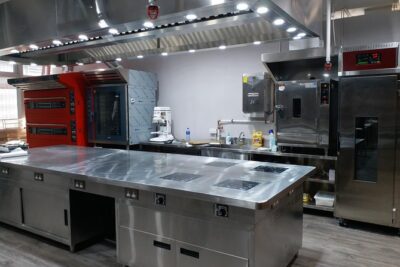
The central lesson covers both the spicy hotpot and the non-spicy hotpot. A professional chef guides the cooking, while your tour guide helps explain what you are doing and answers questions.
The red pot is built around chili peppers and Sichuan peppercorns. The white pot uses broth without the same spicy profile. Preparing both lets you see how much the broth shapes the final meal, even when the other ingredients are similar.
You will also learn to cut and set the dishes with decoration. This is a small but worthwhile detail. Hotpot is often associated with simply dropping ingredients into a pot, but careful cutting affects cooking time, texture, and appearance. Arranging the ingredients neatly also makes the shared meal easier to manage.
I like the hands-on format more than a demonstration where you watch someone else do all the work. You cook the hotpot yourself, then eat what you have prepared. That gives the meal a clear purpose and makes the flavors easier to understand.
The professional chef is especially useful for guests who do not cook much. You do not need to arrive with advanced kitchen skills. Still, the supplied information does not specify exactly which ingredients you will cut or how many separate dishes you will prepare, so do not book this expecting a detailed recipe-by-recipe workshop.
More Market Tours in Chengdu
- Half-Day Professional Mapo Tofu Cooking with a Local Market Visit
★ 5.0 · 19 reviews - Half-day Dandan Noodles Cooking Class with a Local Market Visit
★ 5.0 · 8 reviews - Three-Hour Private Chengdu Tea Wholesale Market Tour
★ 5.0 · 4 reviews - 3-Hour Herbal Wholesale TCM Market and a Local Wet Market Tour
★ 5.0 · 4 reviews
Sitting down to eat what you prepared
Once the cooking is finished, you enjoy the hotpot you made yourself. Beer or other beverages are available with the meal.
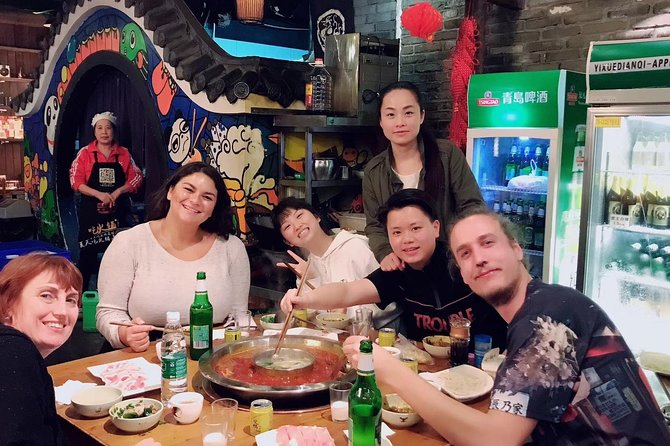
This is where the class becomes social. Your group can taste the difference between the broths, compare levels of spice, and discuss which ingredients work best in each pot. The double-pot idea is practical for a private group because it lets adventurous eaters try the red broth without forcing everyone to eat spicy food.
I would approach the red pot gradually. Start with a small amount, taste carefully, and use the white pot as a calmer alternative. Sichuan hotpot is meant to be enjoyed over time, not conquered in the first five minutes.
The beverage option helps make the meal more relaxed, though the supplied information does not state which drinks are included in the price or how many are provided. If that detail affects your budget, confirm it when booking.
The meal is also the point where presentation matters. You have already learned to cut and arrange the ingredients, so you can see how those skills affect the table. It is a simple lesson, but one you can carry into another hotpot meal later in your trip.
Lance and the value of a private guide
The guide named in the feedback is Lance from Chilli Cool China. He was praised for being engaging from pickup onward, answering questions, and keeping the experience entertaining and informative.
That personal connection matters in a cooking class. You are not only following instructions. You are learning how to approach unfamiliar ingredients, how to handle the spicy broth, and how the market connects with the meal. A good guide can make those details feel approachable rather than technical.
The private format gives you another advantage. Only your group participates, so you can ask for clarification without holding up a large class. You may also be able to spend more time on the parts that interest you, although the exact pace is not guaranteed.
Pickup is offered, and the experience is near public transportation. That gives you two practical ways to reach the starting point. Since no exact pickup area or meeting time is provided here, check those details before you finalize your plans.
Is $90 per person good value?
At $90 per person, this is not the cheapest way to eat hotpot in Chengdu. You are paying for more than the meal, though. The price covers a private guide, a market visit, local snack tasting, a tea break, chef-led instruction, two broth styles, and the meal you prepare.
I think the value is strongest for first-time visitors who want context with their food. A restaurant can serve excellent hotpot, but it will not necessarily show you the market ingredients or teach you how to cut and arrange the dishes.
The value is also better for couples, families, or small groups that will use the private format well. Group discounts are offered, which may improve the cost for a larger booking. The available information does not state the discount amount, so compare the final group price before assuming it will be substantial.
If you already cook Sichuan food or only want a quick bowl of hotpot, $90 may feel high. If you want a guided food activity that fills most of an afternoon, the combination of market, class, and meal makes the price easier to justify.
The experience is often booked about 10 days ahead. I would not leave it until the last minute if your Chengdu schedule is tight, especially because this is a private activity with limited group availability.
Who will enjoy this Chengdu food experience?
I would recommend it most to:
- First-time visitors who want an introduction to Sichuan flavors
- Couples or families who prefer a private class
- Food lovers who enjoy learning by doing
- Groups with mixed spice preferences
- People who want a market visit connected to a sit-down meal
- Visitors who value a guide and chef rather than a self-guided restaurant stop
It may be less suitable if you dislike chili peppers, Sichuan peppercorns, or shared-pot meals. The white pot gives you a non-spicy choice, but the class is still built around hotpot, so this is not the right pick for someone who wants to avoid the cuisine entirely.
It may also disappoint you if you expect a long professional cooking course. The class lasts about 4.5 hours and includes several parts, so the cooking lesson is one element of a wider food experience.
Booking, timing, and cancellation advice
Pickup is offered, mobile tickets are available, and the activity is near public transportation. Confirmation is received at booking, and the experience is private for your group.
You can cancel for a full refund up to 24 hours before the start time. Cancellations made less than 24 hours before the experience are not refunded, and changes inside that window are not accepted. The cut-off uses Chengdu local time, so check the clock carefully if you are arranging the tour from another time zone.
Because good weather is required, keep some flexibility in your itinerary. A weather cancellation gives you the choice of another date or a full refund.
FAQ
How long does the hotpot cooking experience last?
The experience lasts approximately 4 hours and 30 minutes.
Is this a private activity?
Yes. Only your group participates in the activity.
Does the experience include hotel pickup?
Pickup is offered. The exact pickup details are not provided, so confirm the location and timing when booking.
Will I cook both spicy and non-spicy hotpot?
Yes. The class teaches you to prepare both the spicy red pot and the non-spicy white pot.
Does the tour include a market visit?
Yes. Your guide takes you to a local spice market, where you explore the market and taste local snacks.
Are drinks included with the hotpot meal?
You can enjoy beer or other beverages with the meal. The available information does not specify which drinks are included in the price.
What is the cancellation policy?
You receive a full refund if you cancel at least 24 hours before the experience starts. Cancellations or changes made less than 24 hours before the start time are not accepted for a refund. If poor weather cancels the experience, you are offered another date or a full refund.
Should you book this private hotpot class?
I would book this experience if you want Chengdu food culture explained through a market visit and a meal you prepare yourself. The strongest reasons are the private format, the chance to compare red and white hotpots, and the personal guidance associated with Lance and the professional chef.
I would skip it if your main goal is simply to eat hotpot cheaply, or if spicy food is a firm no. For everyone else, $90 buys a useful afternoon of food, instruction, and local context, with enough flexibility for cautious eaters to enjoy Chengdu’s famous heat at their own pace.
More Shopping Tours in Chengdu
- Mini Group Xian Day Tour to Terracotta Army, City Wall, Pagoda and Muslim Bazaar
★ 5.0 · 1,320 reviews - Shanghai Day Tour to Zhujiajiao Water Town, Yu Garden, Bazaar, Bund
★ 5.0 · 162 reviews - Hong Kong: Kowloon Street Market & Food Culture Walking Tour
★ 5.0 · 105 reviews - Organic Chinese Dumpling Class with Market Walk
★ 5.0 · 88 reviews
More Workshops in Chengdu
- Half-Day Sichuan Cooking Class Experience in Chengdu
★ 4.0 · 17 reviews - Private Panda Tour with Cooking Class One-day Trip
★ 5.0 · 11 reviews - Half day Chengdu Dumpling Class: Make from Scratch
★ 5.0 · 8 reviews - Half-day Chengdu Handmade Tofu Making and Mapo Tofu Cooking Class
★ 5.0 · 3 reviews
Just added in Chengdu
- Classsic sichuan Opera at sichuan Provincial Theater★ 5.0 · 4 reviews
- Visiting Chengdu Panda Base in a Half Day★ 5.0 · 4 reviews
- Tea Village in lost Town and Buddha 1 day tour★ 5.0 · 32 reviews
- Panda, Leshan, and Emei Mountain 2-day tour★ 5.0 · 4 reviews
- Sichuan Opera with face-changing at Sichuan opera theater★ 4.5 · 6 reviews
- Sichuan Opera Show with Hotel Pickup★ 5.0 · 3 reviews
- Mini Group: Half-Day Chengdu Pandas Guided Tour★ 5.0 · 3 reviews
- Sanxingdui Ruins and Giant Pandas Private Day Tour from Chengdu★ 5.0 · 5 reviews
Cooking Classes, compared.
Half-Day Chengdu Cooking Class with a Local Market Visit
Read our review →
Online Cooking Class Beijing Dumplings and Cuisine by Sunflowerli Renowned Chef
Read our review →
Lijiang Naxi Cuisine Cooking Class & Market Visit
Read our review →
Cooking Class with Fresh Market Half Day Experience
Read our review →Private Cooking Class: Make Your Own Dim Sum In Shanghai
Read our review →
Half-Day steamed Buns Cooking Class with a Local Market Visit
Read our review →