
Reviewed · COOKING CLASSES
Half-Day Sichuan Cooking Class Experience in Chengdu
Cook Chengdu, then eat what you made. This four-hour class gives you hands-on practice with Sichuan dishes, spices, dumplings, and wok cooking, not just a demonstration. I like the small maximum of five people and the fact that dinner, hotel transport, and recipe cards are included. The main caution is communication: the chef’s English can range from very good to almost none, with translation help sometimes available.
The class costs $83.99 per person, which is not the cheapest way to eat in Chengdu. Still, the value improves if you want personal instruction, are traveling without your own transport, or end up with a private lesson because nobody else books that day. The food is the reward, but the real prize is leaving with dishes you can try at home.
In This Review
- Key points to know before booking
- What the four-hour Chengdu class is really like
- The dishes: familiar names, local character
- Spice, technique, and how much explanation you receive
- The cooking school setting and the value of a small group
- Eating dinner at the end, and sometimes along the way
- Pickup, timing, and the practical details
- Is $83.99 a fair price?
- Who should book this Sichuan cooking experience?
- My verdict: a practical choice for food-focused Chengdu visits
- FAQ
- What time does the Sichuan cooking class start?
- How many people can join the class?
- Is hotel pickup included?
- What dishes will I cook?
- Can I request a different Sichuan dish?
- Can I cancel for a full refund?
Key points to know before booking
- Four Sichuan dishes in about four hours: Expect hands-on work with dishes such as Kung Pao chicken, sweet and sour pork, Sichuan eggplant, and dumplings.
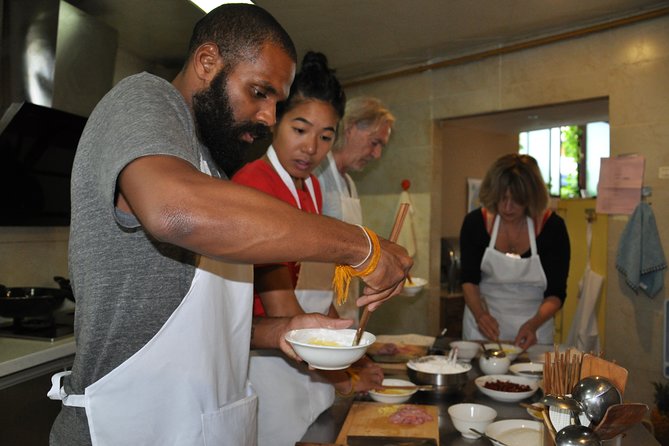
- A very small class: The maximum is five people, and solo bookings or pairs may receive nearly private instruction.
- Hotel pickup and dinner are included: The class begins at the advertised 4:00 pm start time, with transport back to your hotel afterward.
- Recipes go home with you: The English recipe cards make this more useful than a meal that disappears as soon as you leave.
- English ability varies: Some sessions have a strong English-speaking chef or translator, while others rely on simple cooking terms and demonstration.
- Dish substitutions may be possible: Ask in the Special Requirements box when booking, but the chef cannot guarantee a requested dish.
What the four-hour Chengdu class is really like
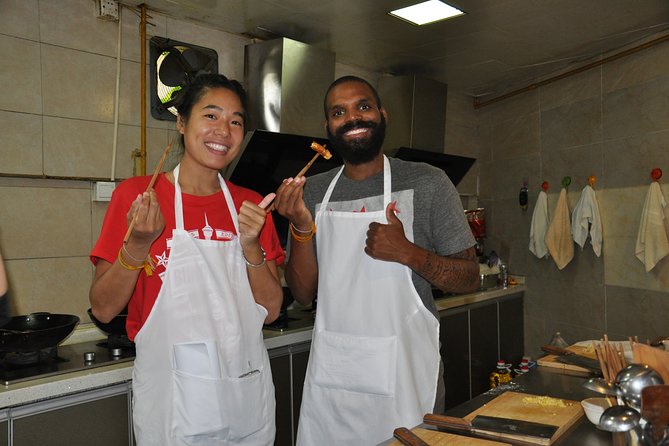
Your afternoon begins with pickup from your Chengdu hotel. You then travel to the cooking school, which may be in a small guesthouse, family-run cafe, hostel kitchen, or, for a very small session, the chef’s home. The exact setting can vary, but the accounts describe simple, clean kitchens rather than polished culinary studios.
That setting is part of the appeal. You are not being placed in a staged restaurant kitchen built for tourists. You may instead cook in the sort of compact space where everyday meals are prepared. The tradeoff is that a small kitchen can feel crowded if all five places are filled, and the surroundings are functional rather than fancy.
After putting on a chef’s hat, you begin with an explanation of Sichuan flavors and cooking methods. The planned menu focuses on four familiar dishes. Kung Pao chicken brings together meat, peanuts, chilies, and a sweet-sour-spicy sauce. Sweet and sour pork here is described as less sugary than the version often served outside China. Sichuan-style eggplant adds a soft texture and a stronger seasoning profile, while steamed dumplings give you a chance to work with dough and folding.
The class is not only about following a recipe. You will see how ingredients are prepared, how sauces are combined, and how cooking order matters. Several sessions moved from easier dishes to more difficult work, finishing with dumpling folding. That progression suits beginners because you can gain confidence before tackling the fiddly part.
More Cooking Classes in Chengdu
- Half-Day Chengdu Cooking Class with a Local Market Visit
★ 5.0 · 465 reviews - Chengdu: Cooking Class with Fresh Market Half Day Experience
★ 5.0 · 42 reviews - Half-Day steamed Buns Cooking Class with a Local Market Visit
★ 5.0 · 26 reviews
The dishes: familiar names, local character
Kung Pao chicken is the obvious starting point for many people. You may already know the restaurant version, but making it yourself lets you see how the sauce, heat, and texture come together. It is also a useful dish to learn at home because the finished meal is quick to serve and easy to share.
The sweet and sour pork can be a pleasant surprise. One session produced a version described as savory and balanced rather than syrupy. That distinction matters. If your idea of sweet and sour pork is a sticky orange coating, this class may show you a more restrained home-cooking style.
The eggplant dish, often described as fish-flavored eggplant, does not necessarily contain fish. The name refers to the flavoring style, not the main ingredient. This is a good example of why a local cooking class can add context that a menu translation cannot.
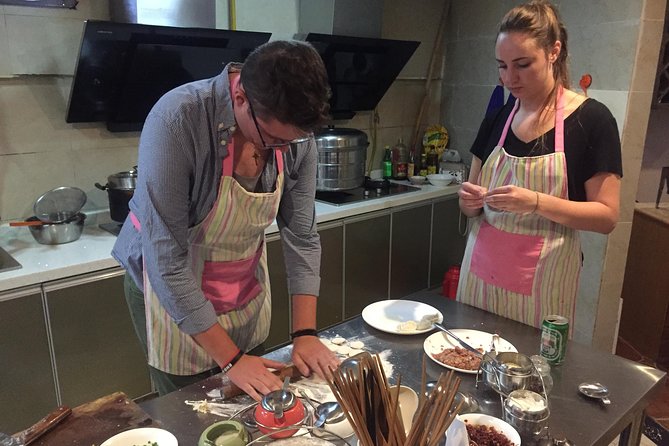
Dumplings are the most interactive part of the menu. You will likely help prepare or fill them, then learn how to fold them. A chef who is skilled at this can make the process look easy, so do not be surprised if your first few dumplings look more like small parcels than neat restaurant pieces. That is part of the fun.
The menu is not fixed in every account. Other sessions included mapo tofu, twice-cooked pork, dandan noodles, pork ribs with potatoes, bean curd in XO sauce, and shrimp or pork dumplings. If you have already learned Kung Pao chicken, you can ask to replace it with another dish. Make the request when booking, and keep your expectations flexible because substitutions are not guaranteed.
Spice, technique, and how much explanation you receive
Sichuan food is known for layered seasoning, not just raw heat. The class is intended to introduce Sichuan spices and the balance of flavors behind local cooking. You should expect the chef to explain ingredients and demonstrate the process, but the amount of spoken detail depends heavily on the language match.
This is the biggest variable in the experience. Some sessions had a chef with very good English. Others had a chef who spoke only a few words, with a helper translating. In one especially simple arrangement, the chef spoke almost no English, yet the class still worked because she demonstrated each step and used the necessary cooking terms.
I would not book this if you need a long lecture on the history of each spice or a detailed technical discussion of flavor theory. You may receive that level of explanation, but it is not assured. I would book it if you learn best by watching, copying, tasting, and asking short questions.
The small group helps here. With no more than five people, the chef can watch your knife work, sauce mixing, and dumpling folding. Solo participants have sometimes received a private lesson, while pairs have had the kitchen to themselves. That kind of attention is a major reason the price can make sense.
The cooking school setting and the value of a small group
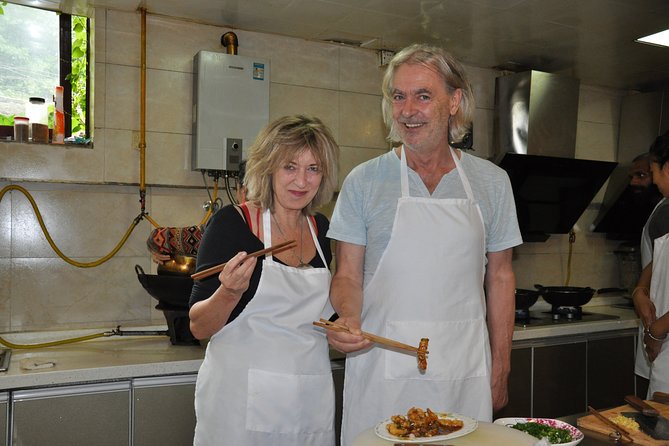
The location is described as an established cooking school, but the actual class may take place in a hostel kitchen, cafe kitchen, guesthouse, or family home. These details matter because you should picture a local working kitchen, not a large professional classroom with individual stations.
A small space has advantages. You are close to the chef, can see demonstrations clearly, and get more direct help. You also spend less time waiting for a large group to catch up. The class feels social without becoming a crowd, and there is time to chat with other food lovers while the dishes are finished.
There are limits. If you prefer a broad market tour, a formal classroom, or a polished culinary venue, this may feel basic. A market visit has occurred in at least one arrangement, but it is not part of the standard description, so do not book expecting a market stop.
The class can also be adapted to the size of the booking. One person may find the attention generous. A couple may have a quiet, personal lesson. A full group of five should still benefit from the limit, but the space may feel tighter and the course can take longer depending on participation.
More Workshops in Chengdu
- Private Panda Tour with Cooking Class One-day Trip
★ 5.0 · 11 reviews - Half-day Dandan Noodles Cooking Class with a Local Market Visit
★ 5.0 · 8 reviews - Half day Chengdu Dumpling Class: Make from Scratch
★ 5.0 · 8 reviews - Half-Day Private Hot-Pot Cooking Class with a Local Market Visit
★ 5.0 · 3 reviews
Eating dinner at the end, and sometimes along the way
The final meal is included, and you eat the food you helped prepare. That makes the class more satisfying than a lesson where the dishes are packed away for someone else. You can taste the result while the method is still fresh in your mind.
Some cooking courses serve each dish as it is completed. If your session follows that pattern, pace yourself. Four dishes can become a substantial meal, especially when dumplings, noodles, meat, and rice or other accompaniments are involved. The meal is also a relaxed time to talk with the chef and the other participants.
Do not expect restaurant presentation. The value is in the cooking and the shared meal, not in a parade of perfect plates. You may find that your own imperfect dumplings taste just as good as the neat ones made by the chef.
The food received some of the strongest praise, with several people finding it good enough to recreate soon after returning home. That is a meaningful test. A recipe that works in your own kitchen gives this four-hour activity a longer life than a standard dinner out.
Pickup, timing, and the practical details
The advertised start time is 4:00 pm, and the experience lasts about four hours. That makes it a useful afternoon and evening plan. You can spend the earlier part of the day visiting Chengdu sights, then finish with a meal you helped prepare.
Hotel pickup and drop-off are included. One session used a private van, while another involved a taxi driver who arrived on time but spoke little English. This means the transport itself may be efficient without being a guided sightseeing ride. Have the destination and booking details ready on your phone in case you need to confirm where you are going.
The class is near public transportation, which gives you another option if you prefer to make your own way. Still, pickup is useful in Chengdu, especially if you are unfamiliar with the neighborhood or cannot easily explain the cooking school’s location.
The course duration can change depending on how many people attend. A solo class may move quickly or become more detailed. A fuller group may need more time for each person to repeat the chef’s steps. Plan a little flexibility around the four-hour estimate rather than scheduling a tight evening reservation immediately afterward.
The experience is often booked about a month ahead, with an average lead time of 31 days. That is worth noting if your Chengdu dates are fixed. Free cancellation is available up to 24 hours before the start time for a full refund. Changes or cancellations inside that window are not accepted for a refund.
Is $83.99 a fair price?
At $83.99 per person, this is a premium cooking activity rather than a cheap meal. You are paying for the chef, transport, the class itself, dinner, a small group, and recipes to take home. If you receive a private or near-private lesson, the value improves considerably.
The price feels less convincing if your main goal is simply to eat Sichuan food. Chengdu has plenty of restaurants, and a class requires four hours when a meal takes much less time. It also may not satisfy you if you want advanced culinary training or a fully bilingual instructor.
I see the strongest value for people who want three things at once: personal attention, a local setting, and recipes they can use later. The chance to request a different dish also adds value, even though the chef may not be able to arrange it. Families with older children and couples who like to cook are especially well suited.
The small maximum is important. A five-person limit is far more useful than a vague promise of a small group, and solo bookings have sometimes turned into private instruction. That can make the cost reasonable for a special food activity in Chengdu.
Who should book this Sichuan cooking experience?
I would choose this class if you enjoy eating but also want to understand how a dish is made. It is friendly to beginners, and the instructions have been easy enough for some participants to feel confident cooking the dishes at home.
It also suits families. A parent and teenage children can share the work without needing advanced skills, and dumpling folding gives younger cooks something tactile to do. Couples can expect a relaxed activity with a meal at the end rather than a formal lesson.
You should think twice if English explanation is essential. The chef may speak very good English, limited English, or almost none. Demonstration and translation can carry the class, but the experience will be less satisfying if you want detailed conversation about ingredients.
I would also skip it if you dislike basic kitchens or need guaranteed menu control. The venue and menu can vary, and substitutions are requests rather than promises.
My verdict: a practical choice for food-focused Chengdu visits
I like this experience because it turns Sichuan food from something you order into something you understand. The best parts are the small class, the hands-on dumpling work, the tasty meal, and the recipe cards that let you repeat the experience at home.
The weaknesses are clear: the venue can be plain, English support is inconsistent, and $83.99 is a lot if you only want dinner. Still, for a first visit to Chengdu, this is a friendly and useful introduction to local cooking.
Book it if you value personal attention and want to cook four dishes with a local chef. Ask for any menu substitution at the time of booking, confirm the pickup details, and allow extra time beyond the four-hour estimate. If you prefer a polished cooking studio or detailed culinary theory, choose another class.
FAQ
What time does the Sichuan cooking class start?
The advertised start time is 4:00 pm. The class lasts approximately four hours, although the duration can depend on the number of participants.
How many people can join the class?
The maximum group size is five travelers. Some bookings may have only one or two participants, which can provide a more private lesson.
Is hotel pickup included?
Yes. Hotel pickup and drop-off are included, and the experience also offers a mobile ticket.
What dishes will I cook?
The planned dishes include Kung Pao chicken, sweet and sour pork, fish-flavored eggplant, and steamed dumplings. The menu can vary, and other sessions have included dishes such as mapo tofu, twice-cooked pork, dandan noodles, pork ribs with potatoes, and bean curd in XO sauce.
Can I request a different Sichuan dish?
Yes. You can request a dish not on the regular menu in the Special Requirements box when booking. The chef will try to accommodate the request, but it cannot be guaranteed.
Can I cancel for a full refund?
Yes. You can cancel at least 24 hours before the experience start time for a full refund. Cancellations or changes made less than 24 hours before the start time are not accepted for a refund.
Just added in Chengdu
- Visiting Chengdu Panda Base in a Half Day★ 5.0 · 4 reviews
- Classsic sichuan Opera at sichuan Provincial Theater★ 5.0 · 4 reviews
- Tea Village in lost Town and Buddha 1 day tour★ 5.0 · 32 reviews
- Panda, Leshan, and Emei Mountain 2-day tour★ 5.0 · 4 reviews
- Sichuan Opera with face-changing at Sichuan opera theater★ 4.5 · 6 reviews
- Sichuan Opera Show with Hotel Pickup★ 5.0 · 3 reviews
- Mini Group: Half-Day Chengdu Pandas Guided Tour★ 5.0 · 3 reviews
- Skip the Line: Sichuan Opera Chengdu Ticket★ 4.0 · 8 reviews
Cooking Classes, compared.
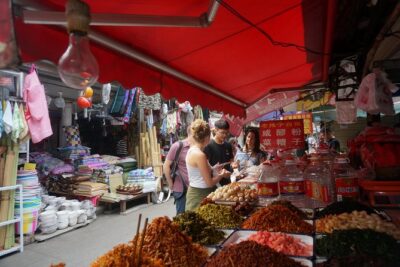
Half-Day Chengdu Cooking Class with a Local Market Visit
Read our review →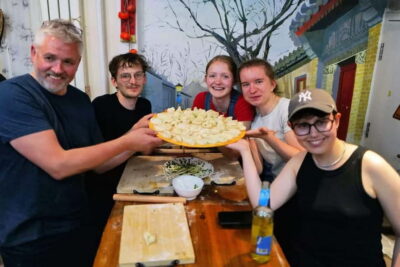
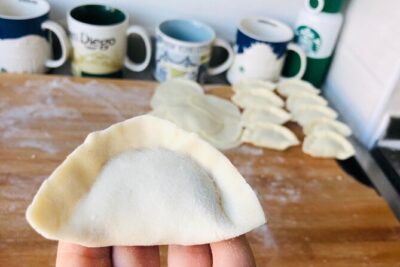
Online Cooking Class Beijing Dumplings and Cuisine by Sunflowerli Renowned Chef
Read our review →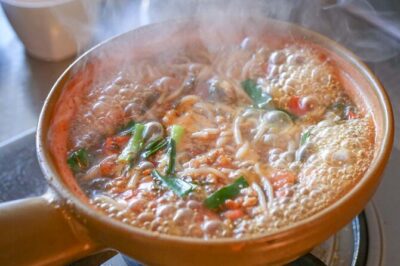
Lijiang Naxi Cuisine Cooking Class & Market Visit
Read our review →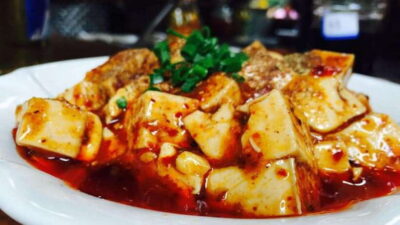
Cooking Class with Fresh Market Half Day Experience
Read our review →Private Cooking Class: Make Your Own Dim Sum In Shanghai
Read our review →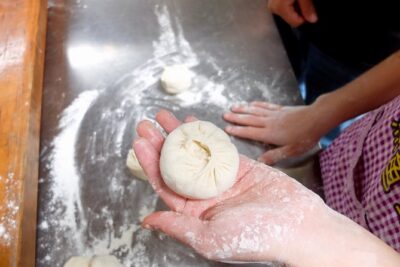
Half-Day steamed Buns Cooking Class with a Local Market Visit
Read our review →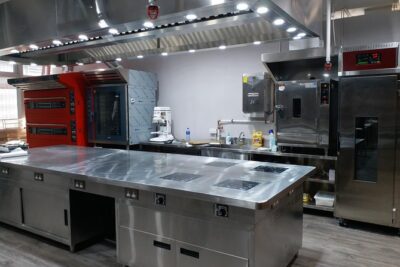
Hong Kong Market Walking Tour & Chinese Cooking Class
Read our review →Where else this tour turns up