
Reviewed · 1-DAY TOURS
Tea Village in lost Town and Buddha 1 day tour
See Sichuan beyond Chengdu’s city streets. This full-day outing pairs the Leshan Giant Buddha with tea fields, an old town, local food, and a hands-on look at tea making. I like the boat ride for its wide view of the statue, and I like the tea visit because it brings you into a working local setting rather than a polished shop. The main drawback is the long road time, roughly four hours in total.
The day also depends heavily on your guide. Patrick receives especially warm praise for clear English and strong explanations, while Sheldon is noted for his close connection to the tea-growing area. At $169.24 per person, the price is fair if you value private transport, a guide, the boat ticket, lunch, and access to village life, but it is not the cheapest way to see Leshan.
In This Review
- Key points at a glance
- Why this Chengdu day trip works
- The 8:00 a.m. departure and road to Leshan
- Seeing the Leshan Giant Buddha from the river
- Leshan’s old town and its old-style workshops
- Lunch with local food, not just a restaurant stop
- Jiajiang Tianfu Tea Plantation and the hands-on part
- What the guide adds to the day
- Price, group size, and what you receive
- Who should book this tour?
- Should you book the Leshan and tea village day?
- FAQ
- How long is the tour?
- Is hotel pickup included?
- How do you see the Leshan Giant Buddha?
- Is admission to the Buddha included?
- What happens at the tea plantation?
- Is lunch included?
- How many people can join the tour?
- Can I cancel for a full refund?
Key points at a glance
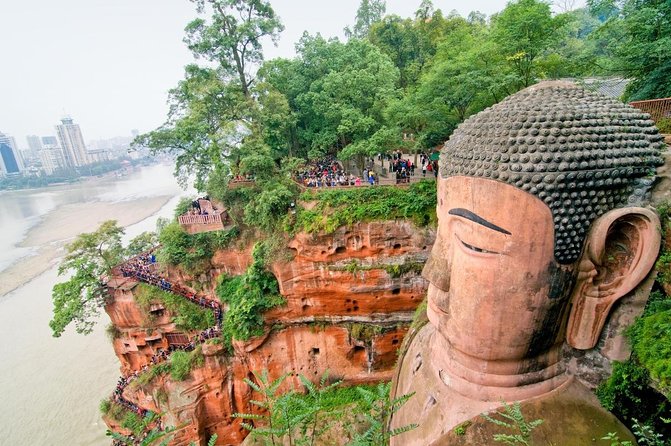
- The Leshan Buddha looks best from the water: The short boat trip gives you the full scale of the 1,400-year-old cliff carving.
- Tea picking is hands-on: You can walk through the plantation, pick leaves, and see how tea is dried and prepared.
- The old town feels local: Workshops, an old tea house, courtyards, and small food stops replace the usual sightseeing circuit.
- The guide matters: Patrick and Sheldon are praised for strong English, local knowledge, and personal care.
- The day is road-heavy: Expect about two hours each way between Chengdu and the Leshan area.
- The group can reach 15 people: The tour includes a comfortable vehicle and personalized guiding, but confirm the group setup if you want a fully private day.
Why this Chengdu day trip works
Leshan is one of Sichuan’s big sights, but the Buddha alone can make for a rather narrow day. This tour adds a second subject, tea, and that changes the rhythm. You begin with a major monument, then move into an old town and a tea-growing community where the focus is daily life.
That contrast is the best reason to book. The Buddha gives you scale and drama. The tea village gives you contact with people, food, farming, and craft. You are not simply looking at another famous site, then returning to the car.
The tradeoff is time. Pickup is at 8:00 a.m., and the drive to the Leshan area takes about two hours. The return drive from roughly 4:00 to 6:00 p.m. adds another two hours. You get a full day out, but a good part of it passes on the road.
The operator supplies an air-conditioned car or van, an English-speaking local guide, and the boat trip. Most people can take part, and the maximum group size is 15. The format is described as a personalized guide-and-vehicle tour, so it is sensible to confirm the exact group arrangement when booking if that detail matters to you.
A few more to weigh up in Chengdu
- Chengdu: Giant Panda Breeding Research Base Ticket
★ 4.5 · 580 reviews - Half-Day Chengdu Cooking Class with a Local Market Visit
★ 5.0 · 465 reviews - Tuktuk Food Tour Through Chengdu’s Local Eats
★ 5.0 · 435 reviews
The 8:00 a.m. departure and road to Leshan
The early pickup is practical. It gives you enough time to reach the Buddha, explore the nearby area, visit the old town, and continue to the tea plantation before heading back to Chengdu.
The countryside drive is part of the day, though not an attraction in itself. You might enjoy watching the city give way to rural Sichuan, but anyone hoping for a short excursion should take the timing seriously. This is a nine-hour outing, and the schedule has little spare room.
A comfortable vehicle helps. Air conditioning matters in Sichuan, especially during warmer months, and having transport arranged saves you from working out the route between Chengdu, Leshan, the old town, and Jiajiang. The guide can also give context during the journey instead of leaving you to manage the day yourself.
Seeing the Leshan Giant Buddha from the river
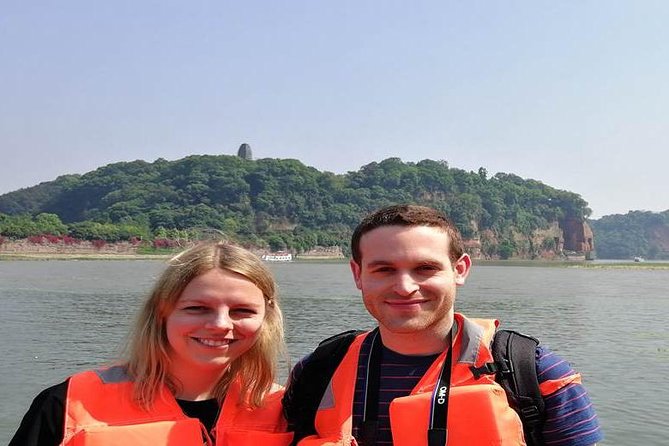
The first major stop is the Leshan Giant Buddha, a monumental carving cut into the cliff beside the meeting waters of three rivers. The statue is about 1,400 years old, and its size is hard to understand from photographs alone.
The boat trip, scheduled around 10:10 to 10:50, is the smart choice for a first look. From the water, you can see the seated Buddha’s full form and the cliff face around it. The distance gives the statue room to register as a whole, rather than forcing you to focus on one section at a time.
The boat ride is short and easy. It is also a good option if you do not want a more demanding visit on foot. You get a broad view and a strong sense of scale without spending the whole stop on stairs and walkways.
There is a limitation. A boat view does not give you the closest look at the carving. If your main aim is to study the Buddha’s face, feet, and cliffside details up close, a hike would be better. This tour gives priority to the river viewpoint, so you should not book it expecting an extended walking visit around every part of the monument.
After the boat, there is time to look around Leshan before the drive to the old town. Your guide explains the statue, its place in Chinese history, and the surrounding area. Patrick is praised for clear English and for explaining historical sites without making the visit feel like a lecture.
Leshan’s old town and its old-style workshops
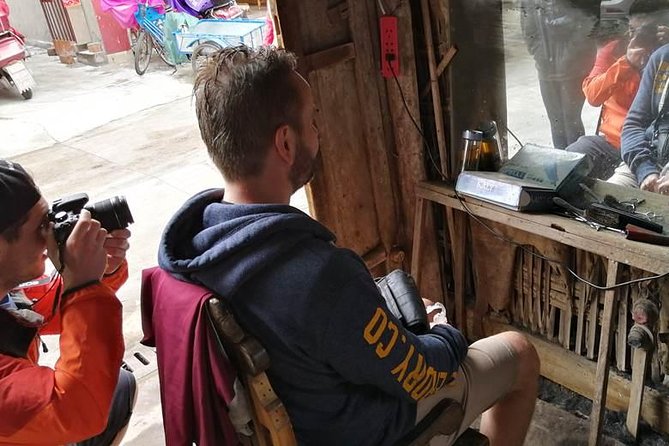
The next stop shifts from monumental sculpture to ordinary local life. The old town is described as roughly 1,400 years old, with workshops, older buildings, small food stops, and traditional tea drinking.
This is where the tour earns its cultural angle. Instead of spending the whole day at a major attraction, you get a chance to see how an older community presents its crafts and food. The visit can include old handcraft shops, a courtyard home, and a small local snack tour.
The old tea house is one of the more unusual details. It is described as a Qing Dynasty tea house, more than 600 years old. The exact age claim is part of the experience, but the useful point for you is that tea is treated as a social habit here, not only as a product to buy.
You may also have time to sit, sip tea, and watch local activity. This stop is less about ticking off a single sight and more about slowing down. If you prefer grand monuments and tightly packed highlights, the town may feel unstructured. If you like old workshops, food, and everyday customs, it adds welcome texture.
The town visit is listed at about two hours, followed by lunch and the tea portion of the day. The food is local, and the schedule can include a meal with a tea farmer and his wife. That setting is a useful part of the visit because it connects the tea in your cup with the people who grow and prepare it.
A completely different sort of day out:
- Private Half-Day Chengdu Panda Breeding Center Tour with Optional Volunteer
★ 5.0 · 353 reviews - Chengdu: Sichuan Opera Shu Feng Yan Yun Evening Show Ticket
★ 4.7 · 185 reviews - Private Chengdu Day Tour: Giant Pandas and Jinsha Site Museum
★ 5.0 · 142 reviews - Visiting Dujiangyan Yaan Wolong Panda Base Optional Volunteering
★ 5.0 · 105 reviews
Lunch with local food, not just a restaurant stop
Lunch is included, and the emphasis is on local dishes rather than a standard meal in a tourist restaurant. The exact menu is not specified, so you should not expect a fixed list of dishes.
The value here is the setting. Eating in connection with the tea community gives you a better sense of how the day fits together. You visit the fields, meet people involved in tea, and then eat food from the same local area.
A small snack walk in the old town adds another food layer. It is not presented as a full food tour, but it lets you sample local bites while moving through the older streets. If you have dietary restrictions, ask the operator in advance because no special meal arrangements are stated.
Jiajiang Tianfu Tea Plantation and the hands-on part
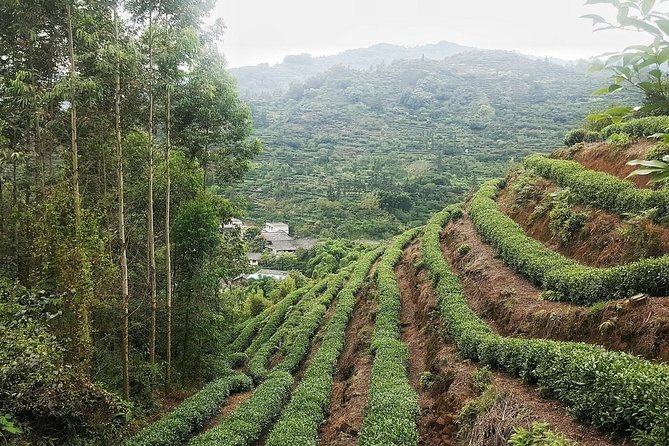
After the old town, the vehicle heads into the tea-growing hills around Jiajiang. Tianfu Tea Plantation is described as the site of the largest tea market in southwest China, and the visit focuses on the farming side of the business.
A local tea farmer leads you into the garden. You can learn how leaves are picked, walk among the plants, and try harvesting tea yourself. This is a stronger experience than simply watching a demonstration because it shows the pace and care required to collect the leaves.
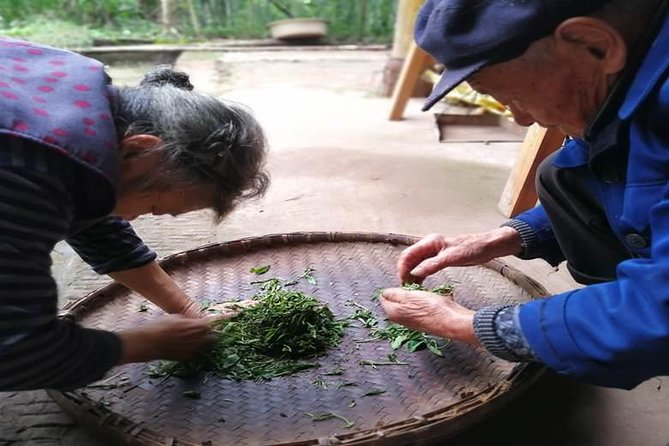
The visit continues at the farmer’s home, where you can learn about tea making. The process includes drying and preparing the leaves, and you can see how freshly picked tea changes before it reaches the cup.
Tea tasting follows. You sample different regional teas and compare them in a setting tied directly to production. I like this part because it gives purpose to the tasting. You are not only being handed several cups and told which one to prefer. You have already seen the plants, handled the leaves, and heard about the work behind them.
The weather can affect this stop. One wet-day visit still included harvesting and tea preparation, but rain may make the plantation walk less comfortable. Wear shoes that can handle damp ground, although the tour information does not give a specific clothing requirement.
The tea stop is listed at about two hours. That is enough for a real introduction, but not enough for a full agricultural course. You will learn the basic process and take part in simple activities rather than spend a full day studying tea production.
What the guide adds to the day
This tour is not built around audio devices or a fixed script. Your guide helps connect the places, and that makes the quality of the day depend on the person leading it.
Patrick is praised for very good English, clear explanations, and a friendly approach. He is specifically associated with explanations of the Buddha, Chinese history, and local customs. Sheldon is described as being from the area and having studied tourism, with a close understanding of the tea economy and local culture.
Those details matter because the tea stop could otherwise become a basic farm visit. A good guide can explain why tea is important in the region, how picking and preparation work, and how the old town fits into local life. The guide can also make the boat ride and Buddha visit more meaningful by explaining what you are seeing.
The driver is also part of the positive picture. The service includes a comfortable car or van, and the guide and driver are praised as caring hosts. Still, you should remember that this is a long day with several transfers. Even a good vehicle cannot remove all the road time.
Price, group size, and what you receive
At $169.24 per person, this tour asks more than a simple Buddha transfer. You are paying for transportation from Chengdu, an English-speaking guide, the Buddha boat, tea plantation access, tea activities, tasting, and lunch.
The strongest value comes from the combination. Booking separate transport, a guide, a boat ticket, and a rural tea visit could be difficult, especially if you do not speak Chinese. The old town and farmer visit also offer access that may not be easy to arrange independently.
The price is less attractive if you only want to see the Buddha. For that goal, a shorter trip may suit you better. You are paying a premium for the local food, tea farming, and personal guiding, so book this only if those parts interest you.
The group limit is 15 people. That is small enough to remain manageable, but it is not the same as traveling alone. The tour description also presents the vehicle and guide as private and personalized. Ask for clarification about whether your departure is fully private or simply capped at 15 people.
Free cancellation is available if you cancel at least 24 hours before the start time. Changes or cancellations inside that window are not accepted for a refund.
Who should book this tour?
I would recommend it to you if you want a full Sichuan day that mixes a famous sight with local contact. It suits people who enjoy food, tea, craft workshops, and conversation as much as they enjoy taking photographs.
It is also a good fit if you want someone else to handle the long transfers. Families, first-time visitors to China, and people who prefer a guide’s explanation at major sites may find the arrangement useful.
You should think twice if you dislike long drives, want a slow visit at the Buddha, or prefer to choose your own restaurants and departure times. The schedule is full, and the boat viewpoint does not replace a close walking visit.
Should you book the Leshan and tea village day?
Book it if you want more than a monument. The Buddha boat gives you the big visual moment, while the old town and tea plantation provide the human side of the day. The tea picking, preparation, tasting, and farmer visit are the most distinctive parts.
Skip it if your priority is an in-depth walk around Leshan or a short, low-cost outing. For everyone else, the tour offers good value at $169.24 because it joins transport, guiding, food, and several hard-to-arrange local activities in one day. Before paying, confirm the group size and ask about the exact lunch and private-tour setup.
FAQ
How long is the tour?
The tour lasts approximately nine hours. Pickup is scheduled for 8:00 a.m., with the return journey to Chengdu listed from 4:00 to 6:00 p.m.
Is hotel pickup included?
Yes. Pickup from your hotel is offered, with collection scheduled at 8:00 a.m.
How do you see the Leshan Giant Buddha?
The tour includes a boat trip, scheduled from about 10:10 to 10:50. The boat gives you a broad view of the statue from the water.
Is admission to the Buddha included?
The boat admission is included. The supplied information does not specify a separate walking admission arrangement.
What happens at the tea plantation?
You visit Jiajiang Tianfu Tea Plantation, walk through the tea garden, learn how to pick leaves, visit a tea farmer’s home, and see how tea is made, dried, and prepared.
Is lunch included?
Yes. The tour includes lunch featuring local food. The exact menu is not specified.
How many people can join the tour?
The maximum group size is 15 people. The tour also includes a guide and vehicle described as personalized and private, so confirm the exact arrangement when booking.
Can I cancel for a full refund?
Yes, if you cancel at least 24 hours before the experience starts. Cancellations or changes made less than 24 hours before the start time are not refunded.
Just added in Chengdu
- Visiting Chengdu Panda Base in a Half Day★ 5.0 · 4 reviews
- Classsic sichuan Opera at sichuan Provincial Theater★ 5.0 · 4 reviews
- Panda, Leshan, and Emei Mountain 2-day tour★ 5.0 · 4 reviews
- Sichuan Opera with face-changing at Sichuan opera theater★ 4.5 · 6 reviews
- Sichuan Opera Show with Hotel Pickup★ 5.0 · 3 reviews
- Mini Group: Half-Day Chengdu Pandas Guided Tour★ 5.0 · 3 reviews
- Sanxingdui Ruins and Giant Pandas Private Day Tour from Chengdu★ 5.0 · 5 reviews
- Shu Feng Ya Yun Sichuan Opera Ticket★ 5.0 · 13 reviews
1-Day Tours, compared.
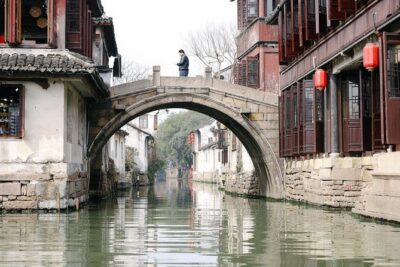
Suzhou and Zhouzhuang Water Village Day Trip from Shanghai
Read our review →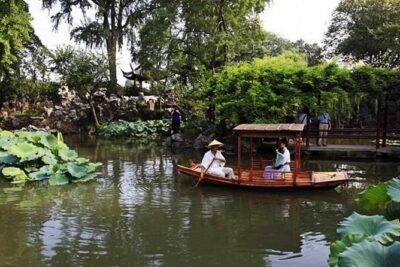
Suzhou Private Day Trip from Shanghai with Bullet Train Option
Read our review →
Private Suzhou Day Trip from Shanghai by Bullet Train with All Inclusive Option
Read our review →
Mutianyu Great Wall and Summer Palace Private Day Trip with Lunch
Read our review →
Shanghai One Day City Private Tour by German-Speaking Guide
Read our review →
1 Day Li River Cruise from Guilin to Yangshuo with Private Guide & Driver
Read our review →Where else this tour turns up