
Reviewed · TEA CEREMONY EXPERIENCES
3-hour Morning/Afternoon Tea Tasting on Maliandao Street & Dimsum
Tea and dim sum make a fine Beijing pairing. This three-hour outing takes you to Maliandao Tea Street for a guided tasting of eight teas, followed by a dim sum meal with dishes such as soup buns, shrimp ravioli, and chicken feet. I like the local food focus and the chance to compare green, oolong, black, puer, and white teas in one outing. I also like that the tour uses the subway as its meeting point, making it easier to reach without arranging a private car.
The main consideration is the price: $99 per person is fair only if you value the guide, ceremony, meal, and tea-market access as one package. The meeting-point details also need care, since the information gives both Exit C and Exit D at Wanzi Station. Confirm the exact exit before you go.
In This Review
- Key points at a glance
- Why Maliandao makes a good tea stop
- Eight teas and a traditional ceremony
- The two tea-shop visits
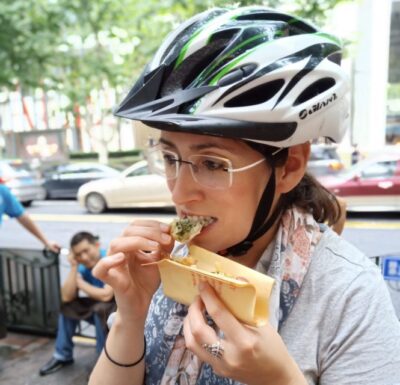
- Dim sum with soup buns, ravioli, and noodles
- How the three hours are likely to feel
- Meeting at Wanzi Station on Line 7
- Is $99 a good value?
- Who should book this Beijing food tour?
- Booking, timing, and cancellation advice
- Should you book the Maliandao tea and dim sum tour?
- FAQ
- How long does the tea and dim sum tour last?
- What start times are available?
- Where does the tour meet?
- How many teas are included?
- What food is included?
- Is a vegetarian meal available?
- What is the cancellation policy?
Key points at a glance
- Eight teas in one tasting: Compare green, oolong, black, puer, and white teas during a traditional tea ceremony.
- Maliandao is the main event: Walk through Beijing’s largest tea-trading street and visit two tea shops.
- Dim sum is included: Expect steamed soup buns, steamed vermicelli rolls, chicken feet, shrimp ravioli, spring rolls, and other dishes.
- Two start times: Choose a 10:00 a.m. morning tour or a 3:00 p.m. afternoon tour.
- Small-group format: The advertised maximum is 15 people, while the itinerary describes a group of eight or fewer.
- Easy subway access: Meet at Wanzi Station on Line 7, then return to the station at the end.
Why Maliandao makes a good tea stop
Maliandao Tea Street is not just a single shop with a few tins on display. It is Beijing’s largest tea-trading street and market, where tea is bought and sold on a much broader scale. That gives this tour a useful setting. You are not tasting tea in an isolated hotel lounge. You are seeing a district built around the drink.
The outing includes time to walk through the market and visit two different tea shops. Those shops are described as places connected with real tea farms, which matters if you want more than flavored water and a sales pitch. The guide can help you compare the teas and explain what you are drinking as you move from one shop to the next.
The market also brings a wider view of China’s tea trade. People from different parts of the world come there to buy and exchange tea, so the visit is partly a food experience and partly a look at a working commercial district. You should expect a market setting rather than a polished sightseeing attraction.
That distinction is important. If you want quiet architecture or a famous Beijing monument, this is not the right three hours. If you want a practical introduction to one of China’s everyday traditions, Maliandao gives the tea tasting a stronger sense of place.
More Food Tours in Beijing
- Beijing Hutong Walking Food and Beer Tour at Hidden Restaurants
★ 5.0 · 1,132 reviews - Beijing: Hidden Gems Guided Food Tour with Beer and Tastings
★ 4.9 · 306 reviews - Beijing Private Hutong Food Walking Tour
★ 5.0 · 299 reviews
Eight teas and a traditional ceremony
The tasting includes eight different kinds of tea. The listed range covers green, oolong, black, puer, and white tea, along with other varieties. That is enough variety to make the tasting worthwhile, especially if you are new to Chinese tea or usually order only one familiar style.
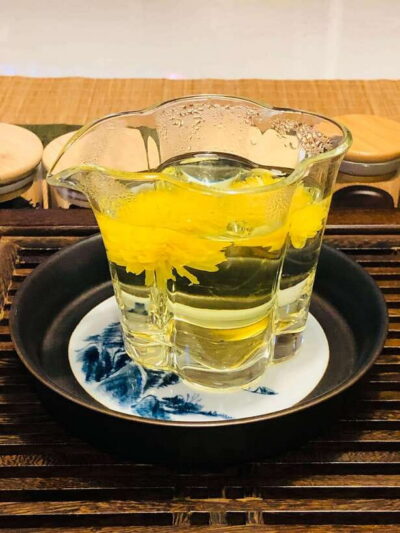
The tea ceremony is included in the tour, so you are not simply handed a cup and left to guess what to do. A guide leads the process and helps you pay attention to the differences among the teas. Those differences can include color, fragrance, strength, and the way the flavor changes as you drink.
The value here is comparison. One tea on its own can be difficult to judge. Eight teas tasted in the same session give you a useful reference point. You can begin to understand why some teas taste light and fresh, while others are darker, stronger, or more earthy.
Puer tea may appeal to you if you enjoy a deeper, more mature flavor. Green tea is often a gentler starting point, while oolong sits between lighter and darker styles. The experience is not presented as a formal lesson with a long academic program, so keep your expectations sensible. It is a guided introduction, not a professional tea course.
A possible drawback is that the tasting takes place in tea shops, where buying tea may be part of the atmosphere. The provided information does not say that you must purchase anything. You can enjoy the tasting and ask questions, but you should keep personal spending separate from the tour price.
The two tea-shop visits
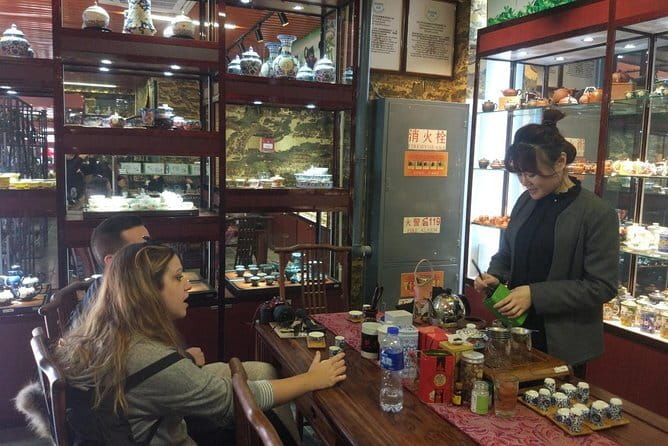
The itinerary includes two separate tea shops. This is a small but useful detail. Visiting two places gives you a better sense of Maliandao than remaining in one room for the entire tea portion.
You might notice differences in the kinds of tea displayed, the way the shops present their products, and the types of customers they serve. The guide’s role is especially useful here because tea markets can be confusing if you cannot read the signs or do not know how the teas are grouped.
The shops are said to work with genuine tea farms. That does not mean every tea will suit your taste or budget. It does mean the tour aims to connect the tasting with actual tea production rather than treating the ceremony as a stage show.
If you enjoy shopping, you may want extra time to look around. This tour has only about three hours, and the dim sum meal follows the tasting. You should see the shop visits as a guided introduction, not as a leisurely buying trip with unlimited time.
I would also ask the guide to repeat the names of the teas you like. Eight samples can blur together, especially if you are tasting quickly. A short note on your phone can help you remember which style you preferred after the meal.
Dim sum with soup buns, ravioli, and noodles
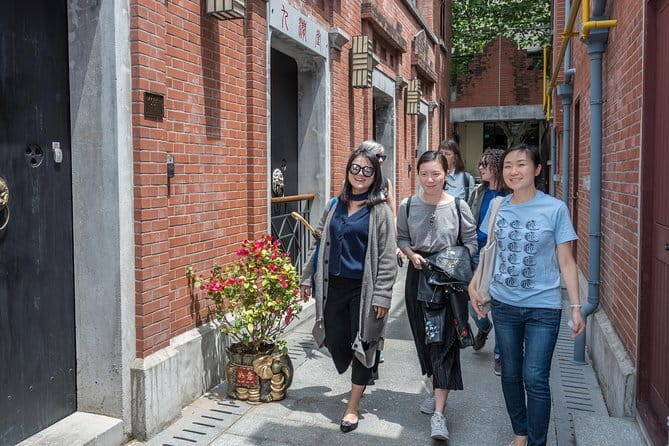
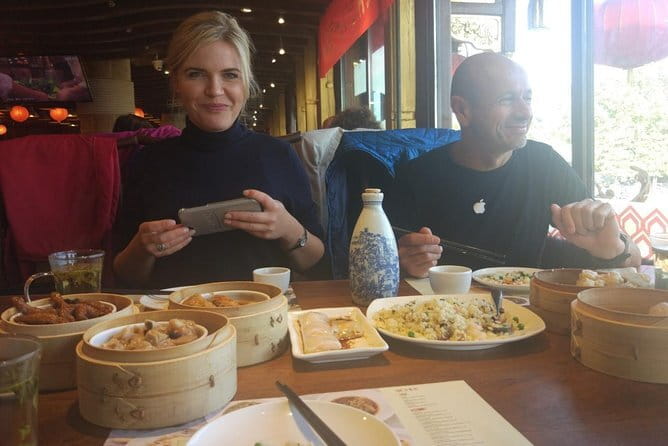
After the tea tasting, the group goes to a nearby tea restaurant for dim sum. The meal is included, which makes the $99 price easier to assess. You are not paying separately for a tasting and then discovering that lunch is another expense.
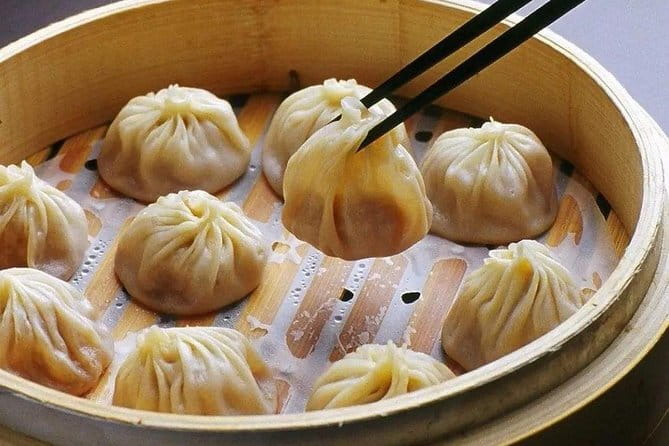
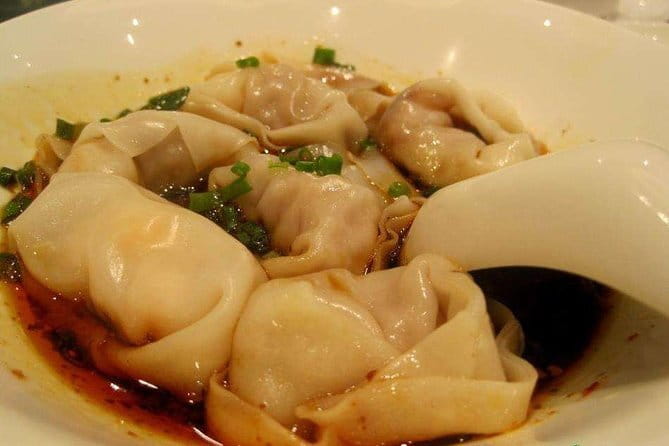
The listed dishes include steamed soup buns, steamed vermicelli rolls, chicken feet, shrimp ravioli, spring rolls, and more. A meal like this gives you a broad sample of dim sum rather than one plate of dumplings. You can try soft steamed dishes, filled wrappers, crisp spring rolls, and more distinctive items such as chicken feet.
A specific food highlight is the steamed soup bun. These buns are valued for the hot broth inside, so take care when you bite into one. The shrimp ravioli should offer a different texture and flavor, while steamed vermicelli rolls are softer and smoother. Chicken feet are included for those who want to try a classic dish that may be less familiar.
One strong account of the experience also praised pork dumplings and hand-pulled noodles. The exact menu can vary, so you should not treat those two items as guaranteed. Still, they show that the meal may include more than the core list of dim sum dishes.
This is not a private food tour with a menu designed around your personal preferences. You eat what is served as part of the group meal. That is part of the fun, but it may be less comfortable if you are a very cautious eater.
A vegetarian option is available if you request it at booking. Do not wait until the meal begins. The provider asks you to advise them when reserving, giving the restaurant a chance to prepare an appropriate meal.
More Tea Ceremonies in Beijing
- Traditional Chinese Tea Ceremony Experience
★ 4.7 · 74 reviews - Beijing Culture: Tea Ceremony, Heritage Instrument & Calligraphy
★ 5.0 · 57 reviews - Chinese Tea ceremony in Beijing Hutong courtyard
★ 4.7 · 26 reviews - Private Beijing Markets Tour with Tea Tasting at Hongqiao Pearl Market
★ 5.0 · 18 reviews
How the three hours are likely to feel
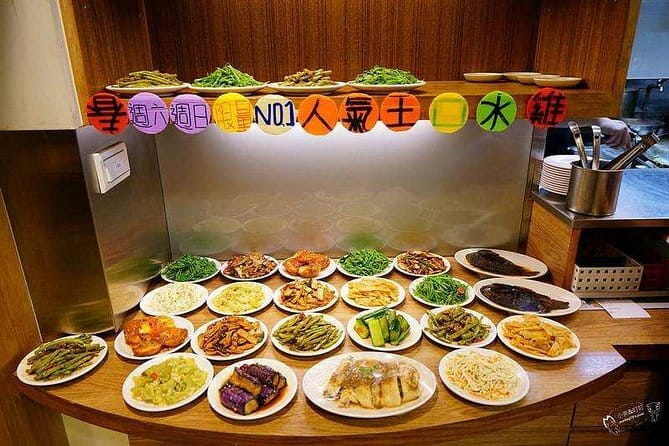
The tour offers a 10:00 a.m. start or a 3:00 p.m. start. The morning option leads naturally into a lunch-style meal. The afternoon option works better if you prefer a later meal or want to place the tour between other Beijing plans.
The schedule combines walking, sitting for tea, and eating. You begin at Wanzi Station, travel to Maliandao Tea Street with the guide, visit the tea market and two shops, take part in the ceremony, and then eat at the nearby restaurant. At the end, the guide returns you to the subway station or helps you find a taxi.
Three hours is enough for a focused introduction, but it is not a full-day market visit. Keep your schedule realistic. You will have time for the organized tea and food stops, yet you should not expect hours of independent shopping or a long wander through every part of Maliandao.
The small-group format should help. The tour is advertised for a maximum of 15 people, while the itinerary describes a group of eight or fewer. That difference is worth clarifying before booking. A group of eight would feel more personal, while 15 people could make conversation and tea demonstrations less intimate.
The guide can also help bridge small practical gaps, such as finding the correct subway route or arranging a taxi at the end. The description specifically praises Renny as warm, friendly, and helpful. If Renny leads your outing, you can expect a guide who adds a welcoming human touch to the food and tea stops.
Meeting at Wanzi Station on Line 7

The meeting point is designed to be simple: Wanzi Station on Beijing Subway Line 7. The tour information names Exit C in one place and Exit D in another. Because the two details do not match, confirm the correct exit with Lily’s Tour Company before the start time.
This is not a minor point if you are unfamiliar with Beijing’s subway system. Wanzi Station can be easy to reach by train, but finding a guide in a busy area is much easier when everyone has the same exit information.
The tour begins and ends at the meeting point. That is useful because you are not left at an unfamiliar restaurant or market after the meal. The guide can also help you get a taxi if you do not want to continue by subway.
Bring comfortable shoes. The tour includes strolling through the tea market, and the full activity lasts about three hours. You should also leave room in your schedule for the possibility that the meal or market visit runs a little longer than expected.
Is $99 a good value?

At $99 per person, this is not a bargain-priced snack walk. You are paying for a professional guide, a tea ceremony, eight tea tastings, a dim sum meal, local taxes, and help with transportation at the end. The group format also gives you access to a food and tea district that may be harder to understand on your own.
The price makes the most sense if you are interested in both tea and food. If you care only about dim sum, you could likely spend less at a restaurant. If you care only about buying tea, you may prefer to explore Maliandao independently. The package earns its price by combining the two and adding interpretation.
The included meal is another important value point. The food is not an optional extra, and the tour offers enough dishes to make it a proper lunch or dinner rather than a token tasting. A positive account of the outing described leaving both happy and full, which is a good sign for anyone worried that a tea-focused tour might not provide enough food.
Group discounts are available, although the supplied details do not state the exact discount. If you are booking for several people, check the final price before payment rather than assuming how the discount works.
Who should book this Beijing food tour?
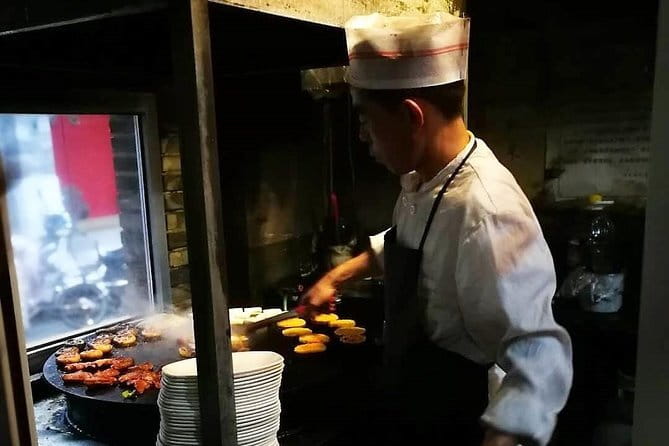
I would recommend this experience to first-time visitors who want a guided introduction to Chinese tea without spending an entire day in a classroom. It also suits people who enjoy trying several dishes at once and do not mind sharing a group meal.
Food-curious couples, small groups of friends, and visitors who like local markets should find a good fit here. The subway meeting point helps if you are comfortable using public transportation, and the guide’s assistance at the end is useful if you are still learning your way around Beijing.
You may want to skip it if your schedule is packed with major sights and you dislike fixed meal arrangements. It may also be a poor match if you need a fully private experience or want a long, unstructured shopping session in the tea market.
Children can join under the stated child-rate rule, but the child rate applies only when sharing with two paying adults. Most people can participate, and the tour is near public transportation. Vegetarian diners should request their option at booking.
Booking, timing, and cancellation advice
Confirmation is provided at the time of booking, and mobile tickets are accepted. The experience is offered in the morning and afternoon, so choose based on your meal plans and the rest of your Beijing day.
Free cancellation is available if you cancel at least 24 hours before the local start time. Cancellations or changes made within 24 hours are not accepted for a refund, so check the meeting details and dietary needs early.
The most important practical step is confirming the Wanzi Station exit. The information lists both Exit C and Exit D. I would also confirm the expected group size if a very small group is important to you, since the stated maximum is 15 while the itinerary describes eight or fewer.
Should you book the Maliandao tea and dim sum tour?
Book it if you want a guided, food-centered look at Beijing that joins tea culture with a substantial dim sum meal. The combination of eight teas, two tea shops, a ceremony, and dishes such as soup buns and shrimp ravioli gives you more variety than a standard restaurant visit.
Think twice if $99 feels high for a three-hour activity or if you prefer to choose every dish and tea yourself. For the right visitor, the price pays for context, translation, and a smoother introduction to Maliandao. Confirm the subway exit, request vegetarian food in advance if needed, and choose the start time that fits your appetite and schedule.
FAQ
How long does the tea and dim sum tour last?
The experience lasts approximately three hours.
What start times are available?
You can choose a 10:00 a.m. morning tour or a 3:00 p.m. afternoon tour.
Where does the tour meet?
The meeting point is Wanzi Subway Station on Line 7 in Beijing. The supplied information names both Exit C and Exit D, so confirm the correct exit with the tour company before you go.
How many teas are included?
The tour includes tastings of eight different kinds of tea.
What food is included?
The dim sum meal may include steamed soup buns, steamed vermicelli rolls, chicken feet, shrimp ravioli, spring rolls, and other dishes. Pork dumplings and hand-pulled noodles were also part of one reported meal, but the exact menu may vary.
Is a vegetarian meal available?
Yes. A vegetarian option is available, but you must request it when booking.
What is the cancellation policy?
You can cancel for a full refund if you do so at least 24 hours before the experience start time. Cancellations or changes made less than 24 hours before the start are not accepted for a refund.
Just added in Beijing
- Private Transfer to Mutianyu Great Wall with professional driver★ 5.0 · 19 reviews
- One day tour to downtown Tianjin from Beijing by high speed train★ 5.0 · 3 reviews
- ZANBUS: Trip to the Jinshanling Great Wall Departing at 7:30 AM★ 5.0 · 5 reviews
- camp on the Great Wall overnight with sunrise and sunset on the wall★ 5.0 · 11 reviews
- Yuxiandu Chinese Royal Cuisine Museum with Show and Royal Banquet★ 5.0 · 4 reviews
- Wild Great Wall Hikes★ 5.0 · 10 reviews
- BusDa:Ancient Great Wall &Badaling Great Wall Full-day Bus Tour★ 4.5 · 6 reviews
- Wild Great Wall Huanghuacheng Half Day Tour★ 5.0 · 15 reviews
Tea Ceremony Experiences, compared.
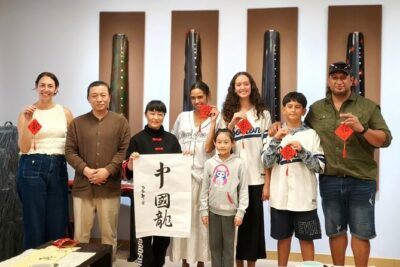
Beijing Culture: Tea Ceremony, Heritage Instrument & Calligraphy
Read our review →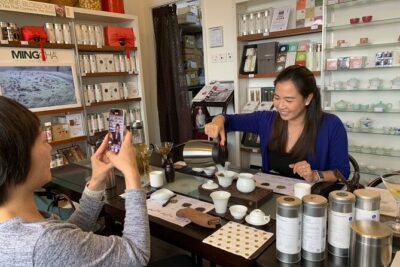
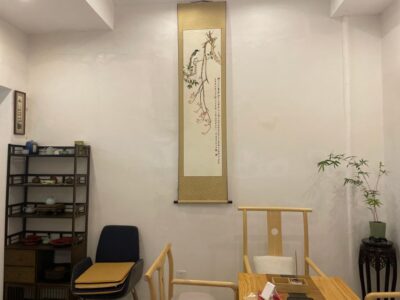
Chinese Tea ceremony in Beijing Hutong courtyard
Read our review →
Half-Day Hangzhou Yunxi Bamboo Forest and Tea Plantation Experience
Read our review →
Leshan Buddha + Panda Base or Old Tea House Private Day Tour
Read our review →
Private Beijing Markets Tour with Tea Tasting at Hongqiao Pearl Market
Read our review →Where else this tour turns up