
Reviewed · COOKING CLASSES
Wok ‘n’ Roll: Chinese Cooking Class with Local Master Chef
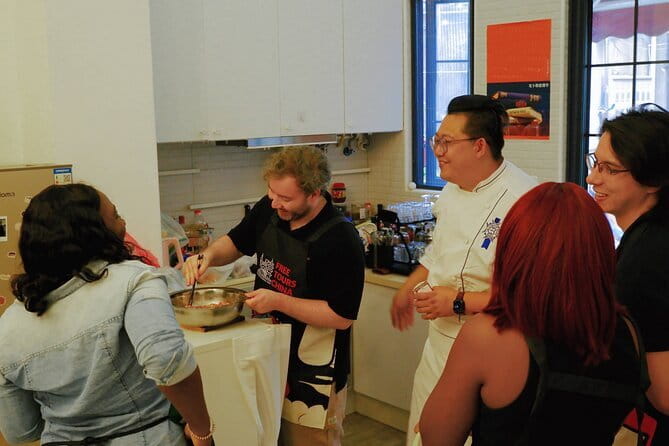
Great food starts before the first bite. This Shanghai cooking class pairs a local wet-market visit with hands-on dumpling making, wok cooking, tea tasting, and a shared meal. I like the market stop because it gives you useful context for the ingredients, and I like that chef Li teaches rather than simply cooking in front of you. The main consideration is the price: at $239 per group of up to two, it is a significant cost for an afternoon activity.
The class lasts about three and a half hours and returns to its meeting point on Da Gu Lu near People’s Square. It suits couples especially well, though families and people with vegetarian, vegan, or gluten-free diets can also be accommodated if you give clear details when booking.
In This Review
- Key points at a glance
- Why this Shanghai cooking class feels different
- Starting at Da Gu Lu near People’s Square
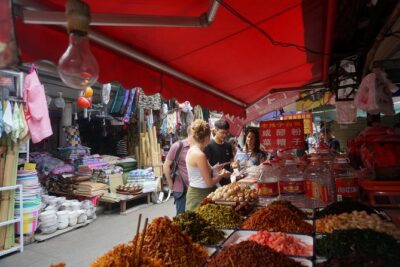
- The wet market puts the ingredients in context
- Making two kinds of traditional dumplings
- Learning the Chinese wok and two classic dishes
- Sitting down for tea, drinks, and the finished meal
- Dietary needs and family suitability
- The $239 price for two: Is it good value?
- Who will get the most from this experience?
- Booking details and cancellation rules
- Should you book Wok n Roll?
- FAQ
- How long does the Chinese cooking class last?
- Where does the class begin?
- Does the activity include transportation?
- What food will I learn to prepare?
- Can the class accommodate dietary restrictions?
- Are alcoholic drinks included for everyone?
Key points at a glance
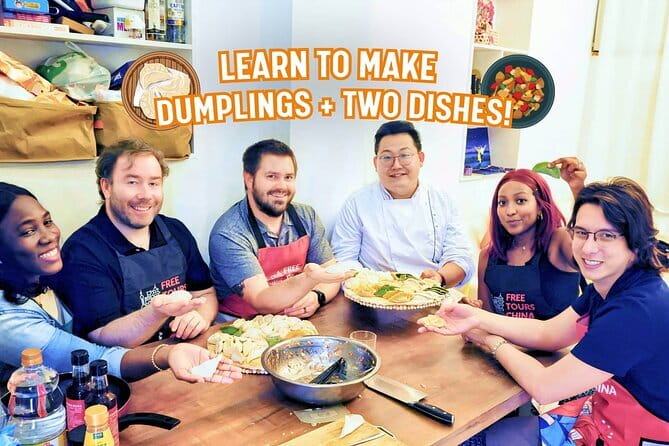
- Chef Li leads the class in English: He has more than 10 years of culinary experience, and his clear explanations are a major part of the appeal.
- The wet market comes first: You see ingredients in their everyday setting and learn about production, freshness, and Chinese food culture.
- You make two types of dumplings: The class covers both steamed and fried dumpling styles, giving you different folding and cooking methods.
- The wok lesson is hands-on: You learn how high heat, timing, sauces, and movement work together in Chinese stir-frying.
- Tea and drinks are part of the meal: Chinese tea, soft drinks, beer, and Chinese liquor for adults age 21 and older are included.
- You leave with recipes: The recipe handouts and surprise gifts make it easier to repeat the dishes at home.
Why this Shanghai cooking class feels different
Many cooking classes give you a recipe, a chopping board, and a short demonstration. This one adds a market visit, food stories, tea, drinks, and a full meal. That wider setting matters because Chinese cooking is not only about technique. It is also about choosing produce, balancing sauces, working quickly, and understanding how food fits into daily life.
I especially like the order of the experience. You see ingredients at the market before handling them in the kitchen. That makes the later cooking feel less like a staged lesson and more like a visit into an ordinary part of Shanghai life.
The private format is another plus. Your group is the only group taking part, so you can ask questions, slow down when a folding technique feels tricky, or spend more time on a sauce that catches your interest. For two people, this can feel far more personal than a large class where everyone tries to keep up with the instructor.
The two published ratings are both five out of five, and the strongest praise centers on Chef Li. He is described as passionate, fun, and fluent in English. One participant enjoyed learning about ingredients, food production, and local food culture at the market before preparing three tasty dishes in a cozy kitchen.
More Cooking Classes in Shanghai
- Private Cooking Class: Make Your Own Dim Sum In Shanghai
★ 5.0 · 27 reviews - Vegan Soup Dumpling Making in Shanghai
★ 5.0 · 17 reviews - Private Home Cooking Class with Shanghai Mama
★ 5.0 · 14 reviews
Starting at Da Gu Lu near People’s Square
The class begins on Da Gu Lu in Huangpu District, close to People’s Square and public transportation. That location is useful if you are spending the day in central Shanghai, since you do not need a separate private transfer to reach the meeting point.
Private transportation is not included, so you are responsible for getting there and returning afterward. The activity ends where it starts. Allow enough time to find Da Gu Lu and arrive ready for the opening market visit, since the first part of the class is not something you want to miss.
The meeting point also makes this easy to pair with other central Shanghai plans. You could schedule it after sightseeing near People’s Square, though I would avoid booking another fixed activity too close to the class. The experience takes about three and a half hours, and cooking sessions are best enjoyed without watching the clock.
The wet market puts the ingredients in context
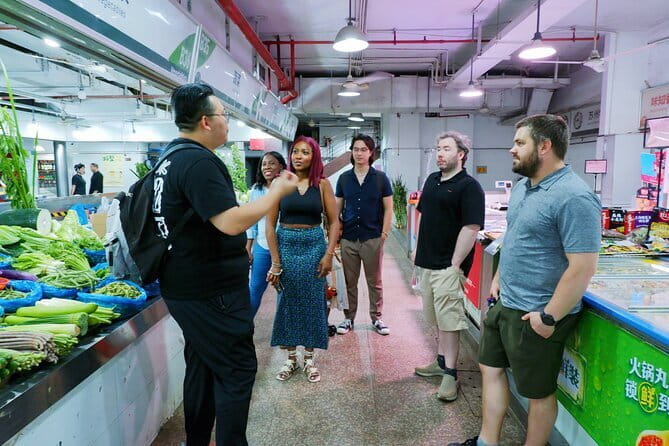
The market visit is a smart opening. Rather than meeting the chef only in a kitchen, you begin among the ingredients that shape the dishes. Chef Li explains freshness, production, and food culture, giving you a better sense of what Chinese cooks look for before the stove is turned on.
You might already know Chinese food from restaurants or takeout. The market helps close the gap between those finished dishes and the raw ingredients behind them. You see food as something selected, handled, and prepared, not simply delivered to a table.
This part should be especially useful if you are curious about everyday Chinese cooking. It is not just a quick shopping stop. The focus is on learning how ingredients connect with the food you will prepare later.
There is one practical point to keep in mind: market visits are active and sensory. If you prefer a quiet, polished cooking studio from start to finish, this may feel less tidy and controlled than a standard class. For me, that is part of the value, since the market adds a real local setting to the afternoon.
Making two kinds of traditional dumplings
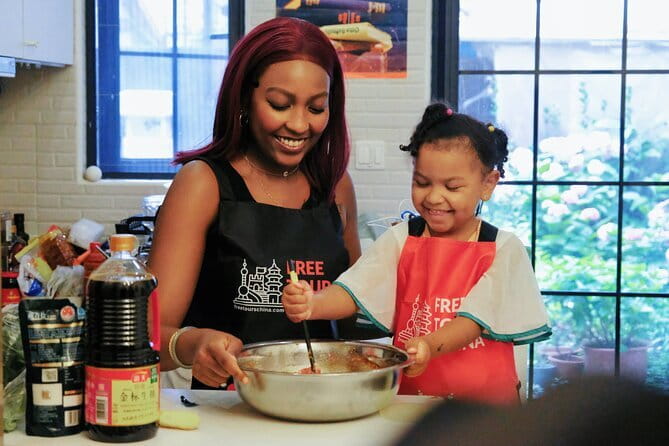
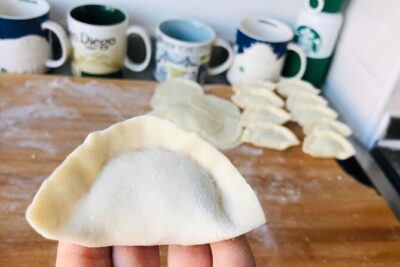
Dumpling making is one of the most appealing parts of the class because you work with your hands from the start. You learn two types of traditional dumplings, including steamed and fried versions. That gives you more than one finished dish and shows how the cooking method changes the result.
The class is designed as a step-by-step lesson, so you do not need advanced kitchen skills. You can expect to handle the dough and filling, practice the folding, and then see how the dumplings are cooked. The folding may look simple when Chef Li demonstrates it, but getting neat edges and even shapes takes a little patience.
I like this kind of teaching because it gives you a skill you can use at home. You are not only eating dumplings prepared by someone else. You are learning a repeatable process, and the recipes you take away can help you practice later.
The private setting should also help here. If your first few dumplings look more rustic than restaurant-ready, you can ask for help without feeling rushed by a large class. The goal is not perfect presentation. It is learning how the dough, filling, and cooking method work together.
More Workshops in Shanghai
- 2-Hour Private Chinese Ink and Brush Painting Workshop in Shanghai
★ 5.0 · 15 reviews - Unlock Chinese Tea: Culture, Science, Tasting & Hands-on Brewing
★ 5.0 · 12 reviews - 2.5hrs Chinese Kitchen Cooking Class: Xiaolongbao Soup Dumplings
★ 5.0 · 12 reviews - Online Cooking Class Fried Rice by Sunflower Li
★ 4.5 · 5 reviews
Learning the Chinese wok and two classic dishes
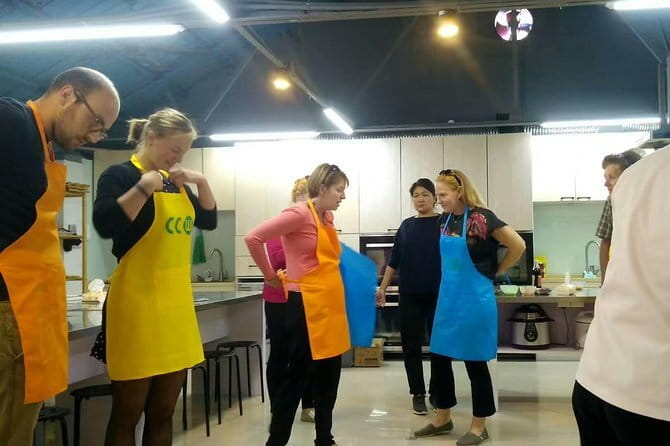
After the dumplings, the focus shifts to stir-frying and two iconic Chinese dishes. The wok lesson is about more than tossing food dramatically over a flame. You learn the timing and technique behind high-heat cooking, along with the role of sauces and dressings.
This is where the class can change how you cook Chinese food at home. Restaurant dishes often seem difficult because the cooking happens quickly. Seeing the sequence in person helps you understand when ingredients go in, how sauces are combined, and why preparation matters before the wok gets hot.
The class also explores traditional Chinese dressings and sauces. These details often make the biggest difference in the final taste, yet they are easy to overlook when ordering a finished meal. Chef Li explains the secrets behind them, helping you understand how a few well-balanced elements can give a dish its character.
The dishes have stories behind them, too. That adds cultural context without turning the class into a lecture. You get food, technique, and the reasons certain dishes matter. One participant described preparing three traditional dishes and praised the chef for keeping the session fun while explaining the cooking clearly.
Sitting down for tea, drinks, and the finished meal
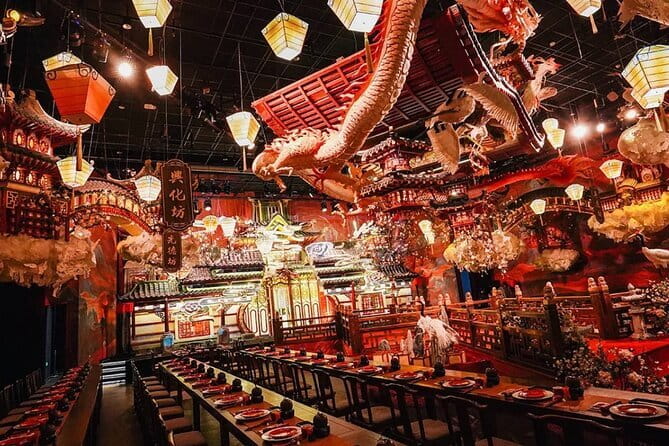
Once the cooking is complete, you eat what you have prepared. The meal is included, and the experience can be treated as dinner or a substantial afternoon snack, depending on your start time.
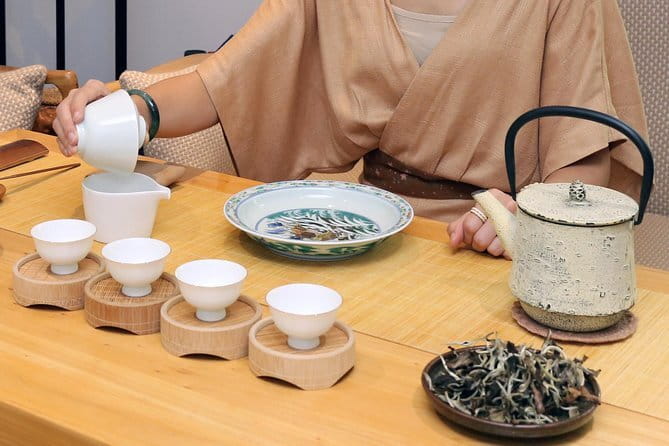
Chinese tea tasting is also included. Tea is not simply a drink added at the end. It gives you a way to think about pairing and balance, particularly after dishes with strong sauces or fried elements. If you enjoy tea, this part may become one of the quieter pleasures of the class.
Soft drinks and beer are included as well. Chinese liquor is available if you are interested, though alcohol is served only to participants age 21 and older. Anyone younger than 21 receives non-alcoholic drinks.
I appreciate that the drinks are built into the experience rather than left as an extra decision at the table. Still, the class is not a bar outing, and the food remains the main event. The alcohol option is best viewed as a small addition to the meal, not a reason to book.
Dietary needs and family suitability
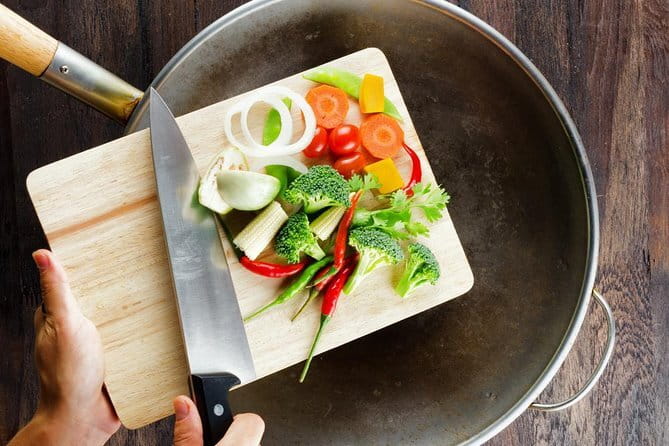
The class can accommodate vegetarian, vegan, and gluten-free diets, as well as food allergies and other restrictions. You need to state your needs clearly when booking so the recipes can be prepared accordingly.
That advance notice matters. Chinese sauces, wrappers, seasonings, and fillings can contain ingredients that are not obvious, so do not wait until you arrive to mention an allergy. Clear information helps the chef plan a safe and satisfying menu.
Families can also take part. Dumpling folding is naturally suited to hands-on participation, and the private format lets your group work at a comfortable pace. The details do not specify a minimum age, so families with young children should confirm any age questions before booking.
The $239 price for two: Is it good value?
The cost is $239 per group of up to two, not $239 per person. That makes the price easier to assess for a couple, especially since it covers roughly three and a half hours, a private English-language guide, the market visit, cooking instruction, food, tea, soft drinks, beer, recipes, and surprise gifts.
It is still not a cheap cooking class. If you mainly want a meal, you can eat well in Shanghai for far less. The value comes from the private instruction and the range of activities packed into one session. You are paying for a market experience, direct access to a chef, several cooking techniques, and the chance to recreate the dishes later.
For two people who enjoy food and want more than sightseeing, I think the price can make sense. For a solo participant, the group pricing is less favorable unless the private format is especially important to you. Since the listed rate covers up to two people, a couple gets the clearest value.
The two five-star ratings support the idea that the teaching quality is the main reason to book. Both participants focused on how much they enjoyed the class itself, not just the food. Chef Li’s English and easy manner appear to be central strengths.
Who will get the most from this experience?
I would recommend this class to:
- Couples who want a private food activity in central Shanghai
- First-time visitors who know Chinese food mainly from restaurants
- Home cooks who want practical dumpling and wok skills
- Families looking for a hands-on activity
- People who enjoy local markets and food culture
- Anyone needing vegetarian, vegan, or gluten-free preparation
It may be less suitable if you want a short, low-cost tasting or if you dislike active participation. You will be making food, asking questions, handling ingredients, and spending a good part of the afternoon in the kitchen.
The class also works best for people who value conversation. Chef Li’s ability to explain ingredients and cooking culture in English is one of the clearest strengths. If you prefer a silent demonstration followed by a quick meal, you would not be using the experience to its full potential.
Booking details and cancellation rules
You receive confirmation when you book, and the activity uses a mobile ticket. The meeting point is near public transportation, but private transportation is not included.
Free cancellation is available if you cancel at least 24 hours before the local start time. Cancellations or changes made less than 24 hours before the start time are not accepted for a refund, so check your Shanghai schedule carefully before booking.
Should you book Wok n Roll?
Book it if you want to understand Chinese food from the market to the table. The strongest reasons are the private format, Chef Li’s clear English, the market explanations, and the chance to make both steamed and fried dumplings before learning wok cooking and sauces.
I would skip it if you are only looking for a cheap lunch or if $239 for two feels too high for a cooking activity. For food-focused visitors, though, this is a well-rounded Shanghai experience with skills you can take home, not just dishes you eat once.
FAQ
How long does the Chinese cooking class last?
The experience lasts approximately 3 hours and 30 minutes.
Where does the class begin?
It begins on Da Gu Lu, near People’s Square in Huangpu District, Shanghai.
Does the activity include transportation?
No. Private transportation is not included. The meeting point is near public transportation, and the experience ends back at the starting point.
What food will I learn to prepare?
You will learn to make two types of traditional dumplings, including steamed and fried versions, and two iconic Chinese dishes. The class also covers stir-frying, dressings, and sauces.
Can the class accommodate dietary restrictions?
Yes. Vegetarian, vegan, gluten-free, and allergy-related needs can be accommodated if you state them clearly when booking.
Are alcoholic drinks included for everyone?
Soft drinks and beer are included, and Chinese liquor is available for participants who want it. Alcoholic drinks are served only to participants age 21 and older. Younger participants receive non-alcoholic drinks.
Just added in Shanghai
- Zhujiajiao with Private Customized Shanghai City Highlights★ 5.0 · 14 reviews
- Zhujiajiao Water Village: Private Tour from Shanghai★ 4.9 · 43 reviews
- Zhujiajiao & Shanghai:Private Day Tour Water Town to Skyline★ 5.0 · 12 reviews
- Zhujiajiao Water Town Private Tour with Night River Cruise★ 5.0 · 9 reviews
- Zhujiajiao & Shanghai:Small Group Tour Water Town to Skyline★ 5.0 · 4 reviews
- Yu Garden Shanghai Entry Tickets Booking And Trip★ 3.6 · 9 reviews
- Water Town Zhujiajiao Shanghai: Boat Ride,Sights,Bites&Sips★ 5.0 · 7 reviews
- shanghai Disney tour★ 5.0 · 12 reviews
Cooking Classes, compared.
Half-Day Chengdu Cooking Class with a Local Market Visit
Read our review →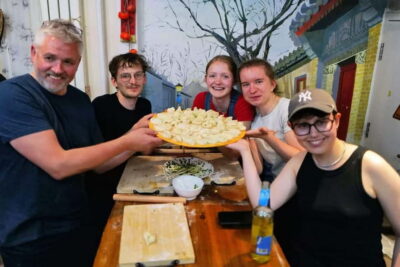
Online Cooking Class Beijing Dumplings and Cuisine by Sunflowerli Renowned Chef
Read our review →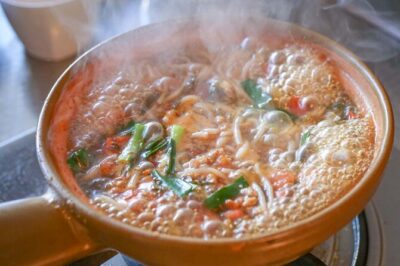
Lijiang Naxi Cuisine Cooking Class & Market Visit
Read our review →
Cooking Class with Fresh Market Half Day Experience
Read our review →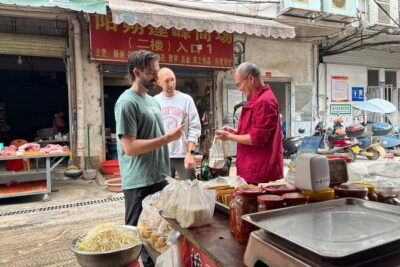
Private Cooking Class: Make Your Own Dim Sum In Shanghai
Read our review →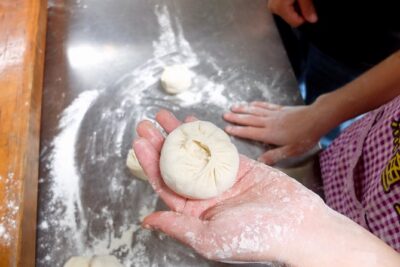
Half-Day steamed Buns Cooking Class with a Local Market Visit
Read our review →Where else this tour turns up