
Reviewed · WORKSHOPS
2-Hour Private Chinese Ink and Brush Painting Workshop in Shanghai
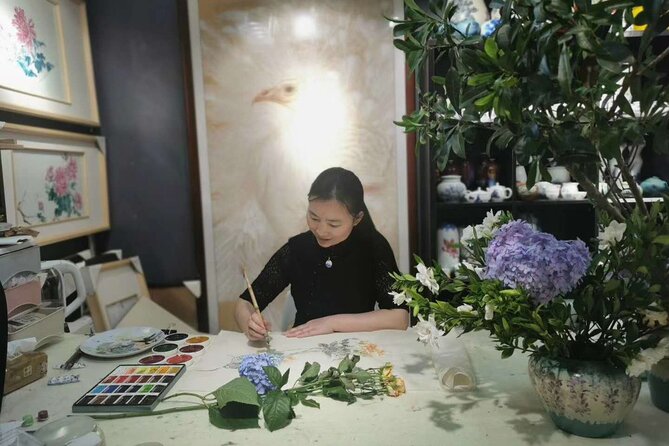
Make art the Shanghai souvenir. This private Chinese ink painting class gives you more than a quick cultural demonstration: you learn basic brushwork, use traditional tools, and leave with a painting of your own. I like the one-to-one attention from the artist and the help of a local guide and translator. I also like the quiet rhythm of tea, ink, paper, and careful brush strokes, a welcome change from Shanghai’s busy streets. The main drawback is the uncertain timing and studio location, since the experience is described as lasting two hours in one place and two to three hours in another, with references to both the French Concession and Pudong.
This is a good choice if you want a hands-on cultural activity rather than another sightseeing stop. Pickup from a downtown Shanghai hotel makes the start easy, and the private format works well for couples, families, or a small group. At $118 per person, it is not a bargain art lesson, but the price includes local transport to the studio, translation, instruction, and a finished piece of art.
In This Review
- Key Points At A Glance
- What The Class Is Really Like
- From Downtown Hotel To A Local Studio
- Meeting The Artist And The Four Treasures
- Practicing Brush Strokes Before The Final Painting
- Creating A Peony, Bamboo, Or Orchid
- Tea, Quiet Conversation, And A Slower Shanghai
- Why The $118 Price Can Make Sense
- Who Will Enjoy This Most
- Practical Details Before You Commit
- My Take On The Teaching
- Should You Book This Shanghai Painting Class?
- FAQ
- How long does the Chinese ink painting workshop last?
- Is hotel pickup included?
- Where does the painting class take place?
- Is transportation to the workshop included?
- Is the class private?
- Do I get to keep the painting?
- Can children join the workshop?
- What happens if I need to cancel?
Key Points At A Glance
- Paint with the Four Treasures: Learn about ink, brushes, paper, and the ink stone, the traditional tools of Chinese painting.
- Private instruction: Only your group participates, allowing the teacher to adjust the lesson to your pace.
- Hotel pickup included: A local guide collects you from a downtown Shanghai hotel and arranges a Didi ride to the workshop.
- Tea and art together: The class combines painting practice with tea and conversation in a relaxed studio setting.
- Take-home artwork: You create a Chinese painting using genuine materials, with subjects such as flowers, bamboo, or orchids.
- Translation matters: Guides such as Eric, Lucy, and Sunny have helped visitors communicate with the artist and follow each step.
What The Class Is Really Like
This is not a quick brush-and-leave demonstration. You spend the session learning how Chinese ink painting works, then use the same basic ideas to make your own artwork.
The lesson introduces shui mo, the water-and-ink method used in traditional Chinese painting. Rather than relying on a broad palette of colors, you work with the pressure of the brush, the amount of ink, and the amount of water on the paper. A single stroke can be dark, pale, thick, thin, wet, or dry depending on how you hold and move the brush.
That makes the class more interesting than simply copying a picture. You begin to see why a short line can suggest a branch, petal, leaf, or stalk. The process asks you to slow down and pay attention. You may not produce a museum piece, but you will understand more about the art after trying it yourself.
The artist teaches the basic strokes and helps you work through a composition. Past classes have included flowers, bamboo, orchids, and peonies. One particularly useful detail is that you may have some choice of subject, rather than being forced into one fixed image.
More Workshops in Shanghai
- Private Cooking Class: Make Your Own Dim Sum In Shanghai
★ 5.0 · 27 reviews - Private Home Cooking Class with Shanghai Mama
★ 5.0 · 14 reviews - Unlock Chinese Tea: Culture, Science, Tasting & Hands-on Brewing
★ 5.0 · 12 reviews
From Downtown Hotel To A Local Studio
The day begins with pickup from a hotel in downtown Shanghai. A local guide meets you and arranges a Didi transfer to the artist’s workshop. This is a practical benefit in a city where the difference between a smooth transfer and a confusing one can eat up part of your morning.
The private transport is local rather than a large sightseeing bus. That fits the nature of the class. You are not being moved through a string of attractions. You are heading to a working artist’s space for a focused lesson.
There is one point I would confirm before booking. The description refers to a workshop in Shanghai’s French Concession in one place, but the detailed route identifies Pudong New Area and a local community there. Those are different parts of the city. Pickup is clearly offered downtown, but ask the operator to confirm the exact studio address and expected transfer time.
The ride itself is included, but hotel drop-off is not. Plan to continue on your own after the class. The workshop is near public transportation, which helps if you want to add another Pudong stop or return independently.
Meeting The Artist And The Four Treasures
At the studio, the cultural lesson begins before the first painting. The teacher explains the famous Four Treasures of Chinese painting:
- Ink
- Brushes
- Paper
- Ink stone
These are not just supplies. They shape the whole practice. The ink stone is used in preparing and working with ink, while the brush creates different marks through pressure, angle, and speed. Rice paper responds quickly, so a stroke cannot always be corrected once it has been made.
That is part of the appeal for me. You are learning a little about Chinese aesthetics through the materials themselves. The class gives you a reason to look closely at tools that might otherwise seem simple.
The teacher is described as an experienced and respected traditional artist. Several instructors are named in the feedback, including Ms. Zhang and Ms. Chang. Since the exact teacher may vary, treat those names as examples rather than a guarantee. The important point is that instruction comes from an artist, not just a guide reciting a few facts.
Practicing Brush Strokes Before The Final Painting
Expect exercises before the finished picture. One class included practice with the building blocks of line work, followed by a guided flower composition. That order makes sense. Chinese brush painting depends on control, and beginners need to learn how the brush behaves before attempting a complete subject.
You practice how to load the brush with ink and water, how much pressure to use, and how to make marks that change from dark to pale. The teacher then shows how individual strokes become leaves, stems, petals, branches, or other forms.
This is where a private class earns its keep. In a larger group, the teacher would have less time to watch your grip and correct your movement. Here, the artist can give direct help as you work. The guides also translate questions and instructions, which is especially useful when the lesson depends on subtle physical movements.
Eric has been praised for accompanying the group to the artist’s residence and translating throughout the class. Lucy has also provided hotel pickup and stayed during the lesson. Sunny has handled the welcome and transport on other bookings. You should not assume a particular guide will be assigned, but the presence of a translator is a major part of the experience’s value.
A completely different sort of day out:
- Authentic Local Food Tour in Central Shanghai
★ 5.0 · 1,382 reviews - Zhujiajiao Water Town and Shanghai City Private Day Tour
★ 5.0 · 1,016 reviews - Private Shanghai Full Day City Tour with Old and New Highlights
★ 5.0 · 995 reviews - Shanghai: Hop-on Hop-off Bus Ticket and Optional Attractions
★ 3.4 · 692 reviews
Creating A Peony, Bamboo, Or Orchid
The final painting is the heart of the session. You follow the teacher step by step, building a picture from controlled strokes instead of filling in a prepared outline.
A peony can give you rounded petals and a fuller composition. Bamboo focuses more on clean stems and leaves. An orchid offers a different lesson in curved lines and restraint. The available subject may depend on the teacher and the time, so ask ahead if you have a strong preference.
The goal is not technical perfection. You are learning how a small number of brush movements can carry meaning. Even a slightly uneven stroke becomes part of the handmade character of the piece.
You also get a real souvenir rather than a mass-produced item. It is light, personal, and connected to something you did in Shanghai. Bring a firm folder or protective sleeve if you plan to carry the artwork through the rest of your trip. The experience information does not specify how the finished painting is packaged, so it is sensible to ask the guide.
Tea, Quiet Conversation, And A Slower Shanghai
Tea is part of the class, adding a calm social side to the instruction. You can pause between exercises, watch the artist work, and take in the setting of a private workshop.
The class has been described as relaxing and friendly, which fits the pace of ink painting. You are not rushing from one landmark to another or trying to photograph ten objects in an hour. The act of washing the brush, preparing ink, and waiting for paper to dry gives the session a gentle rhythm.
This makes the workshop especially useful on a packed city trip. Shanghai can fill a day with towers, markets, shopping streets, and museums. A quiet art class gives you a different way to understand the city’s culture. It is also a good option for your last day, when you may want something meaningful but not physically demanding.
Still, do not book it if you want a fast, high-energy activity. The reward comes from concentration and patience. If you dislike guided practice or feel uncomfortable making art in front of a teacher, the private setting may feel more exposed than a group class.
Why The $118 Price Can Make Sense
At $118 per person, this costs more than a casual public craft class. The price needs to be judged as a private cultural service, not simply as two hours of painting.
Included are downtown hotel pickup, a private art lesson, a local guide, translation assistance, and a Didi transfer to the workshop. You also receive the artwork you make. For a couple or family, the private format removes the need to match the pace of strangers and gives the artist more time to help each participant.
That can be good value when you care about personal instruction and a smooth start. It is less attractive if you only want to try a few brush strokes cheaply. Group discounts are offered, so a small party should check the final rate before deciding.
The group size is not stated precisely, despite the wording suggesting a class just for your party. What is clear is that it is a private activity and only your group participates. Confirm the number of people included in your booking, especially if you are traveling with children or a larger family.
Who Will Enjoy This Most
I would recommend this class to couples, families, friends, and solo visitors who want a creative cultural activity. Children can participate, but they must be accompanied by an adult. The patient teaching style described by parents makes it a reasonable family choice, provided the child can focus during a roughly two-hour lesson.
It also suits people who enjoy making things by hand. You do not need to arrive with painting experience. The class begins with an introduction to tools and basic strokes, then moves toward a finished composition.
This is less suited to someone searching for a formal museum-level master class or advanced professional coaching. The available information points to an introduction to materials, aesthetics, composition, and basic technique. It gives you a solid first contact with the art, not a full course in Chinese painting.
The private setting is helpful for mixed groups. One person can be a complete beginner while another has more experience, and the teacher can offer individual guidance. The translator also means you are not left trying to understand a technical demonstration through gestures alone.
Practical Details Before You Commit
The class lasts about two hours, though the full experience is described elsewhere as two to three hours. Allow extra time for pickup, the Didi transfer, settling into the studio, and the return journey on your own.
Confirmation is sent within 48 hours of booking, subject to availability. Since the experience is often reserved about 10 days ahead, planning early is sensible if your Shanghai schedule is fixed.
It operates in all weather. Dress for the conditions and wear clothing you can move comfortably in. Ink can be messy, so avoid wearing anything precious, even if the class itself is carefully managed.
A mobile ticket is available. The activity is private, near public transportation, and most people can participate. The information does not promise hotel drop-off, special packaging for artwork, or a specific artist or guide, so those are good questions to settle in advance.
The cancellation rule is strict: the booking is non-refundable and cannot be changed for any reason. Only reserve once your schedule and pickup details are firm.
My Take On The Teaching
The most highly praised part of this activity is the human instruction. The teacher’s patience, the guide’s translation, and the chance to work directly with a professional artist repeatedly shape the positive experience.
That matters because Chinese ink painting can look simple from a distance. A few marks on white paper may seem easy until you try to make them. The teacher’s corrections help you understand the control behind the apparent simplicity.
The guide also does more than drive you to the studio. Eric, Lucy, and Sunny are each associated with helping visitors reach the artist, translating during the lesson, and smoothing out small practical problems. One guide even handled a mistaken hotel detail, which shows why having a local contact can be useful.
The only caution is that the experience depends on the individual pairing of guide, translator, and teacher. The available details do not guarantee the same people for every departure. You should expect the same general format, but not a named instructor unless the operator confirms it.
Should You Book This Shanghai Painting Class?
Book it if you want a personal, hands-on introduction to Chinese art, especially if you like the idea of taking home something you made yourself. The private format, local transport, translation, tea, and patient instruction make the $118 price easier to justify for couples and small groups.
Skip it if you want a low-cost drop-in activity, a precise two-hour schedule, or a guaranteed French Concession location. Confirm the studio address, duration, group size, available painting subjects, and artist before paying, since the booking cannot be refunded or changed.
For the right visitor, this is a thoughtful way to slow down in Shanghai. You leave with more than paper and ink. You leave understanding why each brush stroke matters.
FAQ
How long does the Chinese ink painting workshop last?
The class lasts approximately two hours, although the full activity is also described as taking two to three hours. Allow additional time for hotel pickup and the transfer to the studio.
Is hotel pickup included?
Yes. Pickup is offered from anywhere in downtown Shanghai. Hotel drop-off is not included.
Where does the painting class take place?
The detailed route identifies Pudong New Area and a local private artist workshop. Another description refers to the French Concession, so confirm the exact studio location before booking.
Is transportation to the workshop included?
Yes. A local guide collects you and arranges a Didi transfer to the art workshop.
Is the class private?
Yes. This is a private activity, and only your group participates.
Do I get to keep the painting?
Yes. You take home the Chinese painting you create during the lesson.
Can children join the workshop?
Yes, children can participate, but they must be accompanied by an adult. Most people can take part, according to the activity information.
What happens if I need to cancel?
The experience is non-refundable and cannot be changed for any reason. The amount paid will not be refunded after cancellation or an amendment request.
Just added in Shanghai
- Zhujiajiao Water Village: Private Tour from Shanghai★ 4.9 · 43 reviews
- Zhujiajiao with Private Customized Shanghai City Highlights★ 5.0 · 14 reviews
- Zhujiajiao & Shanghai:Small Group Tour Water Town to Skyline★ 5.0 · 4 reviews
- Zhujiajiao & Shanghai:Private Day Tour Water Town to Skyline★ 5.0 · 12 reviews
- Zhujiajiao Water Town Private Tour with Night River Cruise★ 5.0 · 9 reviews
- Yu Garden Shanghai Entry Tickets Booking And Trip★ 3.6 · 9 reviews
- Water Town Zhujiajiao Shanghai: Boat Ride,Sights,Bites&Sips★ 5.0 · 7 reviews
- shanghai Disney tour★ 5.0 · 12 reviews
Workshops, compared.
Half-Day Chengdu Cooking Class with a Local Market Visit
Read our review →
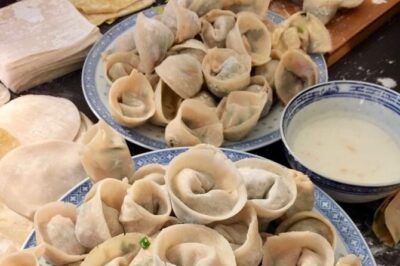
Organic Chinese Dumpling Class with Market Walk
Read our review →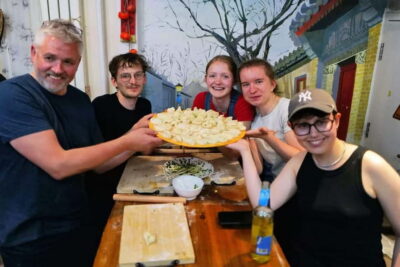
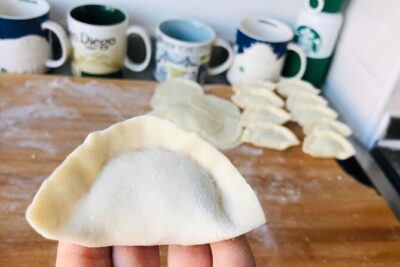
Online Cooking Class Beijing Dumplings and Cuisine by Sunflowerli Renowned Chef
Read our review →
Organic Xiao Long Bao Soup Dumpling Class & Market Walk
Read our review →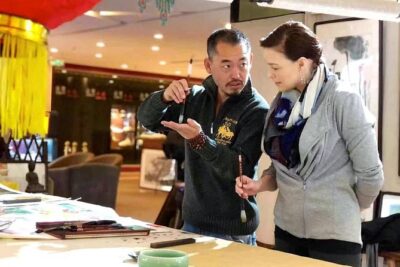
Beijing Wangfujing Calligraphy Class by Forbidden City
Read our review →Where else this tour turns up