
Reviewed · COOKING CLASSES
2.5hrs Chinese Kitchen Cooking Class: Xiaolongbao Soup Dumplings
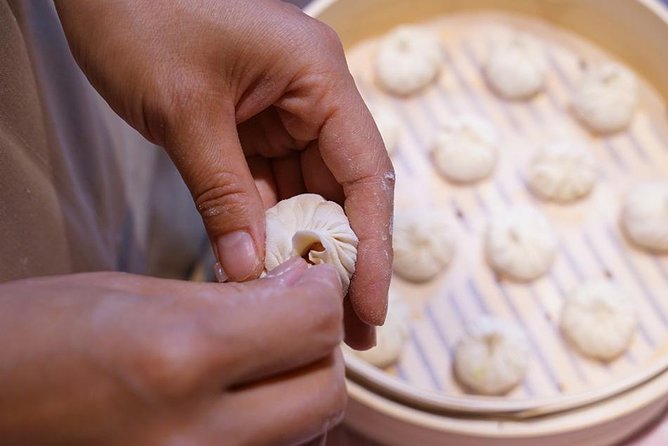
Soup belongs inside these dumplings. That small surprise makes this Shanghai cooking class more than a standard food lesson. For 2.5 hours, you learn to make xiaolongbao from dough and filling to folding, steaming, pan-frying, and eating.
I like the small group limit of 15, which gives you a better chance to get help with tricky folds. I also like the friendly English-speaking instruction, especially from teachers such as Cici and Chef Yin, who are praised for their patience, humor, and clear demonstrations.
The main drawback is the setting. The cooking studio is clean and functional, but it sits in an older lane and can be hard to recognize from the street. The meeting information also refers to both Changshu Road and Guangyuan Road, so you should confirm the exact address before setting out.
In This Review
- Key Points At A Glance
- Why Xiaolongbao Makes A Good Shanghai Food Lesson
- Meeting In Shanghai’s Older Lanes
- 10:00 am: Getting Settled In
- 11:00 am: Making Dough And Filling
- Folding Xiaolongbao Without Losing The Soup
- Two Ways To Cook The Dumplings
- Noon: Eating What You Made
- What The $98.88 Price Really Buys
- The Studio Setting: Authentic, But Not Polished
- Best For Families, Couples, And Curious Eaters
- Practical Details Before You Book
- Should You Book This Xiaolongbao Class?
- FAQ
- How long does the xiaolongbao cooking class last?
- Where does the class meet?
- How many people can join the class?
- Are children allowed to attend?
- Are vegetarian or vegan options available?
- What is included in the price?
- Can I cancel or change my booking?
Key Points At A Glance
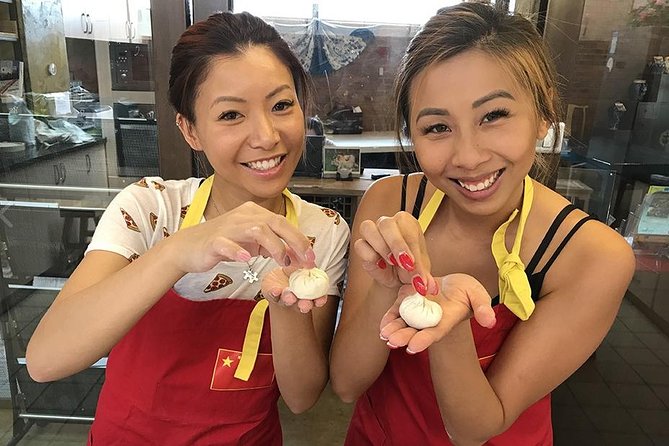
- You make soup dumplings from scratch: Learn the dough, savory filling, broth technique, folding method, and dipping sauce.
- Two cooking methods are included: Your xiaolongbao are prepared both steamed and pan-fried.
- The class stays small: No more than 15 people, with hands-on instruction rather than a demonstration from across the room.
- Vegetarian and vegan options are possible: State your food preference when booking.
- It suits families: Children are welcome, and children under 3 can join free.
- You leave with more than a full stomach: Complimentary tea and the recipe are included.
Why Xiaolongbao Makes A Good Shanghai Food Lesson
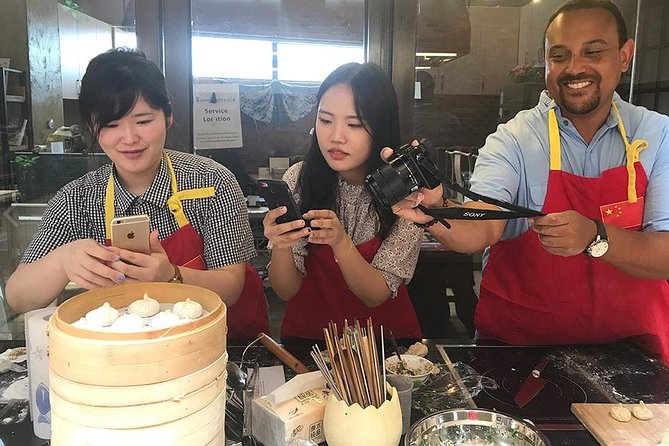
Xiaolongbao, also called soup buns or soup dumplings, is one of Shanghai’s signature foods. The dumpling looks modest, but its structure takes practice: a thin dough wrapper must hold both filling and hot broth without splitting.
That broth is what makes the dish different from an ordinary dumpling. You bite or pierce the wrapper carefully, release the soup, and then eat the dumpling with its filling. A perfect one has a delicate skin, plenty of savory liquid, and enough strength to survive cooking.
This class teaches the part you cannot easily learn by ordering a basket in a restaurant. You see how the dough is prepared, how the filling is seasoned with Chinese spices, and how soup can be wrapped inside the dumpling. You also get to make mistakes in a setting where the instructor can correct your technique.
I think that hands-on element gives the class its value. You are not simply tasting a famous dish. You are learning why it is difficult to make well.
More Cooking Classes in Shanghai
- Private Cooking Class: Make Your Own Dim Sum In Shanghai
★ 5.0 · 27 reviews - Vegan Soup Dumpling Making in Shanghai
★ 5.0 · 17 reviews - Private Home Cooking Class with Shanghai Mama
★ 5.0 · 14 reviews
Meeting In Shanghai’s Older Lanes
The class begins at 10:00 am and ends at about 12:30 pm. The published details mention Changshu Road as an easy meeting point, while the formal meeting information gives Guangyuan Road, Guang Yuan Lu, in Xuhui District.
That difference matters. Shanghai addresses can be confusing, especially when a cooking studio sits inside an older lane rather than on a large commercial street. One person described the entrance as unsettling at first, with an old-looking kitchen and an alley entrance, but found the studio itself clean and practical once inside.
I would confirm the exact meeting instructions with Trippest Travel before the class. Allow a little extra time so you are not rushing through unfamiliar lanes. The area is near public transportation, and the activity ends at the same meeting point, so you will not need to arrange a separate ride afterward.
There is no hotel pickup or drop-off. That keeps the price lower than a private food tour with transport, but you are responsible for reaching the studio.
10:00 am: Getting Settled In
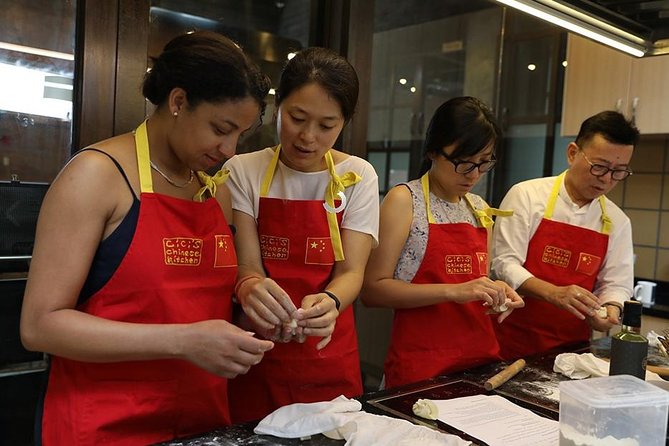
The opening portion introduces the cooking culture and local ingredients. This is useful context because xiaolongbao is not just a generic Chinese dumpling. Its soup-filled design, thin wrapper, and careful cooking method are central to the experience.
The instructor also explains the basic workflow before you begin. That helps you understand why the class starts with preparation rather than immediately handing you a finished dumpling to fold.
The strongest praise is directed at the teachers. Cici is described as fluent in English, organized, patient, and funny. Chef Yin is praised for giving hands-on help, explaining the process clearly, and adjusting to different skill levels.
That last point is important if your fingers are not naturally gifted at dumpling folding. You do not need to arrive with professional kitchen skills. The class is designed for beginners, and the instructor works at your pace.
11:00 am: Making Dough And Filling
The cooking session begins at about 11:00 am. You learn to make the dough and prepare the filling with fragrant Chinese spices.
Making dough is a useful part of the lesson because the wrapper must be thin enough to feel delicate but sturdy enough to contain hot soup. The class does not treat the wrapper as a disposable shell. You learn how its texture affects the finished dumpling.
The filling is equally important. It provides the savory flavor, while the broth creates the signature burst of liquid inside. The exact recipe is supplied at the end, so you can try the dish again at home.
I would pay close attention during this stage and take mental notes about texture rather than only measuring ingredients. The technique is often harder to repeat than the ingredient list. A recipe tells you what to add, but the instructor shows you how the dough and filling should look and feel.
Vegetarian and vegan versions are available on request. You should write down your preference when booking rather than waiting until the class begins. The activity is listed as suitable for ages 3 to 100, and children under 3 may join free, though young children may need close adult help during the cooking portion.
More Workshops in Shanghai
- Private Wet Market Visit with Cooking Class in Shanghai
★ 3.0 · 4 reviews - Shanghai: Hands-on Incense Tablet Making Class
★ 5.0 · 3 reviews - Shanghai: Xinchang Ancient Town Tour & Dumpling Class
★ 5.0 · 2 reviews - Shanghai: Authentic Chinese Cooking Class with Master Chef
★ 5.0 · 2 reviews
Folding Xiaolongbao Without Losing The Soup
Folding is the part most likely to test your patience. Each dumpling needs a sealed top, and the wrapper must remain intact around the broth.
The class gives you a chance to practice the technique instead of merely watching a chef do it. That makes the experience useful even if your first dumplings look less tidy than the instructor’s. One participant with little confidence in the kitchen specifically appreciated that Cici worked at an individual pace without making mistakes feel like a problem.
You should expect some variation in your results. The point is not to produce a restaurant-perfect basket on your first attempt. It is to understand the hand movement, pressure, and sealing method well enough to keep practicing.
This is also where the small group helps. With no more than 15 people, the instructor can move around the table and offer corrections. A much larger class would likely turn the activity into a demonstration with limited personal help.
Two Ways To Cook The Dumplings
The class cooks the xiaolongbao in two ways: steamed and pan-fried. This is one of the best features because the same dough and filling take on different textures.
Steaming highlights the delicate wrapper and hot broth. It is the classic preparation, and you can focus on keeping the soup intact as the dumpling cooks.
Pan-frying gives the base a browned, crisp texture. The contrast between the soft wrapper and the cooked underside makes it a worthwhile second method rather than a repeat of the first.
The cooking stage also gives the instructor a chance to explain how the dumplings change with heat. This is practical information if you plan to recreate them at home. It is easier to understand the difference between methods when you taste both versions side by side.
You also learn to prepare a Chinese sauce to serve with the dumplings. The sauce adds another layer to the meal and gives you one more recipe element to take home.
Noon: Eating What You Made
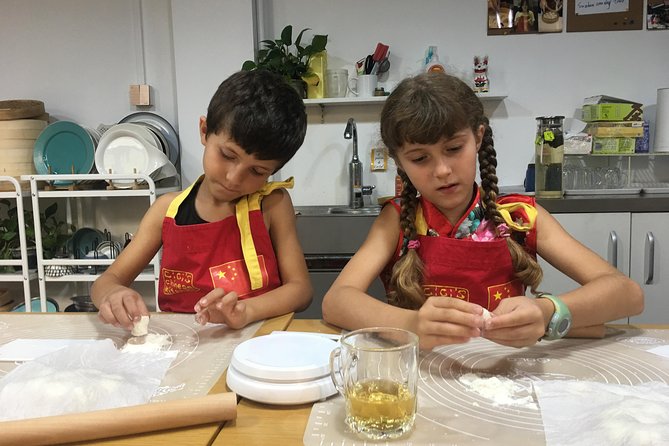
At about 12:00 pm, the class sits down to eat the handmade dumplings together. Complimentary tea is included.
This shared meal is the payoff, but it is also part of the lesson. You can see which folds held, which wrappers stayed intact, and how the steamed and pan-fried dumplings compare.
The dumplings are served after you have done the work, so the meal feels more satisfying than a simple tasting. You have handled the ingredients, tried the folding method, and watched the cooking process. Even imperfect dumplings tend to taste good when they are fresh and made by your own group.
Several strong comments focus on the food itself. The finished dumplings are repeatedly described as delicious, and one participant enjoyed both cooking methods. Another called the activity a highlight of a Shanghai visit, while a family with children appreciated the educational side as well as the meal.
The class ends at around 12:30 pm with the recipe. You will not leave with packaged dumplings, but you do leave with instructions for trying the dish again.
What The $98.88 Price Really Buys
At $98.88 per person, this is not a bargain meal. You can buy xiaolongbao in Shanghai for much less, and a restaurant meal will take less time.
The value comes from the combination of instruction, ingredients, hands-on practice, two cooking methods, tea, and a sit-down meal. You are paying for access to a local cooking setting and an English-speaking instructor who can explain a difficult dish in real time.
The price also makes more sense if you are comparing the class with a private cooking lesson. The group size is limited to 15, but it is still a group activity, not a private session. Group discounts may be available, which can improve the cost for families or friends booking together.
I would book this for the experience rather than for the amount of food. If your only goal is to eat the cheapest possible xiaolongbao, visit a restaurant. If you want to understand how soup gets inside the dumpling and leave with a recipe, the class offers a more lasting memory.
The activity is often booked around 18 days ahead. That suggests you should not leave it until the last day of a short Shanghai visit, especially if you need a particular morning.
The Studio Setting: Authentic, But Not Polished
The studio’s older lane setting gives the class a local feel. You are not cooking in a glossy tourist attraction, and the surroundings offer a small look at everyday Shanghai life.
Still, the approach may not impress everyone. The entrance can feel rough or unclear, especially if you expect a clearly marked cooking school. The kitchen has been described as small but functional, with the interior cleaner and more welcoming than the entrance suggests.
That contrast is worth knowing in advance. If you prefer polished facilities, a modern culinary school, or a highly staged food experience, this may feel basic. If you value a more ordinary neighborhood setting, the location adds character.
Do not judge the class from the alley entrance alone. Use the meeting instructions carefully and look for the instructor if you are unsure where to go.
Best For Families, Couples, And Curious Eaters
This class works well for several kinds of visitors.
Families with children can use it as a fun activity that also teaches where a familiar restaurant dish comes from. The listed age range is unusually broad, and children under 3 can join free. Adults should still supervise small children around hot equipment and cooking areas.
Couples and friends get a shared task that is more interactive than sitting across a restaurant table. One pair particularly valued learning the folding technique together and found the experience memorable.
Solo visitors can also fit into the small-group format. The instructor’s English and patient teaching style make it easier to participate even if you arrive without a companion.
I would be less likely to recommend it to someone who dislikes group activities or wants an advanced culinary course. The class is friendly and practical, but it is aimed at learning a famous dish at a beginner-friendly pace, not professional chef training.
Practical Details Before You Book
The class starts at 10:00 am, so plan your morning around reaching the studio on time. Since the address information refers to both Changshu Road and Guangyuan Road, confirm the exact starting point before leaving your hotel.
The activity lasts about 2.5 hours and returns you to the meeting point. There is no hotel transfer, and personal expenses are not included.
You receive booking confirmation at the time of reservation. The experience is non-refundable and cannot be changed after booking. If the minimum number is not reached and the operator cancels, you are offered another date or experience, or a full refund.
Food preferences should be stated at booking. Vegetarian and vegan options are available, but the provider needs that information ahead of time.
Should You Book This Xiaolongbao Class?
Book it if you want a hands-on Shanghai food experience, enjoy learning by doing, and like the idea of eating dumplings you helped make. The strongest reasons to go are the patient English-speaking instruction, the small group, the two cooking methods, and the recipe you take away.
Families, friends, and first-time cooks are especially well suited. Cici and Chef Yin receive the most praise for making the class relaxed, clear, and enjoyable.
Skip it if you only want a cheap meal, need a polished modern studio, or cannot commit to the firm booking terms. Also confirm the meeting address before paying.
For most food-focused visitors, the class is worth considering because it turns one of Shanghai’s best-known dishes into a skill you can understand and repeat at home.
FAQ
How long does the xiaolongbao cooking class last?
The class lasts approximately 2 hours and 30 minutes, from 10:00 am until about 12:30 pm.
Where does the class meet?
The meeting information gives Guangyuan Road in Xuhui District, while the tour details also refer to Changshu Road. Confirm the exact meeting point with the provider before the class.
How many people can join the class?
The maximum group size is 15 people.
Are children allowed to attend?
Yes. The activity is listed for ages 3 to 100, and children under 3 years old can join free.
Are vegetarian or vegan options available?
Yes. Vegetarian and vegan options are available on request. State your food preference when booking.
What is included in the price?
The price includes the cooking class, complimentary tea, instruction from an English-speaking chef, the meal you prepare, and the recipe at the end.
Can I cancel or change my booking?
No. The experience is non-refundable and cannot be changed for any reason. If the provider cancels because the minimum number of participants is not reached, you can choose another date or experience, or receive a full refund.
Just added in Shanghai
- Suzhou Private Guided Day Trip from Shanghai by Bullet Train★ 5.0 · 46 reviews
- Suzhou and Zhujiajiao Private Guided Day Trip from Shanghai★ 5.0 · 27 reviews
- Shanghai:Wing Chun Kung Fu in Shanghai’s Beautiful Park★ 5.0 · 2 reviews
- Shanghai: Zhujiajiao Water Town with Calligraphy Experience★ 5.0 · 17 reviews
- Shanghai:Old Town, Yu Garden, Zhujiajiao Water Town Bus Tour★ 4.7 · 16 reviews
- Shanghai: Yu/Yuyuan Garden Entry Ticket–E ticket★ 4.4 · 24 reviews
- Shanghai: Yuyuan, City God Temple Old City Tour-Tip Based★ 5.0 · 10 reviews
- Shanghai: Zhujiajiao Water Town Private Tour with Boat Ride★ 5.0 · 2 reviews
Cooking Classes, compared.
Half-Day Chengdu Cooking Class with a Local Market Visit
Read our review →
Online Cooking Class Beijing Dumplings and Cuisine by Sunflowerli Renowned Chef
Read our review →
Lijiang Naxi Cuisine Cooking Class & Market Visit
Read our review →
Cooking Class with Fresh Market Half Day Experience
Read our review →Private Cooking Class: Make Your Own Dim Sum In Shanghai
Read our review →
Half-Day steamed Buns Cooking Class with a Local Market Visit
Read our review →
Hong Kong Market Walking Tour & Chinese Cooking Class
Read our review →Where else this tour turns up