
Reviewed · COOKING CLASSES
Vegan Soup Dumpling Making in Shanghai
Shanghai puts soup inside a dumpling. That is reason enough to try this class, but the real appeal is learning the craft from dough to steaming while Chef Yin guides your hands. I like the choice of breakfast, lunch, or evening sessions, and I like that you eat the dumplings you make rather than simply watching a demonstration. The main consideration is the $96 price, which is fair for a hands-on class but high if you only want a quick meal.
This two-and-a-half-hour experience takes place at Yin Studio, near Guangyuan Road and Tianping Road in Shanghai’s Xuhui District. The class focuses on vegan soup dumplings, with tea or coffee, an apron, ingredients, and cooking tools provided. It is a warm, social activity suited to couples, families, solo visitors, and anyone who wants more than another restaurant meal.
In This Review
- Key Points To Know Before You Book
- Why Shanghai Soup Dumplings Make a Good Class
- Arriving At Yin Studio In Xuhui
- Starting With Dough And Wrappers
- Preparing The Vegan Filling
- Learning The Traditional Pleats
- Steaming And Eating What You Made
- What The $96 Price Really Buys
- Choosing Breakfast, Lunch, Or Evening
- Who Will Enjoy This Most
- Booking, Changes, And Practical Details
- Should You Book The Vegan Dumpling Class?
- FAQ
- How long does the vegan soup dumpling class last?
- Where does the class meet?
- Where does the activity finish?
- What class times are available?
- What will I learn to make?
- Is tea or coffee included?
- Is the class suitable for people with gluten allergies?
- How many people can join the class?
- Can I cancel for a refund?
Key Points To Know Before You Book
- Chef Yin leads every stage: You learn dough, wrappers, filling, pleating, sealing, steaming, and eating.
- The filling is vegan: The class cooks a plant-based filling, making this a useful option for vegetarians and vegans.
- You shape the dumplings yourself: The pleating lesson is the hands-on heart of the class, with individual corrections from Yin.
- Three class times help with planning: Choose a breakfast, lunch, or evening session.
- The group can reach 15 people: That is still workable for a class, but it may feel less personal when fully booked.
- Gluten allergy caution: The experience is not recommended for people with gluten allergies.
- The food is part of the lesson: Tea or coffee is included, and you finish by eating the dumplings you made.
Why Shanghai Soup Dumplings Make a Good Class
Soup dumplings, commonly known as xiaolongbao, are one of Shanghai’s signature foods. Their magic is simple but tricky: a thin wrapper holds a savory filling and hot soup, so the dumpling must be sealed well enough to survive steaming.
That makes them a better cooking-class subject than a dish you can master in five minutes. You get to see how separate parts of the process fit together. The dough must be workable, the wrapper thin but sturdy, the filling balanced, and the pleats tight enough to trap the liquid.
I like the vegan angle because it keeps the focus on technique. You are not relying on meat or seafood to carry the flavor. The class shows how a plant-based filling can work inside a traditional Shanghai format, and one participant even chose the class despite not being vegetarian.
This is also a good introduction to Chinese food culture without requiring a full day. In about 2 hours and 30 minutes, you learn a practical skill, share a meal, and get a closer look at a dish that can otherwise seem mysterious behind a restaurant kitchen door.
More Cooking Classes in Shanghai
- Private Cooking Class: Make Your Own Dim Sum In Shanghai
★ 5.0 · 27 reviews - Private Home Cooking Class with Shanghai Mama
★ 5.0 · 14 reviews - 2.5hrs Chinese Kitchen Cooking Class: Xiaolongbao Soup Dumplings
★ 5.0 · 12 reviews
Arriving At Yin Studio In Xuhui
The meeting point is at 190 Guangyuan Road Lane, near Tianping Road, in Xuhui District, Shanghai. The listed address is written in both English and Chinese, which is useful when you are showing the location to a taxi driver or checking your route on a map.
The studio is near public transportation, so you do not need to build the day around a difficult transfer. Still, I would allow time to find the exact lane and meeting point, especially if you are not used to Shanghai’s compound-style addresses. The activity begins and ends at the same place, which keeps the logistics simple.
You receive confirmation at booking. Since this class is often booked around 11 days ahead, I would not leave it until the last morning of your Shanghai stay, especially if you need a particular breakfast, lunch, or evening time.
The experience is capped at 15 people. That maximum is small enough for a real class rather than a large demonstration, though the amount of personal attention may depend on how full your session is. Chef Yin’s teaching style is repeatedly praised for being friendly, encouraging, and personal, which matters when your first dumplings look more like little parcels than neat Shanghai pleats.
Starting With Dough And Wrappers
The first practical stage is dough making. You learn how the dough comes together before turning it into individual wrappers. The class then moves to rolling and shaping the wrappers, an important step because soup dumpling skins need to be thin while still strong enough to hold the filling.
You should expect this section to require patience. A wrapper that is too thick can make the dumpling heavy. One that is too thin or uneven may tear while you add the filling or seal the top. The point is not to produce factory-perfect rounds on your first try. It is to understand how the dough feels and how much pressure to use.
Chef Yin teaches the process in stages, so you are not asked to juggle every task at once. That makes this suitable for beginners. You do not need previous dim sum experience, and the apron and tools are supplied.
The class includes the materials needed for making vegan soup dumplings. Coffee or tea is also included, with Chinese tea selected according to the season. That small detail helps the session feel like a shared food experience rather than a bare cooking lesson.
Preparing The Vegan Filling
The filling is cooked during the class and is plant-based. You learn how it fits into the wrapper and how much to use for each dumpling. The filling preparation is part of the overall process, but some of the very fine chopping may already be done before you arrive.
I see that as a sensible time choice. Very thin chopping can take up a large part of a short class, leaving less time for the skill that most people came to practice: shaping and sealing. You still learn the overall filling process, while the prepared ingredients allow the group to move on to the more distinctive work.
This is also where you can judge the class’s appeal if you are not vegan. The dish is presented as a vegan version of a classic Shanghai specialty, not as a lesser substitute. The class can work for a mixed group, too. A vegetarian, a curious omnivore, and a teenager can all take part in the same lesson without needing separate menus.
The gluten warning is important. The activity is not recommended for people with gluten allergies, so do not treat the vegan label as a guarantee that the class is suitable for every dietary restriction. The provided information does not promise a gluten-free kitchen or gluten-free ingredients.
A completely different sort of day out:
- Authentic Local Food Tour in Central Shanghai
★ 5.0 · 1,382 reviews - Zhujiajiao Water Town and Shanghai City Private Day Tour
★ 5.0 · 1,016 reviews - Private Shanghai Full Day City Tour with Old and New Highlights
★ 5.0 · 995 reviews - Shanghai: Hop-on Hop-off Bus Ticket and Optional Attractions
★ 3.4 · 692 reviews
Learning The Traditional Pleats
Shaping is the most memorable part of the session. Chef Yin demonstrates the traditional pleating method, including the folds and seal needed to contain the soup. Then you make your own dumplings and receive tips as you work.
This is where the small-group format earns its keep. Dumpling pleats are easy to understand in theory and awkward to perform with your fingers. A quick correction from the instructor can show you why the wrapper is splitting, why the top is too loose, or why the folds are not closing evenly.
Do not expect every dumpling to look identical. Your first few may be uneven, and that is part of the fun. The value is in learning what makes the shape work, then seeing your technique improve from one dumpling to the next.
The class has a light, social tone. Yin is praised for creating a welcoming atmosphere and for talking easily about cooking, travel, and personal experiences. If you enjoy food classes partly for the conversation, this is a strong part of the experience. If you prefer a quiet, highly technical workshop, the friendly discussion may feel less focused.
The activity is also suitable for families with older children and teenagers. A 15-year-old participant enjoyed the class, which suggests that the hands-on format can hold a young person’s attention better than a long food lecture.
Steaming And Eating What You Made
Once the dumplings are shaped, they are steamed. This final cooking stage matters because it tests all the earlier work. A good seal helps keep the soup inside, while a weak one may open during steaming.
The class ends with you eating the dumplings you prepared. That gives the session a clear reward, but it also turns the meal into a useful lesson. You can see how the wrapper feels after steaming, how the filling tastes, and how successful your pleats were.
Soup dumplings require care when eaten because the filling contains hot soup. The supplied details do not specify a particular eating demonstration, so follow Chef Yin’s instructions at the studio and take your time. The important point is that this is not a show-and-tell class. You take part in the cooking and then sit down to enjoy the result.
Tea or coffee is included, and the Chinese tea varies with the season. The food and drink make the 2.5-hour duration feel more complete, especially if you choose the breakfast or lunch session and use it as part of your day’s meal plan.
What The $96 Price Really Buys
At $96 per person, this is not the cheapest way to eat dumplings in Shanghai. You can find a meal for much less, and the class is not meant to compete with a casual restaurant bill.
The value comes from the instruction and participation. You receive a guided lesson in dough, wrappers, filling, shaping, and steaming. You also get the ingredients, tools, apron, tea or coffee, and the meal at the end. For someone who enjoys cooking or wants a cultural activity with a clear result, that package can justify the price.
I would compare it with the cost of a standard sightseeing attraction plus lunch. Here, you spend 2.5 hours learning something connected to Shanghai’s food traditions, and you leave with a technique you can try again at home. You are paying for time with an instructor as much as for the food.
The value is weaker if you dislike group activities, have no interest in cooking, or simply want to sample soup dumplings. In that case, a restaurant meal is faster and cheaper. This class makes sense when the making is as important to you as the eating.
Group discounts are available, which may improve the price for families or friends booking together. The maximum group size is 15, so ask about the discount when booking if you are organizing a larger party.
Choosing Breakfast, Lunch, Or Evening
The choice of class time is one of the most useful features. A breakfast session can give you an active start before sightseeing. A lunch class fits neatly into a midday food plan, while an evening class can work as both an activity and dinner.
I would choose based on your wider Shanghai schedule rather than assuming one time is best. The activity ends back at the studio, so you can plan your next stop from the same neighborhood. Because the full session lasts around 2 hours and 30 minutes, avoid squeezing it between two fixed appointments.
A meal-based class can also be more filling than expected, so leave room in your day. The provided information does not promise additional dishes beyond the dumplings and included drinks, so I would not book this expecting a broad dim sum feast.
Who Will Enjoy This Most
I would recommend the experience to:
- First-time visitors who want a food activity tied to Shanghai
- Vegans and vegetarians seeking a dedicated plant-based cooking class
- Couples looking for a shared activity
- Families with older children or teenagers
- Solo visitors who enjoy meeting people through food
- Anyone curious about how soup dumplings are made
- Home cooks who want to practice pleating and wrapper technique
It is less suitable for anyone with a gluten allergy, since the activity is specifically not recommended for that condition. It may also disappoint you if you want a private class, a professional culinary qualification, or a long menu of different dishes.
You should also consider how much guidance you want. The experience is small-group, but the group can include up to 15 people. Chef Yin provides personal advice, yet the class will naturally feel more intimate with fewer participants.
Booking, Changes, And Practical Details
Confirmation is provided when you book, and mobile tickets are supported. The class is near public transportation, with a meeting point at Guangyuan Road Lane 190 near Tianping Road. The activity ends at that same meeting point.
You can cancel for a full refund up to 24 hours before the local start time. Cancellations or changes made within 24 hours are not refunded or accepted, so check your Shanghai schedule before committing.
An apron, ingredients, and cooking tools are included. Coffee or tea is included as well. A photographer is not included, so bring your phone if you want pictures of your dumplings, but keep your hands free during the cooking and ask before taking pictures of other people.
The class is offered by Yin Studio, and Chef Yin is the instructor named in the experience details. Her warm teaching style is a major reason this feels approachable for beginners. The strongest praise centers on her ability to explain the technique while keeping the session relaxed and enjoyable.
Should You Book The Vegan Dumpling Class?
Book it if you want to learn a real Shanghai food skill, enjoy hands-on instruction, and like the idea of eating your own work. Chef Yin’s friendly teaching, the chance to practice traditional pleats, and the vegan filling make this more distinctive than a simple food tasting.
Skip it if you are watching your budget closely, have a gluten allergy, or would rather spend two hours eating than cooking. At $96, the class is best judged as a cultural activity with a meal attached, not as an inexpensive lunch.
For most visitors who enjoy food and have room in their Shanghai itinerary, I think it is a worthwhile choice. Pick the class time that fits your day, arrive ready to make imperfect dumplings, and let the folds improve as you go.
FAQ
How long does the vegan soup dumpling class last?
The class lasts approximately 2 hours and 30 minutes.
Where does the class meet?
It meets at China, Shanghai, Xuhui District, Guangyuan Road Lane 190 near Tianping Road, postal code 200030.
Where does the activity finish?
The activity ends back at the meeting point.
What class times are available?
You can choose a breakfast, lunch, or evening class.
What will I learn to make?
You learn to make the dough, wrappers, vegan filling, dumpling shape, pleats, seal, and steamed dumplings.
Is tea or coffee included?
Yes. Coffee or tea is included, with Chinese tea selected according to the season.
Is the class suitable for people with gluten allergies?
No. The experience is not recommended for travelers with gluten allergies.
How many people can join the class?
The activity has a maximum of 15 participants.
Can I cancel for a refund?
Yes. You can cancel at least 24 hours before the local start time for a full refund. Cancellations or changes within 24 hours are not accepted and are not refunded.
More Food Tours in Shanghai
- Eat Like A Local: Shanghai Night Food Tour
★ 5.0 · 616 reviews - Eat Like a Local Through Shanghai’s French Concession
★ 5.0 · 353 reviews - Half-Day Bike Tour of Shanghai Old Town with Food Tasting
★ 5.0 · 306 reviews - Late Night Food Tour in the Shanghai’s French Concession
★ 5.0 · 260 reviews
Just added in Shanghai
- Suzhou Private Guided Day Trip from Shanghai by Bullet Train★ 5.0 · 46 reviews
- Suzhou and Zhujiajiao Private Guided Day Trip from Shanghai★ 5.0 · 27 reviews
- Shanghai: Zhujiajiao Water Town with Calligraphy Experience★ 5.0 · 17 reviews
- Shanghai:Wing Chun Kung Fu in Shanghai’s Beautiful Park★ 5.0 · 2 reviews
- Shanghai:Old Town, Yu Garden, Zhujiajiao Water Town Bus Tour★ 4.7 · 16 reviews
- Shanghai: Yu/Yuyuan Garden Entry Ticket–E ticket★ 4.4 · 24 reviews
- Shanghai: Yuyuan, City God Temple Old City Tour-Tip Based★ 5.0 · 10 reviews
- Shanghai: Zhujiajiao Water Town Private Tour with Boat Ride★ 5.0 · 2 reviews
Cooking Classes, compared.
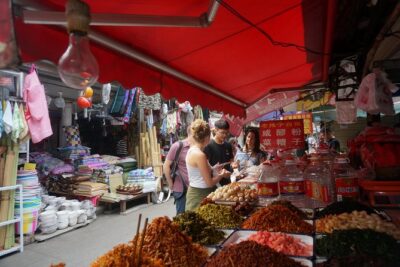
Half-Day Chengdu Cooking Class with a Local Market Visit
Read our review →
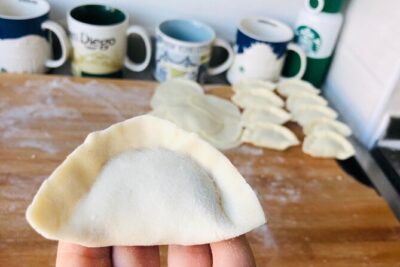
Online Cooking Class Beijing Dumplings and Cuisine by Sunflowerli Renowned Chef
Read our review →
Lijiang Naxi Cuisine Cooking Class & Market Visit
Read our review →
Cooking Class with Fresh Market Half Day Experience
Read our review →Private Cooking Class: Make Your Own Dim Sum In Shanghai
Read our review →
Half-Day steamed Buns Cooking Class with a Local Market Visit
Read our review →
Hong Kong Market Walking Tour & Chinese Cooking Class
Read our review →Where else this tour turns up