
Reviewed · COOKING CLASSES
2.5hrs Chinese Kitchen Cooking Class: Art Steamed Dumplings
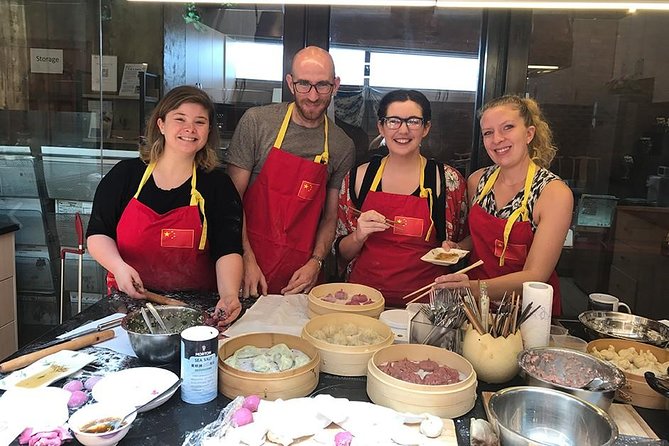
Color makes these dumplings party food. This Shanghai class teaches you to knead dough, roll wrappers the Chinese way, and shape colorful steamed dumplings with a friendly English-speaking chef. I like the small maximum of 15 people, which should give you room to work, and I like that you eat what you make with tea at the end. The main drawback is that the class focuses more on shaping than on full-scale cooking, so serious food enthusiasts may want more kitchen time.
You’ll make a pork filling, or choose a vegetarian version, then add four or five chopped vegetables on top for color and pattern. Chef Yin is praised for patient instruction, while Cici is described as helpful and kind. That personal attention matters when your first dumpling looks more like a folded hat than a work of art.
The class meets on Guangyuan Road in Shanghai’s Xuhui District and ends at the same place. The listed price is $109.88 per person, a fair but not cheap amount for a 2.5-hour lesson, a meal, tea, a recipe, and cultural explanation. Book only if the hands-on craft appeals to you, and note the strict no-refund rule before paying.
In This Review
- Key details before you book
- What you are really learning in 2.5 hours
- Arriving on Guangyuan Road in Xuhui
- The opening lesson on ingredients and culture
- Kneading dough and rolling wrappers the Chinese way
- Marinating the filling and adding the color
- Steaming and making the dipping sauce
- Sitting down to eat what you made
- Is $109.88 good value in Shanghai?
- Who will enjoy this class most?
- Practical verdict for your Shanghai afternoon
- Should you book the art steamed dumpling class?
- FAQ
- Where does the Chinese dumpling class meet?
- Where does the activity end?
- How long does the class last?
- What time does the class start?
- What type of dumplings will I make?
- Is a vegetarian option available?
- Is tea included?
- How many people can join the class?
- Is transportation included?
Key details before you book
- Colorful banquet-style dumplings: You’ll decorate the tops with several chopped vegetables, creating shapes rarely found on an ordinary restaurant menu.
- Traditional wrapper work: You’ll knead dough by hand and roll wrappers with a pin using a Chinese technique.
- Pork or vegetarian filling: The class can accommodate a vegetarian or vegan preference if you provide it when booking.
- English-speaking instruction: The chef explains local ingredients, dumpling names, symbolic meanings, marinating, steaming, and dipping sauce.
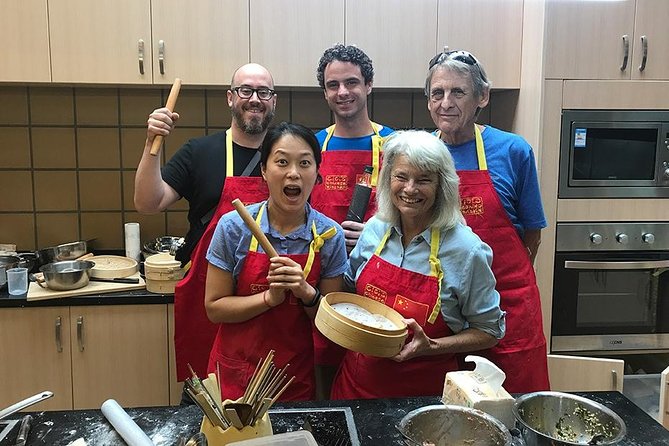
- Maximum group of 15: This is a shared class, but the group cap should keep the instruction manageable.
- Tea and a handmade meal included: You sip complimentary tea while working, then eat the dumplings together.
What you are really learning in 2.5 hours
This is not a restaurant demonstration where you sit quietly and watch a chef do everything. You work with dough, filling, vegetables, sauce, and a steamer. That makes the class useful for anyone who wants a skill to take home, not just another meal in Shanghai.
The class is described as lasting about two and a half hours. The timetable places the meeting around 2:00 or 2:30 pm, followed by an introduction, cooking from about 2:30 to 4:00, a shared meal, and an end around 4:30 pm. Since the supplied schedule gives both a 2:00 pm meeting time and a 2:30 pm start time, check the confirmation carefully so you arrive at the correct hour.
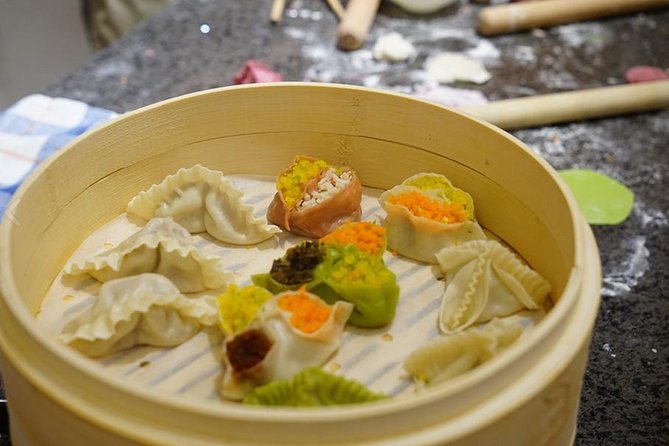
The central project is a colorful steamed dumpling. These are not presented as everyday street snacks. Their decorated appearance is associated with state banquets and five-star hotels, which gives the lesson a special angle. You are learning how to make a polished, decorative form of dumpling that you might not see on a standard restaurant table.
I like that the class explains the cultural meaning behind different dumpling shapes and names. Food lessons are more useful when you understand why a dish looks the way it does. Here, the shapes are not just decoration. They connect the cooking to Chinese customs and symbolism.
More Cooking Classes in Shanghai
- Private Cooking Class: Make Your Own Dim Sum In Shanghai
★ 5.0 · 27 reviews - Vegan Soup Dumpling Making in Shanghai
★ 5.0 · 17 reviews - Private Home Cooking Class with Shanghai Mama
★ 5.0 · 14 reviews
Arriving on Guangyuan Road in Xuhui
The meeting point is on Guangyuan Road, written as Guang Yuan Lu, in Shanghai’s Xuhui District. The location is near public transportation, but hotel pickup and drop-off are not included. You’ll need to make your own way there and return independently after the meal.
That arrangement keeps the class focused and avoids the extra cost of a private transfer. Still, allow enough time to find the cooking school, especially if you are unfamiliar with Shanghai’s street signs or public transport system. The most important practical step is to use the exact meeting information in your booking confirmation.
The activity ends back at the meeting point. That is handy if you want to plan another Xuhui activity afterward, though the class itself occupies the better part of an afternoon. With the cooking, meal, and discussion, you should not expect to rush off immediately after shaping the last dumpling.
The group can include up to 15 people. That is not a private lesson, but it is smaller than a large food demonstration. Your experience may depend partly on how many people attend that day. A group of 15 can be lively and social, while a smaller group may allow more individual help with difficult folds.
The opening lesson on ingredients and culture
The first stage introduces the cooking culture and local ingredients. This is where the chef sets up the meaning behind the food and explains what you will be doing. Tea is included, so you have something to sip while listening and preparing for the practical work.
The cultural talk is one of the class’s stronger features. An attendee enjoyed discussing art, Chinese history, tea, and culture with instructor Yin. That suggests the class is not limited to a narrow recipe lesson. You may get a broader conversation about the place of dumplings in Chinese food traditions.
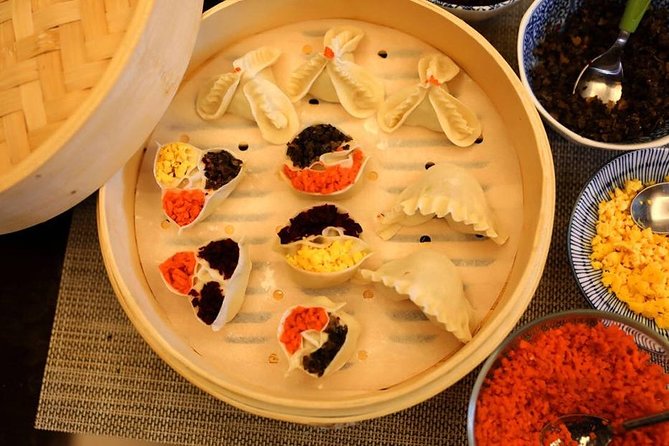
The ingredient discussion also gives you a better sense of what makes the finished dumplings different. The filling is seasoned pork unless you request the vegetarian option, and the decorative topping uses four or five types of chopped vegetables. The vegetables add color and shape, not just flavor.
If you have dietary needs, write your preference when booking. The class is described as vegetarian-friendly, with vegan or vegetarian arrangements applicable. The supplied details do not list specific substitutions, so you should not assume every ingredient can be changed without notice.
Kneading dough and rolling wrappers the Chinese way
The hands-on cooking begins with the dough. You learn to knead it by hand, which gives you a feel for texture that a ready-made wrapper cannot provide. This takes more effort than opening a packet, but it is also the part most likely to make the recipe feel authentic.
Next comes the wrapper. The chef shows you how to use a rolling pin in a Chinese style to create the dumpling skin. This is a small but important technique. Wrapper thickness affects how the dumpling cooks, how much filling it can hold, and whether it folds cleanly.
The class is designed to make the process approachable. The decorated dumplings may look complicated at first, but the instruction presents them as easier than they appear. That is good news if your kitchen skills are modest. One participant specifically praised the teacher’s patience with a clear lack of culinary ability and still found the dumplings tasty.
You should set your expectations sensibly. Your first shapes may not match the chef’s. The point is not to produce a perfect banquet tray on the first try. It is to learn a repeatable method and enjoy the slightly comic gap between the demonstration model and your own creations.
More Workshops in Shanghai
- 2-Hour Private Chinese Ink and Brush Painting Workshop in Shanghai
★ 5.0 · 15 reviews - Unlock Chinese Tea: Culture, Science, Tasting & Hands-on Brewing
★ 5.0 · 12 reviews - 2.5hrs Chinese Kitchen Cooking Class: Xiaolongbao Soup Dumplings
★ 5.0 · 12 reviews - Online Cooking Class Fried Rice by Sunflower Li
★ 4.5 · 5 reviews
Marinating the filling and adding the color
For the traditional version, the filling is pork. The chef explains a simple, healthy way to marinate it, then shows you how to fill the wrappers. This is useful cooking knowledge because the seasoning needs to support the dough and vegetable topping without becoming too heavy.
The colorful design comes from chopped vegetables placed on top. You’ll use four or five vegetables to create the decorative effect. This step gives the class its artistic side and helps explain the title. You are not merely folding a plain dumpling. You are making a small edible design.
The class also teaches several dumpling shapes and gives the Chinese names and symbolic meanings. That adds a cultural layer to the manual work. You will likely remember the shapes more easily because each one has a name and a story attached to it.
One limitation is worth keeping in mind. The available feedback describes the class as good fun but says there was not much cooking beyond the dumpling work. If you want to chop, stir-fry, simmer, and prepare several dishes, this is not that kind of class. The value lies in dough, folding, decoration, steaming, and conversation.
Steaming and making the dipping sauce
Once the dumplings are shaped, the chef explains the best steaming time and technique. Steaming looks simple, but timing matters. Too little time can leave the filling undercooked, while too much can affect the texture of the wrapper and vegetables.
The class also includes an authentic sauce for dipping. This is a worthwhile addition because a good sauce changes the final bite and gives you another recipe to repeat at home. The details provided do not specify every ingredient, so the lesson itself is the place to take notes.
The cooking session runs until about 4:00 pm in the stated schedule. You should expect the pace to include demonstrations, individual attempts, corrections, and waiting for the dumplings to steam. That waiting time is not wasted. It allows the chef to talk, answer questions, and help with the finishing steps.
The class does not appear to include a broad menu. Your main meal is the dumpling dish you make, served with the dipping sauce. That is enough for a light afternoon meal, but it may not replace lunch or dinner for everyone. Plan your food schedule accordingly.
Sitting down to eat what you made
At around 4:00 pm, the group eats together. This shared meal is a pleasant payoff after the work, especially when the shapes are uneven but the flavor is good. One participant found the dumplings tasty even when the appearance was not quite right, which is a realistic expectation for beginners.
Eating together also gives you a chance to compare techniques and shapes. A social group can make the class more enjoyable, particularly if you like talking about food and culture with other people. If you prefer quiet instruction or a private cooking lesson, the group format may feel less personal.
The included tea adds a simple but welcome touch. It gives the afternoon a relaxed rhythm and fits naturally with the cultural discussion. Tea is not the main attraction, but it makes the lesson feel more like a hosted food experience than a rushed craft workshop.
The class ends with a recipe. That makes the experience more useful after your visit. You can try the dough, filling, sauce, and folding methods at home, though the exact recipe details are not provided in advance.
Is $109.88 good value in Shanghai?
At $109.88 per person, this is a premium activity for a 2.5-hour group class. I would not book it simply because it includes a meal. A dumpling lunch or dinner in Shanghai costs much less.
The price makes more sense if you value instruction, cultural context, a hands-on activity, and a recipe to take away. You are paying for time with an English-speaking chef, the chance to work with dough from the start, and access to a decorative dumpling style that is not commonly found in ordinary restaurants.
The maximum group of 15 helps the value. You are not paying for a private chef, but the group is limited enough that the chef can demonstrate and correct techniques. The actual value will be strongest if you ask questions and actively practice rather than simply watching.
Group discounts are available, which may help families or friends. Children under three can join free of charge. The information does not give an age range for older children, so parents should consider whether a dough and shaping lesson suits their child’s attention span.
There is also a financial risk: the booking is non-refundable and cannot be changed for any reason. I would only reserve once your Shanghai plans are firm. That matters more here than with a flexible restaurant reservation.
Who will enjoy this class most?
I would recommend it to you if you like food crafts, want a cultural activity during an afternoon in Shanghai, or enjoy learning one focused skill in detail. It also suits couples, families with older children, and small groups of friends who want to eat together afterward.
Beginners should feel comfortable joining. The chef’s patient approach is a major strength, and the class is built around techniques that can be practiced step by step. You do not need professional kitchen ability to take part.
Vegetarians and vegans can request an appropriate option when booking. That makes the class more flexible than a fixed pork-only menu, though you should state your preference early rather than trying to change it at the meeting point.
I would skip it if you want a full Chinese cooking course with several dishes. The class is narrow by design. You focus on one dumpling style, one filling approach, vegetables, steaming, and sauce. That focus is either the appeal or the limitation, depending on what you want.
Practical verdict for your Shanghai afternoon
The best part of this experience is the combination of craft and culture. You learn a Chinese wrapper technique, shape dumplings with decorative vegetables, hear about symbolic forms, drink tea, and sit down to eat the result. That is more memorable than simply ordering dumplings from a menu.
The weaker point is the amount of actual cooking. The work centers on preparing and shaping the dumplings rather than producing a multi-course meal. If the phrase cooking class makes you expect lots of burners, pans, and recipes, adjust your expectations.
I also suggest checking the start time closely because the supplied schedule refers to both 2:00 pm and 2:30 pm. Meet at Guangyuan Road in Xuhui, arrange your own transport, and leave enough time to locate the school.
Should you book the art steamed dumpling class?
Book this class if you want a friendly, hands-on afternoon built around one distinctive Chinese food skill. Chef Yin’s patient teaching and Cici’s helpful manner are strong reasons for beginners to feel at ease, while the cultural talk adds value beyond the recipe.
Skip it if $109.88 feels high for a single dish or if you want a wider cooking syllabus. For the right person, the pleasure is in the dough, the colorful tops, the imperfect folds, and the meal you create together. Just make sure that focused experience is what you want before committing to a strict no-refund booking.
FAQ
Where does the Chinese dumpling class meet?
The class meets on Guangyuan Road, or Guang Yuan Lu, in Shanghai’s Xuhui District, China.
Where does the activity end?
The class ends back at the meeting point.
How long does the class last?
The experience lasts approximately 2 hours and 30 minutes.
What time does the class start?
The meeting information gives a 2:30 pm start time, while the timetable lists a 2:00 pm meeting and a 2:10 pm introduction. Check your confirmation for the exact arrival time.
What type of dumplings will I make?
You will make colorful steamed dumplings with decorative chopped vegetables on top.
Is a vegetarian option available?
Yes. The class is vegetarian-friendly, and vegan or vegetarian arrangements apply if you provide your preference when booking.
Is tea included?
Yes. Complimentary tea is included during the class.
How many people can join the class?
The maximum group size is 15 people.
Is transportation included?
No. Hotel pickup and drop-off are not included. The meeting point is near public transportation, and you arrange your own transport.
Just added in Shanghai
- Zhujiajiao Water Village: Private Tour from Shanghai★ 4.9 · 43 reviews
- Zhujiajiao with Private Customized Shanghai City Highlights★ 5.0 · 14 reviews
- Zhujiajiao & Shanghai:Private Day Tour Water Town to Skyline★ 5.0 · 12 reviews
- Zhujiajiao Water Town Private Tour with Night River Cruise★ 5.0 · 9 reviews
- Zhujiajiao & Shanghai:Small Group Tour Water Town to Skyline★ 5.0 · 4 reviews
- Yu Garden Shanghai Entry Tickets Booking And Trip★ 3.6 · 9 reviews
- Water Town Zhujiajiao Shanghai: Boat Ride,Sights,Bites&Sips★ 5.0 · 7 reviews
- shanghai Disney tour★ 5.0 · 12 reviews
Cooking Classes, compared.
Half-Day Chengdu Cooking Class with a Local Market Visit
Read our review →
Online Cooking Class Beijing Dumplings and Cuisine by Sunflowerli Renowned Chef
Read our review →
Lijiang Naxi Cuisine Cooking Class & Market Visit
Read our review →
Cooking Class with Fresh Market Half Day Experience
Read our review →
Private Cooking Class: Make Your Own Dim Sum In Shanghai
Read our review →
Half-Day steamed Buns Cooking Class with a Local Market Visit
Read our review →Where else this tour turns up