
Reviewed · FOOD & DRINK
Suzhou Alleyway Walking Food Tour
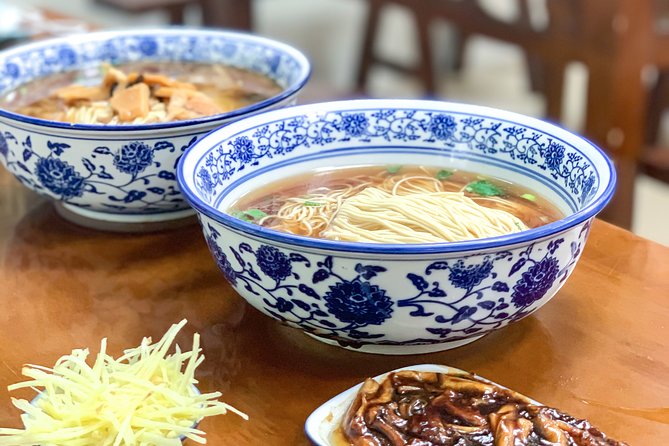
Suzhou tastes better one alley at a time. This 3.5-hour morning walk pairs local food with Ming Dynasty gardens, old pagodas, waterways, and quiet religious sites that can be hard to locate alone. You begin near Beisita Subway Station at 9:30 a.m. and return there after a generous brunch of noodles, tofu, dumplings, wontons, sesame balls, drinks, and dessert.
I like the way the tour joins eating with sightseeing instead of treating them as separate chores. I also like the small group size, capped at 10 people, which should make narrow lanes and sit-down food stops easier to manage. The main consideration is pace: you will eat several times while walking for three and a half hours, so this is not the best fit if you prefer a light breakfast or a slow, single-site city tour.
- Seasonal Suzhou noodles: Taste a local noodle dish with more than 500 possible toppings and learn why it is traditionally enjoyed with opera.
- Family-made silken tofu: Visit a narrow-alley tofu kitchen where fresh tofu has been prepared for more than 50 years.
- Two cultural stops: See Suzhou’s only Buddhist nunnery and a Ming Dynasty garden filled with Taihu Lake stones.
- Old religious landmarks: Visit 800-year-old pagodas and monasteries that are easy to miss without local direction.
- Classic street foods: Try savory soy milk, spring rolls, local donuts, fried sesame balls, and bubble wontons.
- A sweet finish: End with red-bean soup topped with chewy rice balls at a current favorite dessert shop.
In This Review
- Starting at Beisita Subway Station
- Suzhou Noodles and the Opera Tradition
- A Narrow Alley and Fifty Years of Tofu
- Buddhist Nunnery and a Ming Dynasty Garden
- Pagodas, Monasteries, and Easy-to-Miss Landmarks
- Savory Soy Milk, Spring Rolls, and Sesame Balls
- Bubble Wontons in a Local Restaurant
- Dessert at a Current Favorite Shop
- Is the $58 Price Good Value?
- Who Will Enjoy This Morning Walk?
- Final Verdict: Book It for Food and Local Context
- FAQ
- Where does the Suzhou Alleyway Walking Food Tour begin?
- What time does the tour start?
- How long does the experience last?
- Where does the tour end?
- How many people can join the tour?
- Is food included in the price?
- Is an English-speaking guide included?
- Can I cancel for a full refund?
Starting at Beisita Subway Station
The meeting point is Beisita, in Gusu District, a useful starting place for a walking tour through central Suzhou. The activity begins at 9:30 a.m., so you can arrive after a modest breakfast, though you should leave room for food almost immediately.
The tour is led in English by a local guide. Hilary is one guide associated with the experience, and her warm, personal approach earned especially strong praise. That matters here because much of the pleasure comes from explanation: why a certain noodle topping is seasonal, how a family tofu business works, and what you are looking at when a monastery appears behind an ordinary alley wall.
The group limit of 10 is another practical advantage. Suzhou’s old lanes can be tight, and a large tour would make the food stops less comfortable. With a small group, you should have a better chance to hear the guide, ask questions, and sit together at the neighborhood restaurants.
The tour ends back at the meeting point, which simplifies planning. You do not need to arrange a taxi from an unfamiliar part of town, and you can continue sightseeing from the same area afterward.
Suzhou Noodles and the Opera Tradition
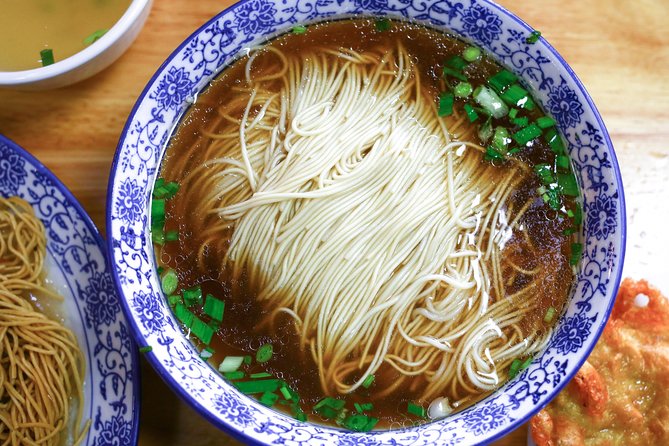
One of the first food lessons centers on Suzhou’s famous noodles. The dish can be served with more than 500 toppings, so it is not simply a bowl of noodles with one fixed recipe. Seasonal ingredients and local preferences shape what appears on top.
Your guide explains why people enjoy these noodles with opera, a detail that links food to Suzhou’s older entertainment traditions. It gives the meal more meaning than a quick sample at a food court. You are not just checking off noodles. You are learning how an everyday dish fits into local life.
This stop is valuable for first-time visitors because Suzhou cuisine can be subtle. It often rewards attention to texture, seasoning, and preparation rather than relying on heat or heavy spice. If you usually prefer bold flavors, some dishes may seem gentle. Give them a little time before deciding.
The tour calls this brunch, but the food comes in stages. That is helpful because you can try small portions at several places instead of facing one enormous meal. It also means you should avoid filling up before the meeting time.
More Food Tours in China:
- Authentic Local Food Tour in Central Shanghai
★ 5.0 · 1,382 reviews - Beijing Hutong Walking Food and Beer Tour at Hidden Restaurants
★ 5.0 · 1,132 reviews - Xi’an Evening Food Tour by TukTuk
★ 5.0 · 715 reviews
A Narrow Alley and Fifty Years of Tofu
The silken tofu stop offers one of the tour’s most distinctive details. For more than 50 years, a family has made fresh tofu from its home in a narrow alley. The work begins at 5 a.m., which gives you a sense of the daily effort behind a food that can look simple on the plate.
Homemade tofu is a good fit for this kind of walk because it shows how Suzhou food is built from fresh, carefully handled ingredients. You will not just hear about an old family business. You will taste the result of a routine that starts long before most people are awake.
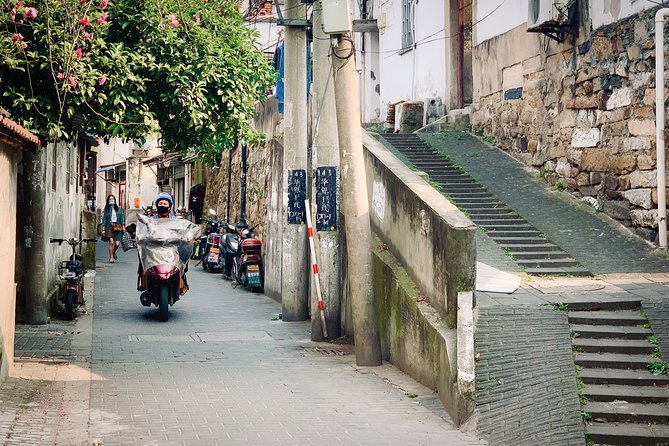
The location also matters. A home-based tofu maker in a tight lane offers a different experience from a polished restaurant. You may need to pay attention to where you are walking and follow the guide closely, but that is part of the appeal. The food is connected to the neighborhood rather than separated from it.
If you have dietary concerns, the supplied information does not list substitutions or a full allergy policy. Ask before booking if you need strict accommodations. The tour includes many different dishes, so it is sensible to tell the guide about restrictions at the start.
Buddhist Nunnery and a Ming Dynasty Garden
The food is only half of this experience. Two cultural stops break up the eating with visits to religious and garden sites.
One stop is Suzhou’s only Buddhist nunnery. The tour does not simply send you past a famous gate. It takes you into a place that can be difficult to identify on your own, then adds historical context through the English-speaking guide.
The second cultural stop is a hidden Ming Dynasty garden with Taihu Lake stones. Suzhou is known for gardens that turn small spaces into carefully planned worlds of water, rock, plants, and winding paths. Taihu Lake stones are especially prized for their unusual shapes and perforated surfaces, which make them look almost sculpted by nature.
This garden visit gives the walking route a welcome change of mood. You move from food counters and neighborhood lanes into a quieter setting where design and contemplation matter. Do not expect a massive park. The attraction is the arrangement of details and the sense of finding a tucked-away place inside the city.
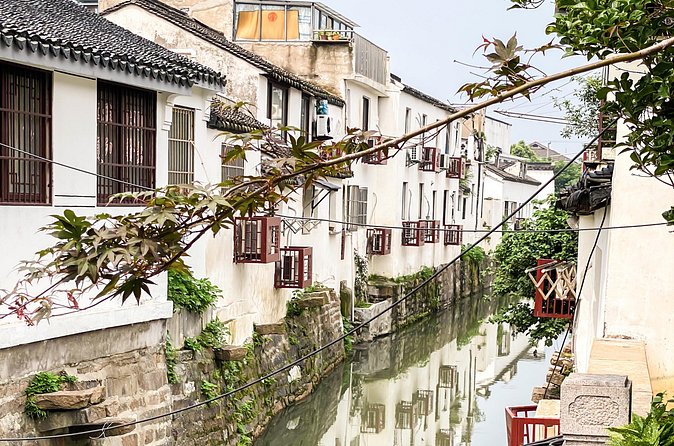
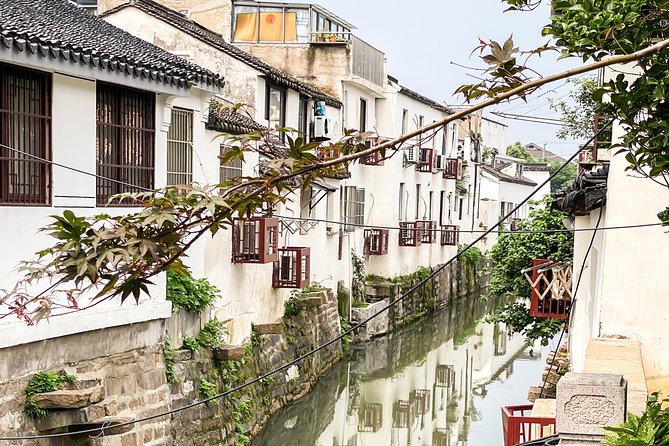
You will also pass waterways and lush gardens during the walk. The route’s strength is not one grand viewpoint. It is the repeated shift between ordinary streets, old religious buildings, water, and enclosed gardens.
Pagodas, Monasteries, and Easy-to-Miss Landmarks
The route includes imposing pagodas that are about 800 years old, along with monasteries tucked into the city. These sites are particularly useful additions because they are tricky to find without someone who knows the area.
A pagoda can look impressive from a distance, but the guide’s explanation helps you understand why it belongs in Suzhou’s story. The monasteries add another layer, showing how religious buildings can survive alongside narrow lanes and modern city life.
The tour’s format works well here. You walk between food stops rather than spending the entire morning in a vehicle, so the city changes gradually around you. The old architecture is not presented as a separate museum display. It appears as part of the neighborhood you are already using.
The tradeoff is that this is a tasting walk, not a full architectural tour. You will receive historical information at several cultural stops, but you should not expect long, detailed interior visits at every pagoda or monastery. The value comes from seeing several places efficiently and learning why they matter.
A completely different sort of day out:
- From Beijing: Mutianyu Great Wall Tours with Options
★ 4.9 · 9,216 reviews - Beijing: Forbidden City Tour(Group/Private)-Tickets Included
★ 4.8 · 7,974 reviews - Beijing: T-Square & Forbidden City Group or Private Tour
★ 4.8 · 4,446 reviews - Beijing: Mutianyu Great Wall Daily Tour with Ticket & Lunch
★ 5.0 · 3,056 reviews
Savory Soy Milk, Spring Rolls, and Sesame Balls
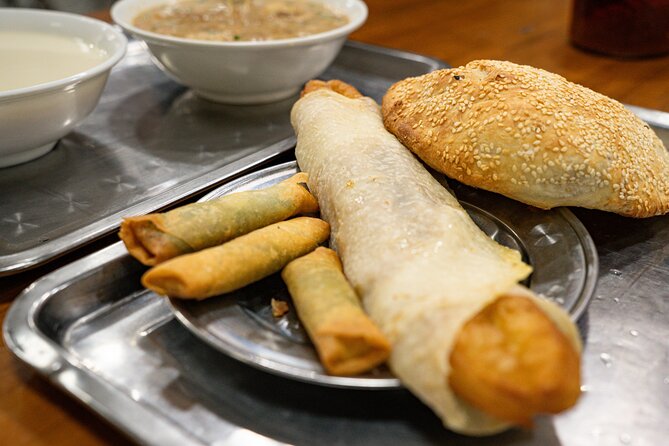
Several stops focus on foods that may be unfamiliar even if you have eaten Chinese cuisine before. Savory soy milk provides a useful contrast to the sweet versions many people know. Suzhou-style spring rolls and local donuts bring more texture and crunch to the morning.
The Tang Dynasty fried sesame balls are another notable tasting. Their name links the food to an older culinary tradition, while the cooking method gives you something crisp and rich. Sesame balls can be filling, so remember that the itinerary keeps going.
These tastings are part of the tour’s strongest feature: variety. You are not asked to choose one dish from a long menu and hope for the best. The guide brings you through several neighborhood specialties, making it easier to sample foods you might otherwise overlook.
There is also a practical safety benefit in eating at four sit-down restaurants and established food stops rather than relying only on random roadside sampling. The experience describes the restaurants as safe-to-eat local businesses. That does not remove the need for common sense, but it should make the morning more comfortable for visitors cautious about unfamiliar food.
Bubble Wontons in a Local Restaurant
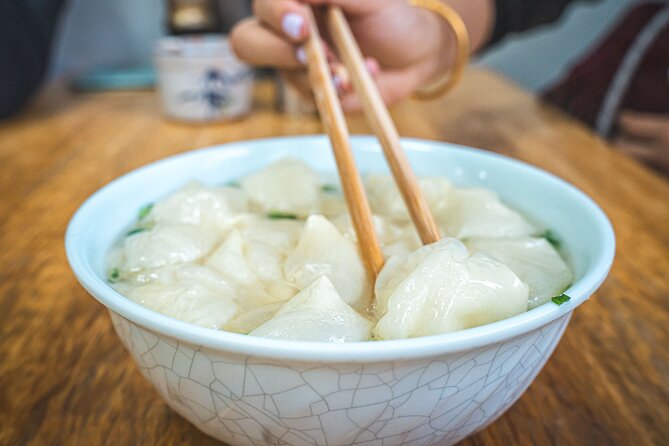
The bubble wonton stop is likely to be one of the most memorable dishes. These tiny wontons are served in a rich broth and are described as bubble-like because of their delicate shape.
This is the kind of food that can be hard to order independently. You may see wontons on a menu, but you might not know which version is especially associated with the neighborhood or how it differs from the dumplings you have already tried. The guide helps place the dish in context and gets you to a restaurant known for it.
The stop is also a useful reminder that Suzhou food is not limited to noodles and sweets. Broth, wrappers, and filling create a different experience from the fried items earlier in the walk. By this point, you will have sampled several textures and preparation styles.
Because the meal unfolds across several stops, portions are presumably spread out rather than served all at once. Even so, the description promises far more than a single meal’s worth of food and drinks. Come hungry, but do not treat the first two tastings as your entire breakfast.
Dessert at a Current Favorite Shop
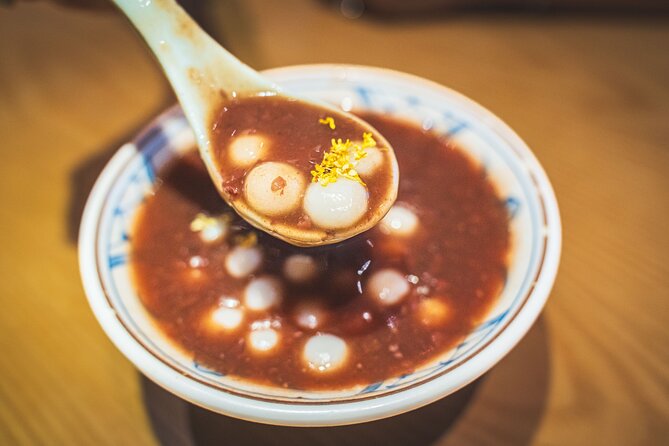
The tour ends at a dessert shop popular with the current local crowd. The final dish is subtly sweet soup with slow-cooked red beans and chewy rice balls.
This is a gentle way to finish after savory noodles, tofu, wontons, fried snacks, and dumplings. The dessert is not described as intensely sweet, which may suit you if you prefer restrained flavors. The chewy rice balls also provide a texture that differs from the crisp sesame balls and spring rolls.
Ending at a modern dessert shop gives the route a useful time span. You see older gardens, monasteries, and food traditions, then finish somewhere connected to today’s Suzhou. That mix keeps the tour from feeling like a history lesson frozen in the past.
The experience also mentions a traditional coffee house among the food and beverage stops, while the itinerary highlights the dessert shop as the final stop. The exact order may vary, but you should expect both traditional tastes and a more current food setting.
Is the $58 Price Good Value?
At $58 per person, the price is reasonable if you plan to eat your way through Suzhou and want a guide to handle the route. You receive an English-speaking local guide, multiple cultural visits, bottled water, and a brunch spread across several sit-down stops.
The value improves when you consider the number of separate tastings. You are not paying only for a bowl of noodles or a short restaurant visit. The morning includes noodles, tofu, soy milk, spring rolls, donuts, sesame balls, dumplings, wontons, dessert, and drinks, along with gardens, pagodas, monasteries, and waterways.
It may be less attractive if you already know Suzhou well, speak Chinese, and feel comfortable finding small alley restaurants on your own. Independent diners can usually spend less by choosing only the foods they want. You are paying extra for the route, translation, cultural explanation, and convenience.
The average booking lead time is 12 days, so popular dates may fill ahead of time. Advance signup and payment are required, and the maximum group size is 10. Free cancellation is available up to 24 hours before the 9:30 a.m. start. Poor weather can also lead to a rescheduled date or full refund, since much of the experience takes place outdoors.
Who Will Enjoy This Morning Walk?
I would recommend this tour to first-time visitors who want an introduction to Suzhou beyond the most famous postcard sights. It gives you food, local streets, gardens, religious sites, and practical orientation in one morning.
It also suits curious eaters who want to try several dishes without making a long list of restaurant decisions. The guide’s role is especially useful when menus, customs, and hidden locations might otherwise slow you down.
Families and mixed-interest groups may appreciate the balance. One person can focus on food while another listens for garden and monastery details. Most people can participate, but the tour does involve walking and repeated food stops, so anyone who needs a very gentle pace should consider that before booking.
This is not the right choice if you want a formal banquet, a private car, or an afternoon visit to one major garden. It is a compact, active morning with plenty of eating. The word brunch is accurate, but the amount of food makes it closer to a rolling meal.
Final Verdict: Book It for Food and Local Context
I would book the Suzhou Alleyway Walking Food Tour if I had one free morning in the city and wanted help finding small food businesses and lesser-known cultural sites. The strongest features are the variety of tastings, the 10-person limit, and guides such as Hilary, whose friendly approach adds warmth to the route.
The tour earns its price through range rather than luxury. You get seasonal noodles, family-made tofu, bubble wontons, old pagodas, a Buddhist nunnery, a Ming Dynasty garden, and a modern dessert stop in about three and a half hours.
Skip it if you dislike eating early, have strict dietary needs that cannot be confirmed in advance, or prefer to spend a whole morning inside one major garden. For most visitors who want an easy, informative introduction to Suzhou’s food and old lanes, it is a smart choice.
FAQ
Where does the Suzhou Alleyway Walking Food Tour begin?
The tour begins at Beisita in Gusu District, Suzhou, China. The meeting point is near Beisita Subway Station.
What time does the tour start?
The tour starts at 9:30 a.m.
How long does the experience last?
The walking food tour lasts approximately 3 hours and 30 minutes.
Where does the tour end?
The activity ends back at the Beisita meeting point.
How many people can join the tour?
The maximum group size is 10 travelers.
Is food included in the price?
Yes. Brunch, multiple food and beverage tastings, and unlimited bottled water are included. The food includes noodles, tofu, dumplings, wontons, sesame balls, soy milk, spring rolls, donuts, and dessert.
Is an English-speaking guide included?
Yes. A local English-speaking guide is included, along with historical information and multiple cultural stops.
Can I cancel for a full refund?
Yes. You can cancel at least 24 hours before the experience start time for a full refund. Cancellations or changes made less than 24 hours in advance are not accepted for a refund.
More Walking Tours in China
- Private Beijing Walking Tour of the Forbidden City with 7 Options
★ 5.0 · 675 reviews - Dark Side of Hong Kong – Kowloon Caged Homes Walking Tour
★ 5.0 · 418 reviews - Forbidden City Private Walking Tour with Optional Sights
★ 5.0 · 400 reviews - Beijing Private Hutong Food Walking Tour
★ 5.0 · 299 reviews
Just added in China
- Songcheng Park & Lengend of Song Dynasty Show Ticket★ 4.5 · 3 reviews
- Classic Hangzhou One Day Private Tour★ 5.0 · 3 reviews
- Private Wuzhen Water Town Day Tour from Hangzhou★ 5.0 · 2 reviews
- Wuzhen Water Town Self-Guided Tour with Private Transfer from Hangzhou★ 5.0 · 12 reviews
- Wuzhen Classical Water Town day tour★ 5.0 · 4 reviews
- Wuzhen Water Town Delight Tour With Riverside Lunch Experience★ 5.0 · 15 reviews
- Private Transfer to Shanghai Pudong Airport from Hangzhou★ 5.0 · 3 reviews
- Private Amazing Hangzhou Airport Layover Tour with Lunch or Dinner Option★ 5.0 · 2 reviews
Food & Drink, compared.
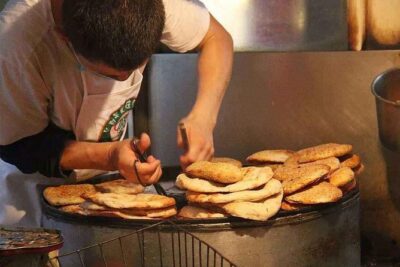
Authentic Local Food Tour in Central Shanghai
Read our review →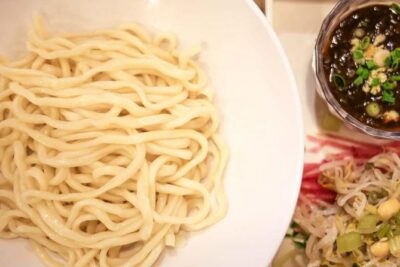
Beijing Hutong Walking Food and Beer Tour at Hidden Restaurants
Read our review →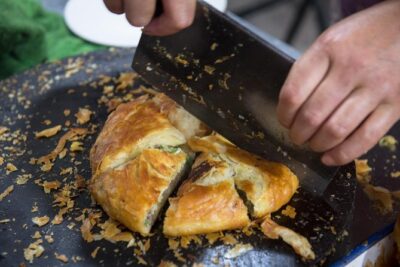
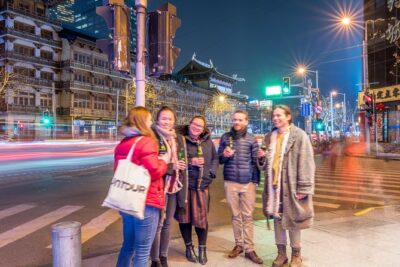
Hong Kong’s Tin Hau Hidden Eats Food Tour with 7+ Local Tastings
Read our review →
Hong Kong Food Tour: Central and Sheung Wan Districts
Read our review →Where else this tour turns up