
Reviewed · FOOD & DRINK
Suzhou Alleyway Food Tour
Follow the canals, then follow your appetite. This three-hour walk connects Suzhou’s old lanes, gardens, temples, and five sit-down food stops in one tidy introduction to the city. I like the mix of morning noodles and homemade silken tofu, and I also like that the food comes with cultural stops rather than a string of restaurant visits. The main consideration is timing: you need to reach Beisita Subway Station early, especially if you are coming from Shanghai.
The $63 price is not just paying for a meal. It covers far more than one meal’s worth of food and drinks, an English-speaking guide, a small group capped at 10 people, and several stops in Suzhou’s historic center. I would choose this tour if you want local food without spending your first day guessing what to order, though it may feel too food-heavy if you prefer a slow sightseeing walk with only a snack or two.
In This Review
- Key points to know before booking
- Why Suzhou makes such a good food-tour setting
- Starting at Beisita Subway Station
- Morning noodles and the rhythm of local eating
- Silken tofu and old-Suzhou snacks
- Floating wontons and a classic Chinese dessert
- Gardens, temples, canals, and quiet old lanes
- What the small group changes
- The route and end point
- Is $63 a fair price?
- Who should book this Suzhou walk?
- Should you book the Suzhou Alleyway Food Tour?
- FAQ
- Where does the Suzhou Alleyway Food Tour begin?
- Where does the tour end?
- How long does the experience last?
- Is the tour conducted in English?
- How many people can join the group?
- How much does the tour cost?
- How many restaurants are included?
- What food is included?
- Can I travel from Shanghai to join the tour?
- Can I cancel the booking?
Key points to know before booking
- Five sit-down food stops: You receive a generous range of dishes and drinks, not a quick tasting plate.
- Morning noodles lead the way: The tour begins with a Suzhou food staple, giving you an early look at everyday local dining.
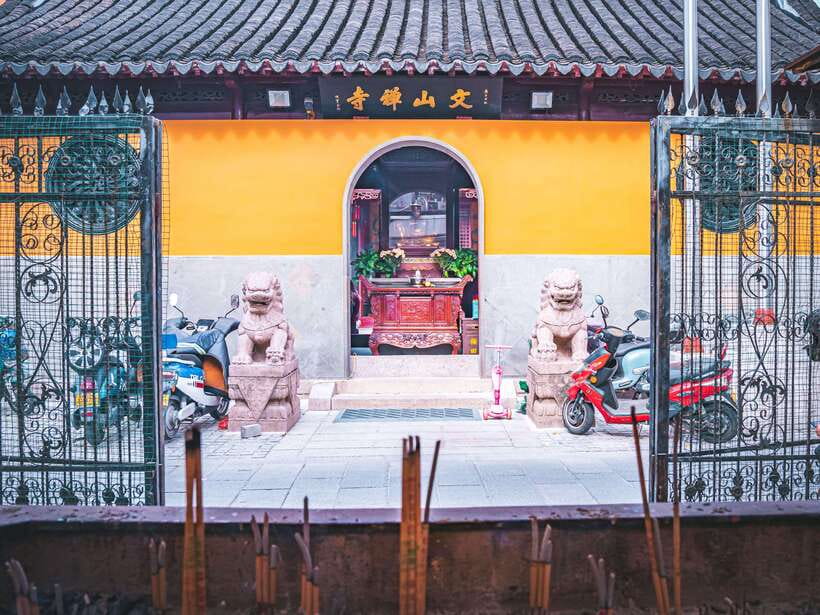
- Gardens and monasteries share the route: Food is paired with cultural sights in the old town.
- Small groups stay manageable: The tour accepts no more than 10 participants.
- Canals and alleys shape the experience: The route shows the older side of Suzhou beyond its modern transport links.
- Easy connection from Shanghai: High-speed trains take about 30 minutes to Suzhou, followed by one subway stop to Beisita.
Why Suzhou makes such a good food-tour setting
Suzhou’s food culture makes more sense once you understand its place in China. The Grand Canal, a 1,700-kilometer waterway linking northern and southern China, helped turn Suzhou into a major center more than 1,500 years ago.
That canal connection brought trade, wealth, officials, artists, and wealthy families. Suzhou became a favored place for China’s elite to retire, and many built private courtyards with gardens. Monasteries and cultural sites also benefited from that money.
The result is a city where an unassuming lane can lead to a refined garden or an old temple. That contrast is the point of this tour. You are not eating in an isolated food district, then driving somewhere else for sightseeing. You are walking through the same old-town fabric that shaped Suzhou’s identity.
Suzhou remains a UNESCO World Heritage Site, and this route offers a compact way to see why. The canals and alleys are not simply scenery between restaurants. They help explain how the city grew and why its old center still feels different from nearby Shanghai.
More Food Tours in China:
- Authentic Local Food Tour in Central Shanghai
★ 5.0 · 1,382 reviews - Beijing Hutong Walking Food and Beer Tour at Hidden Restaurants
★ 5.0 · 1,132 reviews - Xi’an Evening Food Tour by TukTuk
★ 5.0 · 715 reviews
Starting at Beisita Subway Station
The meeting point is Beisita Subway Station, Exit 5, at street level. The station is on Suzhou’s Line 4 and is only one stop from Suzhou Railway Station, making it a practical starting point for a day trip from Shanghai.
Your guide waits upstairs outside Exit 5. An email with the meeting details is sent immediately after booking, so read it before leaving your hotel. If you use a taxi or Didi, show the driver this Chinese destination: 北寺塔地铁站5口.
Give yourself extra time. Traffic can be heavy around the station during rush hour, and finding the correct exit can cost a few minutes in an unfamiliar city. The subway is strongly recommended because it avoids road delays and puts you close to the meeting point.
From Shanghai, trains leave regularly from Shanghai Railway Station and Shanghai Hongqiao Railway Station. The train ride to Suzhou takes about 30 minutes, but you still need time to buy or collect your ticket and reach the correct platform. Online ticket purchases are available through Trip.com.
This timing matters. A three-hour tour can be relaxed once it begins, but a late arrival from Shanghai could make the day feel rushed. I would choose an early train and treat the subway connection as part of the plan, not an afterthought.
Morning noodles and the rhythm of local eating
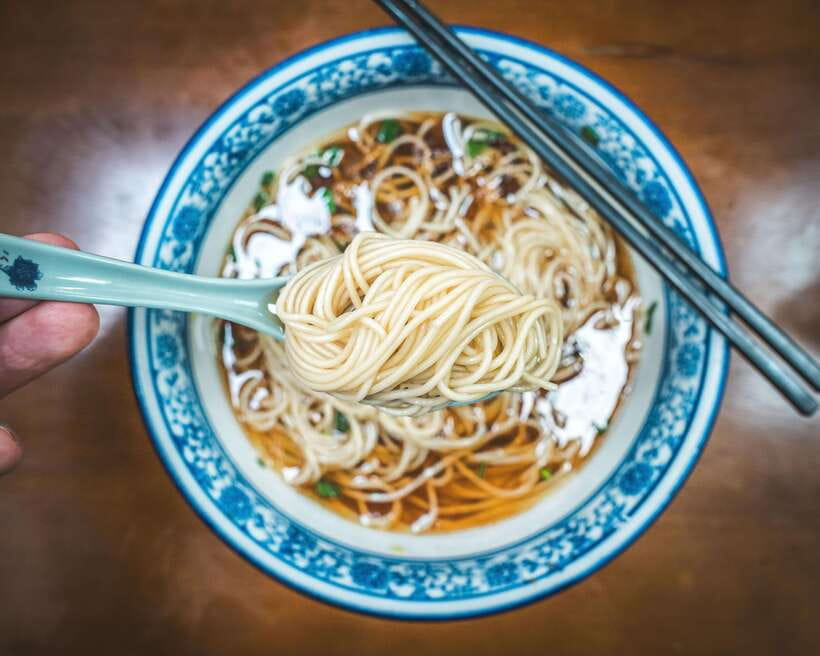
The food portion begins with authentic morning noodles. That is a useful choice because noodles are tied to everyday routines, not just special meals. Starting early also lets you see how a simple dish can anchor the first meal of the day.
The tour does not give a detailed dish-by-dish menu, so you should not expect a fixed list of toppings or preparation methods in advance. What you can count on is a Suzhou food experience built around classic local tastes and served at humble eateries rather than formal dining rooms.
I like this approach because it keeps the focus on how people eat in the city. You are not only sampling a famous dish for a photograph. You are using breakfast to get a first sense of local habits before moving through the old town.
The amount of food is described as more than a meal’s worth, so plan to arrive hungry. Five sit-down restaurants plus additional stops can add up quickly during three hours. If you have a small appetite, you may need to pace yourself and sample rather than finish every serving.
Silken tofu and old-Suzhou snacks
Homemade silken tofu is another highlight. Its soft texture and simple preparation offer a different experience from noodles, and the homemade element gives this stop a more personal, everyday feel.
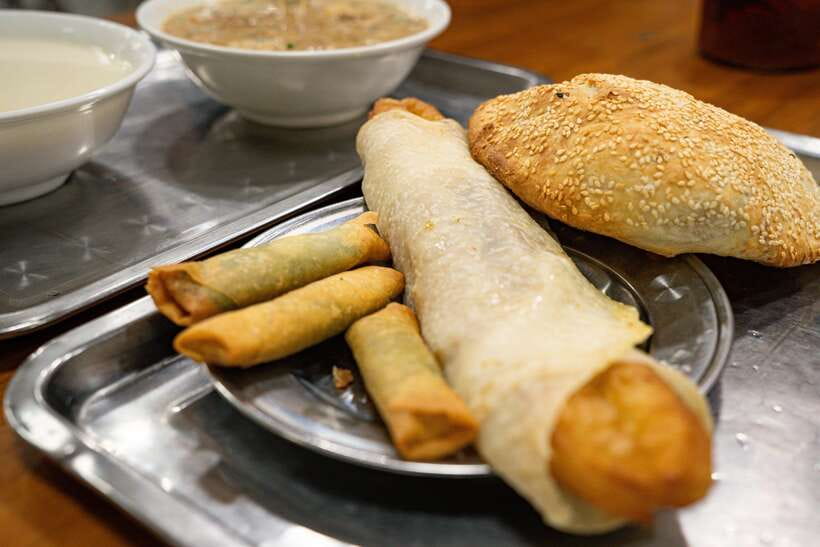
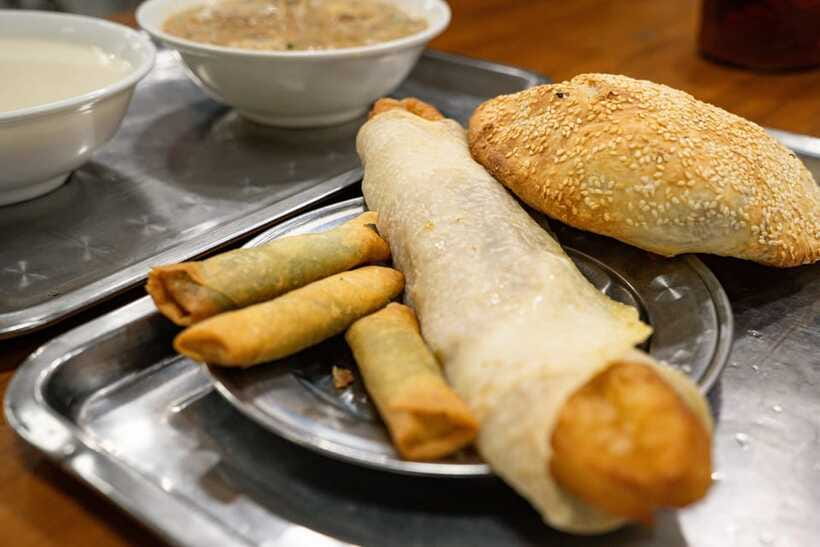
The tour also includes traditional old-Suzhou snacks. This is where the experience gains range. Instead of focusing on one famous dish, it introduces several foods connected with the city, allowing you to compare textures, flavors, and the difference between a main dish and a small bite.
The exact snack selection is not specified, which is worth keeping in mind if you have your heart set on one particular item. The strength of the tour is variety within Suzhou food culture, not a guaranteed menu chosen months in advance.
There are also drinks included. Since the activity is limited to three hours, the food is likely to arrive at a steady pace as you walk between stops. You will want comfortable shoes and a sensible breakfast plan, particularly if you are joining from Shanghai after an early train.
A completely different sort of day out:
- From Beijing: Mutianyu Great Wall Tours with Options
★ 4.9 · 9,216 reviews - Beijing: Forbidden City Tour(Group/Private)-Tickets Included
★ 4.8 · 7,974 reviews - Beijing: T-Square & Forbidden City Group or Private Tour
★ 4.8 · 4,446 reviews - Beijing: Mutianyu Great Wall Daily Tour with Ticket & Lunch
★ 5.0 · 3,056 reviews
Floating wontons and a classic Chinese dessert
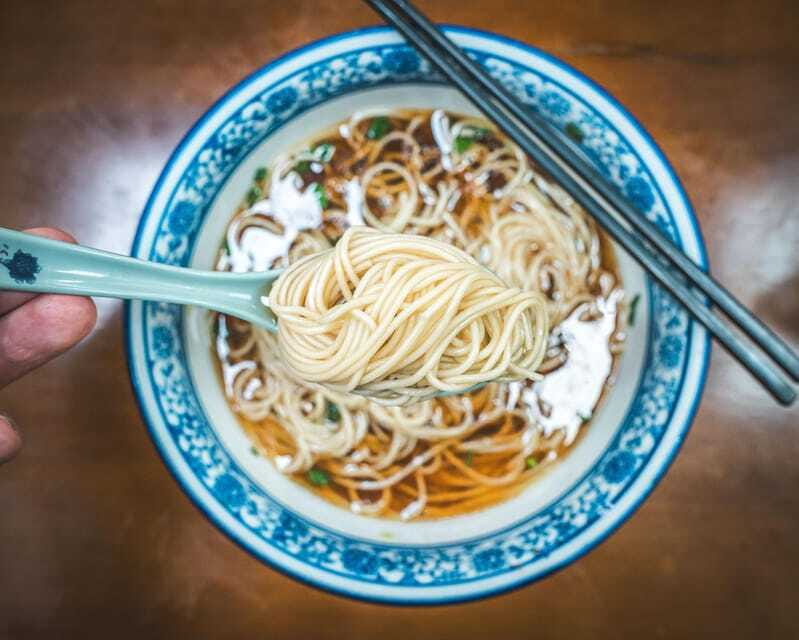
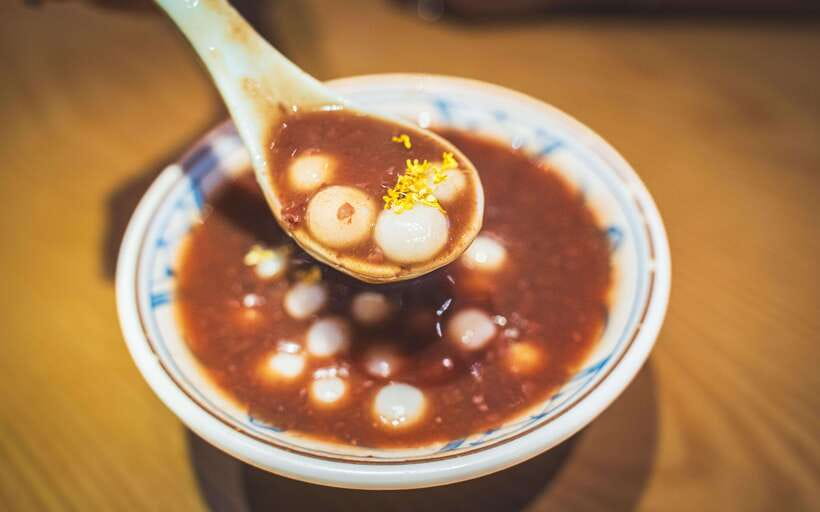
Floating wontons provide one of the tour’s more distinctive food moments. The name suggests a preparation built around light, delicate dumplings served in liquid, but the supplied details do not specify the exact broth or filling. You can expect a classic Chinese comfort food stop, while keeping in mind that the full recipe may vary.
The final food highlight is a traditional Chinese dessert. Again, the exact dessert is not named, so this is best viewed as a chance to try a classic sweet rather than a promise of one specific dish.
That uncertainty is not necessarily a weakness. A food tour can be more useful when it gives you a broad introduction instead of locking the entire experience to dishes you could order from a menu at home. Still, if you have dietary restrictions or need to avoid particular ingredients, ask the provider before booking because no dietary information is supplied here.
The meal count is a clear value point. At $63 per person, you are paying for multiple sit-down tastings, drinks, guiding, and cultural stops. The price makes more sense for someone who wants both food and interpretation. If you only want a cheap bowl of noodles, it is not the right product.
Gardens, temples, canals, and quiet old lanes
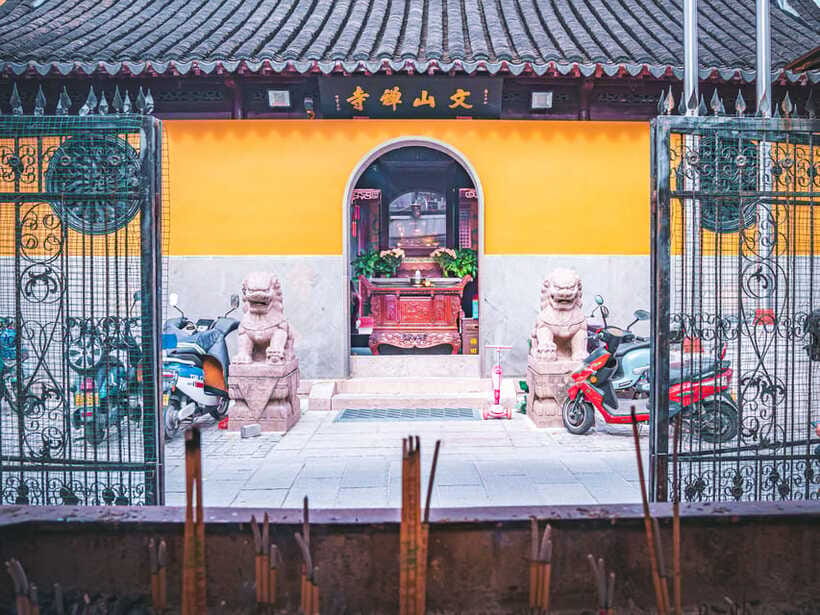
Between food stops, the route passes through centuries-old gardens and monasteries. These places give the tour its balance. You can see how Suzhou’s private gardens and religious sites fit into the city’s long period of wealth and cultural importance.
The gardens matter because they show the taste of the families who built them. Suzhou’s old courtyards were designed as private worlds, with carefully planned spaces rather than large public parks. Even without a full garden-focused tour, walking through this setting helps you understand why Suzhou earned its reputation as a city of refined retreats.
The monasteries add another layer. They show that the old town was not only a place for wealthy households and beautiful courtyards. Religious sites also formed part of the city’s cultural life and benefited from the support of powerful patrons.
The canals and alleys tie everything together. Water shaped Suzhou’s trade and growth, while narrow lanes preserve the scale of the older city. You get a closer view of local life than you would from a bus window, though walking through historic lanes means the route may not feel as direct as a standard sightseeing itinerary.
What the small group changes
The group is limited to 10 participants, which is a useful size for a food walk. It should be easier to hear an English-speaking guide, gather outside small eateries, and ask questions without stopping the entire street.
Small groups also help at sit-down restaurants. Five food stops require coordination, and a group that is too large can turn each order into a slow production. A maximum of 10 keeps the format more personal and practical.
The tour is conducted in English. That makes it a good fit if you want explanations of the food and surroundings instead of simply being led from one address to another.
Still, a food tour has a social element. You will be eating at shared stops and moving at the group’s pace. If you prefer complete control over meal timing, restaurant choice, and portion size, an independent food crawl may suit you better.
The route and end point
The tour ends about a 10-minute walk from Yangyuxiang Subway Station. This is helpful because you do not finish at the same place where you began, leaving you in another part of Suzhou’s central area.
The end point also gives you flexibility. You can continue sightseeing, find your own way back to the railway station, or use the subway for the next part of your day. Since the exact final street address is not provided, check the guide’s directions during the walk if you need to catch a train soon after.
The one-way route is an advantage for sightseeing, since you are not retracing the same alleys. It also means you should not leave luggage at the starting point or assume you will return there. Pack lightly and keep anything important with you.
Is $63 a fair price?
For a three-hour activity, $63 is not bargain street-food pricing. Suzhou’s noodle stalls and snack shops can cost far less if you order independently.
The value comes from the combination. You receive food and drinks at five sit-down restaurants, extra cultural stops, an English-speaking guide, and a group of no more than 10 people. You are also paying for the time saved in finding suitable places and working out what to order in an unfamiliar city.
I think the price is fair for a first visit, especially if you are making a day trip from Shanghai and want to use your limited hours well. It is less compelling for repeat visitors who already know Suzhou’s old town and feel comfortable choosing local eateries without help.
The cancellation terms reduce some booking risk. You can cancel up to 24 hours in advance for a full refund, and you can reserve now and pay later. Those options are useful when your China rail plans are still changing.
Who should book this Suzhou walk?
I would recommend it to you if you want a compact introduction to Suzhou that combines food, history, and ordinary street life. It suits first-time visitors, day trippers from Shanghai, and anyone who prefers a guide to explain why a quiet lane or temple matters.
It is also a strong choice for people who enjoy tasting several dishes instead of ordering one full meal. The food comes in multiple stages, with noodles, tofu, snacks, wontons, drinks, and dessert spread through the route.
I would be more cautious if you have strict dietary needs, because the available details do not identify ingredients or substitutions. I would also skip it if you want a long, detailed visit inside a single garden, since the route divides its time among food stops, gardens, monasteries, and alleys.
Should you book the Suzhou Alleyway Food Tour?
Book it if you want Suzhou explained through what people eat and where they live, worship, trade, and stroll. The combination of five food stops, old-town walking, gardens, monasteries, and canals gives you more than a meal and more than a basic city walk.
Before booking, confirm your train timing from Shanghai, leave extra time for Beisita Exit 5, and arrive hungry. If those details work for you, $63 buys a well-rounded three-hour introduction to Suzhou’s old center, with enough food to count as a serious meal and enough context to make the city easier to understand.
FAQ
Where does the Suzhou Alleyway Food Tour begin?
It begins at Beisita Subway Station, Exit 5, at street level. The guide waits upstairs outside the exit.
Where does the tour end?
The tour ends about a 10-minute walk from Yangyuxiang Subway Station.
How long does the experience last?
The tour lasts three hours. Starting times vary, so check availability when booking.
Is the tour conducted in English?
Yes. The tour includes a live English-speaking guide.
How many people can join the group?
The group is limited to 10 participants.
How much does the tour cost?
The listed price is $63 per person.
How many restaurants are included?
The experience includes food and drinks at five sit-down restaurants, along with multiple cultural stops.
What food is included?
Highlights include morning noodles, homemade silken tofu, traditional old-Suzhou snacks, floating wontons, drinks, and a classic Chinese dessert. The exact full menu is not specified.
Can I travel from Shanghai to join the tour?
Yes. Trains run from both Shanghai Railway Station and Shanghai Hongqiao Railway Station to Suzhou Railway Station. The journey takes about 30 minutes, and Beisita Subway Station is one stop from Suzhou Railway Station on Line 4.
Can I cancel the booking?
You can cancel up to 24 hours in advance for a full refund. You can also reserve now and pay later.
Just added in China
- Songcheng Park & Lengend of Song Dynasty Show Ticket★ 4.5 · 3 reviews
- Classic Hangzhou One Day Private Tour★ 5.0 · 3 reviews
- Private Wuzhen Water Town Day Tour from Hangzhou★ 5.0 · 2 reviews
- Wuzhen Water Town Self-Guided Tour with Private Transfer from Hangzhou★ 5.0 · 12 reviews
- Wuzhen Classical Water Town day tour★ 5.0 · 4 reviews
- Wuzhen Water Town Delight Tour With Riverside Lunch Experience★ 5.0 · 15 reviews
- Private Transfer to Shanghai Pudong Airport from Hangzhou★ 5.0 · 3 reviews
- Private Amazing Hangzhou Airport Layover Tour with Lunch or Dinner Option★ 5.0 · 2 reviews
Food & Drink, compared.
Authentic Local Food Tour in Central Shanghai
Read our review →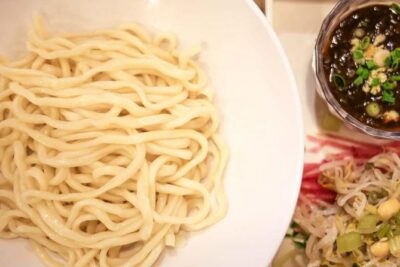
Beijing Hutong Walking Food and Beer Tour at Hidden Restaurants
Read our review →
Hong Kong’s Tin Hau Hidden Eats Food Tour with 7+ Local Tastings
Read our review →
Hong Kong Food Tour: Central and Sheung Wan Districts
Read our review →Where else this tour turns up