
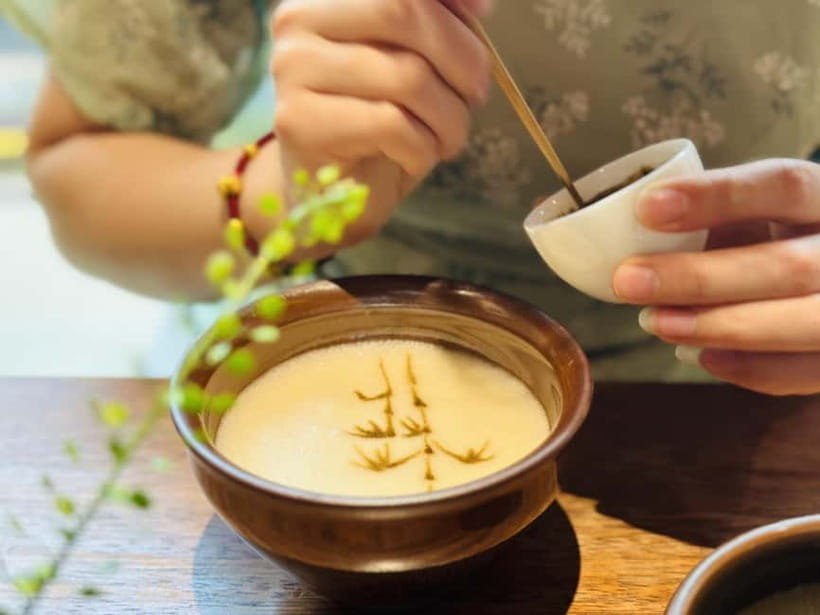
Reviewed · TEA CEREMONY EXPERIENCES
Shanghai: Chinese Tea Ceremony Experience
Tea slows Shanghai down. This three-hour ceremony makes Chinese tea culture approachable through a blind tasting, hands-on Song Dynasty whisking, and careful brewing in a group of no more than eight. I especially like the personal attention of a small class and the way the tasting turns tea into a sensory lesson rather than a quick drink. The main consideration is practical: transportation is not included, and the exact meeting point arrives only after booking.
I also like the calm pace and the chance to compare China’s three major tea categories in one sitting. The optional period dress-up for photos adds a light, playful touch. Still, this is not the best pick if you use a wheelchair or have food allergies, since the activity is listed as unsuitable for both.
In This Review
- Key details that shape the experience
- Why this Shanghai tea ceremony is worth your time
- Starting with a graceful tea welcome
- The blind tasting turns tea into a sensory lesson
- Comparing China’s three tea classes
- Trying Song Dynasty tea whisking by hand
- Snacks, conversation, and optional dress-up photos
- What the small group changes
- Is $143 a fair price?
- Who should book this experience?
- Practical advice before you go
- My verdict on this Shanghai tea ceremony
- FAQ
- How long does the Chinese tea ceremony experience last?
- How much does the experience cost?
- What is included in the price?
- Is transportation included?
- How many people are in the group?
- What languages are available?
- What will I learn during the ceremony?
- What should I bring?
- Can I cancel the booking?
Key details that shape the experience
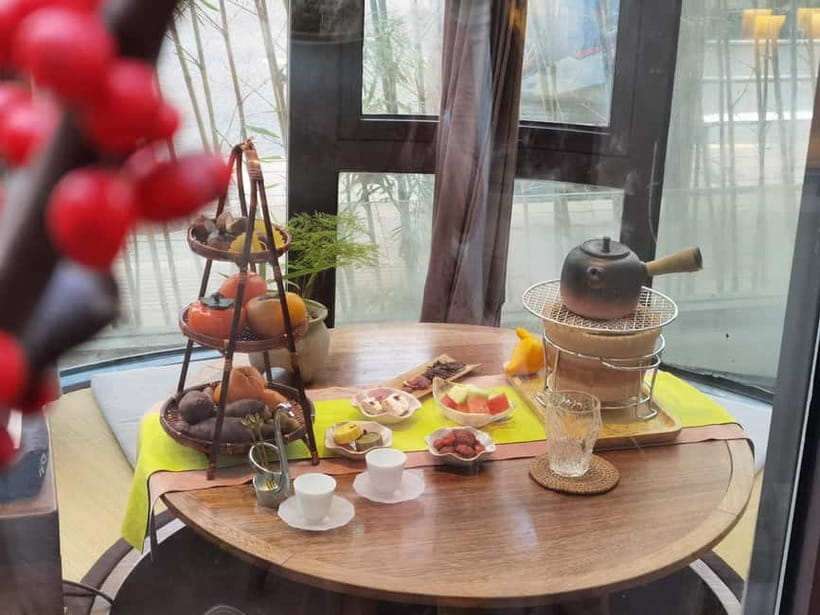
- Blind tasting with purpose: You compare tea by aroma, flavor, and texture before relying on labels or expectations.
- Song Dynasty whisking: You learn an old tea-making method by hand, not just hear a guide talk about it.
- Three major tea categories: The tasting gives you a broad introduction to Chinese tea instead of focusing on one style.
- Small group of eight or fewer: You have a better chance to ask questions and receive help with brewing techniques.
- Three hours with snacks: The pace leaves room for conversation, tasting, and practice without turning the session into a rushed stop.
- English and Chinese instruction: You can take part with an English-speaking guide, while the experience also serves Chinese speakers.
Why this Shanghai tea ceremony is worth your time
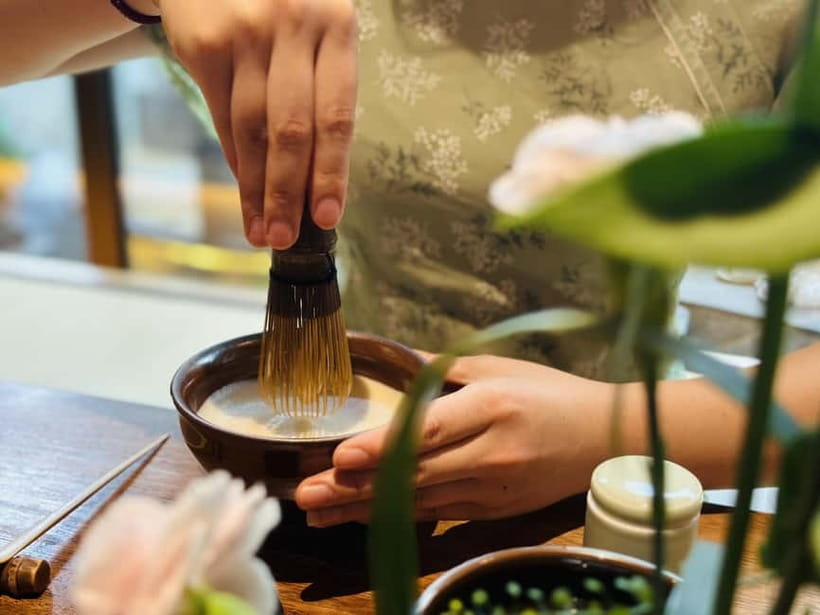
Shanghai can push you toward big sights, busy streets, and packed schedules. A tea ceremony offers a useful change of rhythm. For three hours, you focus on small details: the smell rising from a cup, the feel of tea on your tongue, and the way brewing changes the final taste.
I like this format because it gives tea a cultural setting. You are not simply handed a drink and told its name. You learn that tea has its own manners, tools, pacing, and history. That makes the experience useful even if your normal tea order is a supermarket bag dropped into a mug.
The ceremony is also a good fit for people who want contact with Chinese culture without committing to a full-day class. You receive instruction, taste several teas, try an old whisking method, and enjoy snacks. It is focused, but not so specialized that you need prior knowledge.
The top rating attached to this activity makes sense when you look at the features that matter most: the intimate group, the guide’s personal attention, and the mix of learning and tasting. Still, I would not treat it as a sightseeing tour of Shanghai. You should book it for the tea lesson itself, not for city views or transport between attractions.
More Tea Ceremonies in Shanghai
- Biking Real Shanghai& Tea Tasting Experience
★ 4.5 · 45 reviews - 3-Hour Shanghai Yu Garden &Old Town Private Tour with Tea Tasting
★ 5.0 · 17 reviews - Private Shanghai City and Zhujiajiao Combo Tour with Boating, Tea Tasting, Lunch
★ 5.0 · 15 reviews
Starting with a graceful tea welcome
The experience begins with a welcome shaped by traditional Chinese hospitality. The exact setting and meeting point are confirmed after booking, so you should not expect to walk straight to a clearly advertised storefront. Check the final instructions carefully and allow enough time to reach the area.
The opening matters because it sets the tone. Tea ceremonies are built around attention and order, and the first moments help you leave behind the hurry of the city. You may be shown how to sit, observe the preparation, and approach each tasting with care.
Do not expect a loud presentation packed with dates and names. The stated focus is on the beauty, philosophy, and rituals of tea culture. In practice, that means the guide helps you notice how tea is prepared and served, not just memorize facts.
Comfortable clothing and shoes are sensible. The activity lasts three hours, and participants are advised to wear footwear suited to walking. You should also skip strong perfume, since heavy scents can get in the way of the tea aromas. That is a small tip, but it can make a real difference during a blind tasting.
The blind tasting turns tea into a sensory lesson
The blind tasting is likely to be the most engaging part for anyone who enjoys food and drink. Instead of beginning with a label that tells you what to expect, you first pay attention to the cup itself.
You are encouraged to consider three basic features:
- Aroma, including what you smell before and after tasting
- Flavor, including sweetness, bitterness, freshness, or depth
- Texture, meaning how the tea feels in your mouth
I like this approach because it gives you a way to describe tea without pretending to be an expert. You might find one tea light and floral, another fuller and more earthy, and another more direct or dry. The point is not to guess perfectly. The point is to notice.
A blind tasting also removes some bias. If you know a tea is famous or expensive, you may decide you like it before drinking it. With the labels held back, your senses get the first vote.
The assortment includes several Chinese teas, and the program uses the tasting to explore China’s three major tea categories. The supplied details do not name each category or list every tea, so you should not expect a fixed menu of specific varieties. The selection may vary, but the teaching goal is clear: compare different styles and learn how each one expresses aroma and flavor.
Snacks are included, which helps keep a three-hour tasting comfortable. You should still bring any personal food you need, especially if you have dietary restrictions. The activity asks you to report allergies or restrictions in advance, but it is also listed as unsuitable for people with food allergies. That is an important distinction, not a detail to brush aside.
Comparing China’s three tea classes
The tasting moves beyond isolated cups by placing teas into three broad Chinese tea classes. This gives you a simple mental map for understanding what you drink.
Rather than treating every tea as a separate mystery, the guide can show you how teas within a class may share traits, while still tasting quite different. You learn to compare the cup in front of you with the last one, which is far more useful than hearing a long lecture without tasting anything.
This part should appeal to both newcomers and experienced tea drinkers. If you are new to Chinese tea, the categories give you a starting point. If you already know your favorite styles, you get a chance to test your assumptions and find differences you may have missed.
I would bring a curious attitude instead of a checklist. The program is not designed as a formal certification course. It is a guided introduction that helps you slow down and build your palate. You may leave with a new favorite, or simply with better language for explaining why one tea works for you and another does not.
The three-hour length is useful here. A shorter tasting might offer variety but little explanation. This one gives the guide time to let you taste, pause, ask questions, and compare. For me, that extra time is part of the value.
A completely different sort of day out:
- Authentic Local Food Tour in Central Shanghai
★ 5.0 · 1,382 reviews - Zhujiajiao Water Town and Shanghai City Private Day Tour
★ 5.0 · 1,016 reviews - Private Shanghai Full Day City Tour with Old and New Highlights
★ 5.0 · 995 reviews - Shanghai: Hop-on Hop-off Bus Ticket and Optional Attractions
★ 3.4 · 692 reviews
Trying Song Dynasty tea whisking by hand
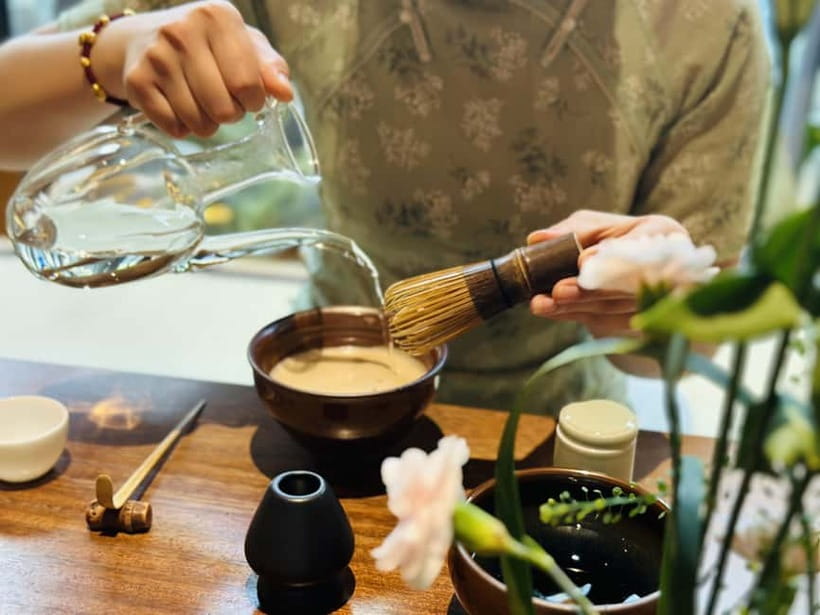
The hands-on Song Dynasty tea whisking lesson gives the ceremony its strongest historical link. You do not just hear that tea preparation has changed over time. You try a technique associated with the Song Dynasty and see how much care goes into making the drink.
The supplied information does not specify every tool or step, so I would avoid expecting a full historical reenactment. Think of this as a practical demonstration and guided attempt. The tea master introduces the method, then helps the small group work through it.
This is where a group limited to eight makes a real difference. With fewer people, you have more room to watch the technique and ask for help. If your whisking needs work, the guide can give you a pointer instead of moving on immediately to the next part of the class.
Hands-on activities also make the lesson easier to remember. You may forget a date, but you are more likely to remember the motion of whisking and the difference between simply brewing tea and preparing it as a deliberate ritual.
The Song Dynasty section is especially worthwhile if you want more than a modern tasting. It connects your cup to an older tradition while keeping the session practical and social. It also gives the group something to do together, which prevents the ceremony from becoming a passive demonstration.
Snacks, conversation, and optional dress-up photos
The included snacks are a welcome part of the three-hour rhythm. Tea can be surprisingly filling when you taste several cups, and small bites give you a chance to pause between lessons.
The exact snacks are not specified, so do not book this expecting a full meal. If you need a substantial lunch or have strict dietary needs, plan accordingly. The activity itself advises participants to share food allergies or restrictions before arrival, while also warning that it is not suitable for people with food allergies.
An optional dress-up element is available for photos. I see this as a fun extra rather than a reason to book the ceremony. It can add a visual memory to an otherwise quiet experience, especially if you enjoy traditional clothing and photographs.
You do not need to treat the dress-up as the main event. The tea lesson remains the heart of the program. Still, it gives friends, couples, and families a chance to make the afternoon feel festive without taking away from the cultural focus.
Bring a camera if you want photographs. Just remember that tea is sensitive to scent, so avoid strong perfume even if you plan to dress up.
What the small group changes
A limit of eight participants is one of the best features here. Tea preparation involves small movements and close observation. In a large class, you might see the demonstration from a distance and struggle to follow the whisking or brewing. A small group makes it easier to stay involved.
You also have more space for questions. If you want to know why one tea smells different from another, how the whisking technique works, or what a particular ritual means, you can ask without holding up a crowd.
The guide teaches in English and Chinese. That makes the program accessible to English-speaking visitors, while also allowing bilingual instruction. The quality of your session will depend partly on the guide assigned that day, but the format is designed around direct contact with the tea expert.
The small setting may not suit everyone. If you prefer a quick drop-in activity with little conversation, three hours could feel long. I would choose this only if you genuinely want to pay attention and take part.
Is $143 a fair price?
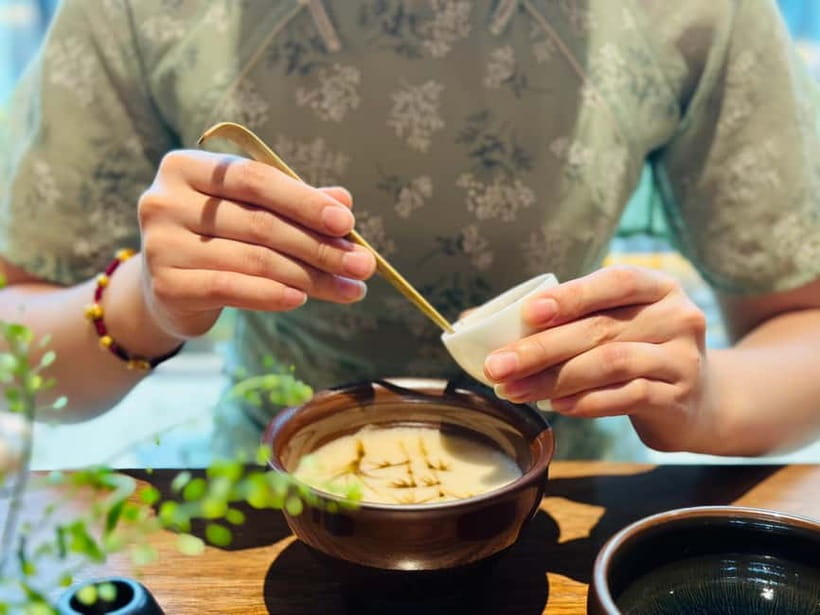
At $143 per person, this is not a casual cup of tea. You are paying for a three-hour guided cultural class, an assortment of Chinese teas, snacks, and hands-on instruction from a tea expert.
The price makes more sense if you value personal attention and cultural context. A basic tea shop tasting would likely cost less, but it may not include blind tasting, Song Dynasty whisking, instruction in three tea classes, or a small class capped at eight people.
I would compare it with the cost of other structured cultural activities in Shanghai, not with the price of a drink. The real question is how much you value a calm, guided lesson that gives you practical understanding.
The price is less attractive if you are mainly looking for refreshments or a short photo stop. Transportation is not included, and personal expenses are extra. The exact meeting point is provided after booking, so you also need to manage your way to the activity yourself.
For someone interested in tea, food culture, or Chinese traditions, I think the price can be justified. For a casual sightseer with limited time, the cost may be better spent on an activity with more direct city sightseeing.
Who should book this experience?
I would recommend it most strongly to:
- First-time visitors who want a quiet cultural activity in Shanghai
- Tea drinkers who want to compare styles with expert guidance
- Couples or friends looking for a relaxed three-hour experience
- Small groups that enjoy hands-on classes
- People interested in traditional rituals, sensory tasting, and photography
- Visitors who can comfortably walk and sit through a three-hour session
I would be more cautious if you have food allergies, use a wheelchair, dislike group instruction, or want transport included. The activity is specifically listed as unsuitable for wheelchair users and people with food allergies.
You should also think about your schedule. Since the starting time varies, check availability before building the rest of your Shanghai day. The ceremony is not a useful choice if you need to rush straight to another timed attraction.
Practical advice before you go
Wear comfortable clothes and shoes. You may walk to the meeting point and will spend enough time in the session that stiff clothing or uncomfortable footwear could distract you.
Avoid perfume and other strong scents. Tea aromas are part of the lesson, and a heavy fragrance can affect your own tasting and the people sitting nearby.
Bring a camera, but keep it secondary to the ceremony. The optional dress-up photos are a pleasant addition, yet the best value comes from watching, tasting, and practicing.
You should also tell the provider about food allergies or dietary restrictions before the activity. Because the experience is not considered suitable for people with food allergies, ask for clarification before paying if food safety is a concern.
Cancellation is flexible up to 24 hours before the start time for a full refund, and you can reserve now while paying later. Those terms help if your Shanghai schedule is still changing, but they do not remove the need to confirm the meeting point and start time.
My verdict on this Shanghai tea ceremony
I would book this experience if you want a thoughtful introduction to Chinese tea rather than a quick tasting. The best parts are the blind comparison, the Song Dynasty whisking practice, and the small group, which together give the session a personal and hands-on feel.
I would skip it if you need wheelchair access, have serious food allergies, or want transportation and city sightseeing included. At $143, it needs to be treated as a cultural class, not a simple beverage stop.
For the right person, this is a pleasant way to spend three hours in Shanghai: focused, calm, and full of small details that stay with you after the last cup.
FAQ
How long does the Chinese tea ceremony experience last?
The experience lasts three hours. Starting times vary, so you should check availability before booking.
How much does the experience cost?
The listed price is $143 per person.
What is included in the price?
The price includes an English or Chinese-speaking tea expert guide, an assortment of Chinese teas, and snacks.
Is transportation included?
No. Transportation to and from the activity is not included. The exact meeting point is provided after booking and will be near the marked location.
How many people are in the group?
It is a small-group activity limited to eight participants.
What languages are available?
Instruction is available in English and Chinese.
What will I learn during the ceremony?
You will take part in a blind tasting, compare China’s three major tea classes, and learn Song Dynasty tea whisking and brewing techniques.
What should I bring?
Comfortable shoes, comfortable clothing, a camera, and snacks are recommended. You should also avoid strong perfume so you can better notice the tea aromas.
Can I cancel the booking?
Yes. You can cancel up to 24 hours in advance for a full refund. The activity also offers a reserve-now-and-pay-later option.
Just added in Shanghai
- Suzhou Private Guided Day Trip from Shanghai by Bullet Train★ 5.0 · 46 reviews
- Suzhou and Zhujiajiao Private Guided Day Trip from Shanghai★ 5.0 · 27 reviews
- Shanghai: Zhujiajiao Water Town with Calligraphy Experience★ 5.0 · 17 reviews
- Shanghai:Wing Chun Kung Fu in Shanghai’s Beautiful Park★ 5.0 · 2 reviews
- Shanghai:Old Town, Yu Garden, Zhujiajiao Water Town Bus Tour★ 4.7 · 16 reviews
- Shanghai: Yu/Yuyuan Garden Entry Ticket–E ticket★ 4.4 · 24 reviews
- Shanghai: Yuyuan, City God Temple Old City Tour-Tip Based★ 5.0 · 10 reviews
- Shanghai: Zhujiajiao Water Town Private Tour with Boat Ride★ 5.0 · 2 reviews
Tea Ceremony Experiences, compared.
Beijing Culture: Tea Ceremony, Heritage Instrument & Calligraphy
Read our review →
Chinese Tea ceremony in Beijing Hutong courtyard
Read our review →
Half-Day Hangzhou Yunxi Bamboo Forest and Tea Plantation Experience
Read our review →
Leshan Buddha + Panda Base or Old Tea House Private Day Tour
Read our review →
Private Beijing Markets Tour with Tea Tasting at Hongqiao Pearl Market
Read our review →Where else this tour turns up