
Reviewed · COOKING CLASSES
Shanghai: Authentic Chinese Cooking Class with Master Chef
Good food starts before the kitchen.
This Shanghai cooking class takes you from the West Nanjing Road Metro Station to a local wet market, then into a hands-on lesson with Chef Li. I like the market visit because it gives you a look at how local ingredients enter everyday Chinese cooking. I also like that you do the work yourself, from folding dumplings to handling a hot wok, instead of simply watching a chef perform.
The main consideration is the $269 price for a private group of up to two. That is a serious spend for three and a half hours, though it becomes easier to justify if you value private teaching, a market visit, drinks, recipes, and a relaxed pace. The menu is not specified in advance, so contact the provider about dietary needs and recipe choices before booking.
In This Review
- Key points to know before booking
- Why this class feels different from a standard food tour
- Meeting Chef Li at West Nanjing Road
- Reading Shanghai through a local wet market
- Making two kinds of Chinese dumplings
- Learning the rhythm of a Chinese wok
- Stories behind the dishes and the value of English instruction
- Eating what you prepared
- Recipes and gifts that make the experience last
- Is $269 good value for two people?
- Who should book this Shanghai experience?
- Booking details worth knowing
- Should you book the class?
- FAQ
- How long does the cooking class last?
- Where do I meet the chef?
- How many people can join the private group?
- Is the class taught in English?
- What food will I prepare?
- Can the recipes accommodate dietary needs?
- What is included in the price?
Key points to know before booking
- Chef Li leads the cooking: You receive instruction from a local chef with more than ten years of professional experience.
- The experience starts at a wet market: Your first lesson is about choosing and understanding fresh ingredients in a real local setting.
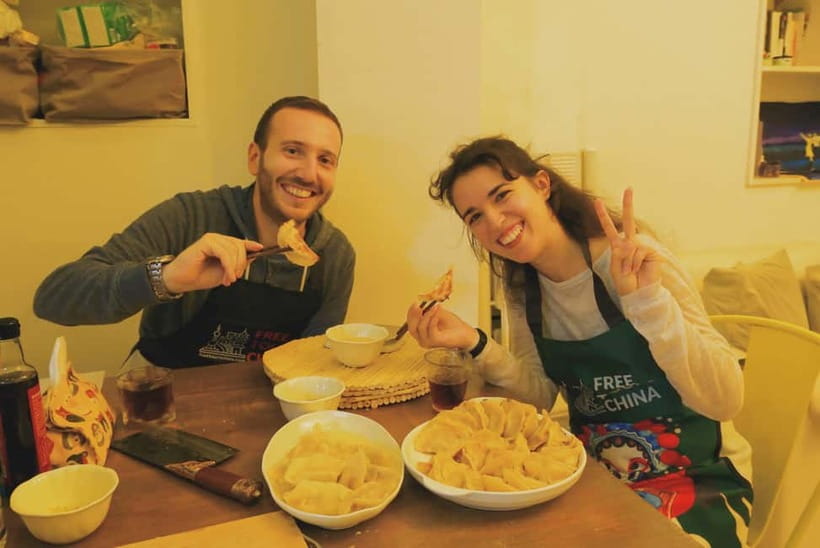
- You make dumplings from scratch: The class covers two traditional dumpling styles, including the hands-on work of preparing and folding them.
- The wok work is practical: You learn how stir-frying works through heat, timing, and movement, not just by reading a recipe.
- It is private for up to two people: You are not placed in a large class, which allows more direct help from the chef.
- Recipes and gifts go home with you: The class continues after Shanghai through take-home recipes, special gifts, and cooking tips.
Why this class feels different from a standard food tour
Many food activities in Shanghai keep you on the eating side of the table. This one puts you in the kitchen. You see ingredients at the market, prepare them with guidance, and sit down to eat food that you helped make.
That sequence matters. Chinese cooking can look simple when a skilled cook moves quickly, but the small choices carry much of the flavor. How an ingredient is selected, how a dumpling is sealed, and when food enters the wok all affect the final result. Chef Li’s role is not just to hand you a recipe. He explains the methods and shares stories connected with the dishes.
The private format is another advantage. With only your group of up to two, you should have room to ask questions and repeat a technique without holding up a larger table. This is useful if you are new to dumpling folding or unsure around a very hot wok.
The class is conducted in English, so you can ask about ingredients, cooking steps, and the background of each dish without relying on translation. The experience is also listed as wheelchair accessible, an important point for anyone planning Shanghai activities around mobility needs.
More Cooking Classes in Shanghai
- Private Cooking Class: Make Your Own Dim Sum In Shanghai
★ 5.0 · 27 reviews - Vegan Soup Dumpling Making in Shanghai
★ 5.0 · 17 reviews - Private Home Cooking Class with Shanghai Mama
★ 5.0 · 14 reviews
Meeting Chef Li at West Nanjing Road
Your meeting point is West Nanjing Road Metro Station, exit 8, where the chef picks you up. This gives you a clear starting place in central Shanghai rather than asking you to find an unfamiliar kitchen on your own.
Leave enough time to locate exit 8. Large metro stations can have several exits, and a few extra minutes will make the start less rushed. Once you meet the chef, the activity moves into its first stage: a visit to a local wet market.
The total duration is three and a half hours. That is long enough for the market, cooking instruction, preparation, and eating, but it is not an all-day food program. If you are fitting it between major Shanghai sights, allow additional time around the stated duration for getting to and from West Nanjing Road.
Reading Shanghai through a local wet market
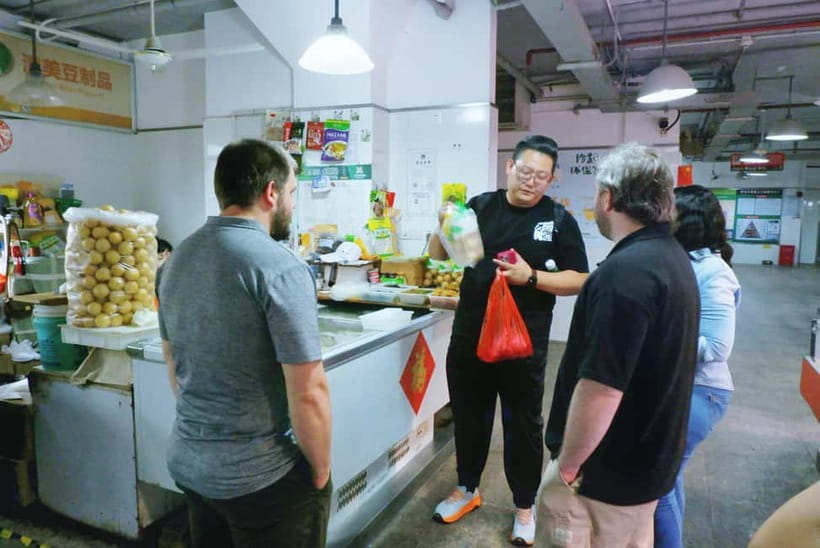
The market visit is one of the most useful parts of the experience. You are not simply being shown a list of ingredients. You get to see the setting where people shop for the food that becomes everyday meals.
A wet market can be a lot to take in. It may include fresh produce, meats, seafood, and other ingredients arranged for quick buying and cooking. The sights, smells, and pace give you a more direct sense of local food culture than a restaurant menu can provide.
Chef Li can connect the market to the dishes you will prepare later. That connection is what makes the stop worthwhile. You start to understand that Chinese cooking is not only about sauces or fast chopping. It also depends on freshness, balance, texture, and choosing the right ingredient for the job.
The market is not a sightseeing stop with a long scripted explanation. Its value comes from seeing ordinary food shopping in progress and learning how the chef thinks about ingredients. If you prefer polished attractions and quiet surroundings, this may feel less comfortable. If you like seeing how a city functions day to day, it should be one of the strongest parts of the morning or afternoon.
Making two kinds of Chinese dumplings
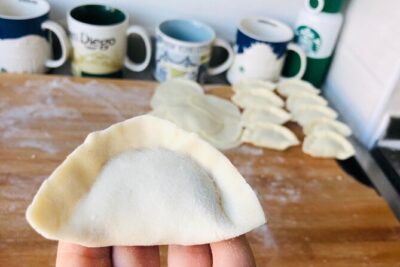
Dumplings are where the class becomes properly hands-on. You learn to make two traditional types, starting from the basic preparation rather than opening a packet of ready-made wrappers and filling.
The exact shapes and fillings are not named in the available details, so you should ask when booking if a particular style matters to you. The important point is that you work through the process yourself. That includes preparing the dumpling components and learning how to fold and seal them.
Dumpling making rewards patience. The first few may look uneven. That is normal, and it is part of the fun. Chef Li can show you how much filling to use, how to close the edges, and how to keep the dumpling from opening during cooking.
This is also a good lesson for families, couples, and friends because the work is social. You can compare folds, fix mistakes, and see how small changes affect the finished dumpling. At the same time, the activity requires some hand movement and attention, so it may not suit someone looking for a completely passive food tasting.
The finished dumplings are not just a snack during the lesson. They help you understand a useful part of Chinese home cooking. With the recipe in hand afterward, you have a reasonable chance of trying the technique again at home, though your first batch may not have Chef Li’s neat finish.
More Workshops in Shanghai
- 2.5hrs Chinese Kitchen Cooking Class: Xiaolongbao Soup Dumplings
★ 5.0 · 12 reviews - Private Wet Market Visit with Cooking Class in Shanghai
★ 3.0 · 4 reviews - Shanghai: Hands-on Incense Tablet Making Class
★ 5.0 · 3 reviews - Shanghai: Xinchang Ancient Town Tour & Dumpling Class
★ 5.0 · 2 reviews
Learning the rhythm of a Chinese wok
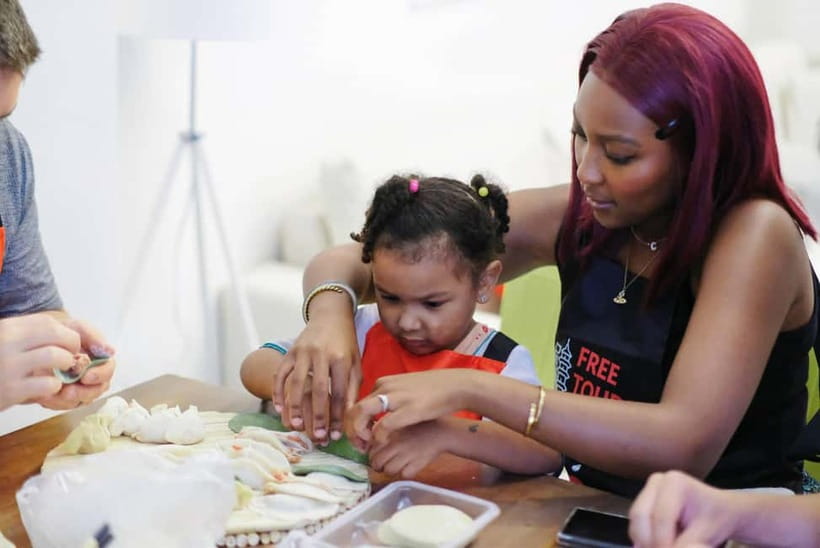
The stir-fry lesson brings heat and speed into the class. You learn how to use a Chinese wok and how ingredients move through the cooking process.
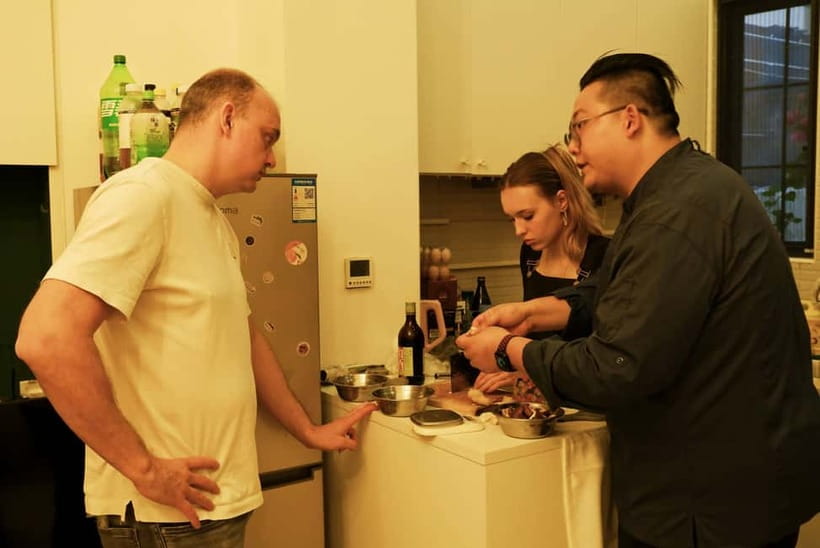
A wok is more than a deep frying pan. It is designed for quick cooking, and the order of ingredients matters. The chef can show you how to work with the heat, when to add different items, and how to keep the food moving. These are skills that are difficult to pick up from a recipe alone.
Pay attention to the small tips. Chef Li is praised for sharing practical cooking advice, not just demonstrating the finished dish. Those tips may help you understand why a home stir-fry sometimes turns watery or uneven, though the supplied details do not specify each individual technique.
The wok portion can feel lively and demanding. You need to follow instructions and keep an eye on timing. That is a good thing if you want a real cooking lesson, but less ideal if you prefer a slow, quiet class where every step is completed for you.
You prepare two classic Chinese dishes, each with its own story. The dish names are not provided, so I would not book this expecting one exact regional specialty unless the provider confirms it first. The appeal is the method: you learn how the chef approaches traditional recipes and why the dishes matter.
Stories behind the dishes and the value of English instruction
Food has more meaning when you understand the reason behind it. Chef Li shares stories and tips about the dishes as you cook, giving the recipes a cultural frame instead of treating them as a set of anonymous steps.
The English instruction helps here. You can ask why a dish uses a certain method, how to adjust it, or what part of the recipe carries the most importance. Since this is a private group, your questions should not get lost in a crowded class.
Chef Li brings more than a decade of professional experience. That does not mean the lesson will feel formal or advanced. It means you have a guide who can correct your technique and explain what he is doing in a way meant for home cooks.
The best approach is to arrive curious rather than expecting a restaurant-level performance. You are there to participate. The chef may show you the right movement, but you still need to fold, chop, stir, and taste.
Eating what you prepared
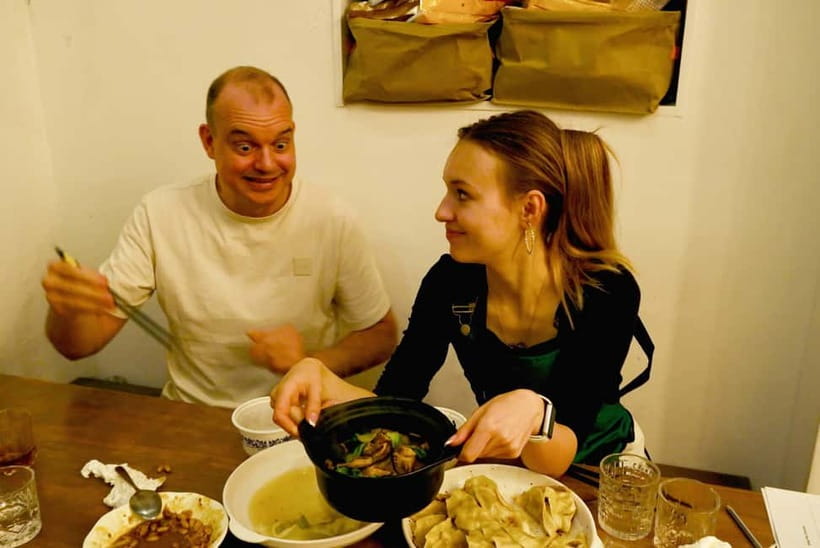
The reward comes when the cooking stops and you can sit down with the finished food. Drinks are included, with tea, juice, or beer available.
That drink choice makes the meal flexible for different groups. Tea fits the cooking setting, juice works for children or non-drinkers, and beer may suit adults who want something cold after the wok work. The details do not specify a full beverage menu, so treat those as the listed options rather than expecting a broad selection.
The meal also gives you a chance to compare the two dumpling styles and the classic dishes. Texture is especially useful to notice. Dumplings can differ in their wrapper, fold, filling, and cooking result, while stir-fried dishes show how heat and timing change an ingredient.
Because the group is private, the meal should feel more personal than a shared cooking demonstration. You can ask about what you have made and discuss which recipe you would try at home. That sense of completion is a strong reason to choose a class over a simple market walk.
Recipes and gifts that make the experience last
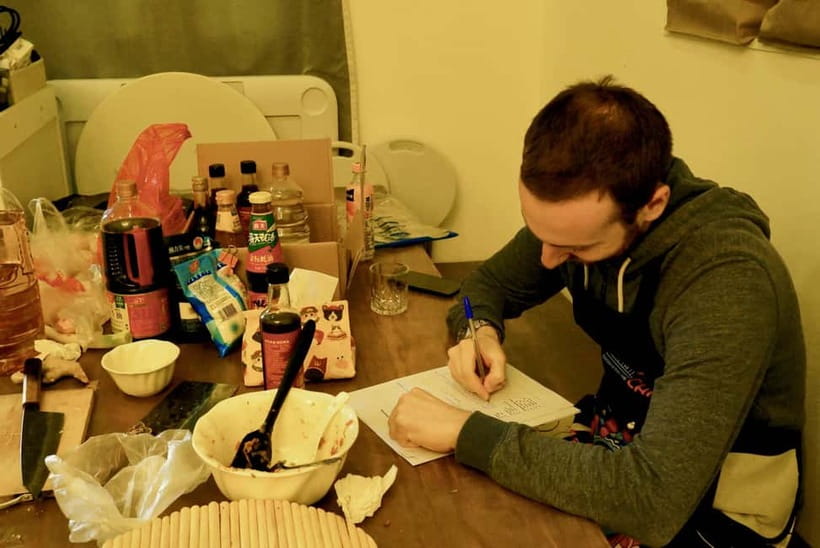
The take-home recipe is one of the clearest practical benefits. Food memories fade quickly, but a written recipe gives you a way to repeat the experience after leaving China.
Chef Li also shares special tips and stories, which can be as useful as the recipe itself. A list of ingredients tells you what to buy. A chef’s advice can explain what to watch for during preparation and cooking.
Special gifts are included as keepsakes. The details of those gifts are not specified, so do not book this expecting a particular item. Think of them as a small extra rather than the reason to pay the price.
I would suggest taking notes during the class if the chef allows it. Write down the points that seem easiest to forget, such as the order of cooking steps or the folding method for the dumplings. The supplied recipe should help, but your own notes can preserve the useful details that make the food work in your kitchen.
Is $269 good value for two people?
The price is $269 per private group of up to two, not a per-person figure. For one person, that is expensive. For two people who split the cost, it works out to $134.50 each, which is still a premium but more reasonable for a private, three-and-a-half-hour activity.
To judge the value, compare it with what is included. You receive the chef’s time, the market visit, all food materials and ingredients, English instruction, hands-on cooking, drinks, recipes, and gifts. You also avoid the compromises of a large shared class.
The private format is the biggest factor. If you want a lower-cost introduction to dumplings, a group workshop may be better. If you value personal attention and want to ask plenty of questions, the higher price has a clearer purpose.
The class is especially good value for a couple or two friends who care about food and want a shared activity with a useful result. It is less compelling for someone who only wants to sample Shanghai dishes or who has no interest in cooking after the trip.
Who should book this Shanghai experience?
I would recommend it to you if you enjoy learning by doing. The market adds local context, while the dumpling and wok work gives you skills to practice later.
It also suits:
- Couples who want a private food activity
- Friends traveling together who enjoy sharing kitchen work
- First-time visitors looking for a closer look at everyday Chinese food
- Home cooks who want to improve dumpling folding and stir-frying
- Families or small groups who need English instruction
- Visitors who prefer a structured activity lasting half a day
You may want to choose another activity if you dislike markets, have limited use of your hands, or want a fixed menu with named dishes confirmed in advance. The experience is wheelchair accessible, but you should still discuss any specific mobility requirements before booking.
Tell the provider about vegetarian, vegan, or allergy needs when you reserve. The recipes can be adapted, but advance notice is important. Since the exact dishes are not stated, this is also the right time to ask what substitutions are possible.
Booking details worth knowing
The activity lasts three and a half hours and is taught in English. Your meeting point is West Nanjing Road Metro Station, exit 8, with pickup by the chef.
You can cancel up to 24 hours before the activity for a full refund. The reserve-now, pay-later option lets you hold a place without paying at the time of booking, which is helpful when your Shanghai schedule is still changing.
The experience has a top rating from the available customer feedback, including specific praise for Chef Li’s competence, market guidance, recipes, tips, and stories. That praise matches the design of the class: it is strongest when you want direct instruction rather than a cooking show.
Should you book the class?
Book it if you want to understand Chinese food through your own hands. The visit to the wet market, two dumpling styles, wok cooking, classic dishes, and take-home recipes create a useful chain from ingredient to finished meal.
I would be more cautious if $269 feels high for a half-day activity or if you need a precisely named menu. Ask about the dishes and dietary adaptations before paying. For two people who want a private, practical food lesson with Chef Li, the price is defensible, and the recipes give the experience value after you leave Shanghai.
FAQ
How long does the cooking class last?
The experience lasts three and a half hours.
Where do I meet the chef?
The chef picks you up at West Nanjing Road Metro Station, exit 8.
How many people can join the private group?
The price covers a private group of up to two people.
Is the class taught in English?
Yes. The listed language for the experience is English.
What food will I prepare?
You will learn to make two traditional types of Chinese dumplings and prepare two classic Chinese dishes. The specific dish names are not provided, so ask the provider if you need the exact menu.
Can the recipes accommodate dietary needs?
Yes. Vegetarian, vegan, and allergy requirements can be accommodated when shared at the time of booking.
What is included in the price?
All food materials and ingredients, drinks such as tea, juice, or beer, a take-home recipe, and special gifts are included.
Just added in Shanghai
- Suzhou Private Guided Day Trip from Shanghai by Bullet Train★ 5.0 · 46 reviews
- Suzhou and Zhujiajiao Private Guided Day Trip from Shanghai★ 5.0 · 27 reviews
- Shanghai: Zhujiajiao Water Town with Calligraphy Experience★ 5.0 · 17 reviews
- Shanghai:Wing Chun Kung Fu in Shanghai’s Beautiful Park★ 5.0 · 2 reviews
- Shanghai:Old Town, Yu Garden, Zhujiajiao Water Town Bus Tour★ 4.7 · 16 reviews
- Shanghai: Yu/Yuyuan Garden Entry Ticket–E ticket★ 4.4 · 24 reviews
- Shanghai: Yuyuan, City God Temple Old City Tour-Tip Based★ 5.0 · 10 reviews
- Shanghai: Zhujiajiao Water Town Private Tour with Boat Ride★ 5.0 · 2 reviews
Cooking Classes, compared.
Half-Day Chengdu Cooking Class with a Local Market Visit
Read our review →
Online Cooking Class Beijing Dumplings and Cuisine by Sunflowerli Renowned Chef
Read our review →
Lijiang Naxi Cuisine Cooking Class & Market Visit
Read our review →
Cooking Class with Fresh Market Half Day Experience
Read our review →Private Cooking Class: Make Your Own Dim Sum In Shanghai
Read our review →
Half-Day steamed Buns Cooking Class with a Local Market Visit
Read our review →
Hong Kong Market Walking Tour & Chinese Cooking Class
Read our review →Where else this tour turns up