
Reviewed · HISTORICAL TOURS
Shaanxi History Museum Qin-Han Branch English guide service
History comes alive beyond the city center. I like this tour for its clear focus on the Qin and Han dynasties, and for the chance to explore a newer museum away from the busiest central galleries. I also like that admission, bottled water, and an English-speaking guide are included, with a small group capped at 10 people.
The main drawback is the $80 price, especially since the tour lasts about three to four hours and food is not included. You also need to reserve ahead, and the museum requires a separate booking from the original Shaanxi History Museum. Guides such as Jackie and Michael add real value by explaining the objects, political changes, and daily life behind the displays.
In This Review
- Key Points Before You Book
- Why the Qin-Han Branch Is Worth Your Time
- Meeting Jackie or Michael at the Bell Tower
- What You See Inside the Qin-Han Museum
- Why an English Guide Changes the Visit
- The Value of an $80 Tour
- Timing, Fitness, and Transport
- Who Will Enjoy This Museum Tour Most
- Booking Advice and Cancellation
- Should You Book the Qin-Han English Tour?
- FAQ
- Where does the tour begin?
- Where does the tour end?
- How long does the experience last?
- What museum does the tour visit?
- Is museum admission included?
- Is an English-speaking guide included?
- Is bottled water provided?
- Is food included?
- How many people can join the tour?
- Can I cancel for a full refund?
Key Points Before You Book
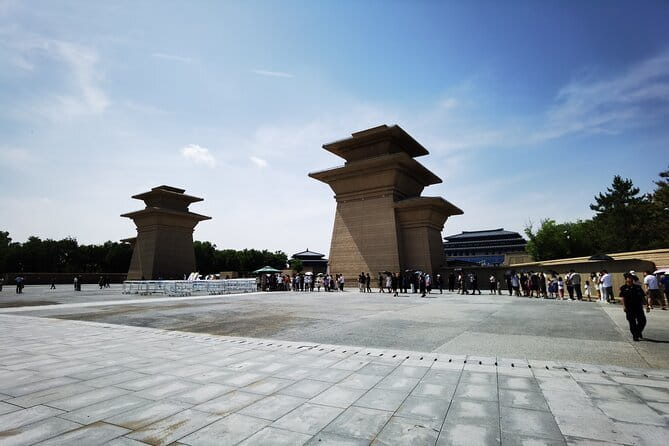
- A focused Qin-Han collection: The museum centers on two dynasties that shaped China’s political system, culture, and place in the wider world.
- A quieter alternative to the city-center museum: The Qin-Han branch sits north of Xi’an and offers a newer setting with a more concentrated theme.
- English guidance makes the displays easier to follow: Jackie and Michael are praised for clear explanations, strong English, patience, and help with practical problems.
- The route begins at Xi’an Bell Tower: The listed meeting point is at 7W5W+QRJ in Beilin, with the activity ending back there.
- A small group keeps the visit personal: The maximum group size is 10, useful when you want to ask questions without losing your guide in a crowd.
- Plan around food and transport: Brunch, lunch, and personal expenses are extra, while the museum can be reached by subway and other forms of transport.
Why the Qin-Han Branch Is Worth Your Time
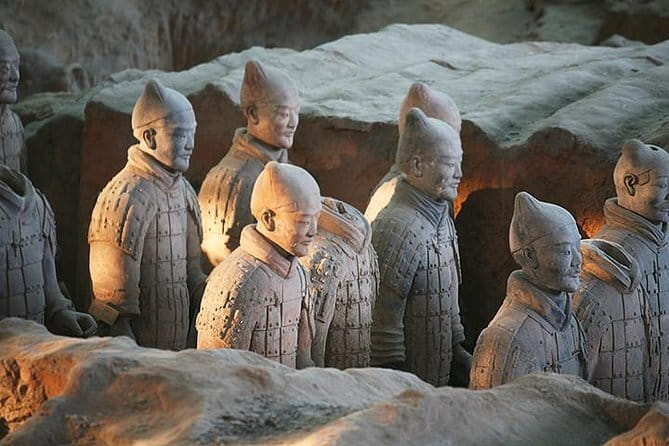
Xi’an is often treated as a starting point for the Terracotta Army, but the Qin and Han dynasties explain much more about the city and China as a whole. The Qin created a tightly controlled empire in the third century BC. The Han then expanded and refined many of those systems, leaving a long political and cultural imprint.
This museum gives those two periods their own stage. That focus matters. The original Shaanxi History Museum in central Xi’an presents a broader, more chronological story of Shaanxi and the city. The Qin-Han branch takes a narrower route, looking closely at the meaning of those dynasties and placing them against events in the wider world.
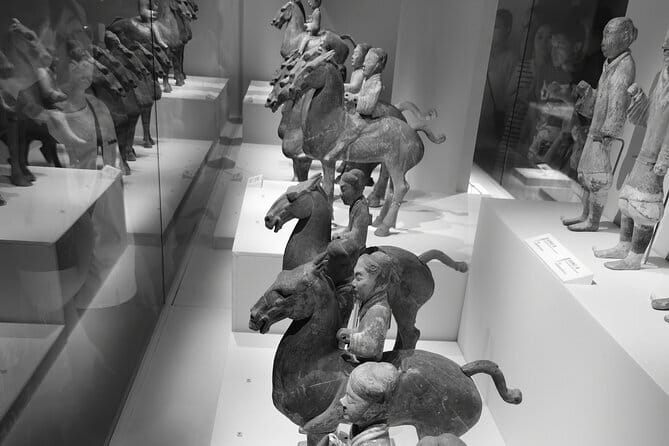
I find that format useful if you want a strong historical framework rather than a quick parade of beautiful objects. You are not simply looking at old pottery, bronze work, or fragments and guessing why they matter. Your guide can connect them to government, rulers, society, and the development of China.
The setting adds to the effect. Imperial mausoleums from the Qin and Han periods are located around the museum. You might find yourself thinking less about a modern city and more about the enormous burial grounds and political world that once surrounded Xi’an.
That does not mean every display will appeal to every visitor. If you prefer a broad survey of all periods in Shaanxi, the city-center museum may suit you better. If your interest is specifically the Qin and Han eras, this branch offers a cleaner, more direct experience.
More Museums in Xi'an
- Half-Day Mini Group Xian Tour to Terracotta Warriors Museum
★ 5.0 · 467 reviews - Private Xi’an Tour: Terracotta Warriors, Hanyangling Museum, Cave Homes
★ 5.0 · 101 reviews - Xi’an: Terracotta Army Museum Group Tour
★ 4.5 · 85 reviews
Meeting Jackie or Michael at the Bell Tower
The listed starting point is Xi’an Bell Tower, a central and recognizable place in Beilin District. The activity ends back at the same meeting point. Pickup is offered, but you should confirm the exact arrangement when you book, since the stated meeting point remains the Bell Tower.
Starting here gives the tour a practical base in central Xi’an. The Bell Tower is near public transportation, and the museum itself is accessible by subway. One of the most useful parts of the service is having a guide handle the route instead of leaving you to work out the trip alone.
Jackie is praised for navigating the metro and for explaining the history with enthusiasm and care. He has also helped with a Didi problem, which is the sort of small practical assistance that can save a morning in a city where transport apps and Chinese addresses may cause confusion.
Michael is praised for clear English and for explaining both the objects and the wider social and political changes of the Qin and Han periods. He has also helped shape the visit around personal interests, including officials, government, and changes in society. That kind of flexibility is valuable because ancient history can quickly become a blur of names and dates without a guide to sort it out.
The exact guide is not guaranteed, so book with the expectation of an English-speaking guide rather than a specific individual. Still, the service has a strong record of praise for Jackie and Michael, especially for patience, communication, and detailed explanations.
What You See Inside the Qin-Han Museum
The itinerary lists one main stop, the Qin-Han Wing of the Shaanxi History Museum. That may sound simple, but the museum is sizable, and the three to four hour schedule gives your guide time to build a story rather than rush you from room to room.
The displays are arranged to explain the Qin and Han dynasties in a systematic way. The Qin period is important for understanding the creation of a unified Chinese empire. The Han period shows how that early structure developed and lasted through changing rulers and political pressures.
Expect the guide to help you read the museum through several layers:
- The role of emperors and imperial power
- The development of government and administration
- Changes in social structure
- The place of officials in the state
- Cultural and political links to the wider world
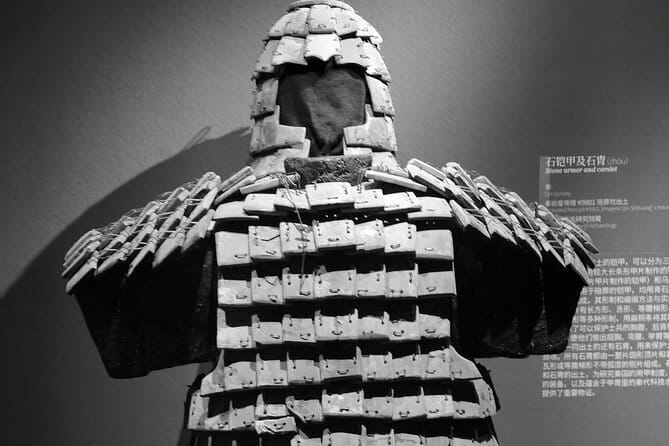
- The meaning of objects found in royal and burial settings
The value is not only in seeing the artifacts. It is in having someone explain why an object was made, who used it, and what it tells you about the period. Michael, for example, has been praised for connecting the collection to notable officials and shifts in political and social life.
That approach suits you if you want context. It also works well if you know a little about the Qin and Han dynasties but want a clearer picture of how the two periods relate to one another.
The museum’s modern setting may appeal to you if you prefer well-organized galleries and a less crowded feel. One account described the visit as not too crowded, which can make it easier to hear the guide and examine displays at your own pace. Conditions can change, but the branch is generally presented as a calmer alternative to the heavily booked central museum.
There is also mention of wall pieces in the basement. They do not require much time, so do not expect that area to fill the entire visit. If you are especially interested in those objects, ask your guide to include them. If not, the main Qin-Han galleries deserve most of your attention.
Why an English Guide Changes the Visit

A museum devoted to two major dynasties can be difficult to handle alone. Names, dates, burial customs, political changes, and unfamiliar objects quickly pile up. English labels can give you basic facts, but they rarely tell the whole story in a way that is easy to remember.
This is where the service earns its price. A good guide can separate the essential points from the background detail. Jackie is described as exceptionally clear, patient, detailed, and caring. Michael is praised for his English, his broad command of Chinese culture, and his ability to explain the collection in a way that makes the objects easier to understand.
The strongest praise centers on education rather than entertainment. That is a good sign for this particular museum. You are paying for interpretation, not just a walk through the doors.
I would especially recommend the guided format if you are new to Chinese history. You can ask basic questions without feeling lost, and you can stop the guide when a name or period needs more explanation. The small maximum group size also helps. Ten people is large enough to keep the price from becoming a private-tour rate, but small enough for questions and conversation.
The guide may also make the day easier beyond the galleries. Jackie has helped with metro navigation and a Didi issue. Michael has taken care of practical arrangements for visitors continuing to the airport. Those services are not listed as guaranteed extras, so do not book solely for airport help, but they show why a local English-speaking guide can be useful in Xi’an.
A completely different sort of day out:
- Mini Group Xian Day Tour to Terracotta Army, City Wall, Pagoda and Muslim Bazaar
★ 5.0 · 1,320 reviews - Xi’an: Terracotta Army Mini Group or Private Tour
★ 5.0 · 926 reviews - Xi’an Evening Food Tour by TukTuk
★ 5.0 · 715 reviews - Xian: Terracotta Army Ticket & Guided Bus Tour with Options
★ 4.6 · 579 reviews
The Value of an $80 Tour
At $80 per person, this is not a low-cost museum visit. You could potentially visit a museum on your own for less, particularly if you qualify for a senior admission offer. One account specifically noted that admission was free for seniors.
The better question is what you receive for the added cost. The fee includes museum admission, bottled water, and guide service. The group is limited to 10 people, and the tour lasts about three to four hours. You are also paying for help with transport between the Bell Tower and the museum, along with historical explanation in English.
That can be fair value for a first visit to Xi’an, especially if you would otherwise spend time trying to reserve tickets, find the right branch, navigate the subway, and make sense of a large collection alone. It is less attractive if you already know Chinese history well or prefer to read museum labels independently.
Food is not included. Since the tour can occupy much of the day, plan brunch or lunch separately. Personal expenses are also extra. Bottled water is provided, which is useful, but it does not replace a meal.
Group discounts may make the price more appealing for families or friends booking together. Since rates and discount terms can change, confirm the current amount before payment.
Timing, Fitness, and Transport
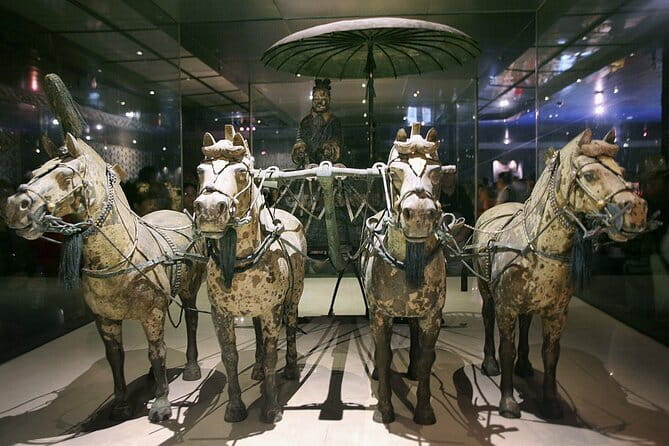
The tour takes roughly three to four hours, but the schedule may feel longer if you include the journey from the Bell Tower and return. One person’s outing lasted almost a full day because of the transport and the time spent with the guide. Treat the stated duration as an approximate museum experience, not necessarily the total time from hotel door to hotel door.
You should be comfortable with a moderate amount of walking and standing. The activity specifies a moderate physical fitness level. There is no detailed accessibility information, so ask the provider directly if you need particular assistance.
The museum is in northern Xi’an, away from the central Bell Tower area. Subway access is available, and other transport choices can be used. The guide’s knowledge of the metro is a practical advantage, particularly if you are not used to Xi’an’s transit system.
Because the museum requires reservations, do not assume that showing up will work. The main Shaanxi History Museum in the city center and the Qin-Han branch require separate bookings. This branch may be a useful option if the central museum is full, but it is not a substitute ticket for that museum.
Book about three weeks ahead if possible. The experience is often reserved around 21 days before the visit, which signals that advance planning is wise during busy periods.
Who Will Enjoy This Museum Tour Most
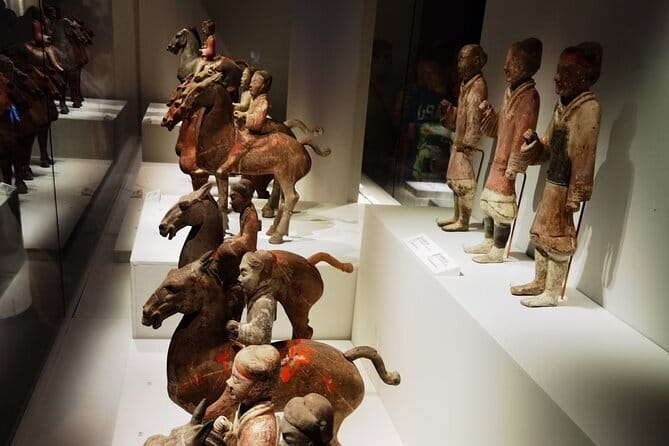
I would choose this experience for you if you want a guided introduction to Chinese history rather than a quick museum stop. It is particularly useful for:
- First-time visitors to Xi’an
- People interested in the Qin and Han dynasties
- Anyone who wants explanations in English
- Visitors who find subway navigation or Chinese booking systems difficult
- Families or small groups that prefer a capped group size
- Museum visitors who want social and political context, not just objects
It may be less suitable if you only have a short window in Xi’an and need a central attraction. The branch is north of the city center, and transport takes time. It may also be poor value for someone who wants to wander alone, has strong knowledge of Chinese history, or does not plan to spend several hours in a museum.
The tour is also not a food experience. The provider is called Xi’an Food Tour, but this activity includes no brunch or lunch. Bring your own plan for eating before or after the museum.
Booking Advice and Cancellation

Confirmation is received at booking, and a mobile ticket is provided. Since museum reservations are required, give yourself room to choose a suitable date rather than waiting until the last minute.
You can cancel for a full refund up to 24 hours before the local start time. Cancellations or changes made less than 24 hours before the start are not accepted for a refund. That policy is fair enough, but it makes it important to check your transport and museum plans before the final day.
The listed starting point is the Bell Tower, and the activity ends there. If you are offered pickup, confirm where and when the pickup will occur. This is especially important if you are staying outside central Xi’an.
Should You Book the Qin-Han English Tour?
Book it if you want the Qin and Han dynasties explained in plain English, with transport help and a guide who can connect museum pieces to government, society, and imperial power. The strongest reason to go is not simply the collection. It is the interpretation provided by guides such as Jackie and Michael.
Skip it if your budget is tight, you only want a short visit, or you are already comfortable navigating Xi’an and reading about Chinese history on your own. The $80 fee makes sense when you use the guide fully, ask questions, and allow enough time for the museum.
For most first-time visitors with a serious interest in China’s past, I consider this a worthwhile alternative to the crowded city-center museum. Reserve early, confirm the Bell Tower meeting details, plan your meal separately, and arrive ready to spend several focused hours with the Qin and Han world.
FAQ
Where does the tour begin?
The listed meeting point is Xi’an Bell Tower at 7W5W+QRJ, Beilin, Xi’an, Shaanxi, China, 710007.
Where does the tour end?
The activity ends back at the listed meeting point at Xi’an Bell Tower.
How long does the experience last?
The approximate duration is three to four hours, although transport and additional time with the guide may make the overall outing longer.
What museum does the tour visit?
The tour visits the Qin-Han Wing of the Shaanxi History Museum, a branch dedicated to the Qin and Han dynasties.
Is museum admission included?
Yes. Admission tickets are included in the tour price.
Is an English-speaking guide included?
Yes. Guide service is included. Guides named in the service information include Jackie and Michael.
Is bottled water provided?
Yes. Bottled water is included.
Is food included?
No. Brunch, lunch, and personal expenses are not included.
How many people can join the tour?
The activity has a maximum group size of 10 travelers.
Can I cancel for a full refund?
Yes, if you cancel at least 24 hours before the local start time. Cancellations or changes made less than 24 hours before the start are not eligible for a refund.
More History Tours in Xian
- All inclusive Two-Day Xi’an private Heritage Tour
★ 5.0 · 33 reviews - Xi’an Full Day Sightseeing Tour – Shaanxi History Museum, Big Wild Goose Pagoda, Ancient City Wall
★ 4.5 · 26 reviews - Xi’an Half-Day City Tour – Shaanxi History Museum and Big Wild Goose Pagoda
★ 3.5 · 4 reviews - Private Xi’an History Day Tour:Terracotta Warriors Huaqing Palace
★ 5.0 · 4 reviews
Just added in Xian
- Xi’an: Terracotta Warriors Tickets & Guided Tours★ 4.7 · 11 reviews
- Xi’an: Royal Banquet with Chinese Cultural Performance★ 3.4 · 3 reviews
- Xian: Terracotta Army Admission Ticket★ 4.6 · 5 reviews
- Xi’an Terracotta Warriors and City Wall Private Day Tour★ 5.0 · 4 reviews
- Xi’an Private Terracotta Warriors and Hanyangling Mausoleum★ 4.7 · 3 reviews
- Xian: Morning Food Tour of the Muslim Quarter★ 5.0 · 3 reviews
- Xian: Bus Tour of Terracotta Warriors With Guide & Lunch★ 4.2 · 5 reviews
- Xi’an: Top 3 Highlights All Inclusive Private Day Tour★ 5.0 · 41 reviews
Historical Tours, compared.

Between Capitalism & Communism: Hong Kong History Tip Based Tour
Read our review →
Beijing Historical Tour II including Summer Palace, Lama Temple & Panda Garden
Read our review →
Beijing Historical Tour I – Forbidden City, Tiananmen Square & Temple of Heaven
Read our review →
Tour of Jewish Shanghai led by a Jewish History Expert
Read our review →
Beijing Historic City Guided Walking Tour + Calligraphy Creation
Read our review →
Beijing Culture: Tea Ceremony, Heritage Instrument & Calligraphy
Read our review →
All inclusive Two-Day Xi’an private Heritage Tour
Read our review →
2-Hour Beijing Private Forbidden City Tour: History & Highlights
Read our review →Where else this tour turns up