
Reviewed · HISTORICAL TOURS
Tour of Jewish Shanghai led by a Jewish History Expert
Shanghai’s refugee story still feels close. This four-hour tour links the Bund, Hongkou, and the former Ohel Moishe Synagogue while explaining how Jewish communities took root in China. I like the way it connects Jewish immigration with wider Shanghai history, and I like that it goes beyond a museum visit to include old back lanes and a former refugee home. The main drawback is simple: this is primarily a history tour, so anyone seeking grand historic buildings or a large Jewish community today may find the physical sights modest.
Guide Dvir receives especially warm praise for his energy, humor, and command of the subject. Andy and Anfisa have also led this experience, according to tour feedback. At $96 per person, the price is fair if you want serious interpretation and private transport, but less compelling if you prefer to wander independently with only a quick museum stop.
In This Review
- Key points to know before you book
- Why Jewish Shanghai matters
- Beginning on the Bund at the former Cathay Hotel
- Moving into Hongkou, the former Shanghai Ghetto
- Ohel Moishe Synagogue and the Jewish Refugees Museum
- Huoshan Park and the refugee memorial
- Back lanes and a former refugee home
- The guides: Dvir, Andy, and Anfisa
- How much value do you get for $96?
- Morning or afternoon?
- Who will get the most from this tour?
- Booking details and practical cautions
- Should you book it?
- FAQ
- How long does the tour last?
- Where does the tour start?
- What time does the morning tour start?
- Does the tour include transportation?
- Is museum admission included?
- Does the tour include hotel pickup?
- Can I cancel for a full refund?
Key points to know before you book
- A four-hour account of Jewish Shanghai: The tour covers immigration before World War II, the refugee years, and the wider story of Jewish life in the city.
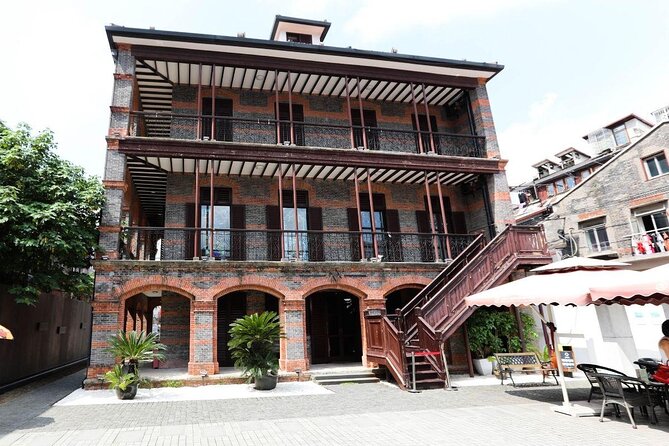
- Start with the Baghdadi-Jewish legacy: Your introduction begins near the Peace Hotel on the Bund, once the Cathay Hotel, built by Sir Victor Sassoon.
- Hongkou is the heart of the experience: You visit the former Shanghai Ghetto, including the Jewish Refugees Museum and nearby sites.
- The museum occupies a former synagogue: Ohel Moishe Synagogue now houses the Shanghai Jewish Refugees Museum.
- You see more than formal attractions: The route includes Huoshan Park, back lanes, and a Chinese home where Jewish refugees once lived.
- Morning is the safer choice: The operator recommends the morning departure because of the tour length and daylight.
Why Jewish Shanghai matters
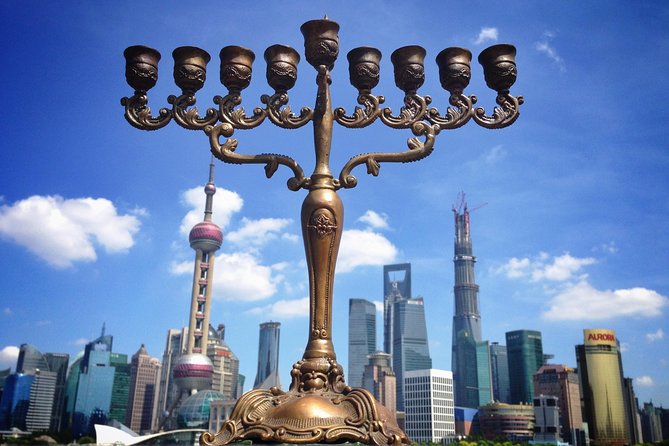
Shanghai is often sold through the Bund, skyscrapers, gardens, and food. Those are good reasons to come, but they tell only part of the city’s story. This tour takes you into a less familiar chapter: the arrival of Jewish communities from different parts of the world, followed by the desperate flight of European Jews escaping Nazi persecution.
I like that the experience does not treat Jewish Shanghai as one single migration. Your guide explains several waves of arrival and places them within Shanghai’s own growth. That gives you a clearer picture of how Baghdadi Jewish business families, Russian Jews, European refugees, Chinese workers, and local residents intersected.
The story is also tied to real people and practical forces. One thread concerns a Baghdadi-Jewish real estate developer, Sir Victor Sassoon, whose former Cathay Hotel provides the opening setting. Another follows refugees who reached Shanghai when many other countries had closed their borders.
That combination makes the tour useful even if you have no family connection to the subject. You are not simply looking at old buildings. You are learning why Shanghai became an escape route, how refugee life took shape, and what happened to the neighborhood afterward.
More History Tours in Shanghai:
- Between Capitalism & Communism: Hong Kong History Tip Based Tour
★ 5.0 · 234 reviews - Beijing Historical Tour II including Summer Palace, Lama Temple & Panda Garden
★ 4.0 · 187 reviews - Beijing Historical Tour I – Forbidden City, Tiananmen Square & Temple of Heaven
★ 4.0 · 120 reviews
Beginning on the Bund at the former Cathay Hotel
The advertised meeting point is on Nanjing Road East, while the itinerary begins at the Peace Hotel on the Bund. Since the Peace Hotel was formerly the Cathay Hotel, the two descriptions appear connected, but I would confirm the exact rendezvous after booking. That small check can prevent a needless morning scramble in central Shanghai.
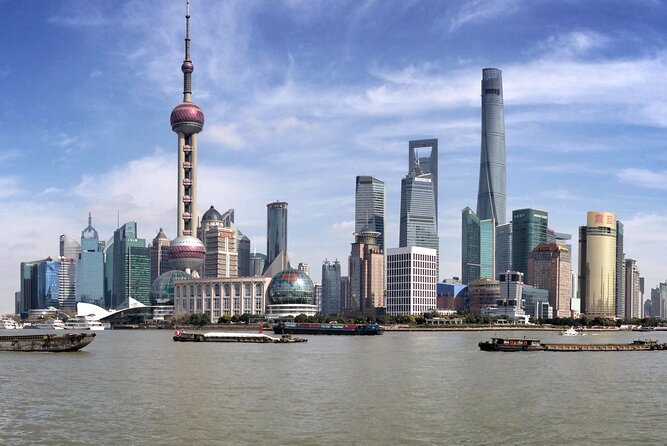
The Bund is an effective place to begin. Across the river, modern Shanghai provides a dramatic backdrop, while the old hotel recalls the city’s international business world. Your guide uses this setting to explain the Baghdadi-Jewish presence and Sir Victor Sassoon’s role in Shanghai.
This opening is not just a photo stop. It gives you a framework for the rest of the morning. You start with commerce, property, and the city’s international connections before moving to Hongkou, where Jewish refugees lived under much harsher conditions.
The Bund portion may suit you especially well if you want Shanghai history explained rather than simply photographed. It also helps connect two very different sides of the city: the polished riverfront and the residential streets of the former ghetto.
Moving into Hongkou, the former Shanghai Ghetto
The tour then heads to Hongkou by air-conditioned vehicle. Private transportation is included, which matters in a city as large and spread out as Shanghai. You avoid having to work out the route between the Bund and the museum, and the guide can continue the discussion during the transfer.
Hongkou is the emotional center of the experience. Thousands of Jewish refugees lived in this part of Shanghai during World War II, and the tour examines how the area functioned as a place of refuge, restriction, and daily survival.
Do not expect a preserved open-air museum. Hongkou is also a living residential district. The former ghetto has changed, and some of what you see is ordinary housing and local streets rather than restored period scenery. That is part of the value, but it can also disappoint if you expect every stop to look like a formal monument.
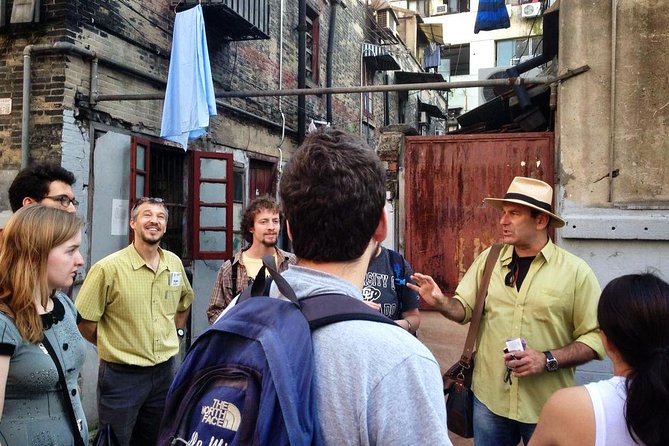
Your guide helps you read the area. The back lanes, residential buildings, and surviving markers make more sense when paired with stories about the people who lived there. Several accounts praise the way Dvir connects individual lives with the physical neighborhood, allowing you to picture the refugee community without pretending the district has been frozen in time.
Ohel Moishe Synagogue and the Jewish Refugees Museum
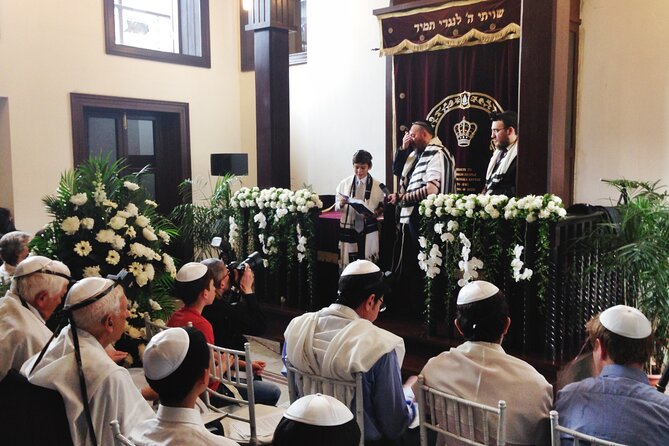
The principal museum stop is the Shanghai Jewish Refugees Museum, housed in the former Ohel Moishe Synagogue. Admission is included, so you do not need to budget separately for the main museum visit.
This is the clearest place to focus on the refugee experience. The former synagogue gives the subject a physical setting, not just a collection of dates and names. Your guide explains what the building represents and places its exhibits within the larger movement of Jewish people into Shanghai.
Several accounts praise the guide’s ability to make the material feel personal. Stories may include the routes people took, the lives they built, and the way Jewish refugees lived alongside Chinese residents. The subject is serious, but the guide style is not described as stiff. Dvir in particular is praised for dry humor, energy, and a sympathetic approach to difficult material.
You should allow yourself time to listen carefully here. A quick museum visit without the guide’s explanations would give you only part of the experience. The value comes from the interpretation, especially if you are unfamiliar with Jewish life in Shanghai or with China’s place in the history of World War II.
One point to keep in mind is that the museum is the most conventional attraction on the route. If you have already studied the subject or visited other Holocaust museums, the material may feel less extensive than you expect. The tour’s strength is the combination of museum, neighborhood, and local context rather than the scale of the museum alone.
A few more to weigh up in Shanghai
- Authentic Local Food Tour in Central Shanghai
★ 5.0 · 1,382 reviews - Zhujiajiao Water Town and Shanghai City Private Day Tour
★ 5.0 · 1,016 reviews - Private Shanghai Full Day City Tour with Old and New Highlights
★ 5.0 · 995 reviews - Shanghai: Hop-on Hop-off Bus Ticket and Optional Attractions
★ 3.4 · 692 reviews
Huoshan Park and the refugee memorial
Huoshan Park provides another important stop, with a monument to Jewish refugees of World War II. It is a smaller, quieter marker than the Bund’s famous sights, but that is exactly why it can be worthwhile.
The monument helps anchor the story in the neighborhood where refugee life unfolded. Your guide can explain the meaning of the memorial and relate it to the people and events discussed earlier. One particularly praised part of the tour involves details connected to tombstones and where some were found, showing how the guide uses small physical clues to explain a much larger story.
This stop is not likely to occupy a long stretch of time, and there may not be much to see beyond the monument and surrounding park. Think of it as a pause for context, not a major attraction. The guide’s explanation is what makes it matter.
Back lanes and a former refugee home
The route also leaves the formal sites behind. You explore back lanes in Hongkou and visit a Chinese home where Jewish refugees once lived.
For me, this is one of the most useful features because it turns a broad historical account into something tangible. You get a sense of the ordinary domestic setting in which refugees and local residents shared the district. The home is not presented as a grand memorial, and you should not expect a fully restored interior or a polished museum display.
That modesty is important. The experience shows how history can survive in everyday places, but it also means the visual impact depends heavily on your guide’s explanation. Without context, a lane or residential home might look like any other part of Shanghai.
The tour’s strongest guides appear to understand this. They use the streets to discuss Chinese migrant workers, Jewish refugees, and the changing neighborhood instead of treating the area as a backdrop for a lecture. The result is less theatrical, but more grounded.
The guides: Dvir, Andy, and Anfisa
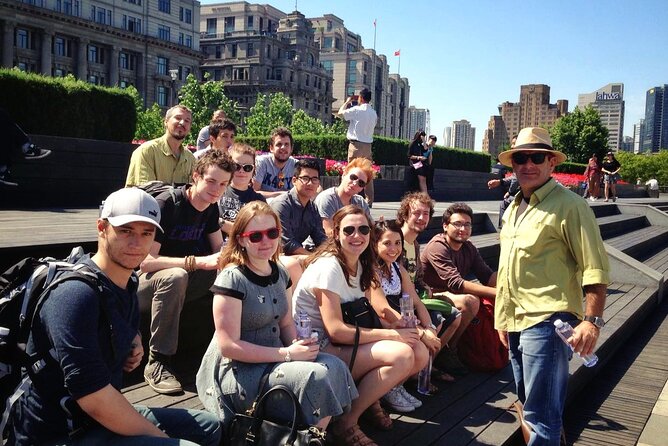
Guide quality is a major reason to consider this experience. Dvir is repeatedly praised for his command of the subject, clear English, humor, and passion. Several accounts describe him as someone who can speak for hours without losing the thread, though one person wished the four-hour format allowed even more time.
That is useful praise, but it also tells you what kind of tour this is. Dvir’s strength is detailed explanation. If you enjoy dates, connections, personal stories, and historical context, you are likely to get your money’s worth. If you prefer a quiet walk with only occasional commentary, the amount of information may feel heavy.
Andy and Anfisa have also been praised for making the subject engaging and placing Jewish history within the growth of Shanghai. The assigned guide can vary, so you should not assume Dvir will lead every departure. Still, the overall feedback points to a guide-led experience where interpretation is the main product.
The pacing receives good marks. The tour is described as a mix of walking, vehicle transfers, explanations, and periodic sitting rather than four nonstop hours on foot. That makes it easier to handle, especially during hot, cold, or wet weather. The tour operates in all weather, so dress for the forecast and bring suitable protection.
How much value do you get for $96?
At $96 per person, this is not a bargain sightseeing walk. It becomes better value when you consider what is included: a historical expert, private transportation, an air-conditioned vehicle, and admission to the Jewish Refugees Museum.
You are paying for access to a difficult story and for help making sense of places that might otherwise seem ordinary. A self-guided visit could take you to the museum and Huoshan Park, but it would not necessarily explain the different immigration waves, the Baghdadi-Jewish business network, or the relationship between refugees and local residents.
Group size can reach 22 people. Some departures have been much smaller, including one group of 10, which makes it easier to hear the guide and ask questions. You should not count on a tiny group, but the maximum is still manageable if the guide uses the vehicle and stops well.
The tour does not include food or drinks. At four hours, that is not a serious problem, but you should eat beforehand or plan a meal afterward. One guide has helped visitors find a dumpling restaurant at the end, though that should be treated as a friendly courtesy rather than a promised part of the tour.
Morning or afternoon?
The tour runs in the morning and afternoon, with a 9:30 a.m. start listed for the morning option. The operator recommends morning departures because the route takes about four hours and daylight can affect the later tour.
I agree with that practical advice. Morning gives you a better chance of seeing the outdoor portions around Huoshan Park and Hongkou in good light. It also leaves the afternoon open for other Shanghai sights, shopping, or a meal.
State your preferred time in the special requirements field when booking, but remember that a preference is not the same as a guarantee. Confirmation is sent within 48 hours, subject to availability.
The experience ends back at the meeting point. Hotel pickup and drop-off are not included, so you need to make your own way to the starting area and return to your hotel afterward.
Who will get the most from this tour?
I would recommend it most strongly if you fit one or more of these descriptions:
- You have a family, religious, or academic interest in Jewish history.
- You want to understand Shanghai beyond its famous skyline and colonial-era streets.
- You prefer a guide who explains events in detail and connects them to specific people.
- You are interested in World War II history, refugee movements, or the history of migration.
- You want a mix of museum time, neighborhood walking, and vehicle transfers.
It is also a useful choice if you have only one spare half-day but want a serious historical experience. The route covers several locations without asking you to solve Shanghai’s transport system on your own.
I would hesitate if you want a visually packed sightseeing tour. The former ghetto is a living district, the memorial is modest, and the museum is only one part of the morning. The experience succeeds through stories and context, not through a long list of spectacular buildings.
You should also be ready for a sensitive subject. The tone is described as sympathetic and respectful, but the history concerns persecution, displacement, and wartime hardship. This is not light entertainment, even when the guide uses humor to keep the discussion human.
Booking details and practical cautions
The tour is rated 4.9 from 106 ratings, with 99 percent recommending it. That strong response fits the experience’s main advantage: an expert-led account of a part of Shanghai many people miss.
Free cancellation is available up to 24 hours before the start time. Changes or cancellations made inside that window are not accepted for a refund, and the experience requires a minimum number of participants. If the operator cancels because that minimum is not met, you are offered another date or experience, or a full refund.
Most people can participate. Since the tour runs in all weather, bring an umbrella, sun protection, or warm layers as needed. Confirm the meeting point carefully because the information refers both to Nanjing Road East and the Peace Hotel.
Should you book it?
Book this tour if you want meaningful historical interpretation, not just a checklist of attractions. The best parts are the links between the Bund, the former Ohel Moishe Synagogue, Huoshan Park, and the ordinary streets of Hongkou. A strong guide, especially Dvir, can turn those places into a clear account of Jewish life and refuge in Shanghai.
Skip it if you mainly want grand architecture, shopping, or a short museum visit. For everyone else, the four-hour format offers a thoughtful way to see a less familiar side of the city, and the included transport and museum entry make the $96 price easier to justify.
FAQ
How long does the tour last?
The tour lasts approximately four hours.
Where does the tour start?
The listed meeting point is on Nanjing Road East in Huangpu District. The itinerary also refers to the Peace Hotel, formerly the Cathay Hotel, on the Bund. Confirm the exact meeting location after booking.
What time does the morning tour start?
The listed morning start time is 9:30 a.m.
Does the tour include transportation?
Yes. Private transportation in an air-conditioned vehicle is included.
Is museum admission included?
Yes. Admission to the Shanghai Jewish Refugees Museum is included.
Does the tour include hotel pickup?
No. Hotel pickup and drop-off are not included. The tour ends back at the meeting point.
Can I cancel for a full refund?
Yes, if you cancel at least 24 hours before the experience start time. Cancellations or changes made less than 24 hours in advance are not refunded or accepted.
Just added in Shanghai
- Suzhou Private Guided Day Trip from Shanghai by Bullet Train★ 5.0 · 46 reviews
- Suzhou and Zhujiajiao Private Guided Day Trip from Shanghai★ 5.0 · 27 reviews
- Shanghai: Zhujiajiao Water Town with Calligraphy Experience★ 5.0 · 17 reviews
- Shanghai:Wing Chun Kung Fu in Shanghai’s Beautiful Park★ 5.0 · 2 reviews
- Shanghai:Old Town, Yu Garden, Zhujiajiao Water Town Bus Tour★ 4.7 · 16 reviews
- Shanghai: Yu/Yuyuan Garden Entry Ticket–E ticket★ 4.4 · 24 reviews
- Shanghai: Yuyuan, City God Temple Old City Tour-Tip Based★ 5.0 · 10 reviews
- Shanghai: Zhujiajiao Water Town Private Tour with Boat Ride★ 5.0 · 2 reviews
Historical Tours, compared.
Between Capitalism & Communism: Hong Kong History Tip Based Tour
Read our review →
Beijing Historical Tour II including Summer Palace, Lama Temple & Panda Garden
Read our review →
Beijing Historical Tour I – Forbidden City, Tiananmen Square & Temple of Heaven
Read our review →
Beijing Historic City Guided Walking Tour + Calligraphy Creation
Read our review →
Beijing Culture: Tea Ceremony, Heritage Instrument & Calligraphy
Read our review →
2-Hour Beijing Private Forbidden City Tour: History & Highlights
Read our review →
Private Historical Tour: Guangzhou City Sightseeing Including Lunch
Read our review →
Bell and Drum Towers Entry Ticket—Historic Landmark
Read our review →Where else this tour turns up