
Reviewed · FOOD & DRINK
Xian: Morning Food Tour of the Muslim Quarter
Morning food is the real attraction here. This three-hour tour takes you through Xi’an’s Muslim Quarter before the day reaches full heat, with stops at neighborhood eateries, market stalls, and small food counters. I like the focus on places serving local residents, not just visitors, and I like that a tuk-tuk carries you through parts of the quarter that would take much longer to cover on foot.
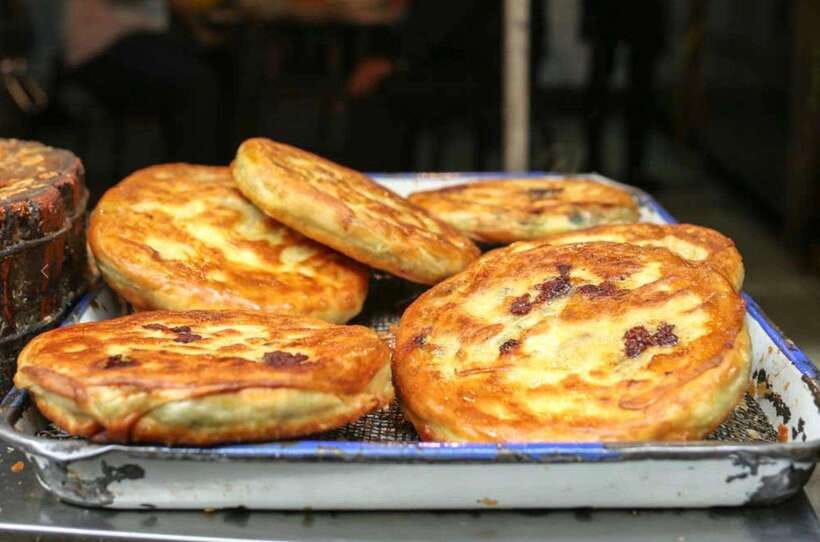
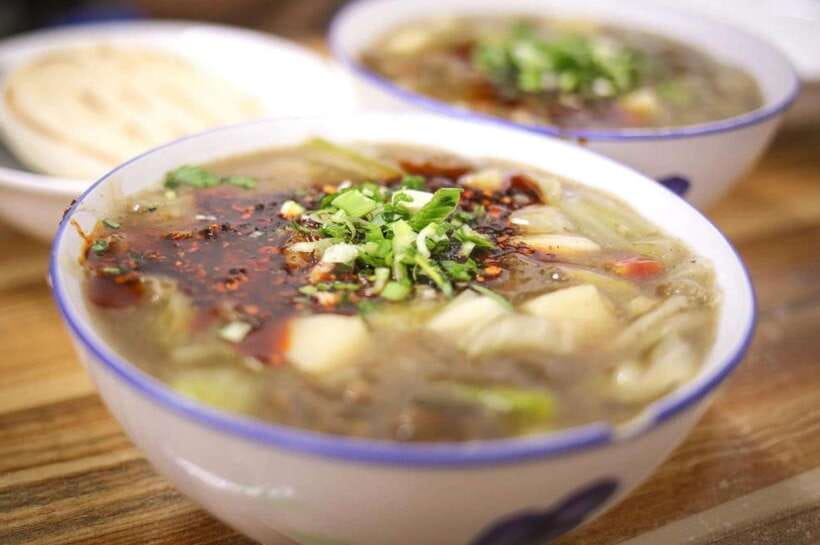
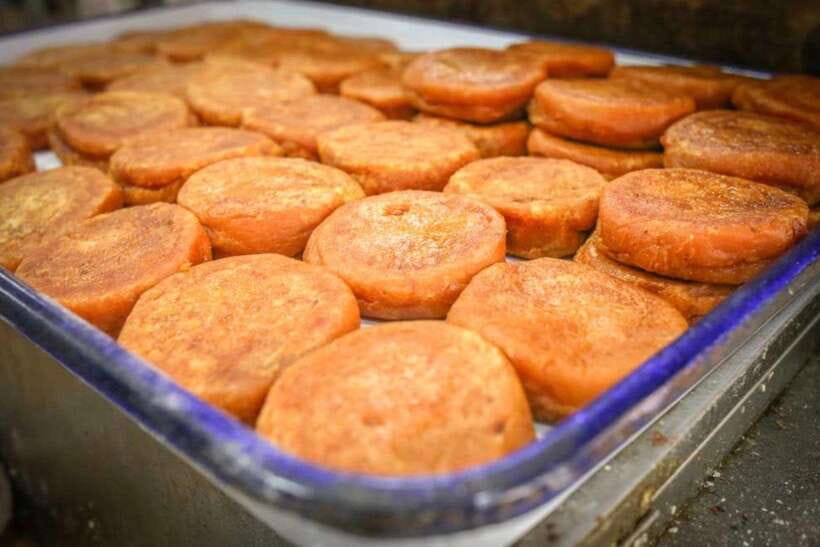
The food lineup is another strong point. You can try fried beef pancakes, hot and sour soup, persimmon cakes, and handmade sour dumplings, with five or more stops included. The main drawback is clear: people with food allergies should not book this tour, and the route is not suitable for wheelchair users.
The tour begins near the Bell Tower and ends near Sajinqiao subway station, making it useful for a morning of eating followed by more sightseeing. Amber received special praise for being helpful and well informed, so if she is leading your group, you can expect careful guidance as you work through unfamiliar dishes.
In This Review
- Key points before you book
- Starting beside the Bell Tower at Xi Hua Men
- Why the morning timing matters
- The Muslim Quarter beyond the main food street
- Fried beef pancakes and the first savory stops
- Soup, dumplings, and unfamiliar flavors
- A tuk-tuk through the backstreets
- What the guide adds to the food
- Is $67 a fair price?
- Who will enjoy this Xi’an food tour?
- Practical tips for a smoother morning
- Should you book the morning market route?
- FAQ
- Where does the Xi’an Muslim Quarter food tour begin?
- How do I reach the meeting point by subway?
- Where does the tour end?
- How long does the food tour last?
- How many food stops are included?
- What foods might I try?
- Is transportation included?
- Is the tour suitable for people with food allergies or wheelchair users?
Key points before you book
- A three-hour morning route: You eat early, when the Muslim Quarter’s food trade is already active.
- Five or more food stops: Expect several small tastings rather than one large sit-down meal.
- The local side of the quarter: The route focuses on neighborhood vendors and backstreets serving the community.
- A tuk-tuk ride included: This helps cover part of the area, which stretches across more than two square kilometers.
- A sprawling morning market: You get a look at one of China’s oldest and largest markets in the area.
- Small English-speaking group: The tour is limited to 10 participants, with free cancellation up to 24 hours ahead.
Starting beside the Bell Tower at Xi Hua Men
The meeting point is Xi Hua Men Fire Station, about one large city block north of the Bell Tower. Look for the station’s large red doors on the north side of Xi Hua Men Street, just west of the intersection with Bei Da Jie Street.
The subway is the sensible choice. From Zhonglou, or Bell Tower, Station on Line 2, follow signs for Exit A. Walk north to the intersection, turn left onto Xi Hua Men Street, and continue about 20 meters. This is easier than fighting Xi’an traffic in a taxi during rush hour.
If you use a taxi or Didi, show the driver this address: 西华门消防队门口. Leave extra time. Traffic around the Bell Tower can be heavy, and arriving late to a food tour is a poor way to start breakfast.
The tour ends near Sajinqiao subway station, so it does not return you to the fire station. That matters when planning your day. You can continue exploring the Muslim Quarter, take the subway elsewhere, or arrange your next stop from the western side of the area.
More Food Tours in Xi'an
- Xi’an: Gourmet & Street Food Tour
★ 4.8 · 22 reviews - Authentic Old Xi’an Back Alley Food Tour
★ 5.0 · 18 reviews - Xi’an: City Wall & Old Town Walking Tour w/ 10+ Food Tasting
★ 4.9 · 9 reviews
Why the morning timing matters
Xi’an’s Muslim Quarter is famous for food, but timing changes the experience. At night, the main streets can feel designed for browsing crowds, with rows of snacks and plenty of people moving between stalls. This route takes place in the morning, when the emphasis is on food production and everyday shopping.
That gives you a different view of the quarter. You are not simply walking past famous snacks and choosing whatever looks appealing. A local guide helps you identify the vendors who serve their neighbors and explains the people and cooking traditions behind the food.
The morning market is a major part of the route. It spreads through the area every week and is described as one of China’s oldest and largest markets. The exact vendors and stops can change, since local businesses do not follow a fixed tourist schedule. That flexibility is useful, but it also means you should not expect every item to appear on every departure.
The Muslim Quarter beyond the main food street
The strongest idea behind this tour is its route. Instead of keeping you on the most obvious tourist streets, it moves into the backstreets of a Muslim Quarter covering more than two square kilometers.
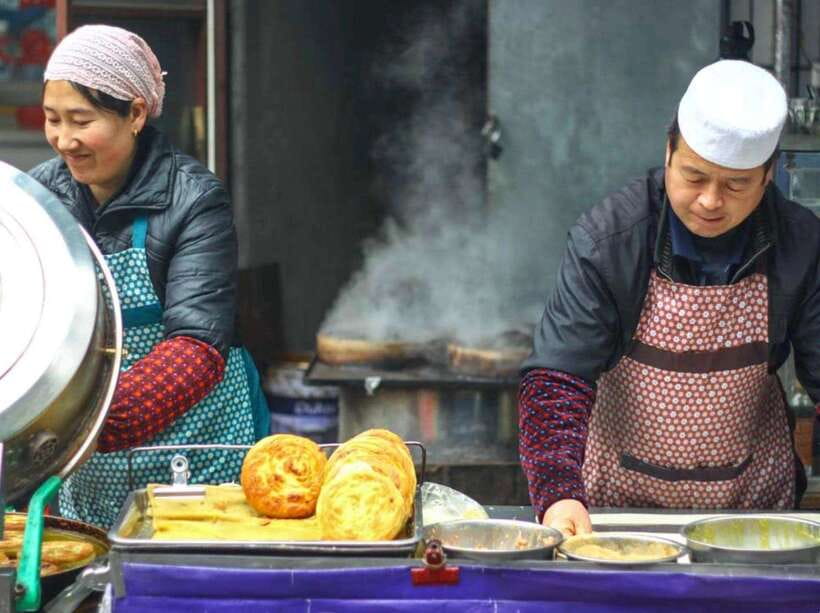
That makes the guide important. Without local help, you could easily spend your morning at the most visible counters and miss the smaller places that serve nearby residents. Your guide points out the vendors and chefs who keep the area’s food culture going, giving context to what you are eating instead of treating each snack as an isolated novelty.
I also like the fact that the route is built around several small stops. You are not committing to one unfamiliar dish as your entire meal. You can sample, compare, and decide what suits you. The pace should feel more like a moving breakfast than a formal restaurant visit.
Because the tour is limited to 10 people, it should be easier to hear the guide and gather around a food counter. A small group also matters in narrow backstreets and at compact stalls. Still, the tour is not private, so expect to share stops and make room for other participants.
Fried beef pancakes and the first savory stops
Fried beef pancakes are one of the named tastings, and they give you an early introduction to the quarter’s savory side. The dish combines a crisp, fried exterior with beef, making it a practical morning food rather than a decorative restaurant course.
The value here is not only the pancake itself. Your guide can help you understand how it fits into local eating habits and how to approach food counters where menus may be difficult to read. If you do not speak Chinese, that assistance removes much of the guesswork.
The tour includes safe-to-eat restaurants and street stalls, with at least five food stops promised. That wording is useful: you are not expected to eat one huge portion at each place. The format is designed for tasting several dishes, though you should arrive ready for a substantial breakfast.
More Food Tours in Xi An:
- Xi’an: Full-Day Terracotta Warriors & Local Food Tour
★ 4.8 · 4 reviews - Xi’an Chinese Calligraphy Workshop: Ink Art & Tea Tasting
★ 5.0 · 4 reviews - Xi’an Highlights: Terracotta Warriors, City Wall & Food Tour
★ 5.0 · 3 reviews - Authentic Local Food Tour in Central Shanghai
★ 5.0 · 1,382 reviews
Soup, dumplings, and unfamiliar flavors
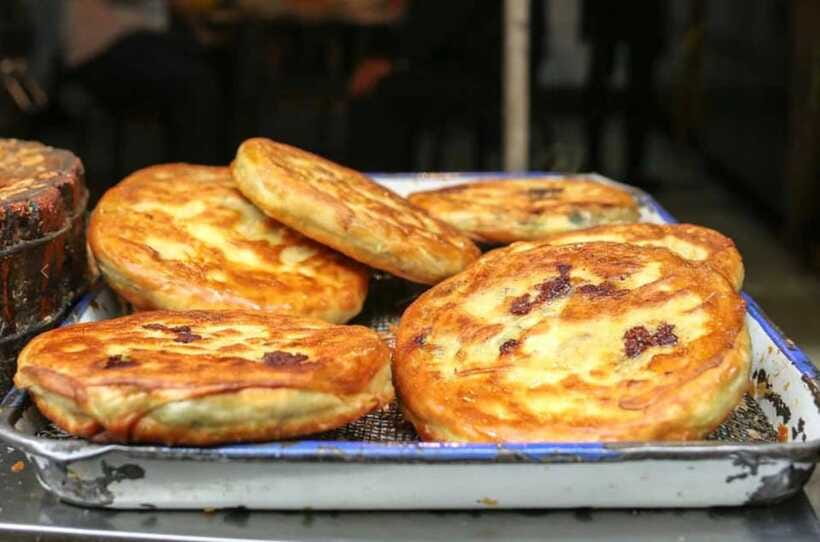
Hot and sour soup adds a different texture and flavor to the morning. The name gives you a fair warning: this is not a mild, neutral dish. If you enjoy sharp, warming flavors, it should be one of the more memorable stops. If you prefer very plain food, you may want to ask the guide what is coming next.
Handmade sour dumplings offer another change of pace. Their inclusion shows that the tour is not limited to the best-known street snacks. You get a look at food made by hand and served as part of the quarter’s daily life.
Persimmon cakes bring a sweeter note. They help break up the savory dishes and make the tasting sequence feel more like a full meal. The supplied details do not specify the exact fillings or preparation, so you should treat them as a local sweet to sample rather than expect a particular style.
The itinerary can change based on daily vendor operations and availability. That is worth accepting before you book. The advantage is a route shaped by what is open and serving food that morning. The tradeoff is that you cannot build your expectations around a rigid list of exact counters.
A tuk-tuk through the backstreets
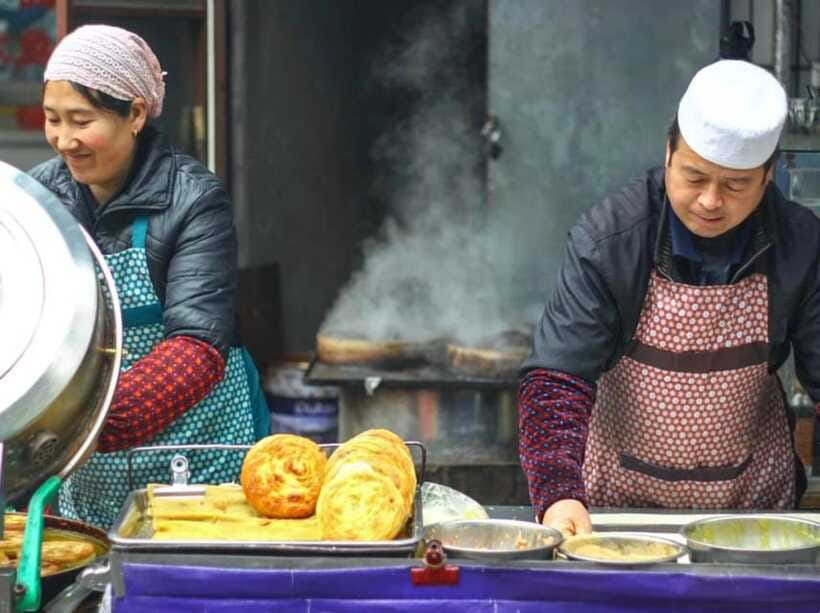
The tuk-tuk ride is more than a novelty. The quarter covers a large area, and moving by small vehicle lets you reach parts of it without spending the entire three hours walking between stops.
It also changes your view of the neighborhood. From a tuk-tuk, you can watch the streets shift as the route leaves the main Bell Tower area and moves farther into the quarter. You may see market activity and local businesses that are easy to miss when you are focused on finding the next famous snack.
The ride is included in the tour price, so you do not need to arrange separate local transport for this part. Since the route is subject to daily conditions, the exact amount of riding and walking may vary. The key point is that transport helps connect the food stops across a broad district.
This tour is not suitable for wheelchair users. The backstreet route, market conditions, and vehicle transfer make that restriction important, not a minor footnote. If mobility is a concern, choose an experience with a clearly accessible route instead.
What the guide adds to the food
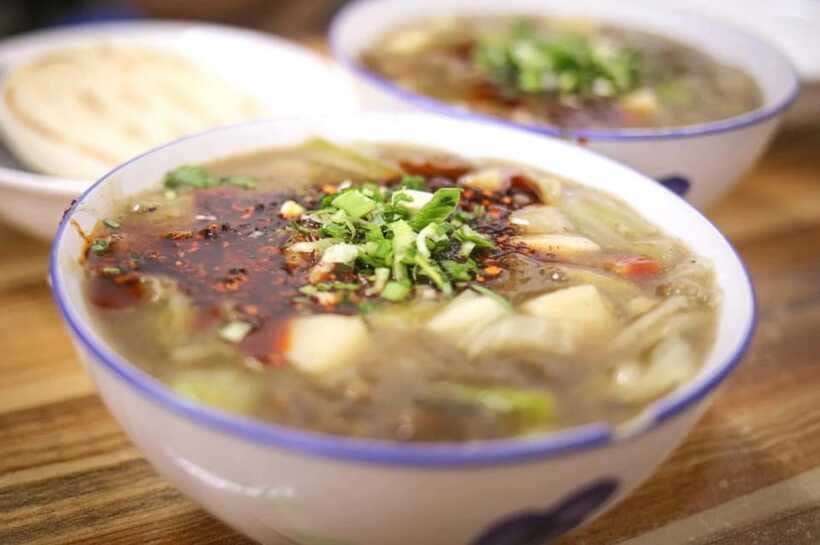
Food tours succeed or fail on guiding, and this one depends heavily on that human element. An English-speaking local guide helps you order, explains the vendors, and gives meaning to a neighborhood that can otherwise feel like a maze of signs and stalls.
Amber was singled out for being especially helpful and well informed. That is useful praise because this tour involves unfamiliar food and local counters where you may need help deciding what to try. Good guidance also makes it easier to ask questions about ingredients and preparation.
The tour’s focus on the Muslim Quarter’s community gives the food a wider setting. You learn about the vendors and chefs who maintain a long-running local tradition in Xi’an. The point is not to turn breakfast into a lecture. It is to show you why these small businesses matter to the area.
You should still tell the guide about your preferences at the start. The tour cannot accommodate people with food allergies, so it is not the right choice if even careful ingredient questions are not enough for you. Smoking and pets are not allowed on the experience.
Is $67 a fair price?
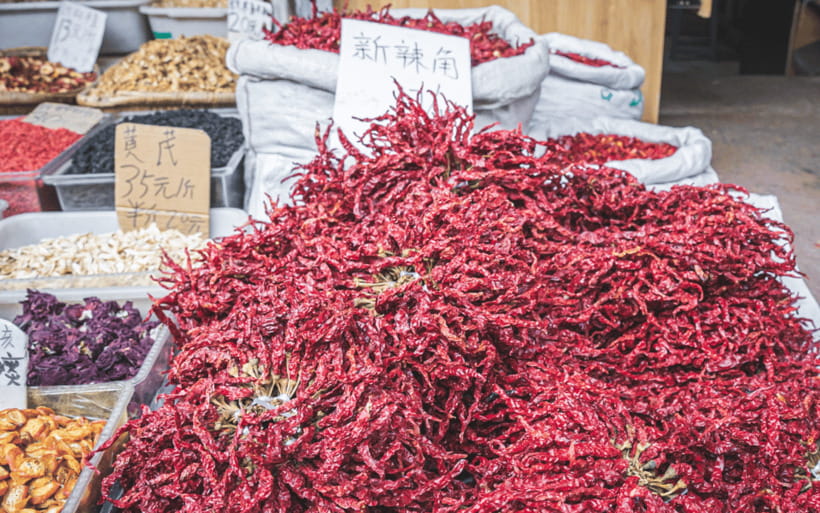
At $67 per person, this is not the cheapest way to eat in Xi’an. You could spend far less by choosing individual snacks on your own. The price pays for something different: a three-hour route, five or more food stops, a tuk-tuk ride, an English-speaking guide, and access to vendors you might not find independently.
For a first visit to Xi’an, that combination can be good value. The Muslim Quarter is large, and the most visible food streets do not necessarily show you the places local residents use. A guide saves time, helps with communication, and turns a series of snacks into a coherent morning.
The price is less attractive if you already speak Chinese, know the area well, or prefer to eat at your own speed. Independent eaters may want to linger over one dish, skip soup, or follow a personal list of foods. This tour gives you variety and structure, not total freedom.
The small group also supports the price. With a maximum of 10 participants, the guide can keep the group together and assist with ordering. The experience is still shared, but it should not have the feel of a large coach excursion.
Who will enjoy this Xi’an food tour?
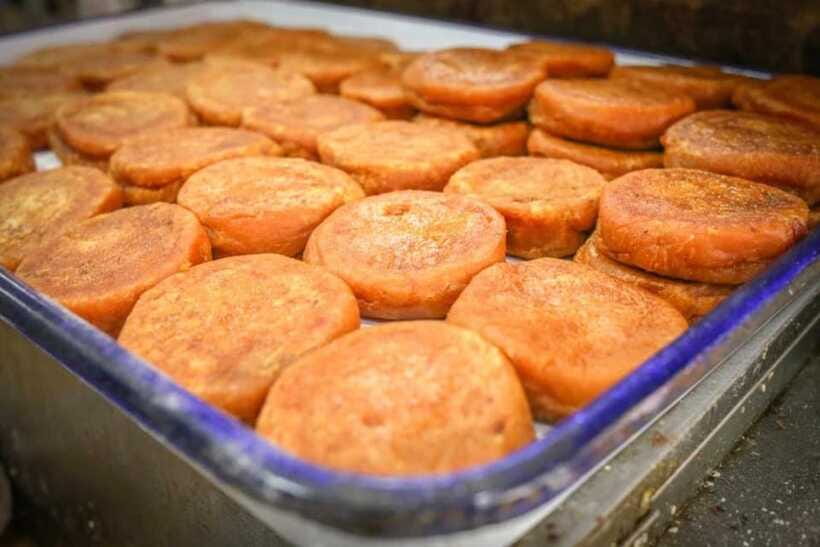
I would recommend this tour most strongly to first-time visitors who want help finding everyday food in the Muslim Quarter. It suits people who enjoy trying several small portions, walking through local streets, and learning how a neighborhood’s food businesses operate.
It is also a good fit if you have limited time in Xi’an. Three hours gives you a focused introduction before you spend the rest of the day at the Bell Tower, City Wall, or another sight. Starting near the Bell Tower and ending by Sajinqiao subway station makes it easy to connect with other plans.
You should think twice if you are very selective about food, cannot eat common ingredients safely, or dislike changing plans. The daily route depends on vendor operations, and the tour may include dishes you would not choose on your own.
The experience is also a poor match for wheelchair users because of the route and transport. Anyone with a food allergy should not book it, as the activity is specifically marked unsuitable for people with food allergies.
Practical tips for a smoother morning
Arrive early at the red doors of Xi Hua Men Fire Station. The Bell Tower area can be slow in traffic, so the subway is strongly recommended. Carry the Chinese meeting address if you use a taxi or Didi.
Wear comfortable shoes. The tuk-tuk reduces the walking between areas, but this remains a backstreet and market tour rather than a seated restaurant meal. You will move through public streets and stop at several vendors.
Keep your breakfast light or skip it. The tour includes enough food stops to function as a morning meal, and arriving hungry gives you more room to sample the selection.
Bring an open mind, but not false expectations. The exact vendors can change, and the tour may adjust to what is operating that day. That is part of the local character, but it means the route is not a fixed food checklist.
Finally, use the end point to your advantage. Since the tour finishes near Sajinqiao subway station, you can continue exploring the Muslim Quarter from a different position rather than retracing your steps to the Bell Tower.
Should you book the morning market route?
Book it if you want a guided introduction to Xi’an’s Muslim Quarter that reaches beyond the obvious snack streets. The strongest reasons are the small group, the tuk-tuk connection between backstreets, the five or more tastings, and the guide’s help with local vendors. Amber’s praise for being helpful and informed is a good sign for anyone who wants more than a simple food crawl.
Skip it if you need an allergy-safe experience, wheelchair access, or complete control over every dish and stop. At $67, you are paying for access, guidance, transport, and variety rather than bargain meals.
For most curious eaters with three free morning hours, I think the tour earns its price. It gives you a useful first look at a major Xi’an food district, then leaves you near Sajinqiao with the rest of the day still open.
FAQ
Where does the Xi’an Muslim Quarter food tour begin?
The tour begins at Xi Hua Men Fire Station near the Bell Tower. The station has large red doors and sits on the north side of Xi Hua Men Street.
How do I reach the meeting point by subway?
Take Line 2 to Zhonglou, or Bell Tower, Station. Follow signs to Exit A, walk north to the intersection of Bei Da Jie and Xi Hua Men Streets, turn left, and continue about 20 meters.
Where does the tour end?
The tour ends near Sajinqiao subway station. It does not return to the starting point beside the Bell Tower.
How long does the food tour last?
The experience lasts three hours. Starting times vary, so check availability when booking.
How many food stops are included?
The tour includes five or more restaurants and street stalls. The exact stops can change according to daily vendor operations and availability.
What foods might I try?
Named examples include fried beef pancakes, hot and sour soup, persimmon cakes, and handmade sour dumplings. The daily selection may change.
Is transportation included?
Yes. A tuk-tuk ride is included as part of the route through the Muslim Quarter.
Is the tour suitable for people with food allergies or wheelchair users?
No. The experience is not suitable for people with food allergies or wheelchair users.
Just added in Xi An
- Xi’an: Terracotta Warriors Tickets & Guided Tours★ 4.7 · 11 reviews
- Xi’an Terracotta Warriors and City Wall Private Day Tour★ 5.0 · 4 reviews
- Xi’an: Royal Banquet with Chinese Cultural Performance★ 3.4 · 3 reviews
- Xian: Terracotta Army Admission Ticket★ 4.6 · 5 reviews
- Xi’an Private Terracotta Warriors and Hanyangling Mausoleum★ 4.7 · 3 reviews
- Xian: Bus Tour of Terracotta Warriors With Guide & Lunch★ 4.2 · 5 reviews
- Xi’an: Top 3 Highlights All Inclusive Private Day Tour★ 5.0 · 41 reviews
- Xi’an: Traditional Chinese Massage or Spa with Meal★ 4.7 · 13 reviews
Food & Drink, compared.
Authentic Local Food Tour in Central Shanghai
Read our review →
Beijing Hutong Walking Food and Beer Tour at Hidden Restaurants
Read our review →
Hong Kong’s Tin Hau Hidden Eats Food Tour with 7+ Local Tastings
Read our review →
Hong Kong Food Tour: Central and Sheung Wan Districts
Read our review →Where else this tour turns up