
Reviewed · TEA CEREMONY EXPERIENCES
Chinese Tea Ceremony Experience
Tea tells China’s story in a bowl. This three-hour Shanghai experience goes beyond sipping samples, teaching you Song Dynasty tea whisking, known as Dian Cha, along with hands-on brewing across several traditional tea styles. I like the strong mix of history and practice, and I also like the traditional setting, where tea tools, furnishings, and optional Hanfu clothing make the session feel like more than a quick tasting.
The main consideration is the price: $159 per person is a serious sum for a tea activity, especially since transportation is not included. Still, a private session for your own group, a tea master’s instruction, several tea categories, and a hands-on ceremony can make the cost worthwhile for visitors who want culture rather than a simple cup of tea.
In This Review
- Key points to know before you book
- Starting on Baoqing Road in Xuhui
- Learning the Song Dynasty art of Dian Cha
- Tasting green tea, pu’er, and other Chinese styles
- Using the tea set instead of watching from the side
- The traditional Chinese setting and optional Hanfu
- What three hours gives you
- Is $159 per person a fair value?
- Who will enjoy this Shanghai tea ceremony?
- Practical details that affect your decision
- Should you book the Chinese Tea Ceremony Experience?
- FAQ
- Where does the Chinese Tea Ceremony Experience begin?
- How long does the tea ceremony last?
- Is transportation included?
- Is this a private activity?
- What teas and techniques are included?
- Can I cancel for a full refund?
Key points to know before you book
- Song Dynasty Dian Cha: Learn an old whisking method that predates modern matcha preparation.
- Hands-on tea brewing: You do more than taste. You handle the tea set and take part in brewing.
- Several traditional tea styles: The session ranges from delicate green tea to bold pu’er.
- Traditional Shanghai setting: Baoqing Road in Xuhui provides the meeting point for a Chinese-style tea session.
- Optional Hanfu clothing: You can add traditional dress for photographs and a stronger sense of occasion.
- Private group format: Only your group participates, though a minimum number of participants is required.
Starting on Baoqing Road in Xuhui
The experience begins on Baoqing Road, Bao Qing Lu, in Shanghai’s Xuhui District. The meeting point is near public transportation, which makes this a practical choice if you are building the tea ceremony into a day of sightseeing in central Shanghai.
No private transportation is included, so you need to reach the starting point on your own. That is not unusual for a city activity, but it matters when you compare the $159 price with a standard tea shop visit. Plan your route before the start time, since the session lasts about three hours and changes made less than 24 hours before the activity are not accepted.
The activity finishes at the same meeting point. That makes the onward journey simple, especially if you plan lunch, shopping, or another Xuhui stop afterward.
More Tea Ceremonies in Shanghai
- Biking Real Shanghai& Tea Tasting Experience
★ 4.5 · 45 reviews - 3-Hour Shanghai Yu Garden &Old Town Private Tour with Tea Tasting
★ 5.0 · 17 reviews - Private Shanghai City and Zhujiajiao Combo Tour with Boating, Tea Tasting, Lunch
★ 5.0 · 15 reviews
Learning the Song Dynasty art of Dian Cha
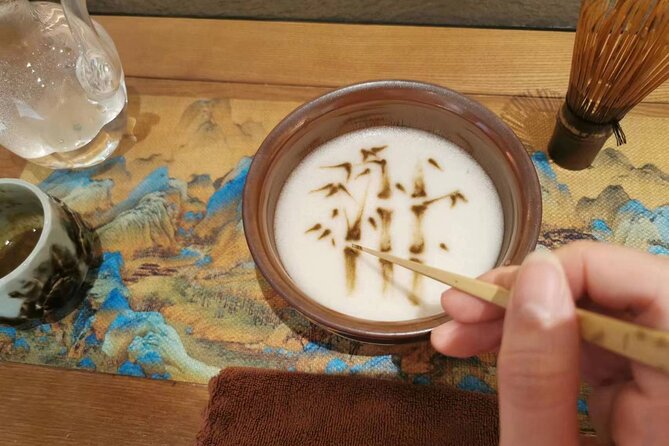
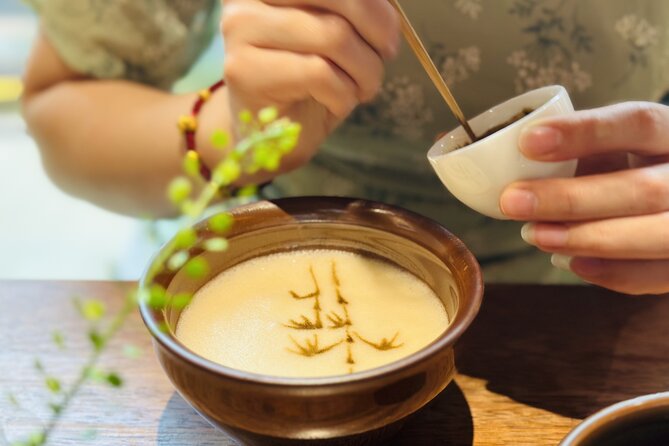
The most unusual part of this experience is Dian Cha, the Song Dynasty method of whisking tea. This is not simply a modern matcha lesson with an ancient label. The session presents it as an older Chinese tea practice that predates today’s familiar matcha preparation.
You learn the method under the direction of a tea master. The value here is in seeing how technique changes the character of tea. Brewing becomes a physical process, not just a matter of waiting for hot water to do its work. You handle the tools, follow the movements, and get a better sense of why whisking has a place in Chinese tea culture.
I especially like this part for visitors who want historical context with their activity. A museum display can explain a tea tradition, but a whisk in your own hand gives the subject more weight. You may not leave with expert-level technique after one session, but you should come away understanding the care and rhythm behind the method.
Dian Cha also gives the experience a useful point of difference. Many tea tastings focus on aroma, flavor, and polite conversation. This one adds a traditional preparation method that asks you to take part.
Tasting green tea, pu’er, and other Chinese styles
After the whisking lesson, you explore different categories of traditional Chinese tea. The available information specifically points to delicate green tea and bold pu’er, with other traditional styles included in the tasting and brewing session.
That range matters because Chinese tea is not one single flavor family. Green tea can be light and fresh, while pu’er offers a much stronger profile. Tasting them in the same experience gives you a clearer way to compare how tea type, production, and brewing affect the cup.
You also learn how the teas are made and how people drink them. The session includes explanations of tea history, production, and different drinking methods, so you are not left guessing why one tea looks, smells, or tastes unlike another.
This is one of the strongest reasons to choose the experience over a casual tea stop. You are not just handed a series of cups. You get a framework for understanding them. If you buy tea later in Shanghai, you will have more useful questions to ask and a better chance of choosing something you actually enjoy.
The activity includes tea and a tea set. Coffee is also listed among the inclusions, though tea is clearly the main subject. If you are hoping to taste a very specific tea variety, keep in mind that the experience description does not provide a fixed tasting menu.
Using the tea set instead of watching from the side
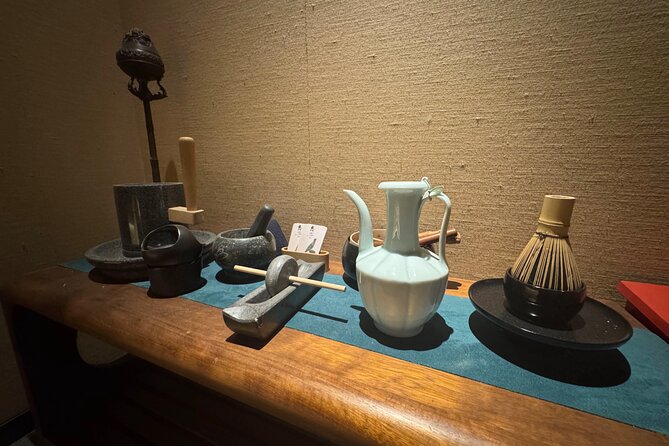
The hands-on brewing gives this experience its practical edge. You are encouraged to take part in the preparation rather than sit through a demonstration. That can include handling the tea set, learning the brewing process, and seeing how small changes affect the finished drink.
For me, this is where the experience earns some of its price. A lecture about tea can be interesting, but participation makes the lesson easier to remember. You are more likely to recall the correct brewing sequence when you have tried it yourself.
The private format helps here. Only your group takes part, so the session is not described as a large shared class. That should make it easier to ask questions and receive attention during the whisking and brewing exercises. The exact group size is not stated, so you should not assume the session is one-on-one.
A private activity can also feel more relaxed for families, couples, or small groups of friends. You do not have to perform for strangers, and you can spend more time on the parts that interest you. On the other hand, solo visitors should check the booking requirements because the activity has a minimum number of participants.
A completely different sort of day out:
- Authentic Local Food Tour in Central Shanghai
★ 5.0 · 1,382 reviews - Zhujiajiao Water Town and Shanghai City Private Day Tour
★ 5.0 · 1,016 reviews - Private Shanghai Full Day City Tour with Old and New Highlights
★ 5.0 · 995 reviews - Shanghai: Hop-on Hop-off Bus Ticket and Optional Attractions
★ 3.4 · 692 reviews
The traditional Chinese setting and optional Hanfu
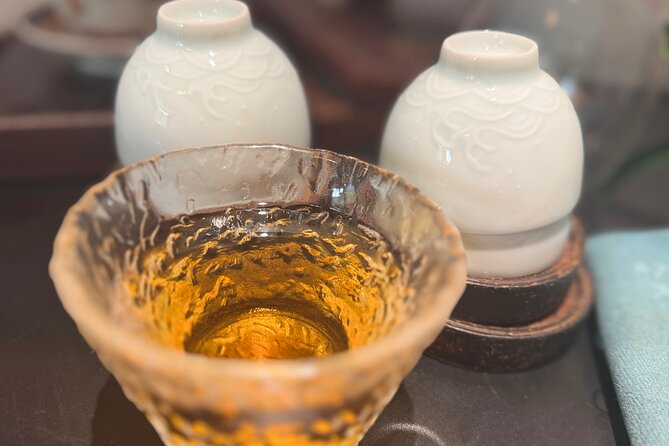
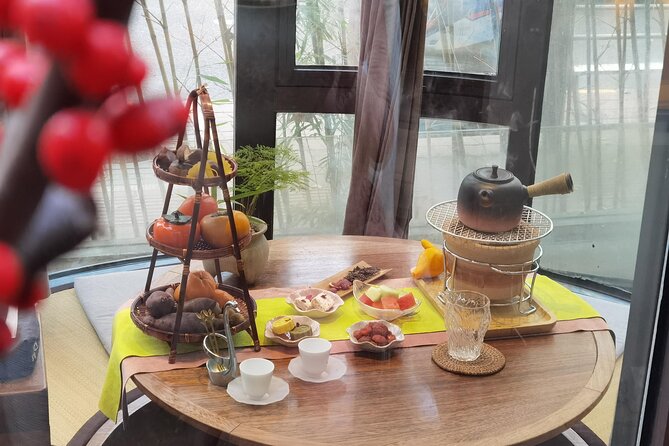
The room and its tea tools are part of the experience. You can expect a Chinese-style setting with traditional furnishings and utensils, rather than a standard modern café. This gives the ceremony a visual sense of place and supports the historical focus of the lesson.
The setting is especially useful for photography. Hanfu, traditional Chinese clothing, is available as an option, allowing you to dress for the ceremony and take photographs in the styled surroundings. It is not required, so you can keep the visit focused on tea if costumes are not your thing.
I like that the clothing is optional. Some cultural activities push dress-up as the main attraction, while this one keeps the tea lesson at the center. If you enjoy historical clothing and want a more memorable photo session, Hanfu adds something. If you prefer a quieter, practical tasting, you can skip it.
Do not confuse the setting with a full historical reconstruction. The supplied details describe traditional furnishings, tea utensils, and Hanfu, but they do not promise a period building or a larger cultural performance. Think of it as a carefully styled tea environment designed to support the ceremony.
What three hours gives you
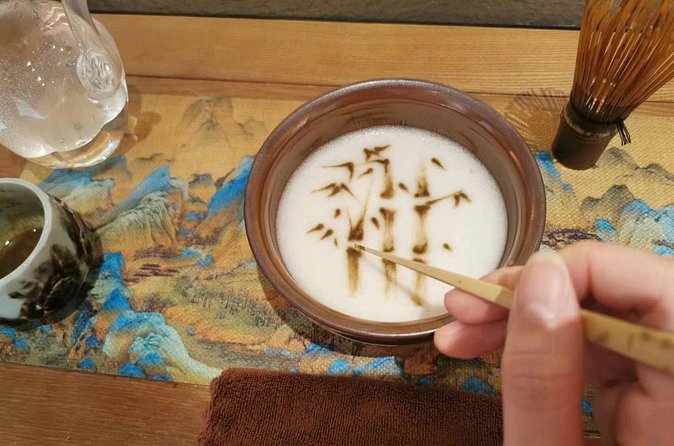
Three hours is a useful length for this subject. It allows time for the Dian Cha lesson, explanations about tea production and drinking customs, multiple tastings, and hands-on brewing without forcing every part into a rushed demonstration.
A shorter tea stop might give you a pleasant drink but little context. This session gives the subject room to develop from history, to technique, to flavor. You can follow the process in a logical order and see how traditional preparation connects with what ends up in the cup.
The length may feel excessive if you only want to sample Chinese tea. A person looking for a quick break between sightseeing stops may prefer a teahouse visit. This is better suited to someone who wants an activity with instruction and participation.
The private format should also help the three hours pass at a comfortable pace. Since only your own group participates, you can focus on the tea rather than on a large class moving at one fixed speed. The exact schedule within the three hours is not specified, so allow flexibility rather than planning another appointment immediately afterward.
Is $159 per person a fair value?
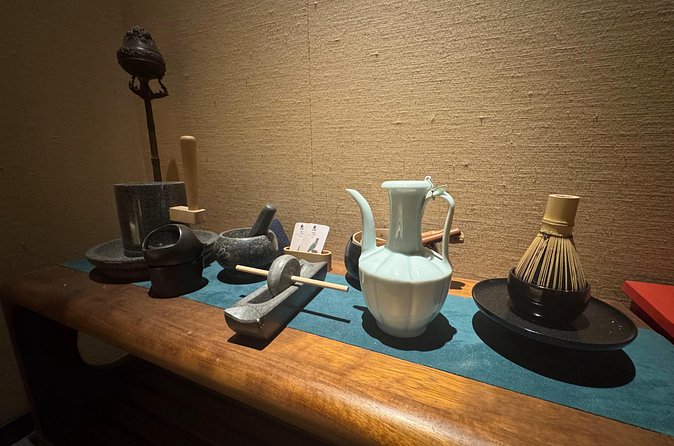
At $159 per person, this is not a budget tea tasting. You are paying for a private experience rather than simply paying for tea, and that distinction is important.
The price includes tea, a tea set, guided instruction, Dian Cha, several traditional tea styles, a traditional setting, and the chance to brew tea yourself. It does not include private transportation, and Hanfu appears to be an optional feature rather than something you should assume is included in the base cost.
I would consider the price reasonable for a small private group that values personal instruction and cultural detail. If you are traveling with family or friends, group discounts may improve the value. If you are paying alone, the cost deserves closer thought.
The strongest value comes from the teaching. The experience explains the background of tea drinking, how tea is produced, and the different ways tea is prepared and enjoyed. That educational layer gives the visit more lasting value than a generic tasting.
The weaker value is for anyone focused mainly on quantity. You should not book this expecting a large meal, a full day of sightseeing, or transportation around Shanghai. This is a focused tea lesson in one location.
Who will enjoy this Shanghai tea ceremony?
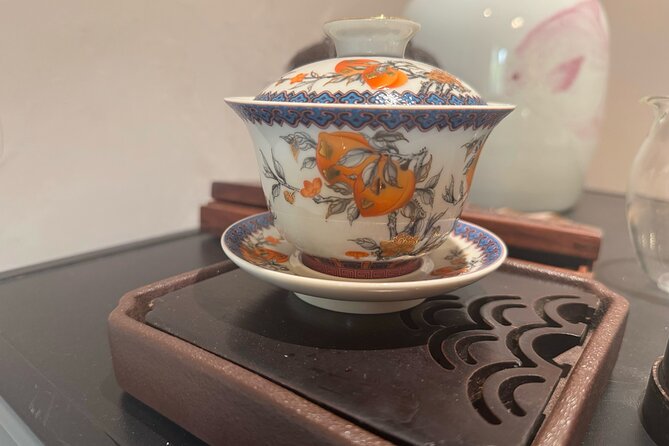
I would recommend it most to people who enjoy food and drink with a cultural story attached. You do not need to be a tea expert. In fact, the explanations about production and preparation make the experience suitable for a curious beginner.
It should also suit visitors who like traditional arts, historic clothing, and carefully staged photographs. Hanfu gives you a chance to add a visual element without forcing every participant to dress up.
The experience can work well for couples, families, and small private groups. A private setting offers more comfort than a large public class, and the hands-on format gives children or first-time tea drinkers something to do. The activity data does not specify a minimum age, so families should confirm that point before booking.
Tea enthusiasts may appreciate the chance to compare green tea, pu’er, and other styles while learning about production. Still, serious specialists should remember that the exact tea selection and technical depth are not provided. If you want a formal certification course or a detailed study of rare teas, this may be too introductory.
It is less suitable for someone who dislikes sitting through instruction or wants a fast, casual tasting. Three hours is a commitment, and the main reward comes from paying attention to the process.
Practical details that affect your decision
Confirmation is provided at booking, which gives you a clear reservation record. The meeting point is near public transportation, and service animals are allowed.
The activity is private, but it requires a minimum number of participants. If that minimum is not met and the experience is canceled, you are offered another date or experience, or a full refund.
You can cancel for a full refund up to 24 hours before the local start time. Cancellations made less than 24 hours in advance are not refunded, and late changes are not accepted. That policy is worth noting because the experience is booked about five days ahead on average, so it is sensible to make your plans before reserving.
The provider is Glopen. The overall rating is 5 out of 5 from three ratings, and the strongest praise focuses on the history of tea, explanations of manufacturing, and the different ways of drinking it. That matches the main strength of the experience: it teaches you how to understand the cup, not just how to photograph it.
Should you book the Chinese Tea Ceremony Experience?
Book it if you want a private, three-hour cultural activity with real participation. The Dian Cha lesson, comparison of green tea and pu’er, hands-on brewing, and optional Hanfu make this more distinctive than a routine tasting.
I would skip it if you are mainly seeking a cheap drink, a brief break, or included transportation. At $159 per person, you need to care about instruction and atmosphere for the price to make sense.
For the right visitor, this is a thoughtful way to spend part of a Shanghai day. You leave with more than a pleasant taste. You gain a clearer idea of how Chinese tea is made, prepared, and enjoyed.
FAQ
Where does the Chinese Tea Ceremony Experience begin?
It begins on Baoqing Road, Bao Qing Lu, in Shanghai’s Xuhui District, China, postal code 200031.
How long does the tea ceremony last?
The experience lasts approximately three hours.
Is transportation included?
No. Private transportation is not included, so you need to make your own way to Baoqing Road. The meeting point is near public transportation.
Is this a private activity?
Yes. Only your group participates. The activity does require a minimum number of participants.
What teas and techniques are included?
You learn Song Dynasty tea whisking, known as Dian Cha, and taste and brew several traditional Chinese teas, including green tea and pu’er.
Can I cancel for a full refund?
Yes. You can cancel at least 24 hours before the local start time for a full refund. Cancellations or changes made less than 24 hours before the start time are not accepted for a refund.
Just added in Shanghai
- Zhujiajiao Water Village: Private Tour from Shanghai★ 4.9 · 43 reviews
- Zhujiajiao with Private Customized Shanghai City Highlights★ 5.0 · 14 reviews
- Zhujiajiao Water Town Private Tour with Night River Cruise★ 5.0 · 9 reviews
- Zhujiajiao & Shanghai:Small Group Tour Water Town to Skyline★ 5.0 · 4 reviews
- Zhujiajiao & Shanghai:Private Day Tour Water Town to Skyline★ 5.0 · 12 reviews
- Yu Garden Shanghai Entry Tickets Booking And Trip★ 3.6 · 9 reviews
- Water Town Zhujiajiao Shanghai: Boat Ride,Sights,Bites&Sips★ 5.0 · 7 reviews
- shanghai Disney tour★ 5.0 · 12 reviews
Tea Ceremony Experiences, compared.
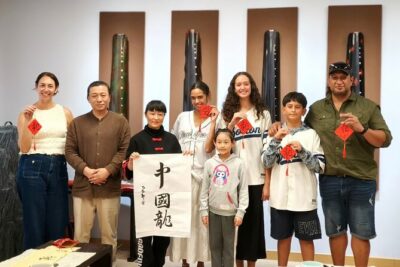
Beijing Culture: Tea Ceremony, Heritage Instrument & Calligraphy
Read our review →
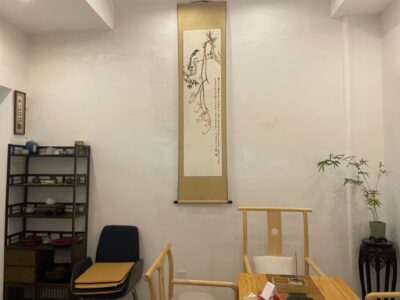
Chinese Tea ceremony in Beijing Hutong courtyard
Read our review →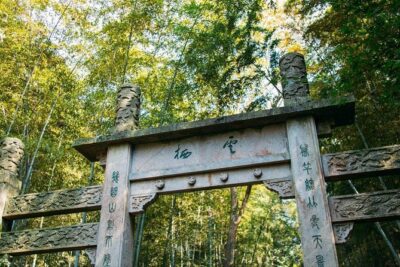
Half-Day Hangzhou Yunxi Bamboo Forest and Tea Plantation Experience
Read our review →
Leshan Buddha + Panda Base or Old Tea House Private Day Tour
Read our review →
Private Beijing Markets Tour with Tea Tasting at Hongqiao Pearl Market
Read our review →Where else this tour turns up