
Reviewed · HISTORICAL TOURS
7 Days Silk Road Adventure with Desert Feast and Historical Sites
History gets the first word here. This seven-day private journey from Lanzhou to Dunhuang links Buddhist grottoes, old forts, mountain scenery, desert stops, and lively food streets in one carefully packed route. I especially like the private vehicle matched to your group size and the chance to pair major sites such as the Mogao Caves with smaller places such as Tianti Grottoes and Mati Temple.
The other strong point is the practical setup: six nights in local four-star hotels, an English-speaking guide, most meals, entrance tickets, and airport transfers are included. The main consideration is the pace. You cover a long stretch of the Hexi Corridor, so several days involve substantial road travel, and the advertised desert feast with camel rides, ATVs, bonfires, and fireworks is not shown as a separate stop in the day-by-day schedule. Confirm exactly when that dinner takes place before paying.
In This Review
- Key Things To Know Before Booking
- Why This Gansu Route Works
- Lanzhou Begins With Tea Beside the Yellow River
- Gansu Museum and Tianti Grottoes Explain the Region
- Wuwei’s Temple Stops Reward Patient Walking
- Zhangye Puts a Reclining Buddha Beside Rainbow-Colored Rock
- Jiayuguan Shows the Military Side of the Silk Road
- Mogao Caves Deserve the Four-Hour Block
- The Desert Feast Is the Big Detail To Verify
- Hotels, Meals, and the Practical Pace
- Who Will Get the Most From This Tour
- Should You Book It?
- FAQ
- Where does the tour start?
- Where does the tour end?
- Is this a private tour?
- What vehicle is used?
- Are attraction tickets included?
- Which meals are included?
- What is the cancellation policy?
Key Things To Know Before Booking
- Seven days connect Lanzhou, Wuwei, Zhangye, Jiayuguan, and Dunhuang, giving you a broad look at Gansu rather than a single-city visit.
- The Mogao Caves receive four hours, enough time for a serious visit instead of a quick photo stop.
- Your group travels privately, with an SUV for two people and larger vans or a coach for bigger parties.
- The tour includes six breakfasts, five lunches, and six dinners, with arrival-day breakfast and lunch excluded.
- A mural-copying class adds a hands-on art session after the Mogao Caves.
- The desert dinner needs clarification, since the overview promises camel rides, ATVs, bonfires, and fireworks, but the daily schedule does not place it clearly.
Why This Gansu Route Works
At $2,499 per person, this is not a budget rail trip. It is a packaged private tour with hotels, a guide, transport, entrance fees, and most meals bundled together. The value depends on how much you want handled for you.
I see the strongest value in the geography. Lanzhou, Wuwei, Zhangye, Jiayuguan, and Dunhuang are spread across a large section of the old Silk Road corridor. Arranging this route independently would mean coordinating several long transfers, hotel changes, tickets, and airport timing. Here, Tangola Travels handles the moving parts, and your group avoids being folded into a large coach party.
The private format matters most on the road. A two-person group receives a five-seat SUV, three to five people use a seven-seat minivan, six to seven use a nine-seat van, and larger parties receive a 15-seat minivan or tourist coach. That structure should make the long journey more comfortable than a fixed group bus, though the exact comfort level will depend on the vehicle assigned.
The package also includes travel agency liability and accidental insurance coverage. Personal spending remains yours, including drinks, laundry, and optional services. Group discounts are offered, so larger parties should ask for the current rate rather than assume the listed price is final.
More Silk Road trips:
- Xi’an Silk Road: Legend of Camel Bell Show Ticket w/Transfer
★ 4.9 · 45 reviews - Private Customized the Silk Road Tour
★ 5.0 · 20 reviews - 8-Day Silk Road Trip of Dunhuang, Jiayuguan, Zhangye with Accommodation
★ 5.0 · 16 reviews
Lanzhou Begins With Tea Beside the Yellow River
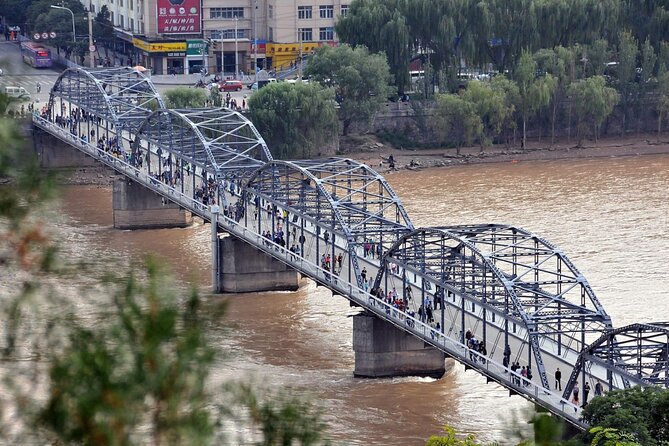
The tour opens with an evening visit to Zhongshan Bridge, also called the Iron Bridge of the Yellow River. You get about an hour here, with free admission and time to see the riverfront after dark.
This is a gentle first stop. After arriving at Lanzhou Airport, you are not rushed into a museum or a long historical lecture. Instead, you can watch the night view, feel the river breeze, and order Sanpao Tai tea. That tea ritual gives the opening a local touch, and the bridge provides an easy way to get your bearings in the city.
The airport pickup begins at 9:00 a.m., but arrival-day breakfast and lunch are not included. Check your flight timing carefully, since the opening evening stop and airport pickup are part of a fixed seven-day plan. You will want enough arrival time to collect luggage and meet the guide without turning the first day into a sprint.
Gansu Museum and Tianti Grottoes Explain the Region
Day two shifts from city life to the province’s archaeological and religious past. The Gansu Provincial Museum receives three hours, and admission is free.
The museum holds more than 350,000 cultural objects. Its subjects include Silk Road finds, Buddhist statues, ancient fossils, and other material from Gansu. I like this placement early in the trip because it gives you useful context before you reach the cave temples and giant Buddhist figures farther west.
Three hours is generous for a museum visit, especially if your guide helps you focus on the exhibits most connected to the route. It can also feel long if you prefer outdoor sites. You may want to agree on a meeting time and ask which galleries deserve your attention first.
The Tianti Grottoes near Wuwei follow with two hours. These caves date to the late fourth century and are among the earliest Buddhist cave temples in China. Their importance lies not just in their age, but in the way they help explain how Buddhist art developed along this corridor.
Admission is included. The combination of museum objects and actual cave temples gives day two a strong historical structure. You begin with pieces behind glass, then see religious art in the kind of setting where it was made and viewed.
Wuwei’s Temple Stops Reward Patient Walking
Day three brings two distinctive sites around Wuwei. The Wuwei Confucian Temple takes about two hours and offers a different cultural angle from the Buddhist caves.
Here, you can walk through traditional buildings, inspect old stone inscriptions, and consider the role of Confucian education in Chinese society. The temple is described as one of the best-preserved in Gansu, making it a useful counterpoint to the Buddhist sites. The route is not only about monks, murals, and grottoes. It also shows the institutions that shaped everyday learning and public life.
Mati Temple follows for three hours. The grottoes sit along dramatic cliffs, with Buddhist caves, statues, and murals cut into the rock. The setting is part of the appeal, but it may also make this a more physically demanding stop than a level museum or temple courtyard.
I would wear practical shoes and keep your attention on the guide rather than trying to race through the caves. Three hours gives you time to look closely, but the day can feel full after the preceding stops. If you prefer a slow pace, tell the guide early.
More History Tours in China:
- Between Capitalism & Communism: Hong Kong History Tip Based Tour
★ 5.0 · 234 reviews - Beijing Historical Tour II including Summer Palace, Lama Temple & Panda Garden
★ 4.0 · 187 reviews - Beijing Historical Tour I – Forbidden City, Tiananmen Square & Temple of Heaven
★ 4.0 · 120 reviews - Tour of Jewish Shanghai led by a Jewish History Expert
★ 5.0 · 106 reviews
Zhangye Puts a Reclining Buddha Beside Rainbow-Colored Rock
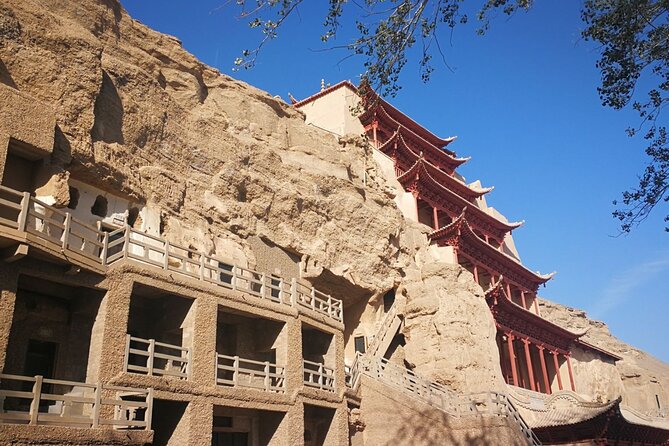
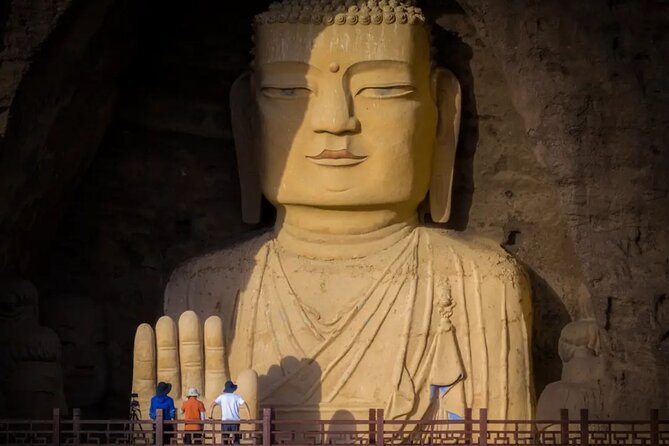
Day four combines one of the trip’s most important religious sculptures with one of its boldest natural sights. At the Dafo Temple in Zhangye, you have about two hours to see a 35-meter-long reclining Buddha.
The temple complex also contains old murals, sculptures, and traditional architecture. The scale of the Buddha gives the visit an immediate visual focus, while the surrounding details reward slower attention. Admission is included, so you do not need to budget separately for the major stops.
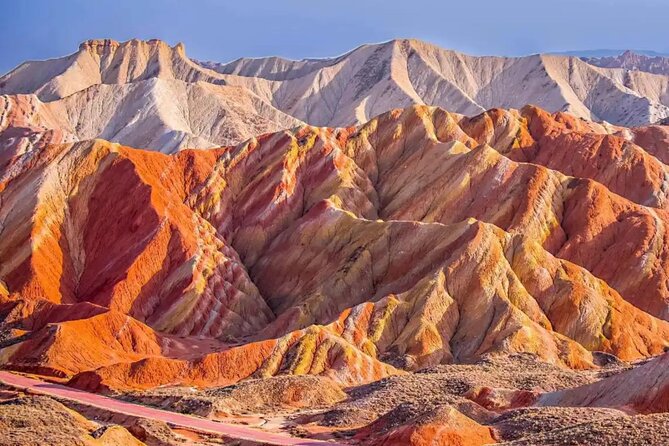
Next comes Zhangye Qicai Danxia Scenic Spot, known for its red, orange, yellow, and green rock formations. These bands were formed over millions of years, and the colors change with light and weather. You receive about three hours here, which should allow time for viewpoints and a proper look at the broad scenery.
This pairing is smart. The temple asks you to look closely at human-made art, while Danxia opens your view to huge natural formations. The tradeoff is that both stops are popular highlights, so the day may feel less quiet than the earlier grottoes.
Jiayuguan Shows the Military Side of the Silk Road
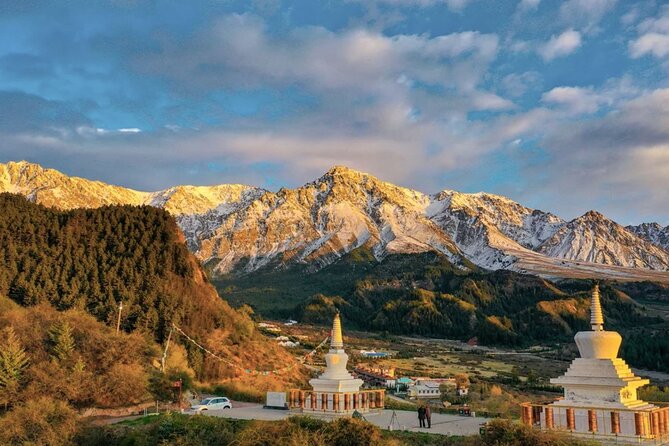
Day five turns from religion to defense. Jiayuguan Fortress is known as the First Pass Under Heaven and marks the western end of the Great Wall. You spend about two hours walking along the walls, seeing watchtowers, and exploring the fortifications.
This is one of the best stops for understanding why the route mattered. Trade, religion, and ideas moved through the corridor, but so did armies, officials, and border controls. The fortress makes that practical reality easy to picture.
The Xuanbi Great Wall follows for one hour. This section runs along steep cliffs and offers views across the mountains and desert. The visit is shorter, but it adds a more rugged side to the Great Wall story.
The day ends in Dunhuang at the night market, with two hours to browse food stalls, handicrafts, and souvenirs. Admission is free, and this is a good chance to choose your own dinner items or snacks, though the package already includes a scheduled dinner on this day according to the meal plan. Ask the guide how the included dinner fits with the market visit so you know what is covered and what you may pay for yourself.
Mogao Caves Deserve the Four-Hour Block
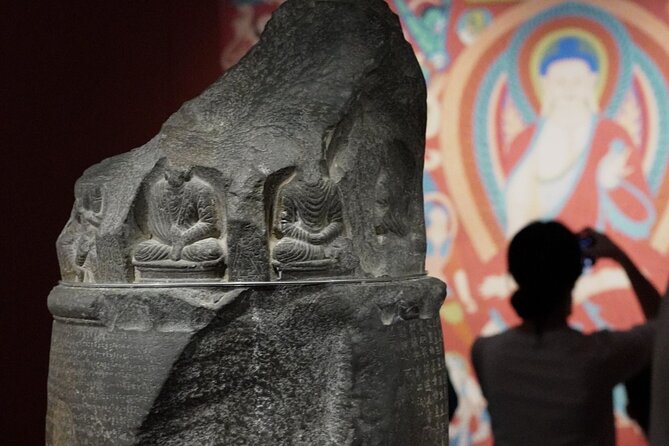
Day six is the cultural high point. The Mogao Caves hold more than a thousand years of Buddhist murals and sculptures carved into the cliffs near Dunhuang. The tour allows four hours, which is one of its best planning choices.
You should not treat the Mogao Caves as a quick stop between other attractions. The art is detailed, the subject matter is unfamiliar to many first-time visitors, and the cave interiors require time for your eyes to adjust. A guide can help you notice how the murals, statues, and Silk Road setting fit together.
Photography rules and access arrangements can vary at major heritage sites, so follow the instructions given on the day. The important thing is to give the caves your full attention. This is the kind of place where rushing for another viewpoint would be a poor bargain.
Afterward, the Dunhuang mural-copying session lasts about 90 minutes. Under an instructor’s guidance, you learn traditional methods and reproduce part of the intricate artwork. I like this addition because it changes your role from spectator to participant. You will not become a master painter in an hour and a half, but the exercise can make the technique and patience behind the original murals easier to appreciate.
The Desert Feast Is the Big Detail To Verify
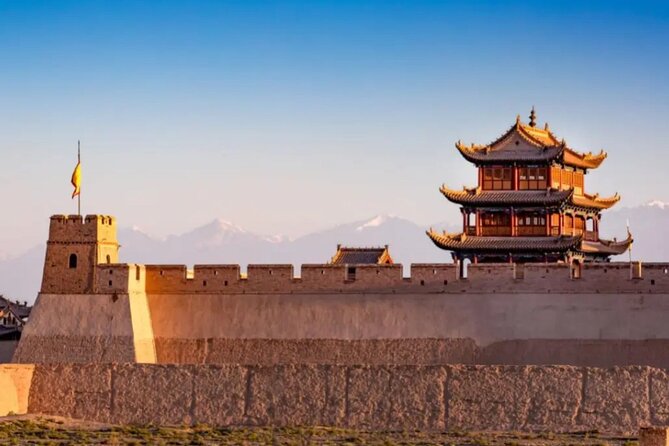
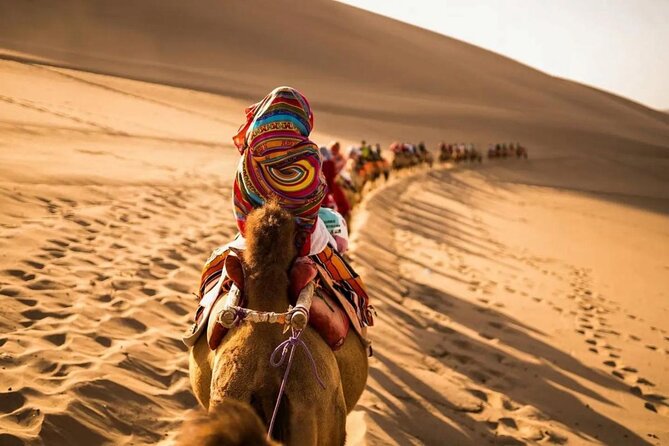
The tour description presents a stylish desert camp dinner with camel rides, ATVs, bonfires, and fireworks. That sounds like a memorable evening and gives the trip a needed burst of fun after several days of temples, caves, museums, and forts.
However, the listed daily schedule shows the Dunhuang Night Market on day five, then the Mogao Caves and mural session on day six. It does not identify a separate desert camp stop. Since the desert dinner is one of the most distinctive parts of the package, ask Tangola Travels for three clear details before booking: which day it occurs, which activities are included in the $2,499 price, and what happens if weather or local conditions affect the program.
This is not a minor question. Camel rides, ATVs, a camp meal, bonfires, and fireworks can change the character of the trip, while their absence would make the advertised experience much more focused on heritage sites. Get the answer in writing if the desert evening is the main reason you are considering the tour.
Hotels, Meals, and the Practical Pace
Six nights in local four-star hotels are included. The information provided does not name the properties, so you should request hotel names and locations if room standards or neighborhood placement matter to you.
The meal plan includes six breakfasts, five lunches, and six dinners. Breakfast and lunch are not included on arrival day in Lanzhou, and lunch and dinner are not included on the final day. Drinks and personal purchases are also outside the package.
This meal arrangement removes much of the daily guesswork, especially during long transfer days. It may also reduce your freedom to choose every restaurant. The Dunhuang Night Market gives you a useful chance to sample local snacks and browse independently, but clarify whether the included dinner is served there or elsewhere.
The tour ends with a 30-minute transfer to Dunhuang Airport based on your flight schedule. Because this is a long one-way route rather than a return to Lanzhou, your onward flight should depart from Dunhuang. The final day includes no meals, so plan accordingly.
Who Will Get the Most From This Tour
I would recommend this route to you if you want to see several major Gansu sites without arranging every train, road transfer, hotel, meal, and ticket yourself. It suits couples, families, and small groups who value a private vehicle and a guide who can explain the sites in English.
It is also a good fit if you want more than the standard big-city China route. The program moves through Buddhist art, Confucian culture, military history, geology, local food, and desert recreation. The guide can connect those subjects in a way that is harder to manage on your own.
I would hesitate if you dislike frequent hotel changes or long road journeys. The itinerary is ambitious, and the attraction blocks are often two to four hours rather than relaxed full-day stays. People who want a slow holiday should consider spending longer in fewer places.
The tour received an overall rating of 5 from three submitted ratings, with particularly strong praise for smooth pickup, hotels, vehicles, and arrangements. One published account specifically praised guide Li, while another highlighted how easily the team handled the logistics. Those comments point to the tour’s biggest strength: reducing friction on a complicated route.
Should You Book It?
Book this tour if you want a private, well-supported introduction to the Hexi Corridor and value the convenience of having transport, tickets, meals, hotels, and an English-speaking guide arranged together. The Mogao Caves, Tianti Grottoes, Mati Temple, Jiayuguan Fortress, and Danxia scenery give you a substantial trip for seven days.
Before you commit, confirm the desert feast, activity list, hotel names, and daily driving times. If those details match your expectations, the $2,499 price can be reasonable for a private seven-day package across a large part of Gansu. If the desert program is central to your decision and cannot be confirmed, compare the cost against a heritage-focused tour without that promise.
FAQ
Where does the tour start?
The tour starts at Lanzhou Airport in Lanzhou, China. The listed start time is 9:00 a.m.
Where does the tour end?
The tour ends with a transfer to Dunhuang Airport on day seven. The transfer is scheduled according to your flight time.
Is this a private tour?
Yes. Only your group participates in the activity.
What vehicle is used?
For two people, the operator provides a five-seat SUV. Groups of three to five use a seven-seat minivan, groups of six to seven use a nine-seat van, and groups of eight or more use a 15-seat minivan or tourist coach.
Are attraction tickets included?
Yes. Entrance fees for the listed attractions are included, including the Tianti Grottoes, Wuwei Confucian Temple, Mati Temple, Dafo Temple, Zhangye Qicai Danxia Scenic Spot, Jiayuguan Fortress, Xuanbi Great Wall, and Mogao Caves.
Which meals are included?
The package includes six breakfasts, five lunches, and six dinners. Breakfast and lunch are not included on arrival day in Lanzhou. Lunch and dinner are not included on the final day.
What is the cancellation policy?
You can receive a full refund if you cancel at least six full days before the experience start time. Cancellation two to six full days beforehand receives a 50 percent refund, while cancellation less than two full days before the start time is not refunded. Cut-off times use local time.
Just added in China
- Zhujiajiao with Private Customized Shanghai City Highlights★ 5.0 · 14 reviews
- Zhujiajiao Water Village: Private Tour from Shanghai★ 4.9 · 43 reviews
- Zhujiajiao & Shanghai:Private Day Tour Water Town to Skyline★ 5.0 · 12 reviews
- Zhujiajiao Water Town Private Tour with Night River Cruise★ 5.0 · 9 reviews
- Zhujiajiao & Shanghai:Small Group Tour Water Town to Skyline★ 5.0 · 4 reviews
- Zhangjiajie: Highlights Tour with Glass Bridge & Cable Car★ 5.0 · 32 reviews
- Zhengzhou: Private Tour to Shaolin Temple & Longmen Grottoes★ 4.8 · 8 reviews
- Zhangjiajie National Forest Park: Private Tour and Transport★ 4.9 · 20 reviews
Historical Tours, compared.
Between Capitalism & Communism: Hong Kong History Tip Based Tour
Read our review →
Beijing Historical Tour II including Summer Palace, Lama Temple & Panda Garden
Read our review →
Beijing Historical Tour I – Forbidden City, Tiananmen Square & Temple of Heaven
Read our review →
Tour of Jewish Shanghai led by a Jewish History Expert
Read our review →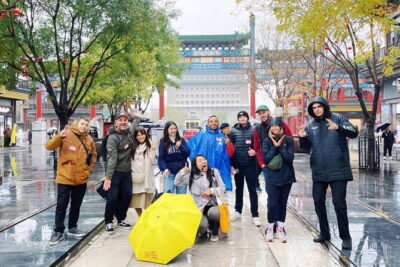
Beijing Historic City Guided Walking Tour + Calligraphy Creation
Read our review →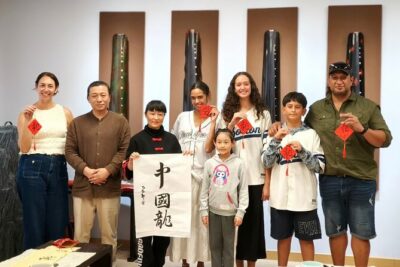
Beijing Culture: Tea Ceremony, Heritage Instrument & Calligraphy
Read our review →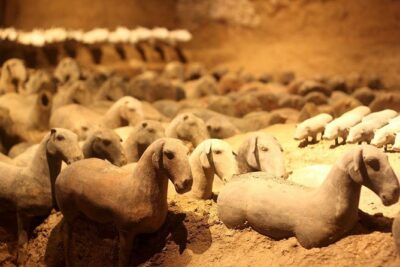
All inclusive Two-Day Xi’an private Heritage Tour
Read our review →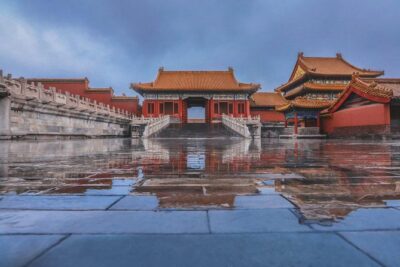
2-Hour Beijing Private Forbidden City Tour: History & Highlights
Read our review →Where else this tour turns up