
Reviewed · DUNHUANG TOURS
8-Day Silk Road Trip of Dunhuang, Jiayuguan, Zhangye with Accommodation
Ancient caves meet open desert. This 8-day private Silk Road journey links Dunhuang, Jiayuguan, and Zhangye through some of western China’s most memorable sights. I like the way it combines major UNESCO-related sites with less familiar places such as Yulin Caves and Suoyangcheng. I also like the practical setup: airport or railway pickup, air-conditioned transport, hotels, bottled water, and all meals are included. The main consideration is the pace. Several days involve long transfers and outdoor walking, while the desert and canyon visits depend on suitable weather.
The tour costs $2,199 per person and is designed for a private group rather than a large shared coach. Guide Steven Kang has arranged similar journeys across Gansu Province, and feedback consistently praises his planning, communication, hotel choices, clean vehicles, food, and care with individual needs. The tour is especially appealing if you want the Silk Road’s major sights without having to manage Chinese menus, regional transport, or separate entrance tickets yourself.
In This Review
- Key details that shape the experience
- Why this route works for a first Silk Road trip
- Day 1: A simple arrival in Dunhuang
- Day 2: Mogao Caves, White Horse Pagoda, and an evening show
- Day 3: Han frontier ruins and the Singing Sand Dunes
- Day 4: Yulin Caves and the ruins of Suoyangcheng
- Day 5: Jiayuguan Pass and the Overhanging Great Wall
- Day 6: Zhangye Danxia and a long day of color
- Day 7: Zhangye’s Giant Buddha and Horse Hoof Temple
- Day 8: Pingshanhu Grand Canyon and onward travel
- What the $2,199 price really covers
- Who should book this trip?
- Final verdict: a strong organized route for western China
- FAQ
- How long is the Silk Road tour?
- Where does the tour begin?
- Where does the tour end?
- Are meals included?
- Is accommodation included?
- Is transportation included?
- Is the Silk Road show available all year?
- Can I cancel for a full refund?
Key details that shape the experience
- A route through the Hexi Corridor: You travel from Dunhuang toward Jiayuguan and Zhangye, following an old trade route between China and Central Asia.
- Mogao Caves with the Digital Film Center: The visit introduces 492 grottoes, thousands of painted statues, and about 45,000 square meters of murals, with the film center helping explain the site before you enter the caves.
- Real desert time at Crescent Moon Spring: You can ride camels among the Singing Sand Dunes, an experience that gives the Dunhuang portion a very different feel from the cave visits.
- The western end of the Ming Great Wall: Jiayuguan Pass and the Overhanging Great Wall show how China defended its far western frontier.
- Remote cultural sites: Yulin Caves and Suoyangcheng take you beyond the usual highlights and require more time on the road, but they add real depth to the route.
- Full board and private transport: Seven breakfasts, seven lunches, seven dinners, seven nights of accommodation, bottled water, and an air-conditioned vehicle are included.
Why this route works for a first Silk Road trip
The great strength of this itinerary is its range. In eight days, you see Buddhist art, Han Dynasty frontier remains, Ming Dynasty fortifications, desert scenery, colorful rock formations, ancient tomb art, and a huge Buddhist temple. The sites do not all tell the same story, and that is exactly why the route works.
Dunhuang gives you the most famous Buddhist art and desert scenery. Jiayuguan shifts the focus to military history and the Great Wall. Zhangye finishes with striking rock formations, cave temples, a large Buddha, and a canyon visit. You are not simply visiting three similar towns. Each stop has its own character.
I also like that the tour includes both famous sights and places that require more effort to reach. Mogao Caves and Zhangye Danxia are obvious priorities, but Yulin Caves and Suoyangcheng help explain how wide the old Silk Road network really was. The trade route was not just a line between famous cities. It depended on fortified passes, religious centers, desert settlements, and long stretches of difficult terrain.
The private format matters here. Only your group participates, so the trip can feel more personal than a large scheduled departure. The guide can also help with dietary requests and day-to-day questions. Seven included lunches and dinners remove one of the less pleasant challenges of touring western China: finding a suitable meal after a long day when you may not know the menu or the local routine.
More Dunhuang and Mogao trips:
- Private Customized the Silk Road Tour
★ 5.0 · 20 reviews - 3-Day Private Silk Road Tour of Dunhuang: Mogao Grottoes, Yulin Grottoes, Crescent Moon Pool
★ 5.0 · 11 reviews - Dunhuang Private Silk Road Day Tour: Mogao Caves, Crescent Spring
★ 4.5 · 7 reviews
Day 1: A simple arrival in Dunhuang
Your guide meets you at Dunhuang Airport or Dunhuang Railway Station and takes you to the hotel by comfortable car, van, or bus. The first day is intentionally light, giving you time to settle in rather than rushing straight into a sightseeing program.
This is useful because the route becomes active quickly. You will be staying in a comfortable four-star hotel in Dunhuang, with air-conditioning and bottled water provided. Hotels in Zhangye and Jiayuguan are also included, described as the best available in those cities.
The arrival transfer is included, which makes the first few hours easier. You do need to provide passport details when booking, and all participants need a current valid passport on the day of travel. Children must be accompanied by an adult.
Day 2: Mogao Caves, White Horse Pagoda, and an evening show
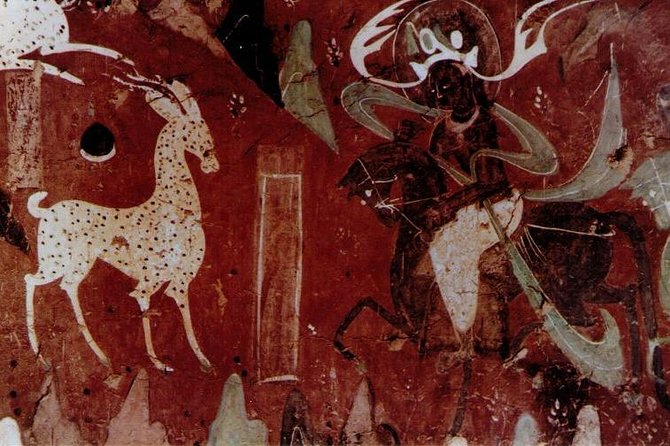
The Mogao Caves are the cultural heart of the trip. The site includes 492 grottoes, around 45,000 square meters of murals, about 2,400 painted statues, and more than 250 former residential caves. Even those numbers can be hard to picture until you understand that this is not one decorated chamber, but a large religious complex developed over centuries.
The visit includes the Digital Film Center, which is an important part of the experience. It gives you background before you see the actual grottoes and helps place the paintings and sculptures in context. The cave visit takes about four hours, so this is not a quick photo stop.
Photography rules and access inside caves can be controlled, so you should treat the site as a place for close observation rather than constant picture taking. The payoff is the art itself: painted figures, murals, and details that reward patience. If you care about Buddhist art or early Silk Road culture, this is the day that justifies much of the trip.
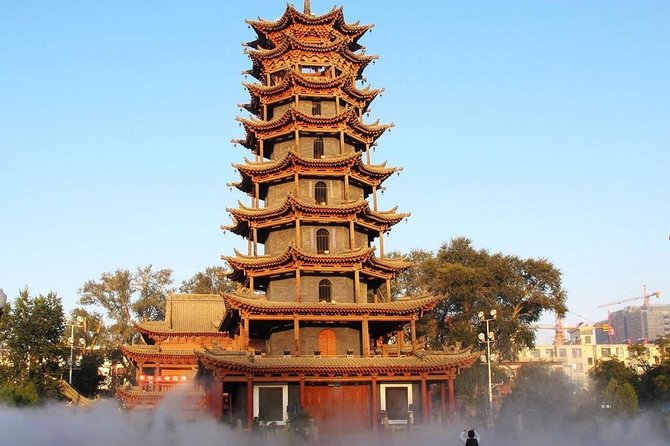
After lunch, you visit the White Horse Pagoda. The stop lasts about 30 minutes, making it a manageable addition after the longer cave visit.
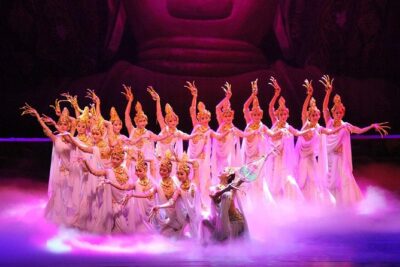
The evening brings the Silk Road show at Dunhuang Theater. It runs for about two hours and presents the region through dance and stage performance. It is not available from November through March, so check the seasonal schedule before booking if this matters to you. On operating dates, it adds a lively contrast to the quiet concentration required at Mogao.
Day 3: Han frontier ruins and the Singing Sand Dunes
Yumen Pass and the Great Wall of the Han Dynasty introduce an earlier chapter of frontier history. The Han Dynasty built walls and defended passage into the western regions, while also supporting trade routes farther into Central Asia.
The remains are valuable because they show a different kind of Great Wall from the brick structures most people picture. This is an older frontier system, tied to the hard practical work of protecting routes, supplies, and settlements in a dry region. The visit takes about two hours.
In the afternoon, you head to Mingsha Shan, the Echoing-Sand Mountain area, with Crescent Moon Lake and the Singing Sand Dunes. The name gives you a good idea of the setting: open sand, steep dune faces, and a small crescent-shaped water feature that has become one of Dunhuang’s signature views.
A camel ride is included. It is an optional-feeling activity in spirit, but the itinerary presents it as part of the desert visit, so confirm the exact arrangements with the operator. The outing lasts about three hours. Wear practical shoes, protect yourself from the sun, and expect sand underfoot and a fair amount of exposed walking.
This is one of the most enjoyable contrasts on the route. In the morning, you are studying frontier remains. By afternoon, you are crossing a desert by camel. The drawback is that there is little shade in such an environment, and the experience depends on weather conditions.
More Silk Road trips:
- Xi’an Silk Road: Legend of Camel Bell Show Ticket w/Transfer
★ 4.9 · 45 reviews - Dunhuang Day Tour: Mogao Grottoes, Singing Sand Dunes and The Silk Road Show
★ 5.0 · 4 reviews - Classic The Silk Road Half Day Tour: The World Heritage –Mogao Grottoes
★ 4.5 · 3 reviews
Day 4: Yulin Caves and the ruins of Suoyangcheng
Yulin Caves are described as a sister site to Mogao Caves because of their related content, artistic style, and painting traditions. The visit takes about two hours and gives you another chance to see Buddhist cave art without treating Mogao as the whole story.
This day is more remote and less polished than the central Dunhuang attractions. That is part of the value. You get a stronger sense of how religious art was spread along the Silk Road, with separate cave centers sharing ideas across a large area.
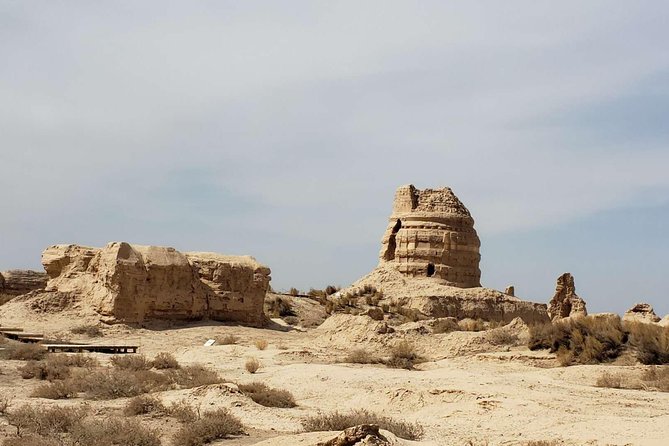
After lunch, you visit Suoyangcheng, an important Silk Road settlement that was listed by UNESCO in 2015. The ruins take about two hours, followed by a transfer to Guazhou.
Suoyangcheng is best for people who like ruins and historical context more than a neatly restored monument. The site helps show how towns supported movement across the region, but the distance and open setting make this a long day. The included vehicle and guide are especially useful here because arranging this stretch independently would require more planning.
Day 5: Jiayuguan Pass and the Overhanging Great Wall
The route continues by bus to Jiayuguan, where you visit Jiayuguan Pass and the Great Wall Museum. Jiayuguan Pass is known as the western end of the Ming Dynasty Great Wall, making it one of the clearest military landmarks on the trip.
The pass helps you picture how the Great Wall system worked at its far western reach. This was not only a wall to look at. It was a fortified gateway through which people, goods, and official traffic moved between China’s interior and the western regions.
The museum adds context to the walls and fortifications. The main visit takes about two hours.
You then climb the Overhanging Great Wall, with about 90 minutes set aside for the visit. That wording matters: this is not only a viewing platform. You should be ready for steps and uphill walking. The reward is a more active encounter with the western frontier, but anyone with mobility concerns should discuss the route in advance.
The tour provider states that wheelchairs and infant seats are available if needed, although individual site access may still vary. Most people can participate, but the Great Wall sections and the desert should be considered when judging your own comfort level.
Day 6: Zhangye Danxia and a long day of color
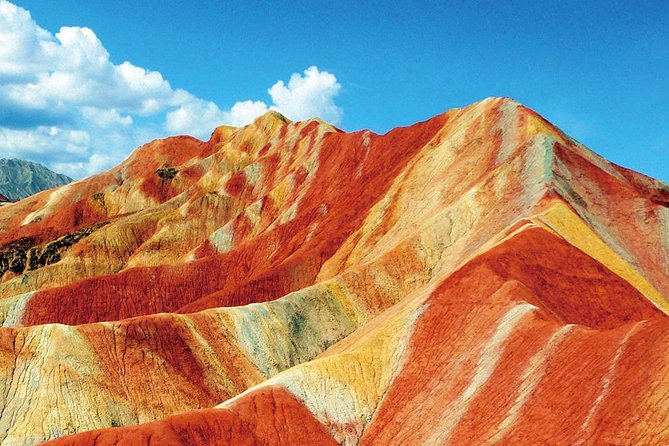
The Zhangye Danxia Geopark is one of the visual highlights of the journey. The multicolored rock formations are the reason the area is often called Rainbow Mountain, and the eight-hour visit gives you time to see more than one viewpoint rather than rushing in and out.
This is a full day, and that is appropriate. The formations are spread across a sizable park area, so transport and walking time both matter. Bring water, use sun protection, and keep your expectations realistic. The color and shape of the rock are the main event, but the experience involves outdoor exposure and a long schedule.
The itinerary also refers to painted bricks in the tombs of the Wei and Jin Dynasty. These bricks show scenes connected with politics, the economy, military life, and culture. That addition gives the Zhangye day a useful historical counterpoint: after seeing natural formations, you turn to images created by people living in the region many centuries ago.
Because the day is so long, this is one place where the private format helps. You are not tied to the preferences of a large group, and your guide can help keep the day organized. Still, you should not expect a relaxed morning. This is a major sightseeing day with substantial time on the road.
Day 7: Zhangye’s Giant Buddha and Horse Hoof Temple
The Dafo Temple, or Giant Buddha Temple, is the main stop in Zhangye. It is known for a very large Nirvana Buddha and is described as the biggest Nirvana Buddha in Asia. The visit lasts about an hour, so the stop is focused rather than sprawling.
The Horse Hoof Temple Grottos are also part of the Zhangye program. The name comes from the deity horse footprints associated with the site. Together, the temple and grottoes continue the religious theme that began at Mogao and Yulin, but the setting and scale give them a different feel.
The timing listed for this day is brief, so ask your guide how the two sites are arranged in practice. The published schedule gives one hour for the stop, and the Horse Hoof Temple area may require additional travel depending on the exact plan. This is not a reason to reject the day, but it is worth clarifying if the grottoes are a top priority for you.
Day 8: Pingshanhu Grand Canyon and onward travel
The final morning is spent at Pingshanhu Grand Canyon. It gives the trip another change of scenery after the Danxia rock formations, temples, caves, walls, and desert.
After lunch, the tour transfers you to Zhangye Airport or Zhangye Railway Station. The operator can help book high-speed train tickets, which is useful if you are continuing to another Chinese city rather than flying.
The ending is practical but not especially leisurely. Keep your departure details clear and allow enough time for the transfer. Since the schedule moves from a morning visit to onward transport, your exact flight or train time should fit the planned transfer rather than the other way around.
What the $2,199 price really covers
At $2,199 per person, this is not a budget sightseeing package. The value comes from how much administration is bundled into the price.
You receive seven nights of accommodation, an air-conditioned vehicle, a local guide, airport or railway transfers, bottled water, entrance tickets, seven breakfasts, seven lunches, and seven dinners. That is a substantial amount of coverage across an eight-day route with several remote stops.
The meals are also more useful than they may first appear. The tour includes a vegetarian option if requested at booking, and you can provide other dietary requirements in advance. You do not have to spend each evening searching for a restaurant or trying to decode a menu after a long transfer.
The strongest value is for a first-time visitor to Gansu Province who wants a private, organized trip. If you already speak Chinese, know the rail system, and prefer choosing modest accommodation and meals yourself, you might spend less independently. But you would also take on the work of arranging transport to remote cave sites, coordinating entrance tickets, and managing three different bases.
Who should book this trip?
I would recommend it most strongly to you if you want cultural sites and natural scenery in equal measure. The itinerary suits people who enjoy Buddhist art, ancient settlements, Great Wall history, desert activities, and unusual geological formations.
It is also a good fit for small groups, families with an adult accompanying each child, and people who value a private guide. Previous feedback gives particular praise to Steven Kang for being prompt, considerate, proactive, and easy to communicate with. Those qualities matter on a route with long drives and several moving parts.
You should think twice if you want slow mornings, independent dining, or a light walking schedule. The itinerary is active, the Danxia day lasts about eight hours, and the Great Wall, dunes, and canyon all require time outdoors. The Silk Road show is unavailable from November through March, and poor weather can affect the experience, so seasonal planning matters.
Final verdict: a strong organized route for western China
I would book this tour if I wanted to see the major Silk Road sights of Gansu without handling the logistics myself. The combination of Mogao Caves, Crescent Moon Spring, Yumen Pass, Suoyangcheng, Jiayuguan, Zhangye Danxia, and Pingshanhu Grand Canyon gives you a broad and memorable route.
The cost is easier to justify because meals, hotels, transport, guide services, water, and admissions are included. The main tradeoff is a busy schedule with some long road days. If you accept that pace, this tour offers a well-planned introduction to western China, with enough remote sites to keep it from feeling like a simple checklist of famous attractions.
FAQ
How long is the Silk Road tour?
The tour lasts approximately eight days and includes seven nights of accommodation.
Where does the tour begin?
You are picked up at Dunhuang Airport or Dunhuang Railway Station on the first day.
Where does the tour end?
On the final day, you are transferred to Zhangye Airport or Zhangye Railway Station after visiting Pingshanhu Grand Canyon and having lunch.
Are meals included?
Yes. The tour includes seven breakfasts, seven lunches, and seven dinners.
Is accommodation included?
Yes. Seven nights of accommodation are included, with a comfortable four-star hotel in Dunhuang and hotels in Jiayuguan and Zhangye.
Is transportation included?
Yes. An air-conditioned vehicle, airport or railway pickup, and drop-off are included.
Is the Silk Road show available all year?
No. The Dunhuang Silk Road show is not available from November through March.
Can I cancel for a full refund?
Yes, if you cancel at least 24 hours before the experience start time. Cancellations made less than 24 hours in advance are not refunded, and poor weather may result in a different date or a full refund.
Just added in China
- Songcheng Park & Lengend of Song Dynasty Show Ticket★ 4.5 · 3 reviews
- Classic Hangzhou One Day Private Tour★ 5.0 · 3 reviews
- Private Wuzhen Water Town Day Tour from Hangzhou★ 5.0 · 2 reviews
- Wuzhen Water Town Self-Guided Tour with Private Transfer from Hangzhou★ 5.0 · 12 reviews
- Wuzhen Classical Water Town day tour★ 5.0 · 4 reviews
- Wuzhen Water Town Delight Tour With Riverside Lunch Experience★ 5.0 · 15 reviews
- Private Transfer to Shanghai Pudong Airport from Hangzhou★ 5.0 · 3 reviews
- Private Amazing Hangzhou Airport Layover Tour with Lunch or Dinner Option★ 5.0 · 2 reviews
Dunhuang Tours, compared.
3-Day Private Silk Road Tour of Dunhuang: Mogao Grottoes, Yulin Grottoes, Crescent Moon Pool
Read our review →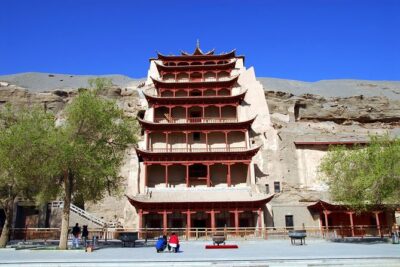
Dunhuang Private Silk Road Day Tour: Mogao Caves, Crescent Spring
Read our review →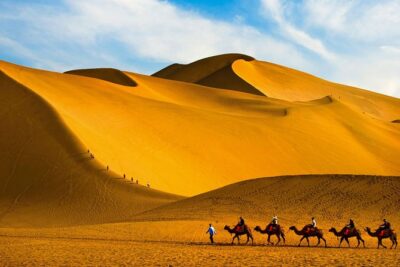
Dunhuang Private Day Tour Mogao Grottoes, Singing Dunes and Crescent Moon Spring
Read our review →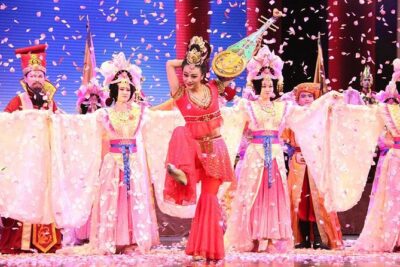
Dunhuang Day Tour: Mogao Grottoes, Singing Sand Dunes and The Silk Road Show
Read our review →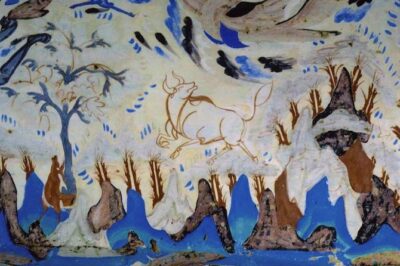
Classic The Silk Road Half Day Tour: The World Heritage –Mogao Grottoes
Read our review →Where else this tour turns up