
Reviewed · HISTORICAL TOURS
Private Harbin City Day Tour of Russian Historical Sites and Culture
Harbin’s Russian past is hiding in plain sight. This private eight-hour tour connects cemeteries, museums, railway remains, grand streets, and a river crossing to explain how Russian influence helped shape the city between 1896 and 1945. I like the private vehicle and guide, which keep the day comfortable and flexible, and I like the mix of formal sights and outdoor places where Harbin’s story feels tied to daily life.
The tour also earns points for including hotel pickup, entrance fees, and a route that reaches several parts of the city. The main consideration is the $350 per-person price, which is a serious outlay unless you value private transport and personal attention. There is also a fair amount of walking, and Harbin’s cold weather can make the outdoor portions demanding.
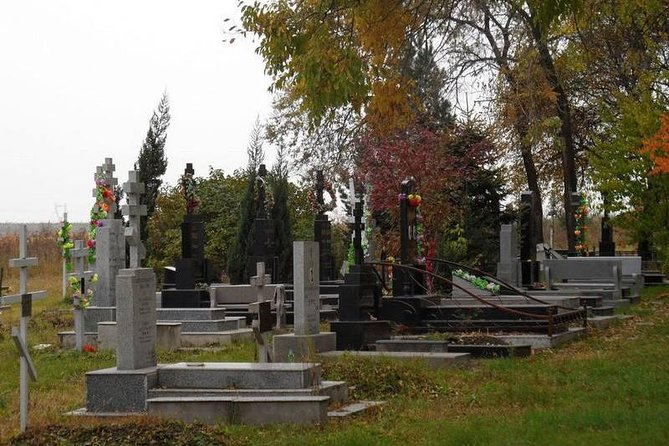
- Russian cemetery in Huangshan: Begin with a quieter, less familiar part of Harbin’s Russian story.
- Heilongjiang Museum: Use the history and culture exhibition to put the city’s buildings and traditions into context.
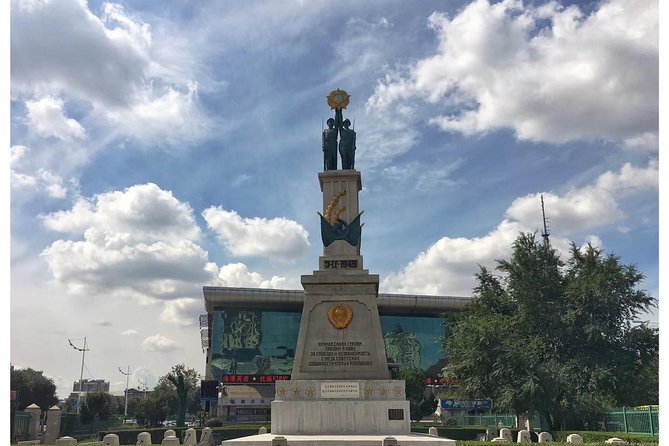
- Songhua River ropeway: Cross the river by cable car before visiting the Russian town area.
- Railway relic and Central Street: See the transport link and commercial avenue that helped Harbin grow.
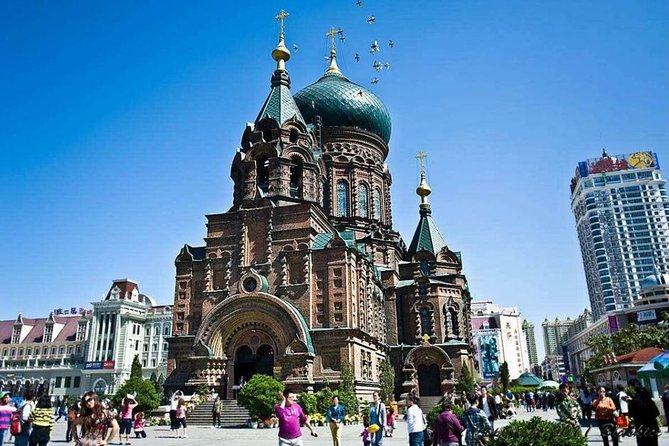
- Saint Sophia Cathedral: End at Harbin’s best-known Russian architectural landmark, with a renovation notice requiring confirmation before booking.
In This Review
- Why Harbin’s Russian Story Matters
- A 9:00 a.m. Start and Private Transport
- Huangshan Russian Cemetery: A Quiet Opening
- Russian Consulate Exterior and the Heilongjiang Museum
- Crossing the Songhua River by Ropeway
- Railway Relics and Central Street
- Saint Sophia Cathedral and the Renovation Question
- Is $350 Per Person Good Value?
- The Guide’s Role and Personal Attention
- Who Should Book This Harbin Day Tour?
- Should You Book It?
- FAQ
- What time does the tour start?
- Is hotel transportation included?
- Is this a private group tour?
- Are attraction entrance fees included?
- Do I need to bring a passport?
- Is Saint Sophia Cathedral open inside?
Why Harbin’s Russian Story Matters
Harbin did not develop in isolation. Russian migration and railway activity helped turn it into a major city, and the effects remain visible in its architecture, street layout, religious buildings, and food culture.
This tour focuses on the period from 1896 to 1945. That date range gives you a useful frame. Rather than treating every old building as a decorative photo stop, the route asks you to connect Russian settlement with railways, trade, religion, and ordinary city growth.
I especially like that the day begins away from the obvious postcard sights. The Russian cemetery in Huangshan is not likely to be the first place you would find on your own, yet it can make the history feel personal. Names, graves, and memorial traces help explain that Russian influence came through real families and communities, not only through impressive buildings.
The tour also acknowledges that Harbin’s identity is shared. Russian culture worked alongside Han and Manchu traditions to shape the city. That broader view matters, since Harbin is not simply a Russian city transplanted into China. It is a Chinese city with several historical influences layered together.
A 9:00 a.m. Start and Private Transport
Your guide meets you in the lobby of your Harbin hotel at 9:00 a.m. From there, you travel by private vehicle. For a full day with stops spread across the city, this arrangement is useful. You avoid organizing several taxis, and your group does not have to follow the pace of strangers.
The vehicle is described as private, with a certified driver. Hotel pickup and drop-off are included, along with the guide and attraction entrance fees. That makes the day easier to budget, although personal expenses and accommodation are not covered.
The private setup is most useful for families, couples, or small groups with a clear interest in history. You can ask questions as you go, pause for clarification, and avoid wasting time on group loading and unloading. Group discounts may also improve the value if several people book together.
The early start is sensible. The full route includes the cemetery, museum, lunch break, river ropeway, Russian town, railway relic, Central Street, and Saint Sophia area. Eight hours can pass quickly, so starting at 9:00 a.m. gives the schedule room to breathe.
More History Tours in Harbin:
- Between Capitalism & Communism: Hong Kong History Tip Based Tour
★ 5.0 · 234 reviews - Beijing Historical Tour II including Summer Palace, Lama Temple & Panda Garden
★ 4.0 · 187 reviews - Beijing Historical Tour I – Forbidden City, Tiananmen Square & Temple of Heaven
★ 4.0 · 120 reviews
Huangshan Russian Cemetery: A Quiet Opening
The first major stop is the Russian cemetery in Huangshan. It offers a different mood from Central Street and Saint Sophia Square. Instead of beginning among crowds, shops, and photo stops, you start with a place linked directly to the people who formed part of Harbin’s Russian community.
This is also where a private guide can add real value. A cemetery can be difficult to understand if you only walk among the graves without context. Ask about the people represented there, the period they belonged to, and how the Russian community fitted into Harbin’s wider development.
The drawback is practical rather than historical. Cemeteries are quiet, open-air places, and the tour involves a moderate amount of walking. In winter, cold conditions may limit how long you want to stay outdoors. Wear shoes with good grip and bring enough warm clothing, especially if you come from a warm country.
Advice about clothing is not a minor point here. Harbin’s winter conditions can be hard on visitors from the Philippines, Indonesia, Singapore, Malaysia, and other warm places. Warm shoes, insulated trousers, hand warmers, and layers are sensible choices. A family taking this tour found the cold made it difficult to remain outside for long, so plan your clothing before you leave the hotel.
Russian Consulate Exterior and the Heilongjiang Museum
After the cemetery, the route returns toward the Russian consulate building. The visit is outside only, so do not expect an interior tour. Even so, the exterior helps show how foreign institutions once fit into Harbin’s urban life.
Next comes the Heilongjiang Museum, where the Russian history and culture exhibition gives the day its clearest historical foundation. The museum stop is listed at about four hours, including the earlier cemetery and consulate visits, so the exact time inside the museum may vary.
This is the part of the day I would treat as essential preparation for the rest of the route. You can look at Russian influence in buildings, bridges, and streets, but the museum helps explain why those traces exist. It is also a useful place to connect Russian culture with Han and Manchu contributions to the city.
Admission is included. A lunch break follows the museum visit, but the tour details do not specify a restaurant or whether lunch is included. You should therefore be prepared to pay for your own meal and confirm the lunch arrangement when booking.
The museum may be less immediately exciting than a cable-car ride or cathedral square, but it gives the tour structure. Without it, the day could feel like a collection of disconnected landmarks. With it, the later stops have more meaning.
Crossing the Songhua River by Ropeway
After lunch, you travel to the Songhua River ropeway. The cable car crosses the river and takes you toward the Russian town area. The crossing lasts about one hour as part of the scheduled stop.
This is one of the day’s most distinctive changes of pace. The cemetery and museum focus on memory and explanation. The ropeway gives you a broad view of the river and the city while physically linking two parts of the route.
The ride is included in the admission package. It also reduces the need to arrange another form of river transport, keeping the day simple. You should still allow for weather-related comfort concerns. Harbin can be bitterly cold, and outdoor waiting areas or exposed sections may feel uncomfortable in winter.
The Russian town area adds another layer to the tour, though the supplied details do not promise a specific building or interior visit there. Think of it as part of the wider cultural route, not a single attraction with a fixed list of rooms.
A few more to weigh up in Harbin
- 2-Day Harbin City Private Tour in Your Way in Winter Season
★ 5.0 · 26 reviews - Harbin Winter Warm Clothing Rental
★ 5.0 · 15 reviews - 3-Day Harbin City Private Tour in Your Way in Winter Season
★ 5.0 · 14 reviews - Private Full Day Transfer Service to Harbin Top Winter Attractions
★ 5.0 · 8 reviews
Railway Relics and Central Street
The return crossing leads to the Songhua River railway bridge relic. This stop connects neatly with the museum visit and the story of Harbin’s growth. Railways were central to the city’s development, and seeing a surviving railway structure gives that story a physical reference.
The bridge relic is not presented as a long guided attraction. It is one of several linked stops, followed by a walk along Central Street. That means you should expect a compact visit rather than a full engineering tour.
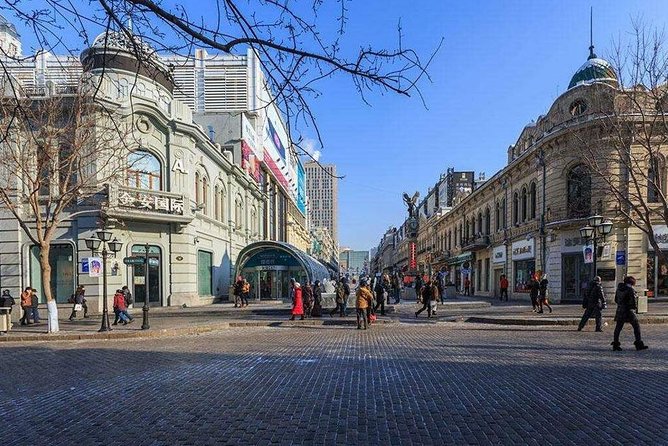
Central Street, also called Zhongyang Pedestrian Street, provides a lively contrast to the cemetery and museum. Here, Russian influence appears in the built environment and in the feel of one of Harbin’s most recognizable public streets. You can walk, look closely at the architecture, and see how historic design has become part of modern city life.
There is no admission fee for the street. That helps keep the route varied without adding another ticket cost. The tradeoff is that pedestrian areas can be busy, and the walking portion may feel tiring after a full morning and the ropeway crossing.
Comfortable walking shoes are specifically advised. You should also keep your passport with you, since a current valid passport is required on the day of the tour.
Saint Sophia Cathedral and the Renovation Question
The final scheduled sight is Saint Sophia Cathedral, with about 40 minutes allocated. Its onion domes and red-brick form are among Harbin’s clearest visual reminders of Russian architectural influence.
The cathedral is a fitting final stop because it brings together the themes of religion, migration, architecture, and urban identity. Even a short visit can make a strong impression, especially after you have learned about the people and institutions that shaped the city.
There is an important qualification. The tour information says the cathedral interior was closed for renovation until September 2020, with a visit to Saint Sophia Square or an indoor food market offered instead. That notice is tied to an older date, so you should confirm the current access situation before booking. Do not assume that an interior visit is guaranteed.
If the interior remains unavailable, the square still gives you a chance to see the cathedral from outside and study its setting. The alternative indoor market could also be useful in cold weather, particularly for families who need a warm break.
After the cathedral stop, your private vehicle returns you to your hotel. The hotel transfer is included, which is welcome after a long day of walking and sightseeing.
Is $350 Per Person Good Value?
At $350 per person, this is not a budget Harbin sightseeing day. The price makes more sense if you are traveling as a small private group and want transportation, a local guide, and admissions handled together.
The value comes from the route’s range. You are not paying for only Saint Sophia Cathedral or Central Street. The price covers a full day with a cemetery, consulate exterior, museum, ropeway, Russian town, railway relic, pedestrian street, and cathedral area.
Private transport is another major part of the equation. Harbin’s sights are spread out, and the cemetery in Huangshan is not simply a short walk from the central attractions. Having a vehicle saves time and avoids the uncertainty of arranging separate rides.
The value is weaker if you mainly want quick photographs of the famous buildings. In that case, a shorter city tour may suit you better. This experience is aimed at people who want the historical connections explained and who prefer a dedicated vehicle to public transport.
Ask about group discounts if you are traveling with relatives or friends. Since the activity is private, only your own group takes part, which can make the cost easier to justify when divided among several people.
The Guide’s Role and Personal Attention
A guide can make or break a history-focused day. The tour is designed around explanation, not just transport, so you should expect the guide to connect Russian migration, railways, architecture, and Harbin’s Chinese cultural influences.
David and Samantha are named as people who provided especially helpful support on a family visit. Their assistance included practical tips and help understanding the city. If they are assigned to your group, you may benefit from that same attentive approach, though guide assignments should be confirmed rather than assumed.
A private guide also gives you room to ask about details that interest you. You might want to spend more time on Russian religious buildings, the railway connection, cemetery history, or local cultural mixtures. The day is scheduled, but a private format is better suited to questions than a large coach tour.
Children must be accompanied by an adult. Most people can participate, but the moderate walking and winter temperatures deserve attention when deciding if the itinerary fits your family.
Who Should Book This Harbin Day Tour?
I would recommend this tour to first-time Harbin visitors who want a strong historical introduction in one day. It is also a good fit for anyone particularly interested in Russian architecture, migration, religious buildings, and railway history.
Families may appreciate the private vehicle and hotel transfers, especially when traveling in very cold conditions. The day can be adjusted more easily for your own group than a fixed large-group excursion, although the walking cannot be avoided entirely.
History-minded visitors will get the most from the museum and cemetery. Photographers may prefer Central Street, the railway relic, the ropeway crossing, and Saint Sophia Cathedral. Those who dislike museums or extended explanations may find the four-hour opening section slow.
You should also check the season. Harbin’s cold can affect the outdoor parts of the experience, and warm clothing is essential for visitors from tropical climates. The ropeway, cemetery, river area, and street walk are more enjoyable when you can stay warm.
Free cancellation is available if you cancel at least 24 hours before the start time. Changes or cancellations made inside that window are not accepted for a refund.
Should You Book It?
Book this private day if you want Harbin’s Russian influence explained through places, not just viewed from a tour bus. The cemetery and museum give the story depth, while the ropeway, railway relic, Central Street, and Saint Sophia Cathedral keep the day varied.
I would hesitate only if $350 per person stretches your budget, if you want an unhurried visit at every stop, or if outdoor winter sightseeing is difficult for you. Confirm the cathedral’s current interior access, ask about lunch, and prepare serious cold-weather clothing.
For a small group that values comfort, a dedicated guide, and a broad historical route, this is a useful way to understand why Harbin looks and feels different from many other Chinese cities.
FAQ
What time does the tour start?
The tour starts at 9:00 a.m., with pickup at your Harbin city hotel lobby.
Is hotel transportation included?
Yes. Hotel pickup and drop-off are included, along with transport in a private vehicle.
Is this a private group tour?
Yes. Only your own group participates in the activity.
Are attraction entrance fees included?
Yes. Attraction entrance fees are included. Personal expenses and hotel accommodation are not included.
Do I need to bring a passport?
Yes. A current valid passport is required on the day of the tour.
Is Saint Sophia Cathedral open inside?
The tour information states that the interior was closed for renovation until September 2020. The visit was to Saint Sophia Square or an indoor food market instead, so confirm the current interior access before booking.
Just added in Harbin
- Private Customized Harbin City Day Tour by Public Transportation★ 5.0 · 3 reviews
- Private Tour to Ice and Snow Festival in Harbin★ 5.0 · 3 reviews
- Private Full Day Transfer Service to Harbin Top Winter Attractions★ 5.0 · 8 reviews
- Shared Transfer Service to Ice and Snow World, Sun Island Snow Festival★ 5.0 · 2 reviews
- Private Half Day Tour to Unit 731 Museum and Sites in Harbin★ 5.0 · 6 reviews
- Private Half Day City Tour including Russian Town and Harbin Ropeway Ride★ 5.0 · 3 reviews
- Harbin Ice Festival New Year Eve Countdown Group Tour on December 31★ 5.0 · 2 reviews
- Private Arrival Transfer from Harbin West Railway Station to Harbin City Hotel★ 5.0 · 2 reviews
Historical Tours, compared.
Between Capitalism & Communism: Hong Kong History Tip Based Tour
Read our review →
Beijing Historical Tour II including Summer Palace, Lama Temple & Panda Garden
Read our review →
Beijing Historical Tour I – Forbidden City, Tiananmen Square & Temple of Heaven
Read our review →
Tour of Jewish Shanghai led by a Jewish History Expert
Read our review →
Beijing Historic City Guided Walking Tour + Calligraphy Creation
Read our review →
Beijing Culture: Tea Ceremony, Heritage Instrument & Calligraphy
Read our review →
All inclusive Two-Day Xi’an private Heritage Tour
Read our review →
2-Hour Beijing Private Forbidden City Tour: History & Highlights
Read our review →Where else this tour turns up