
Reviewed · FOOD & DRINK
Immersive food tour: the most authentic snacks in Beijing
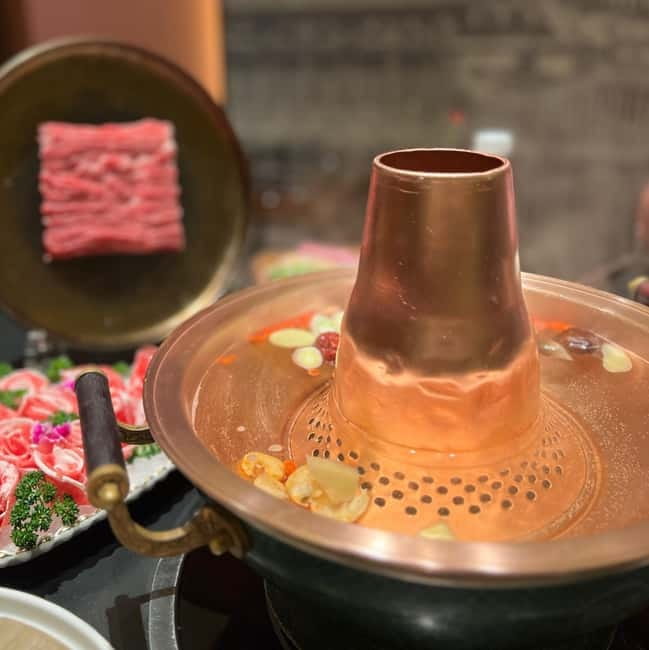
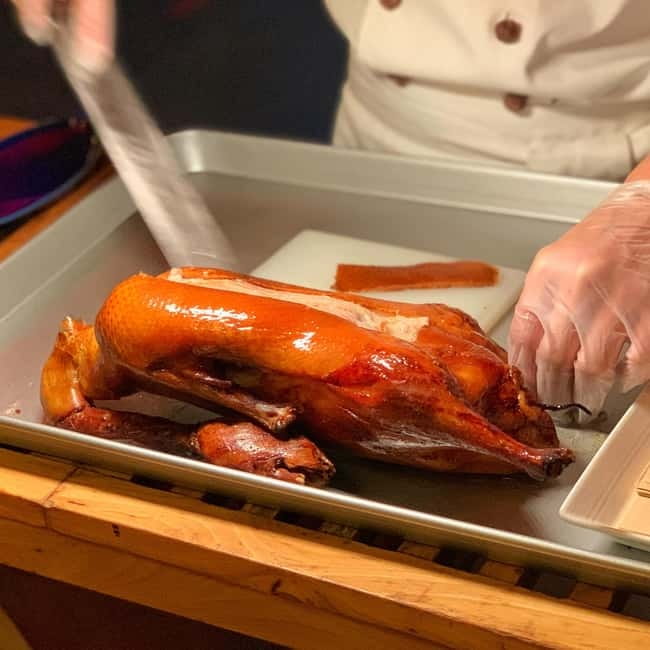
Beijing’s best stories come in small bites. I like the route through hutongs, markets, and old city landmarks, and I like that the guide explains the customs and history behind each snack instead of simply handing you food. The private format also gives you a more personal outing than a large coach tour. The main concern is value: at $102 per person, this is a costly snack tour, and the famous roast duck and copper hot pot cost extra.
I also like the chance to meet Beijing through everyday food, not just grand monuments. A guide named Phoebe has been praised for her humor, clear explanations, and willingness to encourage first-time tasters to try douzhi, a fermented bean drink with a famously unusual smell. If you want a full meal, though, this is not the right booking. At least five food stops are included, but portions and dishes are built around snacks.
In This Review
- Key points to know before booking
- Starting near Nanluoguxiang
- Di’anmenwai Avenue: Beijing starts with street food
- Jinding Bridge: old stories beside small bites
- Bell and Drum Towers: food with a famous backdrop
- Gulou East Avenue: the route becomes more local
- Jiaodaokou South: a final taste of everyday Beijing
- The foods: small portions, big explanations
- The teahouse and traditional atmosphere
- What the $102 price really buys
- Who should book this hutong food walk?
- Should you book it?
- FAQ
- How long does the Beijing food tour last?
- Where does the tour meet?
- Which languages does the guide speak?
- Is the tour private or shared?
- Are Peking duck and copper hot pot included?
- Can I cancel for a full refund?
Key points to know before booking
- Five stops in three hours: The walk links Di’anmenwai Avenue, Jinding Bridge, the Bell and Drum Towers, Gulou East Avenue, and Jiaodaokou South.
- A private Chinese and English experience: Your guide can explain food customs, local stories, and the meaning behind each dish.
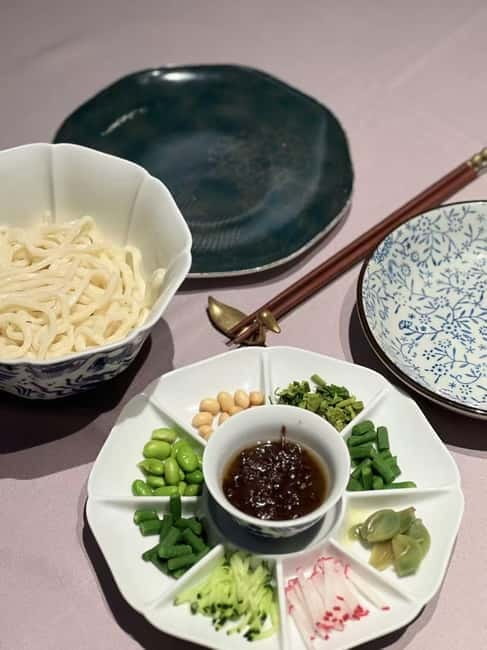
- Douzhi may be on the tasting list: This fermented bean drink is a classic Beijing challenge for curious eaters.
- The price covers snacks, not a full dinner: Peking duck and copper hot pot require an additional payment.
- The setting is part of the meal: Hutong lanes, local markets, a teahouse or Oriental bar, and old city sights shape the outing.
- Plan ahead: Booking at least 24 hours in advance is required, and you need to send a WeChat or WhatsApp number after booking.
Starting near Nanluoguxiang
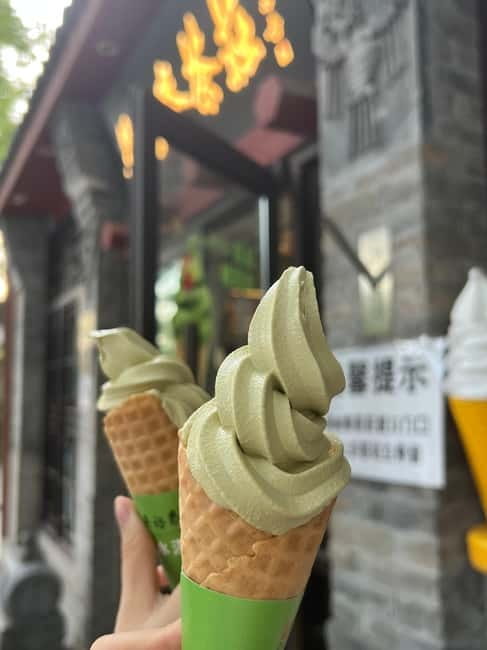
The meeting point is Exit E, the northwest exit, of Nanluoguxiang subway station. The tour itself begins at 川吉三明治, or Chuanji Sandwich, then moves through a well-known pocket of old Beijing around the Drum Tower area.
That starting point matters. Nanluoguxiang is one of the city’s best-known hutong districts, so you begin with an easy subway connection and a clear place to meet. From there, the route heads toward streets where old residential lanes, small food shops, and historic city landmarks overlap.
You should arrive ready to walk and snack rather than sit down for a long meal. The supplied schedule gives about 30 minutes to each major stop, which suggests a steady pace with time for tasting and explanation. Exact dishes can vary, but the plan is for at least five carefully selected food stops.
More Food Tours in Beijing
- Beijing Hutong Walking Food and Beer Tour at Hidden Restaurants
★ 5.0 · 1,132 reviews - Beijing: Hidden Gems Guided Food Tour with Beer and Tastings
★ 4.9 · 306 reviews - Beijing Private Hutong Food Walking Tour
★ 5.0 · 299 reviews
Di’anmenwai Avenue: Beijing starts with street food
The first major stretch is Di’anmenwai Avenue, where you can expect street food and a guided introduction to Beijing’s eating habits. This is a useful place to begin because it puts food into its daily setting. You are not just sampling an item in a restaurant. You are seeing the kind of food sold along a busy city route and learning how it fits into local life.
A good bilingual guide can make a big difference here. Food names do not always explain themselves, and a direct translation rarely tells you how a dish is eaten or why it matters. The tour promises help with local etiquette and the small rules that shape a meal, such as how to approach unfamiliar flavors and what certain foods mean to Beijingers.
This is also where you should tell your guide about allergies, dislikes, or limits. The information provided does not promise allergy accommodations, vegetarian substitutions, or a fixed menu, so you should ask before tasting anything uncertain.
Jinding Bridge: old stories beside small bites
The second stop is Jinding Bridge, with another round of street food and a short guided visit. The bridge gives the route a sense of place beyond food. You are moving through an old section of Beijing while hearing how local dishes connect with the city’s past.
The attraction here is context. A snack can seem ordinary when you eat it without explanation. Once you hear about its preparation, place in local life, or connection to older traditions, it becomes a small piece of Beijing culture. That approach is one of the better features of this experience.
The 30-minute timing should keep this part focused. You will likely taste one or more items, hear the explanation, and continue on rather than linger over a full course. If you prefer slow restaurant meals, the pace may feel brisk. If you want to cover several neighborhoods and foods in one evening, it works well.
Bell and Drum Towers: food with a famous backdrop
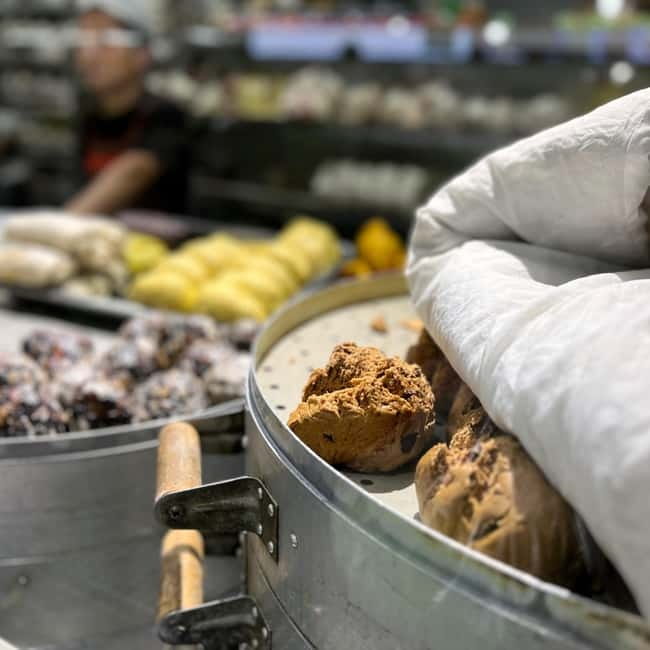
The route then reaches the Beijing Bell and Drum Towers. These landmarks give you a strong visual anchor and a chance to connect the city’s old timekeeping traditions with the food streets around them.
The schedule allows another 30-minute food stop here. That is helpful for first-time visitors because you can combine sightseeing with tasting instead of spending separate blocks of your day on each. The towers also make this part especially appealing for photographers. You have old architecture, hutong streets, shopfronts, and local food activity in the same walk.
Do not expect an extended tower visit unless your guide confirms it. The experience is built around snacks and a walking tour, not a full museum or monument program. The towers are part of the setting and story, while the food remains the main subject.
A completely different sort of day out:
- From Beijing: Mutianyu Great Wall Tours with Options
★ 4.9 · 9,216 reviews - Beijing: Forbidden City Tour(Group/Private)-Tickets Included
★ 4.8 · 7,974 reviews - Beijing: T-Square & Forbidden City Group or Private Tour
★ 4.8 · 4,446 reviews - All-Inclusive Tour: Tiananmen Square, Forbidden City, Great Wall
★ 5.0 · 2,873 reviews
Gulou East Avenue: the route becomes more local
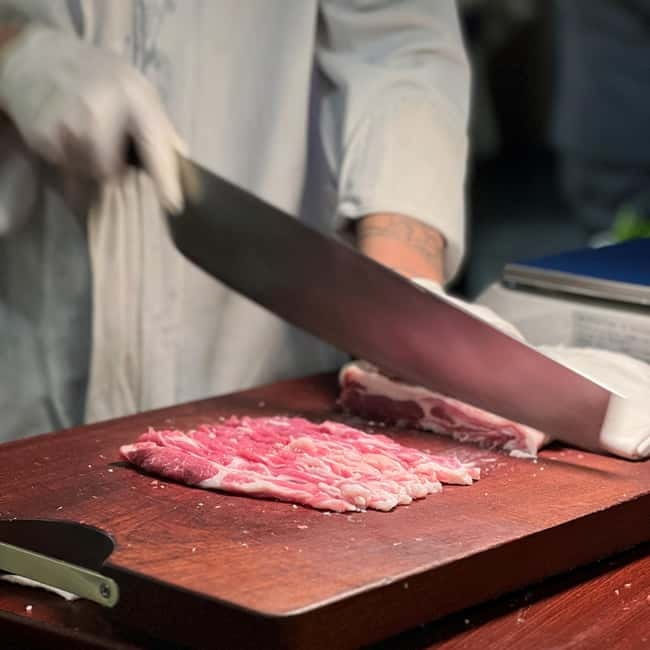
Gulou East Avenue is the fourth scheduled area. By this point, you have moved through several connected parts of the old city, and the tour shifts between landmark streets and smaller food stops.
This section may appeal most to you if you enjoy seeing how famous neighborhoods function beyond their headline sights. The tour description emphasizes local markets, artisans, and places that are not in ordinary guidebooks. The exact shops are not specified, so I would treat the appeal as the guide’s access and explanation rather than a guaranteed list of famous vendors.
That uncertainty is worth noting. A fixed menu and named restaurants make a tour easier to judge before booking. Here, the food selection is described as carefully chosen, but the precise dishes may depend on the day, availability, and local conditions. You are paying partly for that flexibility and for the guide’s ability to connect the stops.
Jiaodaokou South: a final taste of everyday Beijing
The final listed area is Jiaodaokou South, with another 30-minute street food tasting. It gives the tour a last look at the everyday side of Beijing rather than ending at a formal dining room.
The route is strongest when you approach it as a cultural walk with food built in. You will see how snacks appear in markets and streets, learn the stories behind them, and compare several flavors over one outing. It is not designed to leave you stuffed after one large meal.
The final stop may also be where you decide which foods you want to seek out again. A bilingual guide can help you remember names and explain what to order later during your stay. That practical help can be more valuable than a long list of random samples.
The foods: small portions, big explanations
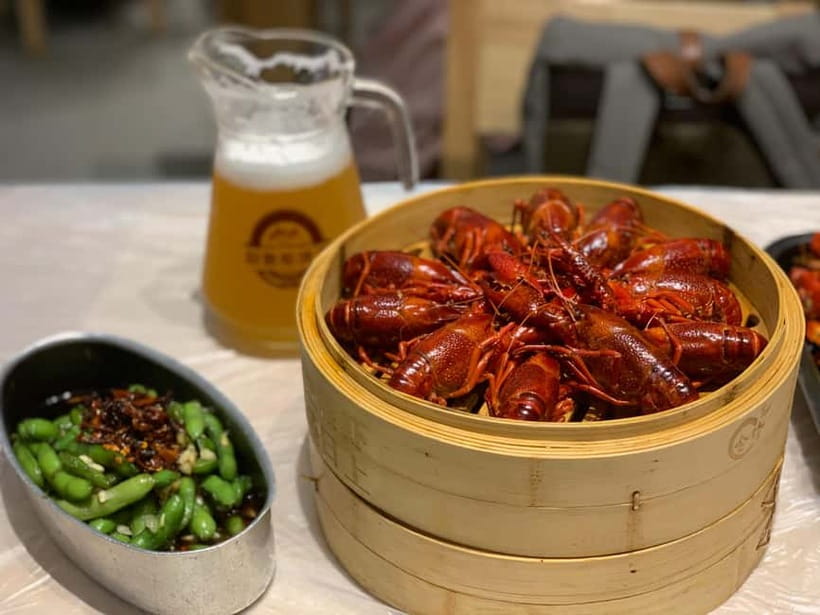
The tour includes at least five food stops with explanations. The description refers to street snacks, royal dishes, market foods, and a traditional Oriental bar or teahouse. It does not provide a fixed menu, so you should not book expecting particular dumplings, noodles, pastries, or drinks unless the operator confirms them directly.
The most distinctive named tasting is douzhi. This fermented mung bean drink is strongly associated with Beijing and is known for an unusual smell and sour, earthy flavor. It is not a safe choice for everyone, but it is exactly the kind of local specialty that gives a food tour character.
Phoebe received especially warm praise for making this tasting fun rather than intimidating. She encouraged a young participant to try douzhi, and the participant ended up enjoying it. That detail tells you something useful about the guide style: the outing may include gentle challenges, humor, and encouragement, but you should still feel free to decline anything you cannot eat.
The tour does not include Peking duck or copper hot pot. That distinction is important. Both are substantial meals, while this experience is centered on snacks. You can ask about adding either one, but an extra cost applies, and adding a full meal may change the total price considerably.
The teahouse and traditional atmosphere
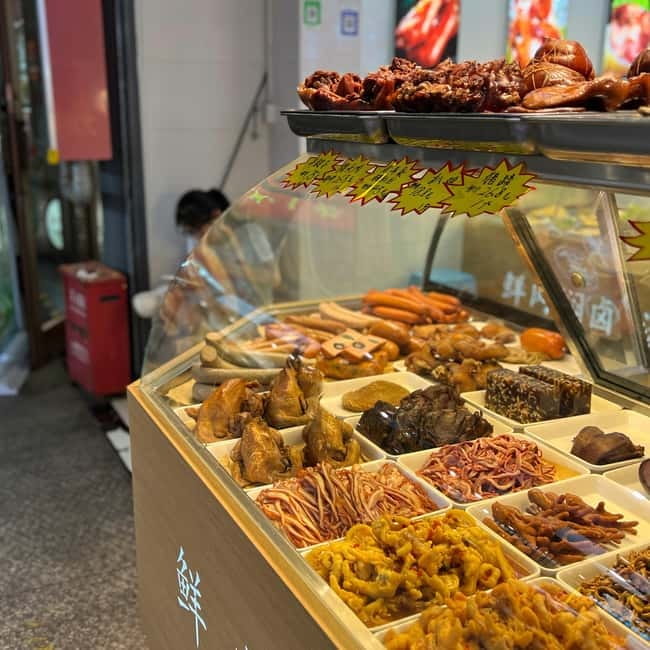
One of the highlights is a tasting at an Oriental bar or teahouse. The wording leaves some uncertainty about the exact venue, but the goal is clear: to give you a change from open street stalls and place the food in a more traditional setting.
This part may be especially useful if you want more than a quick list of bites. Tea and old-style dining customs can show how Beijing food culture includes atmosphere, manners, and conversation. Your guide can explain what you are tasting and how to approach the setting respectfully.
Still, do not assume that a performance, formal tea ceremony, or alcoholic drink is included. The supplied information promises a traditional atmosphere, not a specific show or beverage list. Alcohol and drugs are not allowed, and the tour is not presented as a nightlife crawl.
What the $102 price really buys
At $102 per person, this tour sits at the expensive end for a three-hour snack walk. The price becomes easier to justify if you value a private group, bilingual guidance, cultural background, and access to less obvious hutong stops.
You are paying for more than the food itself. The guide bridges Chinese and English, explains eating etiquette, introduces the background of each dish, and helps you understand what you might otherwise pass by. If the food stops were all you wanted, you could likely spend less by exploring independently.
The private format is the strongest value point. You can ask questions, set the pace within reason, and get explanations suited to your interests. A photographer may appreciate that flexibility. A first-time visitor may appreciate having someone explain unfamiliar foods without making the experience feel like a test.
The weaker value comes from the exclusions. Peking duck and copper hot pot are not included, and the tour does not promise a large meal. If you are hungry for dinner, budget for another meal afterward or ask whether one of the main dishes can be added.
The rating is 4.5 from two bookings, with one 5 out of 5 assessment praising Phoebe’s humor, city knowledge, and food explanations. The other gave four out of five and found the experience enjoyable but too expensive for what was included. That split captures the decision well: the quality of the guide and your interest in cultural context will determine whether the price feels fair.
Who should book this hutong food walk?
I would recommend it most strongly to food lovers who want to understand what they are eating. It also suits visitors who prefer a private outing, enjoy asking questions, or want to see old Beijing neighborhoods while tasting local specialties.
It is a good match for:
- First-time visitors who want help ordering and understanding unfamiliar snacks
- Curious eaters willing to try distinctive foods such as douzhi
- Couples, families, or small private groups seeking a flexible format
- Photographers interested in hutong streets, markets, food stalls, and historic landmarks
- Culture-focused visitors who care about stories and customs as much as flavor
I would be more cautious if you want a cheap food crawl, a guaranteed menu, or a full dinner. Picky eaters may also find the experience less rewarding if they are unwilling to sample unfamiliar local foods.
Wear comfortable walking shoes and arrive with room for several tastings. Send your WeChat or WhatsApp number after booking so the operator can confirm details. Booking at least 24 hours ahead is required, and cancellation is free up to 24 hours before the tour.
Should you book it?
Book this tour if you want a private introduction to Beijing through hutong streets, local markets, and unusual snacks, and if you place real value on a bilingual guide who can explain the story behind each bite. The chance to try douzhi and hear local food traditions makes it more memorable than a simple list of snack purchases.
Skip it if $102 feels too high for five or more tastings, especially since Peking duck and copper hot pot cost extra. For the right eater, the price buys access, context, and conversation. For someone mainly seeking a filling meal, an independent food outing will likely offer better value.
FAQ
How long does the Beijing food tour last?
The tour lasts three hours. The listed route allows about 30 minutes at each of five main areas.
Where does the tour meet?
The meeting point is Exit E, the northwest exit, of Nanluoguxiang subway station. The starting location is 川吉三明治.
Which languages does the guide speak?
The live guide service is available in Chinese and English.
Is the tour private or shared?
It is described as a private-group experience.
Are Peking duck and copper hot pot included?
No. They are considered main meals and are not included in this snack tour. You can request them at an additional cost.
Can I cancel for a full refund?
Yes. You can cancel up to 24 hours in advance for a full refund. You can also reserve now and pay later, subject to the booking terms.
Just added in Beijing
- Private Transfer to Mutianyu Great Wall with professional driver★ 5.0 · 19 reviews
- One day tour to downtown Tianjin from Beijing by high speed train★ 5.0 · 3 reviews
- ZANBUS: Trip to the Jinshanling Great Wall Departing at 7:30 AM★ 5.0 · 5 reviews
- camp on the Great Wall overnight with sunrise and sunset on the wall★ 5.0 · 11 reviews
- Yuxiandu Chinese Royal Cuisine Museum with Show and Royal Banquet★ 5.0 · 4 reviews
- Wild Great Wall Hikes★ 5.0 · 10 reviews
- BusDa:Ancient Great Wall &Badaling Great Wall Full-day Bus Tour★ 4.5 · 6 reviews
- Private Wild Great Wall Hiking tour at Simatai (Challenging)★ 5.0 · 16 reviews
Food & Drink, compared.
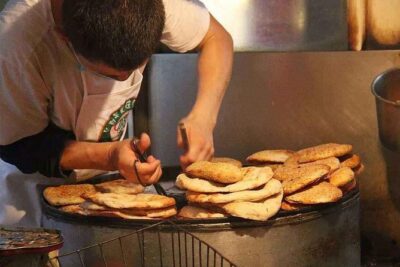
Authentic Local Food Tour in Central Shanghai
Read our review →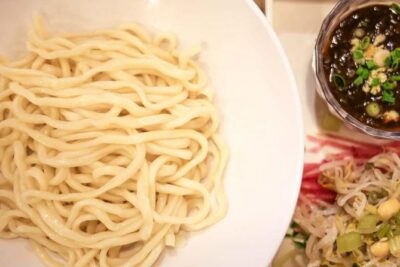
Beijing Hutong Walking Food and Beer Tour at Hidden Restaurants
Read our review →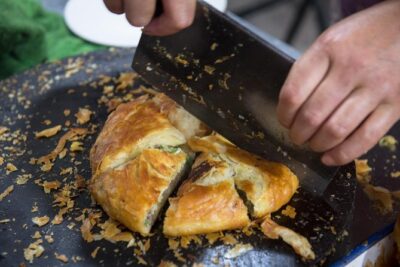
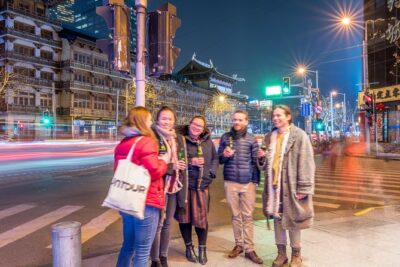
Hong Kong’s Tin Hau Hidden Eats Food Tour with 7+ Local Tastings
Read our review →
Hong Kong Food Tour: Central and Sheung Wan Districts
Read our review →Where else this tour turns up