
Reviewed · FOOD & DRINK
Guangzhou: Food Tour – Eat Like Local + Rice Roll Workshop
Follow your appetite through Guangzhou. This four-hour food tour with Roger connects you with Cantonese dishes that are easy to miss on your own, from morning dim sum and bamboo-pressed noodles to claypot rice, beef ho fun, and old-fashioned desserts. I like the broad food range, and I especially like that Roger adjusts the stops and spice levels to suit your group. The small group, limited to 10 people, also gives the tour a personal feel.
Two things appeal to me right away: the food is enough for one or two full meals, and the cheung fun workshop turns a simple snack into something you make yourself. The main drawback is important: the rice roll workshop space is under construction and is not available until the end of February 2026. Until then, two extra restaurant stops replace it.
In This Review
- Key points at a glance
- Why this food tour works well in Guangzhou
- Meeting at Caihong Bridge and starting with dim sum
- Bamboo-pressed noodles and the craft behind the bowl
- Claypot rice in a narrow Guangzhou lane
- Wok-fired beef ho fun and fishball noodles
- Cantonese desserts with a strong local identity
- Making cheung fun with your own hands
- Roger’s role and the value of a flexible route
- Price, timing, and what you really receive
- Ending at Yongqing Fang
- Who should book this Guangzhou food tour?
- FAQ
- How long does the Guangzhou food tour last?
- How much does the tour cost?
- Where does the tour begin?
- Where does the tour end?
- Is the cheung fun workshop currently available?
- What food is included?
- How many food stops are included?
- Can the food tour be customized?
- Is the tour suitable for vegetarians or vegans?
- What languages does the guide speak?
- How large is the group?
- What should I bring?
- Can I cancel the booking?
- Do I have to pay when I reserve?
- What happens after the tour ends?
- Should you book it?
Key points at a glance
- Start with Cantonese breakfast: Sample BBQ pork buns, shrimp dumplings, and chrysanthemum tea while learning about Lingnan tea customs.
- Taste across several food traditions: The route includes at least three Cantonese restaurants or snack shops, plus two dessert shops.
- Expect a very filling morning: Tastings include noodles, claypot rice, beef ho fun, fishball noodles, and sweets.
- Roger adapts the route: You can share food preferences and spice needs, or follow his handpicked choices.
- The workshop depends on your date: Cheung fun making is paused until the end of February 2026 because the venue is being rebuilt.
- Finish in Yongqing Fang: The tour ends there, giving you the option to keep exploring on foot.
Why this food tour works well in Guangzhou
Guangzhou is one of the best places in China to eat Cantonese food at its source. The city is associated with dim sum, rice noodles, clear broths, wok-fired dishes, and milk-based desserts. This tour gives you a useful introduction without asking you to decode a long Chinese menu or guess which shop is worth entering.
The route is not built around one grand meal. Instead, you move through several food stops, trying a dish or two at each place. That matters because Cantonese cooking changes from shop to shop. One kitchen may excel at shrimp dumplings, another at noodles, and another at claypot rice.
I also like the way the tour balances familiar and less obvious foods. Dim sum gives you an easy start, while bamboo-pressed noodles and ginger milk curd show sides of Guangzhou that many first-time visitors may not find alone.
The group size helps. With no more than 10 people, you can ask questions, explain what you eat, and keep the pace manageable. Roger speaks English and Chinese, and the available feedback points to strong communication and good preparation, including help when plans changed at the last minute.
More Food Tours in Guangzhou:
- Private Guangzhou Food Tour Michelin Restaurant&Local Food Market
★ 5.0 · 32 reviews - Guangzhou Evening Food Tour Through Local Neighborhood
★ 5.0 · 19 reviews - 5-Hour Sai Kwan Walking Tour with Unique Food Tasting
★ 5.0 · 17 reviews
Meeting at Caihong Bridge and starting with dim sum
The tour starts at Caihong Bridge Metro Station Entry A, served by Metro Lines 8 and 11. This is a practical meeting point if you are using Guangzhou’s metro system. Entry A is the detail to confirm before you leave your hotel, since a large station can have several exits.
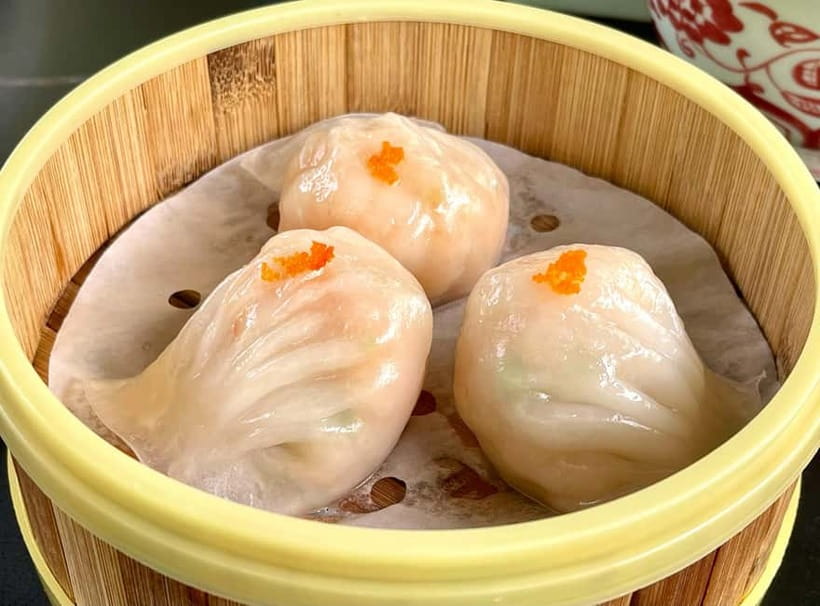
The first stop is an authentic Guangzhou dim sum breakfast. Expect flaky BBQ pork buns, translucent shrimp dumplings, and chrysanthemum tea. These are not random breakfast bites. Together, they introduce the basic Cantonese habit of sharing small dishes over tea.
Roger also explains Lingnan tea culture, which adds useful context to the meal. You learn why tea belongs at the table and how dim sum fits into local eating habits. That makes the opening stop more than a quick plate of dumplings.
Come hungry. The food keeps coming, and the tour is designed to provide enough for one or two full meals. If you eat a large breakfast before meeting the group, you will likely struggle later. The best plan is to arrive with room for several courses.
Bamboo-pressed noodles and the craft behind the bowl
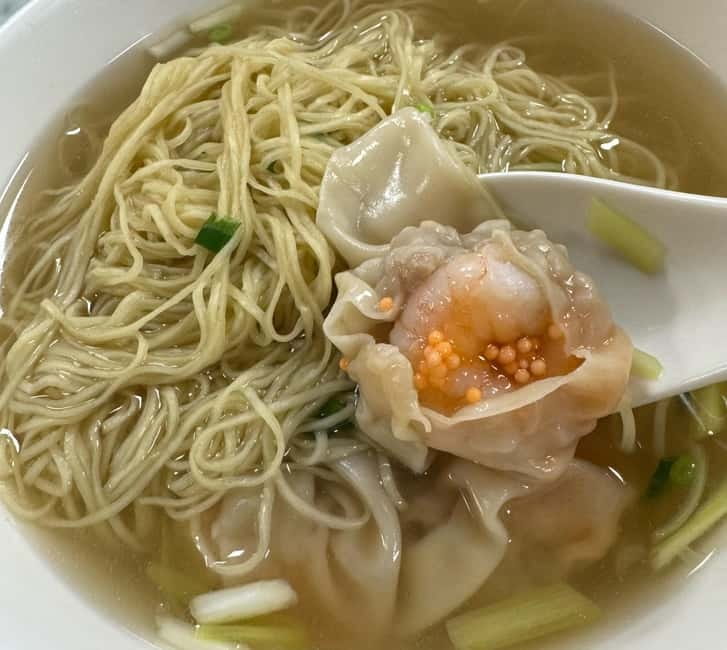
One of the more unusual stops features zhusheng noodles, a springy noodle made with dough traditionally kneaded using bamboo poles. The noodles are served in a clear broth with plump shrimp wontons.
This stop gives you a chance to notice texture. Cantonese noodles are not only about the broth or topping. The springiness of the noodles is part of the appeal, and the bamboo-pole method helps explain why the preparation has become such a talking point.
For you, the value is simple: Roger can explain what is in the bowl and how it was made while you eat it fresh. Ordering this kind of dish alone is possible, but you may not know its background or why the preparation matters.
The portion also adds to the full-meal quality of the tour. You are not just sampling tiny tastes. Plan your appetite around real bowls and plates.
Claypot rice in a narrow Guangzhou lane
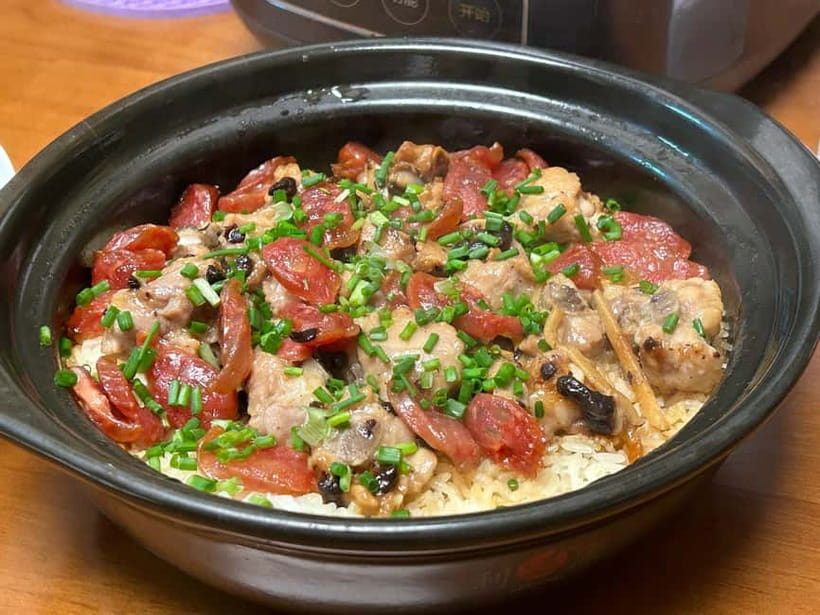
The claypot rice stop brings a different kind of Cantonese comfort food. You taste caramelized rice with cured meats, served from a clay pot. The crust at the bottom is a key part of the experience, giving the dish a toasted bite alongside the savory meat.
This is a useful stop because it shows how Cantonese cooking handles heat and timing. The ingredients may look plain, but the pot creates layers of texture. You get soft rice, crisp edges, and the salty flavor of cured meat in the same dish.
The setting is described as an alley restaurant, which fits the food. You are not being led only to polished dining rooms. The route includes ordinary food shops where the cooking method is part of the attraction.
If you do not eat cured meat, tell Roger before the tour. The tour is not suitable for vegans, vegetarians, or people with food allergies, and the listed tastings include shrimp, beef, fish, and cured meats.
A completely different sort of day out:
- Guided Cycle Tour of Guangzhou
★ 5.0 · 164 reviews - Customised Private Guangzhou City Tour with Flexible Itinerary
★ 5.0 · 107 reviews - Gulong Gorge Skywalk Glass Bridge and Waterfall View Private Tour
★ 5.0 · 103 reviews - Private Guangzhou Full Day City Tour with Old and New Highlights
★ 5.0 · 62 reviews
Wok-fired beef ho fun and fishball noodles
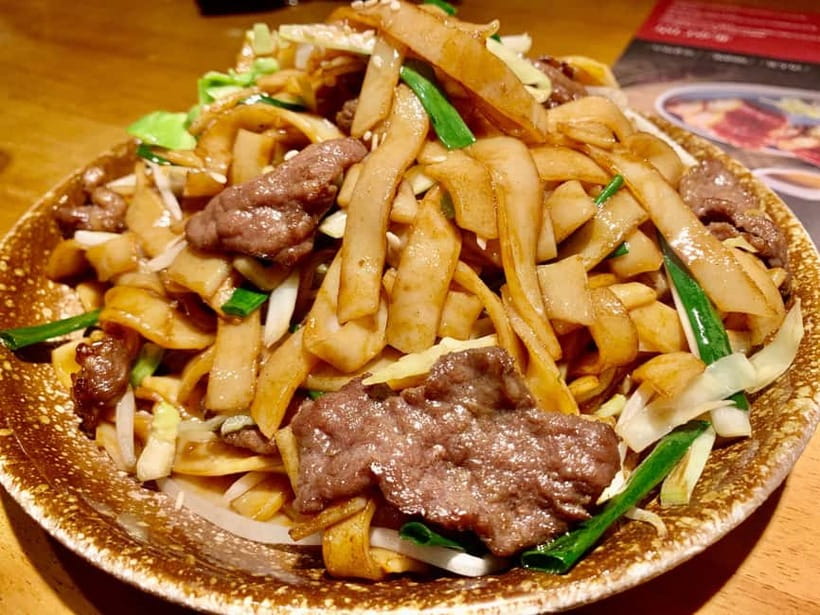
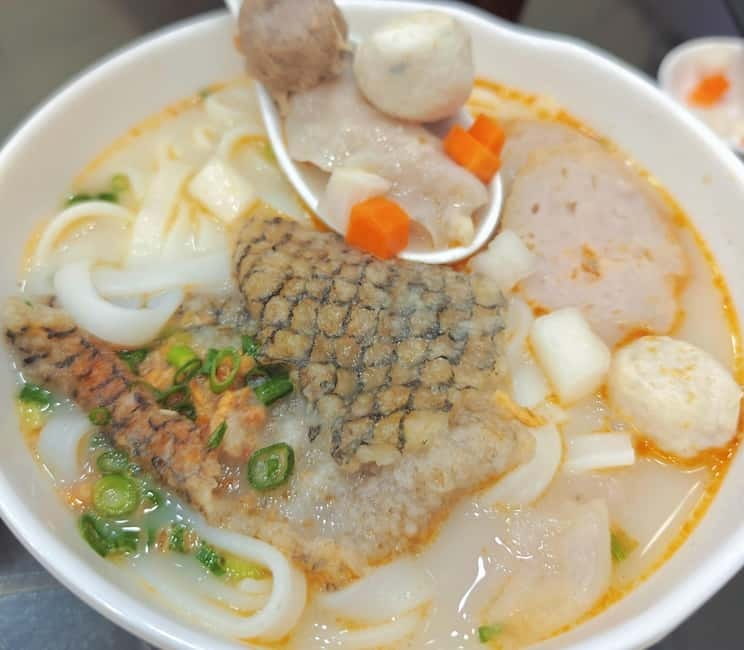
The route may also include stir-fried beef ho fun and fishball noodles. Beef ho fun uses broad rice noodles, which take on a smoky flavor in a hot wok. The dish is a good example of Cantonese cooking that relies on speed, heat, and a few well-handled ingredients.
Fishball noodles offer a different texture and a lighter noodle-shop style. The fishballs add springiness, while the noodles and broth keep the dish easy to eat between heavier stops.
The exact combination of restaurant visits is customized. The plan features at least three Cantonese restaurants or street food shops, and the guide may select from dim sum, rice noodle rolls, bamboo-pressed noodles, claypot rice, beef ho fun, or fishball noodles.
You can state your preferences at the start, including spice levels and dietary needs. Or you can let Roger choose. I would use his recommendations if you are comfortable eating meat and seafood, since the appeal of this experience is trying the local specialties rather than building a menu around familiar foods.
Cantonese desserts with a strong local identity
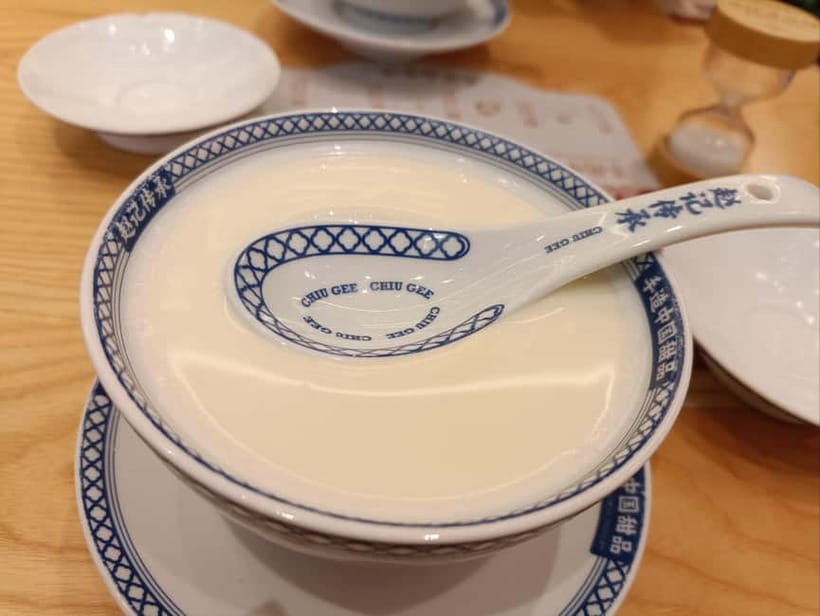
The dessert portion is not an afterthought. The tour includes two traditional Cantonese dessert shops, with options such as double-skin milk, ginger milk curd, rice pudding cups, black sesame paste, and classic sweet soups.
Double-skin milk is silky and delicate, made with water buffalo milk. Ginger milk curd has more bite, with a warm ginger flavor balanced by sweetness. These desserts show how Cantonese food uses dairy, rice, nuts, and ginger in ways that may be new to you.
You may also try chewy rice pudding cups and nutty black sesame paste. The contrast is useful: some desserts are smooth, some chewy, and some carry a toasted sesame flavor.
After noodles, rice, and dumplings, these sweets give the meal a clear finish. They also make the tour appealing to anyone who wants more than a standard dim sum outing.
Making cheung fun with your own hands
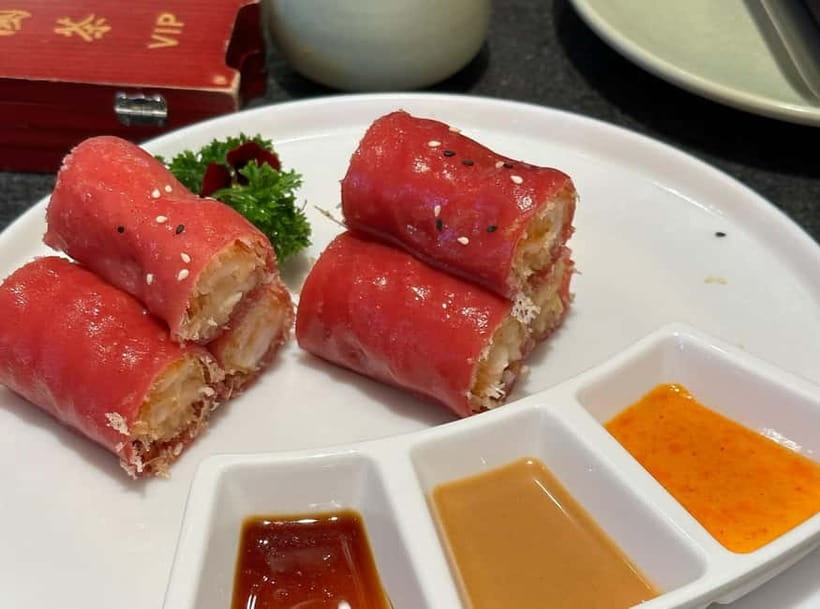
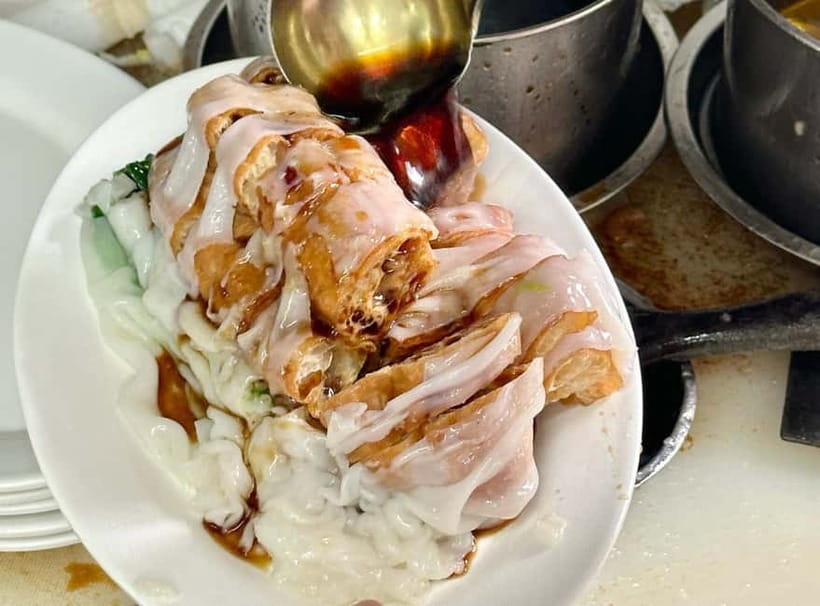
When the workshop is operating, the tour finishes with a hands-on cheung fun session. Cheung fun is a silky Cantonese rice noodle roll often filled with shrimp or beef and finished with soy sauce.
Under local guidance, you spread warm rice batter onto cloth or trays, add your chosen filling, and fold the mixture into a delicate roll. The process is simple in outline but not necessarily easy to perform neatly on your first attempt. That is part of the fun.
The workshop gives you a better feel for the dish than simply eating it at a restaurant. You see the batter, handle the filling, and taste the roll soon after steaming. Families may find this especially appealing. One family group reported that the children enjoyed making the rice rolls, and another participant called the workshop the highlight of the morning.
There is a clear date restriction. The workshop venue is under construction and cannot host the activity until the end of February 2026. Until that work is finished, the operator adds two more restaurant stops instead. If making cheung fun is the main reason you are booking, confirm the current arrangement before paying.
Roger’s role and the value of a flexible route
Roger is central to the experience. The food is the attraction, but the guide helps you understand what you are eating, move between stops, and explain your preferences.
His strong points are preparation and local food knowledge. The available feedback describes him as responsive, interesting, and helpful with last-minute changes. Those details matter more than a rehearsed speech on a food tour. You want someone who can listen when you are full, adjust spice, and help you choose between unfamiliar dishes.
The route is not fully fixed. You can request certain foods, or let Roger select his preferred mix. This makes the tour work for two types of visitors: people with a short list of dishes they want to try, and people who simply want a well-planned introduction to Guangzhou eating.
Do tell him about dietary needs upfront. The experience is not suitable for vegans, vegetarians, or people with food allergies. The tour includes common allergens and animal products, including shrimp, beef, fish, milk, and cured meat.
Price, timing, and what you really receive
At $99 per person, the tour costs more than wandering through Guangzhou and buying individual snacks. The price includes all food and drink tastings, with enough food for one or two full meals, plus the guide, local explanations, and workshop materials when the workshop is running.
The value depends on how you travel. If you enjoy researching every shop, ordering in Chinese, and navigating alone, you can likely spend less. But you would need to find at least three food shops and two dessert shops, manage portions, understand the menus, and arrange your own introduction to the dishes.
For a first visit, the price is easier to justify. You get variety in four hours, and you avoid spending your limited holiday time on trial-and-error meals. The small group also keeps the experience more personal than a large bus-style food outing.
The tour is described as a morning experience, though starting times depend on availability. You should wear comfortable shoes and bring water. Smoking is not allowed.
Ending at Yongqing Fang
The tour ends at Yongqing Fang, a useful finish because you can continue walking around the area after the food stops. Roger can guide you to a nearby metro station or help you call a taxi.
You do not need to rush away at the end. If you still have energy after the substantial meal, use Yongqing Fang as your next stop. If you are full, the metro and taxi help keep the return simple.
The end point also gives the tour a better shape than returning you to the starting station. You begin near Caihong Bridge and finish in a different part of Guangzhou, seeing more of the city along the way.
Who should book this Guangzhou food tour?
I would recommend it most strongly to first-time visitors who want a broad taste of Cantonese food without handling every decision alone. It also suits families, small groups, and anyone who prefers a guide who can adjust the menu.
Food-focused visitors should book before the end of February 2026 only if they are happy with the temporary replacement of the workshop. After the workshop returns, the activity becomes more appealing for people who want both eating and cooking.
I would not choose it if you are vegan, vegetarian, or managing a food allergy. I would also skip it if you prefer a light breakfast or dislike eating several substantial dishes in a row.
For everyone else, arrive very hungry. One participant joked that skipping dinner might be wise as well as breakfast. That is useful advice, not just a punchline.
FAQ
How long does the Guangzhou food tour last?
The tour lasts four hours.
How much does the tour cost?
The price is $99 per person.
Where does the tour begin?
It begins at Entry A of Caihong Bridge Metro Station, served by Guangzhou Metro Lines 8 and 11.
Where does the tour end?
The tour ends at Yongqing Fang.
Is the cheung fun workshop currently available?
The workshop venue is under construction and is unavailable until the end of February 2026. Until then, two additional restaurant stops replace the workshop.
What food is included?
The tastings may include dim sum, rice noodle rolls, bamboo-pressed noodles, claypot rice, stir-fried beef ho fun, fishball noodles, double-skin milk, ginger milk curd, rice pudding cups, black sesame paste, and classic sweet soups.
How many food stops are included?
The guide takes you to at least three Cantonese restaurants or street food shops and two traditional Cantonese dessert shops.
Can the food tour be customized?
Yes. You can discuss food preferences, spice levels, and dietary needs with Roger, or follow his recommendations.
Is the tour suitable for vegetarians or vegans?
No. The activity is listed as unsuitable for vegans and vegetarians.
What languages does the guide speak?
The tour is offered in English and Chinese.
How large is the group?
The group is limited to 10 participants.
What should I bring?
Bring comfortable shoes, a camera, and water.
Can I cancel the booking?
You can cancel up to 24 hours in advance for a full refund.
Do I have to pay when I reserve?
No. The tour offers a reserve-now, pay-later option.
What happens after the tour ends?
Roger can lead you to a nearby metro station or help you call a taxi. You can also continue walking around Yongqing Fang on your own.
Should you book it?
Book this tour if you want a generous, guided introduction to Guangzhou food and are happy to eat meat, seafood, dairy, and several full-sized dishes. Roger’s flexible approach, the range of stops, and the chance to make cheung fun give it more substance than a simple list of tastings.
Check the workshop status for your date first. If you are visiting before the end of February 2026, expect extra restaurant stops instead. For a hungry first-time visitor, that is still a strong four-hour introduction to Cantonese cooking, with plenty of practical help along the way.
More Workshops in Guangzhou
- Private Guangzhou Night Tour with Canton Tower and Pearl River VIP Class Cruise
★ 5.0 · 6 reviews - Half-Day Chengdu Cooking Class with a Local Market Visit
★ 5.0 · 465 reviews - Beijing Calligraphy Class
★ 4.9 · 112 reviews - Chinese Calligraphy Class for Small Group
★ 5.0 · 104 reviews
Just added in Guangzhou
- Big Buddha Mountain Martial Art Culture Countryside Private Tour★ 5.0 · 31 reviews
- Guangzhou travel shopping business customized tour★ 5.0 · 2 reviews
- Hong Kong One Day Private Tour from Guangzhou by Bullet Train★ 5.0 · 3 reviews
- Seven Star Crag and Dinghu Mountain private day tour from Guangzhou★ 5.0 · 5 reviews
- Seven Star Crags Karst Cave Mirror Lake Bird Islands Private Tour★ 5.0 · 30 reviews
- Private Tour to Gulong Canyon with Glass Bridge and Water Falls from Guangzhou★ 5.0 · 20 reviews
- Private Tour: Guangzhou City Sightseeing Including Yuexiu Park★ 3.5 · 3 reviews
- Guangzhou Self-Guided Tour with Private Car and Driver Service★ 5.0 · 2 reviews
Food & Drink, compared.
Authentic Local Food Tour in Central Shanghai
Read our review →
Beijing Hutong Walking Food and Beer Tour at Hidden Restaurants
Read our review →
Hong Kong’s Tin Hau Hidden Eats Food Tour with 7+ Local Tastings
Read our review →
Hong Kong Food Tour: Central and Sheung Wan Districts
Read our review →Where else this tour turns up