
Reviewed · WALKING TOURS
Beijing: Peking University Campus Guided Walking Tour
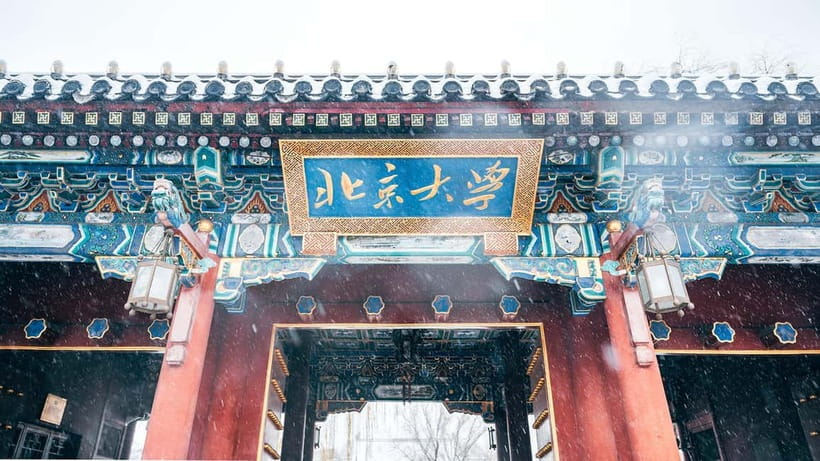
Great universities reveal a country’s character. I like this tour for its access to Peking University’s famous landmarks and for the chance to hear the campus explained by a current student. Boya Pagoda, Weiming Lake, the Bell Pavilion, and the grand library give the walk plenty to see, while stories about Cai Yuanpei and Yenching University add meaning beyond the usual photo stop.
I also like the small group size, capped at 10 people, and the strong praise for guide Henry, who has been described as friendly, patient, clear, and good with children. The main limitation is time: two hours can introduce the campus, but it cannot cover every corner, and campus access may limit how long you can explore certain areas.
In This Review
- Key Points Before You Book
- Starting at Peking University’s East Gate
- Why Peking University Makes a Good Walking Tour
- Boya Pagoda and Weiming Lake
- The Bell Pavilion, Hua Biao, and Qilin Statues
- Peking University Library and Cai Yuanpei
- From Yenching University to Modern PKU
- Reading the Traditional Chinese Gardens
- A Current Student’s View of Campus Life
- Is $39 a Fair Price?
- Who Should Take This Campus Walk?
- Practical Tips for a Better Visit
- Should You Book the Peking University Tour?
- FAQ
- Where does the Peking University walking tour begin?
- Where does the tour finish?
- How long does the tour last?
- What language is the tour conducted in?
- How large is the group?
- What landmarks are included?
- Is food included?
- What should I bring?
Key Points Before You Book
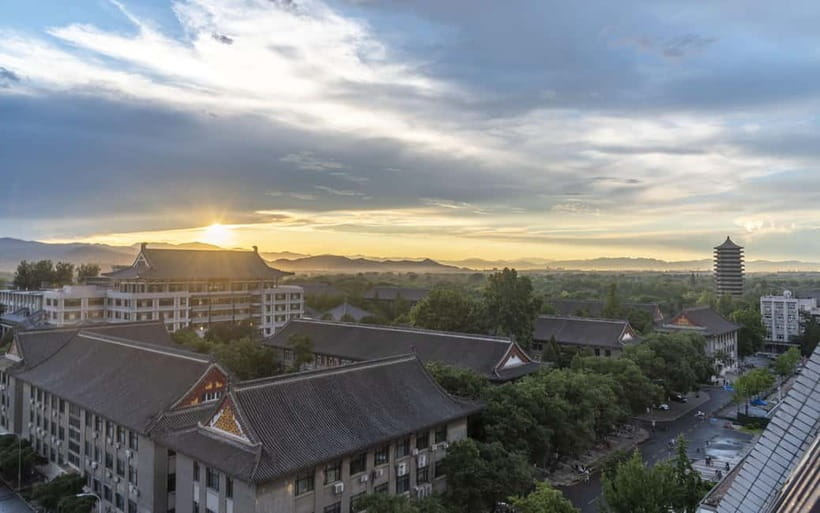
- A student’s view of PKU: The English-speaking guide connects famous buildings with student life, campus traditions, and modern academic culture.
- Boya Pagoda and Weiming Lake: These are the visual heart of the walk and two of the best places for photographs.
- History beyond the university gates: The tour links PKU with Yenching University, the Old Summer Palace, and Qing official Heshen.
- Traditional gardens with meaning: Courtyards, planting, water, and building placement are explained as part of a larger idea of harmony.
- Small-group format: With no more than 10 participants, you should have a better chance to ask questions and hear the guide.
- A useful end point: The walk begins at the East Gate and finishes at the West Gate, so you see the university as a route rather than a single monument.
Starting at Peking University’s East Gate
Your meeting point is the stone lion on the right side of the East Gate when you face the entrance. This is a precise spot, which matters at a large university campus where a vague gate reference could leave you searching among entrances and crowds.
The tour lasts two hours and ends at the West Gate. That route gives the outing a clear shape. You start with the formal public face of PKU, then move through its historic and scenic areas before finishing on the opposite side of campus.
You need to arrange your own transportation to the university. Food and drinks are not included, so eat beforehand or plan a separate stop after the walk. The practical advice is simple: wear comfortable shoes and bring a camera.
The tour is conducted in English. A small group of no more than 10 people should suit anyone who wants to ask about admissions, student routines, campus customs, or the university’s past without speaking across a large crowd.
More Walking Tours in Beijing
- Beijing Hutong Walking Food and Beer Tour at Hidden Restaurants
★ 5.0 · 1,132 reviews - Private Beijing Walking Tour of the Forbidden City with 7 Options
★ 5.0 · 675 reviews - Forbidden City Private Walking Tour with Optional Sights
★ 5.0 · 400 reviews
Why Peking University Makes a Good Walking Tour
Peking University is not simply a collection of old buildings and attractive paths. It is one of China’s most important universities, and the campus carries political, educational, and cultural meaning.
The tour helps you read the place in layers. You get the official story of the university, the older architectural traditions behind its gardens, and a current student’s view of what PKU means today.
That combination is the main reason I would choose this walk over a quick independent visit. A map can point out Weiming Lake, but it cannot explain why a garden is arranged in a particular way or how the university developed from its earlier roots.
You also get a more personal connection through the guide. Henry has earned repeated praise for being friendly, easy to communicate with, and careful in his explanations. His style appears to suit families as well as adults. One family specifically appreciated his patience with four children, while another participant valued the chance to see campus life through his eyes.
Boya Pagoda and Weiming Lake
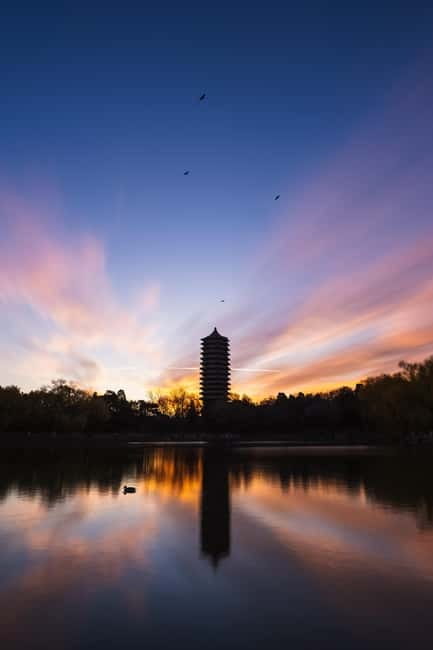
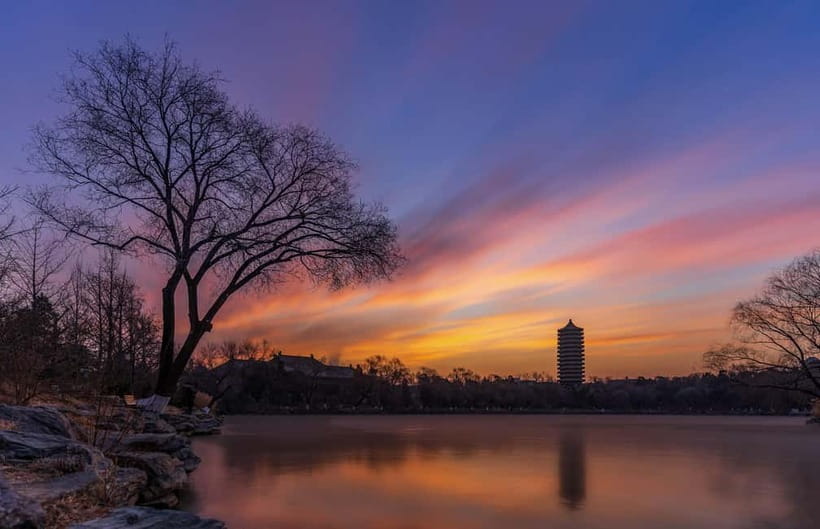
The century-old Boya Pagoda is one of the tour’s main visual anchors. Rising beside Weiming Lake, it gives the campus a recognizable symbol and creates one of the walk’s best photo settings.
The pagoda is not just a stop for a quick picture. Its position beside the lake reflects the way traditional Chinese design often uses buildings, water, trees, and views together. Your guide explains how the setting works as a whole, rather than treating the tower as an isolated object.
Weiming Lake gives the walk a slower rhythm. After the formal entrance and university buildings, the water offers a scenic pause and a chance to understand why the campus is known for its gardens and open spaces.
You should expect the tour to use the lake as a place for context as well as photos. The guide may explain how campus design supports reflection and study, and how the lake has become part of PKU’s identity.
This is also one point where comfortable footwear matters. You are walking for two hours, and the appeal comes from moving between several locations rather than settling in one viewing area. If you want polished, fast sightseeing, the pace may feel gentle. If you enjoy places that reward attention, it should suit you well.
The Bell Pavilion, Hua Biao, and Qilin Statues
The Bell Pavilion adds another historical detail to the route. Along with the Hua Biao ornamental pillars and Qilin statues, it shows how symbolic objects shape the university’s public spaces.
A Hua Biao is more than decoration. These traditional pillars carry an established cultural meaning, and the guide uses them to explain how visual symbols communicate ideas about authority, learning, and place.
The Qilin statues bring another layer of traditional imagery. Their presence helps you see that PKU’s campus design is not only modern academic planning. Older Chinese symbols remain part of the setting, and they connect the university to wider cultural traditions.
The Bell Pavilion should appeal to visitors who prefer small architectural details to famous views. It is the sort of stop that can be easy to miss if you walk alone, especially when you are focused on reaching the lake or library.
These locations also help break up the tour. Instead of one long lecture about university history, you get stories attached to objects you can see. That makes the information easier to remember.
A completely different sort of day out:
- From Beijing: Mutianyu Great Wall Tours with Options
★ 4.9 · 9,216 reviews - Beijing: Forbidden City Tour(Group/Private)-Tickets Included
★ 4.8 · 7,974 reviews - Beijing: T-Square & Forbidden City Group or Private Tour
★ 4.8 · 4,446 reviews - All-Inclusive Tour: Tiananmen Square, Forbidden City, Great Wall
★ 5.0 · 2,873 reviews
Peking University Library and Cai Yuanpei
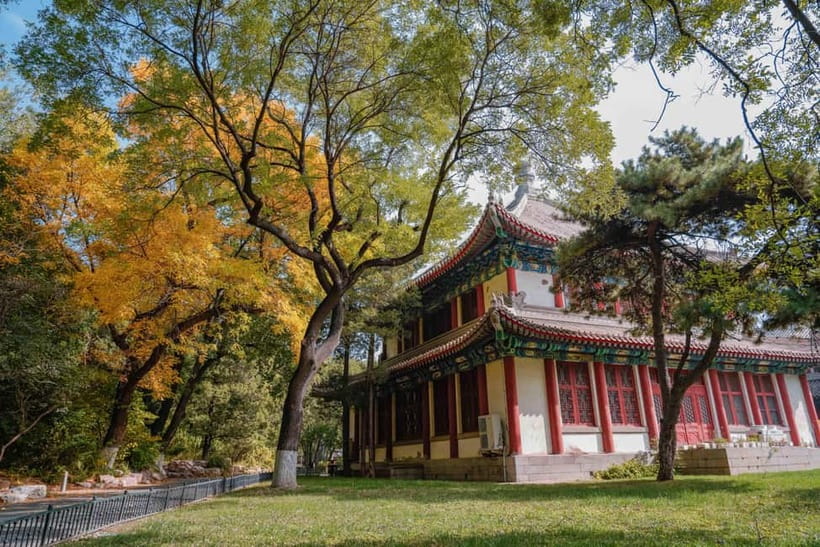
The Peking University Library gives the tour an academic center. Its scale and presence reflect the university’s role as a place built around study, research, and scholarship.
The exact experience inside the library can depend on campus access, so you should treat this as an exterior and cultural highlight rather than assume you will have unlimited indoor time. One participant specifically noted that campus hours limited the chance to explore more of the university.
The tour also visits the statue of Cai Yuanpei, a revolutionary former president of PKU. His role gives the university’s story a human focus. Instead of hearing only about dates and buildings, you learn about a figure connected with the institution’s development and ideals.
A stop at the statue is especially useful if you want to understand why PKU carries such weight in Chinese intellectual life. Your guide can connect the person, the university, and the broader changes that shaped modern education in China.
This is where the student guide matters most. A current student can explain how the ideals associated with the university fit, or sometimes fail to fit, with daily academic life today. That contrast is more useful than a purely ceremonial account.
From Yenching University to Modern PKU
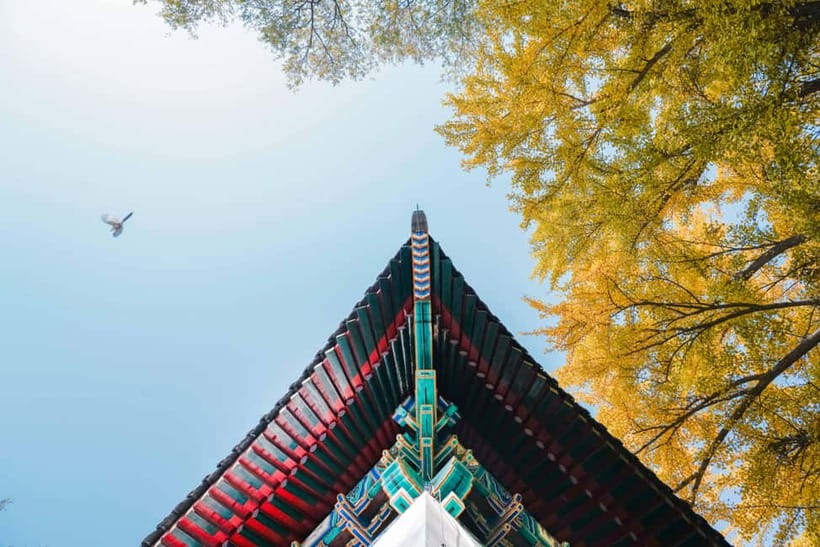
One of the more interesting parts of the tour is the explanation of PKU’s earlier identity and development. You learn about its roots as Yenching University, which adds an international and historical dimension to the campus.
The walk also connects the university with the Old Summer Palace, known as Yuanmingyuan. That relationship places PKU in the wider history of northwest Beijing, where major imperial, cultural, and educational sites sit close together.
The reference to Heshen, the infamous Qing Dynasty official, adds an unexpected personal thread. It shows how the campus story is tied to figures and events outside the university itself.
These connections make the tour worthwhile for history fans. You are not just hearing that PKU is old or prestigious. You are learning how its identity formed through earlier institutions, nearby imperial sites, and political change.
I would not expect a full history seminar in two hours. The guide has to select the most useful stories, and some subjects will receive only a short explanation. Still, the range is impressive for a walking tour, especially if you arrive with little prior knowledge of PKU.
Reading the Traditional Chinese Gardens
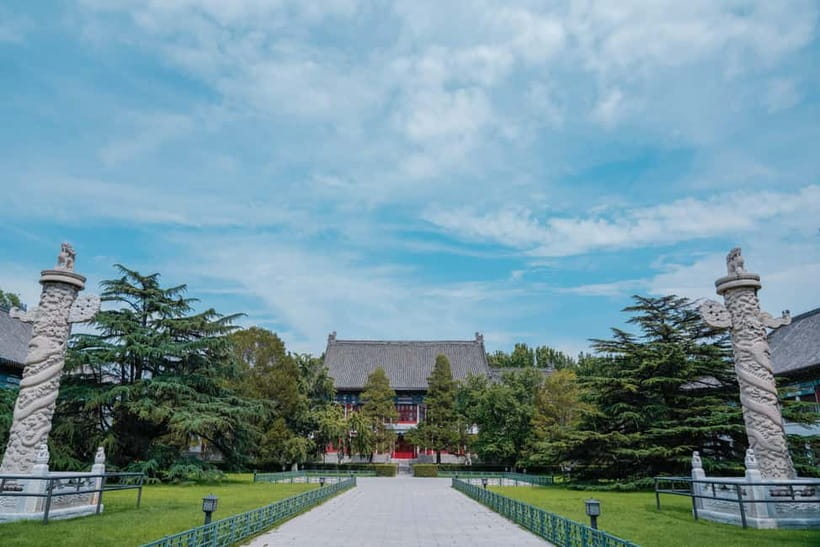
The gardens may be the most rewarding part for visitors who enjoy architecture and design. The tour explains the meanings behind courtyards, planting, water, and the relationship between buildings.
Traditional Chinese gardens are not arranged only for visual beauty. Their layouts can suggest balance, privacy, movement, and harmony between nature and scholarship. On this campus, those ideas help explain why a university can feel like both an academic institution and a carefully shaped cultural setting.
You will look at more than a row of attractive trees. The guide points out how courtyards and building layouts influence the way you move and what you see. A wall can frame a view, a path can slow your pace, and an open area can create a sense of calm around a place of study.
This part of the tour rewards questions. Ask how the gardens relate to student life, how old and new parts of the campus fit together, and which spaces students value most. The small group gives you a better chance to do that.
The only caution is that garden details may not appeal to everyone. If your main goal is a fast list of landmarks, the explanations may feel longer than necessary. If you like understanding why a place looks and feels a certain way, give this section time.
A Current Student’s View of Campus Life
The tour is not limited to buildings from the past. You also hear about academic culture, campus traditions, famous alumni, and life at PKU today.
That current perspective is a real benefit. A historic university can feel distant when you see it only through monuments. A student guide helps connect the grand story to the everyday experience of studying there.
Henry’s praised communication style is worth noting for families and visitors who worry about language barriers. He has been described as clear, professional, and easy to follow. He was also patient with children, which matters because a two-hour walk can test younger attention spans.
One participant said Henry invited the group to eat in the school cafeteria after the tour. That was not listed as an included part of the activity, so do not treat it as guaranteed. Still, it suggests the guide may offer a useful local perspective beyond the formal route when time and circumstances allow.
The tour may suit future students particularly well. You can ask about the feel of campus, famous alumni, and academic life from someone connected to the university now. Parents visiting with a child may also find the walk more meaningful than a standard sightseeing stop.
Is $39 a Fair Price?
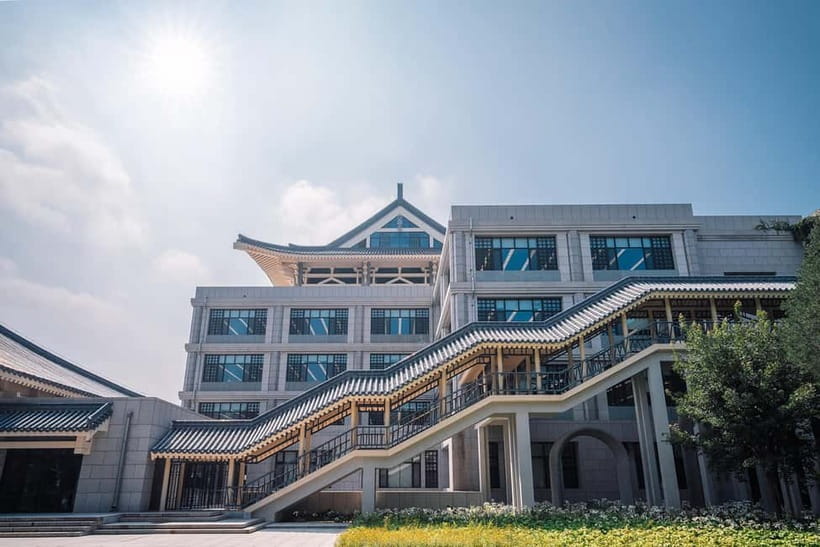
At $39 per person, the tour is not the cheapest way to see a university campus. You are paying for a two-hour English-language guide, a small group, historical interpretation, and a current student’s perspective.
That price makes sense if you value explanation. The main landmarks are free to look at, but the connections between them are harder to find on your own. The guide brings together architecture, Chinese symbolism, university history, and student life in one walk.
The value is strongest for first-time visitors to Beijing who want something beyond the Forbidden City, the Great Wall, and imperial monuments. PKU gives you a look at modern China through education and ideas.
The value is weaker if you want extended independent exploration. The route lasts only two hours, transportation is separate, meals are separate, and campus access may limit how long you can remain in some areas.
You can also keep your plans flexible with reserve-now, pay-later booking, and cancellation up to 24 hours before the tour for a full refund. Check the available start times before booking, since the duration is fixed but the departure schedule can vary.
Who Should Take This Campus Walk?
I would recommend this tour to several kinds of visitors:
- History fans who want links between PKU, Yenching University, Yuanmingyuan, and Qing-era figures.
- Architecture lovers interested in pagodas, courtyards, ornamental pillars, statues, gardens, and building layouts.
- Families who want a guided visit with a patient English-speaking host.
- Future students and parents who want a look at the university’s academic culture and daily character.
- Repeat Beijing visitors looking for a different side of the city.
- Photographers who want Boya Pagoda and Weiming Lake in a university setting.
I would think twice if you dislike walking, want a long indoor museum visit, or need a completely self-directed schedule. This is a guided introduction, not a full-day campus pass.
Practical Tips for a Better Visit
Meet at the stone lion on the right side of the East Gate as you face the entrance. Arrive with enough time to locate the correct side of the gate, since the university is large and the meeting point is more specific than simply saying East Gate.
Wear shoes you can walk in comfortably. The route connects several landmarks, and the experience depends on moving through the campus rather than viewing one site from a single spot.
Bring a camera for Boya Pagoda, Weiming Lake, the Bell Pavilion, and the traditional details around the gardens. Keep your phone ready for notes too, since the links between the sites may be the most useful part of the tour later.
Remember that the guide speaks English and that food, drinks, and transportation are not included. If you want to eat at the campus cafeteria, ask Henry about it during the visit, but regard that as an optional possibility rather than part of the paid service.
Should You Book the Peking University Tour?
Book it if you want PKU explained, not merely photographed. The strongest reasons are the small English-speaking group, the student perspective, the carefully chosen landmarks, and Henry’s record of friendly, patient guiding.
Skip it if your Beijing schedule leaves no room for a two-hour walk or if you prefer wandering without commentary. For most visitors interested in China’s education, culture, architecture, or modern intellectual life, $39 is a reasonable price for a focused introduction to one of the country’s best-known universities.
The smart choice is to book this early in your Beijing planning, then leave a little time around it for transportation and your own plans after the West Gate finish.
FAQ
Where does the Peking University walking tour begin?
The tour begins at Peking University’s East Gate. Meet at the stone lion on the right side when facing the gate entrance.
Where does the tour finish?
The walk finishes at Peking University’s West Gate.
How long does the tour last?
The guided walking tour lasts two hours.
What language is the tour conducted in?
The tour is conducted in English with a live English-speaking guide.
How large is the group?
The tour is limited to 10 participants.
What landmarks are included?
The route includes Boya Pagoda, Weiming Lake, the Bell Pavilion, Hua Biao ornamental pillars, Qilin statues, the Peking University Library, and the statue of Cai Yuanpei.
Is food included?
No. Food and drinks are not included in the tour price.
What should I bring?
Bring comfortable walking shoes and a camera. Transportation to and from Peking University is not included.
Just added in Beijing
- Private Transfer to Mutianyu Great Wall with professional driver★ 5.0 · 19 reviews
- One day tour to downtown Tianjin from Beijing by high speed train★ 5.0 · 3 reviews
- ZANBUS: Trip to the Jinshanling Great Wall Departing at 7:30 AM★ 5.0 · 5 reviews
- camp on the Great Wall overnight with sunrise and sunset on the wall★ 5.0 · 11 reviews
- Yuxiandu Chinese Royal Cuisine Museum with Show and Royal Banquet★ 5.0 · 4 reviews
- Wild Great Wall Hikes★ 5.0 · 10 reviews
- BusDa:Ancient Great Wall &Badaling Great Wall Full-day Bus Tour★ 4.5 · 6 reviews
- Wild Great Wall Huanghuacheng Half Day Tour★ 5.0 · 15 reviews
Walking Tours, compared.
Beijing Hutong Walking Food and Beer Tour at Hidden Restaurants
Read our review →
Private Beijing Walking Tour of the Forbidden City with 7 Options
Read our review →
Dark Side of Hong Kong – Kowloon Caged Homes Walking Tour
Read our review →
Forbidden City Private Walking Tour with Optional Sights
Read our review →
Introduction to Hong Kong: Central Tip Based Walking Tour
Read our review →
Shanghai Highlights Walking Tour With A Real Local
Read our review →Where else this tour turns up