
Reviewed · LHASA TOURS
6 Days Central Tibet Culture Small Group Tour
Tibet rewards patience. This six-day journey gives you a compact look at Lhasa, Gyantse, and Shigatse, with sacred monasteries, high mountain passes, and the startling blue waters of Yamdrok Lake. I like the small maximum of 12 people, and I like that the price includes the Tibet travel permit, hotels, breakfasts, transport, guide, airport transfers, and listed entrance fees.
The strongest part is the human care built into the trip. Guides such as Lhakdon, Lobsang, Ngawang, Tserina, and Tseyanh are praised for staying organized, explaining Tibetan culture clearly, and looking after mixed-age groups. The main caution is that the description contains a few mismatches: it mentions cycling, Namtso Lake, and even Everest Base Camp in places, but the six-day schedule provided here does not clearly include them.
In This Review
- Key points to know before booking
- Why this six-day route works
- Your first day in Lhasa: arrive, rest, adjust
- Potala Palace, Jokhang Temple, and Barkhor Street
- Drepung, Dadong Village, and Sera’s monk debates
- The high road to Yamdrok Lake and Shigatse
- Tashilhunpo Monastery and Shigatse
- What the $799 price really buys
- Guides, drivers, and the small-group advantage
- Important points to clarify before paying
- Who should book this Tibet tour?
- FAQ
- How long is the tour?
- What cities does the tour visit?
- Is airport pickup included?
- Is the Tibet travel permit included?
- How many people are in the group?
- Is accommodation included?
- Are meals included?
- Is transportation included?
- Do I need a China visa before visiting Tibet?
- Should you book it?
Key points to know before booking
- Lhasa gives you the cultural heart of Tibet: Potala Palace, Jokhang Temple, Barkhor Street, Drepung Monastery, and Sera Monastery fill the first full sightseeing days.
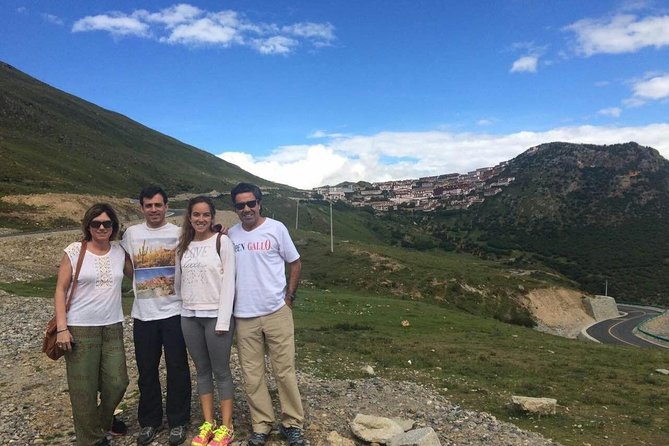
- The road to Shigatse is the scenic centerpiece: You cross Gampala Pass at about 4,790 meters and stop at Yamdrok Lake, Karo La Glacier, and Gyantse.
- A group of up to 12 keeps the trip personal: You travel by minibus with an English-speaking Tibetan guide and local driver.
- The permit work is a major value: Tibet travel permits and other necessary permits are included, but you must provide passport and visa documents at least 20 days before departure.
- The $799 price covers many costly basics: Twin-share hotels, five breakfasts, transport, airport pickup and drop-off, guide service, drinking water, and listed admissions are included.
- Check the final route carefully: Namtso Lake, cycling, and Everest Base Camp appear in the promotional material, but they are not clearly part of this six-day plan.
Why this six-day route works
This is not a slow, meditative stay in one Tibetan town. It is a brisk introduction to central Tibet, beginning in Lhasa and then moving west toward Shigatse. You get religious sites, old streets, village scenery, glaciers, mountain passes, and lakes within a short week.
I like the basic shape of the trip. The first two days allow time to arrive, rest, and begin sightseeing in Lhasa before the long road day. That matters in a region where the schedule reaches elevations above 4,000 meters. Day one is deliberately light, with hotel transfer and time to rest.
The group size is also sensible. A maximum of 12 people is small enough for a guide to answer questions and keep track of everyone at monastery entrances, viewpoints, and roadside stops. It is still large enough to keep the price below what a private trip would usually cost.
The pace, however, is not leisurely. Day four includes a long drive from Lhasa toward Shigatse with several stops. If you prefer lingering over one monastery or taking long walks through a town, this may feel compressed. If you want a well-organized first visit with the major sights packed into six days, the pace makes sense.
A few more to weigh up in China
- Tibet Tour 8 Days Lhasa to Everest Base Camp Small Group Tour
★ 5.0 · 578 reviews - 7 Days Lhasa to Kathmandu Overland Small Group Tibet Tour via EBC
★ 5.0 · 188 reviews - 10 Days Tibet Everest Base Camp and Namtso Small Group Tour
★ 5.0 · 108 reviews
Your first day in Lhasa: arrive, rest, adjust
Your arrival day is mostly practical. You are collected at the airport, or transferred from the railway station, and taken to Gang Gyan Lhasa Hotel or your reserved hotel. You are asked to report after checking in, then use the rest of the day to rest and get accustomed to Lhasa.
That quiet start is useful. The trip does not throw you straight into a full sightseeing program after your flight or train ride. Keep this day simple. Drink the provided water, eat lightly if needed, and avoid treating arrival day as a chance to squeeze in extra activities.
The included welcome dinner takes place when the group meets in Lhasa. This is a good time to meet your guide and fellow group members, confirm the next morning’s meeting arrangements, and ask about the order of visits.
The hotel price is based on two people sharing a room. A single-room supplement is available if space allows, but costs extra. Breakfast is included on five mornings, while lunch and dinner are generally your responsibility apart from the welcome dinner.
Potala Palace, Jokhang Temple, and Barkhor Street
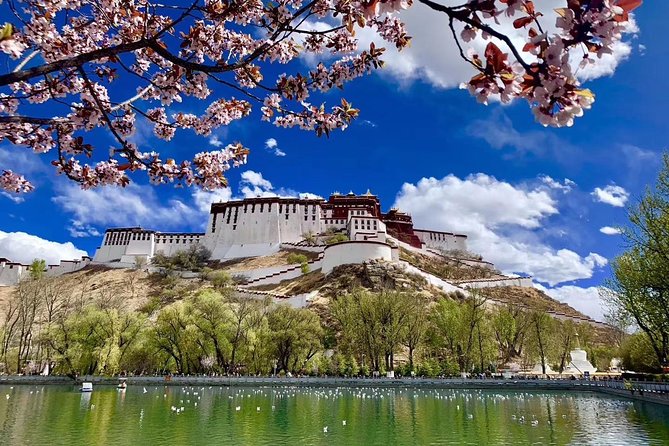
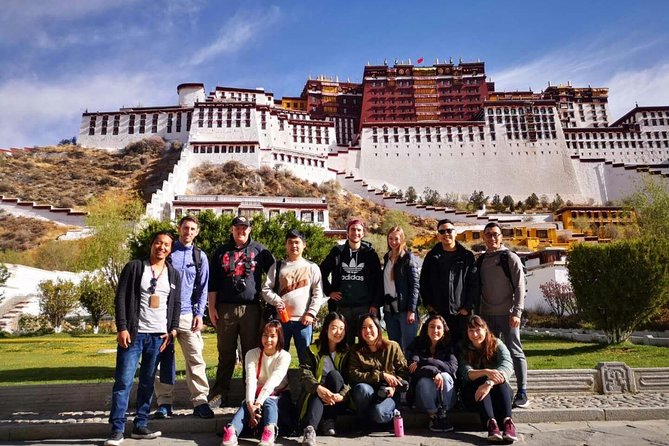
Your first full touring day begins at Potala Palace, the former winter palace of the Dalai Lama. The site was put into use in the seventh century under Tibet’s 33rd great king. You have about 90 minutes there.
Potala is the grand, formal introduction to Tibetan history on this route. The collections include valuable religious and cultural objects, although the entry ticket is listed separately in the day-by-day schedule. Since the included section says entrance fees for listed sites are covered, ask the operator to confirm exactly what you pay locally and what is prepaid.
After lunch, you visit Jokhang Temple for about 90 minutes. Its central object is a statue of Buddha Sakyamuni shown at age 12. That detail gives the temple a personal focus, rather than making it just another large religious building.
Outside, Barkhor Street circles the temple. This is one of the best places on the trip to watch daily religious practice. You can walk the kora with pilgrims and local people, browse the old market, and taste Tibetan tea in a local teahouse.
The Barkhor visit is short at about 30 minutes, so I would pay attention to the schedule. You may have time to walk around the temple circuit, but not enough time for a slow market wander. If local streets and ordinary customs are what you value most, this is one place where you may want to ask whether extra free time is possible.
Drepung, Dadong Village, and Sera’s monk debates
Day three combines village life with one of Lhasa’s major monastic institutions. The schedule identifies the first stop as Drepung Monastery, but the description also refers to Dadong Village, about 25 kilometers southwest of central Lhasa. Confirm the exact morning sequence before departure, since the wording is not fully consistent.
Dadong is described as a protected old Tibetan village surrounded by striking scenery. The visit is assigned four hours, making it one of the longer stops of the trip. That extra time should give you a more grounded look at Tibetan settlement patterns than a quick city visit, though the exact activities are not specified.
In the afternoon, you visit Sera Monastery for about two hours. Sera is one of the three great Gelug monasteries of Tibet. Its best-known feature is the monk debate, usually held from about 3 to 5 p.m.
The debate is a lively public religious practice, with monks testing ideas through questions, gestures, and quick replies. The timing here is important. The tour has been arranged to reach Sera during the usual debate period, so this is not simply a building tour.
One practical point: the schedule lists Sera’s admission as included, while several other stops are marked as not included. The broader package description says all listed entrance tickets are included. Get a written explanation of the admission arrangement before you leave China, so the $799 price is easy to judge.
A completely different sort of day out:
- From Beijing: Mutianyu Great Wall Tours with Options
★ 4.9 · 9,216 reviews - Beijing: Forbidden City Tour(Group/Private)-Tickets Included
★ 4.8 · 7,974 reviews - Beijing: T-Square & Forbidden City Group or Private Tour
★ 4.8 · 4,446 reviews - Beijing: Mutianyu Great Wall Daily Tour with Ticket & Lunch
★ 5.0 · 3,056 reviews
The high road to Yamdrok Lake and Shigatse
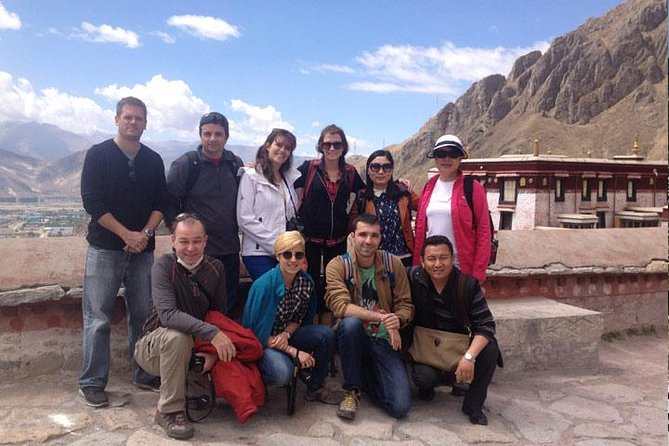
Day four is the trip’s big road day. You drive from Lhasa toward Shigatse, crossing Gampala Pass at about 4,790 meters. From the pass, you get a view of Yamdrok Lake at about 4,400 meters.
Yamdrok is surrounded by snow-capped mountains, and the high-altitude setting is the reason this route is so memorable. The stop is scheduled for about an hour. That gives you time for the main viewpoint and photographs, but not a long shoreline walk.
The heights here are not a minor detail. You have already spent two days in Lhasa, which provides some time to adjust, but you still need to move at a sensible pace. Tell your guide promptly if you feel unwell, and do not treat every stop as a race to climb higher.
The next stop is Karo La Glacier, seen from the roadside. You also pass Manak Dam Lake and can hang prayer flags at Simila Mountain Pass. These brief roadside stops add variety to the drive. They also mean you spend much of the day in the minibus, so bring patience, water, and something warm.
The road then reaches Gyantse, historically Tibet’s third-largest city after Lhasa and Shigatse. At Palkhor Monastery, you visit the Gyantse Kumbum, a distinctive Buddhist stupa, and get a distant view of Gyantse Fortress.
The schedule gives only one minute to Palkhor Monastery and the Kumbum, which is almost certainly a timing error or an overly rough listing. The stop deserves clarification. Ask how long you actually have at Palkhor, because a meaningful visit cannot fit into one minute.
Tashilhunpo Monastery and Shigatse
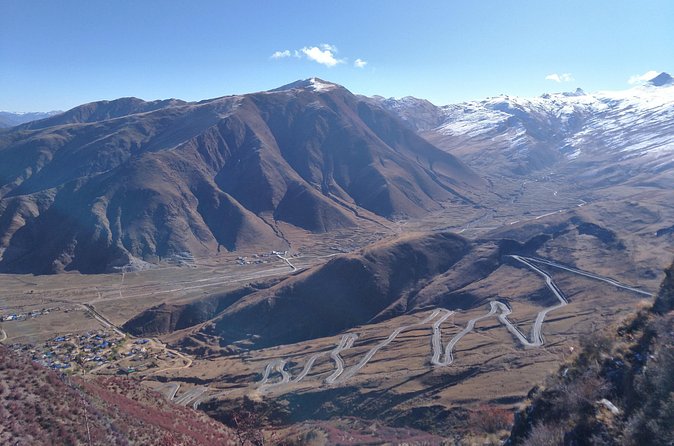
The final full sightseeing day focuses on Tashilhunpo Monastery in Shigatse, the traditional home of the Panchen Lama. You have about two hours to explore it.
The monastery’s major draw is the large statue of Jampa, the future Buddha. The description calls it the world’s largest statue of its kind. This is a strong closing visit because it brings together the religious themes introduced at Jokhang, Drepung, Sera, and Palkhor.
Tashilhunpo also gives you a different city setting from Lhasa. Lhasa is the main cultural gateway, while Shigatse provides the western stop on this short central Tibet route. The trip does not give a full free day in Shigatse, so your time is mainly centered on the monastery.
Day six is departure day. You must leave Tibet by air or train because the permit for this tour is limited to the arranged travel period. If you want to remain longer, you need to arrange another Tibet tour and a new permit plan. Airport and railway drop-off assistance may be available if arranged with the operator.
What the $799 price really buys
At $799 per person, the package offers solid value if you want the paperwork and transport handled for you. The price includes:
- Tibet travel permit and other necessary permits
- Airport pickup and drop-off
- Twin-share hotel rooms
- Five breakfasts
- Comfortable van or minibus transportation
- Experienced local driver
- English-speaking Tibetan guide
- Welcome dinner
- Drinking water
- Tibet map
- Liability travel insurance
- Admission fees for listed tourist sites, according to the package terms
You still pay for your flight or train to Lhasa, all lunches and most dinners, and tips for the guide and driver. The price also assumes double occupancy. Solo visitors should budget for the single-room supplement.
The permit service is especially useful. Tibet entry rules depend on how you arrive. If you fly from Kathmandu, you should not apply for a China L visa in advance. The agency says you need a Tibet Group Visa through its Kathmandu arrangements, with an invitation letter supplied by the tour operator.
If you enter Tibet from another Chinese city by air or train, you need a China L visa from the Chinese embassy in your home country. The operator requires passport and China visa copies at least 20 days before departure, and booking at least 20 days ahead is advised so the permit can be obtained.
Guides, drivers, and the small-group advantage
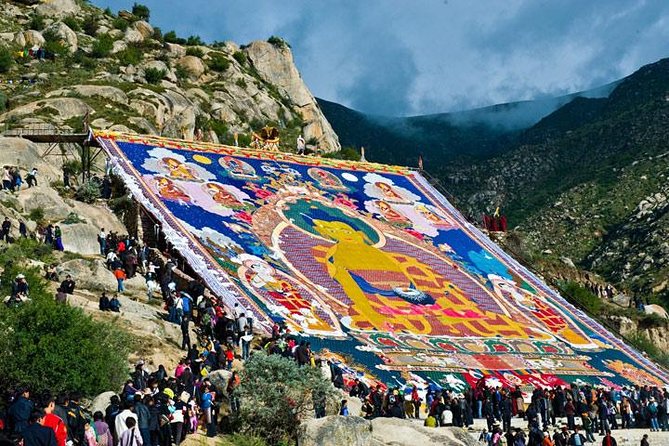
The guide can make or break a Tibet trip. Here, the strongest praise centers on care, communication, and organization. Lhakdon is described as attentive to the group, while Lobsang is praised for friendly English and clear explanations. Ngawang handled a group with mixed ages and kept everyone together at monasteries and mountain stops.
Tserina is singled out for making a six-day trip especially enjoyable, and Tseyanh is praised for strong English and good guiding. Drivers also receive credit, particularly Penpa, who is described as dependable and helpful with the daily transfers.
That pattern matters more than a polished brochure. Tibet travel involves permits, hotel transfers, changing road conditions, high passes, and strict timing at major sights. A guide who notices when the group needs help is worth paying for.
The small minibus format also gives you a better chance to ask questions than a large coach would. Still, a group of 12 is not private travel. You will share sightseeing time, meal decisions, and vehicle space with other people.
Important points to clarify before paying
The package description needs a careful read before you commit. It calls the trip a six-day tour in the supplied details, but one passage refers to an eight-day Tibet tour. Namtso Lake, at about 4,718 meters, is described as part of the journey, yet it does not appear in the six-day schedule.
Cycling the city streets is listed as a highlight, but no cycling day, bicycle rental, route, or safety information is provided. If cycling is important to you, ask directly if it is actually included.
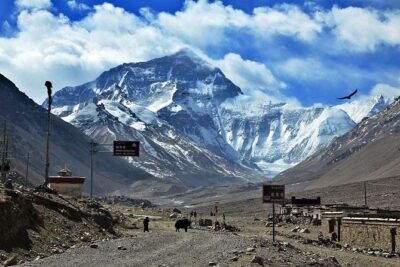
Everest Base Camp also appears in the included section through a reference to an echo bus, and one personal account describes reaching Everest Base Camp. That destination is not included in the six-day route shown here. Ask for the exact route, hotel list, and included admissions in writing.
These are not small wording issues. They affect the value of the tour and your expectations. The core Lhasa to Shigatse route is clear enough, but the Namtso, cycling, and Everest references should be settled before you book flights.
Who should book this Tibet tour?
I would recommend this trip to someone visiting Tibet for the first time who wants the major cultural sights without arranging permits, hotels, transfers, and a driver independently. It also suits you if you want a balance of city temples and high mountain scenery.
It is a good match for people who enjoy structured days, shared transport, and an English-speaking guide. The past guide feedback suggests that mixed-age groups can work well when the guide is attentive.
I would be more cautious if you want a slow, flexible holiday, a private vehicle, or long independent walks. I would also not book it until the operator confirms the exact schedule if Namtso Lake, cycling, or Everest Base Camp is the reason you are interested.
You can cancel for a full refund up to six full days before the start time. Cancellations two to six days ahead receive a 50 percent refund, while cancellations less than two days before departure are not refunded.
FAQ
How long is the tour?
The tour duration is six days. One promotional passage refers to eight days, so confirm the final duration with Tibet Vista before booking.
What cities does the tour visit?
The route includes Lhasa, Gyantse, and Shigatse. The schedule begins in Lhasa and travels toward Shigatse by way of Gyantse.
Is airport pickup included?
Yes. Airport pickup and drop-off in Lhasa are included, and the supplier must arrange them.
Is the Tibet travel permit included?
Yes. The package includes the Tibet travel permit and other necessary permits. You must provide passport and visa copies at least 20 days before departure.
How many people are in the group?
The group can include a maximum of 12 people.
Is accommodation included?
Yes. Hotels based on twin sharing and five breakfasts are included. A single-room supplement is available subject to availability and costs extra.
Are meals included?
Five breakfasts and one welcome dinner are included. Lunches and other dinners are not included.
Is transportation included?
Yes. The tour uses a comfortable van or minibus with an experienced local driver, and gasoline is included.
Do I need a China visa before visiting Tibet?
It depends on your entry route. If you travel from Kathmandu, the operator says not to apply for a China L visa in advance because you need a Tibet Group Visa arranged through the agency. If you enter from another Chinese city, you need a China L visa from the Chinese embassy in your country.
Should you book it?
Book this tour if you want a practical first look at central Tibet and value permit support, airport transfers, a local English-speaking guide, and a small group. The Lhasa temples, Yamdrok Lake, Gyantse, and Tashilhunpo Monastery make a strong six-day route, and the $799 price covers many expensive pieces.
Before paying, get written confirmation about entrance fees, the exact hotel, the one-minute Palkhor timing, and whether Namtso Lake, cycling, or Everest Base Camp is included. With those points settled, this is a well-priced, culture-focused introduction to Tibet rather than a fully flexible private adventure.
Just added in China
- Songcheng Park & Lengend of Song Dynasty Show Ticket★ 4.5 · 3 reviews
- Classic Hangzhou One Day Private Tour★ 5.0 · 3 reviews
- Private Wuzhen Water Town Day Tour from Hangzhou★ 5.0 · 2 reviews
- Wuzhen Water Town Self-Guided Tour with Private Transfer from Hangzhou★ 5.0 · 12 reviews
- Wuzhen Classical Water Town day tour★ 5.0 · 4 reviews
- Wuzhen Water Town Delight Tour With Riverside Lunch Experience★ 5.0 · 15 reviews
- Private Transfer to Shanghai Pudong Airport from Hangzhou★ 5.0 · 3 reviews
- Private Amazing Hangzhou Airport Layover Tour with Lunch or Dinner Option★ 5.0 · 2 reviews
Lhasa Tours, compared.
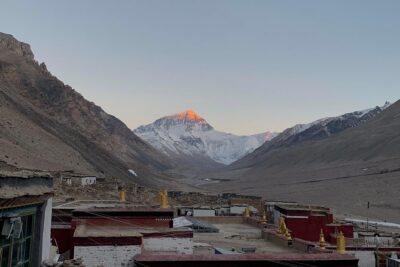
Tibet Tour 8 Days Lhasa to Everest Base Camp Small Group Tour
Read our review →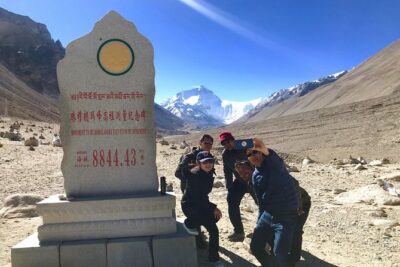
7 Days Lhasa to Kathmandu Overland Small Group Tibet Tour via EBC
Read our review →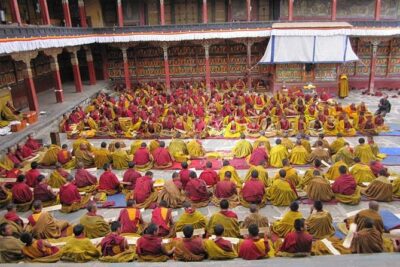
10 Days Tibet Everest Base Camp and Namtso Small Group Tour
Read our review →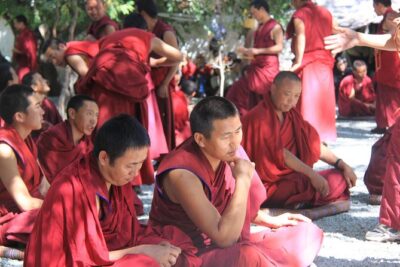
8 Days Lhasa Gyantse Shigatse Mt Everest Group Tour
Read our review →Where else this tour turns up