
Reviewed · COOKING CLASSES
3-Hour Biang Biang Noodles Cooking Class in Xi’an
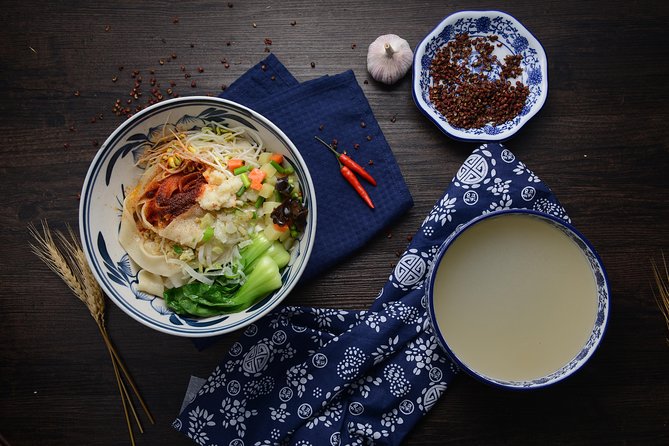
Stretch, slap, eat, repeat. This Xi’an food experience combines a visit to a local spice market with a lesson in making biang biang noodles, the wide, chewy noodles named for the sound they make against the work surface. You meet at Sa Jin Qiao Subway Station, walk through local streets and market stalls, then head to a cooking school that also operates as a well-known local restaurant.
I like the small maximum group of 10, which should make it easier to see the chef and get help with the dough. I also like that you eat the noodles you make, with tea or another drink included. The main caution is that this is not strictly a full cooking course. The practical class lasts about an hour, while the rest of the three-hour outing covers the market visit, conversation, eating, and movement between locations.
In This Review
- Key points to know before booking
- Why biang biang noodles matter in Xi’an
- Meeting at Sa Jin Qiao Subway Station
- Walking through the spice market and back streets
- Inside the cooking school and local restaurant
- Tea, drinks, and your noodle party
- Is three hours enough for the experience?
- What the $74.88 price gives you
- Who will enjoy this noodle class most?
- Practical advice for a smoother visit
- Should you book the Xi’an biang biang noodles class?
- FAQ
- Where does the cooking class meet?
- Where does the activity end?
- How long does the experience last?
- What will I cook?
- Will I eat the food I prepare?
- Are drinks included?
- Is hotel pickup provided?
- How many people can join the class?
- Is the experience wheelchair accessible?
Key points to know before booking
- Biang biang noodles are the star: You learn to make one of Xi’an’s signature noodle dishes by hand, then eat your own portion.
- The market walk adds local context: A guide takes you through a spice market to see ingredients used in the class.
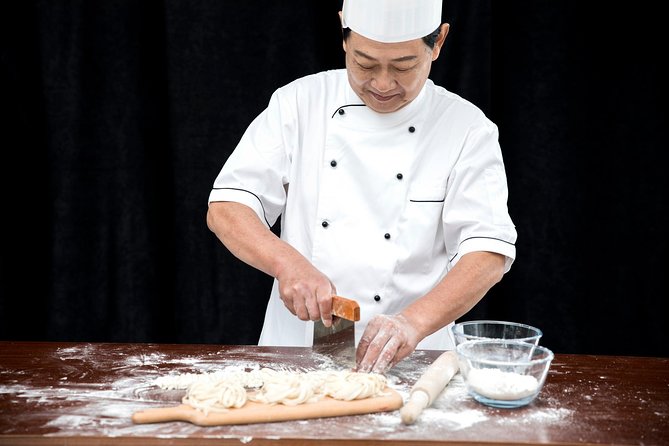
- The cooking lesson lasts about one hour: Expect a focused demonstration and practice session rather than a long culinary workshop.
- The group is capped at 10 people: This is a more personal format than a large food tour.
- Tea and drinks are included: You have refreshments during the lesson and meal.
- The meeting point is Sa Jin Qiao Subway Station: Use Line 1 and exit at Exit D. The activity ends back at the meeting point.
Why biang biang noodles matter in Xi’an
Xi’an is famous for wheat-based food, and biang biang noodles are among its best-known dishes. They are broad, thick noodles with a satisfying chew. The name refers to the sound made when the dough is slapped and stretched against a counter, a small bit of culinary theater that also describes the preparation method.
You are not simply sitting down with a bowl of noodles. The point is to see how flour becomes the finished dish. That gives the meal more meaning, especially if you are curious about everyday food rather than only restaurant specialties.
The experience also brings in the local ingredients used to season the noodles. The exact spice list is not specified, but the market visit is designed to show you local spices and ingredients before you cook with them. That order is useful: you see the raw materials first, then recognize them in the finished meal.
More Cooking Classes in Xian:
- Private Home Cooking Class:Dumpling Cooking Class Tour in Xi’an
★ 5.0 · 7 reviews - Xi’an: Market Tour and Cooking Class with Local Family
★ 5.0 · 3 reviews - Half-Day Chengdu Cooking Class with a Local Market Visit
★ 5.0 · 465 reviews
Meeting at Sa Jin Qiao Subway Station
The experience begins at Sa Jin Qiao Subway Station, Exit D, on Line 1. The stated meeting location is Sajin Bridge in Lianhu District, Xi’an. There is no hotel pickup or drop-off, so you need to make your own way to the station.
This is a practical meeting point if you are using Xi’an’s public transportation. The directions are specific, but I would still allow extra time to find Exit D and locate the guide. The meeting point is near public transportation, yet a subway station can have several exits and a steady flow of people. Arriving early is the sensible move.
The tour ends back at the meeting point. That makes planning easier than an activity that drops you somewhere unfamiliar across town. You can continue sightseeing from the station or return to your hotel using the same transport network.
Walking through the spice market and back streets
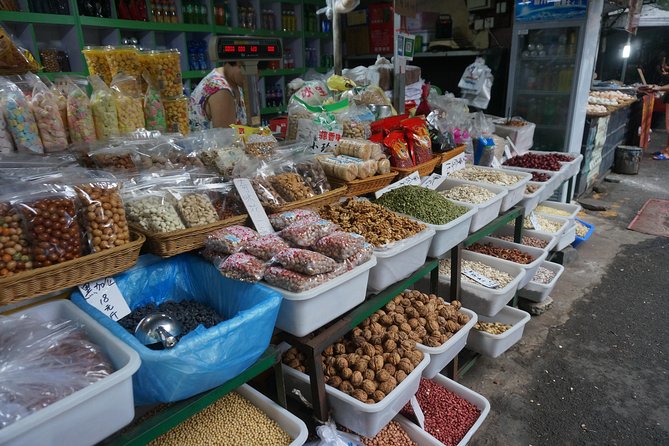
Before cooking, the guide takes you to an authentic local spice market. This is one of the more valuable parts of the outing because it connects the dish to the food culture around it. Instead of hearing a quick explanation inside a restaurant, you get to see the ingredients in the setting where locals shop.
The route also includes local back streets. That adds a more grounded side to the experience, away from the polished interiors and main attractions that fill many Xi’an itineraries. You may see ordinary neighborhood life while the guide points out food items and spices connected to the class.
The market walk is not a separate market tour, so you should not expect a long shopping expedition or a detailed tour of every stall. Think of it as a short cultural introduction before the cooking. If you enjoy learning through food, this opening section helps the later meal make sense.
Susan, one of the guides associated with the experience, speaks good English and is keen to share local culture. Michael is also praised for being a good host and for making the market and back-street walk enjoyable. Guide quality can shape a small food experience, and the available feedback points to friendly, engaging conversation as a strength.
Inside the cooking school and local restaurant
After the market, the class takes place in a professional cooking school that is also a famous local restaurant. That setting gives you a working food environment rather than a staged attraction. You learn from an English-speaking chef, which matters when the technique involves timing, hand movements, and dough texture.
The cooking portion is described as lasting about an hour. You learn how the dish is made, watch the chef demonstrate the technique, and then practice cooking yourself. The details supplied do not specify every step or ingredient, so you should not expect a guaranteed recipe booklet or a fixed list of take-home materials.
Biang biang noodles are not just rolled and cut into thin strands. Their broad shape and hand-stretched texture are central to the dish. The class gives you a chance to work with that process directly. Your noodles may not look perfect on the first try, which is part of the fun. A handmade noodle that is slightly uneven still tastes like lunch.
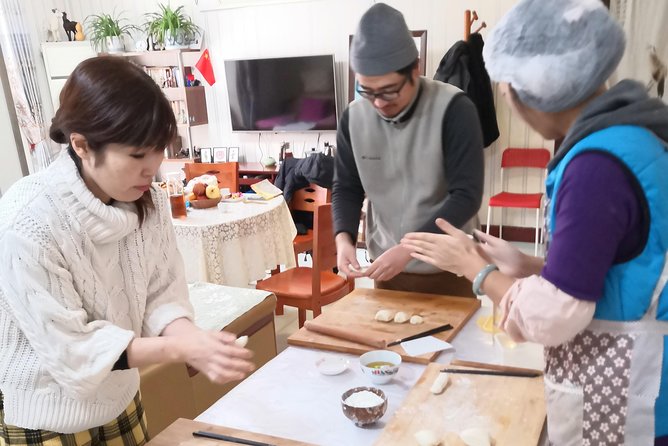
The maximum group size is 10. That is small enough to keep the lesson manageable, though it does not guarantee one-to-one instruction throughout. If the class is full, you may need to watch closely during the demonstration and take your turn during the practice.
More Workshops in Xian:
- Xi’an Chinese Calligraphy Workshop: Ink Art & Tea Tasting
★ 5.0 · 4 reviews - 3 hours Xi’an Mahjong Class with Local Tea
★ 5.0 · 2 reviews - Beijing Calligraphy Class
★ 4.9 · 112 reviews - Chinese Calligraphy Class for Small Group
★ 5.0 · 104 reviews
Tea, drinks, and your noodle party
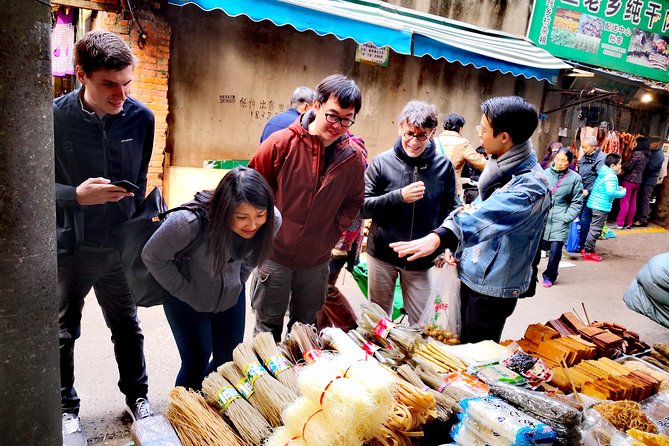
Once the noodles are prepared, you eat the meal you made. Tea or another drink is included, and the experience describes this final stage as a noodle party. That phrase fits the social nature of the class: you are not only learning a dish, but sitting down to enjoy the result with the group.
I like this arrangement because it avoids the common cooking-class problem of preparing food and then barely tasting it. Here, your finished noodles are the main reward. The meal also gives you time to talk with the guide and ask more questions about local food and culture.
The refreshments are complimentary, but the information does not identify the exact drinks or offer a full menu. You receive Chinese tea or other drinks while eating, not a broad meal with several courses. If you want a large lunch beyond the noodles, plan accordingly.
Is three hours enough for the experience?
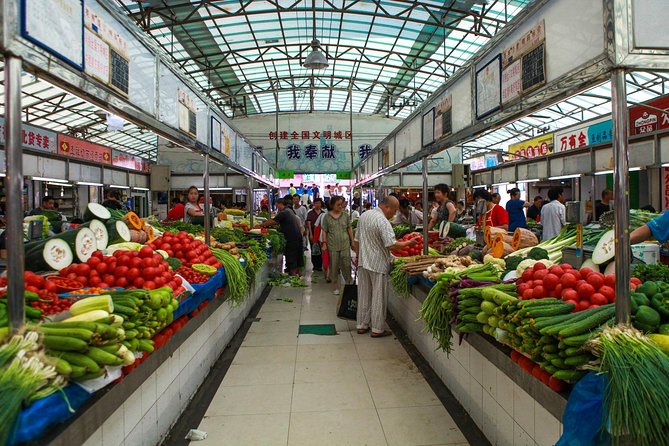
The total duration is approximately three hours, but the class itself is about one hour. The remaining time is accounted for by meeting, walking to the local spice market, exploring the streets, reaching the cooking venue, having refreshments, and eating the noodles.
That distinction matters. If you book this expecting three solid hours of hands-on dough work, you may find the format lighter than expected. If you want a balanced food outing with a market visit, cultural conversation, and a short practical lesson, the timing makes more sense.
This format may suit you better than a long technical cooking course if you have a packed sightseeing schedule. Xi’an has plenty to see, and a three-hour activity can fit neatly into a morning or afternoon. You get a real taste of the cooking process without committing half a day to kitchen instruction.
What the $74.88 price gives you
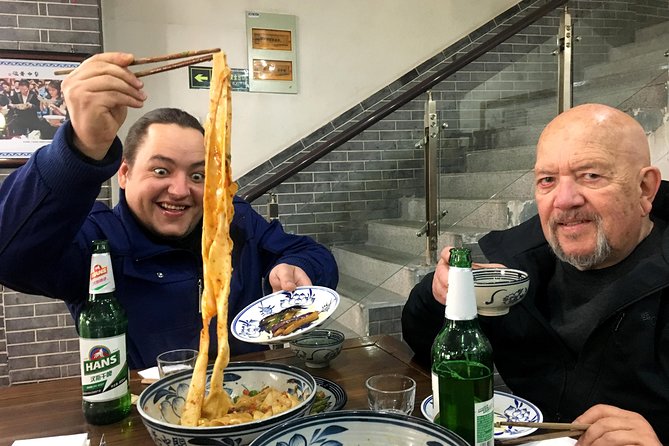
The listed price is $74.88 per person. That includes the cooking class, English-speaking chef, tea or drinks, the market and local-street portion, and the noodles you prepare and eat. Group discounts are available, though the exact discount is not provided.
The value depends on what you want from a food activity. The price is easier to justify if you care about three parts working together: local ingredients, a guide who can explain the culture in English, and a meal you make yourself. It is less attractive if you only want a bowl of noodles or a long, technique-heavy cooking lesson.
You are also paying for the convenience of an organized route and a small group. Since there is no hotel pickup, you do not receive door-to-door service. Still, starting and ending at a subway station keeps the logistics straightforward and avoids adding private transportation costs to the tour.
A mobile ticket is available, and confirmation is received when you book. The experience is non-refundable and cannot be changed for any reason, so check your Xi’an schedule carefully before paying. That policy is strict and reduces flexibility if your plans shift.
Who will enjoy this noodle class most?

I would recommend this experience to you if you enjoy food, markets, and informal cultural exchanges. It works especially well for first-time visitors who want a gentle introduction to Xi’an cuisine without spending hours in a formal kitchen.
It is also a good choice for:
- Couples or friends who want a shared meal with a hands-on element
- Families with older children who can follow a cooking demonstration
- Solo visitors who like meeting people in a small group
- Food-focused visitors who want to understand ingredients as well as taste the final dish
- Anyone who wants an activity that combines walking, conversation, and cooking
You may want something else if you are a serious home cook looking for advanced instruction, a printed recipe, or several dishes. The available details point to one main dish and a cooking session of about an hour. That is enough for a memorable introduction, but not a complete culinary course.
The experience is not wheelchair accessible. The market walk, back streets, subway meeting point, and cooking venue may involve movement that is difficult for anyone needing step-free access. If accessibility is important to you, this is a key reason to choose another activity.
Practical advice for a smoother visit
Meet at Exit D of Sa Jin Qiao Station rather than simply heading to the general station area. The activity does not include hotel transfers, so build the subway journey into your plans and leave time to find the correct exit.
Wear comfortable shoes. The route includes a market and local back streets before the cooking class, and the exact walking distance is not stated. Comfortable clothing is also sensible for a hands-on food activity.
Keep your expectations clear. You are joining a small-group noodle experience, not booking a private chef or a full-day cooking school. The best attitude is to watch closely, try the technique, enjoy the conversation, and accept that handmade noodles may come out in charmingly different shapes.
Since the activity ends where it starts, you can pair it with nearby sightseeing or use the subway for your next stop. The meeting-point arrangement is one of the simplest features of the tour, but it is useful in a large city.
Should you book the Xi’an biang biang noodles class?
Book it if you want to combine a local market walk with a short noodle lesson and a meal you make yourself. The small group, English-speaking chef, included drinks, and friendly guides such as Susan and Michael give the experience a personal feel.
Skip it if you want an intensive cooking course, need wheelchair access, or prefer a flexible booking that can be changed later. At $74.88, the experience offers fair value for a guided food outing with cooking included, but the price is not aimed at people seeking only inexpensive noodles.
For most food-curious visitors, this is a pleasant way to spend three hours in Xi’an. You see ingredients in their local setting, learn the basic idea behind one of the city’s signature dishes, and sit down to eat the result. That is a good deal more memorable than ordering a bowl and wondering how the noodles got so wide.
FAQ
Where does the cooking class meet?
It meets at Sa Jin Qiao Subway Station, Exit D, on Line 1. The stated meeting location is Sajin Bridge in Lianhu District, Xi’an.
Where does the activity end?
The activity ends back at the meeting point.
How long does the experience last?
The total experience lasts approximately three hours. The cooking class itself is described as lasting about one hour.
What will I cook?
You will learn to make Chinese biang biang noodles, one of Xi’an’s famous noodle dishes.
Will I eat the food I prepare?
Yes. After making the noodles, you eat your self-prepared biang biang noodles.
Are drinks included?
Yes. Complimentary Chinese tea or other drinks are included during the experience.
Is hotel pickup provided?
No. Hotel pickup and drop-off are not included. You must make your own way to the meeting point.
How many people can join the class?
The activity has a maximum of 10 participants.
Is the experience wheelchair accessible?
No. The experience is not wheelchair accessible.
Just added in Xian
- Xi’an: Terracotta Warriors Tickets & Guided Tours★ 4.7 · 11 reviews
- Xi’an: Royal Banquet with Chinese Cultural Performance★ 3.4 · 3 reviews
- Xian: Terracotta Army Admission Ticket★ 4.6 · 5 reviews
- Xi’an Terracotta Warriors and City Wall Private Day Tour★ 5.0 · 4 reviews
- Xi’an Private Terracotta Warriors and Hanyangling Mausoleum★ 4.7 · 3 reviews
- Xian: Morning Food Tour of the Muslim Quarter★ 5.0 · 3 reviews
- Xian: Bus Tour of Terracotta Warriors With Guide & Lunch★ 4.2 · 5 reviews
- Xi’an: Top 3 Highlights All Inclusive Private Day Tour★ 5.0 · 41 reviews
Cooking Classes, compared.
Half-Day Chengdu Cooking Class with a Local Market Visit
Read our review →
Online Cooking Class Beijing Dumplings and Cuisine by Sunflowerli Renowned Chef
Read our review →
Lijiang Naxi Cuisine Cooking Class & Market Visit
Read our review →
Cooking Class with Fresh Market Half Day Experience
Read our review →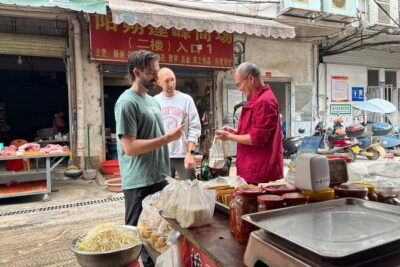
Private Cooking Class: Make Your Own Dim Sum In Shanghai
Read our review →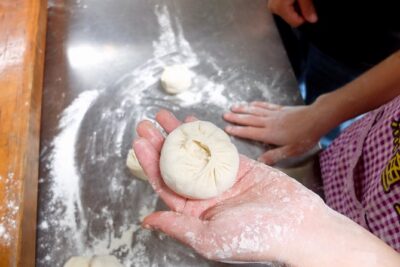
Half-Day steamed Buns Cooking Class with a Local Market Visit
Read our review →Where else this tour turns up