
Reviewed · FOOD
Small-Group Tour: Local Markets Hopper and Foodie in Hong Kong
Hong Kong reveals itself one market at a time. This three-and-a-half-hour walking tour links dim sum, flower stalls, bird cages, fish shops, wet-market scenes, and Mong Kok shopping streets in one lively afternoon. With no more than eight people, you get room to ask questions and stay close to the guide.
I like the route because it shows everyday Kowloon beyond the usual skyline views. I also like the mix of guided tastings and local markets, which gives you a practical introduction to food and daily life rather than just a checklist of sights.
The main drawback is the price: $156.77 per person is a serious outlay for a walking tour, especially since the exact number of tastings can vary. You should also be ready for three and a half hours on your feet, in crowded market areas, with no hotel transportation included.
In This Review
- Key points to know before booking
- Why this market route works so well
- Starting with dim sum near Prince Edward
- Flowers, luck, and the Flower Market
- Hearing the birds at Yuen Po Street Bird Garden
- Fa Yuen Street and the everyday market scene
- Fish, coral, and snack stalls at the Goldfish Market
- A look inside a Hong Kong wet market
- Finishing at Ladies Market and Mong Kok
- What the $156.77 price really buys you
- Timing, fitness, and practical planning
- Who will enjoy this Hong Kong walk
- Should you book the Local Markets Hopper and Foodie tour?
- FAQ
- Where does the tour begin?
- What time does the tour start?
- Where does the tour end?
- How long does the tour last?
- How large is the group?
- What food and drinks are included?
- Can I request vegetarian or allergy-friendly food?
- What happens if I need to cancel?
Key points to know before booking
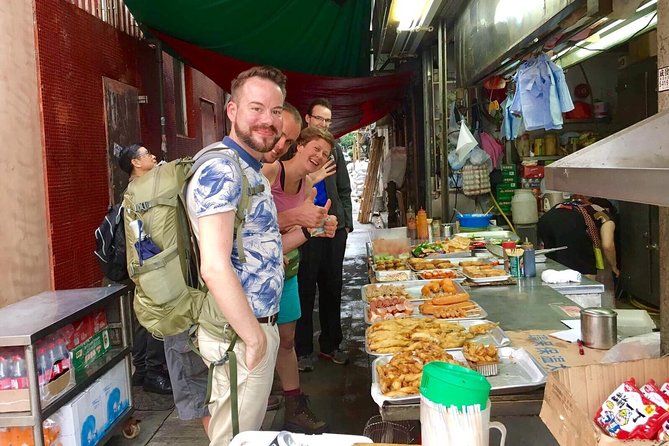
- Small group of up to eight people: You get a more personal tour and a better chance to ask about unfamiliar foods.
- Four distinct market areas: Flower Market, Yuen Po Street Bird Garden, Fa Yuen Street, the Goldfish Market, and nearby wet-market streets make up the main route.
- Food tastings are the heart of the afternoon: Expect dim sum, a sweet tofu dessert, egg tarts or pineapple buns, skewers, mini egg puffs, or other local snacks, depending on availability.
- Starts at Prince Edward at 2pm: The tour ends near Mong Kok MTR station, so it works well with an evening plan in Kowloon.
- Licensed English-speaking guide: Kennieness received special praise for explaining Hong Kong’s daily customs and helping visitors understand what they were seeing.
- Plan for a moderate walk: Comfortable shoes matter, and this is not a good fit if you need frequent rest stops.
Why this market route works so well
Many Hong Kong food tours stay in restaurants or focus on a single neighborhood. This route keeps moving, but each stop adds a different piece of the city. You begin with food, then walk through places linked to flowers, birds, clothing, fish, household shopping, and street snacks.
I like that structure. A plate of dim sum tells you about eating customs, while the flower and bird markets show older leisure and household traditions. The wet market adds a less polished but more ordinary view of city life. By the time you reach Ladies Market and Mong Kok, you have seen several sides of Kowloon in a compact area.
The small group matters here. Market lanes can be tight, and a large party would be harder to keep together. A maximum of eight people gives the guide a fair chance to explain a stall, answer a question, or help you decide whether an unfamiliar snack is worth trying.
The tour requires at least two paying adults to operate. Up to two children aged six and under may join free for every two paying adults. That makes the arrangement useful for some families, though the walking and crowded streets may still be tiring for young children.
More Food Tours in Hong Kong:
- Hong Kong’s Tin Hau Hidden Eats Food Tour with 7+ Local Tastings
★ 5.0 · 352 reviews - Small-Group Hong Kong Island Food Tour
★ 5.0 · 343 reviews - Hong Kong Food Tour: Central and Sheung Wan Districts
★ 5.0 · 333 reviews
Starting with dim sum near Prince Edward
Meet your guide at Prince Edward MTR station by 2pm. The first food stop is a small restaurant serving dim sum with Chinese tea, a sensible way to begin before heading into the markets.
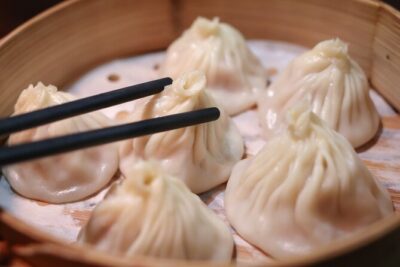
Dim sum means small, snack-sized portions served in bamboo containers. The meal gives your guide a chance to explain how these shared dishes fit into Hong Kong food culture. It also gives you something substantial before the lighter tastings later in the route.
I like beginning with a sit-down dish rather than waiting until the end of the walk for food. You can start asking questions right away, and the guide can point out eating habits that may not be obvious if you simply order dim sum on your own.
The supplied details do not list the exact dishes served, so you should not expect a fixed menu. Food selection can change, and the overall tasting plan is subject to availability. If you have allergies or follow a vegetarian diet, tell the provider when booking. Alternative tastings are available for allergies, and a vegetarian option can be arranged.
Flowers, luck, and the Flower Market
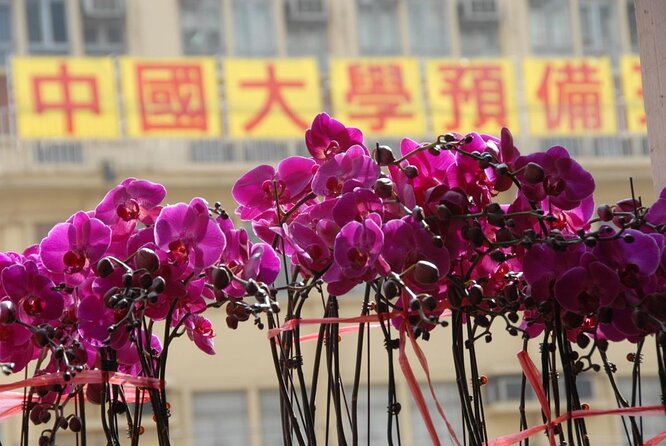
After dim sum, you walk to the Flower Market, an area spread across about 50 shops. The air shifts from restaurant aromas to flower scents, and the route becomes a visual tour of bouquets, potted plants, and houseplants associated with good luck.
This is one of the most appealing stops for anyone who wants more than food. Hong Kong’s markets are not only places to buy dinner. Flowers and plants also play a part in festivals, gifts, home decoration, and traditional ideas about luck.
You will have time to look at the shops as the guide explains what makes the area important. The route is not described as a dedicated shopping stop, so do not expect a long period for buying plants or arranging a delivery. The point is to understand the market and see local shoppers going about their routines.
The Flower Market also sets up a useful contrast with the next stop. One area is fragrant and colorful, while the Bird Garden is defined by sound.
Hearing the birds at Yuen Po Street Bird Garden
Yuen Po Street Bird Garden is designed in a traditional Chinese style, with more than 70 songbird stalls. You can hear birds calling from their cages while older local owners carry or tend to their prized birds.
This is a distinctive stop, especially if you have never seen the custom before. The guide can explain the role of songbirds and the habits surrounding them, helping you read the scene with more care. Without context, you might simply see rows of cages. With context, you can better understand why the owners spend time caring for and displaying their birds.
The Bird Garden is also a good example of why this tour is more than a food crawl. The tastings bring you into the local food scene, but the bird stalls show a different part of daily life. You are looking at a pastime and social habit, not a staged attraction built only for sightseeing.
Sound levels and foot traffic can make conversation harder at times. Stay near your guide and ask questions during quieter moments.
A few more to weigh up in Hong Kong
- Lantau Island Day Trip – Big Buddha & Tai O
★ 4.5 · 1,328 reviews - Big Bus Hong Kong Open Top Hop-On Hop-Off Sightseeing Tour
★ 4.0 · 1,077 reviews - Hong Kong Day Tour: City Landmarks & Highlights
★ 4.5 · 798 reviews - Hong Kong International Airport Plaza Premium Lounge Access
★ 3.5 · 787 reviews
Fa Yuen Street and the everyday market scene
Next comes Fa Yuen Street, a popular street market selling clothing, bags, accessories, and household goods. Prices may be low, and bargaining is part of the atmosphere, although you do not have to buy anything or negotiate.
This stop gives the tour a change of pace. You move from specialty markets into a shopping street where people browse practical goods. If you enjoy people-watching, this may be as interesting as the formal sights.
The tour does not include an appointed shopping stop. That is worth noting because the guide is there to lead the route and explain the market, not to spend a large part of the afternoon helping you shop. If you see something you want, you may need to make a quick decision without expecting the group to wait for a long negotiation.
The market can feel crowded, and the walking surface may be uneven in places. Keep your valuables secure and stay aware of the group while looking at merchandise.
Fish, coral, and snack stalls at the Goldfish Market
The nearby Goldfish Market is one of the route’s more unusual sections. Shops sell goldfish, tropical fish, aquarium supplies, and saltwater setups that may include coral. Even if you are not interested in keeping fish, the displays offer a glimpse of a specialized local trade.
This stop is especially useful for showing how Hong Kong makes use of limited urban space. Fish shops sit close together, with tanks and bags arranged for browsing. The guide can help you understand what you are seeing rather than leaving you to guess at the purpose of each shop.
The food stops near the Goldfish Market are a major reason to book this tour. Family-run stalls may offer sweet tofu dessert, fresh baked egg tarts, pineapple buns, skewers, mini egg puffs, or other local snacks. The exact selection depends on availability.
Sweet tofu dessert is silky tofu served with sweet syrup. It is mild and soft, with a very different texture from the baked pastries. Egg tarts and pineapple buns give you a more familiar bakery-style taste, while skewers and mini egg puffs provide a street-food contrast.
The included information gives two slightly different tasting counts. The highlights describe tastings from four local locations, while the inclusions list food and drink tastings at three locations. The safest approach is to treat the number and menu as flexible. You are paying for a guided tasting experience, not a guaranteed list of every named item.
A look inside a Hong Kong wet market
Between the snack stops, the route passes through an iconic wet market. This is where the afternoon shifts from specialty shopping and prepared food to a more traditional market setting.
A wet market can be visually direct and less comfortable than a clean, modern food hall. You may see fresh goods arranged for local shoppers, with strong smells and narrow aisles. That is part of the point. The guide helps you understand a place that many first-time visitors would pass through quickly without knowing what they were seeing.
If you are sensitive to odors, crowds, or raw food displays, prepare yourself for a more intense stop. This section may not be polished, but it offers a closer look at ordinary food shopping than a restaurant-only tour can provide.
Finishing at Ladies Market and Mong Kok
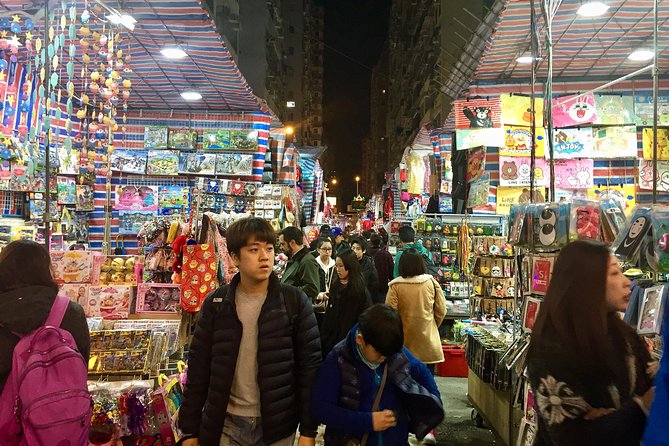
The final market is Ladies Market, one of the best-known open-air shopping areas in the district. Stalls sell clothing, clocks, DVDs, electronics accessories, and souvenirs.
This is the most familiar tourist-style market on the route, but it still works as a finale because it brings the walk into Mong Kok’s busy shopping area. You can compare the goods here with the smaller specialist markets visited earlier.
Be careful with branded handbags and watches. Some stalls may have catalogs of fake goods, but the items cannot legally be displayed, so a stall may look empty while a catalog is offered. I would treat this as something to understand, not a reason to shop. Do not assume that a catalog item is genuine or that a purchase is risk-free.
The guide finishes the tour at Mong Kok MTR station. That is convenient for continuing your evening, finding a meal, or returning to your accommodation by public transport. Since you pay your own transportation costs to Prince Edward and onward from Mong Kok, check the MTR route before the afternoon begins.
What the $156.77 price really buys you
At $156.77 per person, this is not a bargain food walk. The value depends on how much help you want with Hong Kong’s food customs, market etiquette, neighborhood layout, and unfamiliar snacks.
You receive a small-group experience, a licensed English-speaking guide, bottled water, dim sum, and additional tastings at local stalls. You also cover several market areas in one afternoon without having to plan the route yourself. For a first day in Hong Kong, that combination can save time and reduce the worry of ordering food you cannot identify.
The price is harder to justify if your main goal is simply to eat as cheaply as possible. You could visit Mong Kok markets on your own for much less, and food purchases outside the included tastings cost extra. The tour earns its price through access, explanation, and structure rather than through a large quantity of food.
I especially like it as an opening activity. One person described the route as a good way to get oriented to Hong Kong’s daily rhythm, and that makes sense. You learn the neighborhood layout, see several market types, and collect ideas for what to eat later.
Timing, fitness, and practical planning
The tour begins at 2pm and lasts about three hours and 30 minutes. That timing leaves your morning free and puts you in Mong Kok in time for an evening meal or another Kowloon activity.
Wear shoes suited to steady walking. The tour asks for a moderate level of physical fitness, and you will move through streets, market lanes, and public areas rather than staying seated. Carry only what you need, since crowded shopping streets are easier with a small bag.
Bring an appetite, but do not eat a heavy lunch just before meeting the guide. The first dim sum tasting is followed by several possible snacks, and the number of stops may change. One bottle of water is included per person, though you may want extra water in hot or humid weather.
The experience requires good weather. If poor weather forces cancellation, you can choose another date or receive a full refund. For other cancellations, cancel at least 24 hours before the local start time to receive a full refund. Changes made inside that window are not accepted.
Who will enjoy this Hong Kong walk
I would recommend this tour most strongly to first-time visitors who want a guided introduction to Kowloon. It suits people who like food but also want to see markets, local shopping areas, and daily customs.
It is also a good match if you feel unsure about ordering unfamiliar snacks alone. The guide can introduce foods such as sweet tofu, egg tarts, pineapple buns, skewers, and mini egg puffs in a clear sequence.
Families can book, with limited free places for young children, but parents should consider the walking distance, crowds, and wet-market setting. Shoppers looking for a dedicated buying session should choose another activity, since no formal shopping stop is included.
I would skip it if you dislike group schedules, crowded markets, or food selections that can change. The small group softens the first concern, but it does not remove the basic nature of the route: you are walking through active city streets, not visiting quiet showrooms.
Should you book the Local Markets Hopper and Foodie tour?
Book it if you want a guided first look at Hong Kong food and Kowloon market life, and you value explanation more than low-cost eating. The combination of dim sum, family-run snack stalls, Flower Market, Bird Garden, Goldfish Market, wet market, and Ladies Market gives you a lot of variety in one afternoon.
At $156.77, I would want the small group and guide-led context to be the main reason for booking. Confirm the expected number of tasting locations if that detail matters to you, since the description gives both three and four locations. If you are comfortable with the price, the walking, and a flexible menu, this is a useful way to get your bearings fast without reducing Hong Kong to its famous skyline.
FAQ
Where does the tour begin?
The meeting point is Prince Edward MTR station on Nathan Road in Prince Edward, Hong Kong.
What time does the tour start?
The tour starts at 2pm.
Where does the tour end?
The tour ends at Mong Kok MTR station in Mong Kok.
How long does the tour last?
The walking experience lasts approximately three hours and 30 minutes.
How large is the group?
The tour has a maximum of eight people.
What food and drinks are included?
Dim sum and food and drink tastings are included. The listed inclusions describe tastings at three locations, while the highlights refer to four local locations, so the number and selection may change with availability. One bottle of water is included per person.
Can I request vegetarian or allergy-friendly food?
Yes. Tell the provider about food allergies when booking so alternative tastings can be arranged. A vegetarian option is also available if requested at the time of reservation.
What happens if I need to cancel?
You can receive a full refund if you cancel at least 24 hours before the local start time. Cancellations or changes made less than 24 hours before the start are not accepted for a refund. If poor weather cancels the tour, you can choose a new date or receive a full refund.
Just added in Hong Kong
- Walking Tour in Hong Kong – Local Experience (New & Best)★ 4.5 · 33 reviews
- Full Day Private Trip in Hong Kong( impeccable local )walk tour★ 5.0 · 11 reviews
- Hong Kong Guided Dinner + Laser Show Lounge Entry (2023) | 200+ booked★ 3.5 · 7 reviews
- Victoria Peak Tram and Sky Terrace 428 Admission Hong Kong★ 4.5 · 33 reviews
- TurboJet Ferry E-Ticket from Hong Kong to Macau★ 4.5 · 10 reviews
- VIP Private Hong Kong City Sightseeing Tour★ 5.0 · 2 reviews
- Group Vegetarian Food & Cultural Tour★ 5.0 · 16 reviews
- Hong Kong Victoria Harbour Sightseeing Cruise Tickets★ 4.5 · 8 reviews
Food, compared.
Authentic Local Food Tour in Central Shanghai
Read our review →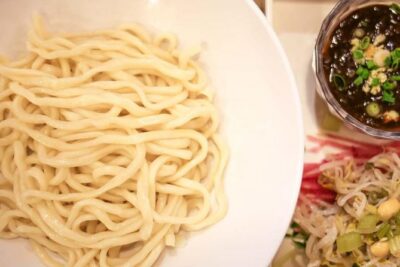
Beijing Hutong Walking Food and Beer Tour at Hidden Restaurants
Read our review →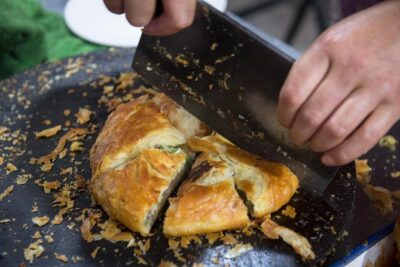
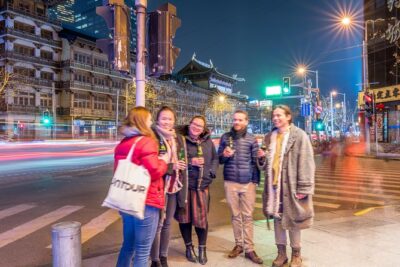
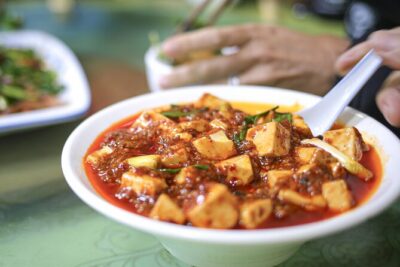
Eat Like a Local Through Shanghai’s French Concession
Read our review →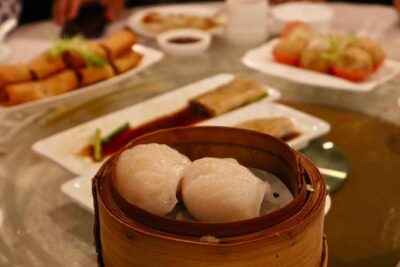
Hong Kong’s Tin Hau Hidden Eats Food Tour with 7+ Local Tastings
Read our review →
Where else this tour turns up