
Reviewed · MUSEUMS IN SHANGHAI
Shanghai: Table Tennis Museum Tour with Practice Session
China’s favorite sport gets a hands-on introduction. This three-hour Shanghai outing pairs the ITTF Museum with casual games at a local table tennis club, giving you both the story and the social side of the sport. I like that it treats table tennis as part of daily Chinese life, not just a competitive game.
I also like the small-group format, limited to eight people, and the chance to play with the guide as a companion. It is a friendly way to meet fellow participants and see locals practicing. The main consideration is that the guide is not a professional coach, so the playing hour is informal rather than a proper lesson.
In This Review
- Key points
- Why table tennis matters in Shanghai
- Starting at Expo Museum Station
- Ninety minutes inside the ITTF Museum
- From museum displays to a local club
- What the one-hour playing session feels like
- The coffee stop and finish in Xujiahui
- Is $98 a fair price?
- Who should book this Shanghai experience?
- Practical advice before you go
- Should you book it?
- FAQ
- How long does the Shanghai table tennis museum tour last?
- Where does the tour begin?
- How do I reach the museum from the subway?
- Where does the experience finish?
- Is professional table tennis coaching included?
- What should I wear?
- Is the experience suitable for children?
Key points
- The museum is the only one of its kind worldwide, making it the natural starting point for understanding table tennis in China.
- The tour connects history with participation, moving from museum displays to actual games at a local club.
- A small group of up to eight people keeps the activity more personal and less awkward for beginners.
- Guide Boyang has been praised for making play fun, including showing different types of spin without turning the session into a formal class.
- Professional training costs extra, so this tour suits casual players better than anyone seeking technical instruction.
- The tour ends in Xujiahui, with coffee at a local café included in the planned schedule.
Why table tennis matters in Shanghai
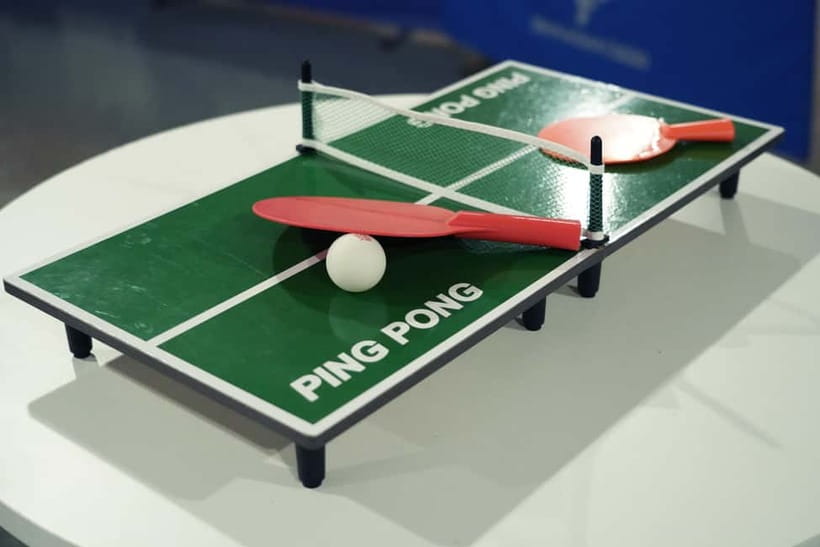
Table tennis is more than a sport in China. It is part of everyday culture, and that is the central idea behind this experience.
You begin at the International Table Tennis Federation Museum, also called the China Table Tennis Museum. The museum is described as the only one of its kind worldwide, so it offers a focused look at a sport that has a particularly important place in Chinese life.
I like this approach because it gives the playing session some context. Instead of simply arriving at a club, picking up a paddle, and hitting a few balls, you first learn why the game matters. That can make the local club feel less like a standard sports stop and more like a window into ordinary life.
The museum visit lasts about 90 minutes. That is long enough to take in the subject without making the entire outing feel like a lecture. If you have only a passing interest in table tennis, the cultural angle should help keep the visit engaging.
The museum is also a good fit for mixed groups. One person can focus on the sporting side, while another may prefer the social and historical role of the game. A verified booking from a family of four found the museum surprisingly interesting even for children aged 10 and 14, though children under 10 are not permitted on the experience.
More Museums in Shanghai
- Shanghai: Private Tour of the Shanghai Museum
★ 5.0 · 10 reviews - Shanghai: Xintiandi, CCP Museum and French Concession Tour
★ 5.0 · 9 reviews - Shanghai: Natural Museum tickets with guide(optional)
★ 4.8 · 8 reviews
Starting at Expo Museum Station
The meeting point is Exit 2 of Expo Museum Station on Shanghai Metro Line 13. From there, you walk straight for about 450 meters, then turn right and continue another 200 meters.
That is a total walk of roughly 650 meters, so you should allow a little time to find the exit and reach the museum. Shanghai’s stations can be large, and meeting at the correct exit matters. If you arrive by car or Didi, use the southeast gate of the table tennis museum as the drop-off point.
The tour begins at the museum rather than at a hotel, which keeps the meeting instructions clear but means you need to make your own way across Shanghai. I recommend arriving early, especially if you are unfamiliar with Line 13 or are traveling during a busy part of the day.
The provider arranges taxi transfers between locations. The schedule also includes a 20-minute cable car segment, so confirm the exact transport plan with the guide when you meet. The supplied details mention both taxi transfers and a cable car, and the practical arrangement may depend on the day’s route.
Ninety minutes inside the ITTF Museum
The first major stop is the International Table Tennis Federation Museum. You also visit the China Table Tennis Museum, which refers to the same museum complex in the tour information.
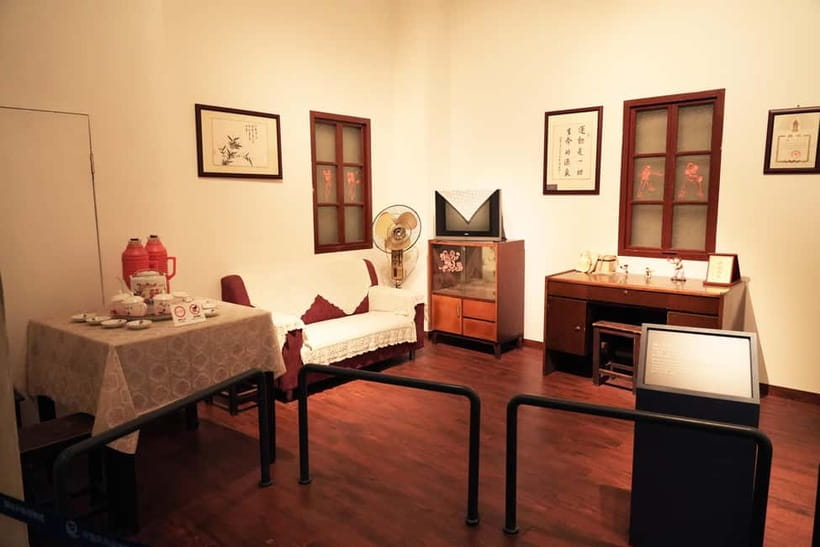
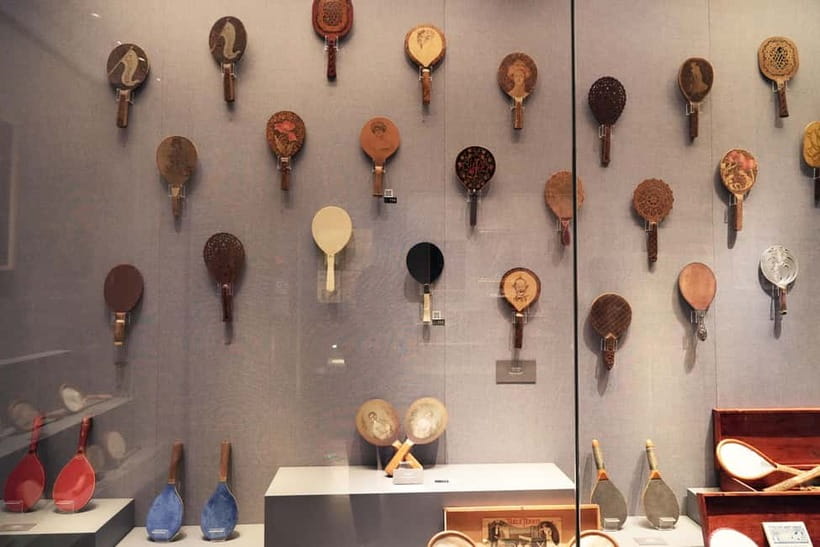
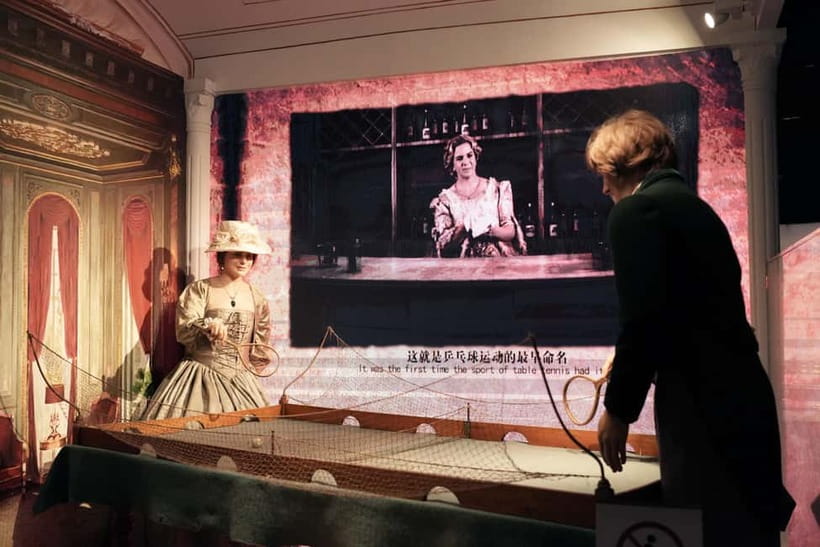
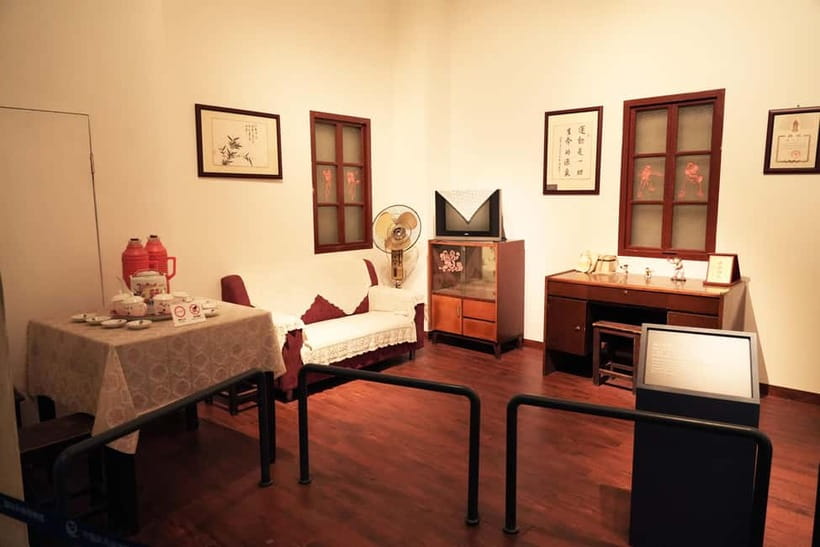
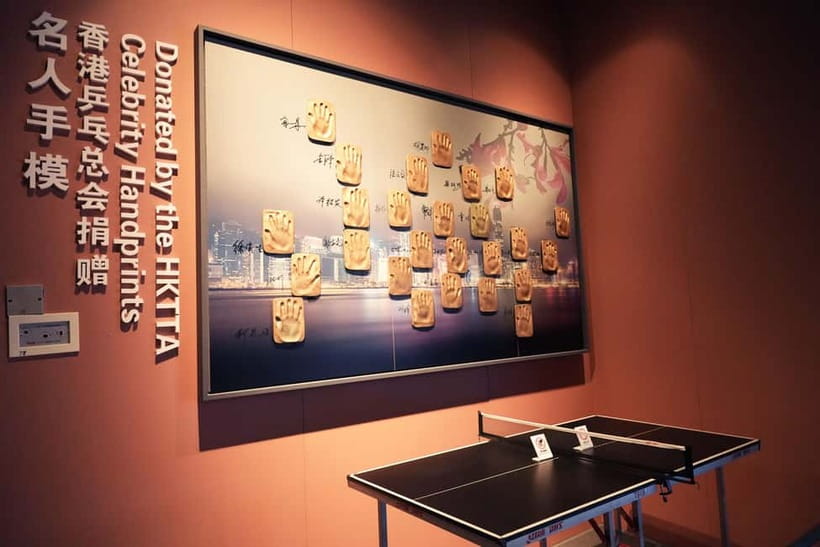
The focus here is the story and cultural importance of table tennis in China. You can expect displays connected with the sport’s development, its place in Chinese society, and the role it plays beyond elite competition.
The value of this stop is not just the number of objects on display. It gives you a better sense of why a basic table tennis table can be such a familiar sight in Chinese communities. The game is easy to start, inexpensive compared with many sports, and naturally social. Those qualities help explain why it has such a strong presence in everyday life.
I would give the museum the full 90 minutes rather than rushing through it. The later club visit is active and social, while the museum provides the quieter part of the experience. If you are mainly interested in playing, the museum may feel long. If you want to understand Chinese sports culture, it is the part that gives the outing its purpose.
The museum also works well for people who are not regular players. You do not need a strong technical background to appreciate the cultural side. The experience is designed around curiosity, not sporting ability.
From museum displays to a local club
After the museum, the tour moves to a local table tennis club. The schedule allows about one hour for the class or practice session.
The word class can be misleading here. This is not a professional coaching lesson. The guide plays with you as an amateur companion, and you share the games with the other people in your group. Think of it as organized casual play, with enough structure to get you involved but not enough to replace proper instruction.
That distinction matters. If you already play table tennis, you can enjoy a few matches and exchange shots with the guide. If you are a beginner, you can pick up a paddle and join in without the pressure of a formal lesson. The small group size should make the session easier for people with different skill levels.
The guide’s role is social and practical. You can expect help getting into the game, but not a detailed breakdown of footwork, grip, serve mechanics, or match strategy. One guide named Boyang was praised for showing different types of spin in a friendly way. That suggests the session can include useful demonstrations, but you should not book it expecting a training program.
The club itself gives you a glimpse of local sports life. You are not only playing with your own group. You may also see local players practicing nearby, which adds a more genuine feel than a private demonstration arranged only for tourists.
A completely different sort of day out:
- Authentic Local Food Tour in Central Shanghai
★ 5.0 · 1,382 reviews - Zhujiajiao Water Town and Shanghai City Private Day Tour
★ 5.0 · 1,016 reviews - Private Shanghai Full Day City Tour with Old and New Highlights
★ 5.0 · 995 reviews - Shanghai: Hop-on Hop-off Bus Ticket and Optional Attractions
★ 3.4 · 692 reviews
What the one-hour playing session feels like
The playing hour is the most interactive part of the outing. You play with fellow participants, and the guide joins the games.
I like the format because table tennis creates conversation quickly. You do not need to make small talk for an hour when you are taking turns at the table. A short rally, a missed return, or a surprisingly effective serve can break the ice.
You should wear comfortable clothes and sports shoes. This is not a sightseeing stop where you can remain in stiff clothing or dress shoes. You will be moving, bending, and reacting, even during relaxed play.
The activity is suitable for casual players, but it is not designed for people who want measurable improvement. The optional professional training session is available at an additional cost if you want structured instruction. That add-on is the better choice for anyone hoping to work on technique rather than simply enjoy the game.
The one-hour schedule may also feel short if you are enthusiastic. A family who enjoyed the experience wished they had allowed more time for table tennis. You may feel the same, particularly if the group is lively and everyone wants extra games. Ask about extending the practice session before you book if playing time is your priority.
The coffee stop and finish in Xujiahui
The planned schedule ends with about 20 minutes at a local café for coffee, followed by a finish in Xujiahui.
This is a modest ending, but it makes sense after the activity. You can cool down, talk about the museum, and compare your playing styles before heading back into the city. It also gives the guide a chance to answer final questions in a relaxed setting.
Do not think of the café stop as a major food experience. It is a short coffee break, not a meal or a full café tour. The real value is the pause between the club and the end of the outing.
Finishing in Xujiahui is useful if you plan to continue sightseeing or shopping in that part of Shanghai. It also means the tour does not return you to the starting point, so plan the rest of your day around ending there.
Is $98 a fair price?
At $98 per person, this is not the cheapest way to play table tennis in Shanghai. You are paying for more than court time, though. The price covers the museum visit, the guide, the group coordination, the practice games, and the transfers between locations.
The value depends on what you want. If you only want to hit a ball for an hour, the cost will seem high. You could likely find a local club independently for less, although the supplied information does not provide independent club prices.
I think the price is easier to justify if you want a packaged cultural experience in English. The museum gives you a place to learn, the club gives you a place to participate, and the guide connects the two. The group limit of eight also helps prevent the playing session from becoming crowded or impersonal.
Professional training is not included. If you need coaching, add that cost to your budget before deciding. The standard price suits someone who values cultural context and a social activity more than technical progress.
Free cancellation is available up to 24 hours before the start time, and you can reserve now and pay later. Those terms are useful if your Shanghai schedule is still changing, though you should always check the available starting times for your chosen date.
Who should book this Shanghai experience?
I would recommend it to you if you:
- Want to understand table tennis as part of Chinese culture
- Enjoy small-group activities with some light exercise
- Prefer a local club experience to a purely sightseeing tour
- Are comfortable playing casually without professional instruction
- Are traveling with children aged 10 or older
- Want an English-speaking guide to connect the museum and club visit
It is especially appealing for families and friends with mixed levels of interest. A serious player can enjoy the games, while a non-player may still appreciate the museum and the cultural setting.
I would not choose it if your main goal is to improve quickly. The guide is a playing companion, not a professional coach, and the casual session is shared with the group. Pay extra for the professional training option if technical instruction is the main reason you are going.
The age restrictions are clear: children under 10 are not suitable, and the experience is not suitable for people over 95. Unaccompanied minors are not allowed. Baby strollers and carriages are also not permitted.
Practical advice before you go
Wear sports shoes with a comfortable fit. Even a relaxed game can involve quick steps and sudden changes of direction, so ordinary sightseeing footwear is a poor choice.
Bring clothes that allow easy movement. You do not need a full athletic uniform, but tight or formal clothing will make the practice session less pleasant.
Plan your route to Exit 2 at Expo Museum Station. The walk to the museum is straightforward on paper, but finding the correct subway exit is the kind of small detail that can cause a late arrival.
Keep your expectations clear. The best part of this experience is the combination of museum, local club, and conversation. It is not a tournament, not a private coaching appointment, and not a full-day sports camp.
The tour is conducted in English and limited to eight participants. That makes it a good option if you want interaction without the scale of a large sightseeing group.
Should you book it?
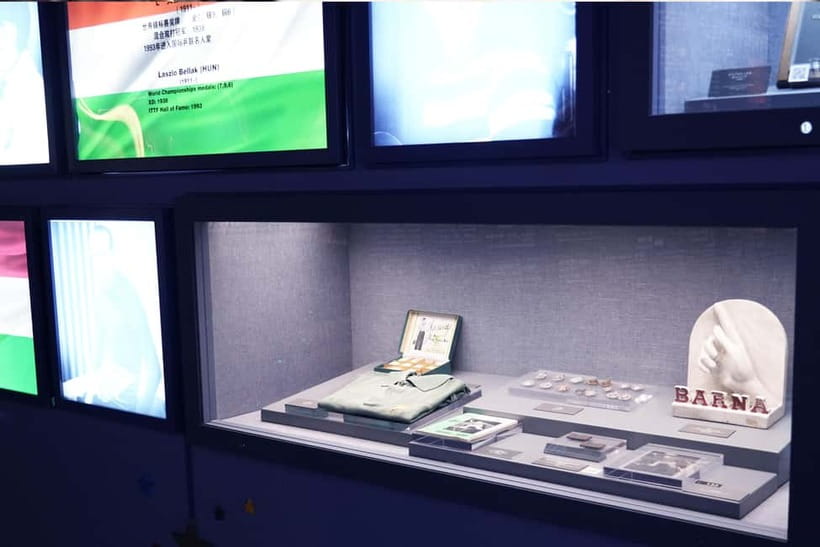
Book this tour if you want a compact, social look at Chinese table tennis culture, with enough playing time to make the subject personal. The museum is the strongest cultural feature, while the club session is the part most likely to leave you smiling.
Skip it if you want serious training or several hours at the table. In that case, pay for the optional professional session or arrange a club visit on your own.
For most curious visitors, $98 is reasonable when you value the English guide, museum admission, transport between stops, and the chance to play with a local companion. Just wear proper shoes, arrive at the correct subway exit, and treat the practice hour as friendly sport rather than a lesson.
FAQ
How long does the Shanghai table tennis museum tour last?
The experience lasts three hours, including the museum visit, transport between locations, table tennis activity, and coffee stop.
Where does the tour begin?
It begins at the International Table Tennis Federation Museum, also called the China Table Tennis Museum. By subway, use Exit 2 of Expo Museum Station on Line 13.
How do I reach the museum from the subway?
Walk straight from Exit 2 for about 450 meters, then turn right and continue for another 200 meters.
Where does the experience finish?
The tour finishes in Xujiahui.
Is professional table tennis coaching included?
No. The standard experience includes casual games with an amateur player guide. Professional training is available at the local club for an additional cost.
What should I wear?
Wear comfortable clothes and sports shoes suitable for light exercise and table tennis.
Is the experience suitable for children?
Children under 10 are not permitted. Children aged 10 and older may join, and unaccompanied minors are not allowed.
Just added in Shanghai
- Suzhou Private Guided Day Trip from Shanghai by Bullet Train★ 5.0 · 46 reviews
- Suzhou and Zhujiajiao Private Guided Day Trip from Shanghai★ 5.0 · 27 reviews
- Shanghai: Zhujiajiao Water Town with Calligraphy Experience★ 5.0 · 17 reviews
- Shanghai:Wing Chun Kung Fu in Shanghai’s Beautiful Park★ 5.0 · 2 reviews
- Shanghai:Old Town, Yu Garden, Zhujiajiao Water Town Bus Tour★ 4.7 · 16 reviews
- Shanghai: Yu/Yuyuan Garden Entry Ticket–E ticket★ 4.4 · 24 reviews
- Shanghai: Yuyuan, City God Temple Old City Tour-Tip Based★ 5.0 · 10 reviews
- Shanghai: Zhujiajiao Water Town Private Tour with Boat Ride★ 5.0 · 2 reviews
Museums in Shanghai, compared.

Private Shanghai Day Tour: Shanghai Museum, Yu Garden, Bund, Huangpu Cruise
Read our review →Where else this tour turns up