
Reviewed · MUSEUMS IN SHANGHAI
Shanghai: Private Tour of the Shanghai Museum
Ancient bronze tells modern stories. This three-hour private tour of the Shanghai Museum gives you a clear path through major Chinese art collections, with a local guide explaining why the objects matter instead of leaving you to guess from labels. I especially like the focus on bronze, ceramics, and jade, and I like that the guide can adjust the visit to your interests. The main drawback is that three hours cannot cover everything in a large museum, and special exhibitions cost extra.
The strongest part is the guiding. Vicky has been praised for her superb English and exceptional knowledge of Chinese ceramics, while Linda Chen is known for lively background stories and a flexible approach. Bring your passport or ID card, meet at the East Wing entrance, and remember that cameras are not allowed.
In This Review
- Key points to know before you book
- Why a guided visit helps at Shanghai Museum
- Meeting your guide at the East Wing
- Shang and Zhou bronze: where power becomes visible
- Ceramics from Ming blue and white to Qing refinement
- Jade, burial objects, and moral symbolism
- The extra galleries and the final questions
- Is $60 per person good value?
- Who should book this museum tour?
- Practical advice for a smoother three hours
- Final verdict: a smart introduction to Chinese art
- FAQ
- How long does the Shanghai Museum private tour last?
- What galleries are included in the tour?
- Is museum entry included in the price?
- Are special exhibitions included?
- Where does the tour meet?
- What identification should I bring?
- Is the tour available in English?
- Are cameras allowed during the tour?
- Is the tour wheelchair accessible?
- Can I cancel the booking?
Key points to know before you book
- Bronze vessels come first: You learn how Shang and Zhou ritual objects reflected power, belief, and social rank.
- Ceramics receive serious attention: The Ming and Qing displays, especially blue-and-white porcelain, are a major focus.
- Jade has cultural meaning: The guide explains why jade represented purity and moral integrity, not simply beauty.
- The guide shapes the visit: Vicky, Linda Chen, and Tom have earned praise for clear explanations, patience, humor, and flexibility.
- The tour costs $60 per person: Entry and the guide are included, making the price reasonable if you value context and personal attention.
- Plan around museum rules: Bring identification, leave your camera behind, and remember that special exhibition admission is separate.
Why a guided visit helps at Shanghai Museum
A museum of Chinese art can be difficult to read without background. A bronze vessel may look like an attractive old container, while its real importance lies in the ceremony it supported, the authority of its owner, or the technical skill needed to cast it. A guide gives you that missing frame.
This tour is built for people who want more than a quick walk past display cases. You move through selected galleries with someone who can connect objects to Chinese customs, political structures, craftsmanship, and changing artistic tastes. That makes the experience useful for a first visit, especially if you do not already know the difference between the Shang, Zhou, Ming, and Qing periods.
The private format is another advantage. You are not tied to a large group moving at one fixed pace. The guide can spend more time on ceramics if that is your interest, answer questions as they arise, and introduce other galleries available that day. Previous guide feedback gives you a sense of the service: Vicky was praised for her command of ceramics and her excellent English, while Linda Chen was appreciated for her stories, warmth, and ability to keep the visit flexible.
The limitation is simple. Three hours sounds generous, but the museum has more material than any one tour can cover. You will get an informed selection, not every room and every object. That is usually the right trade-off, since trying to see everything can turn a museum visit into a race.
More Museums in Shanghai
- Shanghai: Xintiandi, CCP Museum and French Concession Tour
★ 5.0 · 9 reviews - Shanghai: Natural Museum tickets with guide(optional)
★ 4.8 · 8 reviews - Private Shanghai Day Tour: Shanghai Museum, Yu Garden, Bund, Huangpu Cruise
★ 5.0 · 6 reviews
Meeting your guide at the East Wing
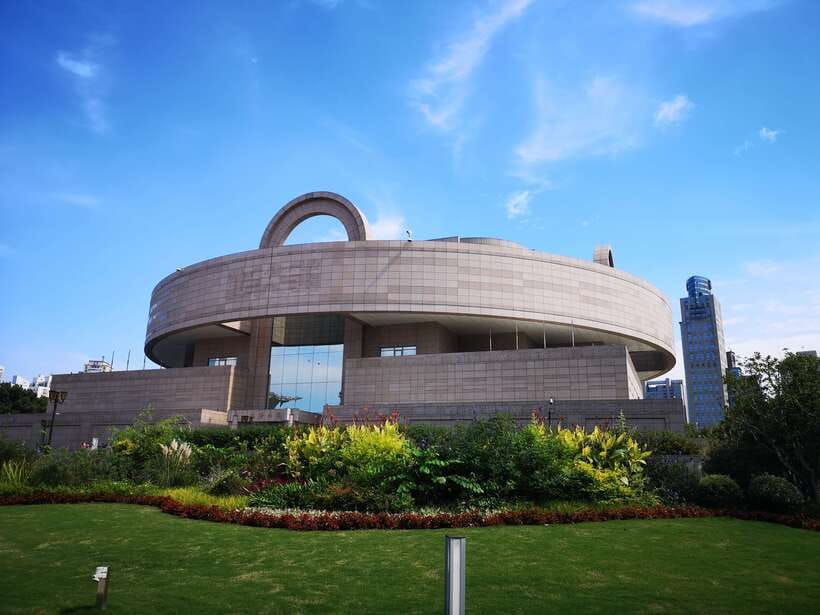
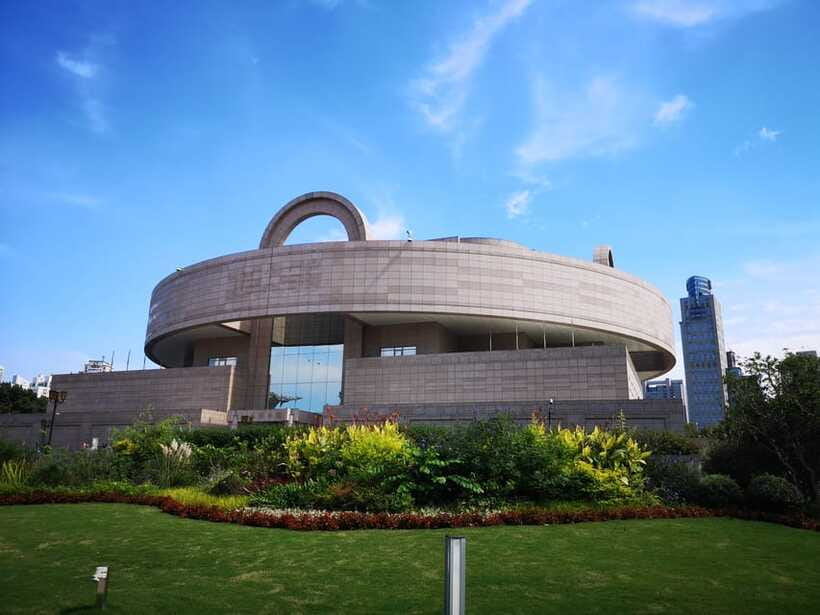
You meet at the entrance of the Shanghai Museum East Wing. The guide holds a sign with your name, which should make the first meeting easier in a busy public space. You arrange your own way to the museum because hotel pickup is not included.
The meeting point matters, so check the details before leaving for the museum. A previous booking included WhatsApp messages with the exact meeting instructions, and that kind of direct contact is useful when you are navigating an unfamiliar city. Still, do not rely on last-minute improvisation. Have the meeting point saved and carry the required passport or ID card.
The guide speaks Chinese or English, depending on your booking. The English feedback is particularly strong. Stephen described Vicky as patient, highly informed, and able to answer a wide range of questions in excellent English. Virginia found Linda’s explanations clear and engaging, with background stories that made the objects easier to understand.
Cameras are not allowed. This is an important practical point for anyone who normally records every museum room. The supplied information does not specify rules for every other type of device, so follow the museum’s instructions on the day.
Shang and Zhou bronze: where power becomes visible
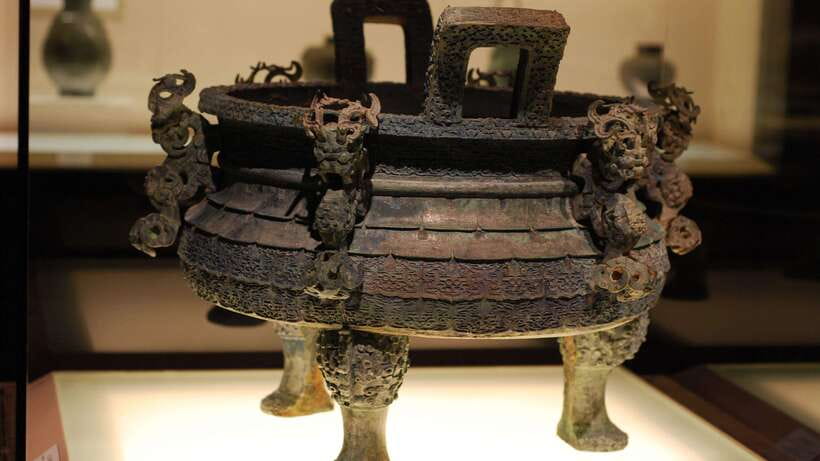
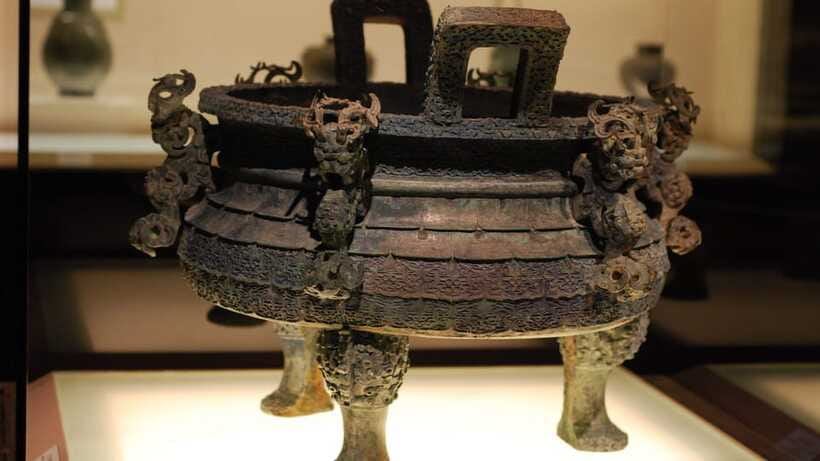
The tour begins in the Bronze Gallery, with objects from the Shang period, dated 1600 to 1046 BC, and the Zhou period, dated 1046 to 256 BC. This is a strong opening because bronze offers a direct look at early Chinese ritual life and government.
Your guide explains how bronze vessels were used in ceremonies and why ownership of such objects carried social meaning. You will see ritual vessels and weapons, then learn how their forms and decoration relate to the people who commissioned them. The point is not just that these objects are old. Their size, design, and use can reveal who held authority and how society was organized.
The casting process is also part of the story. Bronze production required skill, planning, and access to materials and labor. When your guide explains the techniques, the objects begin to feel less like isolated antiques and more like products of an organized culture with specialists, patrons, and formal traditions.
I like this gallery as a starting point because it gives you a way to read the rest of the museum. You begin with ceremony and rank, then later see how artistic priorities shift toward porcelain decoration, refined shapes, and the symbolic value of jade.
A possible drawback is that the bronze section may appeal less if you mainly want colorful objects or delicate decorative art. Give it time. The guide’s explanations are what make the vessels and weapons meaningful. Without that context, it is easy to glance around and move on too quickly.
Ceramics from Ming blue and white to Qing refinement
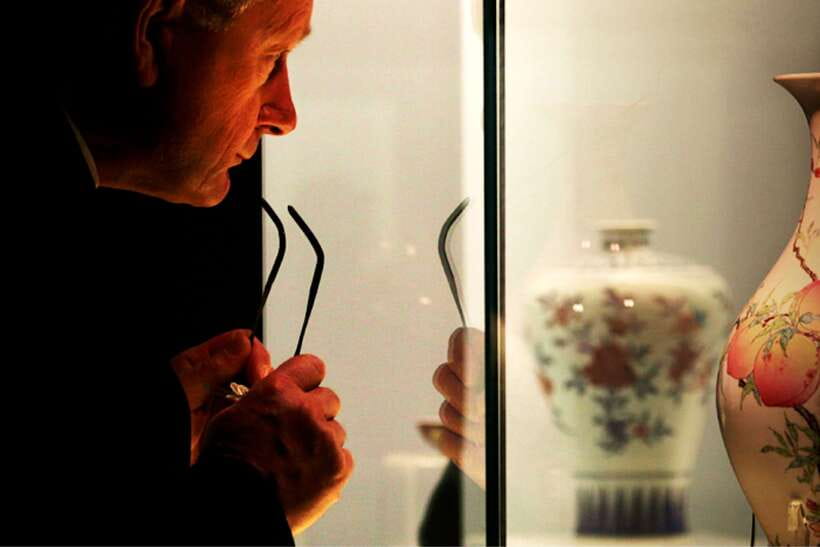
The Ceramics Gallery is likely to be the highlight for anyone drawn to porcelain. The tour places particular attention on pieces from the Ming and Qing dynasties, along with the famous blue-and-white style.
Your guide traces changes in ceramic art over time, including shifts in style and outside influences. That historical sequence is useful because it shows that porcelain was not a single unchanging tradition. Shapes, decoration, colors, and technical methods developed across different periods.
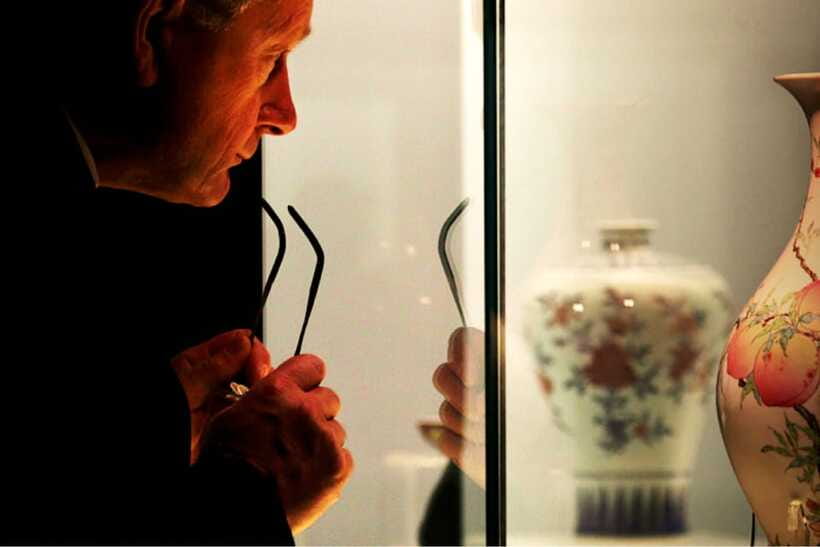
Blue-and-white porcelain rewards a close look. At first, the appeal is obvious: white surfaces set against detailed blue designs. The guide adds the historical meaning and helps you notice the choices behind the decoration. You can examine patterns, forms, and the care required to produce such controlled work.
This is also where a guide can save you from a common museum problem: spending too long on the most familiar objects and missing the changes around them. Vicky received particular praise for her explanations of Chinese ceramics, with one booking describing her information as exceptional. If porcelain is your main reason for visiting, ask at the start for enough time in this gallery.
Do not assume the tour covers every ceramic display in equal depth. The guide chooses the route within the three-hour schedule and may adapt it to your interests. That flexibility is helpful, but it means the exact balance between galleries can vary.
A completely different sort of day out:
- Authentic Local Food Tour in Central Shanghai
★ 5.0 · 1,382 reviews - Zhujiajiao Water Town and Shanghai City Private Day Tour
★ 5.0 · 1,016 reviews - Private Shanghai Full Day City Tour with Old and New Highlights
★ 5.0 · 995 reviews - Shanghai: Hop-on Hop-off Bus Ticket and Optional Attractions
★ 3.4 · 692 reviews
Jade, burial objects, and moral symbolism
The Jade Gallery shifts the mood. Here the emphasis is not only on workmanship but also on what jade meant in Chinese culture.
You learn about jade objects dating back thousands of years and their use in burial items and ornaments. The guide explains carving methods and the patience required to shape a hard material into precise forms. Even small pieces can represent a major investment of time and skill.
Jade also carried moral associations. In this tour, the guide discusses its links with purity and moral integrity. That turns the gallery into a lesson in values as well as art. You are not simply looking at polished green stone. You are seeing how material, belief, and social identity came together.
This section may be especially rewarding if you enjoy objects with symbolic meaning. It is less immediately dramatic than a large bronze vessel or a bold porcelain design, so listen closely to the explanation. The cultural context gives the pieces their weight.
As with the other galleries, the visit is selective. The exact objects discussed can depend on the guide, your interests, and what is available on the day. If jade is important to you, say so early rather than hoping the guide will automatically spend most of the tour there.
The extra galleries and the final questions
After bronze, ceramics, and jade, your guide introduces other galleries available that day. The supplied details do not promise a fixed list, so you should treat this part as flexible rather than guaranteed. That is useful if you want a broader look at the museum, but less useful if you need a precise route planned around one particular collection.
The final part is a short wrap-up and question period. This is more valuable than it may sound. Museums often leave you with half-formed questions, especially after seeing objects from several periods in a short time. You can clarify a symbol, ask about a technique, or request suggestions for areas to explore on your own.
The guide can also point you toward further museum resources and special exhibitions. Keep in mind that special exhibition entry is not included in the $60 price. If one is showing during your visit, ask about the extra admission before entering.
Is $60 per person good value?
At $60 per person, the price includes museum entry and a private guide for three hours. Drinks, hotel pickup, and special exhibition tickets are separate.
The value depends on how you use museums. If you are comfortable reading labels and prefer to wander alone, you may find the cost hard to justify. The museum admission itself is included, but the main purchase here is interpretation and time saved.
For me, the value is strongest for a first visit, a short stay in Shanghai, or anyone who wants Chinese art explained in English. A private guide can help you focus on the most important displays instead of spending half your visit working out what you are seeing. It also gives you the chance to ask questions that a standard audio guide may not answer.
The feedback supports that value. Tom was praised for being thorough, entertaining, and well informed. Michael found Tom excellent throughout the visit. Stephen said Vicky went far beyond expectations, and Feargus appreciated Linda Chen’s anecdotes and enthusiasm. Those comments point to a tour whose quality rests heavily on the individual guide.
That is both the strength and the variable. A great guide can turn a display case into a story. Your exact experience will depend on the person assigned, your interests, and how actively you take part.
Who should book this museum tour?
I would recommend it to:
- First-time visitors to the Shanghai Museum
- People interested in Chinese art but unsure where to begin
- Museum fans who want historical and cultural context
- Couples, families, or small private parties that prefer their own pace
- English-speaking visitors who want to ask detailed questions
- Anyone with only a few hours and a desire to see the major collections efficiently
It is less suited to you if you want a completely independent visit, need hotel transportation included, or plan to spend most of the day at special exhibitions. It is also not the best fit if you want to photograph the collection, since cameras are not allowed.
The tour is wheelchair accessible, which broadens its usefulness, though the supplied details do not describe every accessibility feature inside the museum. If you have specific mobility needs, confirm the practical arrangements before booking.
Practical advice for a smoother three hours
Arrive with your passport or ID card. You need it for the activity, and forgetting it could create an avoidable problem.
Wear something comfortable for a museum visit and leave room in your schedule after the tour if you want to explore more galleries independently. Three hours gives you a solid introduction, not a full day of viewing.
Tell the guide what interests you before the tour begins. If you care most about Ming and Qing porcelain, say so. If bronze ritual objects or jade symbolism are your priority, the guide can shape the discussion around those interests.
Keep your expectations realistic about photography and special exhibitions. The basic tour includes the main museum entry, but not separate special exhibition access. The camera restriction means you should focus on looking carefully and taking mental notes.
The booking terms are traveler-friendly: you can cancel up to 24 hours in advance for a full refund, and you can reserve now and pay later. Starting times depend on availability, so check the schedule before building the rest of your day around it.
Final verdict: a smart introduction to Chinese art
Book this tour if you want the Shanghai Museum to make sense, not simply to look impressive. The bronze, ceramic, and jade galleries offer a strong foundation, and the best guides add the stories, symbols, and technical details that labels cannot always provide.
I would choose it for a first museum visit, especially if English guidance matters to you. The $60 cost is fair for a private three-hour lesson with admission included, though independent museum fans may prefer to save the money and explore alone. Ask for the galleries that match your interests, bring identification, leave the camera behind, and allow extra time if you want to continue after the guided visit.
FAQ
How long does the Shanghai Museum private tour last?
The tour lasts three hours.
What galleries are included in the tour?
The planned visit includes the Bronze Gallery, Ceramics Gallery, and Jade Gallery. The guide may also introduce other galleries available on the day.
Is museum entry included in the price?
Yes. The $60 per person price includes entry to the Shanghai Museum and the guide.
Are special exhibitions included?
No. Entry to special exhibitions is not included.
Where does the tour meet?
You meet at the entrance of the Shanghai Museum East Wing. The guide holds a sign with your name.
What identification should I bring?
Bring your passport or ID card.
Is the tour available in English?
Yes. Live guiding is available in Chinese and English.
Are cameras allowed during the tour?
No. Cameras are not allowed.
Is the tour wheelchair accessible?
Yes. The activity is listed as wheelchair accessible.
Can I cancel the booking?
Yes. You can cancel up to 24 hours in advance for a full refund. You can also reserve now and pay later.
Just added in Shanghai
- Suzhou Private Guided Day Trip from Shanghai by Bullet Train★ 5.0 · 46 reviews
- Suzhou and Zhujiajiao Private Guided Day Trip from Shanghai★ 5.0 · 27 reviews
- Shanghai: Zhujiajiao Water Town with Calligraphy Experience★ 5.0 · 17 reviews
- Shanghai:Wing Chun Kung Fu in Shanghai’s Beautiful Park★ 5.0 · 2 reviews
- Shanghai:Old Town, Yu Garden, Zhujiajiao Water Town Bus Tour★ 4.7 · 16 reviews
- Shanghai: Yu/Yuyuan Garden Entry Ticket–E ticket★ 4.4 · 24 reviews
- Shanghai: Yuyuan, City God Temple Old City Tour-Tip Based★ 5.0 · 10 reviews
- Shanghai: Zhujiajiao Water Town Private Tour with Boat Ride★ 5.0 · 2 reviews
Museums in Shanghai, compared.

Private Shanghai Day Tour: Shanghai Museum, Yu Garden, Bund, Huangpu Cruise
Read our review →
Where else this tour turns up