
Reviewed · HUTONG TOURS
Hutong Walking Tour: Discover Real Beijing without Crowds
Quiet Beijing is still there. This small-group walk pairs traditional hutongs with temples, a cathedral, old architecture, and everyday neighborhood life, giving you a useful look at how the city has changed. I especially like the small groups of no more than eight and the way guides such as Dee and Tracy explain not only what you are seeing, but why it matters.
I also like the mix of religious sites and ordinary streets, from Guangji Temple and Miaoying Temple to a local café and one of Beijing’s oldest hutongs. You receive a traditional Beijing drink, often described as plum juice or iced tea, and practical suggestions for food and shopping. The main catch is clear: only about half of the 2.5-hour walk is spent in hutongs. The rest covers other local sights and distinctive buildings, so this is not a pure alleyway tour.
In This Review
- Key points to know before booking
- Starting at Xisi and meeting the old city
- Guangji Temple and the meaning of Beijing’s religious spaces
- Church of the Saviour and Beijing’s mixed traditions
- Zhengyang Bookstore and the small details of local culture
- Zhuanta Hutong and the everyday side of Beijing
- The Emperors Temple of Past Dynasties
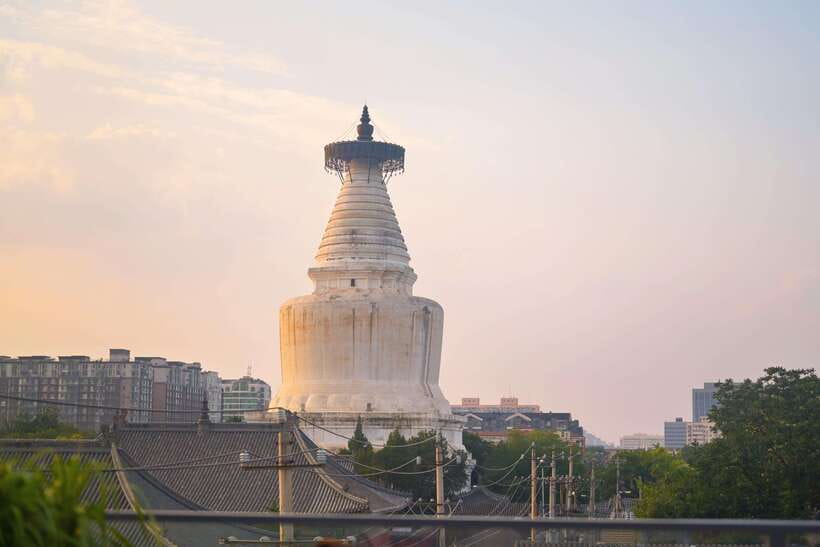
- Miaoying Temple and the white stupa
- A drink with a view of old Beijing
- Why the guides make such a difference
- Is $49 a fair price?
- Who should book this walk?
- Should you book the Hutong Walking Tour?
- FAQ
- Where does the tour start?
- How long is the walking tour?
- How much of the tour takes place in hutongs?
- Is the entrance fee included?
- Is a drink included?
- Is the tour suitable for wheelchair users?
Key points to know before booking
- A 3-kilometer walk through central Beijing: You will cover real ground, often on footpaths and city streets, so comfortable shoes matter.
- Only eight people per group: The small size makes it easier to ask questions and adjust the pace.
- A thoughtful mix of old and new: Hutongs, courtyard homes, temples, a cathedral, and changing urban design all fit into one route.
- Strong English-speaking guides: Dee, Tracy, Heidi, and other guides are praised for clear explanations, patience, and useful city advice.
- A traditional drink is included: The final refreshment may be plum juice, iced tea, or another local drink, depending on the day.
- A good first-day activity: The architecture and cultural background can help you make more sense of later visits around Beijing.
Starting at Xisi and meeting the old city
The tour begins at Xisi Subway Station, Exit D, on Metro Line 4. This is a practical meeting point because you can reach it by subway without paying for a separate transfer or trying to find a vehicle in central traffic.
From the start, the route aims to show the contrast between older Beijing and the city’s modern financial and commercial growth. You are not simply moving from one famous monument to another. Instead, the walk uses streets, religious buildings, traditional architecture, and local businesses to explain how Beijing has been reshaped.
That approach is useful because the hutongs are not frozen museum pieces. They are neighborhoods where people live, worship, shop, and move through daily routines. You should respect residents’ privacy, avoid photographing people without permission, and remember that these lanes are homes first and attractions second.
The route covers around 3 kilometers. That is manageable for most people who are comfortable walking for a couple of hours, but it is not a slow, seated sightseeing tour. Bring water, sunscreen, and a hat in warm or sunny weather. The tour is not suitable for wheelchair users or people with mobility impairments.
More Walking Tours in Beijing
- Beijing Hutong Walking Food and Beer Tour at Hidden Restaurants
★ 5.0 · 1,132 reviews - Private Beijing Walking Tour of the Forbidden City with 7 Options
★ 5.0 · 675 reviews - Forbidden City Private Walking Tour with Optional Sights
★ 5.0 · 400 reviews
Guangji Temple and the meaning of Beijing’s religious spaces
Guangji Temple is one of the early stops and gives the tour a calm, reflective beginning. Here, your guide can explain Buddhist traditions and the role temples have played in Beijing’s cultural life.
The value of a stop like this is not only the building itself. A guide helps you notice how architecture, symbols, courtyards, and religious practice connect. Ismail from the United Arab Emirates found the Buddhist temple especially memorable and recommended taking the walk before visiting the Forbidden City because the background on symbolism made later sights easier to understand.
The exact amount of time at each stop can vary, but the format is a guided visit rather than a quick photo stop. Dee, Tracy, and Heidi are repeatedly praised for answering questions patiently and making complicated cultural subjects easier to follow.
If you are interested in Chinese architecture, this is one of the strongest parts of the walk. If you mainly want nonstop hutong alleys, keep in mind that temple visits take up part of the schedule.
Church of the Saviour and Beijing’s mixed traditions
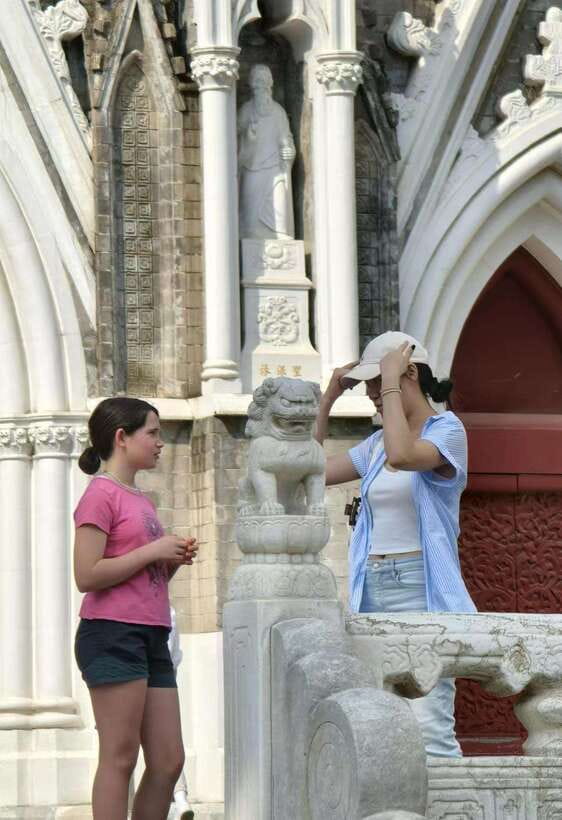
The Church of the Saviour, also known as Xishiku Church, adds a striking change of mood. After a Buddhist temple, you visit a Christian church, giving you a chance to consider Beijing’s religious variety rather than seeing the city through only one tradition.
This contrast is one of the tour’s smart choices. The route does not present old Beijing as a single, tidy story. Instead, it shows how different faiths and architectural styles have become part of the city.
Angeline from Singapore particularly enjoyed the atmosphere of both the local temple and the cathedral. That pairing makes the walk more than a tour of residential lanes. You gain a wider view of Beijing’s cultural life and the way different buildings sit within the same urban area.
Zhengyang Bookstore and the small details of local culture
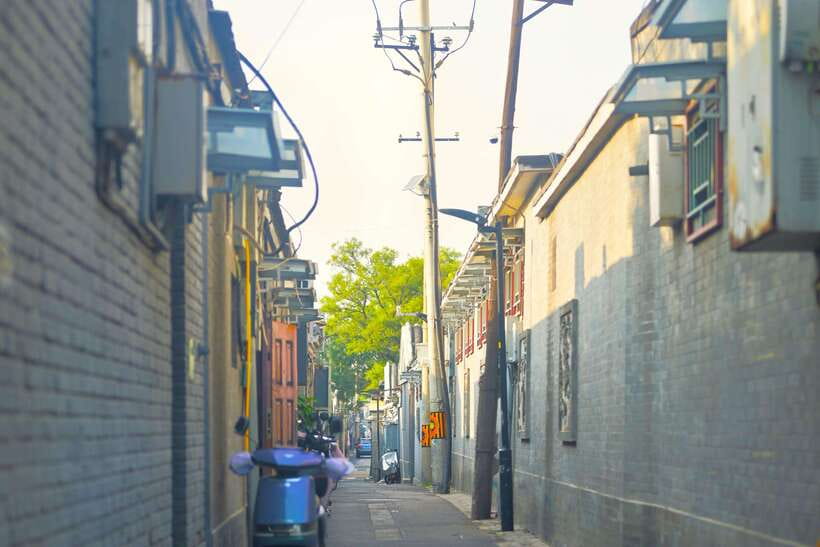
The stop at Zhengyang Bookstore, written as 正阳书局, brings the route into a more contemporary cultural setting. You can visit, listen to an explanation, and browse or shop.
This is a useful pause from major historic buildings. A bookstore can show how local culture is presented, remembered, and shared today. It also gives you a chance to pick up something connected to Beijing beyond the usual souvenirs.
The route may also include a traditional Chinese pharmacy or clinic, based on how the walk has operated on recent visits. That stop has become a favorite for many people because it offers a look at traditional health practices and ends with a drink at a rooftop café. One visitor described trying a sour plum drink with Chinese herbs, while others enjoyed iced tea or coffee while looking over old Beijing.
Because the official details identify this part as a local café rather than promising one exact drink or rooftop setting every time, you should treat the refreshment as the reliable inclusion and the precise location or flavor as subject to change.
More Hutong Walks in Beijing:
- Temple Heaven, Summer Palace, Lama Temple, Hutong Bus Tour
★ 4.7 · 319 reviews - Temple of Heaven, Summer Palace, Lama Temple, Hutong Tours
★ 5.0 · 311 reviews - Beijing Private Hutong Food Walking Tour
★ 5.0 · 299 reviews - The Hutong Experience by Bike
★ 5.0 · 163 reviews
Zhuanta Hutong and the everyday side of Beijing
Zhuanta Hutong is where the tour gets closest to the daily life many people hope to see. The narrow lanes and older homes provide a sense of how Beijing developed around courtyard residences and neighborhood networks.
Your guide explains the difference between simply walking through a lane and understanding its design. You may learn about siheyuan, the traditional courtyard home, and how buildings, entrances, and street layouts reflect older ideas about family life, privacy, and social order.
This is also where the tour’s promise of real Beijing needs a little context. You are not being taken to a completely untouched district. Beijing’s hutongs have changed, and many have been renovated, rebuilt, or affected by modern development. That change is part of the subject. The guide discusses urban design and the pressure between preservation and the needs of a growing city.
Karen from the United Kingdom appreciated visiting an area where ordinary Beijing residents live without the crush found at major attractions. Florence from Belgium also valued the quiet streets and the chance to find historic places with few other people around.
Please keep your expectations sensible. The route is not an extended wander through every type of hutong in the city. About half the overall walk is in hutongs, and the remainder is devoted to temples, churches, historic buildings, and local stops.
The Emperors Temple of Past Dynasties
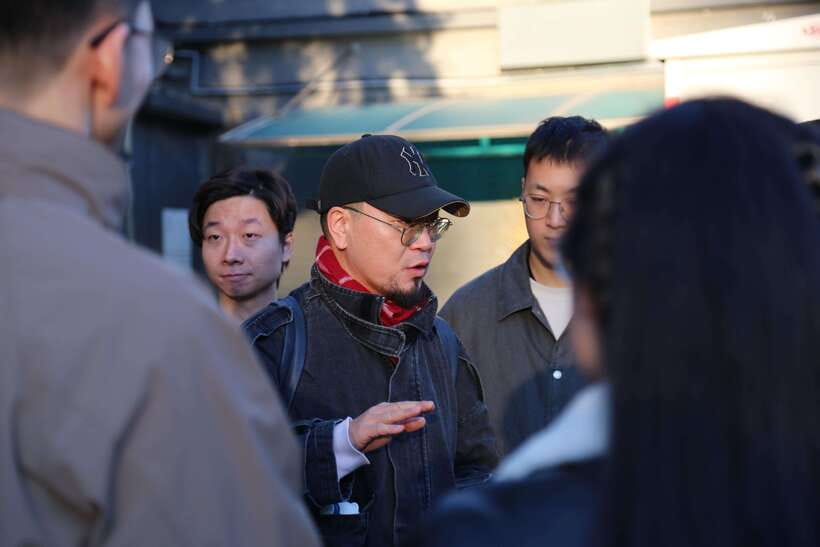
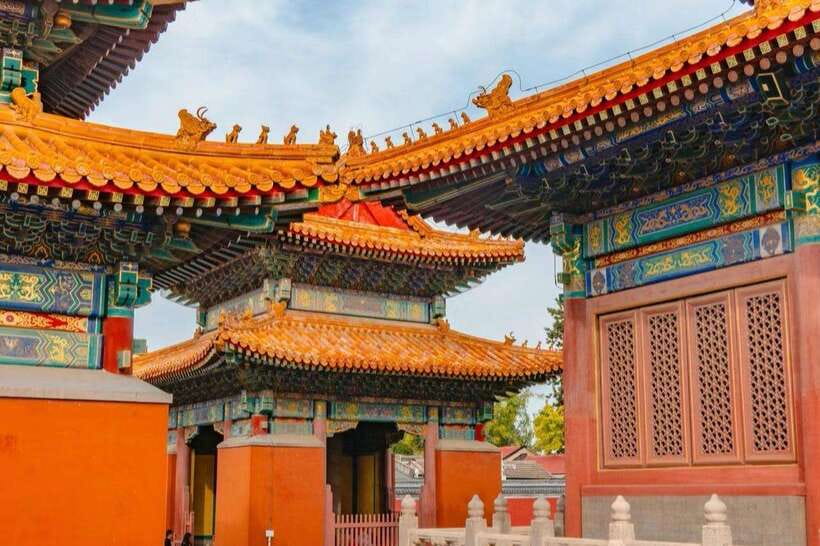
The Emperors Temple of Past Dynasties, also called the Palace of Ancient Monarchs, is one of the key historic stops. The admission fee is included, except that the site is closed on Mondays.
This place adds an official, ceremonial side to the walk. It is not just about residential lanes and local cafés. Your guide can explain the building’s purpose, its architectural details, and the way imperial memory was organized through ritual spaces.
The distinction between a courtyard home, temple, palace, and stupa becomes clearer when you see several forms during the same morning. Jaabir from the United Arab Emirates valued Tracy’s explanation of Chinese architecture and the design principles behind it. That kind of context is especially helpful if you are seeing Beijing’s grander monuments later in your trip.
The itinerary lists this stop as a photo stop and guided visit. Depending on timing and opening conditions, you may have more time inside than at some other locations, but you should not expect a lengthy museum-style visit.
Miaoying Temple and the white stupa
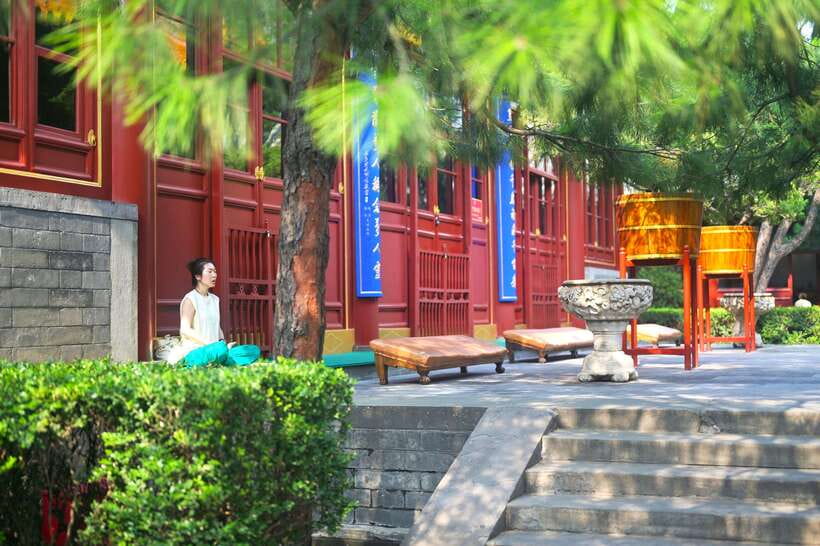
Miaoying Temple is another major architectural highlight. Its white stupa gives the site an unmistakable profile and provides one of the route’s clearest examples of Beijing’s Buddhist heritage.
The temple is also valued for its calmer atmosphere. Karen described both the Buddhist temple and the Temple of the Monarchs as peaceful places in the middle of the city. That feeling is important: the walk offers breaks from traffic and dense city movement without pretending that modern Beijing is far away.
Your guide’s role is central here. A large group might leave you staring at a building without knowing what to look for. In a group capped at eight, you can ask about symbols, layout, religious use, and the relationship between the temple and surrounding streets.
Miaoying Temple is listed as a photo stop and guided visit, so bring a phone or camera if you enjoy architectural details. As always, follow local rules about photography and behave quietly inside religious spaces.
A drink with a view of old Beijing
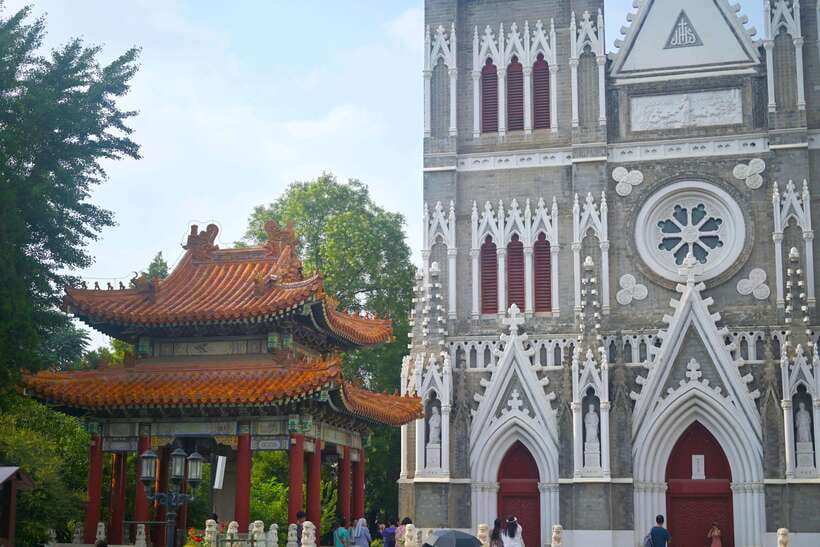
The included traditional Beijing drink gives the walk a pleasant final pause. Recent versions of the tour have ended at a local café, sometimes on a rooftop, where people enjoyed plum juice, iced tea, coffee, or a drink made with Chinese herbs.
This small extra has real value. After 3 kilometers of walking, you have time to sit, talk, and ask questions that did not fit neatly into the route. Guides also offer suggestions for restaurants, shopping, and getting around Beijing on your own.
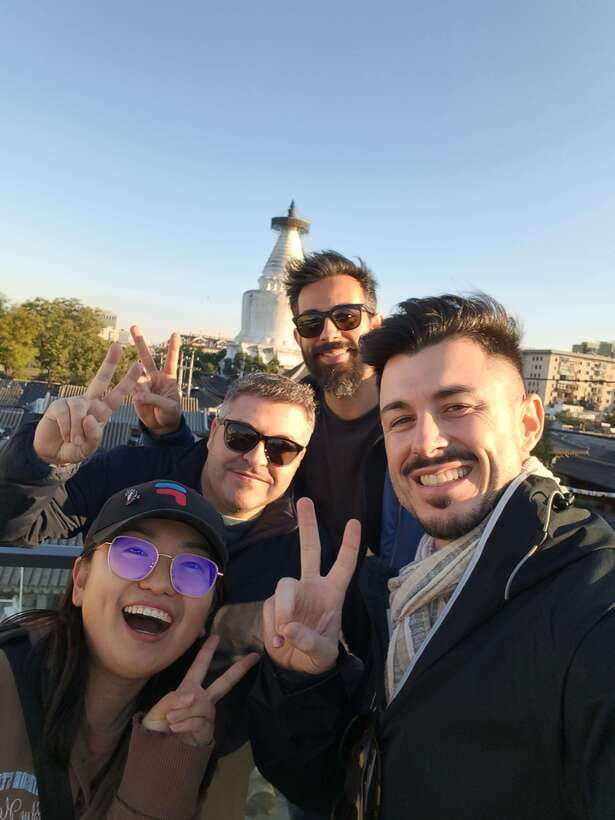
Karin from the United Kingdom especially enjoyed iced tea on a rooftop overlooking old Beijing. Mohammed Nazmul from the United Kingdom also described ending with a drink at a lively rooftop restaurant. These details suggest that the final stop is more than a token beverage, though the exact café and drink may vary.
Do not count on a full meal. Food and other personal expenses are not included, so plan lunch separately. The drink is a thoughtful finish, not a substitute for one.
Why the guides make such a difference
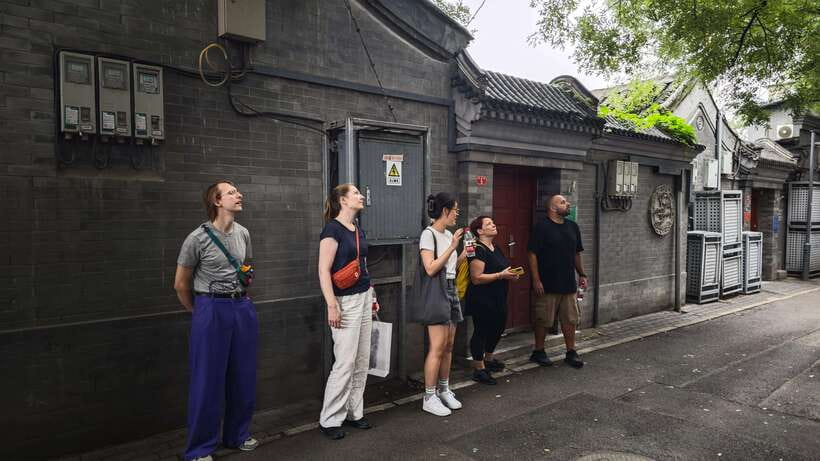
The most praised part of this walk is the guiding. Dee is often described as warm, patient, clear, and passionate about Beijing. Tracy receives similar praise for her explanations of Chinese history, architecture, culture, and modern life. Heidi is also noted for making the tour enjoyable for families with children.
That range matters because this route contains several subjects that can become dry in less capable hands. Symbols, religious architecture, imperial traditions, urban change, and local customs need explanation, but too much lecturing can drain the energy from a walking tour.
The strongest reports describe guides who adjust the pace, answer questions, take photos, and offer advice for the rest of your stay. Paula Aracely Araneda from the Netherlands received a private tour when other participants cancelled, and appreciated that Dee still went ahead. Karen also enjoyed the personal conversations about life in China and the guide’s experiences abroad.
A private tour is not guaranteed, but the small-group format gives you a better chance of a personal exchange than a large bus outing. English and Chinese are available.
Is $49 a fair price?
At $49 per person, the cost is reasonable if you want interpretation rather than just a walk through old streets. The price includes 2.5 hours with a local guide, entry to the Palace of Ancient Monarchs, and a traditional drink.
You are also paying for route planning. Several locations on this walk are easy to miss if you do not know the area, and a guide connects them into a clear story about Beijing’s architecture and daily life.
The value is weaker if you want only hutongs. Since roughly half the tour includes other attractions and buildings, someone seeking a long, uninterrupted alley walk may prefer a different outing. You also pay separately for transportation, meals, and personal purchases.
I would book it early in a Beijing visit. The advice on restaurants, shopping, symbolism, and city navigation can help shape the rest of your stay. Yinon from New Zealand called it an ideal starting point, and that makes sense: you receive cultural context before seeing bigger imperial sights.
Who should book this walk?
I would choose this tour if you want to:
- See residential Beijing without spending the whole day at major monuments
- Learn how traditional courtyard homes and public buildings work
- Compare Buddhist, Christian, imperial, and everyday city spaces
- Ask plenty of questions in a small group
- Receive practical food and sightseeing suggestions
- Start your visit with a human-scale introduction to Beijing
Families can enjoy it, especially when the guide keeps younger children involved, but the walking distance and weather exposure still matter. Anyone who dislikes walking, has mobility limitations, or needs wheelchair access should choose another activity.
You should also book with the right picture in mind. This is not a polished show built around one famous attraction. It is a guided neighborhood walk with several carefully chosen stops, and part of its charm comes from seeing how ordinary streets sit beside temples, churches, historic courtyards, and newer city development.
Should you book the Hutong Walking Tour?
Yes, if you want a thoughtful introduction to Beijing that goes beyond the postcard sights. I like the balance of local streets, religious buildings, architecture, and useful city advice, and the included drink gives the morning a relaxed finish.
Book it for your first or second day if possible, especially if you plan to visit the Forbidden City afterward. Skip it only if your priority is spending all 2.5 hours inside hutongs or if a 3-kilometer walk would be difficult.
For most visitors, $49 buys more than sightseeing. It gives you a guide who can explain what you are seeing, point out details you might miss, and help the city feel less like a collection of monuments and more like a place where people live.
FAQ
Where does the tour start?
The meeting point is Xisi Subway Station, Exit D, on Metro Line 4. The listed starting location is the southwest side of Exit D.
How long is the walking tour?
The tour lasts 2.5 hours and covers around 3 kilometers on foot.
How much of the tour takes place in hutongs?
About half of the tour is spent in hutongs. The remaining time includes local attractions and distinctive historic or cultural buildings.
Is the entrance fee included?
Yes. Entry to the Palace of Ancient Monarchs, also called the Emperors Temple of Past Dynasties, is included. It is closed on Mondays.
Is a drink included?
Yes. A traditional Beijing drink is included. The exact drink can vary, with plum juice, iced tea, and other local drinks described as part of recent visits.
Is the tour suitable for wheelchair users?
No. The tour involves significant walking and is not suitable for wheelchair users or people with mobility impairments.
Just added in Beijing
- Private Transfer to Mutianyu Great Wall with professional driver★ 5.0 · 19 reviews
- One day tour to downtown Tianjin from Beijing by high speed train★ 5.0 · 3 reviews
- ZANBUS: Trip to the Jinshanling Great Wall Departing at 7:30 AM★ 5.0 · 5 reviews
- camp on the Great Wall overnight with sunrise and sunset on the wall★ 5.0 · 11 reviews
- Yuxiandu Chinese Royal Cuisine Museum with Show and Royal Banquet★ 5.0 · 4 reviews
- Wild Great Wall Hikes★ 5.0 · 10 reviews
- BusDa:Ancient Great Wall &Badaling Great Wall Full-day Bus Tour★ 4.5 · 6 reviews
- Wild Great Wall Huanghuacheng Half Day Tour★ 5.0 · 15 reviews
Hutong Tours, compared.
Beijing Hutong Walking Food and Beer Tour at Hidden Restaurants
Read our review →
Temple Heaven, Summer Palace, Lama Temple, Hutong Bus Tour
Read our review →
Temple of Heaven, Summer Palace, Lama Temple, Hutong Tours
Read our review →

Beijing City Walk: Explore Hutongs Life and Old Beijing
Read our review →Where else this tour turns up