
Reviewed · FOOD & DRINK
Hong Kong Private Food Tour with Michelin Street Food
Hong Kong eats on every corner. This private food walk pairs six or more tastings with stories about migration, markets, fishing, tea, and Cantonese cooking. I like the strong local focus, and I like that three foods are Michelin-recommended. The main catch is the price: at $295.19 per person, this is a serious splurge for a roughly four-hour outing.
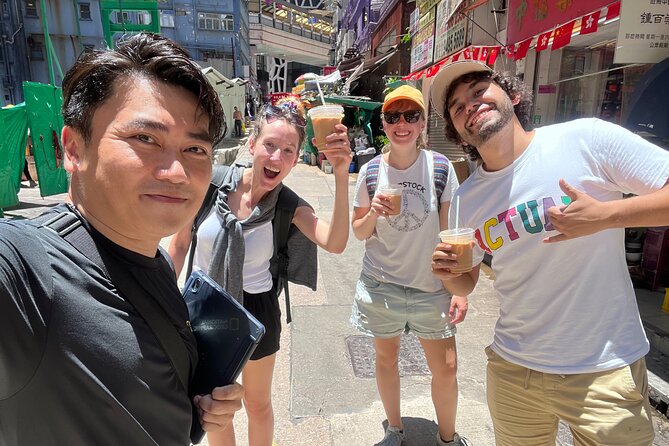
The guide, Kiyo, brings more than food knowledge to the walk. He has lived through Hong Kong’s changes since the 1980s and previously hosted an online media program, so you can expect plenty of background on the city itself. I also appreciate the private format, since Kiyo can tailor the experience to your group’s food preferences. Just remember that private transportation is not included, and much of the route uses public transit and walking.
In This Review
- Key points at a glance
- Why this Hong Kong food walk feels different
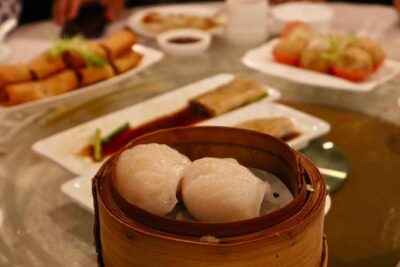
- Starting with shrimp dumplings on Queen’s Road Central
- Herbal tea at Good Spring Company
- Walking through the 160-year-old Graham Street Market
- Rice culture and zha leung at Chung Kee Congee
- Tea education at the old Chinese tea house
- Michelin-recommended wontons and fish balls
- Chinese herbal jelly and northern influences at Chan Yee Jai
- Dried seafood along Bonham Strand
- French toast and cold milk tea in Sheung Wan
- What the four-hour pace means for you
- Who gets the best value from the $295.19 price
- Practical details before you reserve
- Should you book Kiyo Hong Kong Private Tours?
- FAQ
- How long does the Hong Kong private food tour last?
- How many foods and drinks are included?
- Is the tour private?
- Is transportation included?
- Can I cancel for a full refund?
- What happens if the weather is poor?
Key points at a glance
- Nine stops across Central, Sheung Wan, and nearby districts connect food with markets, old shops, and working neighborhoods.
- At least six tastings are included, with three foods recommended by Michelin.
- Kiyo leads the private walk, giving your group room to ask questions and request food adjustments.
- Public transportation costs are covered, but private vehicles and personal spending are not.
- The food tells Hong Kong’s story, from dim sum and wontons to herbal tea, dried seafood, and French toast.
- Book early if your dates are fixed, since this experience is often reserved about 117 days ahead.
Why this Hong Kong food walk feels different
Many food tours simply move from one snack to the next. This one uses food as a guide to Hong Kong’s past and present. You are not only tasting shrimp dumplings or noodles. You are hearing why rice became so important, how northern immigrants influenced local food, and how affordable ingredients were used to imitate costly Western dishes.
The route also gives you a useful cross-section of Hong Kong. You begin around Queen’s Road Central, pass through the old Graham Street Market, visit tea and herbal medicine shops, and finish around Sheung Wan. Skyscrapers, wet markets, dried seafood stores, and cooked-food stalls all appear along the way.
I particularly like the private setup. Your group is the only group on the activity, so you can ask Kiyo to explain a dish, spend more time on a market, or discuss a food you have never tried. One participant specifically praised his ability to adjust the tour to personal preferences. That flexibility matters more on a food tour than it does on a standard sightseeing walk.
The drawback is cost. The $295.19 price includes selected foods, drinks, a licensed professional guide, and public transportation, but it does not include private transportation or personal purchases. For a couple or family, the total can rise quickly. You are paying for personal guiding and cultural interpretation, not simply for a series of inexpensive snacks.
More Food Tours in Hong Kong
- Hong Kong’s Tin Hau Hidden Eats Food Tour with 7+ Local Tastings
★ 5.0 · 352 reviews - Small-Group Hong Kong Island Food Tour
★ 5.0 · 343 reviews - Hong Kong Food Tour: Central and Sheung Wan Districts
★ 5.0 · 333 reviews
Starting with shrimp dumplings on Queen’s Road Central
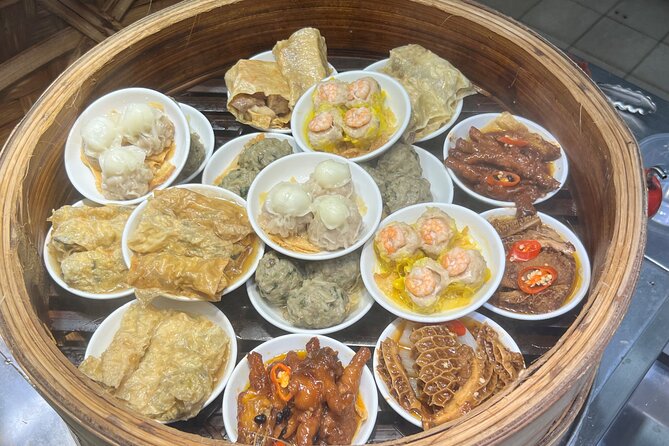
The first tasting centers on one of Hong Kong’s best-known dim sum dishes: shrimp dumplings. This is a smart opening because dim sum is not just a collection of small plates. It reflects Cantonese dining customs, where people gather over tea and share many modest dishes rather than ordering one large meal.
You can expect about 20 minutes here. Kiyo explains the role of dim sum in local life while you taste the dumplings. The short stop keeps the meal moving, though anyone hoping for a long restaurant sitting may find the pace brisk.
This first bite also sets the tone for the whole experience. The tour is interested in why Hong Kong eats this way. You get food, but you also get the social setting and traditions behind it.
Herbal tea at Good Spring Company
Next comes Cantonese herbal tea, an old remedy culture that can be unfamiliar to first-time visitors. At Good Spring Company Limited, you can choose between sweet tea, bitter tea, or tortoise jelly.
The choice is useful because the flavors can be very different. Sweet tea offers an easier introduction, while bitter tea gives you a more traditional taste. Tortoise jelly provides another way to sample the herbal side of Cantonese food culture.
The stop lasts about 15 minutes. It is less about filling your stomach than understanding how food, drink, and everyday health practices overlap in Hong Kong. If you dislike bitter flavors, ask about the options before choosing.
Walking through the 160-year-old Graham Street Market
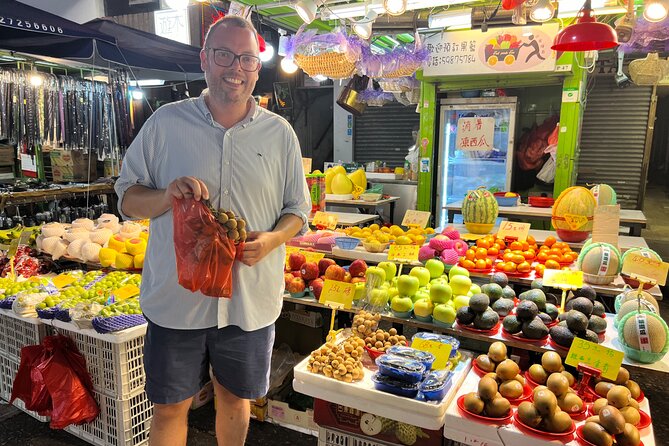
Graham Street Market is one of the most valuable sightseeing stops because it gives you a view of working Hong Kong rather than a polished attraction. The market is described as the city’s last functioning open-air wet market, and it has been operating for about 160 years.
The setting is striking: the market weaves between Central’s tall buildings. That contrast helps explain Hong Kong better than a skyline viewpoint alone. You see how old food traditions continue beneath modern towers.
The planned visit takes around 20 minutes. That is enough to get a feel for the market, but not enough for a leisurely shopping trip. You should also expect a real market environment, with narrow spaces and ordinary daily commerce. Come ready to keep moving and pay attention to your surroundings.
A completely different sort of day out:
- Lantau Island Day Trip – Big Buddha & Tai O
★ 4.5 · 1,328 reviews - Big Bus Hong Kong Open Top Hop-On Hop-Off Sightseeing Tour
★ 4.0 · 1,077 reviews - Hong Kong Day Tour: City Landmarks & Highlights
★ 4.5 · 798 reviews - Hong Kong International Airport Plaza Premium Lounge Access
★ 3.5 · 787 reviews
Rice culture and zha leung at Chung Kee Congee
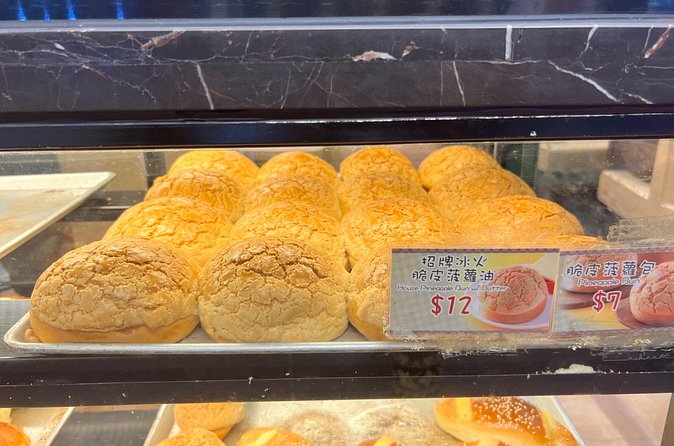
At Chung Kee Congee, the focus shifts to rice. Kiyo explains how Hong Kong cooks turn rice into many forms, then introduces you to zha leung, a popular local dish.
This stop shows how a simple staple can become several different meals. Congee is gentle and familiar, while zha leung offers a different texture and a more distinctive local taste. The visit lasts about 15 minutes, so it functions as a tasting rather than a full meal.
I like this part because it keeps the tour grounded in ordinary food. Hong Kong cuisine is not only about famous dim sum or expensive restaurant menus. Rice dishes show how practical ingredients can support an entire food tradition.
Tea education at the old Chinese tea house
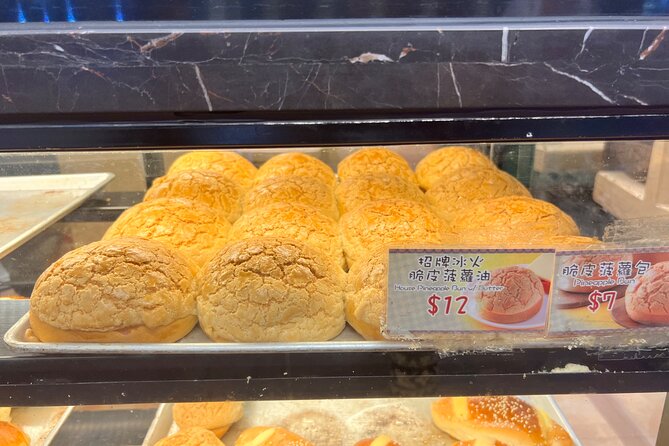
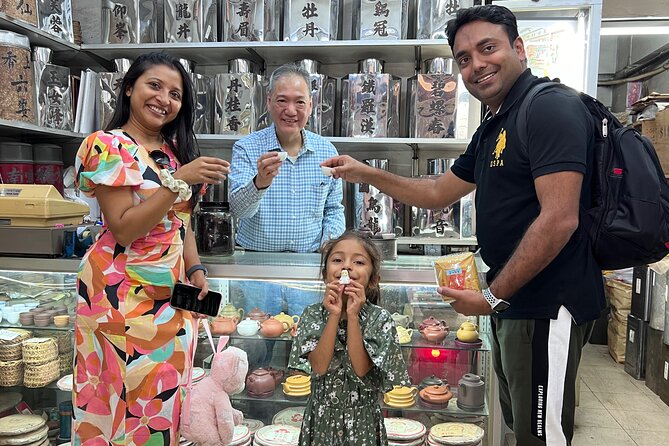
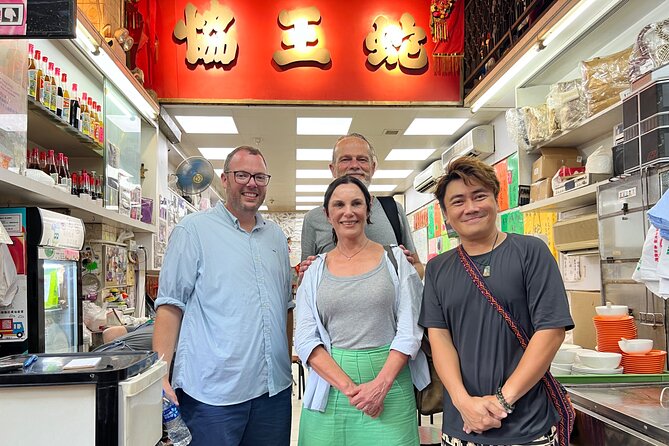
Gilman’s Bazaar brings you to a traditional Chinese tea house with about 60 years of history. You taste freshly brewed Chinese tea and learn about different varieties and tea customs.
This is a quieter pause in the route. After several food samples and market stops, tea gives you time to slow down and ask questions. The tour does not specify which teas you will taste, so the experience is likely to focus more on general tea culture than on a fixed tasting menu.
The value here depends on your interest. If you enjoy tea, this can be one of the most rewarding stops. If you want constant food, it may feel less exciting than the dumplings or noodles. Still, it helps explain the drink that accompanies so much Cantonese dining.
Michelin-recommended wontons and fish balls
Tsim Chai Kee Noodle is one of the headline food stops. Here you taste wontons and dace fish balls, both recommended by Michelin, while hearing about Hong Kong’s fishing industry and its influence on local food.
This is where the tour’s food and social history come together clearly. Fish balls are a practical example of how fishing communities used available ingredients, while wontons show the craft and variety of Cantonese noodle-shop cooking.
The stop lasts about 30 minutes, longer than most of the others. That gives you more time to eat and ask questions. The tasting is also one of the reasons the tour can appeal to serious food fans. You are not just sampling random street snacks. You are trying dishes with a recognized reputation while learning how they fit into Hong Kong’s food economy.
The description identifies these as Michelin-recommended foods, not a full Michelin-starred restaurant meal. Keep that distinction in mind when deciding how much culinary prestige matters to you.
Chinese herbal jelly and northern influences at Chan Yee Jai
Chan Yee Jai adds another herbal-food stop, this time with Chinese herbal jelly. Kiyo also explains how people who moved south from northern parts of China brought different cooking traditions with them.
That story is important because Hong Kong food is not frozen in one regional style. Cantonese cooking forms the base, but the city’s population has long included people from many parts of China and from overseas. Those movements changed what appeared in shops, homes, and restaurants.
You get about 20 minutes here, including time to taste. Herbal jelly may be an acquired flavor, so this stop is best approached with curiosity rather than expectations of sweetness. It is a small serving, but it adds another useful piece to the food story.
Dried seafood along Bonham Strand
Bonham Strand shifts attention from ready-to-eat food to ingredients. The area is known for its dried seafood market, and Kiyo explains its place in Hong Kong’s trade and cooking traditions.
This stop helps you understand why dried seafood remains important. Preservation allowed valuable ingredients to be stored, transported, and used in soups and other dishes. The shops also show how food commerce can survive alongside modern offices and apartments.
The visit takes roughly 20 minutes. You may find the smells and displays more intense than those at a tea house or noodle shop. That is part of the point. This is a working food district, not a staged exhibit.
French toast and cold milk tea in Sheung Wan
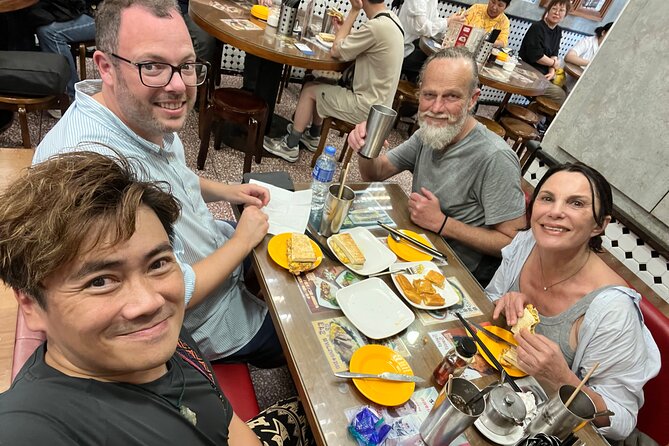
The final tasting takes place around Sheung Wan Market and Cooked Food Centre. You try French toast with cold milk tea while learning how old Hong Kong cooks used inexpensive local ingredients to create dishes that looked and felt like costly Western food.
This is a particularly clever ending. French toast is familiar to many people, but the Hong Kong version reflects local thrift and imagination. It shows how cooks borrowed an outside idea and reshaped it for local tastes and budgets.
Cold milk tea gives you another classic Hong Kong flavor. The combination makes a satisfying final stop, though it is also sweet and filling after several earlier tastings. If you are sensitive to rich or sugary foods, pace yourself from the start rather than trying to eat every sample quickly.
The experience description says this marks a point in the tour, but the exact ending details are not provided. Plan to follow Kiyo’s instructions for the final meeting point and onward transport.
What the four-hour pace means for you
The experience is described as approximately four hours, while the overview also refers to a three-hour tour. I would plan for the longer figure and avoid scheduling a flight, business meeting, or timed attraction immediately afterward.
Nine stops in a short period means the tour has a walking-and-tasting rhythm. Several stops last only 15 or 20 minutes, while Tsim Chai Kee Noodle receives about 30 minutes. You are moving through the city, not settling into one restaurant for a long lunch.
Public transportation is included in the tour price. Private transportation is not, so you should expect to travel between areas by public transit and on foot. The meeting and route are near public transportation, which makes the experience practical for a group already staying in Hong Kong.
Comfortable shoes are a sensible choice, even though the tour is not presented as a strenuous hike. You should also leave room for food. Six tastings is the minimum described, and the route includes several savory, sweet, herbal, and tea-based samples.
Who gets the best value from the $295.19 price
The cost makes the most sense for people who want a private introduction to Hong Kong and would otherwise need to arrange several food stops and cultural visits themselves. You receive a licensed guide, selected food and drinks, and public transportation. The private format is the key part of the value.
It can also work well for a small group with different interests. One person may care about dim sum, another about market culture, and another about Hong Kong history. Kiyo’s ability to adjust the experience gives the group more control than a fixed public tour.
I would hesitate to book it if your main goal is simply to eat as much as possible for the lowest price. Hong Kong has many affordable food options, and this tour is not priced like a casual snack crawl. You are paying for the guide’s time, the private setting, and the explanations that connect each dish to the city.
The strong response to Kiyo’s guiding is an important part of the decision. The praise focuses on his storytelling, his broad understanding of Hong Kong, and his willingness to tailor the route. If you want a guide who talks about culture as well as food, the price is easier to justify.
Practical details before you reserve
Confirmation is provided when you book. The activity is private, so only your group participates, and group discounts may be available.
Most people can take part, and the tour is near public transportation. Pickup is offered, but the details of the pickup area should be confirmed before booking. Since private transportation is excluded, pickup does not necessarily mean a private vehicle for the entire route.
The experience requires good weather. You can cancel for a full refund up to 24 hours before the start time. Changes or cancellations made less than 24 hours ahead are not accepted for a refund, and poor weather may lead to a different date or a full refund.
The tour is often booked around 117 days in advance. That does not guarantee every date will sell out, but it is a good reason to reserve early if you are visiting Hong Kong on fixed dates.
Should you book Kiyo Hong Kong Private Tours?
I would book this experience if you want food, local context, and a private guide in one half-day outing. The mix is strong: shrimp dumplings, herbal tea, congee, zha leung, Chinese tea, Michelin-recommended noodles, herbal jelly, dried seafood, French toast, and milk tea. The route also gives you a useful look at Central, Graham Street, Bonham Strand, and Sheung Wan.
I would skip it if you are traveling on a tight food budget or prefer long restaurant meals over short tastings. At $295.19 per person, the value depends heavily on how much you enjoy Kiyo’s stories and personal attention.
For food-focused visitors, first-time Hong Kong visitors, and small groups who want a flexible introduction to the city, this is a strong choice. Book early, plan for four hours, arrive hungry but not famished, and treat the walk as a cultural tour with food rather than a cheap meal replacement.
FAQ
How long does the Hong Kong private food tour last?
The experience is listed as approximately four hours. The overview also describes it as a three-hour tour, so you should allow up to four hours when planning your day.
How many foods and drinks are included?
You will taste at least six different types of food. Three of the foods are recommended by Michelin, and selected food and drinks are included in the price.
Is the tour private?
Yes. Only your group participates in the private tour or activity.
Is transportation included?
Public transportation fees are included. Private transportation is not included.
Can I cancel for a full refund?
Yes. You must cancel at least 24 hours before the experience start time for a full refund. Cancellations or changes made less than 24 hours before the start time are not accepted for a refund.
What happens if the weather is poor?
The experience requires good weather. If it is canceled because of poor weather, you will be offered a different date or a full refund.
Just added in Hong Kong
- Walking Tour in Hong Kong – Local Experience (New & Best)★ 4.5 · 33 reviews
- Full Day Private Trip in Hong Kong( impeccable local )walk tour★ 5.0 · 11 reviews
- Hong Kong Guided Dinner + Laser Show Lounge Entry (2023) | 200+ booked★ 3.5 · 7 reviews
- Victoria Peak Tram and Sky Terrace 428 Admission Hong Kong★ 4.5 · 33 reviews
- TurboJet Ferry E-Ticket from Hong Kong to Macau★ 4.5 · 10 reviews
- VIP Private Hong Kong City Sightseeing Tour★ 5.0 · 2 reviews
- Group Vegetarian Food & Cultural Tour★ 5.0 · 16 reviews
- Hong Kong Victoria Harbour Sightseeing Cruise Tickets★ 4.5 · 8 reviews
Food & Drink, compared.
Authentic Local Food Tour in Central Shanghai
Read our review →
Beijing Hutong Walking Food and Beer Tour at Hidden Restaurants
Read our review →
Hong Kong’s Tin Hau Hidden Eats Food Tour with 7+ Local Tastings
Read our review →
Hong Kong Food Tour: Central and Sheung Wan Districts
Read our review →Where else this tour turns up