
Reviewed · WALKING TOURS
French Concession Walking Tour with Real Local
Shanghai’s past is under the trees. This 2.5-hour walk makes the French Concession easier to understand, pairing old villas, wrought iron railings, former political offices, and fashionable streets with Bill’s first-hand knowledge as a lifelong Shanghainese. I like the mix of major landmarks and ordinary neighborhood details, and I like that the walk ends at Xintiandi, where you can keep exploring over food or drinks. The main drawback is that this is a walking tour with several historical stops, so it is not suited to wheelchair users.
Bill is the guide’s name to remember. He has led these walks for years, speaks English, and is happy to answer questions about Shanghai, shopping, tea, and dining. The tour is especially useful early in a Shanghai visit, although the 2.5-hour route may feel brief if you want to enter every building or study each site at length.
In This Review
- Key points at a glance
- Why the French Concession makes a good walking tour
- Starting at the Okura Garden Hotel
- Middle Huaihai Road and the French streets
- Shanghai Culture Square and the 20-minute stop
- The Former French Club and Jinjiang Hotel
- A 1920s neighborhood and Shanghai’s changing face
- Political history at the Communist sites
- Sinan Mansions and the fashionable side of the district
- Ending at Xintiandi
- Is $34 a fair price?
- Who will enjoy this walk most?
- My verdict: book it for context and local guidance
- FAQ
- How long does the French Concession walking tour last?
- How much does the tour cost?
- What language is the tour conducted in?
- Where does the tour begin?
- Where does the tour finish?
- Can I book the tour at the last minute?
- Is the tour suitable for wheelchair users?
Key points at a glance
- Walk through Shanghai’s former French Concession: Tree-lined avenues, old houses, wrought iron details, modern towers, and renovated neighborhoods show how the district has changed.
- Hear the city explained by Bill: As a local Shanghainese who was born and raised in Shanghai, Bill adds personal context to the city’s political and social past.
- Visit major sites in one compact route: The Former French Club, Jinjiang Hotel, Shanghai Culture Square, the Communist Delegation Office, and the birthplace of the Chinese Communist Party all feature in the walk.
- See several sides of the neighborhood: Middle Huaihai Road, Sinan Mansions, old 1920s streets, boutiques, galleries, bars, and cafes keep the tour from becoming a string of solemn monuments.
- Finish at Xintiandi: The fashionable compound is a practical place to continue your afternoon or evening with shops, bars, and restaurants.
- Good value at $34: You get a live English guided walk, local interpretation, and a useful introduction to one of Shanghai’s most layered districts.
Why the French Concession makes a good walking tour
The French Concession was administered by the French government from 1849 until 1946. That long period left Shanghai with a district that feels unlike the city’s broad modern avenues and glass towers.
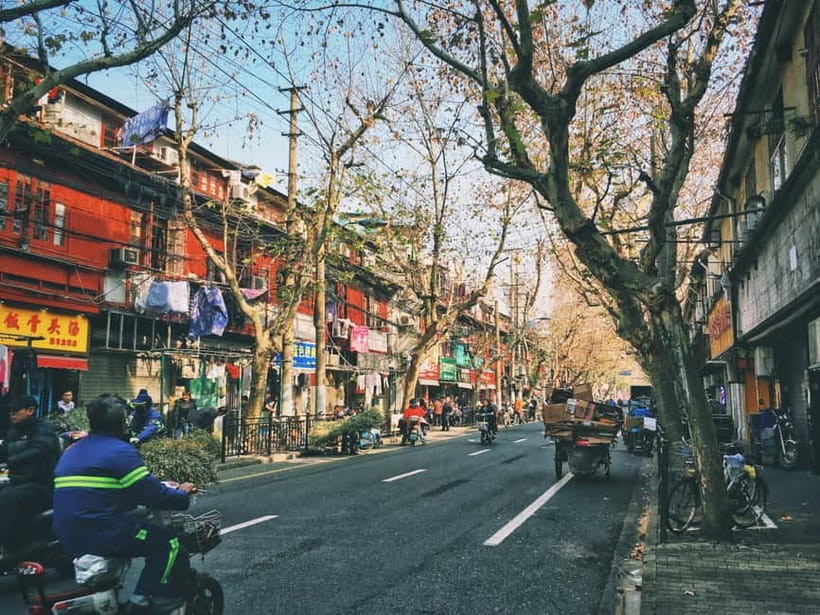
The appeal is not one single sight. It is the way the pieces sit together. You may see a quiet, tree-lined road, a fine old house with iron railings, a renovated compound, and a tall residential building within the same stretch of the city. The area still has an air of the old Paris of the East, though modern Shanghai is never far away.
I like this kind of neighborhood tour because the subject is larger than architecture. The route gives you a way to think about foreign influence, local life, political change, redevelopment, and Shanghai’s continuing taste for fashionable streets and cafes.
Bill’s role matters here. A guide can point out a handsome building, but a local guide can explain how the city evolved around it. Bill was born and raised in Shanghai, and his experience leading tours for many years gives him a useful range. You can ask about national history, city life, food, shopping, tea, or places to eat after the walk.
More Walking Tours in Shanghai
- Shanghai Highlights Walking Tour With A Real Local
★ 4.9 · 153 reviews - Shanghai Breakfast Walking Tour of Former French Concession
★ 5.0 · 139 reviews - Private Shanghai Evening Street Food Walking and Cruise Tour
★ 5.0 · 123 reviews
Starting at the Okura Garden Hotel
The meeting point is in front of the Okura Garden Hotel on South Maoming Road. The hotel is about 100 meters to the left of Exit 3 at South Shaanxi Road station, served by Metro Lines 1, 10, and 12.
That location is practical. You can reach it by subway, and the nearby French Concession streets put you close to the character of the district from the first steps. If you use a taxi, the Chinese address is 花园饭店, 茂名南路58号. I would save that address before leaving your hotel.
The tour begins in a part of Shanghai known for its older streets and fashionable atmosphere. You should arrive ready to walk rather than expecting a coach or a series of vehicle transfers. The supplied information does not give a group size, so you should ask the operator if that detail matters to you.
Middle Huaihai Road and the French streets
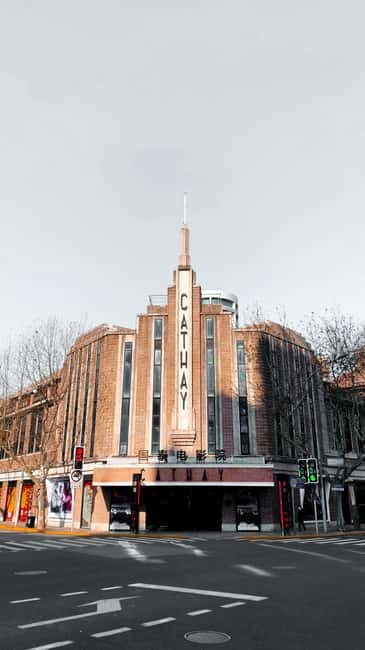
Middle Huaihai Road gives the walk an immediate sense of the district’s commercial side. The former French Concession is not preserved as a museum quarter. It is a living part of Shanghai, with shopping, offices, residences, hotels, cafes, galleries, and bars alongside older buildings.
I like that contrast. If you only visit isolated monuments, it is easy to imagine that old Shanghai vanished. Here, the modern city presses right up against the older streets. The tree canopy and older facades soften the setting, while large buildings and shopping areas remind you that this is one of Shanghai’s developed central districts.
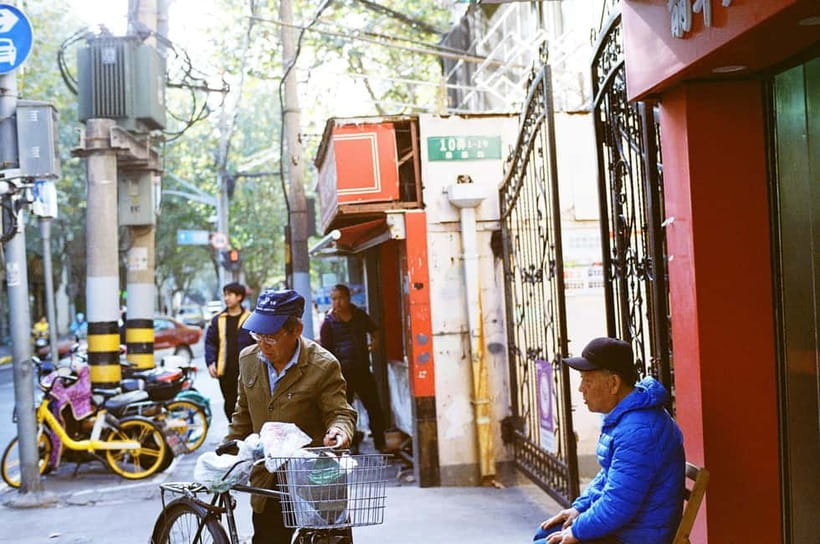
Look closely at the details. Wrought iron fences and stair railings give some buildings a distinctly European appearance. The older homes and streets have also been renovated in places, which means the district is attractive but not untouched. Bill can help explain the difference between an old building that has survived, one that has been restored, and a neighborhood that has been adapted for present-day use.
This is a good part of the walk for questions. If you want to understand how the French Concession changed after the French administration ended in 1946, this setting gives the explanation a physical frame.
Shanghai Culture Square and the 20-minute stop
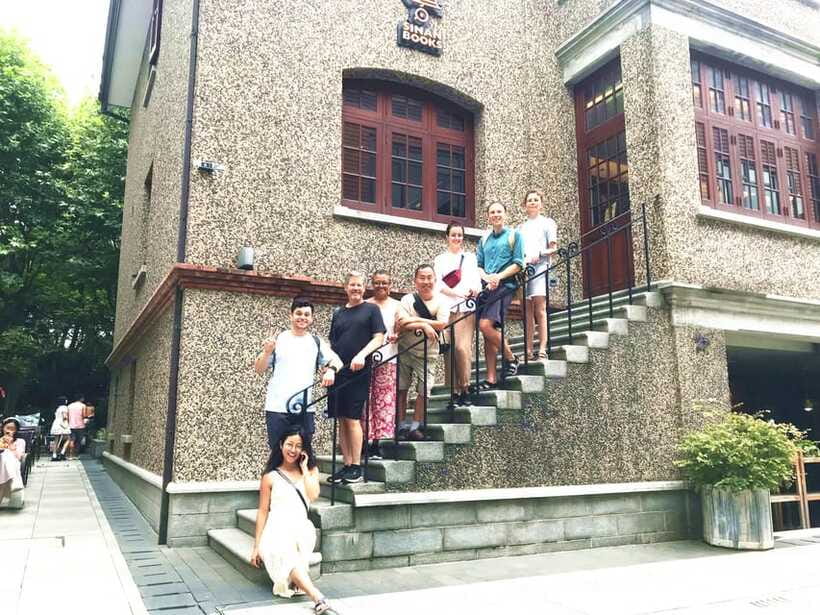
Shanghai Culture Square Theatre is one of the scheduled stops, with about 20 minutes set aside for a guided visit. The stop adds a cultural and civic layer to a route that could otherwise focus mainly on villas and shopping streets.
The available details do not specify whether you enter the theatre or view it from outside, so you should think of this as a guided stop rather than a guaranteed performance or interior tour. The value is in hearing how this part of the city fits into modern Shanghai’s cultural life.
Because the whole walk lasts 2.5 hours, the time at each location is measured. That suits you if you want a broad introduction rather than a slow architectural study. If you prefer to linger at every building, take extensive photographs, or read every plaque, you may find the pace too brisk.
A completely different sort of day out:
- Authentic Local Food Tour in Central Shanghai
★ 5.0 · 1,382 reviews - Zhujiajiao Water Town and Shanghai City Private Day Tour
★ 5.0 · 1,016 reviews - Private Shanghai Full Day City Tour with Old and New Highlights
★ 5.0 · 995 reviews - Shanghai: Hop-on Hop-off Bus Ticket and Optional Attractions
★ 3.4 · 692 reviews
The Former French Club and Jinjiang Hotel
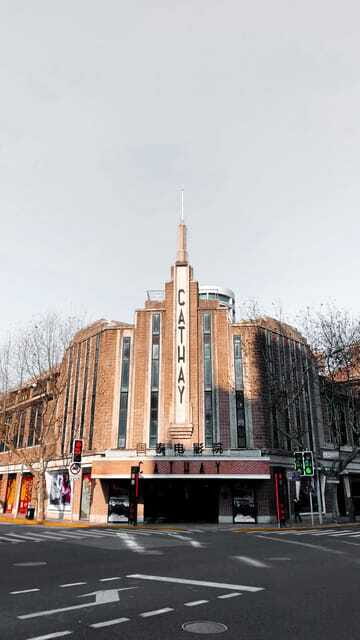
The Former French Club is one of the route’s most distinctive historical sites. Its name points directly to the period when French administration shaped this corner of Shanghai. It helps connect the streets you are walking with the institutions that once served the foreign community.
Jinjiang Hotel adds another important layer. Along with the club, it shows how the district’s buildings have carried different meanings over time. This is where a local guide can make a real difference, since the significance of a building is not always obvious from its exterior.
The walk does not promise access to private rooms or every interior. You should expect guided commentary around the historical sites, with the experience focused on place, context, and storytelling. Bill’s style has been praised for being clear, friendly, and full of anecdotes, which is useful when the story involves several periods of Chinese and Shanghai history.
I also like that the tour does not treat architecture as decoration. The buildings become clues. You can look at a club, a hotel, a villa, or a government office and ask who used it, what role it played, and how the city’s identity shifted around it.
A 1920s neighborhood and Shanghai’s changing face
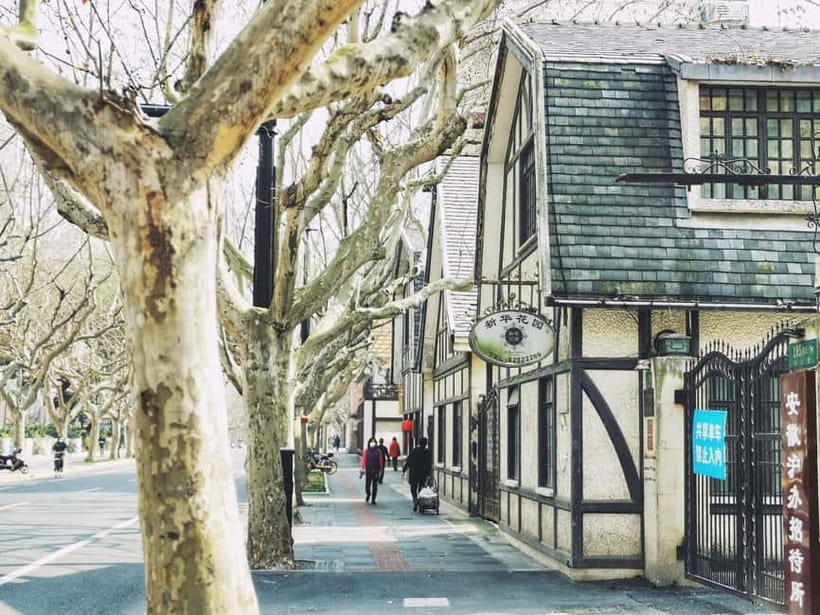
The route includes a 1920s old neighborhood, one of the best chances to see the smaller scale of the former concession. The appeal is in the texture of the streets and houses rather than a single famous attraction.
Renovation is part of the story. Some older neighborhoods have been repaired and given new uses, while modern residential and office towers have appeared nearby. That can create a slightly polished feel in places, but it also allows you to see how Shanghai keeps old districts in use instead of freezing them in the past.
For me, this is likely to be one of the more rewarding stretches for photography. The tree-lined roads, older facades, railings, and narrow neighborhood views offer a pause from Shanghai’s larger commercial streets. Still, you should not expect every block to look untouched or old. The French Concession is a mixed urban district, and that mixture is part of its character.
Political history at the Communist sites
The route includes the Communist Delegation Office and the birthplace of the Chinese Communist Party. These stops change the tone of the walk.
The French Concession is often marketed for its cafes, villas, and European feel. That can leave out the district’s role in China’s political history. Including these sites gives you a fuller picture of why the area matters. The same neighborhood that attracted foreign institutions and wealthy residents also became connected with major events in modern Chinese history.
The information provided does not promise a museum admission or a lengthy indoor visit at either political site. Expect Bill to explain their importance as part of the walking route. His long experience and local background are particularly useful here because political history can be hard to place when you are seeing only a doorway, compound, or exterior.
I would pay attention to the balance of the route. You get architecture, urban change, culture, and politics in one walk. That is more useful than a tour that offers only pretty streets, especially if you want your time in Shanghai to include some understanding of how the city and country developed.
Sinan Mansions and the fashionable side of the district
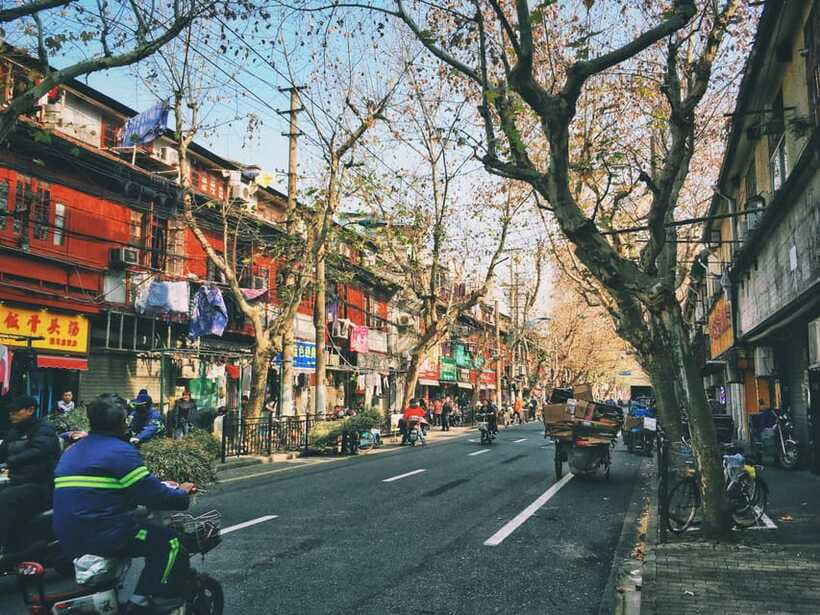
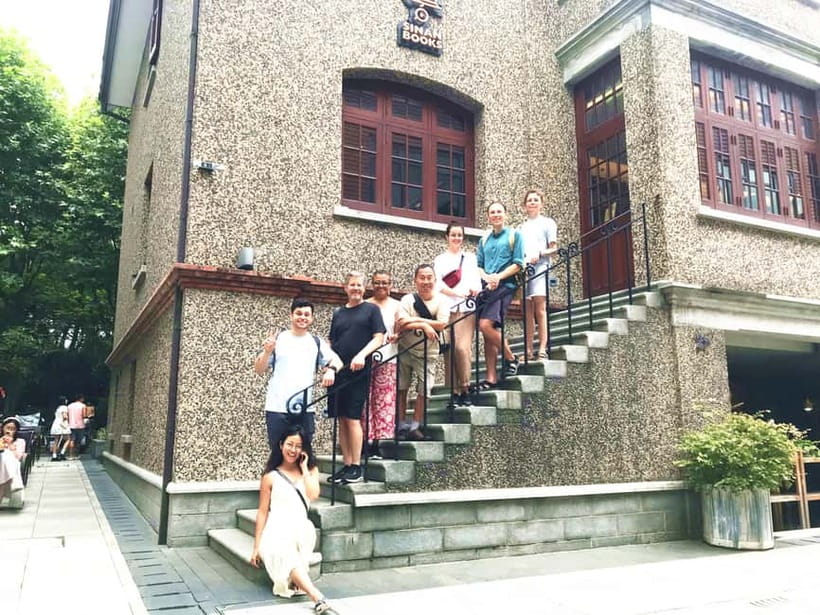
Sinan Mansions shows another face of the French Concession: older buildings brought into a modern setting. The area helps illustrate how Shanghai combines preservation with upscale redevelopment.
The route also passes through areas filled with boutiques, galleries, bars, and cafes. These are not just convenient backdrops. They show why the French Concession remains fashionable well over a century after its original period of foreign administration.
I like having this part included because it gives you practical ideas for later. Bill offers suggestions for shopping, tea, and memorable dining, and several people who joined his walks valued that personal advice. You can ask for recommendations that fit your budget or interests rather than relying only on generic lists.
Keep in mind that the tour is a walking introduction, not a dedicated shopping or food tour. You will see places to return to, but the schedule does not include a meal, a tasting, or shopping time. Plan to explore those on your own after the walk.
Ending at Xintiandi
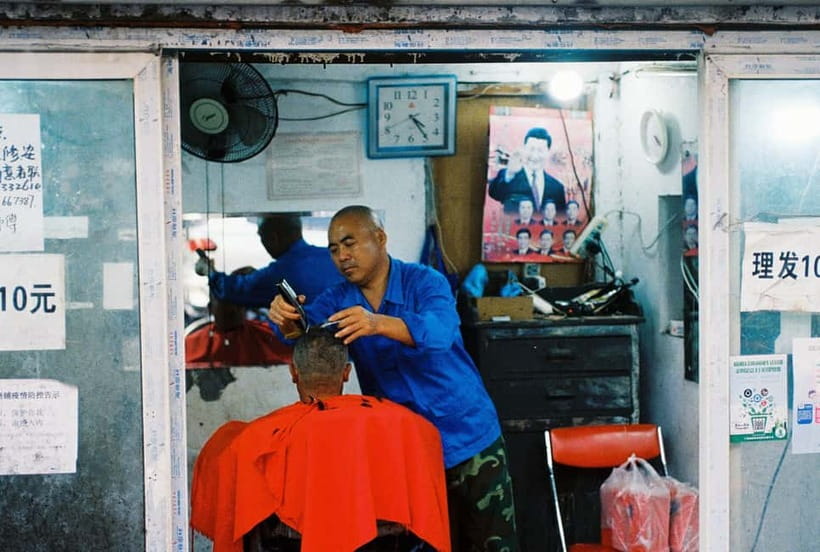
The tour finishes at Xintiandi, a fashionable compound with shops, bars, and restaurants. This is a smart endpoint because you are not left in an inconvenient residential street with nothing nearby.
Xintiandi also gives you a clear contrast with the older neighborhoods earlier in the route. It is polished, social, and built for lingering. After two and a half hours of walking, you can stop for food, browse the shops, or use the area as a starting point for more independent exploring.
The drawback is that Xintiandi can feel more commercial than the quieter old streets. If your favorite part of Shanghai is informal neighborhood life, you may prefer to spend extra time around the 1920s streets or Sinan Mansions before settling in at the finish.
Still, ending here works well for first-time visitors. Bill can point you toward useful next steps, and the location gives you plenty of choices without another cross-city journey.
Is $34 a fair price?
At $34 per person, I consider this good value if you want context rather than simple directions between sights. The price covers a 2.5-hour English guided walk through several historically important areas, with a local guide who can answer questions and offer practical city advice.
The value is strongest for you if Shanghai is new and you want to understand the French Concession in one organized outing. You are paying for interpretation, not for expensive admissions, transport, meals, or a performance. The supplied information does not list additional entrance fees, so you should not assume that indoor access to every site is included.
A self-guided walk would cost less, but you would need to research the Former French Club, Jinjiang Hotel, the political sites, and the neighborhood’s development yourself. Bill’s local perspective is the reason to choose this experience over simply following a map.
The tour also allows free cancellation up to 24 hours before departure, with a full refund, and you can reserve now and pay later. Last-minute booking is possible up to the tour start time, subject to availability.
Who will enjoy this walk most?
I would recommend it to first-time visitors, architecture fans, students of modern Chinese history, and anyone who wants a gentle introduction to Shanghai beyond the biggest skyline views.
It is also a good choice if you enjoy asking questions. Bill is described as approachable, funny, and open to discussion, and he can help connect the formal stops with everyday city life. Solo visitors and couples may find the local storytelling especially helpful when they want ideas for the rest of their stay.
You should think twice if you dislike walking, want a private interior tour of every landmark, or need step-free access. The experience is not suitable for wheelchair users, and smoking is not allowed. The tour is offered in English only.
My verdict: book it for context and local guidance
I would book this tour if I had 2.5 hours in Shanghai and wanted the French Concession to mean more than pretty streets and cafes. The combination of old houses, political sites, cultural stops, and modern compounds gives you a useful outline of the city’s past and present.
Bill is the strongest reason to choose it. His local background, storytelling, humor, and willingness to help with food and shopping suggestions add value that a guidebook cannot easily provide.
Skip it if you want a slow, highly specialized architecture tour or a fully accessible route. For most visitors who want a friendly English introduction at a reasonable price, this is a well-focused way to get your bearings in one of Shanghai’s most interesting districts.
FAQ
How long does the French Concession walking tour last?
The tour lasts 2.5 hours.
How much does the tour cost?
The price is $34 per person.
What language is the tour conducted in?
The live guided tour is conducted in English.
Where does the tour begin?
The meeting point is in front of the Okura Garden Hotel on South Maoming Road, about 100 meters to the left of Exit 3 at South Shaanxi Road subway station.
Where does the tour finish?
The tour ends at Xintiandi, a fashionable compound with shops, bars, and restaurants.
Can I book the tour at the last minute?
Yes. Bookings remain open until the tour starts, subject to availability.
Is the tour suitable for wheelchair users?
No. The experience is not suitable for wheelchair users. Smoking is also not allowed during the activity.
Just added in Shanghai
- Suzhou Private Guided Day Trip from Shanghai by Bullet Train★ 5.0 · 46 reviews
- Suzhou and Zhujiajiao Private Guided Day Trip from Shanghai★ 5.0 · 27 reviews
- Shanghai: Zhujiajiao Water Town with Calligraphy Experience★ 5.0 · 17 reviews
- Shanghai:Wing Chun Kung Fu in Shanghai’s Beautiful Park★ 5.0 · 2 reviews
- Shanghai:Old Town, Yu Garden, Zhujiajiao Water Town Bus Tour★ 4.7 · 16 reviews
- Shanghai: Yu/Yuyuan Garden Entry Ticket–E ticket★ 4.4 · 24 reviews
- Shanghai: Yuyuan, City God Temple Old City Tour-Tip Based★ 5.0 · 10 reviews
- Shanghai: Zhujiajiao Water Town Private Tour with Boat Ride★ 5.0 · 2 reviews
Walking Tours, compared.
Beijing Hutong Walking Food and Beer Tour at Hidden Restaurants
Read our review →
Private Beijing Walking Tour of the Forbidden City with 7 Options
Read our review →
Dark Side of Hong Kong – Kowloon Caged Homes Walking Tour
Read our review →
Forbidden City Private Walking Tour with Optional Sights
Read our review →
Introduction to Hong Kong: Central Tip Based Walking Tour
Read our review →
Shanghai Highlights Walking Tour With A Real Local
Read our review →Where else this tour turns up