
Reviewed · COOKING CLASSES
Chengdu Sichuan Cuisine Cooking Class and Savor Local Snacks
Bring an appetite and steady hands. This Chengdu experience combines a food museum, a hands-on cooking lesson, and a generous tasting session in one outing. I like the Sichuan Cuisine Museum, especially its 6,000 historic objects and enormous Kitchen God Ancestral Hall. I also like that you eat the dishes you cook, rather than simply watching a chef work. The main drawback is the museum’s location, about 23 kilometers from central Chengdu, with transport not included.
The cooking class lasts about an hour, and the full visit usually takes 2.5 to 4 hours. You’ll also try local snacks, sip covered-bowl tea, and take part in a blindfolded golden-silk noodle cutting activity. The food and cultural displays make this a strong pick for curious eaters, but people with food allergies or limited mobility should choose another outing.
In This Review
- Key points to know before you go
- Why this Chengdu food experience is different
- Reaching the museum from Chengdu
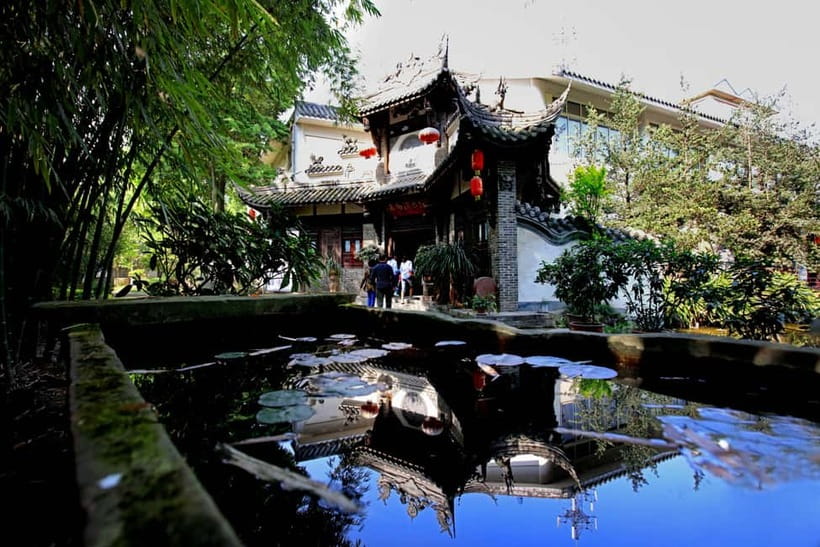
- A western-Sichuan garden filled with food history
- Ingredients, Pixian bean paste, and old processing tools
- Meeting the Kitchen God of Chinese chefs
- Changing into chef uniforms for three Sichuan dishes
- Eating what you cook, plus Sichuan snacks
- Tea, mahjong, and a slower Sichuan rhythm
- Is $54 a fair price?
- Who will enjoy this most?
- Practical booking advice
- Should you book the Sichuan Cuisine Museum class?
- FAQ
- Where does the cooking experience begin and end?
- How far is the museum from downtown Chengdu?
- Is transportation included?
- How long does the experience last?
- What languages are available?
- How many dishes will I cook?
- Are drinks included?
- Is the experience suitable for people with food allergies?
- Is the museum accessible to wheelchair users?
Key points to know before you go
- The museum is an eatable museum: You’ll see food traditions presented through objects, ingredients, tools, gardens, and cooking.
- Three Sichuan dishes are included: Senior chefs guide you through wok cooking, quick stir-frying, and presentation.
- The Kitchen God has a major role: The world’s largest Kitchen God Ancestral Hall gives the tour a cultural focus beyond food.
- Local snacks are part of the meal: Try Northern-Sichuan pea jelly, tofu pudding, and Zhong’s dumplings.
- Tea-house time slows the pace: Covered-bowl tea, mahjong, and bamboo furniture offer a small taste of everyday Sichuan leisure.
- Plan your ride carefully: The museum is outside central Chengdu, and getting there and back is your responsibility.
Why this Chengdu food experience is different
Many cooking classes give you a recipe, a cutting board, and a plate of food. This one begins with the wider world around Sichuan cooking. You first see how ingredients, religious customs, old tools, restaurant culture, and regional habits connect.
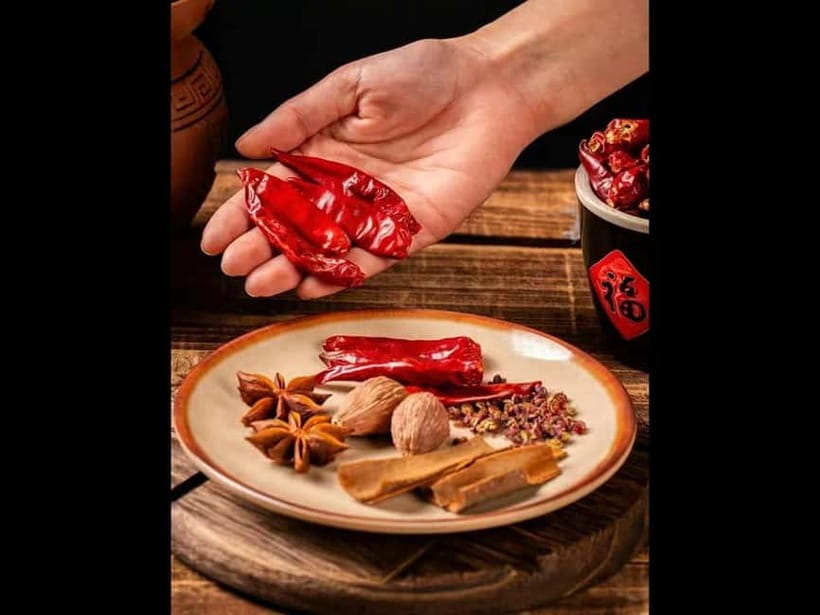
That setting matters. Sichuan cuisine is known for more than heat. It depends on carefully prepared ingredients, fermented products, quick wok work, and a balance of flavors. The museum gives you a chance to see some of that background before you start cooking.
I also like the practical shape of the visit. You are not trapped in a classroom for four hours. The tour moves between outdoor displays, cultural exhibits, a cooking area, a dining space, and a tea house. That variety helps, especially if you are traveling with someone who likes food but does not want a long formal lesson.
The activity is offered as a private group, with English and Chinese guiding available. Your exact starting time depends on availability, so confirm the meeting details after booking. You should also provide a valid phone number and email address so the operator can send those instructions.
More Cooking Classes in Chengdu
- Half-Day Chengdu Cooking Class with a Local Market Visit
★ 5.0 · 465 reviews - Chengdu: Cooking Class with Fresh Market Half Day Experience
★ 5.0 · 42 reviews - Half-Day steamed Buns Cooking Class with a Local Market Visit
★ 5.0 · 26 reviews
Reaching the museum from Chengdu
The meeting point is the Sichuan Cuisine Museum in Gucheng county, within Chengdu’s Pidu district. It is about 23 kilometers from downtown on Shaxi Road, in the direction out of the city.
That distance is the biggest practical issue. The price of $54 per person does not include transportation, so you need to arrange your own way there and back. The museum’s suburban setting gives the experience room for gardens, raw-material displays, and old-style restaurant areas, but it is not a quick central-city stop.
Allow extra time for the journey, especially if your Chengdu plans are tightly packed. I would avoid placing this class immediately before a train, flight, or timed attraction. Comfortable shoes are a good idea because the visit includes walking through several areas before the cooking begins.
The tour returns to the museum at the end. It does not include a city-center drop-off.
A western-Sichuan garden filled with food history
The first guided section lasts about an hour. You begin with a sightseeing tour through a western-Sichuan garden and the museum’s cultural displays.
The collection includes more than 6,000 objects dating back as far as 4,000 years. That gives you a useful sense of time. Sichuan cooking is not simply a modern restaurant trend, and the tools and customs on display help explain how food became part of regional identity.
One unusual highlight is described as the world’s most expensive pickle jar. You will also see old cooking and food-processing items that show how people preserved, prepared, and served ingredients before modern kitchens.
The museum is called the world’s only eatable museum because the visit connects what you see with what you later taste. That idea works best when you pay attention to the small details. Look for the links between preservation, fermentation, seasoning, and the dishes prepared in class.
The displays may appeal more to food-minded visitors than to people seeking a conventional art museum. You are here to understand the food, not to spend hours reading every label.
Ingredients, Pixian bean paste, and old processing tools
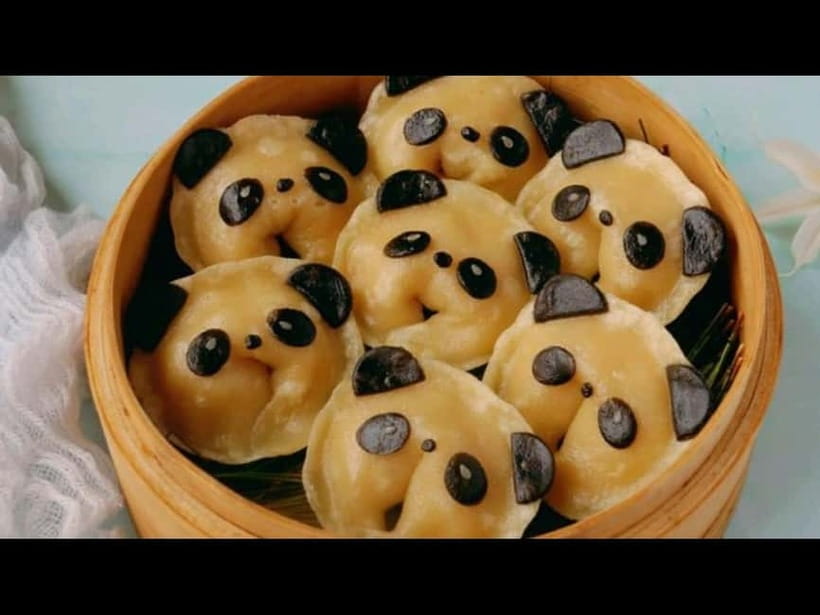
After the cultural displays, you visit the raw-material area. Here you can see organic vegetables, poultry, and livestock being raised. This section brings the food closer to its source and shows that the class is not only about finished dishes.
The museum also explains the 300-year heritage of making Pixian chili bean paste. This fermented paste is one of the key seasonings associated with Sichuan cooking, and seeing it presented as a long-running local craft adds useful context to the later cooking lesson.
You can also try on a traditional Chinese raincoat woven from palm leaves. It is a small hands-on moment, but it breaks up the museum tour and gives you something memorable to photograph.
The old Sichuan restaurant alley and the traditional raw-material processing tools display continue the same theme. You see how ingredients were handled and how restaurants once functioned. I find this part valuable because it gives the class a sense of place. You are not learning Sichuan recipes in an anonymous kitchen.
More Workshops in Chengdu
- Half-Day Sichuan Cooking Class Experience in Chengdu
★ 4.0 · 17 reviews - Private Panda Tour with Cooking Class One-day Trip
★ 5.0 · 11 reviews - Half-day Dandan Noodles Cooking Class with a Local Market Visit
★ 5.0 · 8 reviews - Half day Chengdu Dumpling Class: Make from Scratch
★ 5.0 · 8 reviews
Meeting the Kitchen God of Chinese chefs
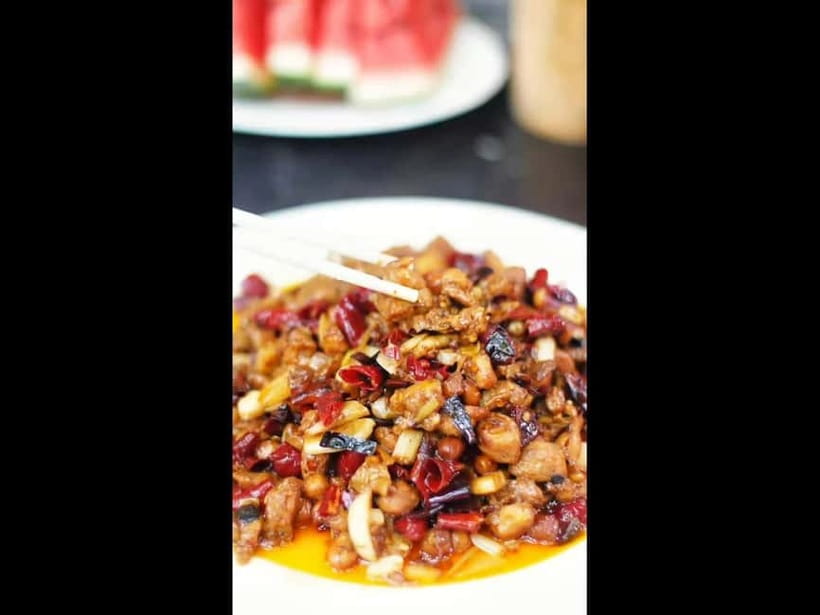
The Kitchen God Ancestral Hall is one of the most distinctive stops. It is described as the largest in the world and is dedicated to the Kitchen God, regarded here as a grandmaster of Chinese chefs.
You take part in a worship ritual by offering incense. The meaning is broader than asking for a good meal. The ritual encourages respect for food, drink, family, and the things people have been given.
This may feel more formal than the cooking class that follows, but that contrast is part of the appeal. Food in this setting is treated as culture, work, family life, and tradition, not just fuel or restaurant entertainment.
If you prefer a strictly secular cooking lesson, this portion may not be your favorite. Still, it is brief and gives the experience a local cultural angle that a standard recipe class usually lacks.
Changing into chef uniforms for three Sichuan dishes
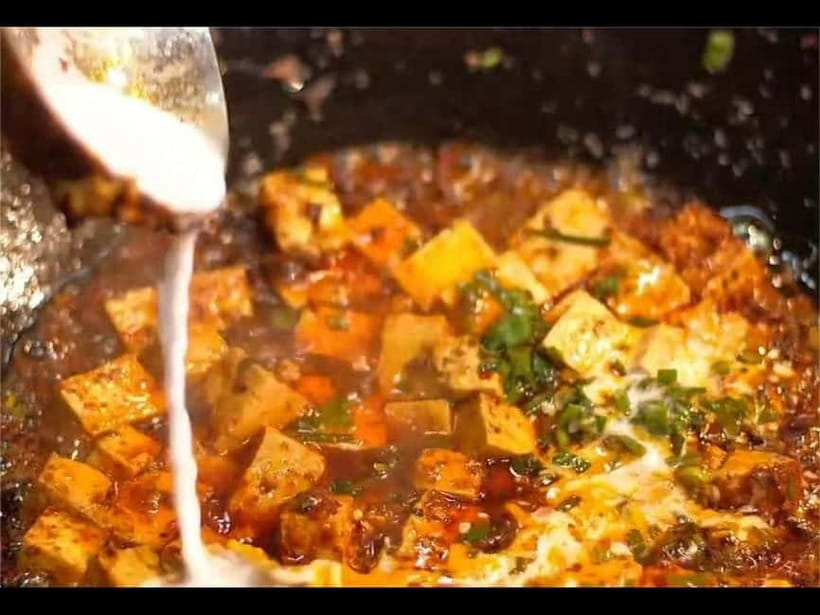
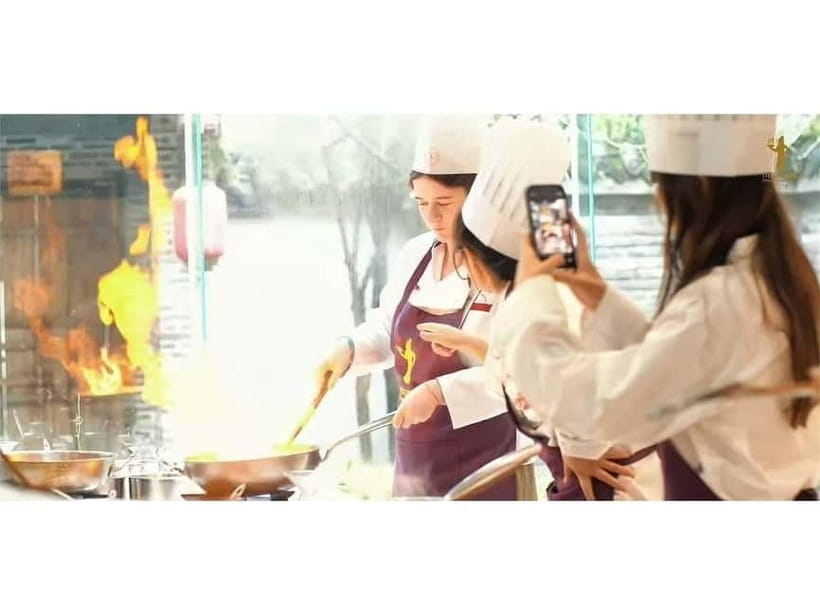
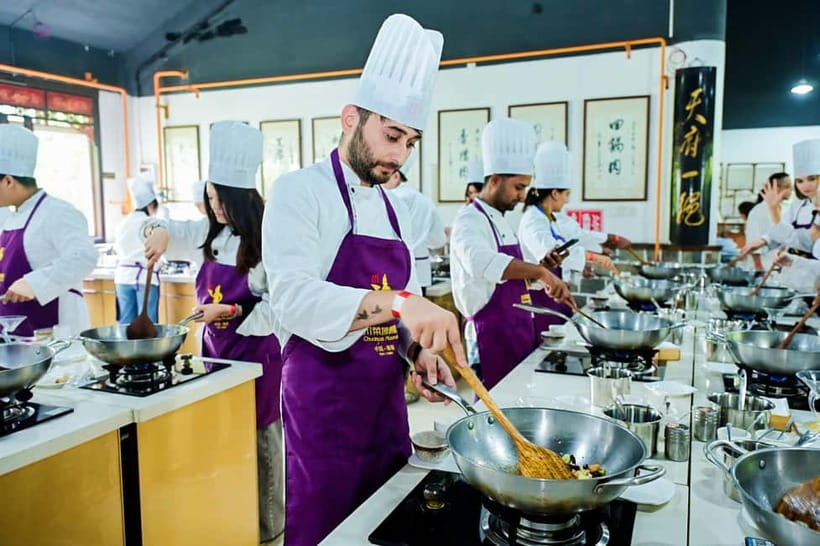
The cooking class lasts about an hour. Under the guidance of senior chefs, you change into chef uniforms and prepare three typical Sichuan dishes.
The supplied details do not name the exact recipes, so you should not book this expecting a particular dish. The important part is the method. You will work with a wok, practice quick stir-frying, and focus on presenting the finished food properly.
Wok cooking moves fast. The class gives you a chance to feel the heat and timing rather than merely watching a demonstration. You’ll get a more useful lesson if you pay attention to when ingredients enter the wok, how quickly they are moved, and how the chef controls the cooking process.
The class is designed for participation, but it is not presented as advanced professional training. Think of it as a lively introduction to classic Sichuan kitchen techniques. You may leave with a better feel for speed, heat, and seasoning, even if you do not become a restaurant chef by lunchtime.
The playful part is a blindfolded knife-cutting activity involving golden-silk noodles. It adds a bit of theater and humor. Since you are blindfolded, follow the instructor’s directions carefully and treat it as a supervised game rather than a serious knife-skills test.
At the end, the chief executive chef comments on the results and awards a Rookie Master Chef certificate. It is a souvenir rather than a professional qualification, but it makes a nice keepsake for families, couples, or friends taking the class together.
Eating what you cook, plus Sichuan snacks
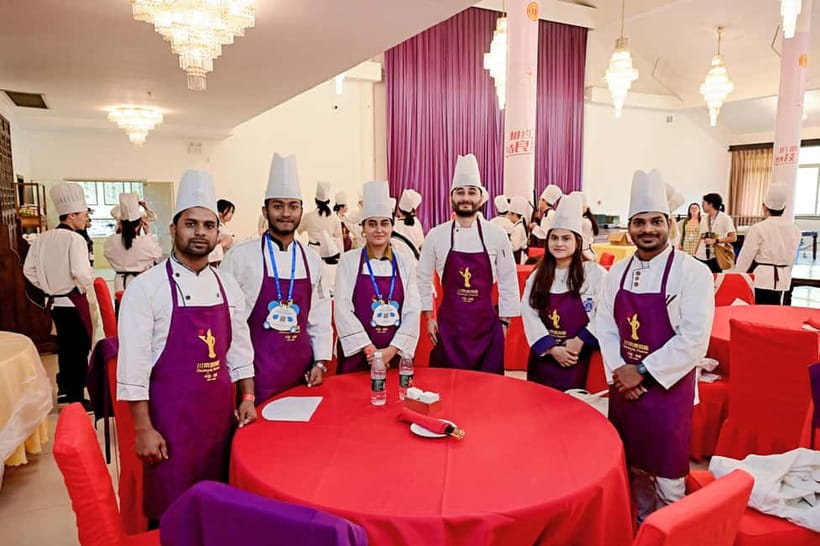
The best reward comes after the lesson: you sit down and eat the dishes you prepared. Sharing the food with classmates makes the meal feel social, and you can compare how each person handled the same instructions.
Daily soup, steamed rice, pickles, and fruit juice are included with the meal. Those extras matter because spicy dishes are easier to enjoy when you have plain rice, soup, and cooling accompaniments nearby.
You may also taste traditional Chinese medicine wine, along with drinks such as fresh fruit juice, red wine, and beer. Unlimited drinks are listed as an optional extra, so check the final price before assuming every beverage is included.
The local snack tasting adds another useful layer. Expect Northern-Sichuan-style pea jelly, tofu pudding, and Zhong’s dumplings. These are not just filler after the main meal. They show how Sichuan food includes soft textures, bean-based dishes, dumplings, and snack-counter favorites as well as fiery stir-fries.
You should arrive ready to eat, but pace yourself. The combination of cooked dishes, snacks, drinks, and tea can turn into a very full afternoon.
Tea, mahjong, and a slower Sichuan rhythm
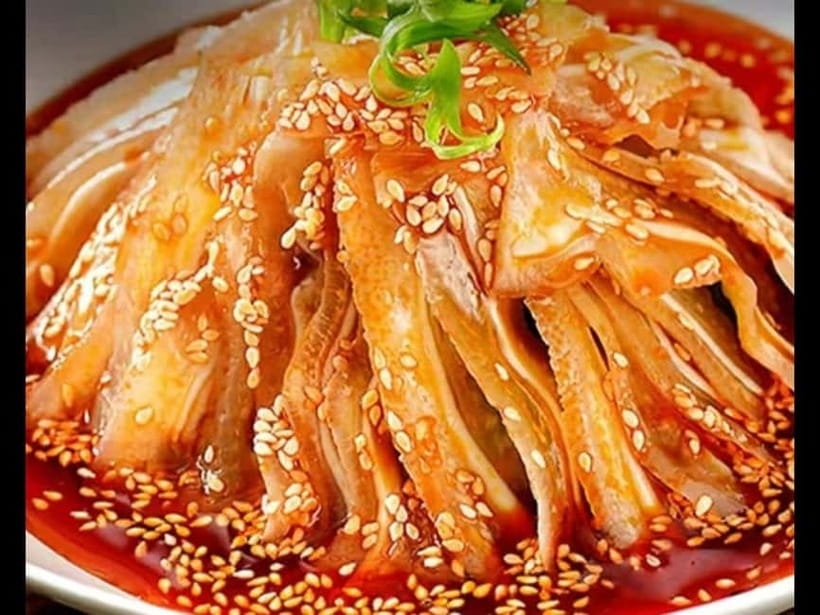
After the food, you can rest in the Sichuan tea house. The setting includes bamboo chairs and desks, covered-bowl tea, and mahjong.
The covered-bowl tea is worth trying even if you are new to it. The lid helps keep leaves and heat in place, and drinking from the bowl is part of the local tea-house style. You are encouraged to slow down rather than hurry straight to the next attraction.
Mahjong gives the tea-house visit a social touch. You may not know the game well enough to play, but seeing the setting helps you understand why tea houses are such an important part of local leisure.
This final section also helps the timing stay flexible. The stated duration ranges from 2.5 to 4 hours, and the tea-house period is one reason the visit can vary. If you need to leave at a set time, tell your guide early.
Is $54 a fair price?
At $54 per person, I consider this a reasonable price for a private, multi-part food experience, provided you value the museum visit as much as the cooking class.
The cost covers the museum tour, the raw-material area, the cooking lesson, the meal made during class, local snacks, and tea-house leisure. You are also getting a guide in English or Chinese, a chef-led activity, and a certificate.
It becomes less attractive if you only want to learn recipes. The lesson itself is about an hour, while the rest of the time is spent touring, eating, drinking, and relaxing. That is a good balance for a first visit to Chengdu, but it may feel slow to a serious home cook looking for a long technical workshop.
Transportation is extra. A private dining room, a Sichuan Cuisine Master certificate, and unlimited tea, wine, and soft drinks are also optional. Ask about those additions before paying so the final cost matches your expectations.
The overall score is 4.4 from two reviews, and the available verified feedback describes the experience as fun, instructive, and well organized. That matches the structure: the day has a clear rhythm, and the cooking is supported by plenty of cultural material.
Who will enjoy this most?
I would recommend this to first-time Chengdu visitors who want food and culture in the same half-day. It also suits couples, families, and private groups that enjoy doing something together instead of sitting through a demonstration.
It is a good choice for people who want to taste local snacks but may not feel ready to order unfamiliar dishes on their own. You get an introduction to several foods in a guided setting, with rice, soup, and other accompaniments available.
Food-focused photographers should bring a camera. The garden, old tools, bean-paste displays, palm-leaf raincoat, chef uniforms, snacks, and tea house all offer photo opportunities.
I would skip it if you have serious food allergies. The experience includes several dishes, snacks, drinks, and traditional food products, and it is specifically marked as unsuitable for people with food allergies. It is also not suitable for wheelchair users. Comfortable shoes are recommended for the walking portions.
Practical booking advice
Book in advance, especially if you want an English-speaking guide or a particular start time. Since the activity is a private group, confirm how your party will be handled and provide accurate contact details for meeting information.
You can cancel up to 24 hours before the activity for a full refund. The reserve-now-and-pay-later option also gives you some flexibility while arranging your Chengdu schedule.
The tour is usually 2.5 to 4 hours, but I would reserve a larger block of time once transport is included. Do not count on finishing in exactly three hours if you plan to enjoy the tea house and snack tasting.
Bring a camera, wear comfortable shoes, and arrive hungry. Most importantly, leave space in your day for the ride to Pidu district.
Should you book the Sichuan Cuisine Museum class?
Book it if you want more than a cooking lesson. The strongest parts are the unusual museum collection, the Kitchen God ritual, the explanation of Pixian chili bean paste, and the chance to eat the food you prepare.
The $54 price offers good value for a private half-day that combines sightseeing, cooking, a full meal, snacks, and tea. Just remember that transport, certain drinks, private dining, and the higher-level chef certificate cost extra.
Skip it if you want a central Chengdu activity, have food allergies, use a wheelchair, or prefer a focused technical class with named recipes. For everyone else, this is a practical and entertaining way to connect Chengdu’s famous food with the people, customs, tools, and ingredients behind it.
FAQ
Where does the cooking experience begin and end?
It begins and ends at the Sichuan Cuisine Museum in Gucheng county, Pidu district, Chengdu, Sichuan province.
How far is the museum from downtown Chengdu?
The museum is about 23 kilometers from downtown, reached by taking Shaxi Road in the direction out of the city.
Is transportation included?
No. Transportation to and from the museum is not included, so you need to arrange your own transport.
How long does the experience last?
The duration is listed as 2.5 to 4 hours. The guided museum tour, cooking class, food tasting, and tea-house time make up the visit.
What languages are available?
The experience offers live guiding in English and Chinese.
How many dishes will I cook?
You will cook three typical Sichuan dishes under the guidance of senior chefs.
Are drinks included?
Fresh fruit juice is included with the meal. Unlimited drinks such as tea, wine, and soft drinks are available as an optional extra.
Is the experience suitable for people with food allergies?
No. It is listed as unsuitable for people with food allergies.
Is the museum accessible to wheelchair users?
No. The experience is listed as unsuitable for wheelchair users.
Just added in Chengdu
- Visiting Chengdu Panda Base in a Half Day★ 5.0 · 4 reviews
- Classsic sichuan Opera at sichuan Provincial Theater★ 5.0 · 4 reviews
- Tea Village in lost Town and Buddha 1 day tour★ 5.0 · 32 reviews
- Panda, Leshan, and Emei Mountain 2-day tour★ 5.0 · 4 reviews
- Sichuan Opera with face-changing at Sichuan opera theater★ 4.5 · 6 reviews
- Sichuan Opera Show with Hotel Pickup★ 5.0 · 3 reviews
- Mini Group: Half-Day Chengdu Pandas Guided Tour★ 5.0 · 3 reviews
- Sanxingdui Ruins and Giant Pandas Private Day Tour from Chengdu★ 5.0 · 5 reviews
Cooking Classes, compared.
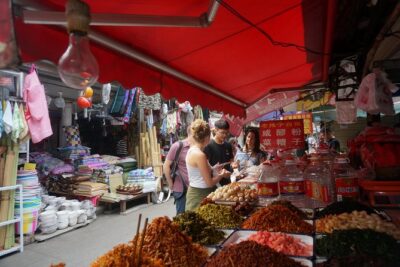
Half-Day Chengdu Cooking Class with a Local Market Visit
Read our review →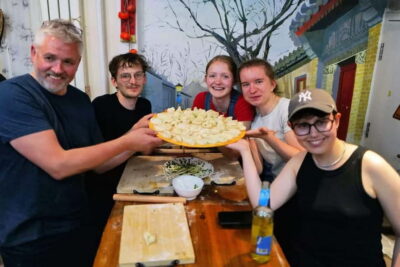
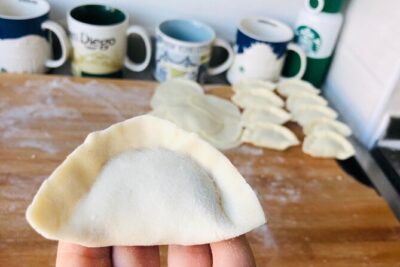
Online Cooking Class Beijing Dumplings and Cuisine by Sunflowerli Renowned Chef
Read our review →
Lijiang Naxi Cuisine Cooking Class & Market Visit
Read our review →
Cooking Class with Fresh Market Half Day Experience
Read our review →Private Cooking Class: Make Your Own Dim Sum In Shanghai
Read our review →
Half-Day steamed Buns Cooking Class with a Local Market Visit
Read our review →
Hong Kong Market Walking Tour & Chinese Cooking Class
Read our review →Where else this tour turns up