
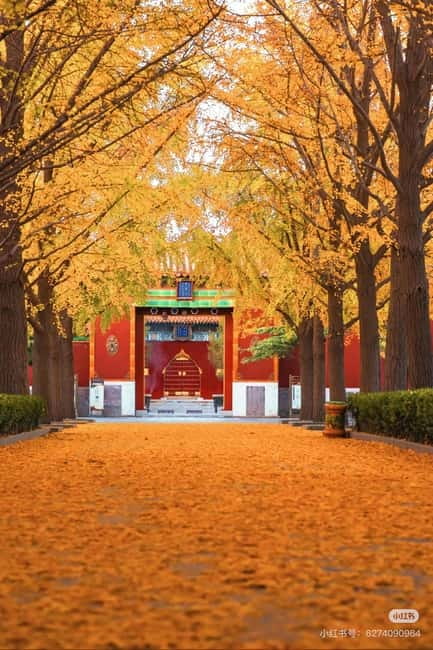
Reviewed · LAMA TEMPLE TOURS
Beijing: Yonghe Lama Temple Tickets with guide (optional)
A remarkable temple sits in the city’s northeast corner. This pre-booked visit to Beijing’s Yonghe Lama Temple, also called Yonghegong Lama Temple, gives you a simple way to enter one of the city’s most important Buddhist sites. I like the chance to see three ornate archways, five main halls, and more than 1,000 rooms without stopping first at the ticket counter.
I also like the blend of Tibetan Buddhist design and traditional Chinese architecture. An English live guide and small-group option can help you understand what you are seeing, not just walk past incense burners and painted halls. The main consideration is access: the temple is not suitable for wheelchair users, and opening hours change by season.
In This Review
- Key points before you book
- Why Yonghegong deserves time in Beijing
- Getting to No. 12 Yonghegong Street
- Three archways set the tone
- Moving through Yonghe Gate and the main halls
- The Pavilion of Ten Thousand Blessings
- What the English guide adds
- Opening hours and the best time to arrive
- Is the $12 price good value?
- Who should book this experience?
- Practical booking advice
- Should you book the Yonghe Lama Temple ticket?
- FAQ
- Where is Yonghe Lama Temple located?
- How do I reach the temple by metro?
- What are the temple’s opening hours in summer and autumn?
- What are the temple’s opening hours in winter and spring?
- What does the ticket include?
- Is an English guide available?
- What should I bring?
- Can wheelchair users take part?
Key points before you book
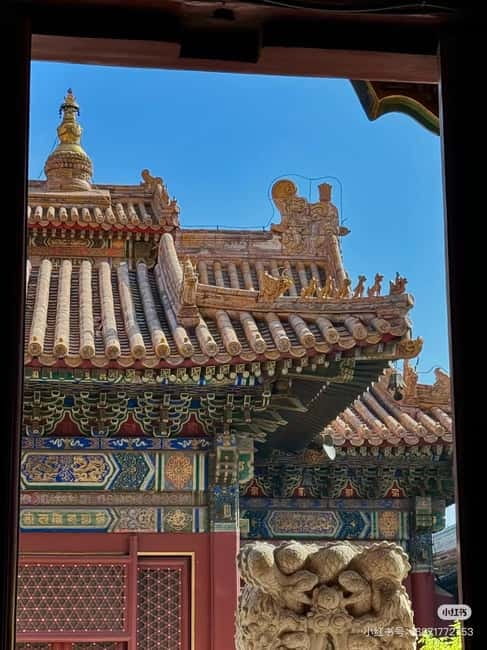
- A Qing Dynasty temple with Tibetan and Chinese design: Yonghegong began in 1694 under Emperor Kangxi.
- Five major halls form the main route: The complex includes Yonghe Gate, the Grand Hall, Yongyou Hall, the Hall of the Wheel of the Dharma, and the Pavilion of Ten Thousand Blessings.
- Advance entry saves time: Your ticket is arranged before arrival, so you avoid buying on the spot.
- English guidance is available: You can choose a live English guide, with a small-group format available.
- Plan around seasonal closing times: Summer and autumn hours run until 5:00 PM, while winter and spring hours end at 4:30 PM.
- Bring your passport: It is required for this activity.
Why Yonghegong deserves time in Beijing
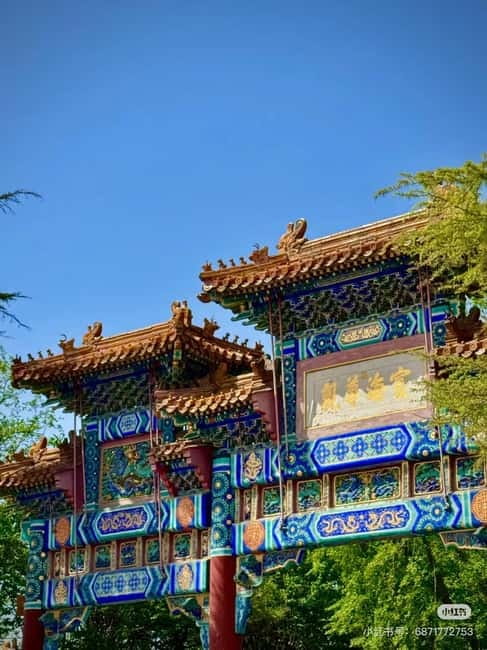
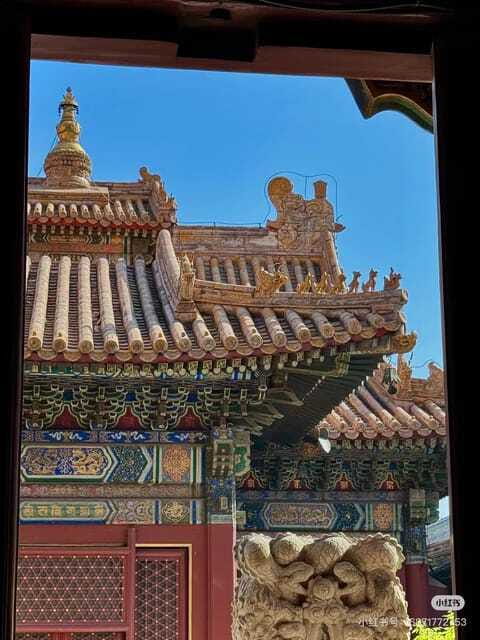
Yonghe Lama Temple is not simply another ornate imperial-era building. It was first built in the 33rd year of Emperor Kangxi’s reign, in 1694, during the Qing Dynasty. By the late Qing period, it had become the highest-ranking Buddhist temple in the capital.
That background helps explain the unusual mixture of styles. You will see traditional Chinese courtyards and rooflines alongside features linked to Tibetan Buddhism. The complex also reflects Han, Manchu, Mongolian, and Tibetan cultural influences.
I find that combination more interesting than a site with one fixed architectural style. You can read the temple as both a religious center and a reflection of Qing-era power, when several cultural traditions met inside the imperial capital.
The scale is also striking. The grounds cover about 66,400 square meters and contain more than 1,000 rooms. You will not inspect every room during a normal visit, of course, but the large plan gives the temple a strong sense of progression. The courtyards become narrower as you move north, while the halls grow taller.
That gradual change is important. The route does not feel like a flat collection of buildings. It guides your attention forward, from the entrance structures toward the most imposing halls deeper inside.
More Lama Temple visits:
- Temple Heaven, Lama Temple, Summer Palace & Peking Duck Bus Tour
★ 5.0 · 377 reviews - Temple Heaven, Summer Palace, Lama Temple, Hutong Bus Tour
★ 4.7 · 319 reviews - Temple of Heaven, Summer Palace, Lama Temple, Hutong Tours
★ 5.0 · 311 reviews
Getting to No. 12 Yonghegong Street
The temple is at No. 12 Yonghegong Street in Beijing’s Dongcheng District. The easiest stated transport option is the subway. Take Line 5 and get off at Yonghe Lama Temple Station.
This location makes the site fairly practical to add to a Beijing sightseeing day. You do not need to arrange a long transfer to a distant suburb, and the subway gives you a direct way to reach the surrounding district.
Your pre-booked ticket is useful here. Instead of arriving with one more purchase to handle, you can focus on finding the entrance and presenting the required information. Bring your passport, as it is specifically required for the activity.
The ticket is valid for one day. That does not mean you can enter at any hour without checking, so confirm the available starting time when booking. The experience has a listed duration of one day because it is an admission visit rather than a tightly timed, multi-stop excursion.
Three archways set the tone
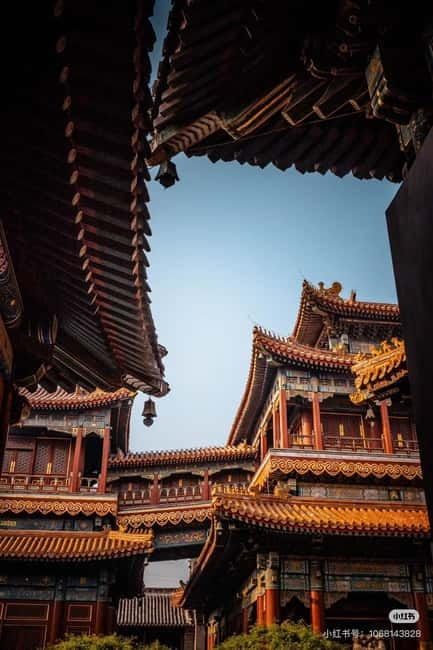
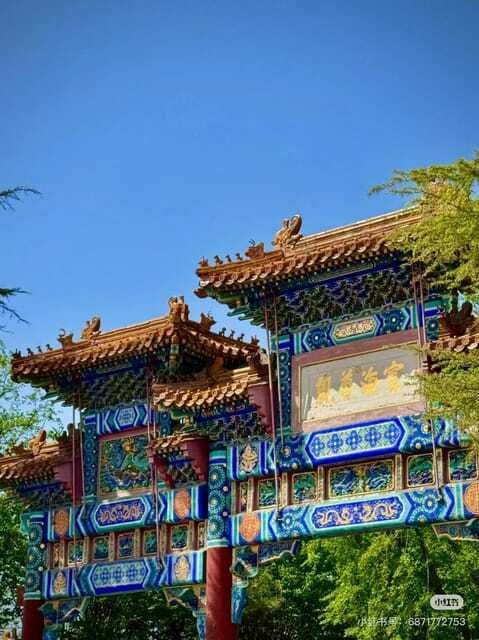
The visit begins with three carefully designed archways. These structures introduce the ceremonial character of the temple before you reach the main halls.
The archways are not just decorative gates. They mark the shift from ordinary city streets into a formal religious compound. Take a moment here before moving on. The first impression helps you understand why the layout feels more like a carefully planned procession than a single building.
From this point, the temple’s sequence of gates, towers, courtyards, and halls becomes clearer. The Bell Tower and Drum Tower are among the important structures named as part of the complex. Together, these elements give the entrance area a strong sense of order.
If you choose the English guide, this is a useful place to begin asking questions about the layout and the blend of Buddhist traditions. If you visit without guidance, the architecture still carries the experience, but you may need to spend more time piecing the details together yourself.
Moving through Yonghe Gate and the main halls
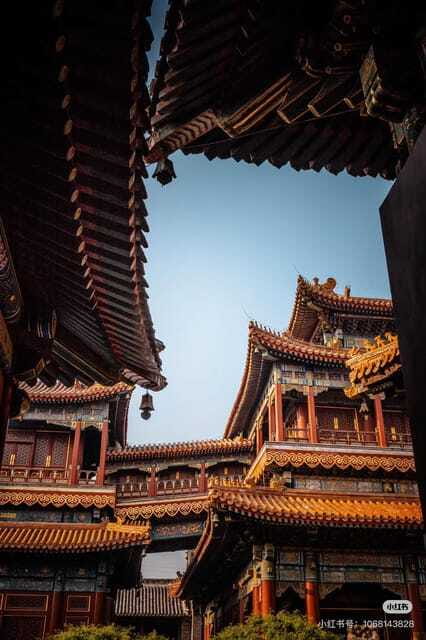
Yonghe Gate leads you farther into the complex. As you continue, the courtyards narrow and the buildings become taller, creating a rising sense of importance.
The Grand Hall, also called the Hall of Great Buddha, is one of the key stops. Its name signals its central role in the temple plan, and its position in the sequence gives it visual weight. This is the sort of place where an English guide can add value by explaining why the hall matters rather than leaving you to guess from the exterior.
Next comes Yongyou Hall, another major building on the route. The temple’s halls should be viewed as parts of one connected design rather than isolated photo stops. Their positions, heights, and courtyards work together.
The Hall of the Wheel of the Dharma adds another layer to the religious character of the complex. Even if you are not familiar with Tibetan Buddhism, the building names and formal layout make it clear that this is an active spiritual setting, not a reconstructed garden created only for sightseeing.
Please behave quietly and respectfully. Alcohol, drugs, and making fire are not allowed. These restrictions are basic, but they matter in a working religious site.
A few more to weigh up in Beijing
- From Beijing: Mutianyu Great Wall Tours with Options
★ 4.9 · 9,216 reviews - Beijing: Forbidden City Tour(Group/Private)-Tickets Included
★ 4.8 · 7,974 reviews - Beijing: T-Square & Forbidden City Group or Private Tour
★ 4.8 · 4,446 reviews - All-Inclusive Tour: Tiananmen Square, Forbidden City, Great Wall
★ 5.0 · 2,873 reviews
The Pavilion of Ten Thousand Blessings
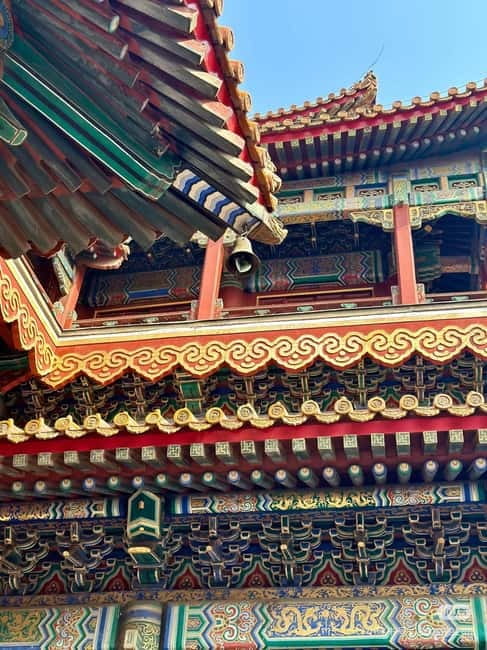
The Pavilion of Ten Thousand Blessings is one of the named highlights of the temple complex. By the time you reach this part of the route, the change in scale becomes easier to appreciate. The courtyards have narrowed, and the halls have grown in height.
The pavilion’s name gives the stop a memorable quality, but the larger value comes from seeing how it fits into the overall design. The temple gradually builds toward its northern section, using space and height to create a more imposing finish.
I would not rush this final stretch. The temple rewards a slower pace, especially if you want to notice the way Chinese architectural features sit beside Tibetan Buddhist elements. A guide can point out details that might otherwise blend together, while an unguided visit gives you more freedom to pause and move at your own rhythm.
What the English guide adds
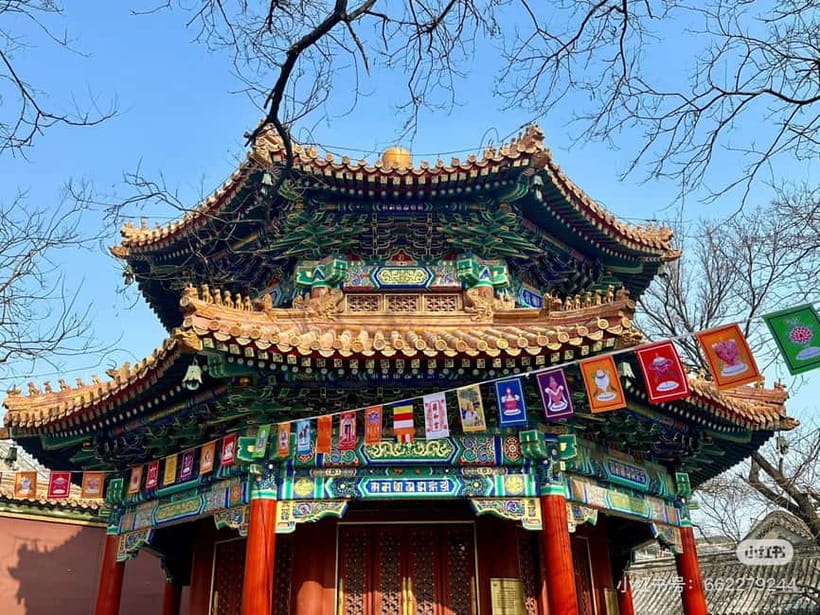
The ticket includes an information service fee, and the activity offers a live English guide. A small-group option is also available.
That distinction matters. This is not only a skip-the-line style admission where you receive a ticket and are left entirely alone. Depending on the option and availability you select, you can have English-language help as you move through the complex.
I like the guide option for first-time visitors who want context. Yonghegong includes many named buildings and several cultural traditions. Without explanation, you may remember the colorful roofs and grand courtyards but miss why the layout changes from south to north.
The guided format may be less appealing if you prefer total independence or want to linger at each hall for as long as you wish. A small group can make the visit easier to follow, but it may still move at a set pace. Check the booking details carefully to confirm which option you are selecting.
Opening hours and the best time to arrive
The temple opens at 9:00 AM throughout the year, but the closing time changes.
From April 1 through October 31, during summer and autumn, the temple is open from 9:00 AM to 5:00 PM. Last admission is at 4:30 PM, and the grounds are cleared by 5:00 PM.
From November 1 through March 31, during winter and spring, the hours are 9:00 AM to 4:30 PM. Last admission is at 4:00 PM, with the grounds cleared by 4:30 PM.
Do not plan to arrive near closing. Even with a pre-booked ticket, you need enough time for entry and for the full route through the courtyards and halls. Morning is the safest choice if you want to move without watching the clock.
The availability page shows the starting times offered for your date. Check it before you book, especially if you are fitting Yonghegong between other Beijing sights.
Is the $12 price good value?
At $12 per person, this is a modestly priced cultural visit. The value comes from more than the admission itself. You are paying for a pre-booked temple ticket and an information service fee, with an English guide and small-group option available.
That can be worthwhile in Beijing, where a little help with entry and interpretation makes a large site easier to manage. The complex is extensive, and its significance is not always obvious from the buildings alone.
The price is less compelling if you only want a quick look at the entrance and do not care about the temple’s architectural or religious context. In that case, a ticket-only visit may be all you need, if that option is offered for your date.
For most first-time visitors, I see the $12 cost as fair. You get access to a major Beijing landmark, a clear route through a large historic complex, and the possibility of English assistance without paying for a full-day private tour.
Who should book this experience?
I would recommend it to you if you want a focused cultural stop with practical entry arranged in advance. It suits first-time visitors to Beijing, people interested in Buddhist architecture, and anyone who wants to see a Qing-era temple without spending a full day on a guided city tour.
The optional English guide is especially useful if you enjoy understanding the purpose of each hall. The small-group format may suit you better than a large coach tour, though you should select the group option only if the booking page confirms it for your date.
This visit is less suitable if you use a wheelchair, since the activity is specifically listed as unsuitable for wheelchair users. It is also a poor choice if your Beijing schedule is so tight that you can only spare a few minutes. The temple’s scale deserves more than a hurried entrance and exit.
Practical booking advice
You can cancel up to 24 hours in advance for a full refund, and the reserve-now, pay-later option keeps your plans flexible. Those terms are useful when your Beijing schedule includes several timed attractions.
Still, flexibility does not replace planning. Check the seasonal hours, select the correct date, and bring your passport. Wear comfortable shoes and allow enough time to move through the compound, though specific clothing or footwear rules are not provided for this activity.
The temple does not permit alcohol, drugs, or making fire. Treat it as a religious place first and a sightseeing stop second.
Should you book the Yonghe Lama Temple ticket?
Yes, if you want an affordable and well-organized visit to one of Beijing’s most distinctive religious sites. I especially like the combination of advance entry, a possible English guide, and a complex large enough to reward careful looking.
Choose the ticket-only approach if you are comfortable exploring on your own. Choose the English small-group option if you want help making sense of the five main halls and the temple’s Tibetan and Chinese influences.
Book it when you can arrive well before last admission. At $12 per person, Yonghegong offers solid value, but the real benefit comes from giving the site enough time to unfold from its three archways to the Pavilion of Ten Thousand Blessings.
FAQ
Where is Yonghe Lama Temple located?
Yonghe Lama Temple is at No. 12 Yonghegong Street in Beijing’s Dongcheng District.
How do I reach the temple by metro?
Take Beijing Metro Line 5 and get off at Yonghe Lama Temple Station.
What are the temple’s opening hours in summer and autumn?
From April 1 through October 31, the temple is open from 9:00 AM to 5:00 PM. Last admission is at 4:30 PM.
What are the temple’s opening hours in winter and spring?
From November 1 through March 31, the temple is open from 9:00 AM to 4:30 PM. Last admission is at 4:00 PM.
What does the ticket include?
The activity includes Yonghegong Lama Temple admission and an information service fee.
Is an English guide available?
Yes. A live English guide is available, and a small-group option is offered.
What should I bring?
Bring your passport.
Can wheelchair users take part?
No. The activity is listed as unsuitable for wheelchair users.
Just added in Beijing
- Private Transfer to Mutianyu Great Wall with professional driver★ 5.0 · 19 reviews
- One day tour to downtown Tianjin from Beijing by high speed train★ 5.0 · 3 reviews
- ZANBUS: Trip to the Jinshanling Great Wall Departing at 7:30 AM★ 5.0 · 5 reviews
- camp on the Great Wall overnight with sunrise and sunset on the wall★ 5.0 · 11 reviews
- Yuxiandu Chinese Royal Cuisine Museum with Show and Royal Banquet★ 5.0 · 4 reviews
- Wild Great Wall Hikes★ 5.0 · 10 reviews
- BusDa:Ancient Great Wall &Badaling Great Wall Full-day Bus Tour★ 4.5 · 6 reviews
- Private Wild Great Wall Hiking tour at Simatai (Challenging)★ 5.0 · 16 reviews
Lama Temple Tours, compared.
Temple Heaven, Lama Temple, Summer Palace & Peking Duck Bus Tour
Read our review →
Temple Heaven, Summer Palace, Lama Temple, Hutong Bus Tour
Read our review →
Temple of Heaven, Summer Palace, Lama Temple, Hutong Tours
Read our review →

Beijing Historical Tour II including Summer Palace, Lama Temple & Panda Garden
Read our review →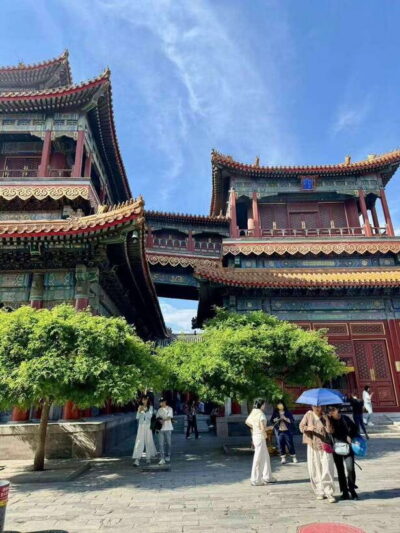
Beijing Lama temple ticket; #1 efficacious; limited Discount
Read our review →
Panda House, Temple of Heaven, Lama Temple, Summer Palace & Lunch
Read our review →Where else this tour turns up