
Reviewed · MUSEUMS IN BEIJING
Beijing: Prince Kung’s Palace Museum Ticket—Must-See Spot
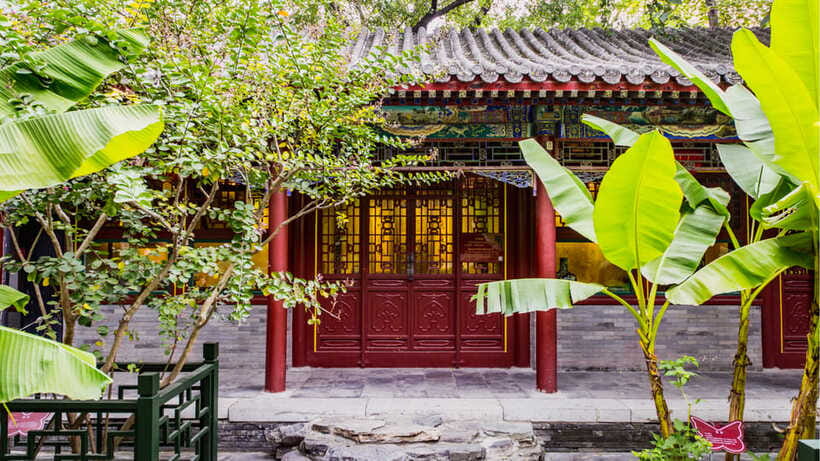
History feels close here. Prince Kung’s Palace Museum gives you a clear look at Qing Dynasty privilege, from grand halls to quiet garden corners, without the scale and strain of the Forbidden City. I like the well-preserved architecture and the chance to explore at your own speed with an English PDF guide. I also like the setting, since you can pair the palace with a walk toward Shichahai and the Drum Tower.
The main drawback is timing. The grounds can become crowded after 11:00, and the afternoon is less peaceful. The PDF guide helps, but you will not have a live guide or audio commentary, so you need to bring some curiosity and allow at least two hours.
In This Review
- Four things to know before you go
- Why Prince Kung’s Palace deserves a place on your Beijing plan
- Entering the former home of He Shen
- The halls, courtyards, and preserved objects
- The garden, rockeries, and water features
- How to plan the visit without a live guide
- Why early morning matters
- Adding Shichahai and the Drum Tower
- Evening light show and cultural performance
- Is the $20 ticket good value?
- Who will enjoy this palace most?
- Final decision: should you book it?
- FAQ
- How much does the Prince Kung’s Palace Museum ticket cost?
- How long does the experience last?
- What is included with the ticket?
- Is a live tour guide included?
- Can I skip the ticket line?
- What should I bring?
- Can I cancel the booking?
Four things to know before you go
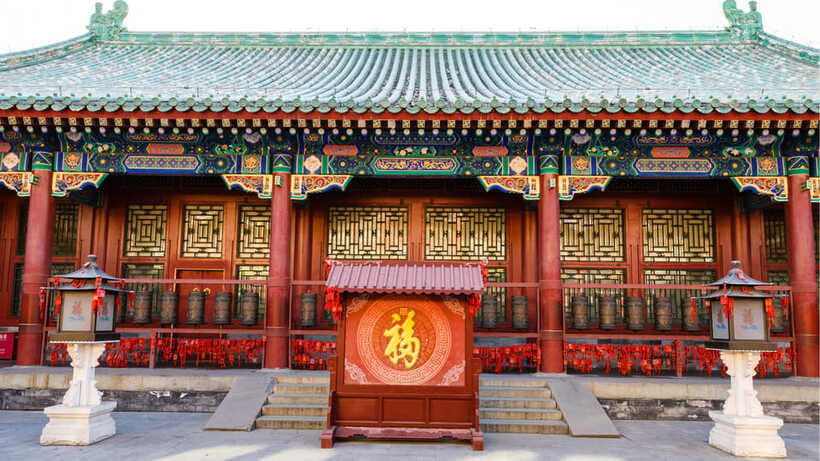
- A former home of He Shen: The mansion began as the lavish residence of He Shen, a powerful minister under Emperor Qianlong.
- A large Qing prince’s mansion: The complex is among the biggest princely residences from the Qing Dynasty in Beijing.
- Two hours is the bare minimum: The halls, courtyards, garden, pavilions, rockeries, and water features reward a slow visit.
- Go early: The palace is usually easier to enjoy before 11:00. Afternoon crowds can make the narrow routes and display areas feel cramped.
- Self-guided, not guided: Your ticket includes an English PDF guidebook, but no live guide or audio guide.
- A useful neighborhood stop: From Shichahai, you can reach the palace by a scenic walk and add the Drum Tower to the same outing.
Why Prince Kung’s Palace deserves a place on your Beijing plan
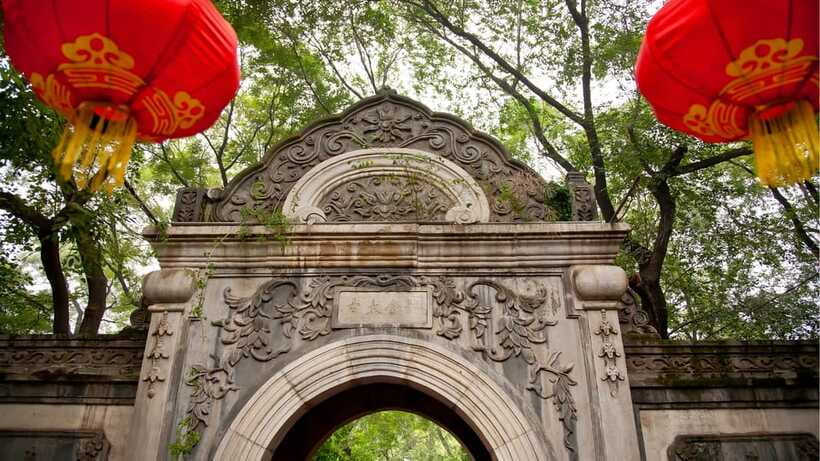
Beijing has no shortage of grand imperial sights. The Forbidden City gets most of the attention, but Prince Kung’s Palace offers a different kind of historical experience. Instead of moving through a vast imperial center, you explore a private residence built for power, status, family life, and display.
The palace is often described as half of Qing Dynasty history. That is a bold phrase, but it points to something useful: this is not simply a collection of old buildings. The complex helps you picture how wealthy Qing elites lived and how they wanted their influence to appear.
I find the scale easier to manage than the Forbidden City. You still get formal halls, courtyards, decorative details, and gardens, but the visit feels more focused. You can usually understand the basic layout without spending the whole day trying to find your way.
The setting also gives you a welcome change of pace. One moment you are looking at carefully arranged architecture and preserved objects. The next, you are walking through a quieter garden with rockeries, pavilions, and water features. The contrast is one of the palace’s strongest features.
More Museums in Beijing
- Beijing: Tianmen Square, Forbidden City & Royal Museum Tours
★ 4.6 · 1,288 reviews - Beijing:Jingshan Park (Palace Museum Garden) Ticket
★ 4.5 · 185 reviews - Beijing Half Day: National Museum of China In-depth Tour with Subway Transfer
★ 5.0 · 70 reviews
Entering the former home of He Shen
The story begins with He Shen, an influential minister during the reign of Emperor Qianlong. His wealth and position shaped the mansion, and the building details reflect the taste of someone who wanted visitors to notice status at every turn.
As you move through the residence, pay attention to how the spaces change. Formal areas communicate authority. Living quarters feel more personal. Corridors and courtyards connect the complex while also controlling how you see it.
The architecture is valuable even if you are not an expert in Chinese history. You can simply look at the rooflines, timber details, carved decoration, and balance between enclosed rooms and open courtyards. The PDF guide should help you understand which halls deserve extra time and why certain areas matter.
I would not rush from room to room just to complete the route. The palace works best when you pause to compare the formal halls with the garden spaces. The contrast tells you more about Qing life than any single display case.
The halls, courtyards, and preserved objects
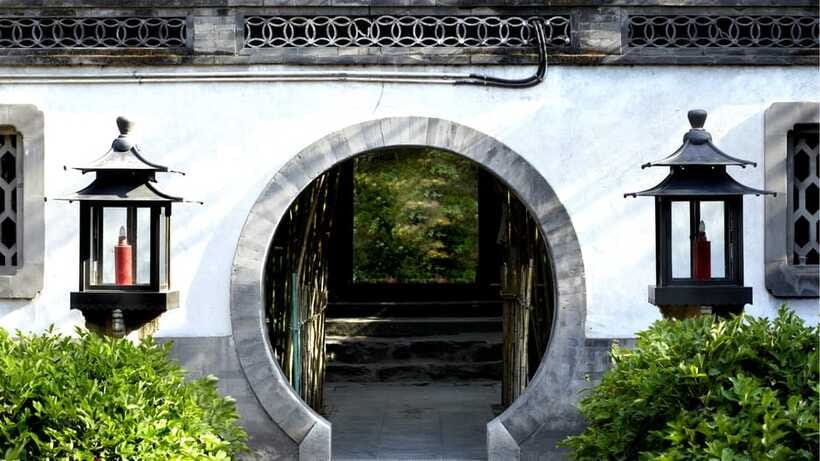
The interior areas give you a sense of ceremony and order. Qing residences were not arranged at random. Buildings, entrances, courtyards, and walking routes helped separate public duties from private life.
You can expect a series of halls and courtyards rather than one single palace room. That makes the visit feel like a small town built around rank and family routines. Some spaces may appear visually similar at first, so the PDF guide matters if you want more than attractive photographs.
Preserved artifacts add another layer. They help connect the architecture to daily life, taste, and social position. The supplied information does not give a detailed inventory of the objects on display, so I would treat the museum as a place to observe the overall setting rather than arrive expecting one famous masterpiece.
If you enjoy photography, bring patience. The palace offers repeated patterns, framed views, decorative details, pavilions, and garden compositions. Early morning is the best choice for calmer views and fewer people moving through your photographs.
The garden, rockeries, and water features
The garden is the part of the palace that many people remember most clearly. It provides a softer counterpoint to the formal residence, with pavilions, rockeries, and water features arranged according to traditional Chinese feng shui ideas.
You may find that the garden takes longer than expected. It is not simply an outdoor passage between buildings. The paths, stones, water, and structures create a sequence of changing views. If you hurry, you will see the main components but miss how they work together.
This is also a good place to slow down after the more formal interiors. I would use the garden to review the PDF guide, check which areas you have missed, and enjoy a quieter pause. The palace can feel busy, especially later in the day, but the garden still offers moments of calm when you move away from the main flow.
The garden is a strong reason to visit even if you have already seen several Beijing palaces. The architecture feels different outdoors, and the setting makes the visit less tiring than a full day at the Forbidden City.
A completely different sort of day out:
- From Beijing: Mutianyu Great Wall Tours with Options
★ 4.9 · 9,216 reviews - Beijing: Forbidden City Tour(Group/Private)-Tickets Included
★ 4.8 · 7,974 reviews - Beijing: T-Square & Forbidden City Group or Private Tour
★ 4.8 · 4,446 reviews - All-Inclusive Tour: Tiananmen Square, Forbidden City, Great Wall
★ 5.0 · 2,873 reviews
How to plan the visit without a live guide
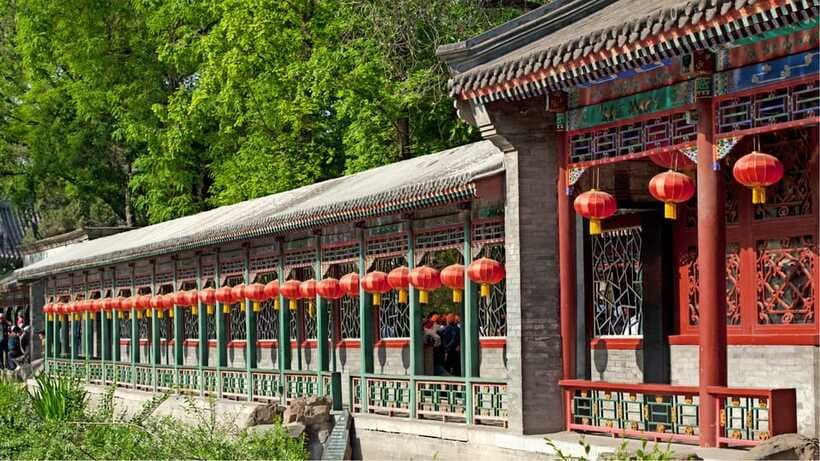
The ticket includes entry to Prince Kung’s Palace Museum and an English PDF guidebook. It does not include a live guide or audio guide. That arrangement suits you if you like to set your own pace, stop for photographs, and spend extra time in the garden.
A self-guided visit also means you need to take some responsibility for the experience. Read the PDF before entering if possible. Identify the main halls, garden areas, and historical points you want to see. That small amount of preparation can prevent the visit from becoming a walk through attractive rooms with little context.
The lack of a guide is less serious here than it would be at a huge historical site. The complex is easier to navigate than the Forbidden City, and the English guide gives you a framework. Still, if you want a detailed explanation of Qing politics, architecture, or individual artifacts, this ticket will feel basic.
I would plan on at least two hours. You can move faster, but the palace rewards a slower visit. Add more time if you care about photography, want to read the displays, or plan to include the nearby area in the same outing.
Why early morning matters
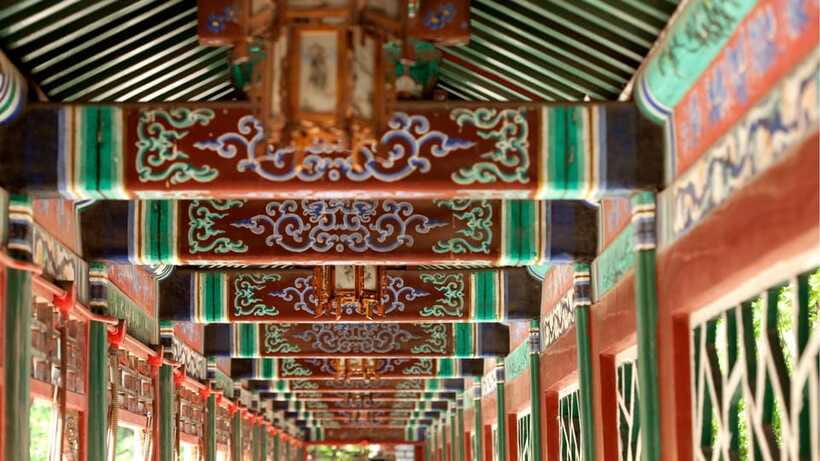
One piece of advice is especially clear: arrive early. After 11:00, the palace can become overcrowded, and that changes the experience.
Crowds matter here because the complex is built around courtyards, corridors, and relatively contained rooms. When too many people arrive, it becomes harder to stop, read, take photographs, or appreciate the quiet garden details. You may still see the major areas, but the visit becomes more about moving with the flow.
Morning also gives you a better chance to enjoy the palace before the day’s sightseeing fatigue sets in. Many people combine this stop with the Forbidden City, and that can make the order important. Prince Kung’s Palace is smaller and less tiring, so it can work well early in the day before a larger attraction.
The available information does not provide fixed starting times. You need to check availability when booking. Since the duration is listed as one day, the ticket is best understood as flexible admission rather than a timed, hour-by-hour itinerary.
Adding Shichahai and the Drum Tower
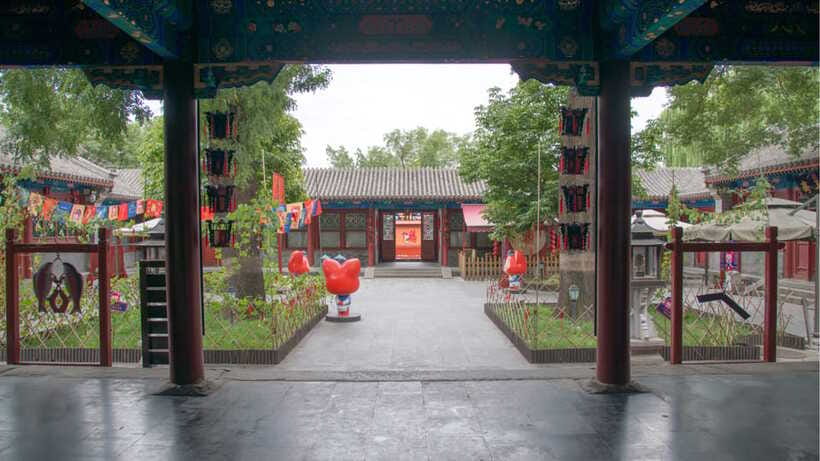
The palace is not an isolated attraction. One useful route begins at Shichahai, where you can walk through a scenic part of Beijing toward the museum. Along the way, you can also see the Drum Tower area.
This matters because the surrounding streets add local texture that a direct taxi ride would miss. The palace tells you about elite Qing residences. The walk helps you see how the historic neighborhood fits into the wider city.
You should allow extra time for this side of the outing, but the ticket itself does not include transportation or a guided neighborhood tour. The walk is best treated as an independent addition to your day.
If you have limited energy, go directly to the palace and explore the grounds first. If you have more time, use the surrounding area to turn a single museum visit into a fuller Beijing morning.
Evening light show and cultural performance
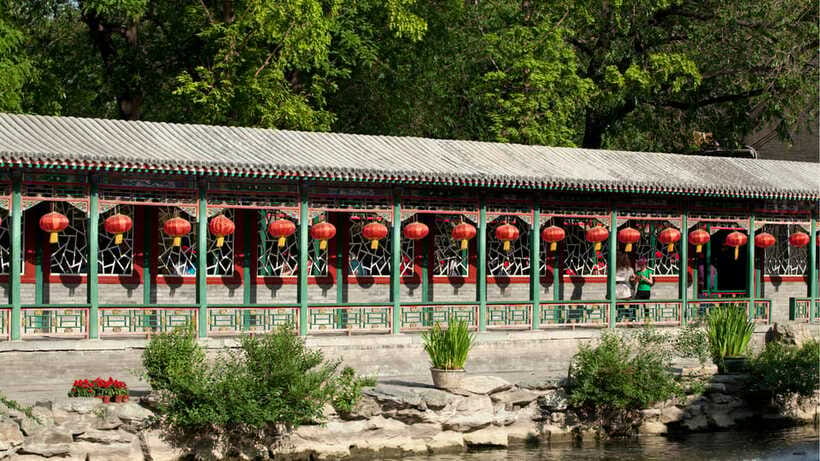
The experience information highlights a light show and cultural performance as an evening attraction. These can add a more theatrical side to the visit, especially if you want something beyond daytime architecture.
You should check the available schedule and what your selected ticket includes before planning around the show. The basic inclusions list covers museum entry and the English PDF guidebook, not a separate performance ticket. That distinction matters, since you should not assume the evening program is automatically part of the $20 admission.
The daytime palace and the evening show serve different purposes. During the day, you focus on historical buildings, artifacts, gardens, and photography. At night, the emphasis shifts toward spectacle and cultural presentation. If the performance is available with your booking, it may suit you well after a day of sightseeing, but it is not the main reason I would choose the museum.
Is the $20 ticket good value?
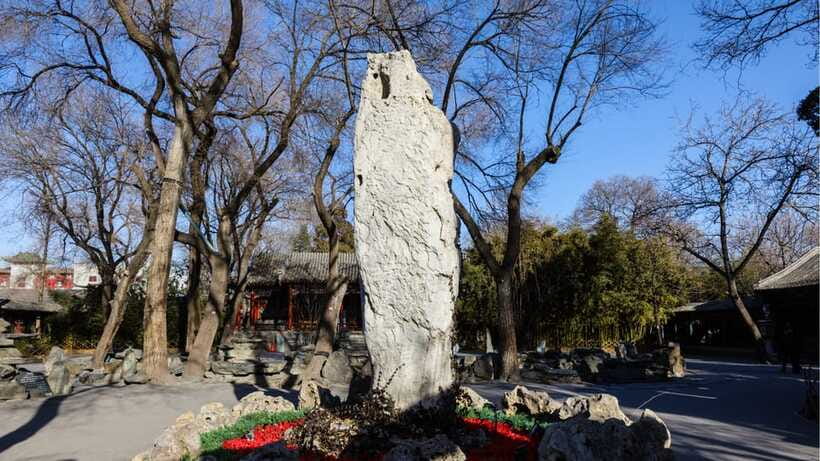
At $20 per person, the ticket is fair value if you want a major Beijing cultural sight with flexible, self-guided access. You are paying for admission to a large Qing princely residence, the gardens, and an English PDF guide, with the added convenience of skipping the ticket line.
The value is strongest for independent visitors. You avoid committing to a long group tour, and you can choose how much time to spend in the halls or garden. For photographers and history fans, that freedom is useful.
The value is weaker if you expect a full interpretation of the site. There is no live guide and no audio guide. You may need to do some reading before the visit or rely on the PDF for context. I would not book this expecting a polished, lecture-style tour.
The free cancellation option up to 24 hours before the visit also gives you useful flexibility. You can reserve ahead, pay later, and adjust your plans within the stated cancellation period. You still need to bring your passport or ID card.
Who will enjoy this palace most?
I would recommend Prince Kung’s Palace to anyone interested in Chinese history, Qing culture, traditional architecture, gardens, or photography. It is also a good choice if the Forbidden City feels like too much of a commitment but you still want a serious historical site.
Families and mixed-interest groups may find it manageable because you can move at different speeds. One person can study the halls while another spends more time outside. The smaller scale makes it easier to regroup than at the Forbidden City.
The experience is less suitable if you want a guide explaining every building as you go. It is also not ideal if your schedule only allows a rushed visit after midday. Crowds can reduce the pleasure, and two hours is a sensible minimum.
The palace works especially well as part of a north-central Beijing day. Pair it with Shichahai and the Drum Tower, or use it as a calmer contrast to the Forbidden City.
Final decision: should you book it?
I would book this experience if you want a self-paced Qing Dynasty visit with strong architecture, a memorable garden, and an easier route than the Forbidden City. The early morning timing is the key. Go before 11:00, allow at least two hours, and read the English PDF guide before you arrive.
I would skip it only if you need a live expert guide or have no time to explore properly. For most independent visitors, the $20 price is reasonable, the setting is impressive, and the combination of palace, garden, and historic neighborhood makes this one of Beijing’s better cultural stops.
FAQ
How much does the Prince Kung’s Palace Museum ticket cost?
The listed price is $20 per person.
How long does the experience last?
The duration is listed as one day. You should allow at least two hours to see the palace, halls, gardens, and other main areas without rushing.
What is included with the ticket?
The ticket includes entry to Prince Kung’s Palace Museum and an English PDF guidebook.
Is a live tour guide included?
No. A live guide is not included, and the ticket also does not include an audio guide.
Can I skip the ticket line?
Yes. The activity includes skip-the-ticket-line entry.
What should I bring?
Bring your passport or ID card.
Can I cancel the booking?
Yes. You can cancel up to 24 hours in advance for a full refund. The reserve now and pay later option also lets you hold your plans without paying immediately.
Just added in Beijing
- Private Transfer to Mutianyu Great Wall with professional driver★ 5.0 · 19 reviews
- One day tour to downtown Tianjin from Beijing by high speed train★ 5.0 · 3 reviews
- ZANBUS: Trip to the Jinshanling Great Wall Departing at 7:30 AM★ 5.0 · 5 reviews
- camp on the Great Wall overnight with sunrise and sunset on the wall★ 5.0 · 11 reviews
- Yuxiandu Chinese Royal Cuisine Museum with Show and Royal Banquet★ 5.0 · 4 reviews
- Wild Great Wall Hikes★ 5.0 · 10 reviews
- BusDa:Ancient Great Wall &Badaling Great Wall Full-day Bus Tour★ 4.5 · 6 reviews
- Wild Great Wall Huanghuacheng Half Day Tour★ 5.0 · 15 reviews
Museums in Beijing, compared.
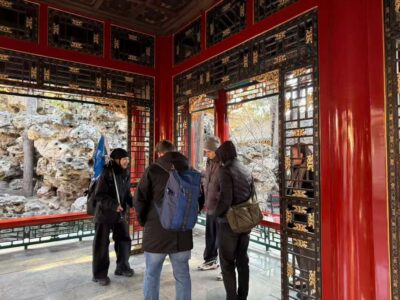
Tianmen Square, Forbidden City & Royal Museum Tours
Read our review →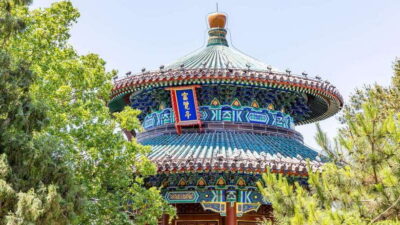
Beijing:Jingshan Park (Palace Museum Garden) Ticket
Read our review →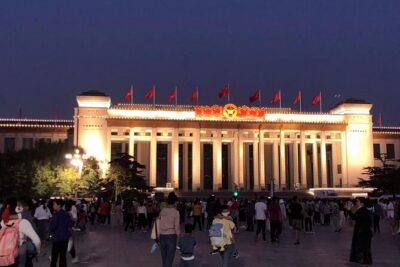
Beijing Half Day: National Museum of China In-depth Tour with Subway Transfer
Read our review →
Beijing’s Forbidden City with Special Viewing of Treasure Gallery and the Great Wall Ruins at Badaling
Read our review →
Lama Temple, Confucius Temple and Guozijian Museum
Read our review →
China National Museum Ticket Pre-booking and Tiananmen Square
Read our review →
4-Hour Private Tour: Lama Temple, Confucius Temple, Guozijian Museum with Dim Sum
Read our review →
JingShan park (palace museum garden) entry ticket
Read our review →Where else this tour turns up