
Reviewed · HUTONG TOURS
Beijing: Hutongs & Food & Culture Walking Tour
The old lanes tell Beijing’s best stories. This walking experience takes you through historic hutongs, traditional courtyard homes, neighborhood food stops, and cultural corners where daily life still feels close at hand. I like the focus on old Beijing life and the chance to see siheyuan homes with gray roofs, red doors, brass knockers, and vines climbing the walls. I also like the choice of starting points, including Drum Tower, Shichahai, and the Capital Museum.
The main caution is that the advertised experience appears to combine several possible activities. Food, tea, crafts, hutongs, a rickshaw ride, a home visit, and a three-hour Capital Museum visit do not necessarily belong to every booking option. Check exactly what your selected option includes, especially since food and drinks cost extra and the price of $2.86 per person looks more like a basic booking price than a full meal-filled tour.
In This Review
- Key points before you book
- Why Beijing’s hutongs are worth your time
- Nanluoguxiang, where old lanes meet modern Beijing
- Shichahai and the calmer side of the route
- The street food: what you may taste
- Tea, calligraphy, and traditional crafts
- The Capital Museum option needs special attention
- Rickshaw rides and the home visit
- Timing, walking, and meeting points
- The very low price and what it really means
- What the feedback tells me about the experience
- Who should book this experience?
- Should you book it?
- FAQ
- Where can the tour begin?
- How long does the experience last?
- Is food included?
- What food might I try?
- Is the rickshaw ride included?
- Do I need to provide passport information?
- Can I take photographs?
- Is the tour wheelchair accessible?
Key points before you book
- Three possible meeting areas: Begin near Drum Tower, the Capital Museum, or Shichahai, depending on the option you choose.
- Hutongs with real residential character: Walk among siheyuan courtyards, old lanes, local shops, and everyday neighborhood life.
- Street food is tempting but extra: Possible tastes include jianbing guozi, tanghulu, douzhi, youtiao, and preserved vegetables.
- Cultural stops add variety: Tea ceremonies, paper cutting, calligraphy, and a possible glimpse of Peking Opera may be part of the route.
- Optional rickshaw and home visit: These are included only when the selected option says so.
- Museum access needs advance planning: Passport details are required for ticket booking, and holiday visits should be arranged seven days ahead.
Why Beijing’s hutongs are worth your time
Beijing’s hutongs are narrow lanes formed around traditional courtyard homes. They are not simply old streets preserved for tourists. They show how people lived, worked, visited neighbors, and shared space in the city for generations.
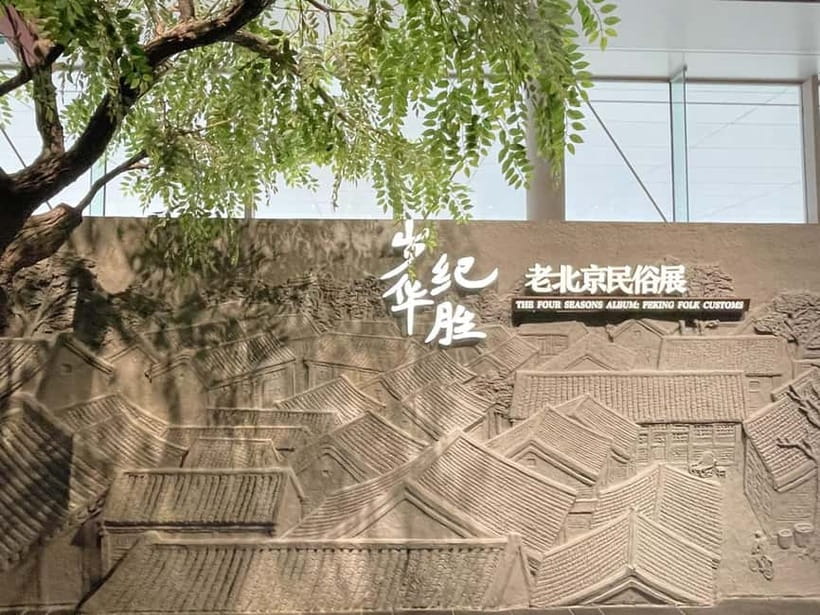
The siheyuan is central to that story. A typical courtyard residence places rooms around an open central space, with gates facing the lane. The design helped organize family life and offered a degree of privacy from the street. On this walk, you can look for the details that make these homes memorable: tiled roofs, painted or red wooden doors, brass knockers, and plants trained along walls.
I like this kind of tour because it gives you a better feel for Beijing than a series of grand monuments alone. Wide avenues and imperial buildings explain the city’s power. Hutongs explain its daily rhythm. You see where people once gathered, how lanes connect, and how older housing sits beside cafes and small shops.
The condition of hutongs can vary. Some areas are carefully maintained and attractive, while others show signs of age or change. That is part of the point. You are not entering a museum display where everything has been frozen in place. You are walking through living neighborhoods, so you should expect a mixture of old homes, commercial streets, renovated buildings, and ordinary city activity.
More Food Tours in Beijing
- Beijing Hutong Walking Food and Beer Tour at Hidden Restaurants
★ 5.0 · 1,132 reviews - Beijing: Hidden Gems Guided Food Tour with Beer and Tastings
★ 4.9 · 306 reviews - Beijing Private Hutong Food Walking Tour
★ 5.0 · 299 reviews
Nanluoguxiang, where old lanes meet modern Beijing
Nanluoguxiang is one of the best-known hutong areas in the program. It offers a useful contrast between historic Beijing and the city’s newer social life.
The lane is associated with old residences, boutique shops, cafes, and small food businesses. I would approach it with the right expectations. It is not likely to feel like a completely untouched neighborhood. Its appeal comes from the way traditional architecture and modern businesses share the same narrow streets.
For you, this means Nanluoguxiang works well as an introduction to hutong culture. You can notice the shape of the lanes and courtyard entrances, then pause for a snack or look into a small shop. The area gives the tour an easygoing pace, with plenty to see without requiring a long transfer between major sights.
The drawback is that the area can feel more commercial than residential. If your main goal is a quiet look at old Beijing, Shichahai may feel more relaxed. If you want a mix of architecture, food, cafes, and people-watching, Nanluoguxiang is the stronger stop.
Shichahai and the calmer side of the route
Shichahai brings water, willow trees, teahouses, and open views into the hutong experience. The area’s lakes offer a break from the enclosed lanes, and you may see locals flying kites by the water or spending time beside the shore.
I like this part of the route because it gives your eyes a rest. Hutongs can be visually tight, with walls and gates close on either side. Shichahai opens things up and shows another side of Beijing life, one tied to leisure rather than housing and commerce.
A lakeside teahouse can make the setting feel especially traditional. The experience may include a tea ceremony led by a tea master, with jasmine tea or oolong prepared while you hear about Chinese tea customs. Keep in mind that the supplied information presents these cultural activities as possibilities, not guaranteed stops on every booking. Confirm the exact route before you pay.
Shichahai is also one of the listed meeting points. That makes it a practical choice if you want to begin near the water and finish with hutong lanes, or if you are already planning to visit this part of the city.
The street food: what you may taste
Food is one of the most appealing parts of the experience, but it is also where you need to watch the fine print. Food and beverages are not included, so you should bring extra money if you want to sample several items.
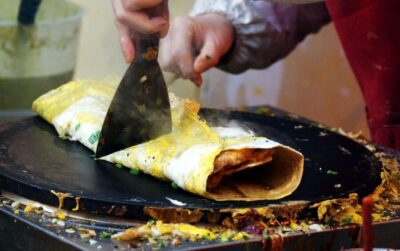
Jianbing guozi is a classic breakfast food. It is made as a thin crepe with egg, scallions, savory sauce, and a crisp fried wrapper inside. The combination is soft, salty, fresh, and crunchy. It is the sort of food that makes sense on a walking tour because it is quick to buy and easy to eat as you continue through the neighborhood.
Tanghulu offers a completely different taste. These candied hawthorns are served on a stick, with a hard sweet coating around fruit that has a sharp, tangy flavor. It is a simple snack, but the sweet and sour contrast makes it memorable.
Douzhi is the boldest item listed. This fermented mung bean drink or soup has a distinct sour flavor and is often paired with youtiao, the familiar fried dough sticks, and preserved vegetables. I would treat this as an opportunity rather than a required test of courage. It represents everyday local taste, but it may not suit everyone.
The food stops are valuable because they connect the built environment with ordinary routines. A courtyard gate tells you about housing. A breakfast crepe tells you how people eat before work. A fermented mung bean specialty tells you that local food culture is not limited to dishes designed for foreign visitors.
Since exact food stops are not guaranteed and food is extra, do not book this expecting a fixed tasting menu. Think of it as a guided introduction to possible neighborhood snacks.
More Walking Tours in Beijing
- Private Beijing Walking Tour of the Forbidden City with 7 Options
★ 5.0 · 675 reviews - Forbidden City Private Walking Tour with Optional Sights
★ 5.0 · 400 reviews - Beijing: Hutong Culinary Walking Tour with 15+ Tastings
★ 5.0 · 162 reviews - Beijing City Walk: Explore Hutongs Life and Old Beijing
★ 5.0 · 146 reviews
Tea, calligraphy, and traditional crafts
The tour also points toward Beijing’s cultural traditions beyond food and architecture. A tea ceremony can slow the pace and give you a closer look at preparation, presentation, and the social meaning of tea.
Jasmine tea and oolong are mentioned as possible choices. A tea master may explain the brewing process and share stories about Chinese tea. This can be a welcome pause after walking, though the activity may depend on the selected route.
You might also encounter a folk craft workshop. Paper cutting is especially suited to this setting, since the finished patterns often carry meanings linked to good luck and prosperity. Calligraphy offers a different lesson, showing how brush, ink, and character form work together.
A short encounter with Peking Opera may also be possible near a local venue. Its costumes, singing style, and stage traditions are very different from Western theater. The information does not promise a full performance, so you should regard this as a lucky extra rather than the main reason to book.
These stops matter because they keep the tour from becoming only an architecture walk. You get several small windows into Chinese culture. The tradeoff is predictability. A carefully timed museum tour gives you a fixed program. A hutong walk with possible workshops and opera gives you more variety, but less certainty.
The Capital Museum option needs special attention
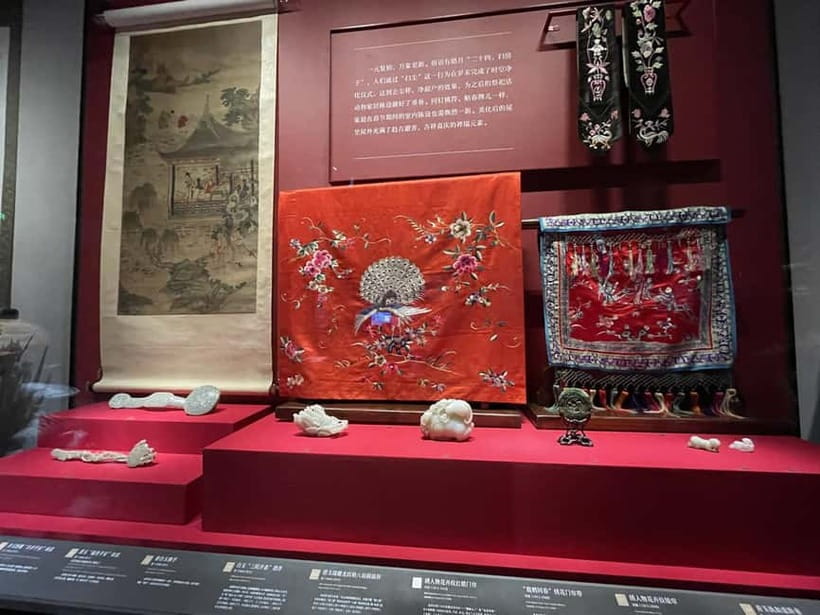
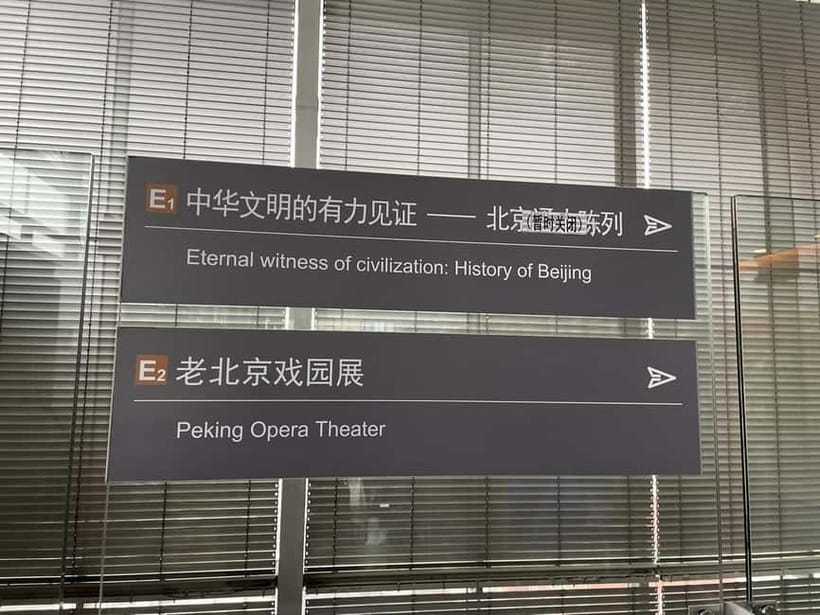
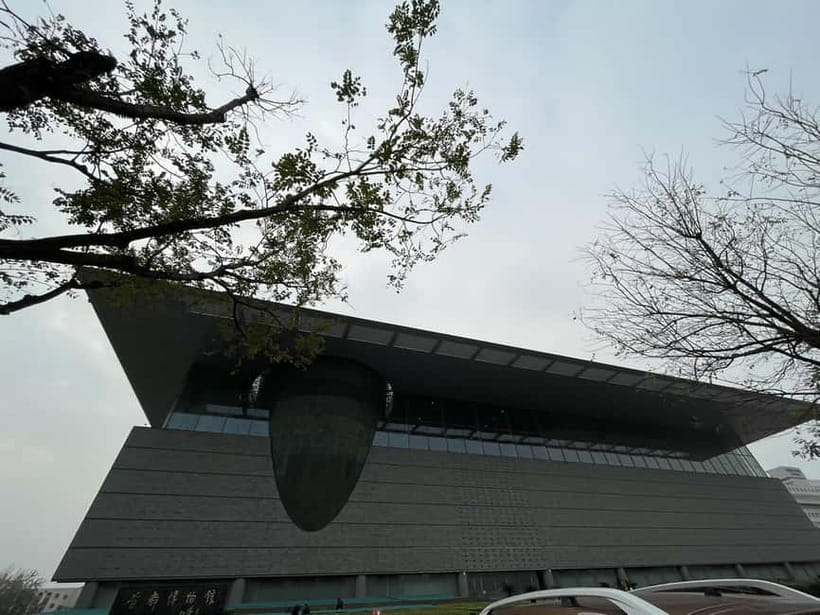
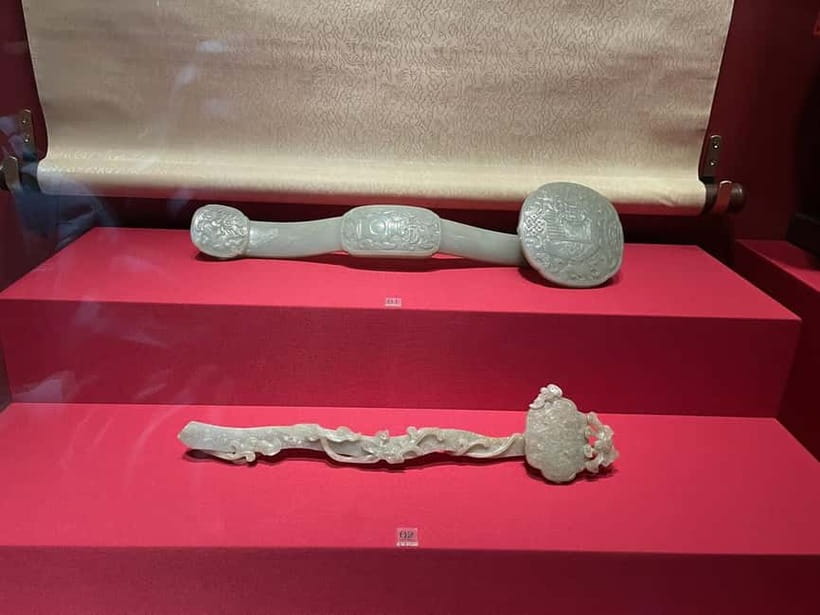
The itinerary includes a three-hour guided visit to the Beijing Capital Museum. That is a substantial museum experience, and it does not naturally match a short food-focused hutong walk unless you select a combined or separate option.
The museum is wheelchair accessible, and photography is allowed. Flash photography and tripods are not permitted. You will need to send passport information in advance so admission can be booked online.
The museum option may suit you if you want historical and cultural context before or after seeing old neighborhoods. It is also useful on a hot, cold, or rainy day when three hours outdoors would be uncomfortable. A museum visit gives you a more organized setting for learning, while the hutongs show how city life feels at street level.
The main issue is clarity. Before booking, check whether your chosen activity is the Capital Museum visit, the hutong and food walk, or a package that combines parts of both. The listed starting points and durations suggest that several formats may be offered. A booking at $2.86 does not automatically mean you receive every feature described in the full presentation.
Rickshaw rides and the home visit
A rickshaw ride and home visit are included only if you choose the option that lists them. These additions can make the experience more memorable because they change the pace of the tour and may offer a closer look at courtyard living.
The rickshaw ride gives you a seated way to see the lanes, though it also means you observe rather than walk through every corner. A home visit can add personal context to the architecture, but the supplied details do not say which home you will visit, how long you will stay, or whether the resident hosts the visit directly.
I would not assume these features are included in the cheapest booking. Read the option name carefully and ask before paying if the wording is unclear.
Timing, walking, and meeting points
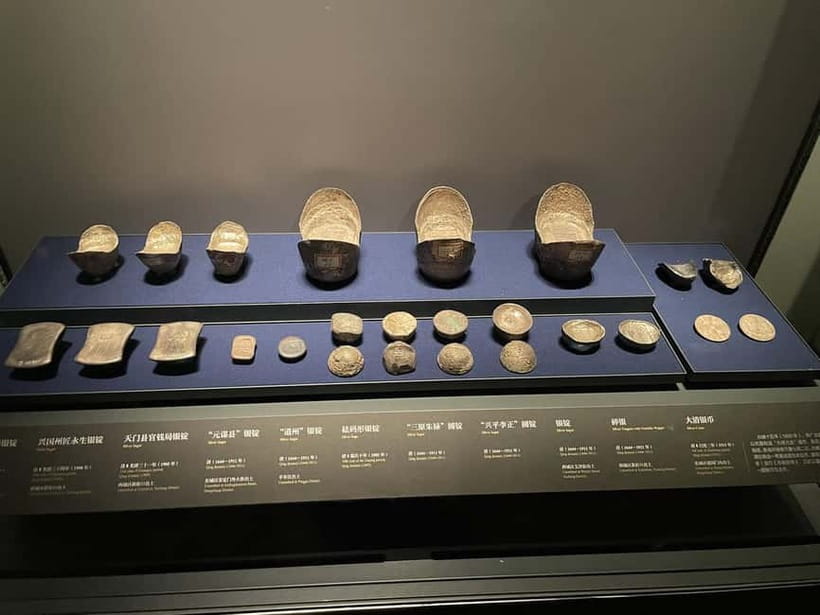
The duration ranges from three to six hours. That is a wide spread, so the length depends on the option and starting point. A three-hour visit may work well if you have a packed Beijing schedule. A six-hour version could make room for more walking, food stops, cultural activities, or a museum visit.
You should wear comfortable shoes. The experience is described as a hiking or walking tour through narrow lanes, so expect time on your feet. Large bags and luggage are not allowed. Bring your passport or ID card, since identification is required and passport information must be sent ahead for museum ticket booking.
The meeting point may be Drum Tower, the Capital Museum, or Shichahai. Do not go to the first location you recognize in a general description. Check the meeting point attached to your exact option.
The tour is available with guides speaking English, Chinese, French, or Dutch. A private group can be arranged, which may be worthwhile if you want more control over pace and questions. Wheelchair access is available, especially noted for the museum, but you should confirm the route’s walking conditions if mobility is a concern.
The very low price and what it really means
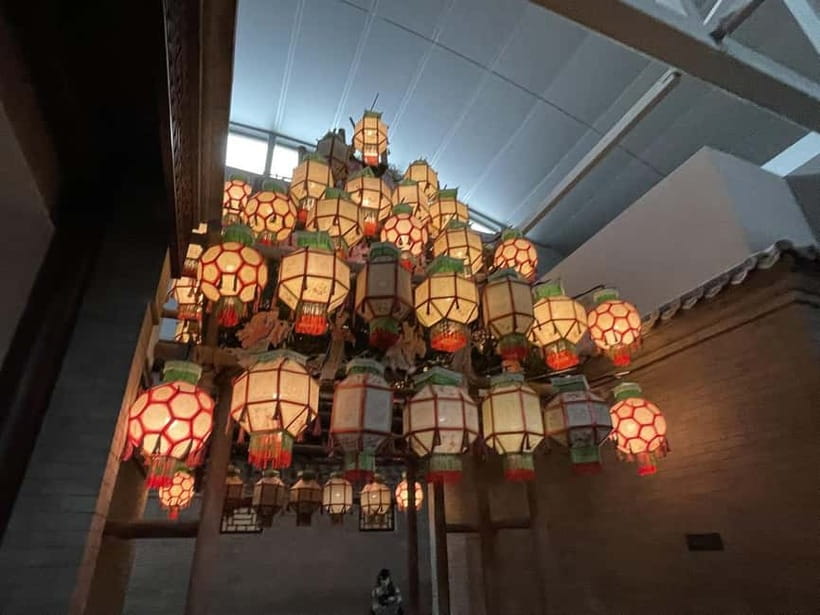
At $2.86 per person, this is priced far below most guided city experiences. That makes it attractive as a low-cost way to arrange a guide or museum admission, but you should not read the price as covering a full day of food, transport, and private attention.
Food and drinks are excluded. Personal expenses are excluded. The rickshaw and home visit depend on the option. These details explain why the headline price may be so low.
I see the strongest value in the access and structure. If the price secures a guide, a route through important hutong areas, or museum admission, it can be a useful addition to a Beijing itinerary. The value drops if you expect a full tasting tour with every snack, tea ceremony, craft workshop, rickshaw ride, and opera encounter included.
The cancellation policy is friendly: you can cancel up to 24 hours ahead for a full refund. You can also reserve now and pay later. During Chinese holidays, book seven days in advance to improve your chance of getting museum admission.
What the feedback tells me about the experience
The available feedback is limited but positive. The highest praise centers on the agency’s service and the museum itself. One visitor who booked museum tickets without a tour described the museum as large and interactive, and said it deserved a visit. That is useful because it confirms that the museum can be worthwhile even for people who choose the ticket-only format.
Other short comments describe the service as very good, great, or excellent. There are no guide names provided, so I cannot point you toward a particular leader. The overall score is 3.8 from six ratings, which suggests a generally favorable but not spotless record.
I would use that information as a reason to keep expectations practical. The museum appears to be a strong part of the offering, while the hutong and food elements need closer option-by-option checking.
Who should book this experience?
I think this suits first-time Beijing visitors who want a compact introduction to neighborhood life. It is also a good match for anyone who prefers food, lanes, courtyards, and small cultural encounters to a packed list of major monuments.
It may work well for solo visitors and couples who want a guide to explain what they are seeing. A private group option makes it more appealing for families or friends who want a flexible pace.
I would be cautious if you need a fully fixed schedule, guaranteed food tastings, or a clearly defined performance. The experience description includes several possible activities, and not all are promised for every option. It is also not suitable for people over 95, according to the stated restrictions.
Should you book it?
Book it if you want an inexpensive way to explore Beijing’s hutongs, learn about siheyuan homes, and possibly add local food or cultural stops. The best value comes when you treat it as a guided neighborhood walk and confirm the exact inclusions before booking.
Choose the Capital Museum option if the museum is your priority. Choose a hutong-focused option if you care more about Shichahai, Nanluoguxiang, street snacks, and courtyard life. Send your passport details early, avoid bringing large luggage, and budget separately for food and drinks.
The experience is worth considering, but only after you match the right option to your plans. At this price, a little careful reading can make the difference between a fine museum visit, a useful hutong walk, or a package that does not include everything you expected.
FAQ
Where can the tour begin?
The available starting points are Drum Tower, the Beijing Capital Museum, and Shichahai. Your exact meeting point depends on the option you book.
How long does the experience last?
The duration ranges from three to six hours. Starting times and exact length depend on availability and the selected option.
Is food included?
No. Food and beverages are not included, so you should budget separately for items such as jianbing guozi, tanghulu, douzhi, youtiao, and preserved vegetables.
What food might I try?
Possible foods include jianbing guozi, tanghulu, douzhi, youtiao, and preserved vegetables. The exact food stops are not specified for every option.
Is the rickshaw ride included?
A rickshaw ride and home visit are included only when you select the option that offers them.
Do I need to provide passport information?
Yes. Passport information must be sent in advance for ticket booking. You should provide it as soon as possible after booking.
Can I take photographs?
Photography is allowed, but flash photography and tripods are prohibited. The museum does not allow flash or tripod use.
Is the tour wheelchair accessible?
The museum is wheelchair accessible, and the activity is listed as wheelchair accessible. Since the experience includes walking through hutongs, confirm the route details if you need specific mobility support.
More Hutong Walks in Beijing
- Temple Heaven, Summer Palace, Lama Temple, Hutong Bus Tour
★ 4.7 · 319 reviews - Temple of Heaven, Summer Palace, Lama Temple, Hutong Tours
★ 5.0 · 311 reviews - The Hutong Experience by Bike
★ 5.0 · 163 reviews - Beijing Hutong Breakfast Food Tour
★ 5.0 · 155 reviews
Just added in Beijing
- Private Transfer to Mutianyu Great Wall with professional driver★ 5.0 · 19 reviews
- One day tour to downtown Tianjin from Beijing by high speed train★ 5.0 · 3 reviews
- ZANBUS: Trip to the Jinshanling Great Wall Departing at 7:30 AM★ 5.0 · 5 reviews
- camp on the Great Wall overnight with sunrise and sunset on the wall★ 5.0 · 11 reviews
- Yuxiandu Chinese Royal Cuisine Museum with Show and Royal Banquet★ 5.0 · 4 reviews
- Wild Great Wall Hikes★ 5.0 · 10 reviews
- BusDa:Ancient Great Wall &Badaling Great Wall Full-day Bus Tour★ 4.5 · 6 reviews
- Wild Great Wall Huanghuacheng Half Day Tour★ 5.0 · 15 reviews
Hutong Tours, compared.
Beijing Hutong Walking Food and Beer Tour at Hidden Restaurants
Read our review →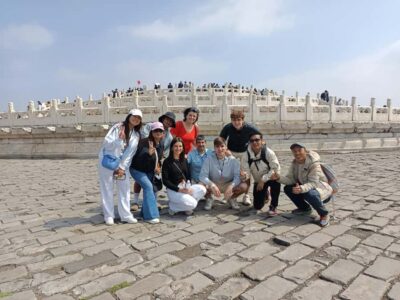
Temple Heaven, Summer Palace, Lama Temple, Hutong Bus Tour
Read our review →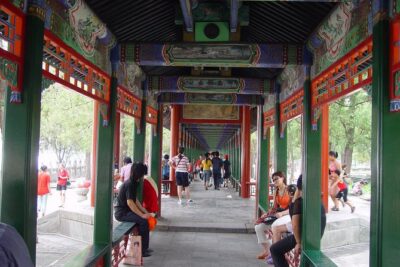
Temple of Heaven, Summer Palace, Lama Temple, Hutong Tours
Read our review →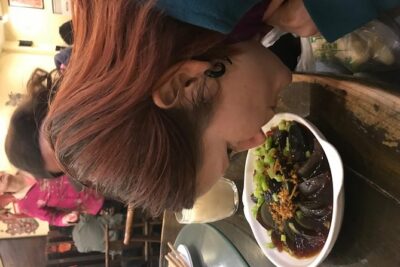
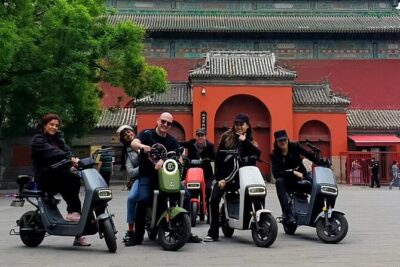
Beijing City Walk: Explore Hutongs Life and Old Beijing
Read our review →Where else this tour turns up