
Reviewed · MUSEUMS IN BEIJING
Beijing: China National Film Museum Entry Reservation
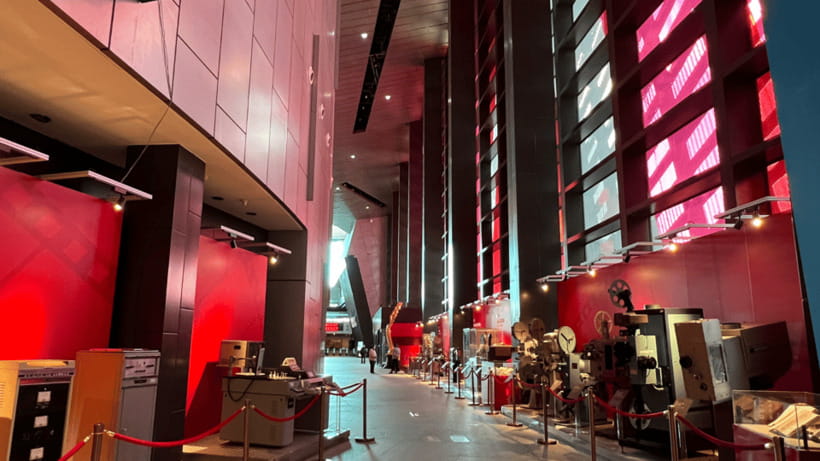
Cinema gets its own museum here. The China National Film Museum gives you a broad look at Chinese film, from early development to major artistic achievements, inside a huge public institution with 21 exhibition halls. I especially like the range of material and the easy direct-entry QR code, but you should know that much of the exhibition text may be in Mandarin.
I also like that your low entry price of $4.82 covers the museum itself, while the six movie halls give you the option of adding a paid screening. The main drawback is language: an English textual and visual guide is included, but two recent visitors found the exhibition descriptions were only in Mandarin. Bring your passport, and do not rely on the QR code shown in the booking app. You need the separate code sent by email or WhatsApp.
In This Review
- Key Points To Know
- Why The China National Film Museum Is Worth Your Time
- Starting With A New Journey Of Struggle
- Following A Century Of Chinese Film
- Six Movie Halls, Including IMAX GT
- How Two Hours Feels Inside This Huge Museum
- The QR Code Detail You Must Get Right
- Is The $4.82 Admission Good Value?
- Should You Book The China National Film Museum?
- FAQ
- How long does the China National Film Museum visit take?
- What does the admission reservation include?
- Are movie screenings included in the price?
- What QR code should I use for entry?
- Do I need to bring identification?
- Is the museum wheelchair accessible?
Key Points To Know
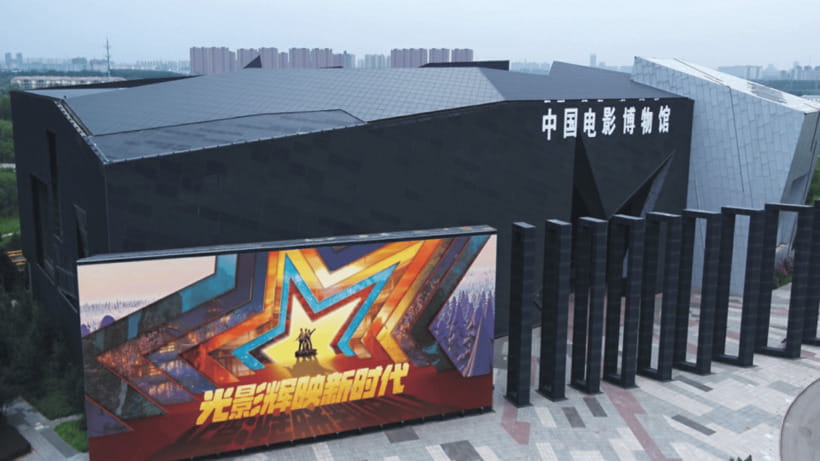
- 21 exhibition halls cover a century of Chinese film, with the main historical display spread across the second, third, and fourth floors.
- The first-floor exhibition, A New Journey of Struggle, adds a current thematic section before you reach the main cinema history galleries.
- Six movie halls include an IMAX GT theater, with total seating for more than 1,000 people, though screenings cost extra.
- The museum is enormous, covering about 38,000 square meters, so two hours gives you a useful visit but not a slow reading of every display.
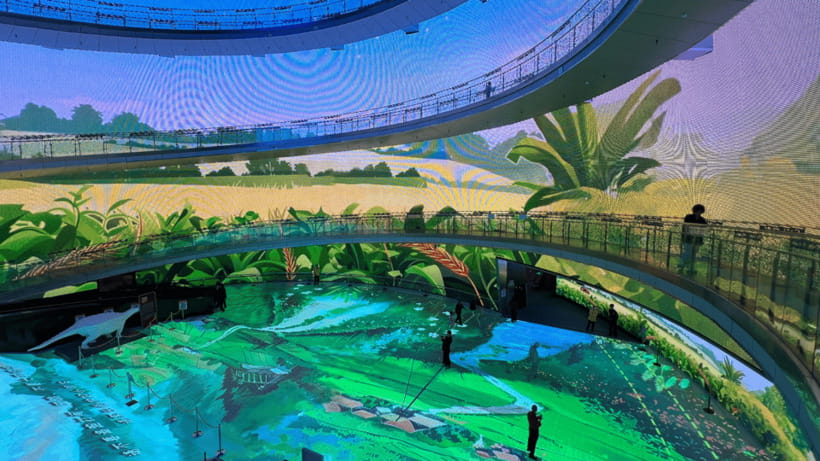
- A dinosaur display near the exhibition entrance can be an unexpected highlight, especially if you are visiting with children.
- Language is the main concern: the supplied English guide helps, but on-site descriptions may still be mostly or entirely in Mandarin.
Why The China National Film Museum Is Worth Your Time
The China National Film Museum is not a small gallery with a few famous posters. It is a large public cultural institution founded on December 29, 2005, and opened to the public on February 10, 2007. The building covers about 8.7 acres and has nearly 38,000 square meters of architectural space.
That scale tells you what kind of visit to expect. You are entering a national museum built to present Chinese cinema as an important part of the country’s culture, technology, and public life. The subject is much wider than actors and movie memorabilia.
The museum examines how films developed during different periods and stages. It also presents artistic achievements by many film-makers and explains parts of the film-making process. If you already know Chinese cinema, you may appreciate seeing that story presented in one place. If you know little about it, you can still use the displays as an introduction.
The price makes this a fairly easy addition to a Beijing itinerary. At $4.82 per person, the basic admission is inexpensive for a museum of this size. The value is strongest if you enjoy film, cultural institutions, or large museums where you can set your own pace.
The tradeoff is that this is not a guided tour. No live guide is included, and you are responsible for making sense of the displays. The English textual and visual guide is useful, but it does not necessarily solve every language problem inside the galleries.
More Museums in Beijing
- Beijing: Tianmen Square, Forbidden City & Royal Museum Tours
★ 4.6 · 1,288 reviews - Beijing:Jingshan Park (Palace Museum Garden) Ticket
★ 4.5 · 185 reviews - Beijing Half Day: National Museum of China In-depth Tour with Subway Transfer
★ 5.0 · 70 reviews
Starting With A New Journey Of Struggle
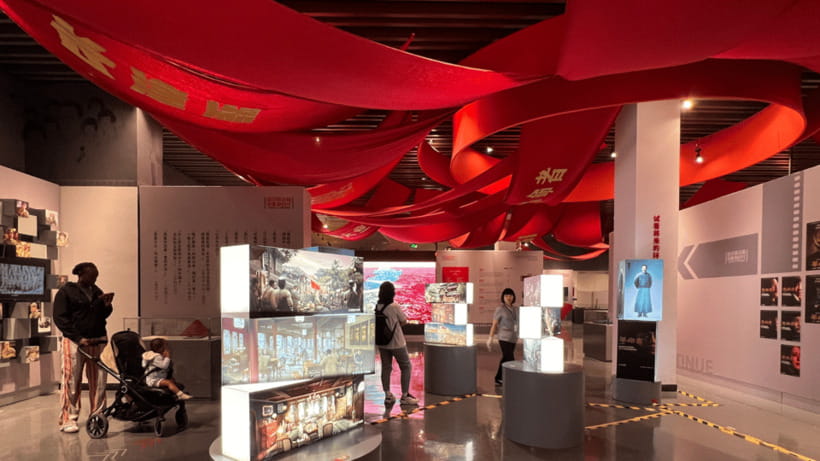
Your visit begins with the first-floor exhibition called A New Journey of Struggle. The supplied information does not provide a detailed list of its objects or sections, so I would treat it as a thematic opening rather than assume it follows the same century-by-century format as the upper floors.
This first stop matters because it gives the museum a present-day frame. Instead of beginning only with old films and technical development, the museum first presents a broader theme connected with a new period of struggle. You may find this section more formal in tone than a typical entertainment museum.
A practical tip: do not rush through the first floor simply because the main historical exhibition is upstairs. The first floor is part of the planned story, and it can help you understand the museum’s wider cultural purpose.
Near the entrance to the exhibition areas, you might also find dinosaur displays. One recent visit particularly praised this part of the arrival experience. It is an unusual pairing with a film museum, but it can make the first few minutes more appealing for families or anyone who enjoys a surprise before the cinema galleries begin.
Following A Century Of Chinese Film
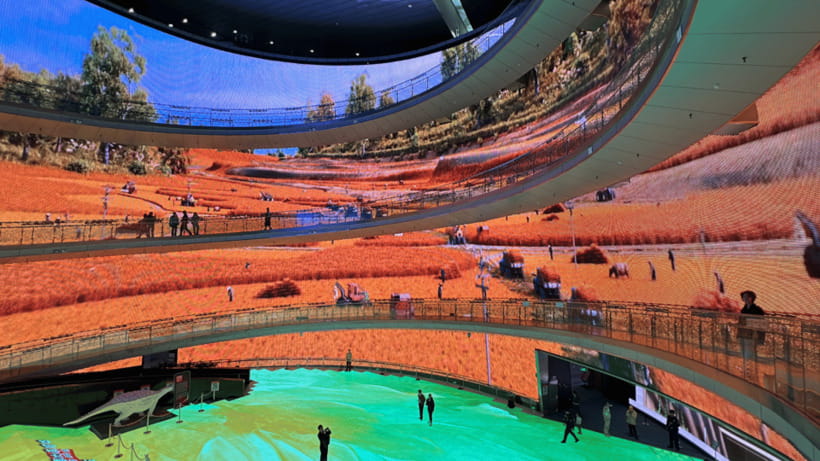
The second, third, and fourth floors hold the central exhibition, A Century of History, A Century of Glory. This is the main reason to visit if you want to understand how Chinese cinema changed over time.
The display is divided across 21 exhibition halls, with a combined exhibition area of about 13,000 square meters. That is a lot of ground. You are not looking at a single corridor of posters, but a sequence of sections that examines different stages in the development of film.
The museum presents cinema as both an art form and a technical craft. You can expect the exhibition to address the work of film-makers, the changes that shaped different periods, and the methods behind making films. The information provided does not name individual galleries or film titles, so it is best to arrive ready for a broad survey rather than a tightly scripted tour.
I like this format for visitors who want context. A single famous movie can be fascinating, but a museum covering a century lets you see how film develops through changing eras. You can consider the relationship between artistic achievement, production methods, and the public role of cinema.
The main issue is reading access. Two recent visitors specifically found that the descriptions were only in Mandarin. That does not mean the museum has no English support, since an English textual and visual guide is included with this experience. It does mean you should not expect every label or explanation on the walls to be available in English.
If you read Mandarin, you will have a clear advantage. If you do not, use the English guide as your map and focus on the visual material, objects, presentation design, and any bilingual text you can find. A two-hour visit works better when you do not try to translate every panel.
Six Movie Halls, Including IMAX GT
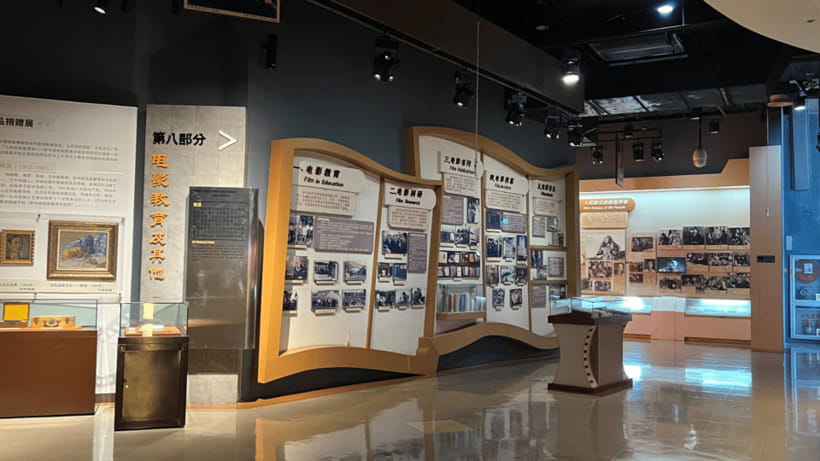
The China National Film Museum has six movie halls, including an IMAX GT hall. Together, the cinemas can hold more than 1,000 people.
This changes the character of the museum. You are not only looking at the history of film. You are also visiting a working cinema complex where you may be able to see a film on a much larger screen. Movie tickets are not included in the museum admission, so a screening is an optional extra rather than part of the reserved entry.
For many people, the cinemas will be a bonus rather than the main reason to book. The museum visit itself is scheduled for about two hours, and it is sensible to treat a screening as a separate activity. If you want to add a movie, check the available screening details and allow extra time beyond the museum visit.
The IMAX GT hall is the most notable feature. The supplied information does not identify the films being shown or give screening times, so I would not build your entire day around a particular movie without checking availability first.
A completely different sort of day out:
- From Beijing: Mutianyu Great Wall Tours with Options
★ 4.9 · 9,216 reviews - Beijing: Forbidden City Tour(Group/Private)-Tickets Included
★ 4.8 · 7,974 reviews - Beijing: T-Square & Forbidden City Group or Private Tour
★ 4.8 · 4,446 reviews - All-Inclusive Tour: Tiananmen Square, Forbidden City, Great Wall
★ 5.0 · 2,873 reviews
How Two Hours Feels Inside This Huge Museum
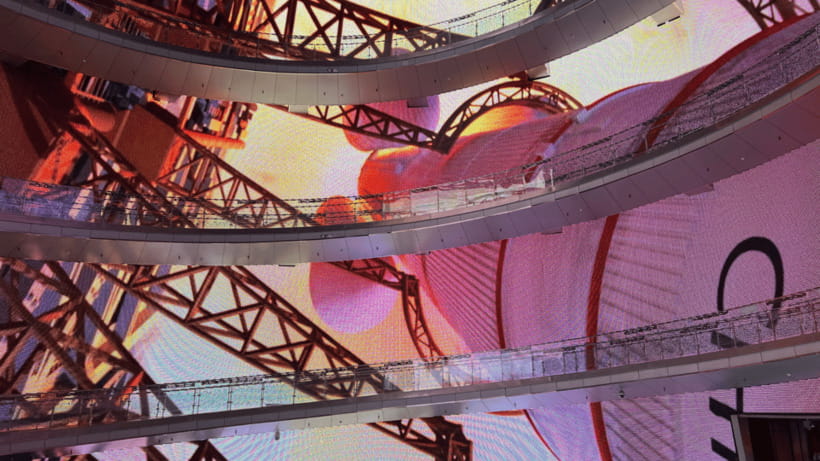
The stated duration is two hours, which is a useful planning guide rather than a strict limit. With four floors of exhibition space and 21 halls, you could easily spend longer if you read carefully.
I would use the two hours in three parts. Start with the first-floor thematic exhibition, then move through the upper-floor century-of-film display, and finish by allowing a little time for the entrance area and the cinema facilities. This approach gives you a sense of the whole museum without getting stuck in one gallery.
If Chinese film is a serious interest, you may want more than two hours. The museum covers a full century and presents both film-makers and film-making methods. Reading every description, especially through translation, would take longer.
If you are adding the museum to a busy Beijing day, two hours is enough to make the visit worthwhile. You can see the main structure, take in the major themes, and leave before the scale becomes tiring. The building’s size is impressive, but it also means you should keep your expectations realistic. This is not a quick 30-minute stop.
Wheelchair access is available, which makes the large public building easier to use for visitors with mobility needs. Smoking is not allowed. You should bring your passport for admission.
The QR Code Detail You Must Get Right
The entry process is simple, but there is one important trap. After booking, you receive an e-ticket by email or WhatsApp. The QR code on that separate ticket is the code you use to enter the museum directly.
The QR code shown in the booking app is not your admission ticket. Keep the email or WhatsApp message easy to find before you arrive. This small distinction could prevent an unnecessary delay at the entrance.
The direct QR entry is one of the strongest practical features of this option. You are reserving admission rather than dealing with a standard ticket line, and the booking includes free cancellation up to 24 hours in advance. You can also reserve now and pay later, which helps if your Beijing schedule is still changing.
The experience is provided by Panda Happy Journey in China. No live guide is included, so the QR arrangement is mainly about access, not personal support inside the museum.
Is The $4.82 Admission Good Value?
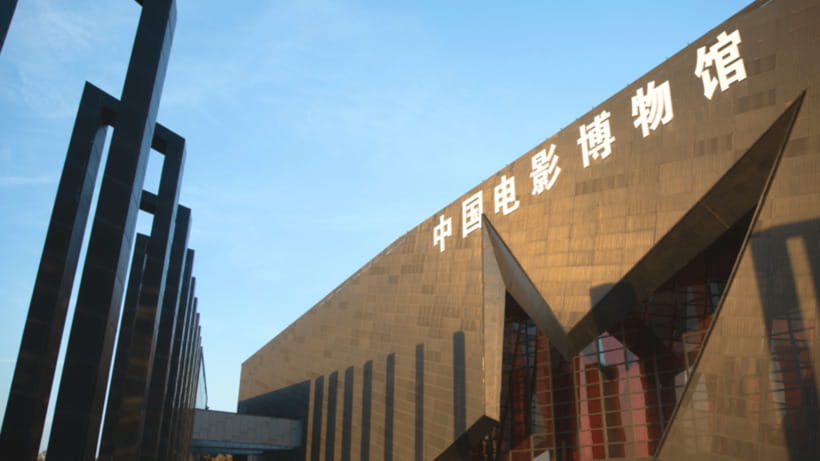
Yes, if you want a large cultural museum and have at least two hours available. The admission price is modest, especially given the building’s size, 21 exhibition halls, and national focus.
The value is less certain if you want a fully English-language experience. The included English textual and visual guide helps, but the Mandarin-only descriptions reported by recent visitors are a serious consideration. You may see plenty of material without understanding every explanation.
I would book this for a visitor who enjoys film, museums, or modern Chinese culture. It also suits families who like large spaces and may appreciate the dinosaur display near the entrance. The six movie halls add interest, especially if a suitable paid screening is available.
I would think twice if you dislike reading through translation or want a tour with a guide explaining each room. The museum is not presented as a guided experience, and the information provided does not promise full English signage.
The low price softens that limitation. You are not paying a premium for a private tour that fails to deliver. You are paying a small admission fee for access to a very large museum, with an English guide to help you make sense of the main material.
Should You Book The China National Film Museum?
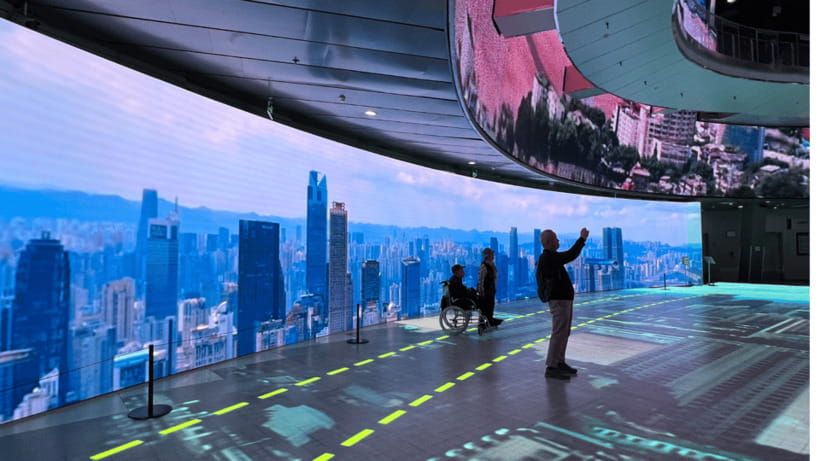
Book it if you want a substantial look at Chinese cinema and you are comfortable exploring independently. The 21 halls, four-floor historical display, film-making material, and IMAX GT cinema give the museum more depth than its low price suggests.
Be cautious if English access is essential. The separate English guide is helpful, but you should be prepared for Mandarin descriptions inside the exhibition. Check that the e-ticket QR code has arrived by email or WhatsApp, bring your passport, and allow two hours at a minimum.
For film fans, culture-minded visitors, and families looking for something different in Beijing, this is a sensible, affordable choice. For everyone else, the language issue may make the visit feel more visual than explanatory. Make that call before booking, and you will know exactly what kind of museum day you are buying.
FAQ
How long does the China National Film Museum visit take?
The planned duration is two hours. You may need longer if you want to read the exhibitions carefully across all four floors.
What does the admission reservation include?
It includes entry reservation for the China National Film Museum and an English textual and visual guide.
Are movie screenings included in the price?
No. Paid movie screenings are not included. The museum has six movie halls, including an IMAX GT hall, but screening costs are separate.
What QR code should I use for entry?
Use the QR code sent separately by email or WhatsApp with your e-ticket. The QR code in the booking app is not the museum admission ticket.
Do I need to bring identification?
Yes. Your passport is listed as an item to bring for the visit.
Is the museum wheelchair accessible?
Yes. The activity is listed as wheelchair accessible. Smoking is not allowed inside the museum.
Just added in Beijing
- Private Transfer to Mutianyu Great Wall with professional driver★ 5.0 · 19 reviews
- One day tour to downtown Tianjin from Beijing by high speed train★ 5.0 · 3 reviews
- ZANBUS: Trip to the Jinshanling Great Wall Departing at 7:30 AM★ 5.0 · 5 reviews
- camp on the Great Wall overnight with sunrise and sunset on the wall★ 5.0 · 11 reviews
- Yuxiandu Chinese Royal Cuisine Museum with Show and Royal Banquet★ 5.0 · 4 reviews
- BusDa:Ancient Great Wall &Badaling Great Wall Full-day Bus Tour★ 4.5 · 6 reviews
- Wild Great Wall Hikes★ 5.0 · 10 reviews
- Wild Great Wall Huanghuacheng Half Day Tour★ 5.0 · 15 reviews
Museums in Beijing, compared.
Tianmen Square, Forbidden City & Royal Museum Tours
Read our review →
Beijing:Jingshan Park (Palace Museum Garden) Ticket
Read our review →
Beijing Half Day: National Museum of China In-depth Tour with Subway Transfer
Read our review →
Beijing’s Forbidden City with Special Viewing of Treasure Gallery and the Great Wall Ruins at Badaling
Read our review →
Lama Temple, Confucius Temple and Guozijian Museum
Read our review →
China National Museum Ticket Pre-booking and Tiananmen Square
Read our review →
4-Hour Private Tour: Lama Temple, Confucius Temple, Guozijian Museum with Dim Sum
Read our review →
JingShan park (palace museum garden) entry ticket
Read our review →Where else this tour turns up