
Reviewed · DATONG TOURS
Yungang Grottoes Ticket Booking
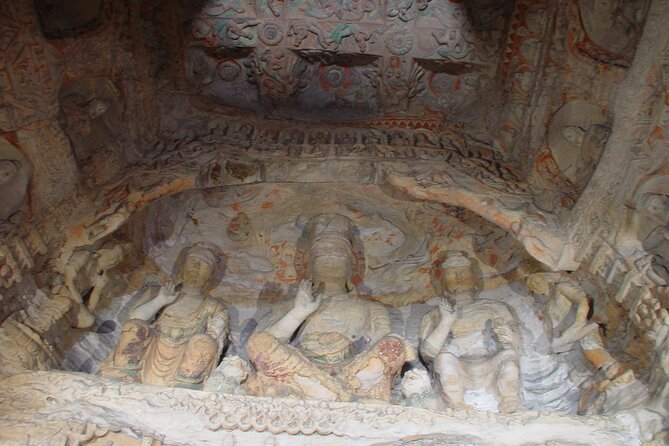
The cliffs are covered in Buddhist art. Yungang Grottoes gives you a rare look at early Chinese cave sculpture, with more than 51,000 statues carved into sandstone. I like the simple passport entry and the freedom to explore at your own pace. I also like the chance to see works ranging from tiny figures to Buddhas reaching 17 meters high. The main drawback is clear: this is an admission ticket only, so transport and a guide are not included.
The site is large enough to fill four to six hours, especially if you take time with the more important caves. I would aim for the morning session, from 08:30 to 12:30, since an early start can help you avoid entrance queues and leave more time for the caves. The afternoon session runs from 12:30 to 16:30, with final entry at 16:30.
In This Review
- Five things to know before booking
- Why Yungang Grottoes deserves your time in Datong
- Caves 1 to 20 are the priority
- Five cave groups, five different moods
- Planning four to six hours at the grottoes
- What the $21 ticket includes
- Passport entry is simple, but follow the correct procedure
- Who receives free admission
- The museum closes on Mondays
- Physical effort and pace
- Who should book this experience
- Cancellation and booking flexibility
- Should you book the Yungang Grottoes ticket?
- FAQ
- Where are the Yungang Grottoes located?
- How much does the ticket cost?
- How long does the visit take?
- What are the opening hours?
- What are the visiting sessions?
- Do I need a paper ticket?
- What does the ticket include?
- Is transportation included?
- Who receives free admission?
- Is the museum open every day?
- Can I cancel the booking for a refund?
Five things to know before booking
- Caves 1 through 20 deserve priority: They are considered the most interesting part of the complex, so plan your time around them.
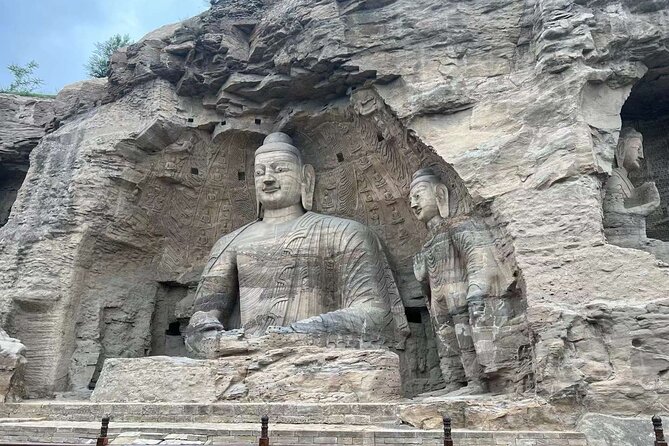
- More than 51,000 Buddhist statues fill the site: The scale ranges from small carvings to towering 17-meter Buddhas.
- Your passport replaces a paper ticket: Go to Passage No. 3 for passport or permit verification.
- The ticket costs about $21 per person: That is a reasonable price for a major cultural site, but you must arrange transportation separately.
- The best visit takes four to six hours: Give yourself time to move through the five main cave groups without rushing.
- The Yungang Museum closes on Mondays: The grottoes remain part of your visit, but the museum will not be available that day.
Why Yungang Grottoes deserves your time in Datong
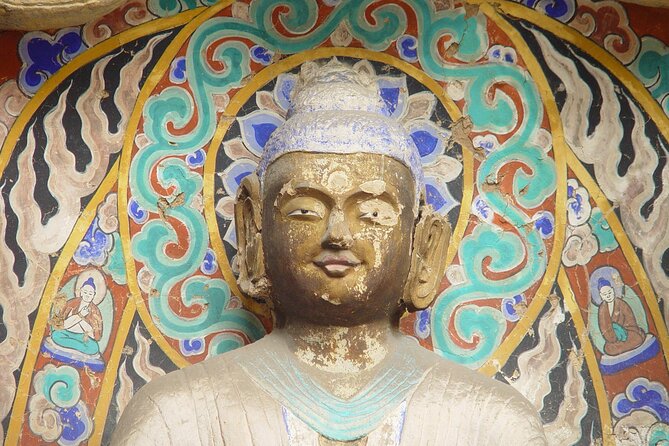
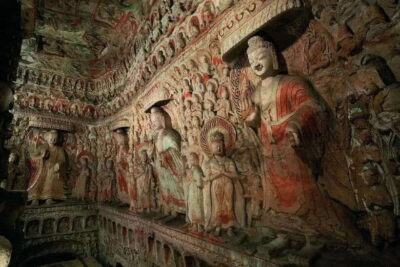
Yungang is not simply a row of old carvings. It is a long sequence of Buddhist art cut into a sandstone cliff, where sculpture, architecture, religion, and outside cultural influences meet. You can see how ancient artists used the cave walls, ceilings, entrances, and central pillars as part of one complete design.
The sheer number of statues gives the site its force. More than 51,000 Buddhist figures are spread across the caves, and they are not all alike. Some are small and easy to overlook, while others dominate the space at monumental scale. The largest figures reach 17 meters, so you should expect dramatic changes in size as you move from one cave to another.
I especially like that the site rewards a slow visit. You are not limited to one viewpoint or one famous statue. The five main cave groups have distinct styles, and the differences become easier to notice when you give each section more than a quick glance.
The experience also has a spiritual quality, even if you come mainly for art or history. Faces, robes, gestures, and decorative details remain fixed in the sandstone, giving you a direct visual connection to the people who created and used these spaces centuries ago.
A few more to weigh up in Datong
- Private Datong Day Tour Arranged by Local Tour Guide Nancy
★ 5.0 · 46 reviews - Datong Classic Day Tour
★ 5.0 · 13 reviews - Datong: Yungang Grottoes Entrance Ticket Only
★ 4.9 · 12 reviews
Caves 1 to 20 are the priority
With so many caves to see, you need a plan. Caves 1 through 20 are the strongest place to focus your attention, particularly if your visit is closer to four hours than six. This helps you avoid spending too much time early on and then hurrying through the later sections.
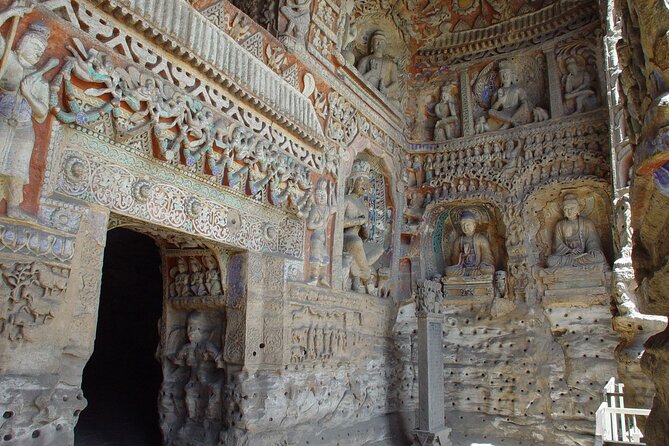
The caves differ in their treatment of figures and space. You might find one room dominated by a large central Buddha, while another gives more attention to repeated smaller statues or surface decoration. Look up as well as forward. Details on ceilings and upper walls can be easy to miss when the biggest sculpture is pulling your eyes toward the center.
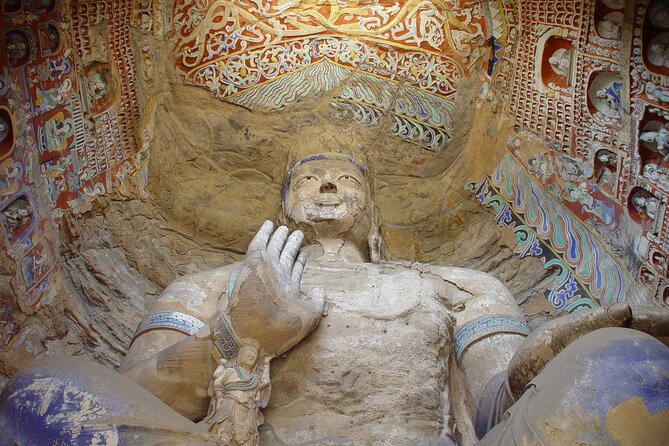
The tall statues are obvious highlights, but the smaller carvings help explain the full artistic range of Yungang. I would take time to compare facial expressions, clothing folds, and the way figures are arranged around the main image. These details show that the site is not a collection of identical religious icons.
You should also expect some visual variation caused by age, position, and the condition of the sandstone. Not every carving will be equally clear. That is part of the experience, but it means the visit rewards patience more than a hurried checklist.
Five cave groups, five different moods
The grottoes are organized into five main cave groups. The supplied information does not assign specific cave numbers or named features to each group, so I would avoid trying to force a rigid route based on a guidebook description. Instead, use the broad organization to notice changes in style as you walk.
The first group you encounter may feel different from the next in its use of space, the scale of the sculpture, or the amount of surface detail. You can make the most of this by pausing at the entrance to each section before moving inside. Let your eyes adjust, then look from the largest statue to the surrounding figures.
I find this approach more rewarding than trying to photograph everything. A camera can record the general shape of a cave, but it does not always capture the small expressions and folds that make the carvings interesting. If you want photographs, take a few, then spend the rest of your time looking carefully.
The five-group arrangement also makes the site feel like a long visual story. You are not seeing one isolated monument. You are moving through related spaces that reflect different artistic choices and cultural influences.
Planning four to six hours at the grottoes
The stated visit length is approximately four to six hours. That range is useful because your pace will depend on how closely you examine the caves, how long you spend at the museum, and how much time you allow for walking between sections.
For a shorter four-hour visit, I would go straight to the most important cave groups and make Caves 1 through 20 the core of the outing. Keep moving between caves, but stop for the major statues and the details that catch your eye.
With six hours, you can slow down. You will have more time to compare styles, revisit a particularly striking cave, and give the museum a proper look when it is open. A longer visit also makes sense if you want to read displays rather than simply walk through the site.
The daily opening hours are 08:30 to 17:00, with final entry at 16:30. The morning access period runs from 08:30 to 12:30, and afternoon access runs from 12:30 to 16:30. I would not arrive near closing and expect a full experience. Final entry at 16:30 leaves little room for a four-hour visit.
The early morning tip is practical, not just pleasant. One visitor specifically praised the caves and recommended arriving early to avoid entrance queues. If your schedule allows it, the morning session gives you the best chance of getting through verification promptly and having enough time for the main cave groups.
A completely different sort of day out:
- Datong Private Self-guided Tour with Chartered Car
★ 5.0 · 10 reviews - Datong: Temples and Grottoes day tour with tickets options
★ 3.1 · 7 reviews - Pingyao Ancient City Scenic Area Pass Ticket Only
★ 4.7 · 6 reviews - Private Tour to Yungang Grottoes, Hanging Temple and Wooden Pagoda from Datong
★ 5.0 · 4 reviews
What the $21 ticket includes
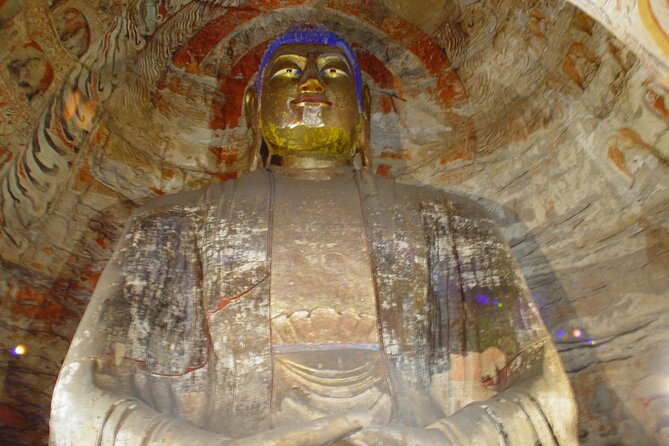
At about $21 per person, this is a good-value ticket if you are already arranging your own way to Yungang. The price covers admission, which is the central cost of accessing the grottoes. You receive a mobile ticket confirmation, and no physical ticket is needed at the entrance.
The value depends on how you use the visit. You are paying for access to one of Datong’s major cultural sights and several hours of viewing ancient Buddhist sculpture. If you take time with the five cave groups and the 51,000-plus statues, the admission fee works out well for a half-day cultural stop.
The limitations matter. No transportation is included, and there is no guide service. You need to handle your own route to the site, and you will not have someone explaining each cave in person. That suits independent visitors who like setting their own pace, but it may disappoint you if you want a fully arranged excursion.
The ticket is also less suitable for someone who wants a short, tightly managed stop. The site is intended for a longer visit, and the booking does not solve every practical detail once you arrive.
Passport entry is simple, but follow the correct procedure
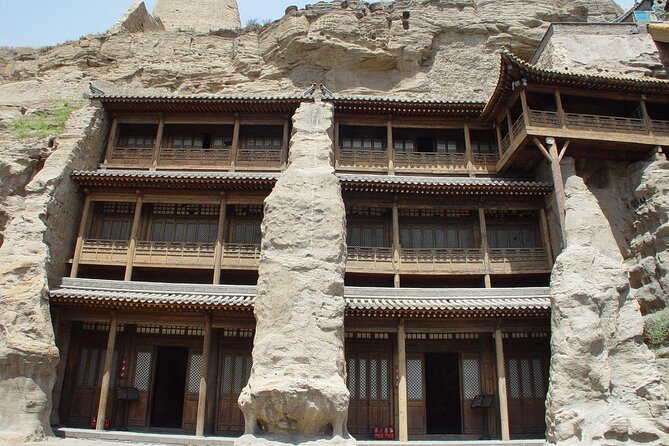
Once your ticket has been issued, confirmation is sent to you. At the entrance, show your passport for verification. You do not need to print a paper ticket.
The stated entry point is Passage No. 3, where your passport or permit is checked. Keep the same passport used for booking easy to reach. A mobile confirmation may be useful as a backup, but the key requirement is the passport check.
This system can make entry straightforward, but it also means your documents matter. Do not leave your passport in your hotel room or buried at the bottom of a day bag. The ticket is linked to identity verification rather than to a paper voucher.
The experience is near public transportation, which gives you an independent option for reaching the site. Still, the ticket itself does not provide a transfer, pickup, or return ride. Plan that part before you set out, especially if you want to use the morning session and arrive before queues build.
Who receives free admission
Children under 120 centimeters tall or under six years old receive complimentary entry. Seniors aged 60 and above also receive free admission when they present a valid passport.
The rules use two different measures for children, height and age. If your child qualifies under either stated condition, prepare the relevant identification or information and ask at entry if needed. For seniors, the passport is specifically required for the free admission check.
These exemptions can change the value calculation for a family or multigenerational group. Before purchasing every ticket, check which members qualify for free entry. The supplied booking details do not state whether any extra reservation step is required for free admission, so keep the passport available and confirm at the entrance.
The museum closes on Mondays
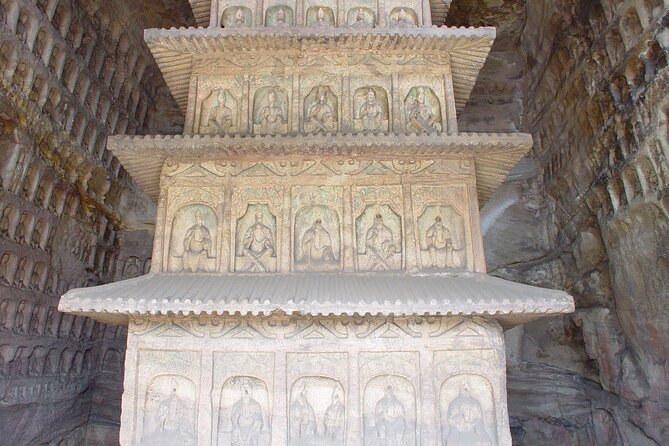
The Yungang Museum inside the site is closed every Monday. The grottoes themselves are listed as open daily from 08:30 to 17:00, but the museum will not be part of your visit on that day.
This is a small detail with a real effect on planning. If the museum matters to you, avoid Monday. If your main goal is the cliff carvings, Monday can still work, but you should adjust your expectations and concentrate on the cave groups.
A museum can help organize what you are seeing, especially when a site contains thousands of figures and several distinct styles. Without it, you may rely more on your own observations. That is not necessarily a problem, but it makes advance reading or a guidebook more useful.
Physical effort and pace
A moderate level of physical fitness is recommended. The experience involves spending several hours at a large cultural site, walking between cave areas and standing while examining the carvings.
The available information does not provide exact distances, step counts, or details about every surface. I would therefore plan for a half-day on your feet rather than a brief indoor museum visit. Wear sensible shoes and avoid scheduling another demanding attraction immediately afterward if you prefer an easy day.
The benefit of a moderate pace is that you can look closely instead of treating the grottoes like a series of quick photo stops. The drawback is that anyone with limited stamina may need to shorten the visit. Since the ticket is admission only, there is no guide controlling the pace or arranging rest breaks.
Who should book this experience
I would recommend this ticket to independent visitors who want flexibility and are comfortable arranging transportation themselves. It is particularly well suited to people interested in Buddhist sculpture, ancient art, religious architecture, and the meeting of Chinese and wider cultural influences.
Families can also find good value here if children meet the free-entry rules. The scale of the statues gives younger visitors something immediately understandable, while older children may appreciate comparing the different caves.
I would be more cautious if you want detailed explanations at every stop. No guide service is included, and the site contains enough art to raise questions about dates, styles, and religious meaning. A separate guidebook or independent guide may be worth considering, but that cost is outside this booking.
The ticket also works best for someone with at least half a day available. If your Datong schedule is crowded, arriving late in the afternoon would limit what you can see and reduce the value of the admission.
Cancellation and booking flexibility
Free cancellation is available if you cancel at least 24 hours before the experience start time. The cancellation deadline follows local time.
If you cancel less than 24 hours before the start time, the payment is not refunded. Changes made within that same 24-hour period are also not accepted. This gives you useful flexibility while your Datong plans are still taking shape, but you need to make changes early.
Confirmation is received at the time of booking, and the mobile ticket means you can avoid carrying a paper voucher. Keep your passport ready for the actual entry check.
Should you book the Yungang Grottoes ticket?
Book it if you want several hours with major Buddhist cave art and you are happy to manage your own transport and visit pace. The $21 price is sensible for access to more than 51,000 statues, five main cave groups, and the especially important Caves 1 through 20.
Choose the morning session when possible, arrive early, and keep your passport ready for Passage No. 3. Avoid Monday if you want to visit the Yungang Museum, and allow four to six hours rather than trying to squeeze the site into a quick stop.
Skip this option if you need transport, a personal guide, or a tightly organized tour included in the price. For independent sightseeing, though, this is a practical way to secure entry to one of Datong’s most important cultural sites.
FAQ
Where are the Yungang Grottoes located?
The Yungang Grottoes are located in Datong, China.
How much does the ticket cost?
The listed price is $21 per person.
How long does the visit take?
The approximate duration is four to six hours.
What are the opening hours?
The site is open daily from 08:30 to 17:00. Final entry is at 16:30.
What are the visiting sessions?
The morning session runs from 08:30 to 12:30. The afternoon session runs from 12:30 to 16:30.
Do I need a paper ticket?
No. You do not need a physical ticket. Present your passport or permit for verification at Passage No. 3.
What does the ticket include?
The ticket includes admission to the Yungang Grottoes.
Is transportation included?
No. Transportation is not included, and no guide service is included.
Who receives free admission?
Children under 120 centimeters tall or under six years old receive free admission. Seniors aged 60 and above also receive free admission when they present a valid passport.
Is the museum open every day?
No. The Yungang Museum inside the site is closed every Monday.
Can I cancel the booking for a refund?
Yes, if you cancel at least 24 hours before the experience start time. Cancellations or changes made less than 24 hours before the start time are not accepted for a refund.
Just added in Datong
- Private Day Tour to Yungang Grottoes and Hanging Temple with Lunch from Datong★ 5.0 · 3 reviews
- Yungang Grottoes Entrance Ticket with Optional Tour Services★ 5.0 · 3 reviews
- Private Tour to Yungang Grottoes, Hanging Temple and Wooden Pagoda from Datong★ 5.0 · 4 reviews
- Private Tour: Yungang Grottoes and Hanging Monastery From Datong★ 4.5 · 2 reviews
- Private Tour Datong Hengshan Hanging Temple Yungang Grottoes★ 5.0 · 4 reviews
- Pingyao Ancient City Scenic Area Pass Ticket Only★ 4.7 · 6 reviews
- Datong: Transfer or Tour to Yungang Grottoes&Hanging Temple★ 4.4 · 4 reviews
- Datong: Temples and Grottoes day tour with tickets options★ 3.1 · 7 reviews
Datong Tours, compared.
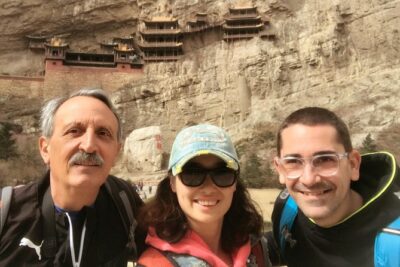
Private Datong Day Tour Arranged by Local Tour Guide Nancy
Read our review →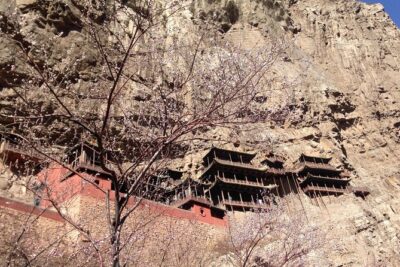
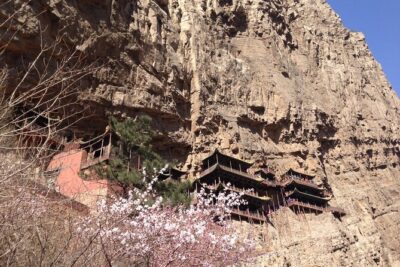
Datong Private Self-guided Tour with Chartered Car
Read our review →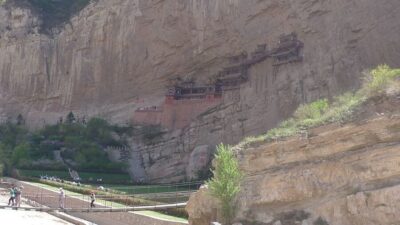
Temples and Grottoes day tour with tickets options
Read our review →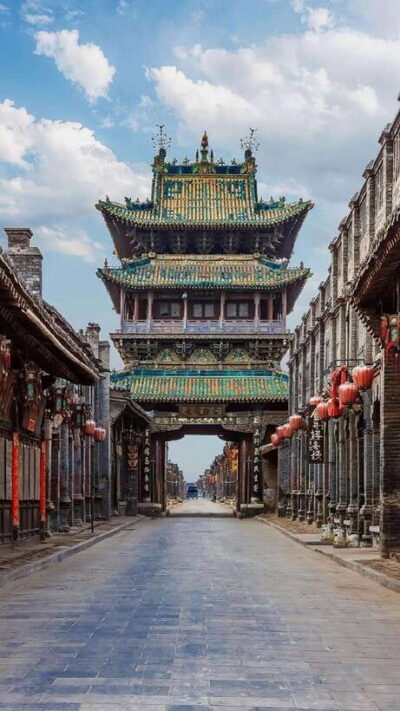
Pingyao Ancient City Scenic Area Pass Ticket Only
Read our review →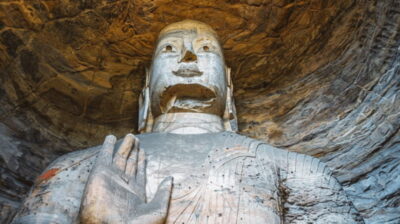
Transfer or Tour to Yungang Grottoes&Hanging Temple
Read our review →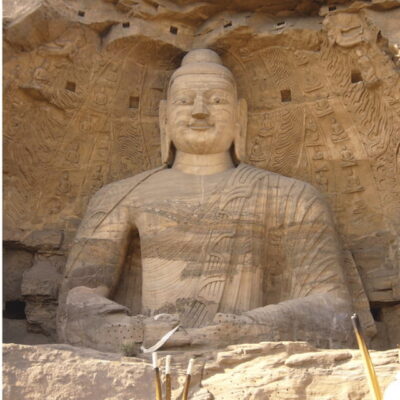
Private Tour Datong Hengshan Hanging Temple Yungang Grottoes
Read our review →Where else this tour turns up