
Reviewed · CITY TOURS
Pingyao Ancient City Scenic Area Pass Ticket Only
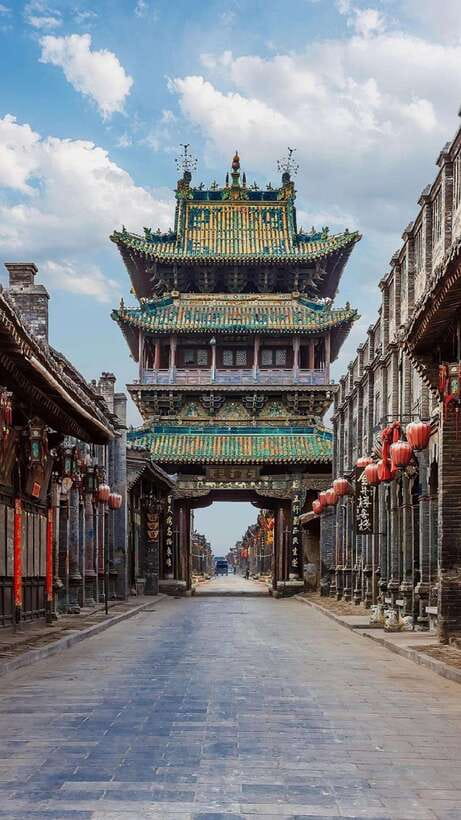
Ancient walls, old banks, and quiet courtyards await. This $36 admission pass gives you access to Pingyao’s main historic sights, including the city wall, Rishengchang Draft Bank, temples, government offices, museums, and former residences. I like the easy QR entry and the freedom to explore without following a guide or fixed group.
I also like that the ticket covers a large number of separate sites, so you can build your own route through Pingyao rather than simply walking the main street. The main drawback is simple: this is only an entrance ticket. You must arrange your own transport, meals, timing, and sightseeing plan. There is also conflicting information about validity, with one part describing three days and another stating one day, so you should confirm this before booking.
In This Review
- Key points at a glance
- Why Pingyao deserves more than a quick walk
- Entering through the QR system
- Walking the old city wall
- Ming and Qing Street, the city’s main public face
- China’s early banking story
- Government offices, temples, and older beliefs
- Museums that bring the courtyards to life
- Bodyguard agencies and the cost of moving goods
- Former homes and the people behind the city
- How much time should you allow?
- What the $36 price really buys
- Who should choose this pass?
- Booking and cancellation details worth noting
- Should you book the Pingyao pass?
- FAQ
- Where is Pingyao Ancient City?
- How much does the pass cost?
- What does the pass include?
- Is a guided tour included?
- Is hotel pickup and drop-off included?
- Are meals included?
- Is Shuanglin Temple included?
- Is Zhenguo Temple included?
- Do I need a paper ticket?
- How long is the pass valid?
Key points at a glance
- QR entry instead of a paper ticket: You receive a QR image and show it at the entrance.
- Access to many historic sites: The pass includes the city wall, temples, draft banks, museums, government offices, and former residences.
- Self-guided visit: The suggested sightseeing time is about three hours, but the pass covers enough places to fill much longer.
- No guide or transport: Hotel pickup, drop-off, guiding, and meals are not included.
- Best for independent explorers: You choose which buildings deserve your time and can pause for food or tea in the old city.
- Check the validity period: The information gives both three days and one day, so confirm the exact rule for your booking date.
Why Pingyao deserves more than a quick walk
Pingyao sits in Jinzhong, in Shanxi Province, roughly 600 kilometers from Beijing. The city has a history stretching back about 2,700 years, though much of the architecture and commercial character you see today developed during the Ming and Qing dynasties.
Pingyao became an important center of finance, trade, government, and transport. Its draft banks, known as piaohao, helped move money across China before modern banking. That background gives the old streets more meaning. You are not simply looking at preserved houses. You are walking through a former commercial center where merchants, officials, bankers, guards, and craftsmen all worked within the same walled town.
Pingyao was named a Historic and Cultural City of China in 1986 and received UNESCO World Cultural Heritage recognition in 1997. The pass is useful because it gets you beyond the most photographed street and into the buildings that explain how the city functioned.
Traditional homes now serve as small hotels, restaurants, tea rooms, and wine houses. Former family residences have become museums. You can stop for a meal or a drink inside the old city, then continue to another courtyard without needing a separate ticket at every door.
A few more to weigh up in Datong
- Private Datong Day Tour Arranged by Local Tour Guide Nancy
★ 5.0 · 46 reviews - Datong Classic Day Tour
★ 5.0 · 13 reviews - Datong: Yungang Grottoes Entrance Ticket Only
★ 4.9 · 12 reviews
Entering through the QR system
The ticket process is designed to be straightforward. You provide the passport number and full name for everyone in your party, then receive a QR picture. At the entrance, you show the QR image. A paper ticket is not needed.
This is especially useful if you are already in Pingyao and want to avoid collecting several paper admissions. The strongest practical point here is the simplicity of the system. One phone image replaces a stack of individual tickets, and a verified booking received a perfect score specifically for how easy the code was to use.
Still, keep the QR image ready before you reach the entrance. A screenshot can be useful if your connection is weak, though the provided information only confirms that you will be sent a QR picture. Also carry the same identification details used during booking, since passport information is required in advance.
Photography is allowed throughout the attraction, but flash photography is not. That matters in the smaller museums and historic interiors, where bright flashes can be distracting and potentially harmful to old objects or decorative surfaces.
Walking the old city wall
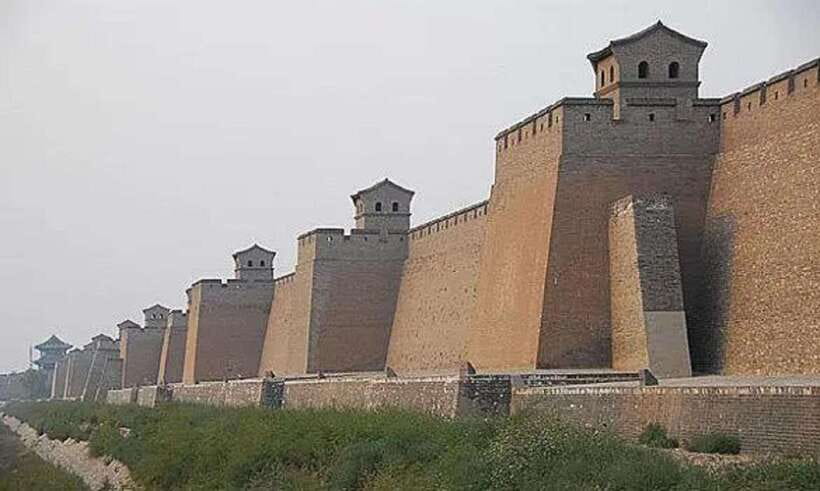
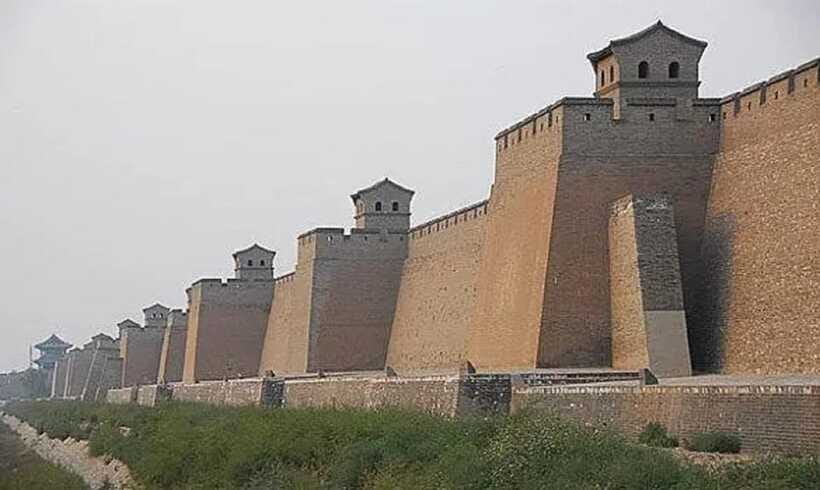
The ancient city wall is one of the most important inclusions. From ground level, Pingyao’s streets can feel like a series of courtyards and shopfronts. From the wall, you get a broader sense of how the town was protected and organized.
The wall also helps you understand the scale of Pingyao. It is not just a cluster of preserved buildings. It is a complete historic town enclosed within a defensive structure. A walk here can give your self-guided visit a useful opening chapter before you enter the smaller museums.
Allow extra energy for the wall if you plan to cover many other sites. The suggested self-guided itinerary takes about three hours, but the pass includes far more than can be appreciated properly at a quick pace. If you rush up to the wall, photograph it, and leave, you may miss its value as a viewpoint and orientation stop.
Ming and Qing Street, the city’s main public face
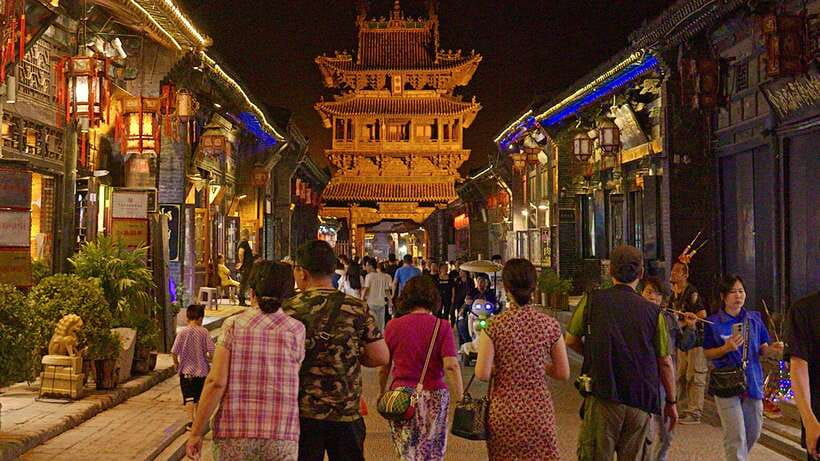
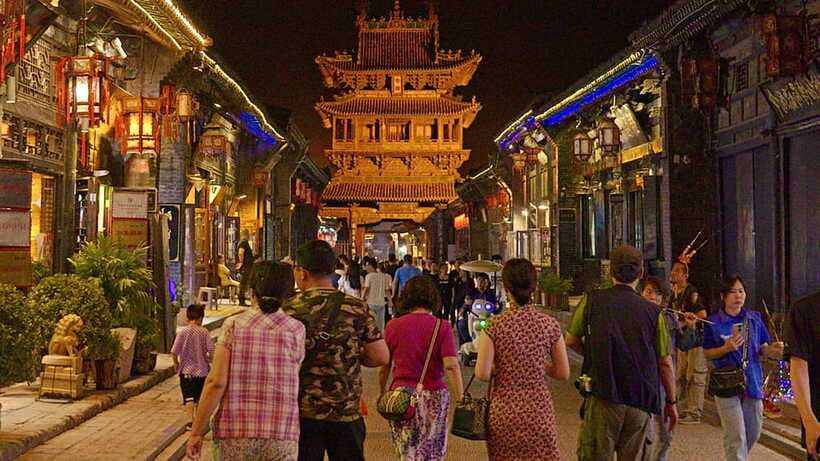
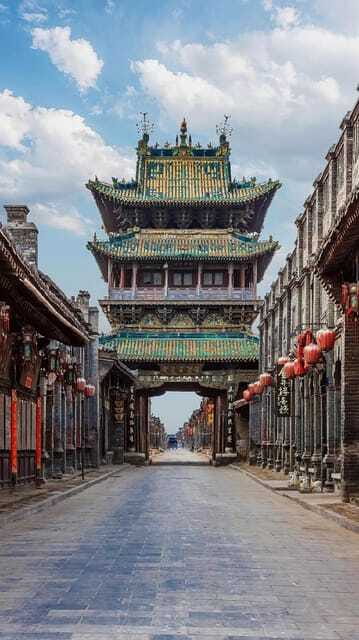
Ming and Qing Street is the most obvious place to begin exploring Pingyao. It brings together traditional storefronts, old residences, and businesses operating in restored buildings.
This is where the city’s past and present meet most directly. You might find restaurants, tea rooms, hotels, and wine houses occupying former residences. That makes the street more than a preserved display. It remains a place where you can pause, eat, and watch daily life unfold within old walls.
The limitation is that the street can become your entire Pingyao experience if you are not careful. The pass earns its value through the less conspicuous sites nearby, so treat Ming and Qing Street as a starting point rather than the finish line.
A completely different sort of day out:
- Datong Private Self-guided Tour with Chartered Car
★ 5.0 · 10 reviews - Datong: Temples and Grottoes day tour with tickets options
★ 3.1 · 7 reviews - Private Tour to Yungang Grottoes, Hanging Temple and Wooden Pagoda from Datong
★ 5.0 · 4 reviews - Private Tour Datong Hengshan Hanging Temple Yungang Grottoes
★ 5.0 · 4 reviews
China’s early banking story
Several included draft banks give the pass its strongest historical focus. Rishengchang Ancient Draft Bank is the major stop, joined by Weitaihou, Weishengchang, Baichuantong, and Xietongqing.
These buildings help explain Pingyao’s role in long-distance finance. Draft banks handled money transfers between cities, allowing merchants to move funds without carrying large amounts of silver over dangerous roads. The courtyards and offices let you see how business operated before modern banks, electronic transfers, and national payment systems.
Rishengchang is particularly important because it is presented as an ancient draft bank and is among the best-known financial sites in Pingyao. The other banks are worth visiting because comparison gives you a better idea of how widespread this business was. Look for differences in courtyard layouts, offices, display rooms, and explanations of banking practices.
The inclusion of several banks is valuable at $36, but only if you take time to notice what separates them. If you are not interested in commercial history, three or four similar-looking compounds may begin to blur together. I would choose Rishengchang as a priority, then add the others as your interest and available time allow.
Government offices, temples, and older beliefs
The Ancient Government Buildings, or county yamen, offer a different view of Pingyao. The draft banks explain commerce. The government complex shows administration, authority, and local justice.
A self-guided visit here works best when you move slowly through the different spaces and consider how official business once took place inside a walled town. You are seeing the civic machinery that supported the commercial life represented by the banks.
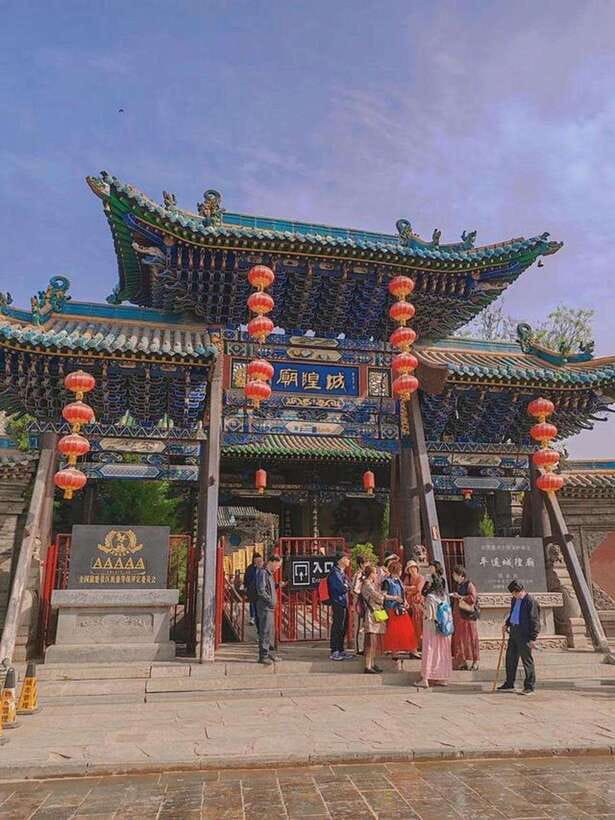
The City God Temple and Pingyao Confucian Temple add religious and educational sides to the town. The City God Temple reflects traditional beliefs about protection and local spiritual authority. The Confucian Temple connects Pingyao with education, moral teaching, and the examination culture that shaped official life in imperial China.
Qingxu Taoist Temple and Erlang Taoist Temple provide further religious context. They are useful stops if you want to see that Pingyao’s identity was not built only on merchants and government offices. The city also had temples, rituals, and beliefs woven into ordinary life.
The temples may appeal most to people who enjoy architecture, religious art, and quiet courtyards. If your time is short, the government buildings and Confucian Temple may offer a stronger historical sequence alongside the commercial sites.
Museums that bring the courtyards to life
The pass includes a wide selection of museums. Tianjixiang Museum, Pingyao Chamber of Commerce Museum, China Rare Newspaper Exhibition Hall, and Wentaofang Museum of Ancient Weapons each offer a different subject.
The Chamber of Commerce Museum fits naturally with the draft banks. It helps place individual merchants and financial institutions within the larger business network of the city.
The Rare Newspaper Exhibition Hall moves your attention toward printed communication and public information. It may be especially interesting if you want a break from courtyards and banking displays.
Wentaofang Museum of Ancient Weapons adds a military and practical side to the visit. It pairs well with the city wall and the bodyguard agency museums, showing how trade, security, and defense were connected.
The museums are not interchangeable. I would not try to inspect every display in detail during a three-hour visit. Instead, use the pass to enter freely and decide where you want to spend your attention. A quick look at several sites can give you a broad map of Pingyao, while a slower visit to a few important ones will give you better understanding.
Bodyguard agencies and the cost of moving goods
The Huiwuli Bodyguard Agency Museum, Tongxinggong Bodyguard Agency, and North China First Bodyguard Agency focus on a side of commerce often overlooked by banking museums: protection.
Merchants and money did not move across China without risk. Bodyguard agencies protected people, goods, and financial shipments on the road. These museums help explain why security was an essential part of Pingyao’s commercial system.
I find these stops particularly useful after visiting the draft banks. First you see how money was recorded and transferred. Then you see the people and organizations needed to protect those transactions outside the city.
The information provided does not specify the exact exhibits at each agency, so you should expect some overlap in theme. That is not necessarily a problem. If you enjoy traditional weapons, security history, or the practical side of trade, these museums may be among the most memorable stops.
Former homes and the people behind the city
The pass includes Mr. Lei Lutai’s former residence and the Ma Family Courtyard. These sites shift the focus from institutions to individuals and families.
Lei Lutai is connected with Pingyao’s banking tradition, so his former residence helps put a human face on the financial world represented by the draft banks. A former home can show how commercial success translated into domestic space, status, and family life.
The Ma Family Courtyard offers another look at household architecture and family organization. Traditional residences were not simple single-room homes. Their courtyards, entrances, and separate spaces reflected family structure and social position.
These stops are important because Pingyao can otherwise feel like a collection of businesses and public buildings. The homes remind you that real families lived, worked, and raised children within these compounds.
How much time should you allow?
The listed self-guided tour takes about three hours. That is enough for a fast introduction, particularly if you focus on the wall, Ming and Qing Street, one major bank, one temple, the government buildings, and a few nearby museums.
I would allow more time if you want to enter most of the included sites. The pass covers more than 20 attractions, and each one has its own entrance and displays. Even a short stop at each location would make the day feel hurried.
The validity information needs attention. The highlights state that the ticket is valid for three days, while the activity details say valid one day. Because this affects the entire value calculation, check the exact validity shown during booking or confirm it with the provider, China Tour Guide, before you rely on a multi-day plan.
If it is valid for three days, you can divide the sites sensibly: the wall and main street first, banking and government sites next, then temples, museums, and courtyards. If it is valid for only one day, you should select priorities before entering.
What the $36 price really buys
At $36 per person, this is not a cheap walk-through ticket, but it can be good value for someone who plans to visit many included sites. Paying separately for a long list of banks, temples, museums, courtyards, and government buildings could become inconvenient and potentially more expensive.
The value is weaker if you only want to stroll Ming and Qing Street or view the city wall from outside. The ticket does not include a guide, transport, meals, or the nearby Shuanglin Temple and Zhenguo Temple. Hotel pickup and drop-off are also excluded.
For an independent visitor already staying in Pingyao, the pass is more attractive. You pay for access, then decide how to spend your day. For someone arriving from another city and wanting a fully arranged excursion, it may feel incomplete because you must handle every part of the visit yourself.
The pass is wheelchair accessible, which is an important practical advantage. The provided information does not describe the condition or accessibility of every individual building, so you may still want to confirm access details for specific sites before booking.
Who should choose this pass?
I would recommend it to you if you enjoy setting your own pace, reading displays, comparing historic buildings, and taking breaks when you want. It suits independent visitors who are already in Pingyao and do not need a vehicle or guide.
It is also a good fit if your interests include Chinese banking, traditional architecture, temples, local government, family courtyards, or the history of trade and security.
I would be more cautious if you want explanations in your own language at every stop. There is no guided tour included, and no guide language is specified. You will need to make sense of the sites independently.
The pass may also be too broad for a short visit. More admissions do not automatically create a better experience. Pick the places that match your interests, then use the remaining time for the city streets and traditional businesses.
Booking and cancellation details worth noting
You must send the passport number and full name for each person in your party. The QR image is used at the entrance, and a paper ticket is not required.
Free cancellation is available up to 24 hours in advance for a full refund. A reserve-now, pay-later option is also offered, which helps if your plans for northern China are still changing.
Should you book the Pingyao pass?
Book it if you want broad access and the freedom to explore Pingyao without a group schedule. The simple QR entry received an excellent verified score, and the pass covers the city’s most useful mix of walls, banks, temples, museums, government buildings, and homes.
Skip it if you only want a casual walk through the main street, need transportation and guiding, or plan to visit Shuanglin Temple and Zhenguo Temple as your main attractions. Before paying, confirm the one-day or three-day validity issue. If you can use it across three days, the $36 price becomes much easier to justify. If it is limited to one day, plan your priority stops carefully and start with the city wall, Rishengchang, the county government buildings, and the temples or museums that best match your interests.
FAQ
Where is Pingyao Ancient City?
Pingyao is in Jinzhong, Shanxi Province, in northern China, about 600 kilometers from Beijing.
How much does the pass cost?
The listed price is $36 per person.
What does the pass include?
It includes admission to Pingyao Ancient City Wall, Rishengchang Ancient Draft Bank, City God Temple, Pingyao Confucian Temple, Ming and Qing Street, the Ancient Government Buildings, Qingxu Taoist Temple, Tianjixiang Museum, several bodyguard agency museums, several draft banks, former residences, the Ma Family Courtyard, and other listed museums and temples.
Is a guided tour included?
No. This is a self-guided admission pass and does not include a tour guide.
Is hotel pickup and drop-off included?
No. Hotel pickup and drop-off are not included.
Are meals included?
No. Meals are not included.
Is Shuanglin Temple included?
No. Shuanglin Temple is specifically excluded from the pass.
Is Zhenguo Temple included?
No. Zhenguo Temple is also excluded.
Do I need a paper ticket?
No. You receive a QR picture and show it at the entrance.
How long is the pass valid?
The supplied information gives two different details: one section says three days, while another says one day. Confirm the exact validity before booking or planning your visit.
Just added in Datong
- Yungang Grottoes Ticket Booking★ 5.0 · 2 reviews
- Private Day Tour to Yungang Grottoes and Hanging Temple with Lunch from Datong★ 5.0 · 3 reviews
- Private Tour to Yungang Grottoes, Hanging Temple and Wooden Pagoda from Datong★ 5.0 · 4 reviews
- Yungang Grottoes Entrance Ticket with Optional Tour Services★ 5.0 · 3 reviews
- Private Tour: Yungang Grottoes and Hanging Monastery From Datong★ 4.5 · 2 reviews
- Private Tour Datong Hengshan Hanging Temple Yungang Grottoes★ 5.0 · 4 reviews
- Datong: Transfer or Tour to Yungang Grottoes&Hanging Temple★ 4.4 · 4 reviews
- Datong: Temples and Grottoes day tour with tickets options★ 3.1 · 7 reviews
City Tours, compared.
Forbidden City Tour(Group/Private)-Tickets Included
Read our review →
T-Square & Forbidden City Group or Private Tour
Read our review →
All-Inclusive Tour: Tiananmen Square, Forbidden City, Great Wall
Read our review →
4-Hour Small Group Tour to Forbidden City with Entry Tickets
Read our review →
Beijing Full Day Tours: Tiananmen Sq, Forbidden City, Great Wall
Read our review →
Mini Group Xian Day Tour to Terracotta Army, City Wall, Pagoda and Muslim Bazaar
Read our review →
Tianmen Square, Forbidden City & Royal Museum Tours
Read our review →
Beijing Forbidden City Ticket Booking (Optional: guide service)
Read our review →Where else this tour turns up