
Reviewed · CITY TOURS
Pingyao Ancient City Full-Day Walking Tour
History rewards slow footsteps. This private eight-hour Pingyao tour gives you a clear way into one of China’s best-preserved old cities, with an English-speaking guide leading you between the wall, old bank, temple, government offices, and traditional shopping street. I especially like the views from the ancient city wall and the chance to understand Pingyao through everyday stories, not only dates and dynasties. Guide Mike also helped choose an excellent lunch stop and was happy to pause for photos and rests.
The other strong point is the private group format for up to six people. Guides including Lisa, Grace, Leo, Johanna, Joanna, and Mike have been praised for clear English, thoughtful pacing, and useful local help, such as arranging show tickets. The main drawback is cost: $229 covers the group guide, but not admission, meals, or transfers, so the final bill is higher than the headline price. The tour also asks you to walk for much of the day.
In This Review
- Key points to know before booking
- Why walking is the right way to see Pingyao
- Walking the brick and stone city wall
- Rishengchang Exchange Bank and the business of old China
- The Ancient Security Guard Company
- Inside the Pingyao Yamen, a working government center
- Ming and Qing Street, where the old town feels lived in
- Pingyao Confucian Temple and the path of scholars
- Courtyards, lanes, and the value of a local guide
- What the $229 group price really buys
- Who will get the most from this Pingyao day
- Should you book it?
- FAQ
- How long does the Pingyao walking tour last?
- What language does the guide speak?
- Is this a private tour?
- Where does the guide meet me?
- What admission fees do I need to pay?
- Are meals included?
- Are transfers included?
- Can I cancel the tour?
Key points to know before booking
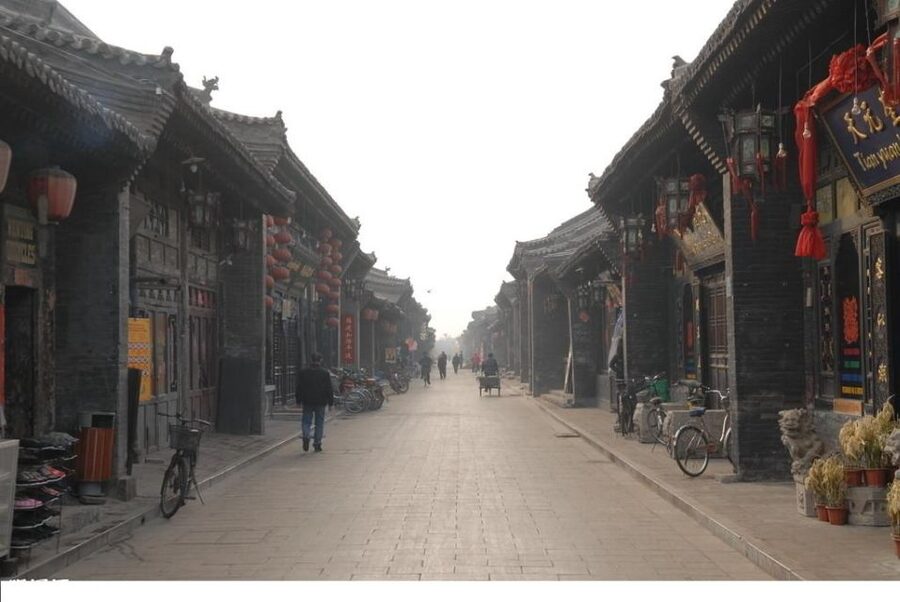
- The city wall gives you the best first look at Pingyao, with low tiled roofs and glimpses into old courtyards below.
- Rishengchang Exchange Bank explains Pingyao’s place in Chinese finance, rather than treating the old town as only a pretty film set.
- The private format lets you set the pace, with time for photographs, questions, and rests.
- The Yamen includes more than offices, with a court, residences, garden, meeting rooms, and a prison spread across more than 300 rooms.
- Admission is separate, costing 125 RMB per adult, with half-price admission for children and free entry for the guide.
- You need to confirm the meeting point carefully, since pickup is at a hotel lobby inside the old city, while hotels outside the old town require a meeting point inside it.
Why walking is the right way to see Pingyao
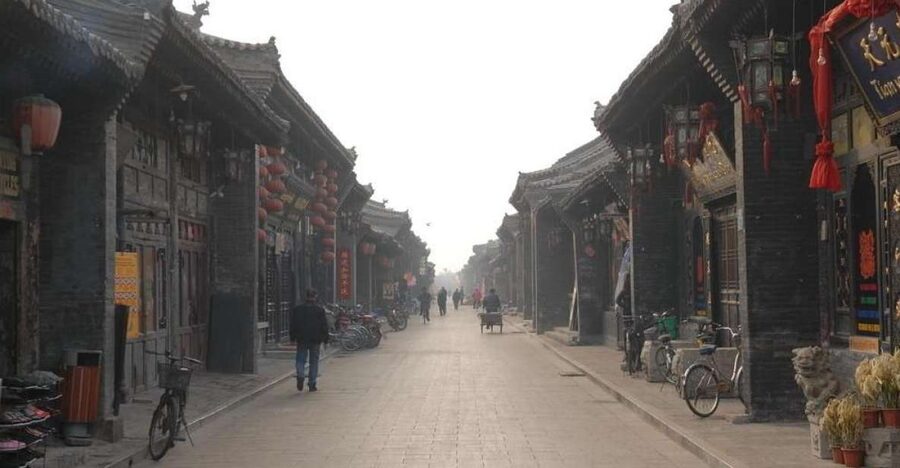
Pingyao makes sense on foot. Its narrow lanes, courtyard homes, low buildings, and small shops are close together, so you can move from one historical site to the next without spending the day in a vehicle. That matters here. The old town is not just a collection of isolated monuments. The streets between them are part of the experience.
Your guide meets you in Pingyao and leads the day from there. If you stay inside the ancient city, the meeting is in your hotel lobby. If you stay outside the old town, you meet inside Pingyao instead, so you should confirm the exact location in advance.
The sightseeing portion is listed as about six hours, while the complete activity lasts eight hours. That extra time likely allows for meeting up, walking between sites, pauses, and returning to Pingyao, but you should still check the starting time when booking. The day is private, so you are not tied to the speed of a large group.
That flexibility is one of the tour’s biggest practical advantages. You can stop for photographs, ask about a detail that catches your eye, or take a short rest without holding up a busload of strangers. Mike was specifically praised for taking photos and stopping whenever needed, while Claire appreciated Johanna’s patience during extended picture sessions.
More Walking Tours in China:
- Beijing Hutong Walking Food and Beer Tour at Hidden Restaurants
★ 5.0 · 1,132 reviews - Private Beijing Walking Tour of the Forbidden City with 7 Options
★ 5.0 · 675 reviews - Dark Side of Hong Kong – Kowloon Caged Homes Walking Tour
★ 5.0 · 418 reviews
Walking the brick and stone city wall
Begin with Pingyao’s fortified wall, built from bricks and stones. Walking along sections of it gives you a useful overview before you enter the smaller streets and courtyards.
From above, you can see how strongly the old town keeps its traditional shape. Most buildings inside the historic area remain low-rise, with rows of tiled roofs and enclosed domestic courtyards. Instead of viewing Pingyao as a museum from street level, you see its full plan from the wall.
The wall also helps explain why Pingyao feels different from a modern Chinese city. There are no tall towers dominating the old center. The view is broad but human in scale, made up of roofs, lanes, walls, and courtyards. Your guide can connect that physical layout with the city’s past and explain how the wall shaped movement and protection.
This is one of the more exposed parts of the day, so it may feel tiring in strong sun or poor weather. Comfortable shoes and water are sensible. The tour is called a walking tour for good reason, and the wall adds stairs and uneven surfaces to the day.
Rishengchang Exchange Bank and the business of old China
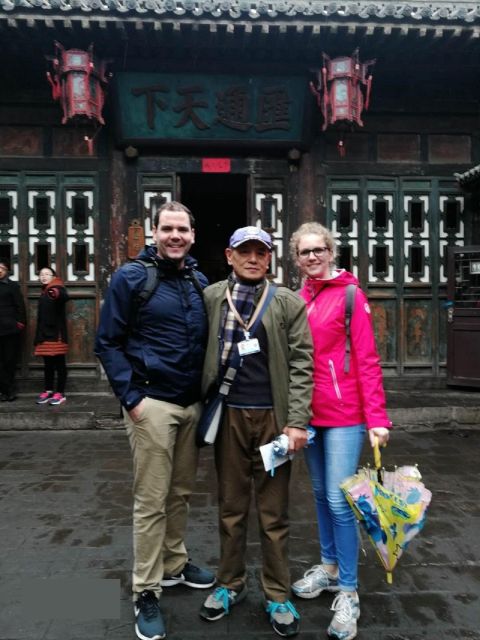
Rishengchang Exchange Bank is one of the tour’s most important stops. It was the first exchange bank in China, and its old rooms show that Pingyao was once a major center for finance and trade.
The site gives the city a purpose beyond architecture. You see the courtyards and traditional buildings, but you also learn how money moved across a large country before modern banks, electronic transfers, and instant communication. That context makes the old commercial streets easier to understand.
I would pay close attention to the guide here. A quick solo visit could leave you admiring rooms without grasping why the bank mattered. The guides on this tour have been praised for explaining architecture, symbolism, important historical figures, and the social life connected with each place. Grace, in particular, was praised for making the details around every corner useful and memorable.
The bank can be especially valuable for you if you enjoy social and economic history. If you mainly want scenic photographs, it may feel less immediately dramatic than the wall, but it is one of the stops that gives Pingyao real depth.
The Ancient Security Guard Company
Pingyao’s commercial life needed protection, and the Ancient Security Guard Company explains how that protection worked. It was the only private armed escort organization in Pingyao’s history and one of the two most famous during the Ming and Qing dynasties.
This stop adds a practical edge to the bank visit. Once you understand that merchants and money had to move across long distances, private armed escorts become part of the larger picture. The company was not simply a military office. It was connected to the trade networks that helped make Pingyao prosperous.
The attraction is useful because it links two sides of the same story: finance and security. I would expect the guide to do most of the interpretive work here, since the supplied information does not give a detailed room-by-room description. Ask questions if this subject interests you, especially about how private escorts fitted into Pingyao’s commercial system.
A few more to weigh up in China
- Beijing: Forbidden City Tour(Group/Private)-Tickets Included
★ 4.8 · 7,974 reviews - Beijing: T-Square & Forbidden City Group or Private Tour
★ 4.8 · 4,446 reviews - All-Inclusive Tour: Tiananmen Square, Forbidden City, Great Wall
★ 5.0 · 2,873 reviews - 4-Hour Small Group Tour to Forbidden City with Entry Tickets
★ 5.0 · 1,863 reviews
Inside the Pingyao Yamen, a working government center
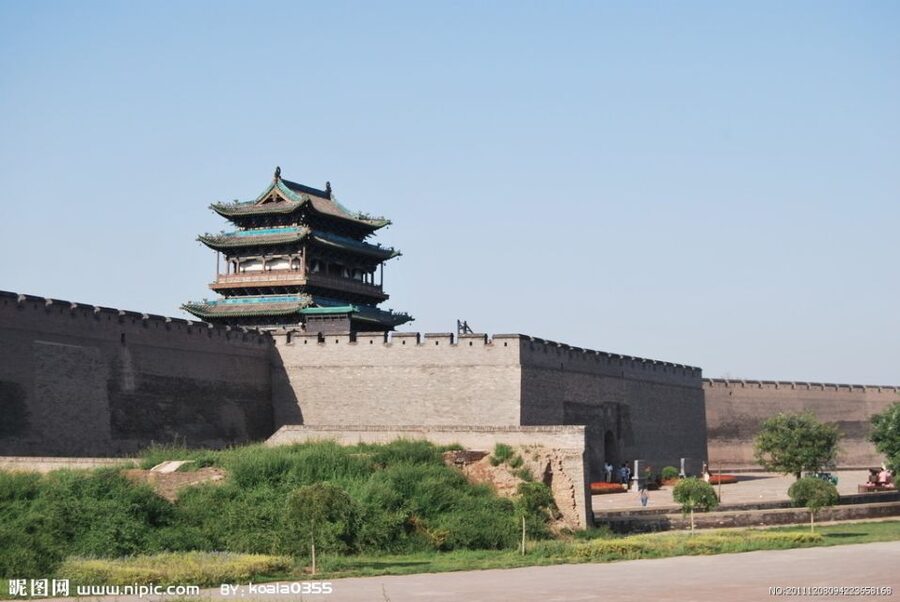
The Yamen is the old government office, and Pingyao’s example dates from 1346, during the Yuan Dynasty. It once served as both office and residence for the magistrate, the official sent to act as mayor, judge, and senior administrator.
Enter through a ceremonial gate and you find a large compound with more than 300 rooms. These included offices, a courtroom, meeting rooms, residential quarters, a garden, and a prison. That range of functions is what makes the Yamen so effective as a stop. You are not looking at one grand hall and trying to imagine government from there. You can see how administration, law, housing, and detention occupied the same working complex.
The Yamen also helps put power into human terms. The magistrate did not merely issue orders from a distant palace. He lived at the site, heard cases, met officials, and managed local affairs. A good guide can help you follow that chain of authority and point out how the compound was organized.
This is another place where a solo visit may be less rewarding if you do not read Chinese or already know the structure of a traditional yamen. The English-speaking guide is most useful when explaining what each area did and how it fitted into the city’s daily life.
Ming and Qing Street, where the old town feels lived in
Ming and Qing Street gives you the most direct sense of Pingyao as a town rather than a set of formal attractions. Traditional shops and homes line the street, built in brick and stone in the architectural style of the Ming and Qing periods.
The contrast with present-day Chinese building design is sharp. The old street is made of narrow lanes, enclosed fronts, and traditional facades rather than broad modern roads and tall blocks. You can look at the buildings as architecture, but you can also watch how shops and homes were arranged within the old city.
Expect this section to mix history with shopping and ordinary sightseeing activity. The street is one of the natural places to pause, browse, and take photographs. It may also be busier than the quieter courtyards and institutional sites, so your guide’s local sense of timing can help.
I like this stop because it connects the grand sites to the daily world. The bank, temple, wall, and Yamen tell you what institutions mattered. Ming and Qing Street shows where people bought things, worked, lived, and moved through the city.
Pingyao Confucian Temple and the path of scholars
The Confucian Temple has a sophisticated layout and offers a different view of old Pingyao. Its importance is tied to education, official culture, and the imperial examination system that shaped the lives of Chinese scholars.
A particularly evocative detail is the route once used by the annual examination’s top scholars, known as Zhuangyuan. Walking along that path gives the site a human story. You are not simply entering another religious or ceremonial compound. You are following in the footsteps of people whose academic success could change their position in society.
The temple is likely to appeal most to you if you enjoy cultural history and want to understand the values behind the architecture. It may be less instantly clear than the city wall, so listen for explanations of the layout and the role of Confucian learning. Johanna was praised for explaining Pingyao’s historical places with enthusiasm, and that kind of guide makes a quieter site easier to appreciate.
Courtyards, lanes, and the value of a local guide
The strongest part of the day may be the movement between the headline attractions. Pingyao’s courtyard houses, narrow streets, and small shops create a picture of social life during the Ming and Qing periods.
You will see how the city’s architecture reflects privacy, family life, commerce, and local authority. The courtyards are not just decorative spaces. They help explain how homes were organized and why the old city feels enclosed and layered.
This is where a private guide earns the fee. You can ask about a doorway, a roof detail, a symbol, or a particular building instead of walking past it without context. The guides praised for this tour have also helped with practical matters outside the formal route. Lisa assisted with other tourist concerns, including show tickets, while Mike recommended a good place for lunch.
Do not expect every attraction in Pingyao to fit into one day. The ancient city contains too many sites to cover one by one. The useful feature here is the ability to discuss your priorities in advance. You can tell the provider if you have a special interest in architecture, finance, government, religion, photography, or local life, and the route can be adjusted around those preferences.
What the $229 group price really buys
The listed price is $229 per group of up to six people. For a couple, that is a fairly substantial guiding fee. For a family or small group of six, the per-person cost becomes much more reasonable, especially because the group is private rather than shared with strangers.
The price includes an English-speaking guide. It does not include admission tickets, food, hotel accommodation, or transfers. Admission costs 125 RMB per adult, children pay half price, and the guide enters free. Your guide helps you buy the tickets on the day, which removes one small task, but you should still budget for the entrance fee.
Lunch is also separate. That gives you some freedom, since you are not paying for a fixed meal you may not want. Mike’s help in finding an excellent restaurant is useful, but the restaurant cost remains yours.
Transfers are not included either. The guide picks you up from a hotel lobby in Pingyao, but the service is not presented as a private vehicle tour. If you stay outside the ancient city, you meet inside the old town. Check this point before booking, especially if your hotel is not within the historic area.
The tour offers free cancellation up to 24 hours before the start and allows you to reserve without paying immediately. Those terms are helpful when your China itinerary depends on rail schedules or changing hotel plans.
Who will get the most from this Pingyao day
I would choose this tour if you have one full day in Pingyao and want the old city explained in clear English. It suits first-time visitors, families, couples, and small groups that prefer to ask questions rather than follow a large fixed party.
It is also a good match if you care about connections between sites. The wall explains the city’s form, the bank explains its finance, the security company explains trade protection, the Yamen explains government, the Confucian Temple explains scholarship, and Ming and Qing Street shows everyday life.
You may prefer exploring alone if you want a very slow, unplanned day focused on shopping or photography. The admission fee and separate meal costs also mean this is not the cheapest way to see Pingyao. Still, the private pacing and English explanations solve two common problems: missing the meaning of what you are seeing and losing time finding the right places.
The feedback attached to this experience is consistently strong, with a perfect five-star rating from six bookings. The praise is specific rather than vague: clear English, on-time meeting, strong explanations of the wall and city layout, patience with photographs, and help with practical tourist questions. Names matter here. Lisa, Grace, Mike, Leo, Johanna, and Joanna are all singled out for friendly service, good communication, or strong command of Pingyao’s story.
Should you book it?
Book this tour if you want a private, well-paced introduction to Pingyao and value explanation as much as sightseeing. It is particularly good for a group of four to six, since the $229 price spreads across several people.
Before you commit, add 125 RMB per adult for admission, allow extra money for lunch, and plan for a full day on foot. Confirm your hotel meeting point and share any special interests before the tour.
For most first visits, I think the guide adds real value. Pingyao’s lanes and buildings are attractive on their own, but the wall, bank, security company, Yamen, temple, and old street make much more sense when someone connects them. If you want those connections without giving up control of your day, this is a sound choice.
FAQ
How long does the Pingyao walking tour last?
The full activity lasts eight hours. The sightseeing portion in Pingyao is listed as six hours, with the remaining time covering the wider schedule of the day.
What language does the guide speak?
The tour provides a live guide in English or Chinese. An English-speaking guide is specified for the hotel pickup.
Is this a private tour?
Yes. It is a private group experience for up to six people.
Where does the guide meet me?
If your hotel is inside Pingyao Ancient City, the guide meets you in the hotel lobby. If your hotel is outside the ancient city, you meet inside the old town instead.
What admission fees do I need to pay?
Admission costs 125 RMB per person. Children pay half price, and the tour guide enters free.
Are meals included?
No. Meals are not included. The guide can help you find a restaurant, but you pay for lunch yourself.
Are transfers included?
No. Transfers are not included in the price. The guide provides pickup from a Pingyao hotel lobby as described, but this is not listed as a separate vehicle transfer service.
Can I cancel the tour?
Yes. You can cancel up to 24 hours in advance for a full refund. The tour also offers a reserve-now, pay-later option.
Just added in China
- Songcheng Park & Lengend of Song Dynasty Show Ticket★ 4.5 · 3 reviews
- Classic Hangzhou One Day Private Tour★ 5.0 · 3 reviews
- Private Wuzhen Water Town Day Tour from Hangzhou★ 5.0 · 2 reviews
- Wuzhen Water Town Self-Guided Tour with Private Transfer from Hangzhou★ 5.0 · 12 reviews
- Wuzhen Classical Water Town day tour★ 5.0 · 4 reviews
- Wuzhen Water Town Delight Tour With Riverside Lunch Experience★ 5.0 · 15 reviews
- Private Transfer to Shanghai Pudong Airport from Hangzhou★ 5.0 · 3 reviews
- Private Amazing Hangzhou Airport Layover Tour with Lunch or Dinner Option★ 5.0 · 2 reviews
City Tours, compared.
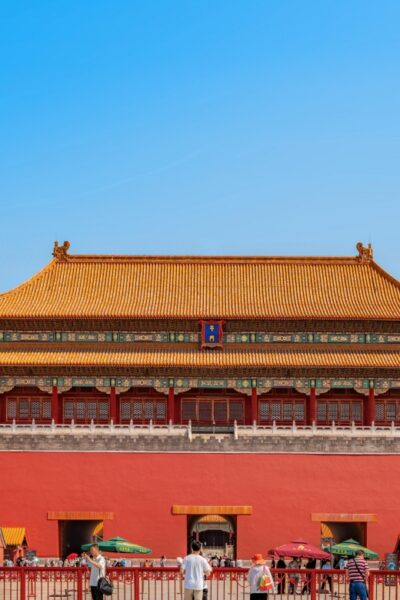
Forbidden City Tour(Group/Private)-Tickets Included
Read our review →
T-Square & Forbidden City Group or Private Tour
Read our review →
All-Inclusive Tour: Tiananmen Square, Forbidden City, Great Wall
Read our review →
4-Hour Small Group Tour to Forbidden City with Entry Tickets
Read our review →
Beijing Full Day Tours: Tiananmen Sq, Forbidden City, Great Wall
Read our review →
Mini Group Xian Day Tour to Terracotta Army, City Wall, Pagoda and Muslim Bazaar
Read our review →
Tianmen Square, Forbidden City & Royal Museum Tours
Read our review →
Beijing Forbidden City Ticket Booking (Optional: guide service)
Read our review →Where else this tour turns up